As the first snowflakes of winter begin to fall, a growing number of travelers are seeking ways to explore the enchanting landscapes of the season while minimizing their impact on the planet.
The allure of snow-covered mountains, cozy cabins, and thrilling winter sports is undeniable, but increasingly, travelers are recognizing the importance of sustainable practices. This shift towards eco-conscious adventures is not just a trend; it's a fundamental change in how we approach travel, driven by a desire to preserve the beauty of our planet for future generations.
The environmental impact of traditional winter travel can be significant. From the carbon emissions of flights and ski resorts to the waste generated by tourism, the industry has a responsibility to adapt and innovate. Fortunately, destinations and businesses are rising to the challenge, offering a range of sustainable options that allow travelers to enjoy the winter season responsibly. From eco-friendly accommodations and transportation to low-impact activities and mindful consumption, there are countless ways to reduce your carbon footprint and support local communities.
This article explores the rise of sustainable winter travel, highlighting destinations that are leading the way in eco-tourism and providing practical tips for travelers looking to minimize their environmental impact. Join us as we uncover the beauty of winter through a sustainable lens, proving that adventure and environmental stewardship can go hand in hand.
Embrace the Chill, Not the Carbon: Why Sustainable Winter Travel is Heating Up
The growing demand for sustainable winter travel reflects a significant shift in traveler priorities. No longer content with simply ticking off destinations, modern adventurers are seeking experiences that align with their values. They want to explore the world in a way that minimizes harm to the environment and supports local communities. This eco-conscious mindset is particularly relevant in the context of winter travel, where the environmental impact can be substantial.
Traditional tourism often relies heavily on carbon-intensive activities such as flying to distant destinations, staying in energy-consuming hotels, and participating in resource-heavy winter sports. The cumulative effect of these activities can contribute to climate change, habitat destruction, and pollution, threatening the very landscapes that attract visitors in the first place. As awareness of these issues grows, travelers are increasingly seeking alternatives that allow them to enjoy the winter season without compromising their environmental principles.
The shift from traditional tourism to eco-conscious adventures is fueled by a desire to preserve the natural beauty of winter landscapes. Travelers are recognizing that the long-term health of these destinations depends on adopting sustainable practices. This includes supporting businesses that prioritize environmental stewardship, choosing low-impact activities, and making mindful consumption choices.
While precise global statistics on carbon emissions solely from winter sports are difficult to isolate, transportation, accommodation, and energy use at resorts contribute significantly to the overall tourism carbon footprint. For example, air travel alone accounts for a substantial portion of global carbon emissions. Studies have shown that choosing direct flights and flying economy class can help reduce the carbon footprint associated with transportation.
The rise of sustainable winter travel is not just about reducing environmental impact; it's also about enhancing the travel experience. By connecting with local communities, supporting sustainable businesses, and engaging in low-impact activities, travelers can gain a deeper appreciation for the destinations they visit. This approach to travel fosters a sense of responsibility and encourages a more meaningful connection with the natural world.
Banff's Balancing Act: Adventure and Environmental Stewardship in the Rockies

Nestled in the heart of the Canadian Rockies, Banff National Park stands as a shining example of how adventure and environmental stewardship can coexist harmoniously.
This UNESCO World Heritage Site has long been a magnet for winter enthusiasts, drawn to its breathtaking landscapes, world-class ski resorts, and abundance of outdoor activities. However, Banff is also committed to preserving its natural beauty and minimizing the environmental impact of tourism.
Banff National Park has implemented several eco-friendly initiatives to promote sustainable tourism. Wildlife corridors ensure animals have safe passage across roads and development areas, reducing the risk of collisions and habitat fragmentation. Recycling programs are in place throughout the park, encouraging visitors to properly dispose of waste and minimize landfill contributions. Visitor education programs aim to raise awareness about sustainable practices and responsible wildlife viewing.
Winter in Banff offers a plethora of activities that allow visitors to connect with nature in a sustainable way. Snowshoeing and cross-country skiing provide opportunities to explore the park's vast forests and frozen lakes without the need for motorized vehicles. Ice climbing offers a thrilling challenge for experienced adventurers, while wildlife watching provides a chance to observe the park's diverse fauna in their natural habitat.
Several accommodations within Banff National Park have obtained eco-certifications, demonstrating their commitment to sustainable practices. These certifications ensure that hotels and lodges are implementing measures to reduce energy consumption, conserve water, and minimize waste.
To minimize car use within the park, visitors are encouraged to utilize the On-It bus service from Calgary or take advantage of walking and biking trails within the townsite. The Roam Transit system provides an excellent eco-friendly option for getting around town and visiting nearby attractions.
Local Tip: Take advantage of the free shuttle that runs between the town of Banff and the Banff Gondola during peak season to reduce traffic congestion and parking hassles.
The EcoFee program is another notable initiative in Banff National Park. Participating businesses collect a small fee from visitors, which is then used to fund carbon reduction projects within the park. This program allows visitors to directly contribute to the park's sustainability efforts and offset their carbon footprint.
Kyoto's Winter Serenity: Tradition Meets Eco-Consciousness

While often associated with its vibrant spring cherry blossoms, Kyoto, Japan, reveals a different kind of magic in winter – a serene blend of cultural richness and eco-conscious practices.
The city's ancient temples and meticulously manicured gardens take on a tranquil beauty under a blanket of snow, offering a peaceful escape from the hustle and bustle of modern life. Beyond its aesthetic appeal, Kyoto is also a destination that embraces sustainability, with numerous initiatives aimed at preserving its cultural heritage and minimizing its environmental impact.
Many of Kyoto's temples and businesses are actively involved in sustainable initiatives. Some temples have adopted zero-waste practices, composting food scraps and utilizing reusable materials. Plant-based dining is also gaining popularity, with many restaurants offering delicious and sustainable vegan options.
To navigate Kyoto sustainably, visitors are encouraged to utilize the city's efficient public transportation system. Trains and buses provide convenient and low-emission alternatives to cars, allowing travelers to explore the city without contributing to air pollution. Respect for local customs is also essential. This includes being mindful of noise levels, avoiding littering, and dressing appropriately when visiting temples and other religious sites.
Several establishments in Kyoto are leading the way in conscious tourism. Ace Hotel Kyoto was renovated from the historical building of Shinpukan, the former Kyoto Central Telephone Office, and has implemented measures to encourage sustainability, such as paper water packs instead of plastic bottles and toiletries kept to the minimum required. GOOD NATURE STATION is a commercial complex featuring a grocery shop and deli, original cosmetics and concept shops, restaurants, and hotel accommodations. The services and products provided here are selected based on whether they are “GOOD for the body, soul, community, society and the Earth.”
Hidden Gem: Explore Kyoto's Nishiki Market, a vibrant food market where you can sample local delicacies and support sustainable food practices by choosing vendors who source their ingredients locally.
The Kyoto Guidelines for Sustainable Tourism provide a framework for businesses and visitors to promote responsible tourism practices. These guidelines emphasize the importance of preserving cultural heritage, protecting the environment, and supporting local communities. By adhering to these guidelines, visitors can contribute to the long-term sustainability of Kyoto and ensure that its unique charm remains intact for generations to come.
Beyond the Slopes: Eco-Friendly Winter Activities for the Conscious Traveler
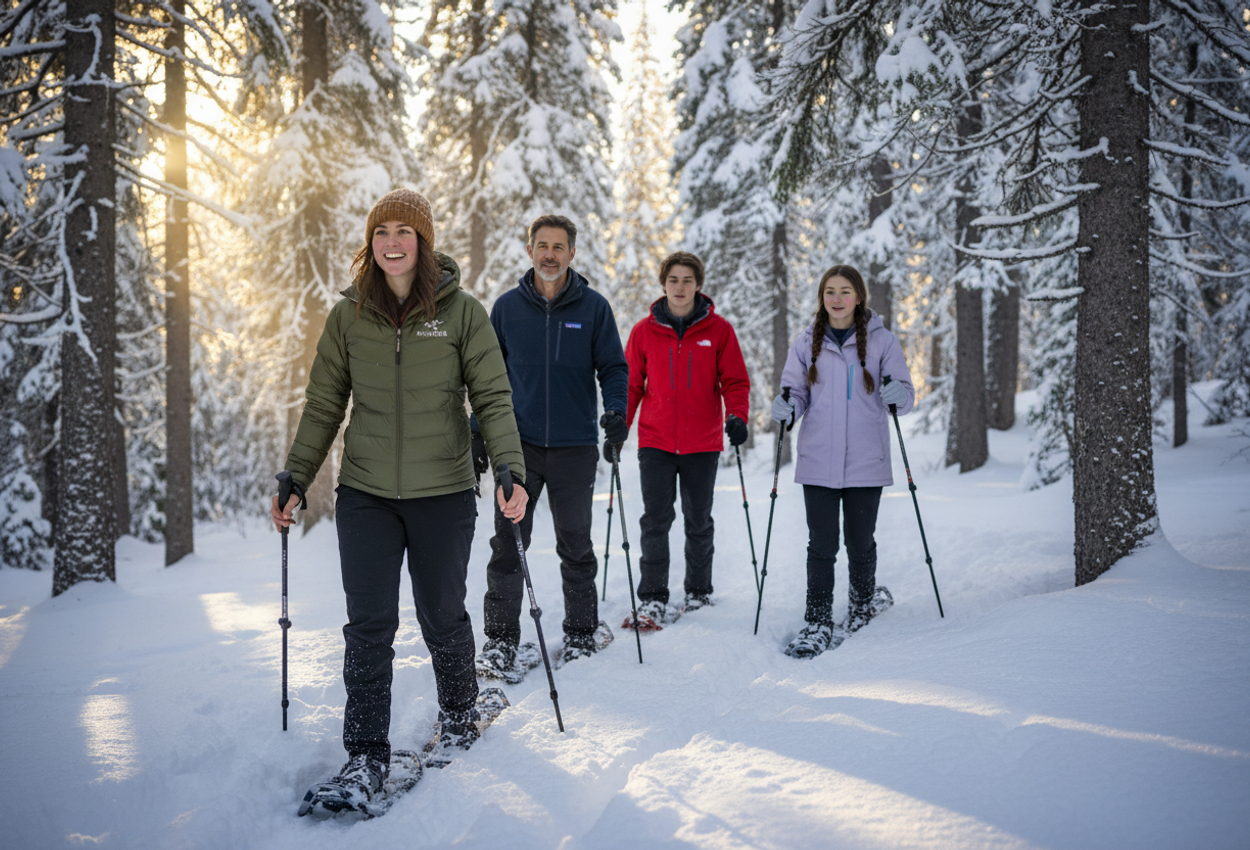
While skiing and snowboarding are popular winter pastimes, there are numerous other sustainable activities that allow travelers to connect with nature and enjoy the season without harming the environment.
Cross-country skiing and snowshoeing offer excellent opportunities to explore winter landscapes while minimizing your carbon footprint. These activities require no motorized equipment and provide a great workout while immersing you in the beauty of nature. Winter hiking is another fantastic option, allowing you to discover snow-covered trails and breathtaking vistas.
For those seeking simpler pleasures, building a snowman, making snow angels, or having a snowball fight can be surprisingly eco-friendly activities. These activities require nothing more than a bit of snow and a sense of fun, providing a refreshing reminder of the joys of simple, sustainable living.
Indoor activities can also be a sustainable way to enjoy the winter season. Baking plant-based treats is a delicious and eco-conscious option, reducing your reliance on animal products and minimizing your environmental impact. Creating upcycled art is another creative and sustainable activity, transforming discarded materials into unique and beautiful creations.
Local Tip: Visit a local farmers market to purchase ingredients for your plant-based baking session, supporting local farmers and reducing the carbon footprint associated with food transportation.
Volunteering in the community is a rewarding way to give back during the winter season. Participating in environmentally friendly projects such as local food banks, opportunity stores, or clean-up groups can make a positive impact on the planet and those around you.
Packing Light, Traveling Right: Tips for Reducing Your Carbon Footprint This Winter

Reducing your carbon footprint while traveling this winter requires a conscious effort to make sustainable choices, from transportation and accommodation to consumption and waste management.
Choosing direct flights and economy class can significantly reduce your environmental impact. Direct flights minimize fuel consumption associated with takeoffs and landings, while economy class allows for a more efficient use of space on the aircraft.
Opting for alternative transportation methods like trains and buses can further reduce your carbon footprint. Trains are particularly efficient for long-distance travel, while buses provide a more affordable and eco-friendly option for shorter journeys.
Packing light is another crucial step in minimizing your environmental impact. The weight of your luggage affects fuel efficiency, so packing only essential items can make a significant difference.
Bringing a reusable water bottle and shopping bags can help reduce your consumption of single-use plastics. Many destinations have water refill stations, making it easy to stay hydrated without relying on disposable bottles. Choosing accommodations with green certifications ensures that you are supporting businesses committed to sustainable practices. These accommodations often implement measures to reduce energy consumption, conserve water, and minimize waste.
Hidden Gem: Seek out accommodations that source their food locally, reducing the carbon footprint associated with food transportation and supporting local farmers.
By following these simple tips, you can significantly reduce your carbon footprint and enjoy a more sustainable winter travel experience. Every conscious choice you make contributes to a healthier planet and a more responsible approach to tourism.