In an era defined by bucket lists and wanderlust, the pursuit of romantic getaways often leads us to the world’s most iconic destinations. But what happens when these dreamscapes become overwhelmed by throngs of tourists, transforming intimate moments into crowded spectacles?
Overtourism, the phenomenon of too many visitors descending upon a single location, is casting a long shadow over the possibility of romance, turning cherished destinations into cautionary tales. From the congested canals of Venice to the bustling temples of Kyoto, the quest for intimacy in travel demands a new perspective, one that seeks out sustainable solutions and hidden gems.
Venice's Vanishing Charm: When Canals Become Crowds
Once celeated as La Serenissima, the most serene, Venice now grapples with the harsh reality of overtourism. Each year, approximately 20 million visitors flood its ancient streets, straining its infrastructure and diminishing the very essence that makes it a romantic haven. The Rialto idge and St. Mark's Square, once symbols of Venetian splendor, are now often overrun, making it difficult to savor their beauty.
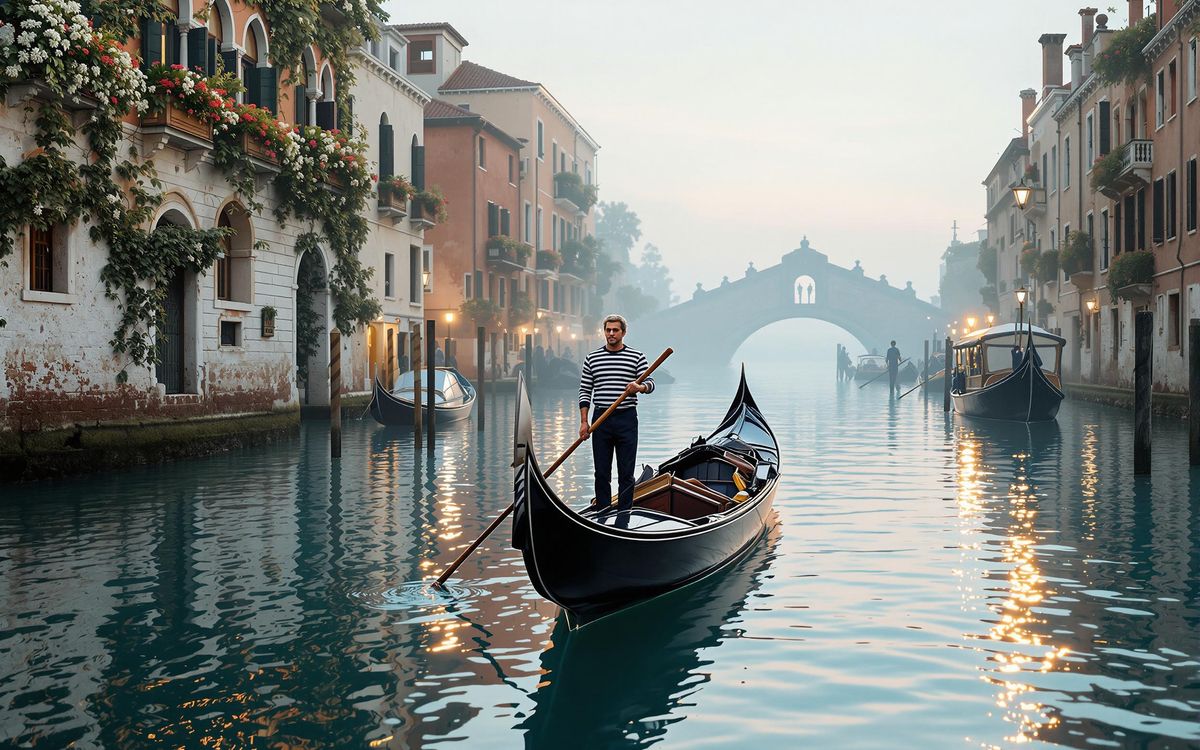
Imagine gliding along the canals in a traditional gondola, serenaded by the gentle lapping of water against ancient stone. This idyllic vision, however, often clashes with the reality of navigating through a sea of other gondolas, each vying for space amidst the crowded waterways. The sensory experience, meant to be one of tranquil romance, is instead punctuated by the cacophony of voices and the jostling of boats.
The impact extends beyond mere inconvenience. The surge in tourism has led to a proliferation of tourist-centric businesses, gradually displacing authentic Venetian culture. Local artisans and traditional shops struggle to compete with souvenir vendors, diluting the city's unique character. The rising cost of living, driven by the demand for short-term rentals, has forced many Venetians to leave their ancestral homes, further eroding the city's soul. The population has dwindled from over 120,000 three decades ago to approximately 55,000 today.
But romance can still be found in Venice, if you know where to look. Step away from the main thoroughfares and venture into the quieter Castello district, where locals hang their washing between buildings and hidden gardens offer respite. Explore Dorsoduro, known for its student population and charming cafes. For a truly intimate experience, escape to the lesser-known islands of Murano and Burano.
Local Tip: Visit San Francesco della Vigna in Castello, a serene churchyard offering a peaceful escape from the crowds. Or explore Giudecca, a largely residential island with very few tourists.
These neighboring islands offer a glimpse into a more authentic Venice, where the pace is slower, the atmosphere is more intimate, and the echoes of history resonate without the clamor of mass tourism.

Barcelona's oken Heart: Is Gaudí's Genius Lost in the Throng?
Barcelona, a city celeated for its viant culture and architectural wonders, is another poignant example of overtourism's impact. The serpentine benches of Park Güell and the awe-inspiring facades of the Sagrada Familia, masterpieces of Antoni Gaudí, now struggle to accommodate the sheer volume of visitors eager to witness their splendor.
The experience of beholding Gaudí's genius is often diluted by the jostling crowds, the incessant clicking of cameras, and the long queues that snake around these iconic landmarks. The artistry and architectural innovation, meant to inspire awe and wonder, are overshadowed by the logistical challenges of navigating through a sea of tourists.
Even the famed La Rambla, once a viant promenade showcasing local life, has succumbed to the pressures of tourism. Souvenir shops and fast-food chains have replaced traditional businesses, eroding the neighborhood's unique character and diluting its authenticity. Residents lament the loss of community spirit, as the influx of tourists transforms their beloved streets into generic commercial strips.
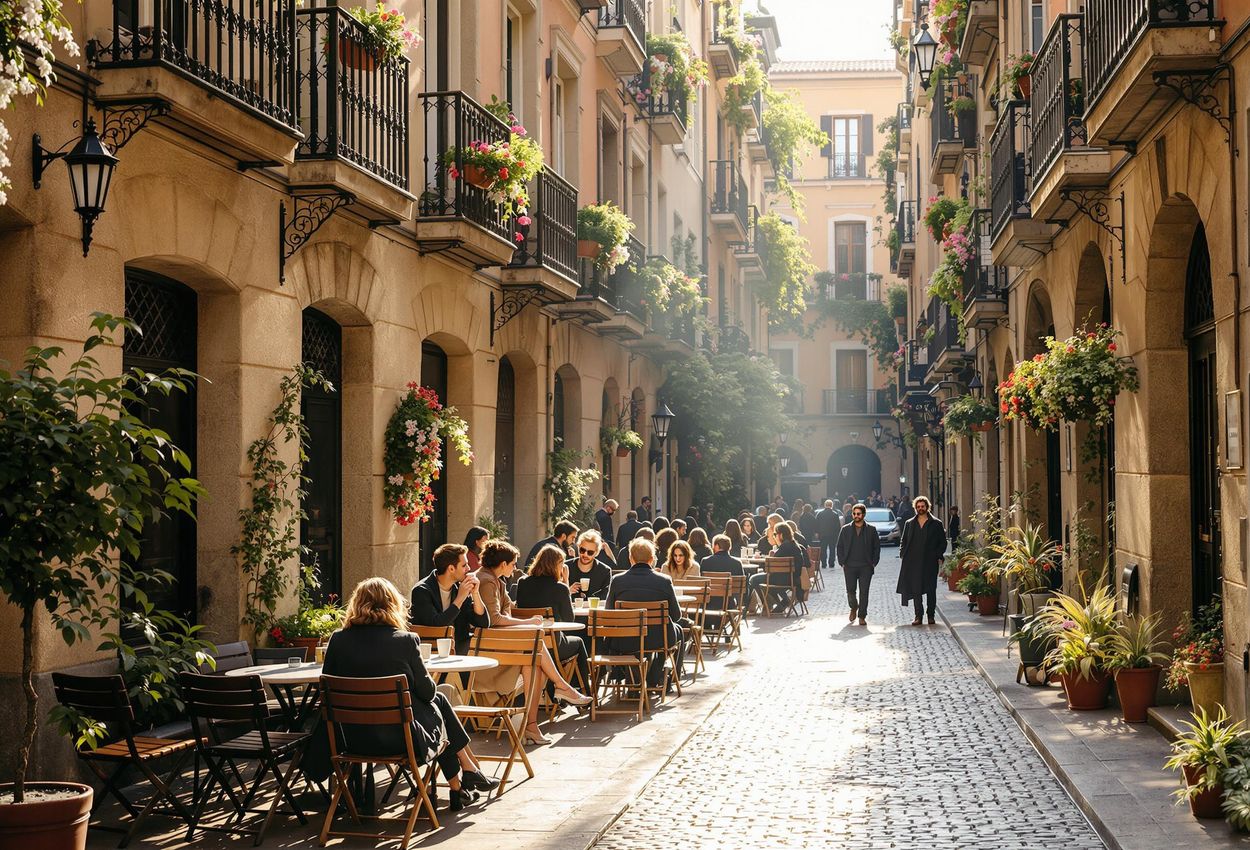
To rediscover the romance of Barcelona, one must venture beyond the well-trodden tourist paths. Explore lesser-known architectural gems such as the Hospital de Sant Pau, a stunning Art Nouveau complex that once served as a hospital, or Casa Vicens, Gaudí’s first major commission. Take a leisurely stroll through the El Born neighborhood, with its narrow, winding streets and artisan workshops, for a taste of authentic Barcelona.
Local Tip: Visit La Fáica, an old cement factory transformed into a unique home and architectural marvel by Ricardo Bofill. Or explore the Bunkers del Carmel for panoramic views of the city without the crowds at Park Güell.
These alternative experiences offer a chance to connect with the city's soul, away from the tourist throngs, allowing for a more intimate and meaningful exploration of its cultural treasures.
Kyoto's Fading Geishas: Can Tradition Survive the Tourist Tide?
Kyoto, the ancient capital of Japan, is renowned for its serene temples, exquisite gardens, and the enigmatic presence of geishas. However, overtourism is threatening to disrupt this delicate balance, as hordes of visitors descend upon the city in search of authentic cultural experiences.
The Gion district, famed for its preserved wooden machiya houses and the chance to spot geishas gracefully gliding through the streets, is particularly affected. The narrow alleyways are often clogged with tourists, making it difficult to appreciate the area's historic charm. The pursuit of geishas has become increasingly intrusive, with paparazzi-like behavior disrupting their privacy and undermining the mystique that surrounds them.
Even the city's tranquil temples and gardens are struggling to maintain their serene atmosphere amidst the tourist influx. The sheer volume of visitors makes it challenging to find moments of quiet contemplation, diminishing the spiritual essence of these sacred spaces. Local artisans, who painstakingly preserve traditional crafts, also face challenges, as the demand for mass-produced souvenirs overshadows their unique creations.
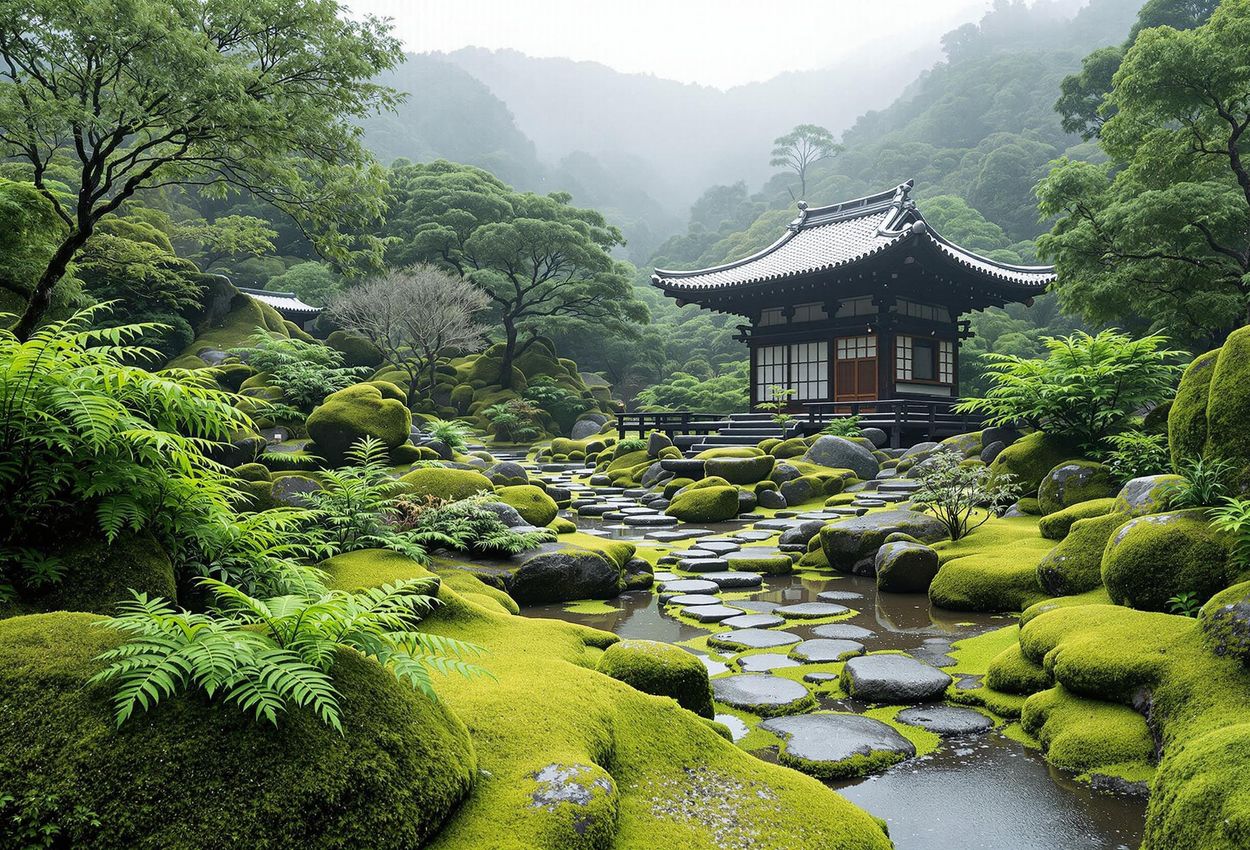
To experience the true romance of Kyoto, consider visiting during the off-season (late autumn or early spring), when the crowds are thinner and the weather is mild. Explore smaller, less crowded temples such as Sanzen-in in Ohara, a picturesque village nestled in the mountains north of Kyoto. Venture beyond the city center to discover hidden gardens and teahouses, where you can savor the tranquility and beauty of traditional Japanese culture.
Local Tip: Visit Higashi Hongan-ji Temple, which is within walking distance from Kyoto Station and features impressive wooden buildings and intricate woodwork, or Ishiyamadera Temple in Otsu, Shiga Prefecture, which has quite a few similarities to Kiyomizu-dera.
By venturing off the beaten path, you can forge a deeper connection with Kyoto's cultural heritage and create lasting memories that transcend the superficiality of mass tourism.
The Galapagos' Delicate Dance: Is Eco-Tourism Enough to Save Paradise?
The Galapagos Islands, a remote archipelago renowned for its unique ecosystem and extraordinary wildlife, face a different set of challenges related to tourism. While the islands have emaced eco-tourism as a means of generating revenue and promoting conservation, the delicate balance between economic benefits and environmental preservation remains a constant concern.
The influx of tourists, even those committed to responsible travel, can have a detrimental impact on the islands' fragile environment. The introduction of invasive species, the disturbance of wildlife habitats, and the generation of waste are all potential consequences of unchecked tourism growth. Managing visitor numbers and ensuring adherence to responsible tourism practices are crucial for mitigating these risks.
Sustainable initiatives and eco-lodges are playing a vital role in minimizing the environmental impact of tourism. These efforts include implementing waste reduction programs, promoting renewable energy sources, and supporting local communities through employment and education. However, continued vigilance and innovation are essential to ensure the long-term sustainability of the Galapagos Islands.
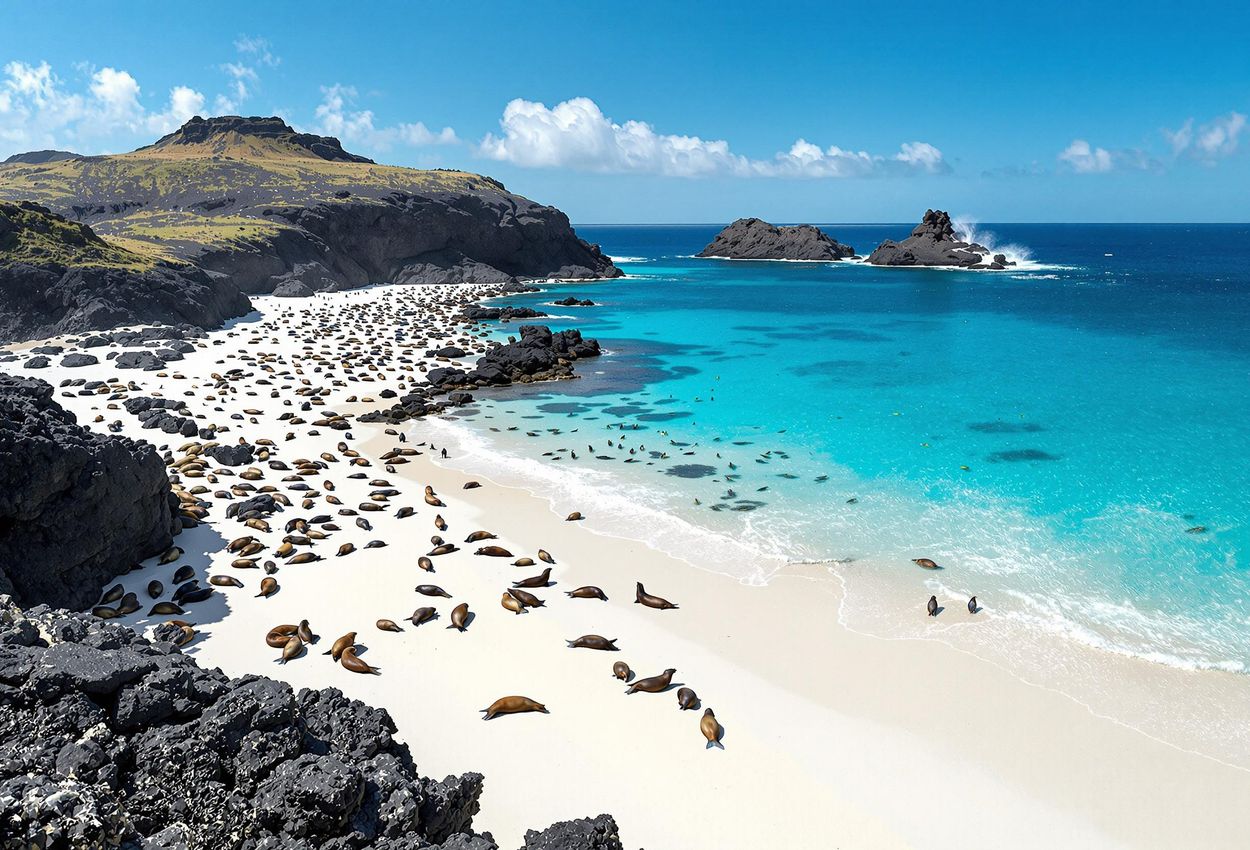
For a more intimate encounter with the islands' wildlife, explore the less-visited islands like Española or Genovesa. These remote outposts offer a chance to witness the islands' unique creatures in their natural habitat, away from the crowds that frequent the more popular destinations. Engage with local guides and support community-based tourism initiatives to ensure that your visit contributes to the well-being of the islands and their inhabitants.
Local Tip: Visit Santa Fe Island, a haven of biodiversity with its turquoise bay, endemic land iguanas, and opuntia cactus forest, or Rabida Island, known for its red-sand beaches and rugged landscapes.
By emacing responsible tourism practices and seeking out unique experiences, travelers can contribute to the preservation of this natural paradise and create lasting memories that honor its extraordinary beauty.
Bhutan's Bold Choice: Can 'High Value, Low Impact' Tourism Save Romance?
Bhutan, a small Himalayan kingdom, offers a contrasting model for sustainable tourism. By emacing a 'high value, low impact' approach, Bhutan has managed to preserve its unique culture and environment while providing authentic and intimate experiences for travelers.
The country's strict entry requirements and daily tariff contribute to this sustainable model. The tariff, which covers accommodation, meals, guides, and transportation, ensures that tourism revenue is reinvested in the country's infrastructure, social programs, and environmental conservation efforts. This approach limits the number of visitors, preventing overcrowding and minimizing the strain on the country's resources.
The benefits of this approach extend to travelers seeking authentic and intimate experiences. By limiting visitor numbers, Bhutan preserves its cultural integrity and ensures that interactions with local communities are meaningful and respectful. The focus on high-quality services and personalized attention allows visitors to immerse themselves in the country's rich traditions and natural beauty.
Visit remote monasteries like Taktsang (Tiger's Nest), a eathtaking temple complex perched on a cliffside, or participate in a local festival, such as the Paro Tshechu or Thimphu Tshechu, for a truly immersive cultural experience. Engage with local guides and learn about the country's unique philosophy of Gross National Happiness, which prioritizes well-being and sustainability over economic growth.
Local Tip: Attend the Black-necked Crane Festival in October, celeating the majestic bird native to the Tibetan Plateau, or the Haa Summer Festival, showcasing Bhutanese culture and traditions.
By choosing Bhutan as a destination, travelers can support a model of tourism that prioritizes sustainability, cultural preservation, and authentic experiences, creating a win-win scenario for both visitors and the host country.