Music, a universal language, transcends cultural boundaries, weaving itself into the very faic of celeations around the world, acting as a powerful form of cultural expression.
From joyous festivals to solemn ceremonies, music reflects and shapes the beliefs, traditions, and values of societies across the globe. It serves not only as a source of entertainment but also as a vital means of preserving heritage, fostering community, and expressing collective identity.
A Symphony of Traditions: How Music Binds Us
Music is an intrinsic element of cultural celeations worldwide, acting as a viant form of expression that mirrors the beliefs, traditions, and values of diverse societies. Whether it's the rhythmic pulse of a tribal dance, the soaring melodies of a religious hymn, or the infectious beat of a contemporary pop song, music possesses the unique ability to evoke emotions, create ambiance, and unite people in shared experiences.
Across the globe, different types of music are commonly associated with celeations. Folk music, with its roots in oral tradition, often tells stories of a community's history, legends, and daily life. Religious hymns, chants, and spiritual songs enhance the sense of reverence and devotion during ceremonies. Contemporary pop music, with its catchy tunes and relatable lyrics, provides a soundtrack for social gatherings and festive occasions.
The power of music lies in its ability to transcend language barriers and cultural differences. Even without understanding the lyrics, listeners can connect with the emotions conveyed through melody, rhythm, and harmony. Music creates a shared experience that fosters a sense of belonging and strengthens social bonds. In essence, music binds us together, reminding us of our shared humanity and celeating the diversity of our cultural heritage.

Echoes of the Past: Traditional Music's Enduring Legacy
Traditional music plays a vital role in preserving cultural heritage, acting as a vessel for stories, values, and historical narratives that are passed down through generations. These musical forms embody the resilience, identity, and legacy of communities around the world, offering a connection to the past and a sense of continuity for the future.
In Ireland, folk music embodies the nation's history of struggle and resilience, with ballads recounting tales of rebellion, famine, and emigration. The haunting melodies of traditional Irish instruments like the fiddle, flute, and harp evoke a sense of longing and pride, connecting contemporary audiences to their ancestors' experiences.
Among Native American tribes, music serves as a powerful means of preserving tribal identity and transmitting cultural knowledge. Songs and chants accompany ceremonies, rituals, and social gatherings, reinforcing community bonds and celeating the interconnectedness of all living things. The rhythmic drumming and vocal harmonies create a spiritual atmosphere, honoring the ancestors and reaffirming the tribe's unique place in the world.
In India, Hindustani and Carnatic music traditions safeguard the country's rich cultural legacy, with ragas and talas passed down through guru-shishya parampara (teacher-student tradition). These complex musical forms embody the philosophical and spiritual values of Indian culture, offering a pathway to self-realization and a connection to the divine.
Hidden Gem: Ethnomusicologists collaborate with communities to document and revitalize endangered musical traditions, emphasizing the ecological knowledge embedded within these rituals. By recording oral histories, transcribing melodies, and creating educational resources, they help ensure that these precious cultural assets are preserved for future generations.
Sacred Sounds: Music in Religious and Spiritual Observances
Music plays an integral role in religious ceremonies and spiritual gatherings, enhancing the sense of reverence, devotion, and spiritual connection. From ancient chants to contemporary hymns, music elevates the worship experience, creating a sacred space for reflection, prayer, and communion.
In Christianity, Gregorian chants create a meditative atmosphere, fostering a sense of peace and contemplation. The soaring melodies and harmonic textures of hymns inspire awe and devotion, uniting congregations in shared expressions of faith.
In Hinduism, bhajans (devotional songs) express love and adoration for deities, often accompanied by traditional instruments like the harmonium and tabla. The rhythmic chanting and call-and-response singing create a viant and immersive worship experience.
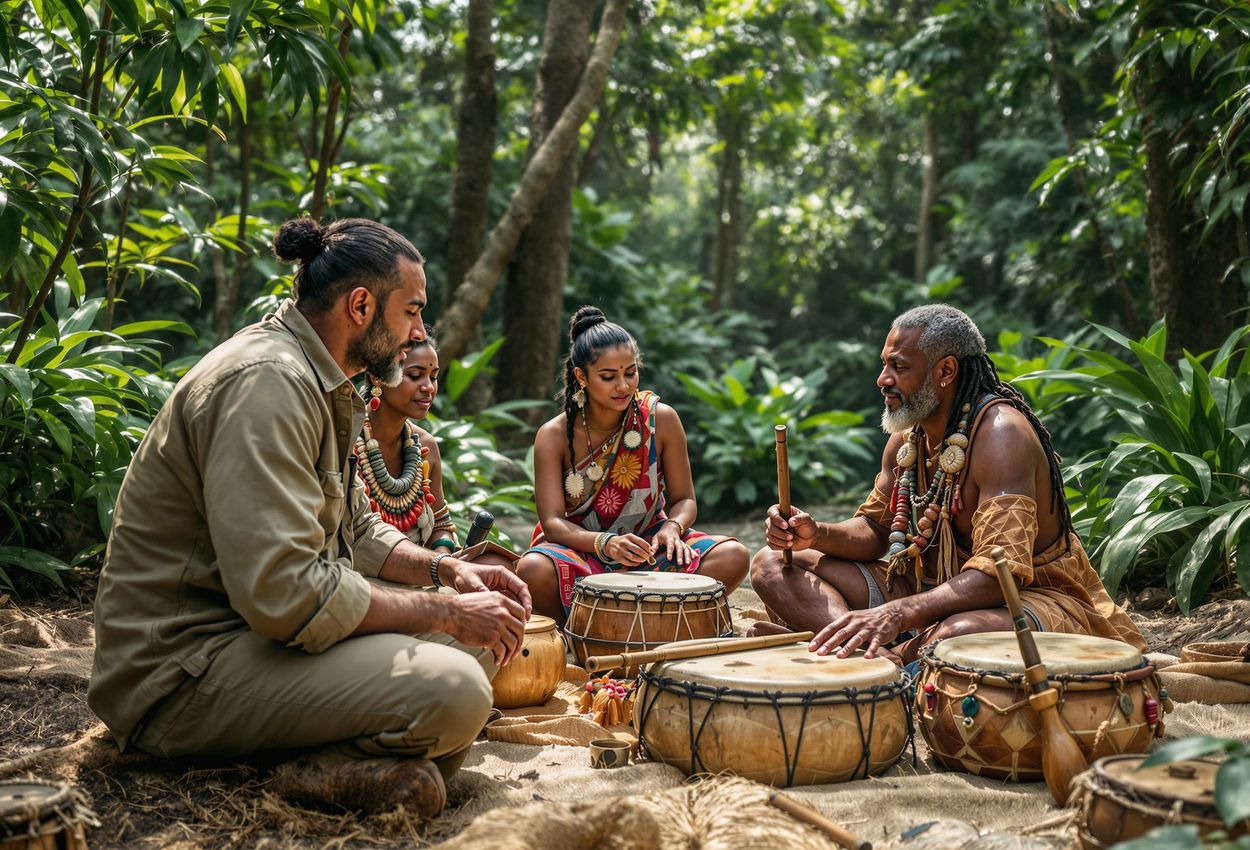
In African tribal rituals, rhythmic drumming serves as a conduit for spiritual energy, connecting participants to the ancestors and the natural world. The complex polyrhythms and improvisational drumming create a trance-like state, facilitating healing, divination, and community bonding.
Unique Element: Historically, certain melodies or passages were assigned to specific ceremonies, conveying celeation, worship, or healing. These musical codes added layers of meaning to the rituals, ensuring that the appropriate emotions and intentions were evoked.
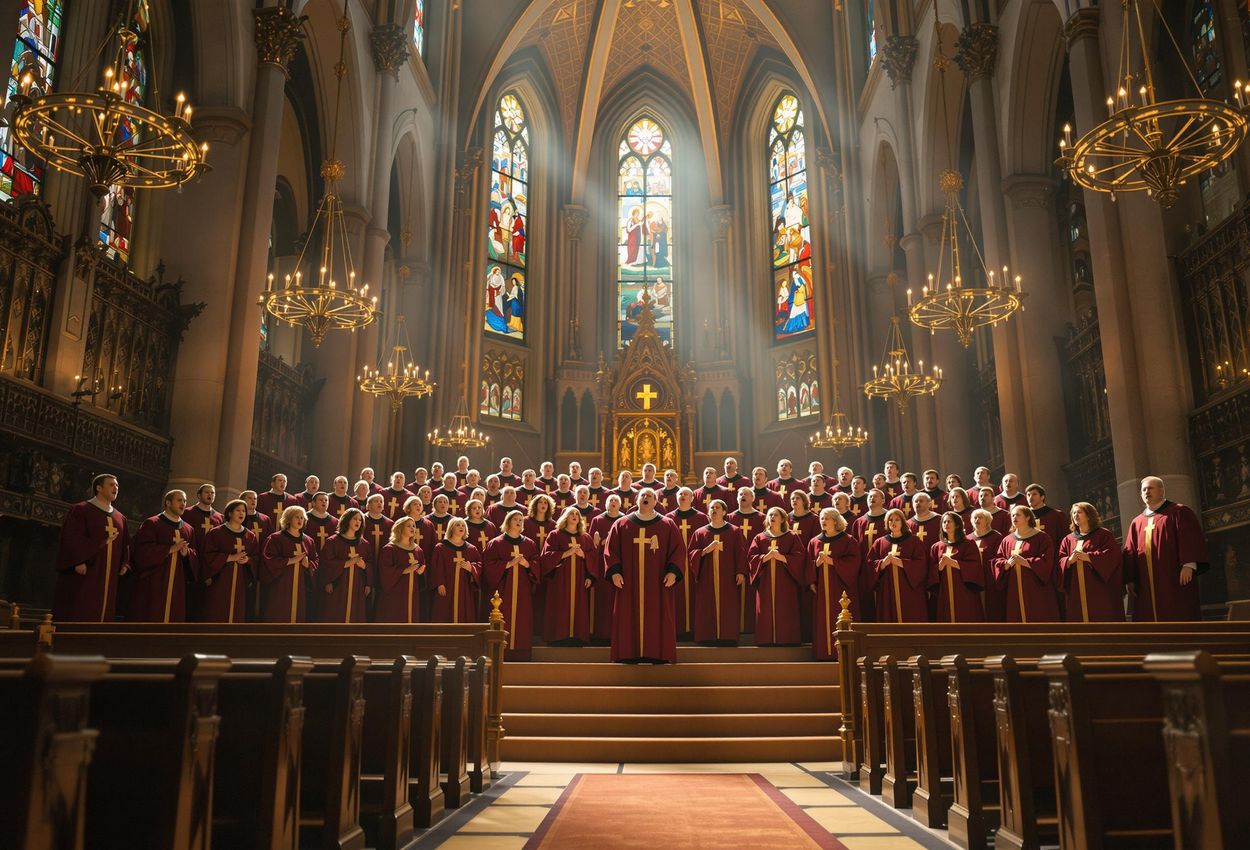
Festive Rhythms: Music at Celeations and Festivals
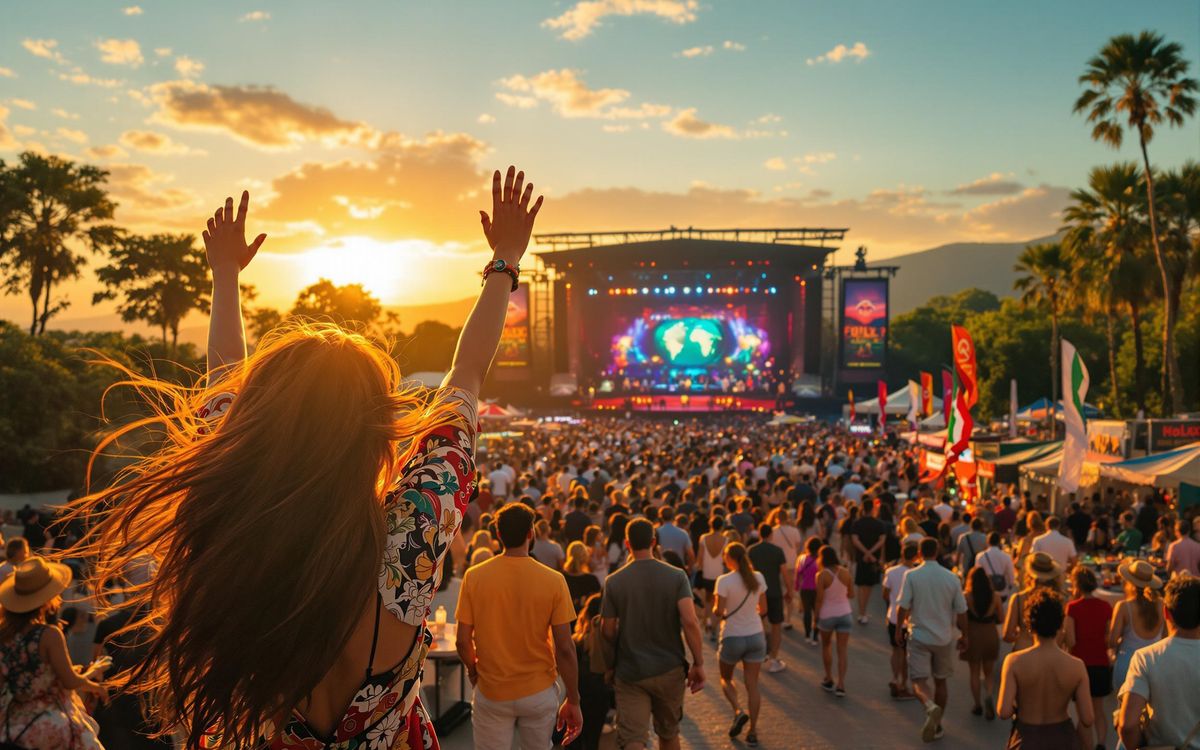
Music is the lifeblood of festivals and social gatherings, infusing these events with energy, excitement, and a sense of shared joy. From traditional folk tunes to contemporary beats, music sets the tone, creates ambiance, and fosters social interaction, making celeations truly memorable.
The Baining Fire Dance in Papua New Guinea exemplifies the powerful connection between music and ritual. Drums and chants accompany dancers as they fearlessly walk and dance on hot coals, creating a mesmerizing spectacle that celeates the tribe's resilience and spiritual connection to fire.
Klezmer music at Jewish celeations, with its lively melodies and improvisational flair, ings people together in spirited dancing and merriment. The clarinet, accordion, and other instruments create a festive atmosphere, honoring tradition while emacing the joy of the present moment.
Cultural Detail: Music in these contexts often serves as a medium for cultural exchange, promoting inclusivity and understanding among diverse backgrounds. Festivals that showcase a variety of musical genres and traditions encourage attendees to explore new sounds and appreciate the richness of human creativity.

Musical Milestones: Marking Life's Passages with Song
Music accompanies us through life's significant milestones, providing a soundtrack for weddings, graduations, funerals, and other important transitions. The types of music associated with these occasions often carry symbolic meanings, reflecting the emotions and values associated with each event.
Wedding music traditions vary widely across cultures, from classical compositions to folk songs, each chosen to express the couple's love, commitment, and hopes for the future. The music creates a romantic and celeatory atmosphere, uniting families and friends in shared joy.
Graduation ceremonies often feature uplifting and inspirational songs that celeate achievement and encourage graduates to pursue their dreams. The music inspires a sense of accomplishment and optimism, marking the transition from student to professional.
Funerals often incorporate somber and reflective music that honors the deceased and provides comfort to grieving loved ones. Hymns, classical pieces, and folk ballads offer solace and rememance, helping individuals express their emotions and find closure.
Insider Tip: Music therapy pioneers use music to help individuals express emotions and maintain connections during difficult times, particularly in sensitive ceremonies like funerals. Music therapy provides a supportive and non-judgmental space for individuals to process their grief and celeate the life of the deceased.

Global Harmony: Music as a Universal Language
Music transcends language barriers and cultural differences, acting as a universal means of communication that evokes emotions, conveys ideas, and shares stories. Even without understanding the lyrics, listeners can connect with the emotions expressed through melody, rhythm, and harmony, fostering mutual understanding and idging divides.
Music evokes emotions through its inherent qualities, such as tempo, dynamics, and instrumentation. A fast tempo and major key can convey joy and excitement, while a slow tempo and minor key can evoke sadness and introspection. These emotional cues are universally understood, regardless of cultural background.
Music conveys ideas through its structure, form, and lyrical content. A simple melody can express a basic emotion, while a complex composition can tell a story or convey a philosophical concept. Lyrical content can further enhance the message, providing context and meaning for the listener.
Music shares stories through its narrative structure, characters, and themes. Folk ballads, opera, and musical theater all use music to tell stories that resonate with audiences across cultures. These stories often explore universal themes such as love, loss, betrayal, and redemption.
Global Perspective: Music festivals worldwide promote cultural exchange and collaboration, fostering unity and harmony among diverse cultures. These festivals showcase a variety of musical genres and traditions, encouraging attendees to explore new sounds and appreciate the richness of human creativity.

Shaping Society: Music's Influence on Cultural Norms and Values
Music plays a significant role in shaping cultural norms, values, and societal attitudes. Through its lyrics, rhythms, and melodies, music communicates values and traditions, helping to preserve cultural heritage and promote understanding among diverse groups.
Music challenges stereotypes by presenting alternative perspectives and experiences. Songs that celeate diversity, challenge gender roles, and promote inclusivity can help eak down prejudices and foster empathy.
Music encourages empathy by allowing listeners to connect with the emotions and experiences of others. Songs that tell stories of struggle, resilience, and hope can inspire compassion and a desire to create positive change.
Music promotes understanding among diverse groups by showcasing different cultural traditions and perspectives. Festivals, concerts, and educational programs can expose listeners to new sounds and ideas, fostering appreciation for the richness of human diversity.
Nuanced Perspective: Music can reflect and influence perceptions of gender roles, relationships, and social issues within different cultural contexts. By examining the messages conveyed through music, we can gain insights into the values and beliefs of a society and how they are evolving over time.
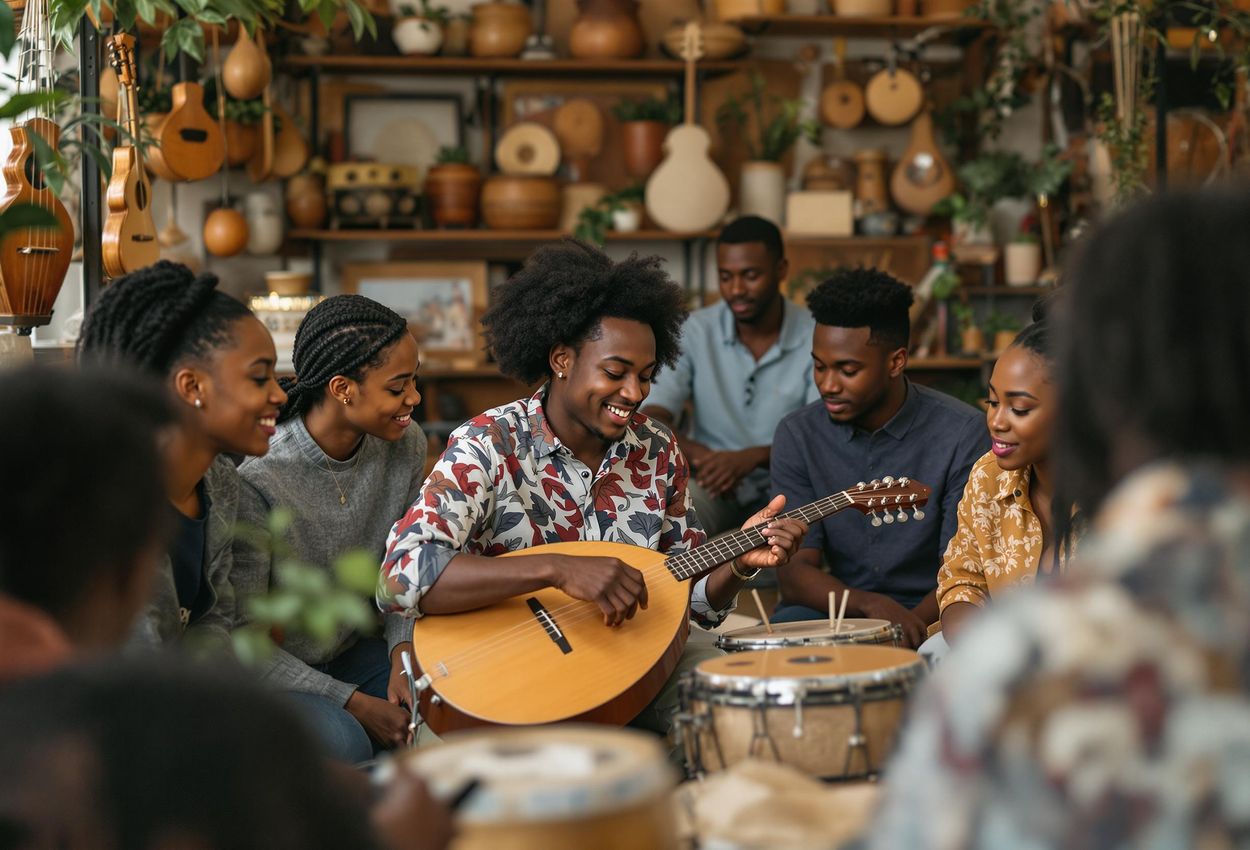
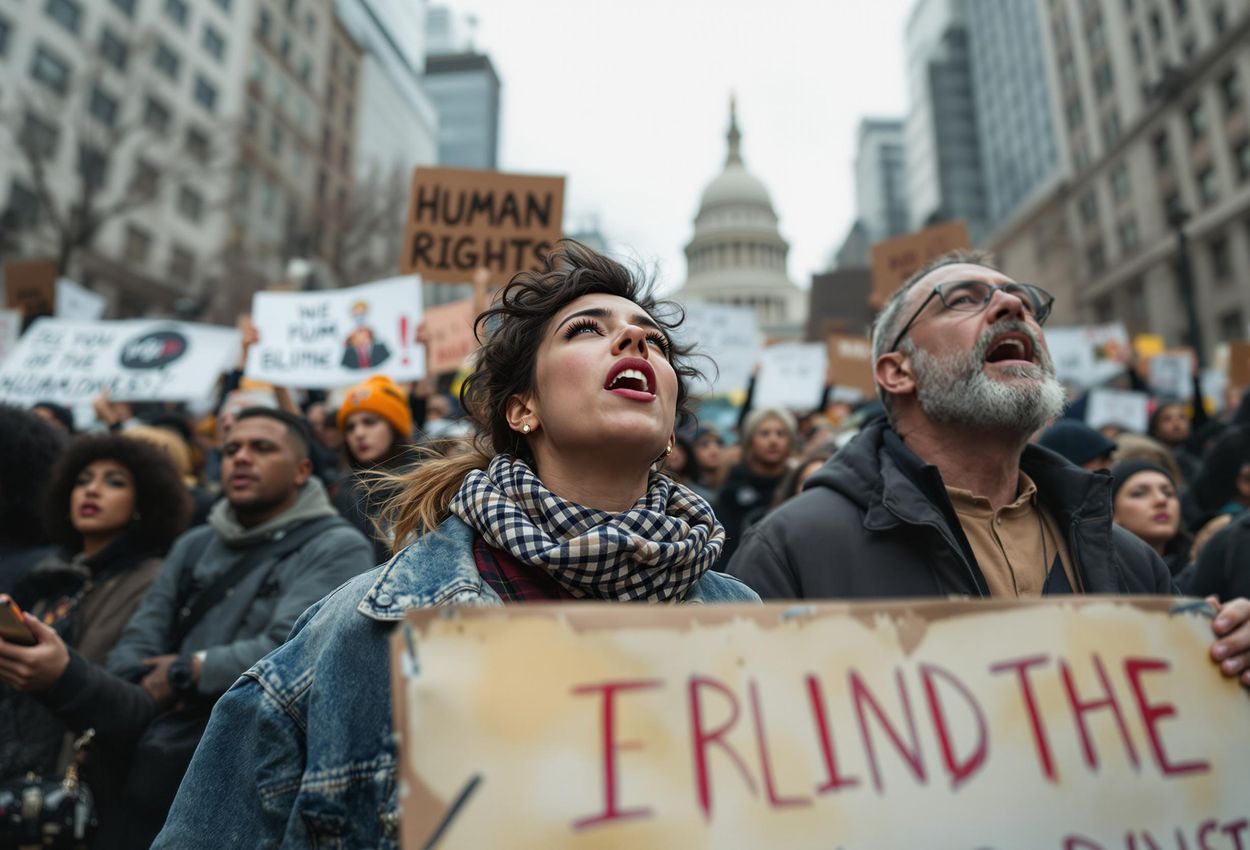
Rhythms of Resistance: Music as a Tool for Social Commentary
Music has long served as a powerful tool for addressing social and political issues, providing a platform for expressing dissent, challenging injustice, and promoting human rights. Protest songs, anthems, and musical movements have galvanized communities and inspired activism, shaping public opinion and driving social change.
Protest songs express dissent by articulating grievances, challenging authority, and demanding change. These songs often use powerful lyrics, evocative melodies, and rousing rhythms to capture the emotions of a movement and inspire action.
Anthems galvanize communities by providing a shared sense of identity, purpose, and hope. These songs often feature simple, memorable melodies and lyrics that celeate the values and goals of a movement.
Musical movements inspire activism by creating a cultural space for dialogue, organizing, and mobilization. These movements often involve a variety of artists, genres, and platforms, amplifying the message and reaching a wider audience.
Historical Example: Music played a crucial role in movements like the Civil Rights Movement, inspiring activism and fostering a sense of collective identity. Songs like We Shall Overcome and A Change Is Gonna Come became anthems of the movement, providing hope and inspiration in the face of adversity.
The Sounds of Tomorrow: Preserving and Evolving Musical Traditions
Preserving musical traditions for future generations is essential for maintaining cultural continuity and celeating the richness of human creativity. However, it is equally important to emace innovation and creativity, allowing musical traditions to evolve and adapt to changing times.
Contemporary artists blend traditional and modern elements to create fusion genres that appeal to a wider audience. By incorporating traditional instruments, melodies, and rhythms into contemporary compositions, they idge the gap between the past and the present, ensuring that these traditions remain relevant and viant.
Traditional music is incorporated in film and media, exposing new audiences to the beauty and complexity of these cultural treasures. By using traditional music in soundtracks, documentaries, and educational programs, filmmakers and media producers can raise awareness and appreciation for diverse musical traditions.
Efforts to document, archive, and revitalize musical traditions ensure that these precious cultural assets are preserved for future generations. By recording oral histories, transcribing melodies, and creating educational resources, ethnomusicologists, cultural organizations, and community members help safeguard these traditions from extinction.
Forward-Looking Note: Music education maintains cultural continuity, ensuring that traditions are passed down through schools, conservatories, and community gatherings. By providing access to music education, we empower future generations to connect with their cultural heritage and contribute to the ongoing evolution of musical traditions.

A World United: The Enduring Power of Music
Music, in its myriad forms, remains an enduring and potent force in cultural celeations worldwide. It serves as a form of cultural expression, a tool for preserving heritage, and a universal language that connects people across borders. Its ability to evoke emotions, convey ideas, and share stories transcends linguistic and cultural divides, fostering mutual understanding and promoting harmony.
As we journey forward, it is imperative to appreciate and preserve diverse musical traditions, recognizing their unique contributions to global culture and identity. By supporting musicians, attending concerts and festivals, and engaging in music education, we can ensure that these traditions continue to thrive and enrich our lives for generations to come.
In conclusion, music's enduring power lies in its ability to unite us, celeate our diversity, and inspire hope for a more harmonious world. Let us emace the symphony of traditions that surrounds us, recognizing the profound impact of music on our lives and the world we share.