Art has long been a powerful tool for social and political change, capable of challenging authority and inspiring action through symbols and expressions.
From ancient civilizations to contemporary movements, artists have used their creativity to critique, protest, and advocate for a better world. This article delves into the dynamic realm of art activism, exploring how artists are harnessing their work to raise awareness, challenge injustice, and mobilize communities towards meaningful social transformation.
This exploration uncovers the challenges and rewards inherent in this potent form of expression, highlighting the ethical tightrope that art activists navigate. By examining case studies, incorporating voices of artists and activists, and discussing the potential pitfalls, this article aims to provide a comprehensive understanding of art as a catalyst for social change.
A Canvas for Change: The Rise of Art Activism
Art activism is a multifaceted approach that combines artistic expression with social or political activism.
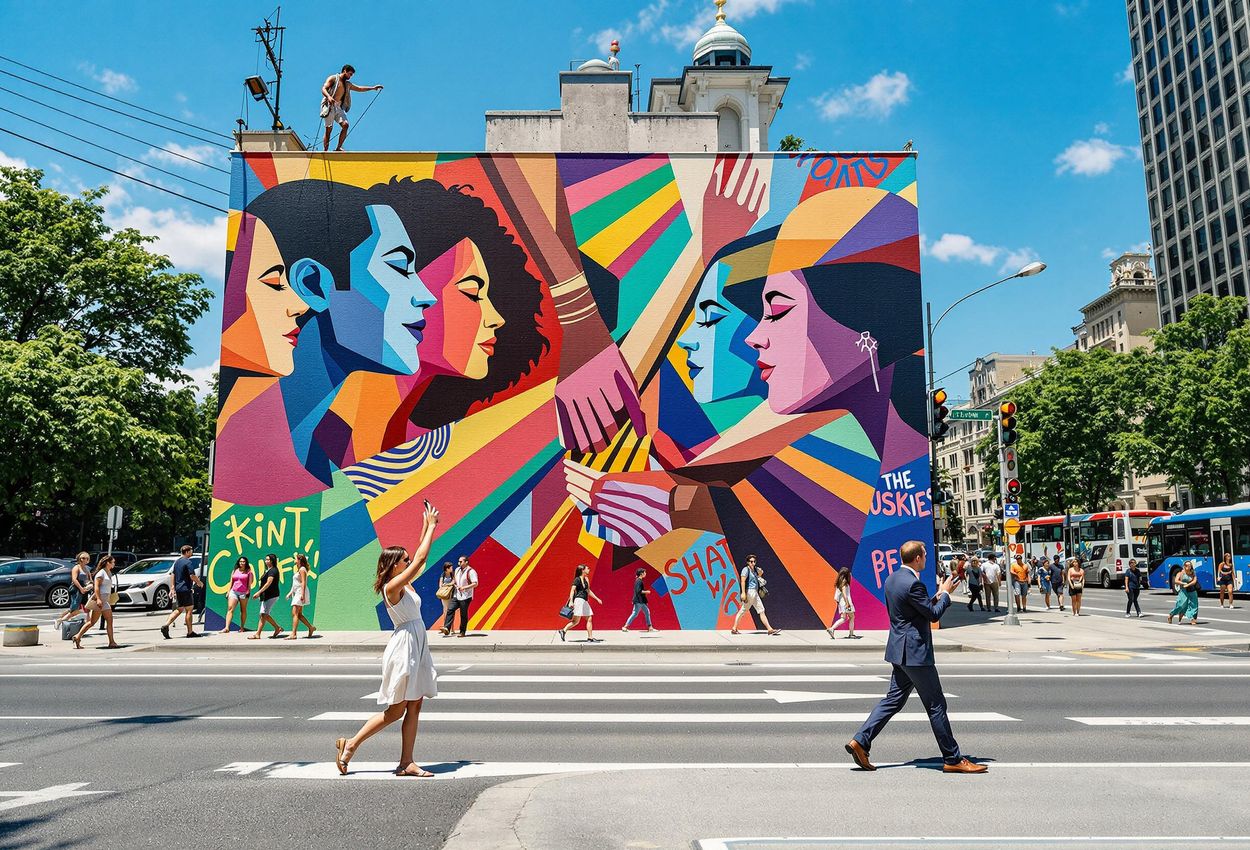
It transcends traditional art forms, encompassing paintings, sculptures, murals, performance art, digital media, and more. At its core, art activism seeks to address pressing social issues, challenge injustice, and inspire change by using art as a medium to convey powerful messages, evoke emotions, and mobilize communities.
The roots of art activism can be traced back through history, with art serving as a tool for social commentary and protest in various movements. During the French Revolution, for example, artists used their work to express revolutionary ideals and critique the monarchy. Similarly, during the Civil Rights Movement in the United States, artists created powerful imagery and slogans that helped to raise awareness and galvanize support for the cause of equality. These historical precedents demonstrate the enduring power of art to shape public opinion and inspire social change.
In contemporary society, art activism has gained even greater prominence, with artists using their creative platforms to address a wide range of issues, including climate change, human rights, economic inequality, and racial justice. The rise of social media and digital technologies has further amplified the reach and impact of art activism, allowing artists to connect with audiences around the world and mobilize support for their causes.
Amplifying Marginalized Voices: Art as a Platform for the Underrepresented
One of the most significant contributions of art activism is its ability to provide a platform for marginalized communities to share their stories and experiences.
Art can be a powerful tool for challenging stereotypes, promoting inclusivity, and demanding equality by giving voice to the voiceless. Artists from underrepresented groups are using their work to amplify the voices of women, people of color, LGBTQ+ individuals, indigenous communities, and others who have historically been excluded from mainstream narratives.

For example, the Guerrilla Girls, an anonymous group of feminist artists, have used provocative posters and billboards to expose gender and racial inequality in the art world. Their work challenges the dominance of white male artists and advocates for greater representation and recognition of women and artists of color. Similarly, LGBTQ+ artists are using their art to challenge heteronormative assumptions, celebrate queer identities, and advocate for LGBTQ+ rights. Indigenous artists are reclaiming their cultural heritage, challenging colonial narratives, and raising awareness about the rights and struggles of indigenous communities.
Through these diverse artistic expressions, marginalized communities are able to assert their identities, challenge dominant narratives, and demand recognition and respect. Art becomes a vehicle for empowerment, allowing individuals to reclaim their voices and agency in the face of systemic oppression.
Challenging the Status Quo: Art as a Form of Protest
Art has a long and storied history as a form of protest, challenging the status quo and critiquing societal norms.
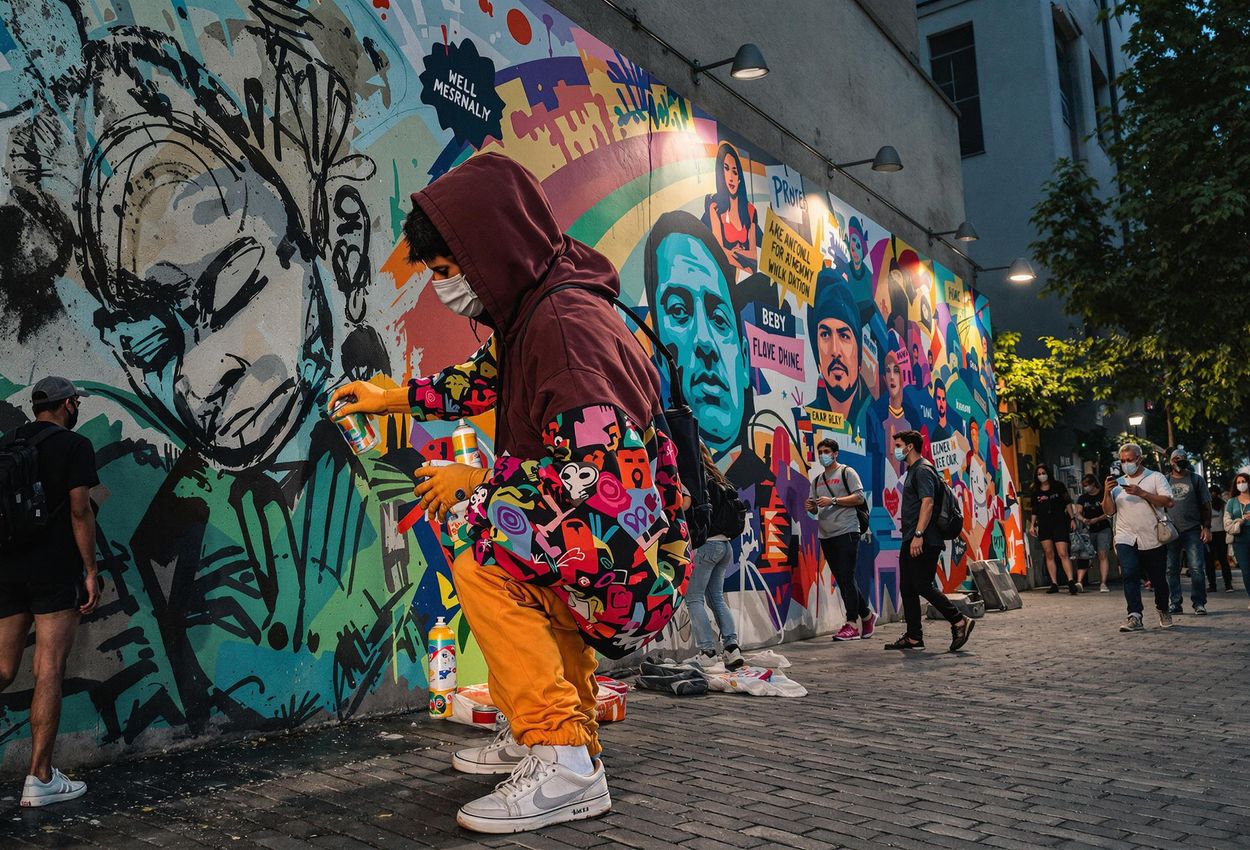
Artists have used their work to protest against political oppression, economic inequality, environmental degradation, and other forms of injustice. Protest art can take many forms, from paintings and sculptures to murals and street art, each carrying a unique message of dissent and resistance.
One prominent example of protest art is the work of Banksy, an anonymous street artist whose satirical and subversive interventions have challenged authority and sparked dialogue around social and political issues. Banksy's murals often depict anti-war themes, critiques of consumerism, and messages of hope and resistance. Another influential protest artist is Ai Weiwei, a Chinese artist and activist whose work challenges censorship and human rights abuses. Ai Weiwei has used his art to speak out against the Chinese government's repression of dissent and to raise awareness about the plight of political prisoners.
Other examples of protest art include the anti-war paintings of Jasper Johns, the feminist performances of Carolee Schneemann, and the activist photography of Nan Goldin. These artists, and many others, have used their work to challenge authority, inspire change, and give voice to the marginalized and oppressed.
Art as a Healing Force: Promoting Well-being and Empowerment
Beyond its role as a form of protest and social commentary, art can also serve as a healing force, promoting well-being and empowerment.
Art therapy, for example, is a therapeutic technique that uses the creative process to help individuals process their emotions, heal from trauma, and build resilience. Art can provide a safe and supportive space for individuals to express themselves, explore their feelings, and develop coping mechanisms.
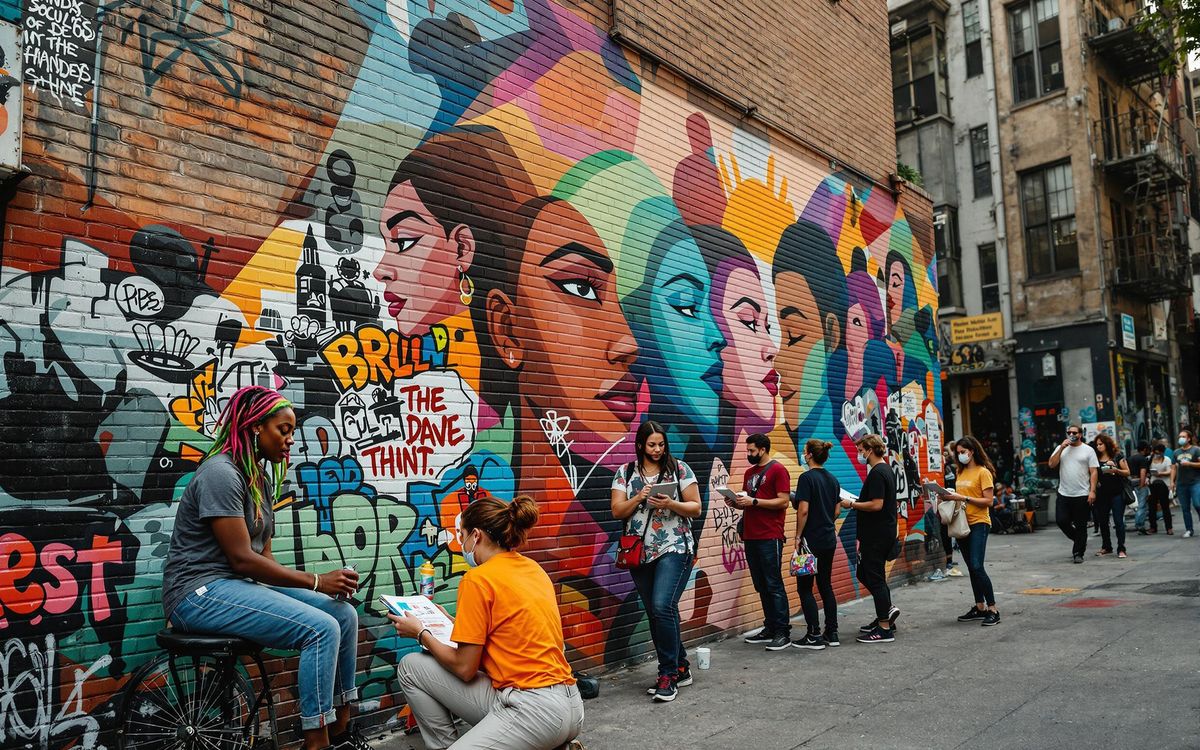
Community-based art initiatives are also making a difference in the lives of those affected by social injustices. These initiatives bring together artists and community members to create collaborative art projects that address local issues, promote healing, and build community. For example, mural projects can transform neglected spaces into vibrant hubs of creativity, fostering a sense of pride and ownership within communities. Art workshops can provide individuals with new skills and opportunities for self-expression, empowering them to become active agents of change.

Through these therapeutic and community-based art programs, individuals can find healing, empowerment, and a sense of connection, fostering resilience and promoting social change from the ground up.
Navigating the Tightrope: Challenges and Rewards of Art Activism
While art activism offers immense potential for social change, it also presents significant challenges and risks for artists.
Artists who engage in social activism may face censorship, harassment, and even prosecution for their work. Governments and other powerful actors may attempt to suppress artistic expression that challenges their authority or exposes their wrongdoings. In some cases, artists may be subjected to intimidation, violence, or imprisonment for their activism.
In addition to these external challenges, art activists must also grapple with ethical considerations, such as balancing artistic integrity with social impact. Artists must be mindful of the potential for their work to be misinterpreted or co-opted by those with different agendas. They must also be sensitive to the communities and issues they are addressing, ensuring that their work is respectful, authentic, and empowering. Ethical art activism requires engaging with cultural materials in a way that is informed, respectful, and collaborative.
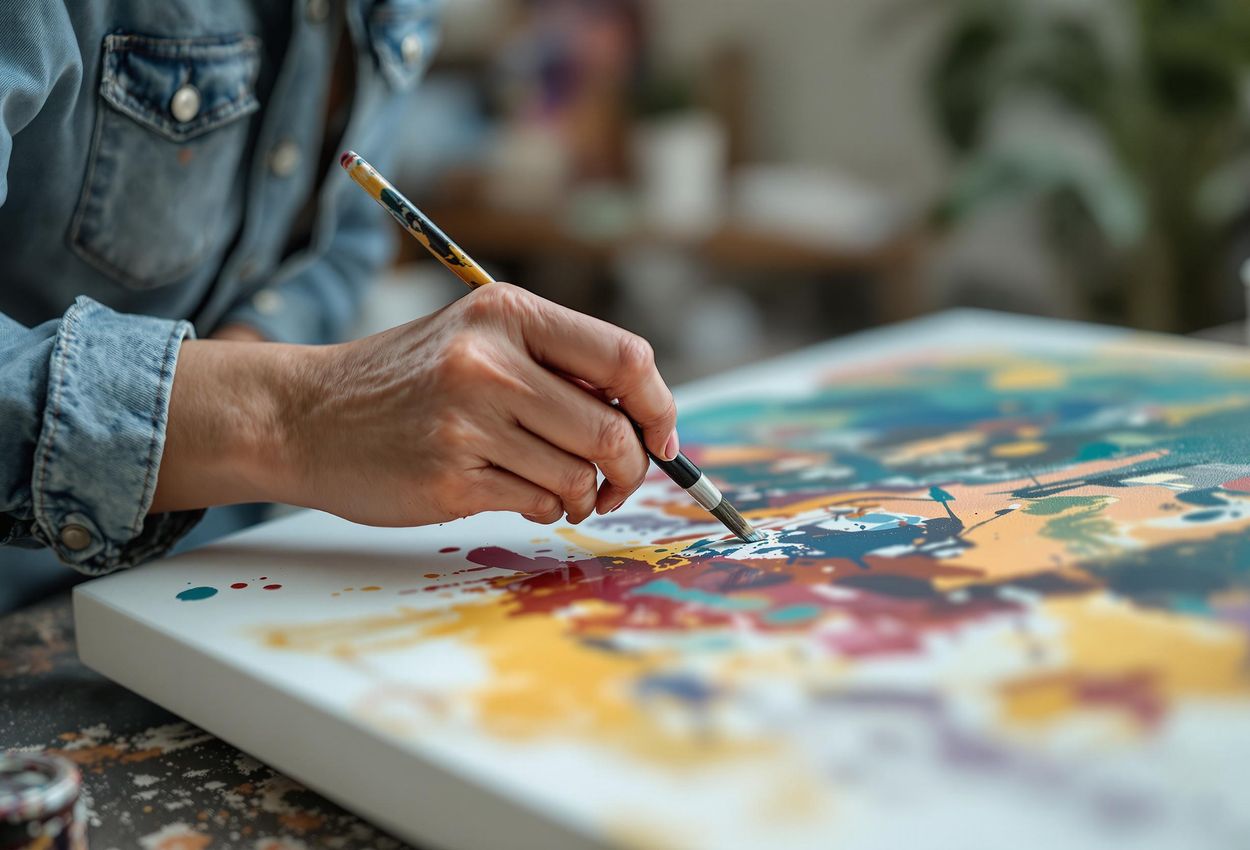
Despite these challenges, the rewards of art activism can be immense. Artists who use their work to make a difference can experience a deep sense of purpose and fulfillment. They can connect with communities, inspire change, and contribute to a more just and equitable world. By amplifying marginalized voices, challenging the status quo, and promoting healing and empowerment, art activists can play a vital role in shaping a better future for all.
Local Tip: Support local art initiatives and artists who are addressing social issues in your community. Attend exhibitions, participate in workshops, and amplify their voices through social media.
Hidden Gem: Explore the world of online art activism. Many artists and organizations are using digital platforms to create and share art that promotes social change. Follow them, engage with their work, and support their efforts.