In today's fast-paced world, finding moments of peace and tranquility can feel like a distant dream. But what if you could unlock a sense of inner calm and enhance your overall well-being simply by engaging in creative expression?
The fusion of art and mindfulness offers a unique pathway to self-discovery, emotional regulation, and a profound sense of inner peace. By merging the focused awareness of mindfulness with the boundless potential of artistic creation, you can embark on a transformative journey that quiets the mind, reduces stress, and awakens your creative spirit.
This article explores the profound connection between art and mindfulness, providing practical tips and insights to help you integrate these practices into your daily life. Discover how the simple act of creating can become a powerful tool for cultivating inner peace and unlocking your full potential.

Unlocking Inner Peace: The Art of Mindfulness
Mindfulness, at its core, is the practice of paying deliberate attention to the present moment without judgment. It's about observing your thoughts, feelings, and bodily sensations as they arise, without getting carried away by them. When combined with art, this practice becomes a potent tool for quieting the mind and reducing stress.
Art has historically served as a medium for spiritual and emotional expression across various cultures. Engaging with art stimulates the mind, evokes emotions and memories, and allows individuals to explore their inner landscapes. By focusing on the creative process, whether it's the sensation of a paintbrush on paper, the blending of colors, or the shaping of a form, you can become fully immersed in the present moment, effectively silencing the mental chatter that often leads to stress and anxiety.
Consider a simple mindfulness exercise: before you begin creating, take a few deep breaths and focus on the rise and fall of your chest. Notice the sounds around you, the temperature of the room, and the feeling of your feet on the ground. As you start to create, bring that same level of awareness to the process. Pay attention to the colors you choose, the way the materials feel in your hands, and the emotions that arise as you express yourself.
This mindful approach transforms art from a mere hobby into a powerful practice for cultivating inner peace and self-awareness.

The Therapeutic Palette: How Art Heals the Mind
The therapeutic benefits of art extend far beyond stress reduction. Art therapy has been shown to be effective in reducing anxiety, improving emotional regulation, and fostering self-awareness. Research studies demonstrate the effectiveness of art therapy in managing psychological issues, providing a safe outlet for expressing difficult emotions and promoting healing.
Art therapy can be applied in various settings, including schools, hospitals, private practices, and community-based programs. It supports individuals in managing mental health and medical conditions by helping them learn to communicate effectively, express themselves, and heal. The act of creating art allows individuals to channel emotions like anger, sadness, or frustration into something tangible, providing a constructive and controlled manner of release.
Art therapists often guide participants to explore emotions they may not fully understand through guided prompts, encouraging them to connect specific colors, shapes, or patterns to emotions. Over time, participants can recognize patterns in their artwork that reveal emotional triggers or recurring themes, gaining valuable insights into their emotional lives.
Moreover, art fosters emotional resilience, builds confidence, and enhances the ability to manage acute and chronic medical conditions. It improves cognitive and sensorimotor functions, strengthens social skills, and provides a healthy avenue for self-expression, making it a versatile tool for promoting overall well-being.
Brushstrokes of Awareness: Simple Art Practices for Mindfulness
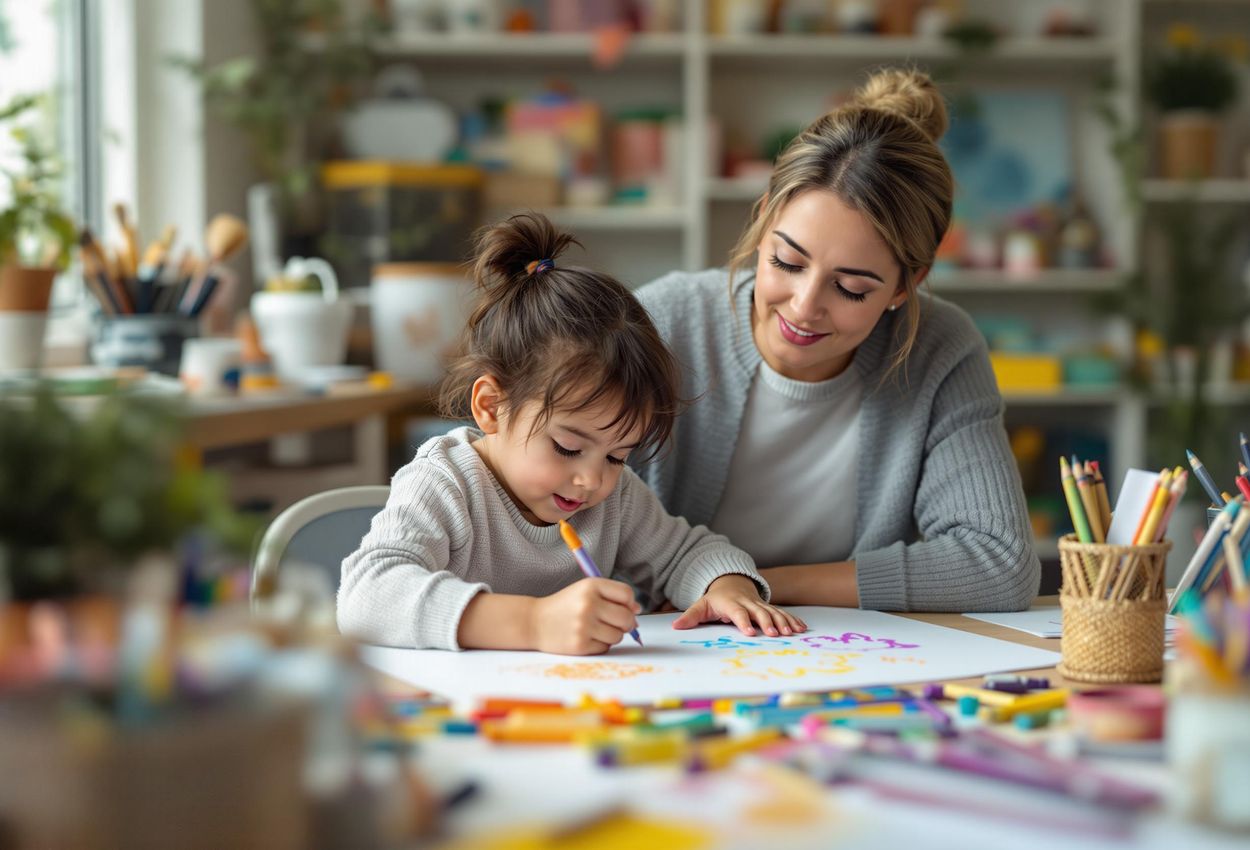
Incorporating art into a mindfulness practice doesn't require years of training or innate artistic talent. Simple art activities can be powerful tools for cultivating present moment awareness and promoting relaxation.
Consider these practical tips for infusing art into your mindfulness routine:
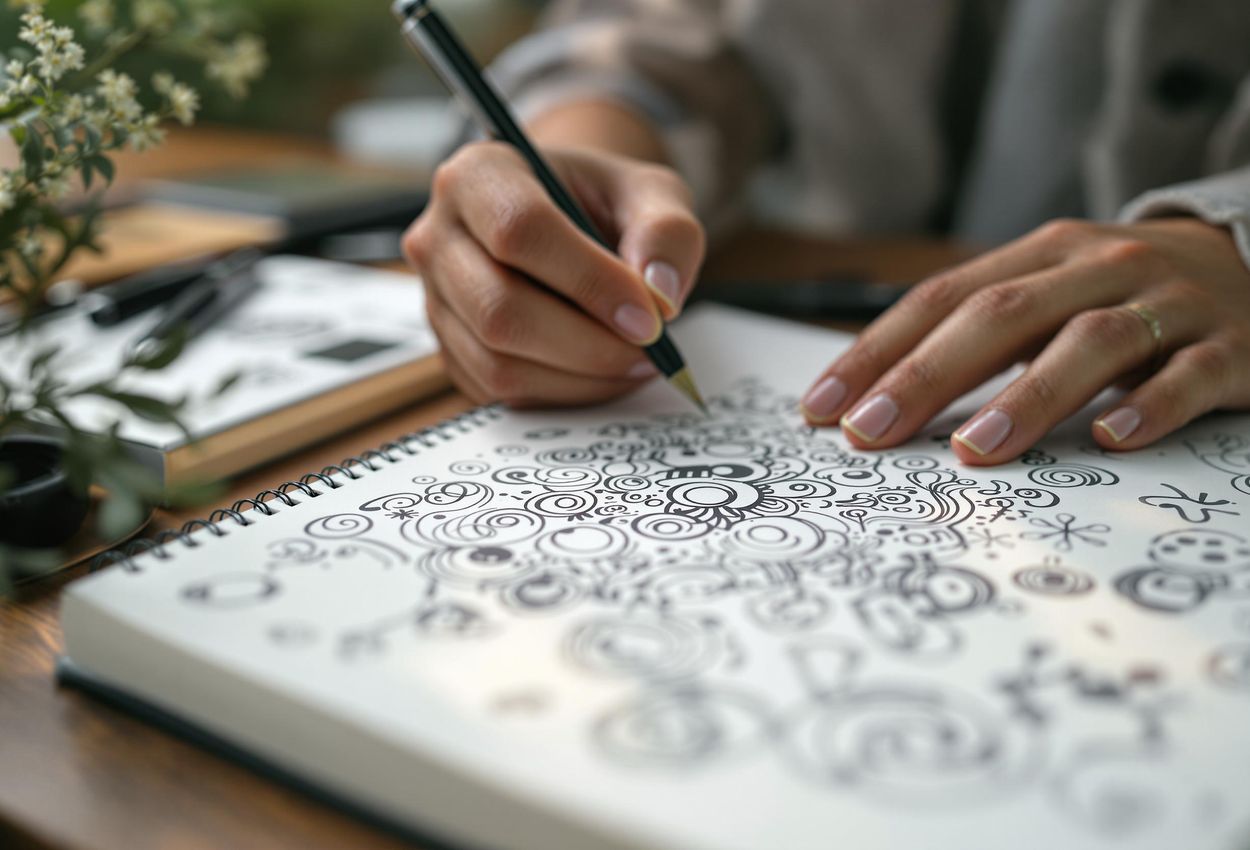
- Mindful Doodling: Let your hand wander across the page without a specific goal in mind. Focus on the sensation of the pen or pencil on the paper, the shapes that emerge, and the thoughts that arise without judgment.
- Coloring: Engage in the simple act of coloring mandalas or intricate patterns. Focus on the colors you choose, the pressure you apply, and the feeling of the coloring tool in your hand.
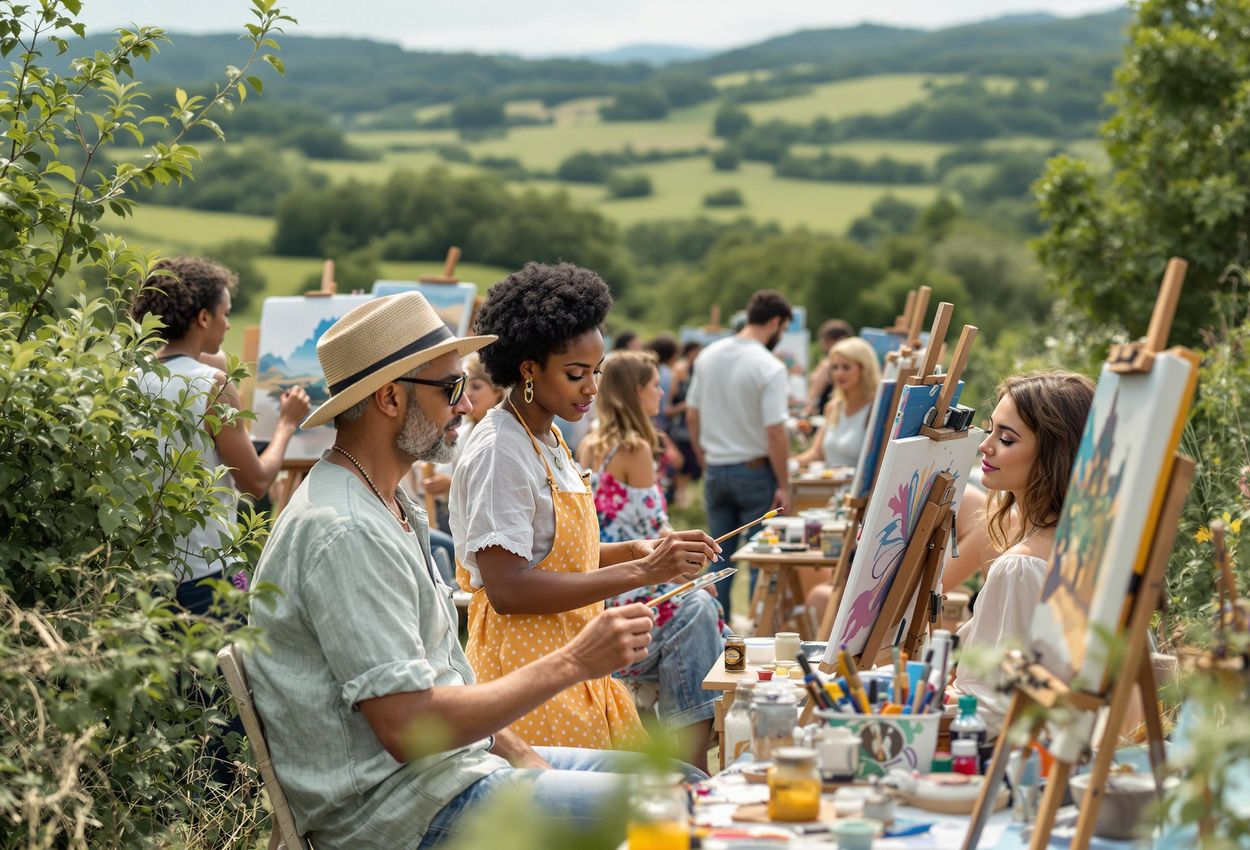
- Painting: Experiment with watercolors, acrylics, or any paint medium you enjoy. Pay attention to the way the colors blend, the texture of the paint, and the emotions that arise as you create.
Try the 'Breath and Brush' exercise: Sit comfortably with your art materials in front of you. Close your eyes and take a few deep breaths, focusing on the rhythm of your breathing. Open your eyes and choose a color that resonates with you. As you paint, synchronize your brushstrokes with your breath, creating a visual representation of your inhalations and exhalations.
Remember, the goal is not to create a masterpiece, but to fully immerse yourself in the process, fostering a non-judgmental exploration of your inner world.
Finding Your Creative Flow: Overcoming Blocks and Embracing Imperfection
Embarking on an art and mindfulness practice can be challenging, especially when faced with self-criticism or a perceived lack of artistic skill. However, overcoming these blocks is essential to unlocking your creative flow and experiencing the full benefits of this practice.
Here are some strategies for navigating common challenges:
- Ditch Perfectionism: Let go of the need to create a perfect piece of art. Embrace imperfection as part of the process, viewing it as an opportunity for learning and growth.
- Experiment with Different Styles: If you're feeling stuck in a particular style, try something completely different. Explore abstract art, still life, or even a different medium altogether.
- Change Your Creative Space: A change in environment can stimulate the senses and inspire new ideas. Reorganize your workspace, add plants, or adjust the lighting to create a more inviting atmosphere.
- Seek Inspiration: Look to other artists for inspiration, visit galleries, read poetry, or listen to music. Engaging with other forms of art can stir your imagination and inject new perspectives into your work.
Remember, art is a journey of self-discovery, not a pursuit of perfect results. Embrace the process, allow yourself to make mistakes, and celebrate the unique expression that emerges from within.
Mindful Masterpieces: Integrating Art into Daily Life
The true power of art and mindfulness lies in its ability to seamlessly integrate into your daily routines, transforming ordinary moments into opportunities for self-reflection and creative expression.
Consider these ideas for weaving art and mindfulness into your everyday life:
- Sketching During Breaks: Keep a small sketchbook with you and use your breaks to sketch whatever catches your eye. Focus on the lines, shapes, and textures, allowing yourself to be fully present in the moment.
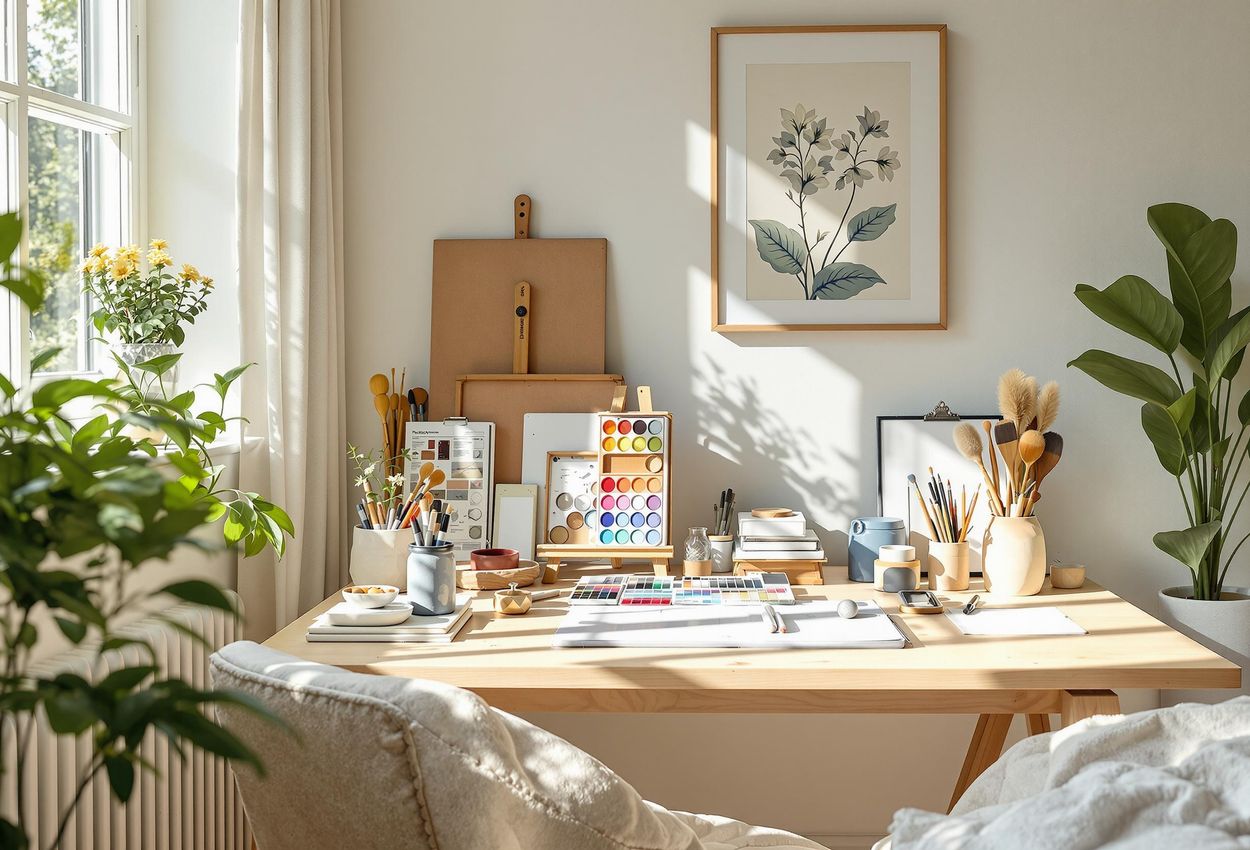
- Creating a Mindful Art Space at Home: Designate a specific area in your home for art-making, free from distractions and clutter. Use calming colors and textures to promote relaxation and create a space where you feel inspired to create.
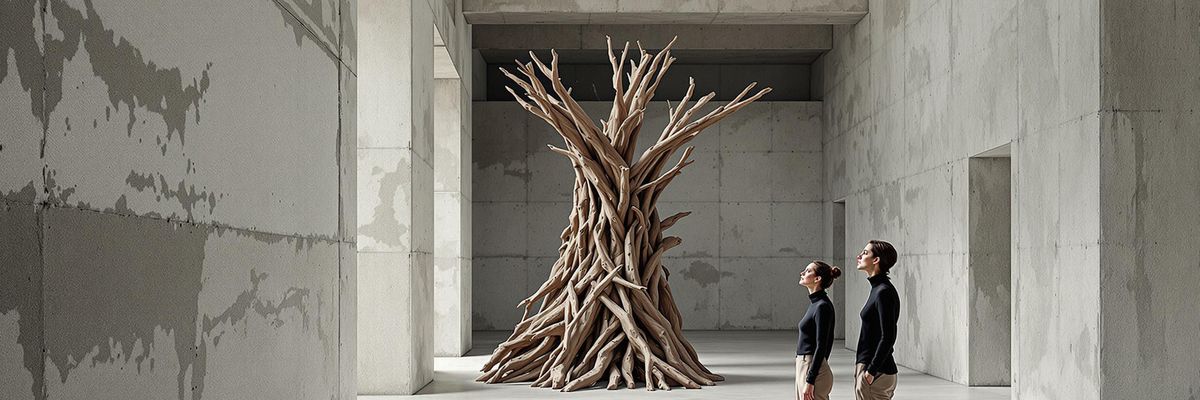
- Visiting Art Galleries with a Focus on Mindful Observation: When visiting art galleries, take your time to observe each artwork with a sense of curiosity and openness. Focus on the colors, textures, and emotions that arise as you engage with the art.
- Breathing Sticks: Create breathing sticks and use them to reinforce the self-regulating power of your own breath. Take a deep breath for every bead.
Experiment with different art forms and find those that resonate with you personally. Approach them with an open mind, allowing yourself to be guided by your intuition and the joy of creative expression.
By integrating art and mindfulness into your daily life, you can cultivate a greater sense of awareness, resilience, and inner peace, transforming your world into a mindful masterpiece.