In an era defined by environmental awareness, the art world is undergoing a profound transformation, embracing sustainability as a core tenet of creative expression. From recycled masterpieces to eco-friendly galleries, discover how artists and organizations are uniting to forge a greener, more conscious creative landscape.
The intersection of art and sustainability is not merely a trend but a powerful movement reshaping the creative world. Artists, galleries, and museums are increasingly adopting eco-friendly practices, demonstrating a commitment to environmental responsibility and inspiring a more sustainable future. This shift reflects a growing awareness of the interconnectedness between creativity and environmental consciousness, with artists using their work to address pressing environmental issues and promote sustainable living.

The Canvas Gets a Conscience
In 2025, the art world is witnessing a surge in eco-consciousness, with artists actively seeking materials and methods that minimize their environmental impact. This transformation is evident in galleries showcasing sustainable art, where the atmosphere is imbued with a sense of environmental responsibility. Imagine stepping into a gallery where the air is subtly scented with natural materials, the soft murmur of conversations blends with the gentle sounds of nature-inspired installations, and the walls are adorned with art that tells stories of environmental stewardship.
At the GroundWork Gallery in King's Lynn, UK, this vision is a reality. Dedicated to art and the environment, the gallery presents exhibitions that explore the relationship between humans and the natural world. From March 8th to June 14th, 2025, the gallery hosts Plant Power, an exhibition exploring the impact of plants on our environment. The exhibition features an extraordinary collection of artists, scientists, and environmental thinkers to explore the profound relationship between humans and plant life. The collection includes sculpture, photography, painting, digital art and poetry. The exhibition aims to use artistic power to give the power back to plants and to inspire greater concern for the peril they are in. Such exhibitions exemplify the growing commitment to showcasing art that not only captivates but also raises awareness about critical environmental issues.

Recycled Masterpieces: Trash to Treasure
One of the most compelling facets of sustainable art is the transformation of recycled materials into breathtaking masterpieces. Artists are ingeniously utilizing and upcycling discarded materials, breathing new life into what was once considered waste.
Vik Muniz, for example, is renowned for recreating iconic masterpieces using recycled materials. Muniz meticulously gathers discarded objects such as tires, bolts, wires, appliances, and soda cans. He arranges them on a warehouse floor to create representations of iconic paintings. After the labor-intensive process, Muniz photographs the creation from above, preserving the final appearance before the image is disassembled. His work makes visible the refuse of consumption, transforming the discarded into venerated images.
Ptolemy Elrington is celebrated for his striking animal sculptures crafted from car tires and scrap metal. Elrington transforms discarded tires into stunning works of art through careful cutting, welding, and assembly. His sculptures highlight the beauty and potential hidden within waste materials, challenging viewers to reconsider their perceptions of trash.
Chie Hitotsuyama creates lifelike animal sculptures from discarded newspapers. She wets, rolls, and twists pieces of newspaper together, gluing them side by side to form contours and curves. The artist uses the colors printed on the newspapers to contextually highlight the expressive realism. Her animal sculptures portray humans and their cycles of life and death.
A hidden gem in the realm of recycled art is Jennifer Bell, who transforms recycled paper into intricate sculptures. Bell meticulously layers and molds discarded paper, creating delicate yet robust forms that celebrate the beauty of repurposed materials. Her work exemplifies the boundless possibilities of sustainable art, proving that even the most humble materials can be transformed into extraordinary works of art.

Palette of the Planet: Eco-Friendly Art Supplies
The quest for sustainability extends beyond materials to encompass the very tools and supplies artists use. Eco-friendly art supplies are gaining prominence, offering artists the means to create responsibly without compromising quality.
Recycled paper, bamboo brushes, non-toxic paints, organic cotton canvas, and biodegradable packaging are just a few examples of the sustainable alternatives available. Brands like Natural Earth Paint offer toxin-free, all-natural paints made from earth and mineral pigments. Liquitex provides recycled plastic canvas made with 100% recycled plastic bottles.
For a hands-on experience, consider creating your own eco-friendly paints using natural pigments. Imagine grinding vibrant minerals and mixing them with a natural binder, like egg yolk or plant-based glue. The earthy scent of the pigments fills the air as you blend them, creating a palette that connects you directly to the earth. The textures are rich and organic, offering a sensory experience that enhances the creative process.
Installations with Impact: Art as Environmental Activism
Art possesses a unique power to transcend boundaries and ignite dialogue, making it an invaluable medium for social commentary and environmental activism. Artists are increasingly using installations to address critical environmental themes such as climate change, deforestation, and pollution, prompting viewers to confront these issues in profound and meaningful ways.
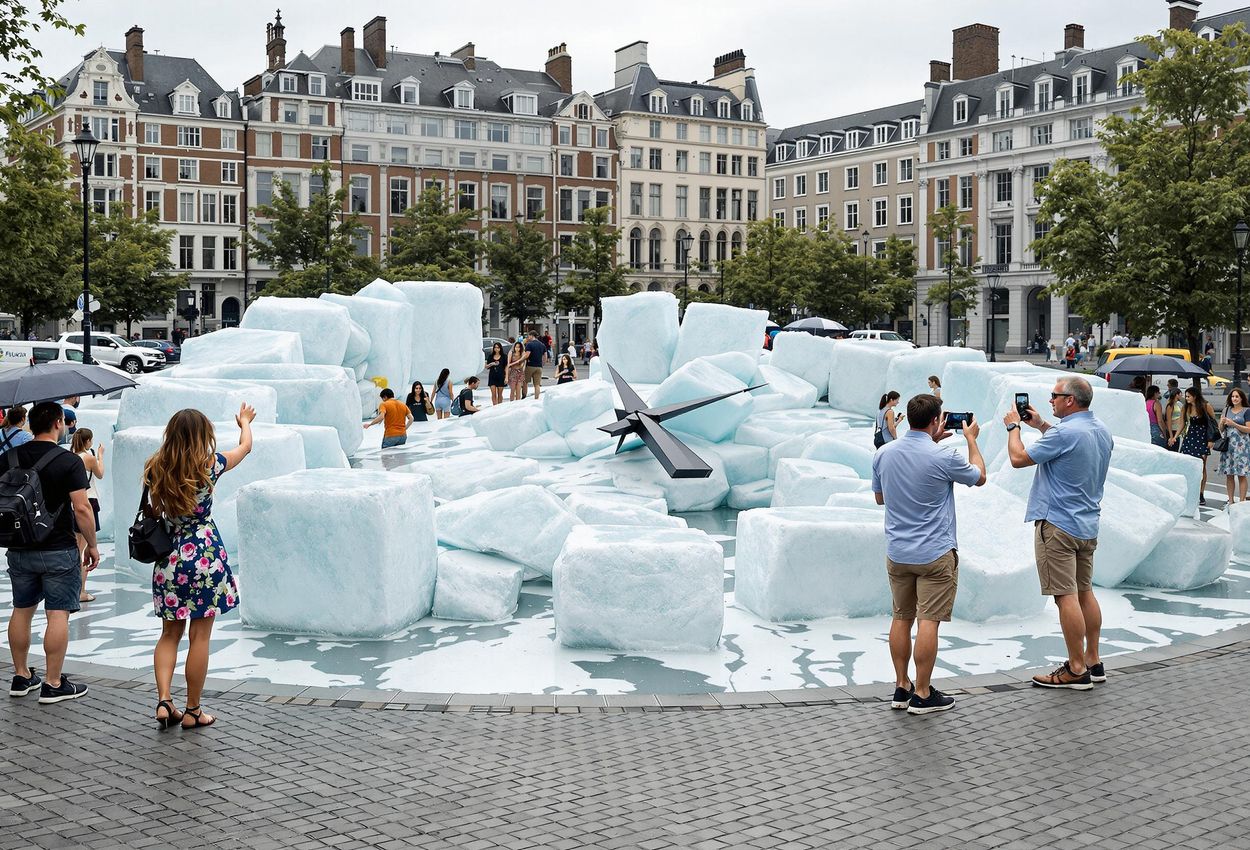
Olafur Eliasson's Ice Watch serves as a stark reminder of the devastating impact of climate change. Eliasson transported blocks of glacial ice from Greenland to public spaces, allowing people to touch and witness the melting ice. The installation aimed to emotionalize the climate crisis, making the abstract concept of melting ice caps a tangible and visceral experience.
John Gerrard's Western Flag presents a digital simulation of a flagpole emitting a perpetual plume of black smoke, symbolizing the environmental consequences of oil extraction. The installation serves as a powerful critique of humanity's impact on the planet, prompting reflection on our relationship with fossil fuels and the environment.
In India, the Sustaina India initiative showcased art installations addressing environmental issues specific to the region. The Sustaina India exhibition at Bikaner House in Delhi, which ran from February 2nd to 15th, 2024, featured tapestries woven from ocean waste, immersive forest experiences, and visual narratives illustrating climate change's impact on tribal communities. The exhibition emphasized reducing, reusing, repurposing, and restoring, promoting sustainable materials in art-making.
Galleries Go Green: Sustainable Art Spaces
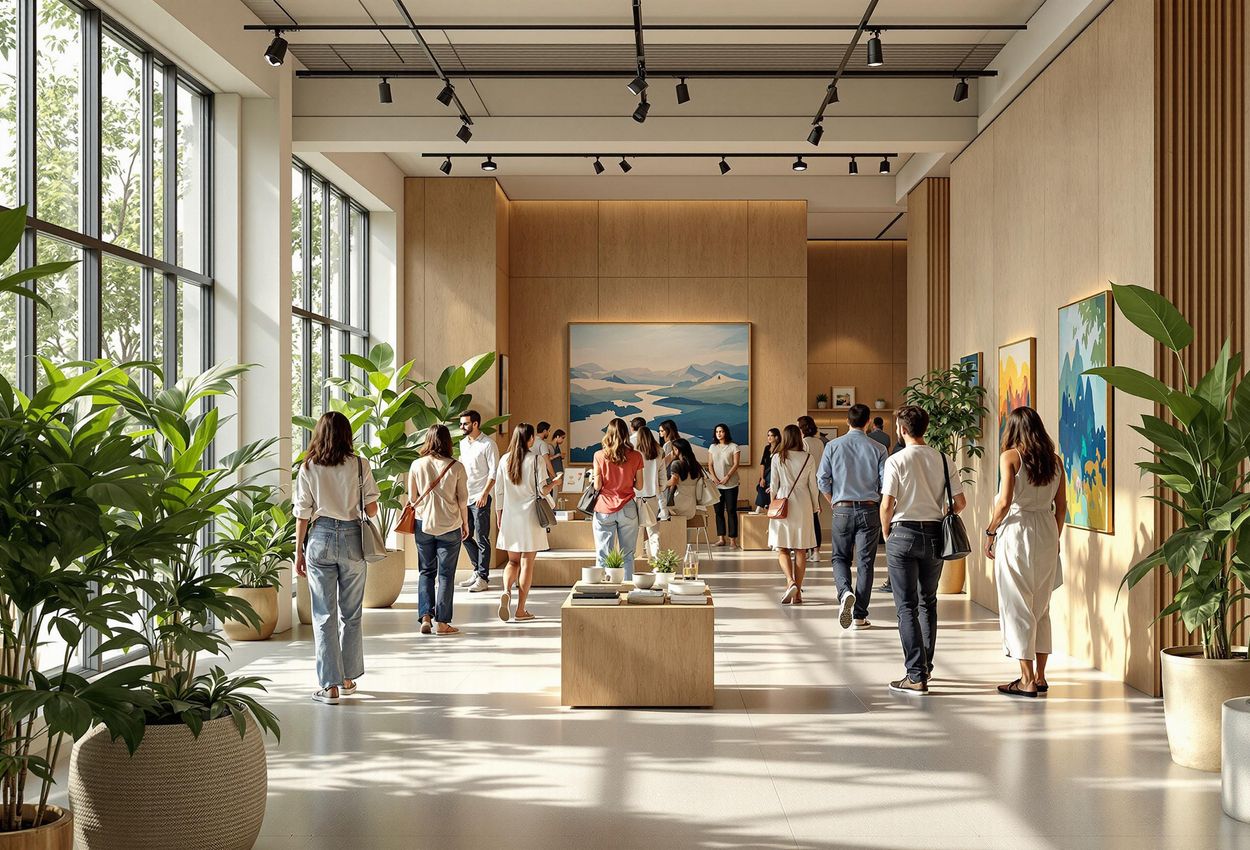
The commitment to sustainability extends beyond the art itself to encompass the spaces where art is displayed and celebrated. Galleries and museums are increasingly adopting eco-friendly practices, striving to minimize their environmental footprint and promote a greener art world.
Initiatives such as reducing waste, implementing energy-efficient lighting, and rethinking art transportation are becoming increasingly common. Hauser & Wirth is committed to reducing carbon emissions by at least 50 percent by 2030. They are switching to renewable energy, transitioning to LED lighting, purchasing electric vehicles, and tracking carbon emissions associated with air freight. Cristea Roberts Gallery is reducing energy consumption and has banned polystyrene and single-use plastics in favor of sustainable materials.
A hidden gem in the realm of sustainable art spaces is a smaller gallery implementing innovative sustainability practices by using reclaimed materials for construction and sourcing energy from renewable sources. This gallery serves as a model for how smaller institutions can make a significant impact through creative and resourceful approaches to sustainability.
For travelers seeking to support sustainable art galleries, prioritizing those with demonstrated green initiatives is key. Look for galleries that have implemented energy-efficient lighting, waste reduction programs, and sustainable transportation policies. By supporting these galleries, you are contributing to a more sustainable and responsible art ecosystem.
The convergence of art and sustainability represents a profound shift in the creative world, with artists, galleries, and museums uniting to promote environmental responsibility and inspire a more sustainable future. From recycled masterpieces to eco-friendly art spaces, the art world is embracing a greener, more conscious approach, demonstrating the power of creativity to drive positive change.