Buenos Aires is more than just a city; it's a living, breathing canvas where every wall has a story to tell. From the political cries of a troubled past to the vibrant expressions of modern artists, the city's street art is a captivating narrative etched in color and form.
Venture into the heart of Argentina's capital, and you'll find yourself immersed in a dynamic, ever-changing gallery. Here, street art isn't just decoration; it's a powerful form of communication, reflecting the city's soul and its people's enduring spirit. Discover the stories behind the brushstrokes, the artists who wield the spray cans, and the communities that embrace this unique urban art form.
A City Painted in History's Hues
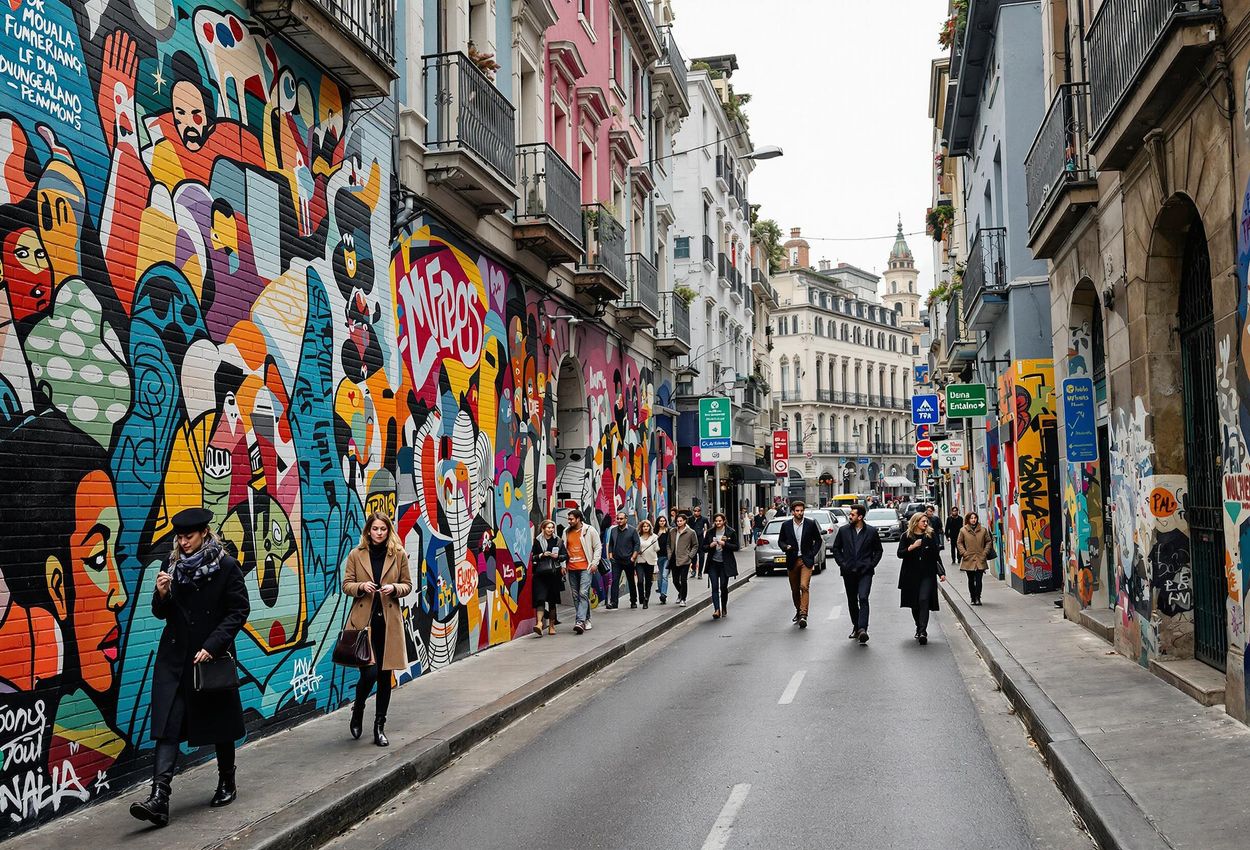
Buenos Aires' street art emerged as a potent form of political expression during the oppressive military dictatorship of the 1970s and 1980s. In a time when voices were silenced, activists and artists took to the streets, using graffiti to voice their resistance and dissent. Among these brave souls were the Madres de Plaza de Mayo, whose iconic silhouettes became a symbol of the fight for justice and memory. These early expressions were raw, urgent, and deeply connected to the socio-political turmoil of the era.
Over time, as Argentina transitioned towards democracy, street art evolved from a purely political tool into a broader form of social commentary and cultural vibrancy. Artists began to explore themes of identity, inequality, and the everyday struggles of urban life. The streets became a space for dialogue, where artists could engage with the public and spark conversations about important issues.
Today, street art is celebrated as a public art form in Buenos Aires. The city recognizes its value as a means of cultural expression and has, for the most part, legalized it, provided artists obtain permission from property owners. This has fostered a thriving artistic community, attracting both local and international artists who contribute to the city's ever-evolving urban landscape. The result is a city that pulsates with creativity, where every corner offers a new visual experience and a fresh perspective on the world.
The legacy of political expression remains palpable, with many murals still addressing social injustices and historical events. However, the scene has also embraced a wide range of styles and themes, from abstract designs to whimsical characters, reflecting the diverse voices and perspectives of the city's inhabitants. Buenos Aires has solidified its place as one of the world's street art capitals, drawing visitors from across the globe who come to admire its vibrant and thought-provoking murals.
Palermo's Urban Canvas: A Bohemian Rhapsody
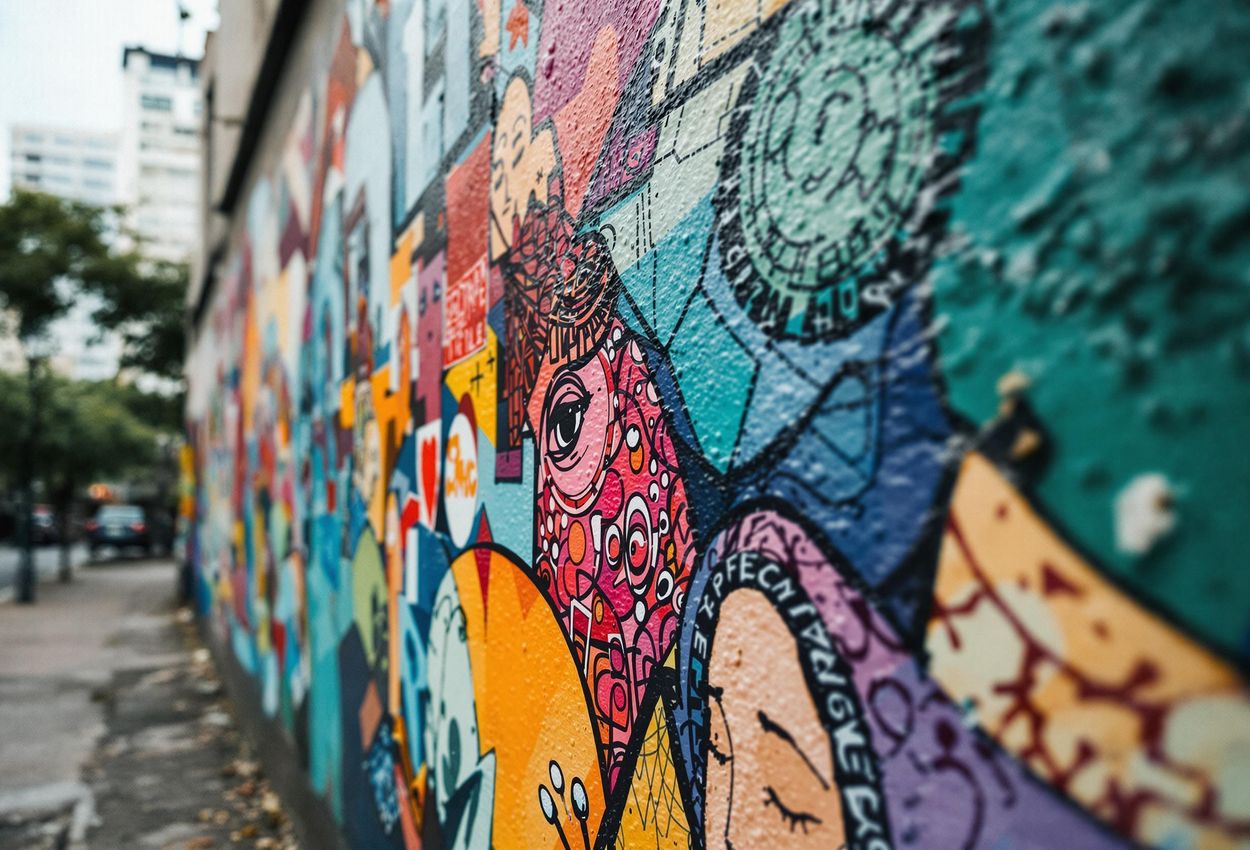
No exploration of Buenos Aires' street art scene is complete without a deep dive into Palermo, the city's trendy and bohemian heart. This vibrant neighborhood is a melting pot of styles and influences, where colorful murals adorn the walls of cafes, boutiques, and residential buildings. From bold political statements to whimsical surrealist creations, Palermo's street art reflects the neighborhood's eclectic spirit and its residents' passion for self-expression.
The 2001 economic crisis had a profound impact on Argentina, and its echoes can still be seen in Palermo's street art. Many artists responded to the crisis by using their work to critique the government, express the struggles of ordinary people, and offer messages of hope and resilience. This period saw an explosion of stencil art, a technique that allowed artists to quickly and efficiently disseminate their messages across the city.
To truly experience Palermo's urban canvas, venture into its sub-neighborhoods like Palermo Soho, known for its quirky alleyways and hidden courtyards. Pasaje Soria and Pasaje Russel are two must-see destinations for street art lovers, where vibrant murals and graffiti installations transform these narrow passages into open-air galleries. The walls here are constantly evolving, with new artworks appearing regularly, ensuring that every visit is a unique experience.
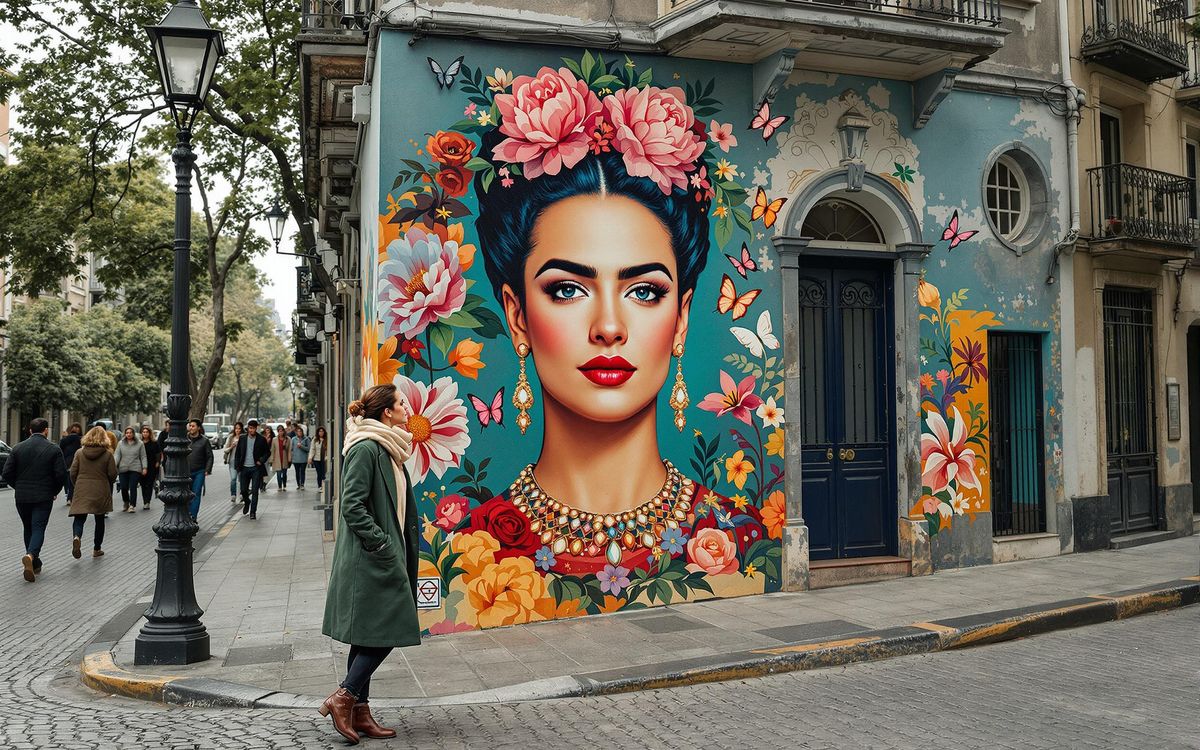
Don't miss the iconic Frida Kahlo mural on the border of Colegiales and Palermo. This vibrant artwork, created by the street art group Campos Jesses, depicts the iconic Mexican artist in modern urban attire, complete with flowers in her hair and a cigarette in hand. The mural has become a beloved landmark, attracting visitors from far and wide who come to pay homage to Kahlo's enduring legacy.
San Telmo's Murals: Echoes of the Past
Step back in time as you explore San Telmo, Buenos Aires' oldest neighborhood, where history whispers from every cobblestone street and echoes through its captivating murals. Unlike the trendy, ever-changing art of Palermo, San Telmo's street art often delves into the past, depicting historical figures, social commentaries, and poignant political messages.
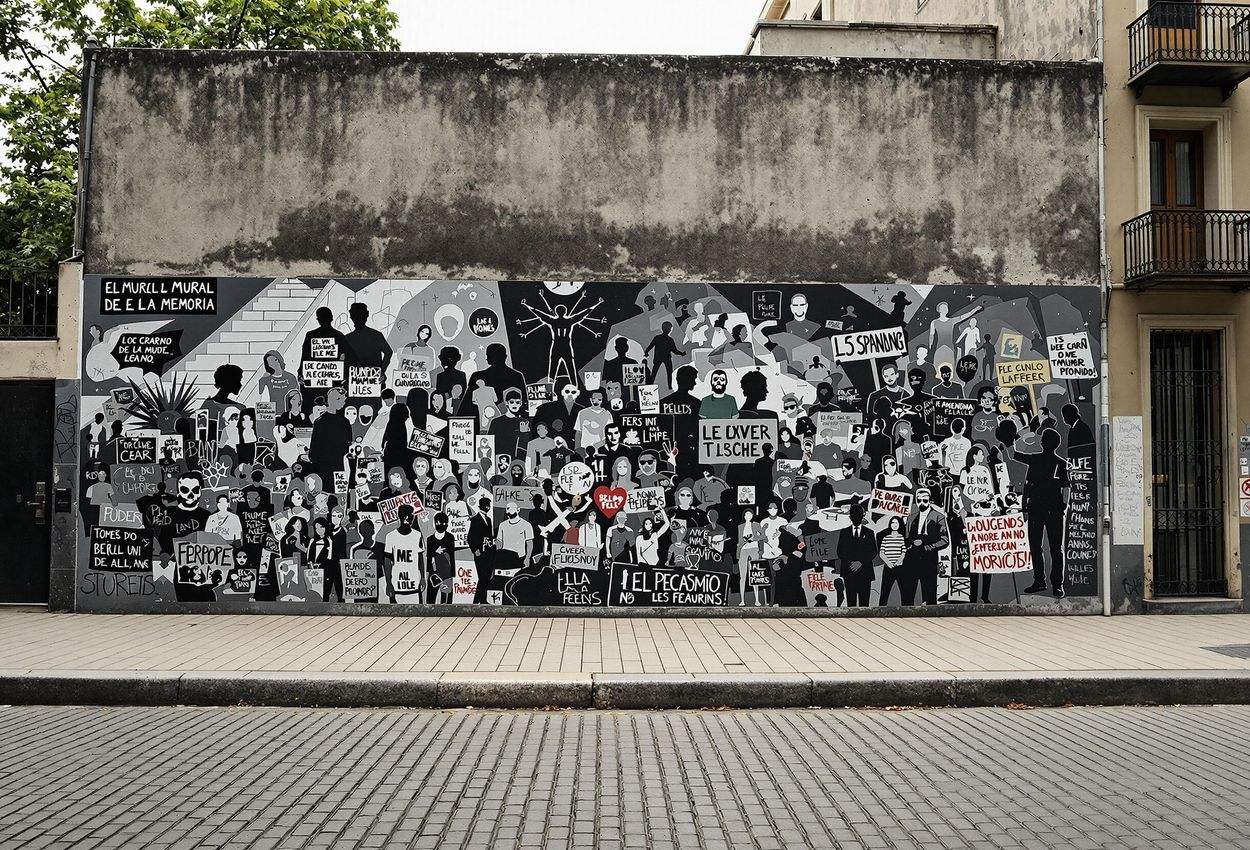
Many of the murals in San Telmo serve as powerful reminders of Argentina's tumultuous history, particularly the dark years of the military dictatorship. El Mural de la Memoria, a moving tribute to those who disappeared during this period, stands as a testament to the enduring struggle for justice and remembrance. The mural serves as a place of reflection, where visitors can pay their respects to the victims and learn about this painful chapter in Argentina's past.
Wander through the San Telmo Market area, and you'll discover a different side to the neighborhood's street art scene. Here, amidst the bustling crowds and antique stalls, you'll find the animalistic works of Fede Tercero, whose vibrant and whimsical creations add a touch of levity to the historic surroundings. Tercero's murals, often featuring colorful creatures and playful designs, bring a sense of joy and wonder to the market, making it a must-see destination for art lovers.
Recently, a new David Bowie mural, painted by Causi Art, has become a popular attraction in San Telmo. This striking portrait captures the iconic musician's spirit and adds a touch of contemporary flair to the neighborhood's historic streets. The mural, located near the San Telmo Market, has quickly become a favorite among tourists and locals alike, who come to admire its vibrant colors and intricate details.
La Boca: A Tango of Colors and Culture
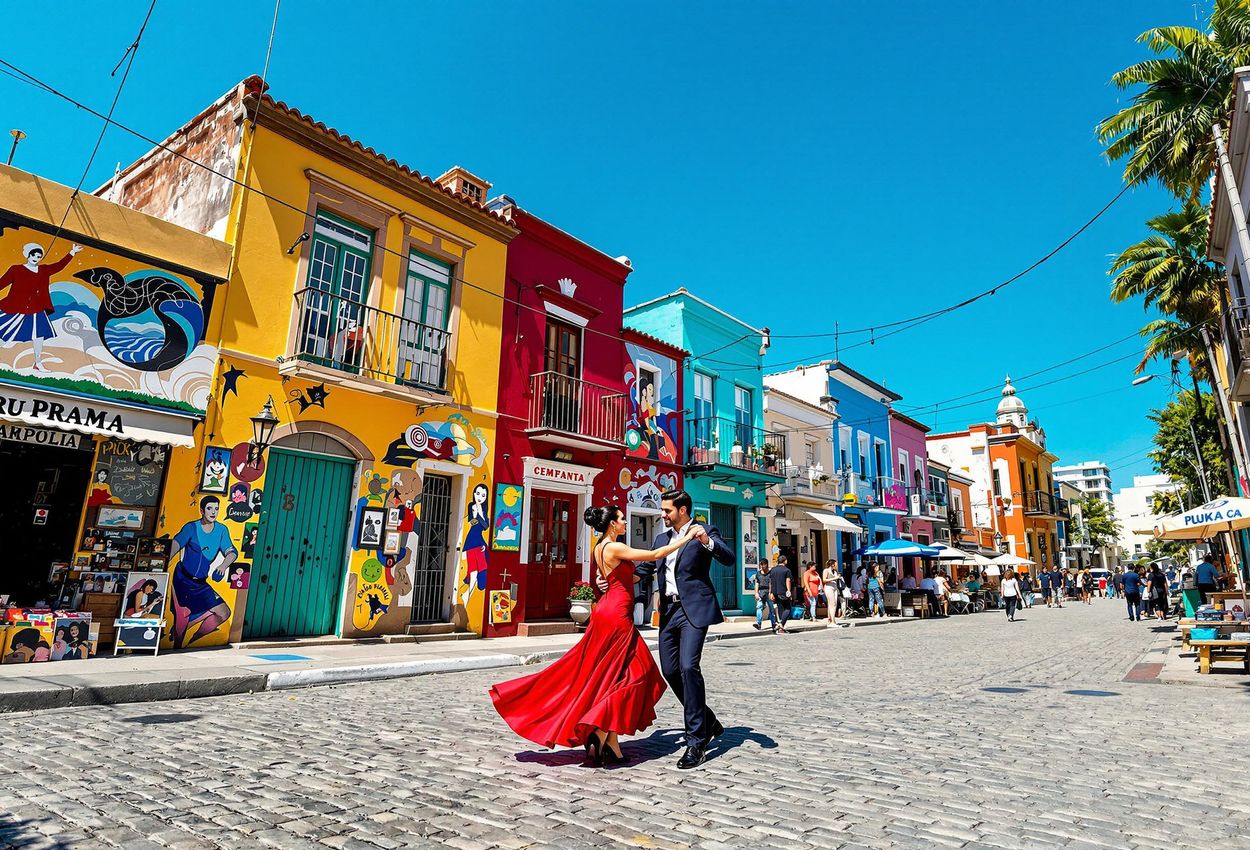
Prepare to be swept away by the vibrant energy of La Boca, Buenos Aires' most colorful and iconic neighborhood. Known for its brightly painted houses, passionate tango culture, and lively street art, La Boca is a feast for the senses. This historic port district has long been a haven for artists and immigrants, and its streets reflect a rich tapestry of cultures and traditions.
At the heart of La Boca lies Caminito, an open-air museum where colorful houses and cobblestone streets create a whimsical and unforgettable atmosphere. This iconic street is lined with murals that chronicle the area's history and culture, depicting scenes of daily life, tango dancers, and the neighborhood's working-class roots. While Caminito can be crowded with tourists, it's still worth a visit to experience the neighborhood's unique charm and artistic spirit.
Venture beyond Caminito, and you'll discover a wealth of hidden artistic gems. The Casa de La Boca, a community center and art space, showcases the work of local artists and offers a glimpse into the neighborhood's vibrant cultural scene. The La Boca street art project has also transformed numerous walls throughout the neighborhood, with murals depicting local history, everyday life, and the stories of its residents.
The artists collective Grupo La Boca has been instrumental in creating many of these murals, using their art to celebrate the neighborhood's heritage and its people. Their colorful and expressive works capture the essence of La Boca's spirit, making it a must-see destination for anyone interested in street art and urban culture. Be sure to explore the area around the Usina del Arte, a converted power station that now serves as an exhibition center and administrative building, where you'll find even more stunning examples of La Boca's vibrant street art scene.
Coghlan and Villa Urquiza: Hidden Gems of Artistic Expression
For those seeking a more off-the-beaten-path experience, Coghlan and Villa Urquiza offer a treasure trove of lesser-known but equally stunning street art. These residential neighborhoods, located in the northern part of Buenos Aires, have become havens for artistic expression, attracting both local and international artists who have transformed their walls into vibrant canvases.
What sets Coghlan and Villa Urquiza apart is the diversity of styles and influences on display. International artists such as Quack Zean from Mexico and Stacey Williams-Ng from the United States have left their mark on the area, contributing to its cosmopolitan vibe. Their murals, often blending elements of their own cultures with Argentine themes, create a unique and captivating visual experience.
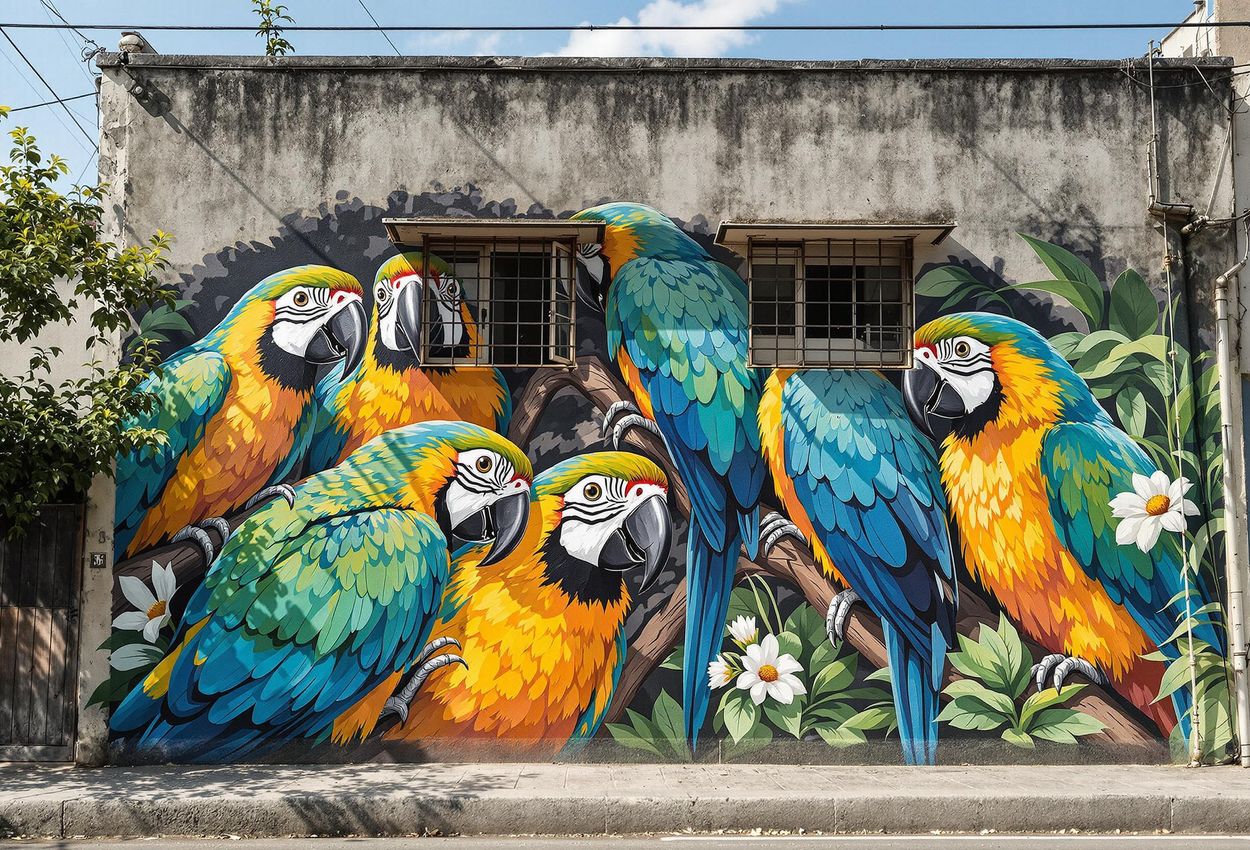
One of the most iconic murals in Villa Urquiza is El Cuento de los Loros (The Story of the Parrots) by Martín Ron, one of Argentina's most renowned street artists. This massive mural, depicting a group of colorful parrots perched on a building, has become a beloved landmark in the neighborhood. In Coghlan, don't miss the hyper-realistic rhino mural by Ice and the striking African Woman mural by Primo, both of which showcase the neighborhood's diverse artistic talent.
These neighborhoods have become the city's first urban art district. During Argentina's military dictatorship, many buildings in what is now the Villa Urquiza and Coghlan Art District were deserted or demolished. Since 2007, Villa Urquiza's abandoned buildings have become a haven for graffiti and street artists.
The Artists Behind the Brushstrokes: Voices of Buenos Aires
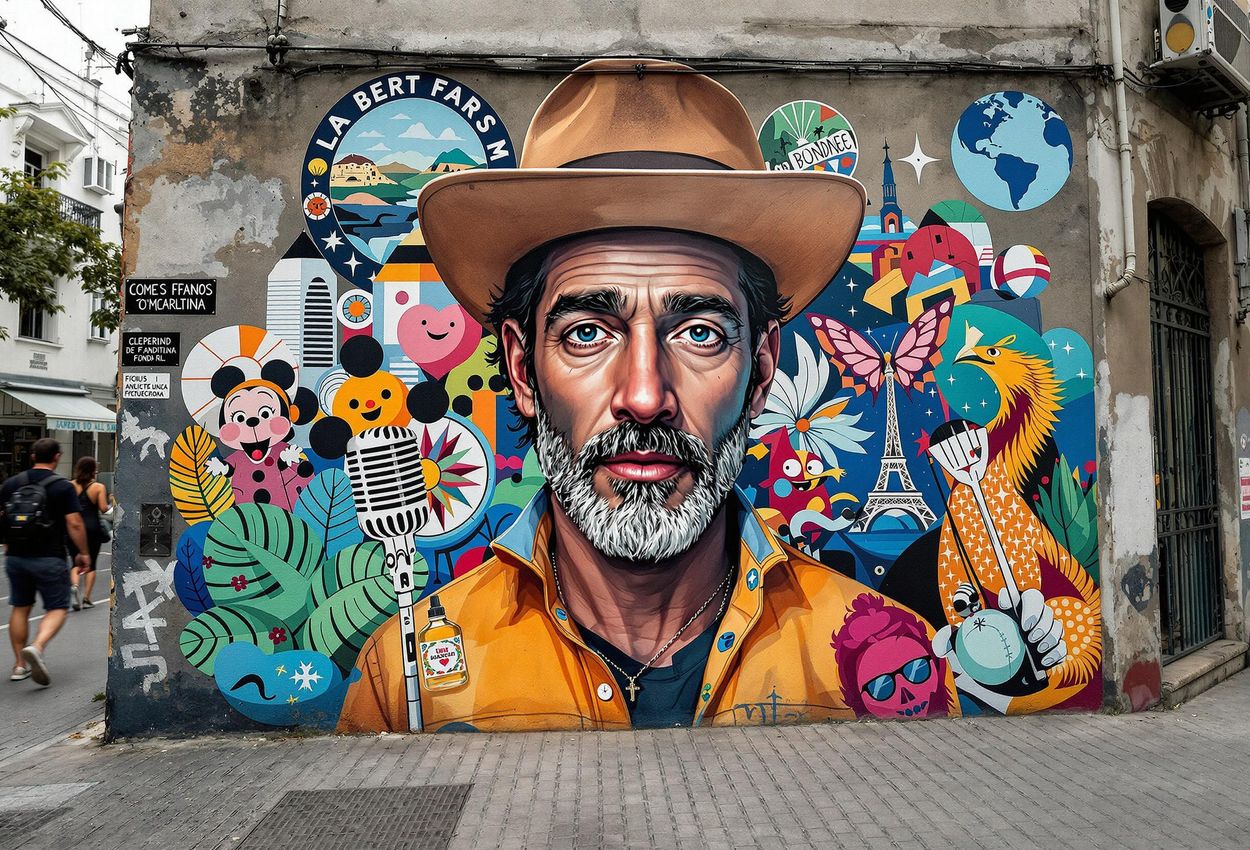
The vibrant street art scene of Buenos Aires is fueled by the creativity and passion of its talented artists. These individuals, often working independently or in collectives, use their art to express their perspectives on the world, challenge social norms, and celebrate the city's unique culture. From established muralists to up-and-coming graffiti artists, the voices of Buenos Aires are as diverse and captivating as the art they create.
Martín Ron is one of Argentina's most celebrated street artists, known for his large-scale, hyper-realistic murals that often incorporate elements of fantasy and surrealism. His works, found throughout the city, have earned him international acclaim and have helped to elevate Buenos Aires' street art scene to new heights. Jaz, another prominent figure in the Buenos Aires street art world, is known for his thought-provoking pieces that often explore themes of identity, social issues, and political commentary. His bold and expressive murals challenge viewers to confront uncomfortable truths and to question the status quo.
Alfredo Segatori is a versatile artist whose figurative work can be found all over the city, often incorporating elements of sculpture and always executed on an impressive scale. His most famous work, El Regreso de Quinquela, is considered to be the world's biggest mural by a single artist, a testament to his talent and dedication. The BA Paste-Up group, a collective of six local artists, each with a unique style, creates both comedic and politically charged works that can be found pasted up on walls throughout the city. Their collaborative approach and diverse perspectives make their art a reflection of Buenos Aires' vibrant and ever-changing urban landscape.
These artists, along with many others, are the driving force behind Buenos Aires' thriving street art scene. Through their talent, passion, and dedication, they have transformed the city into a living, breathing canvas where art is accessible to all.
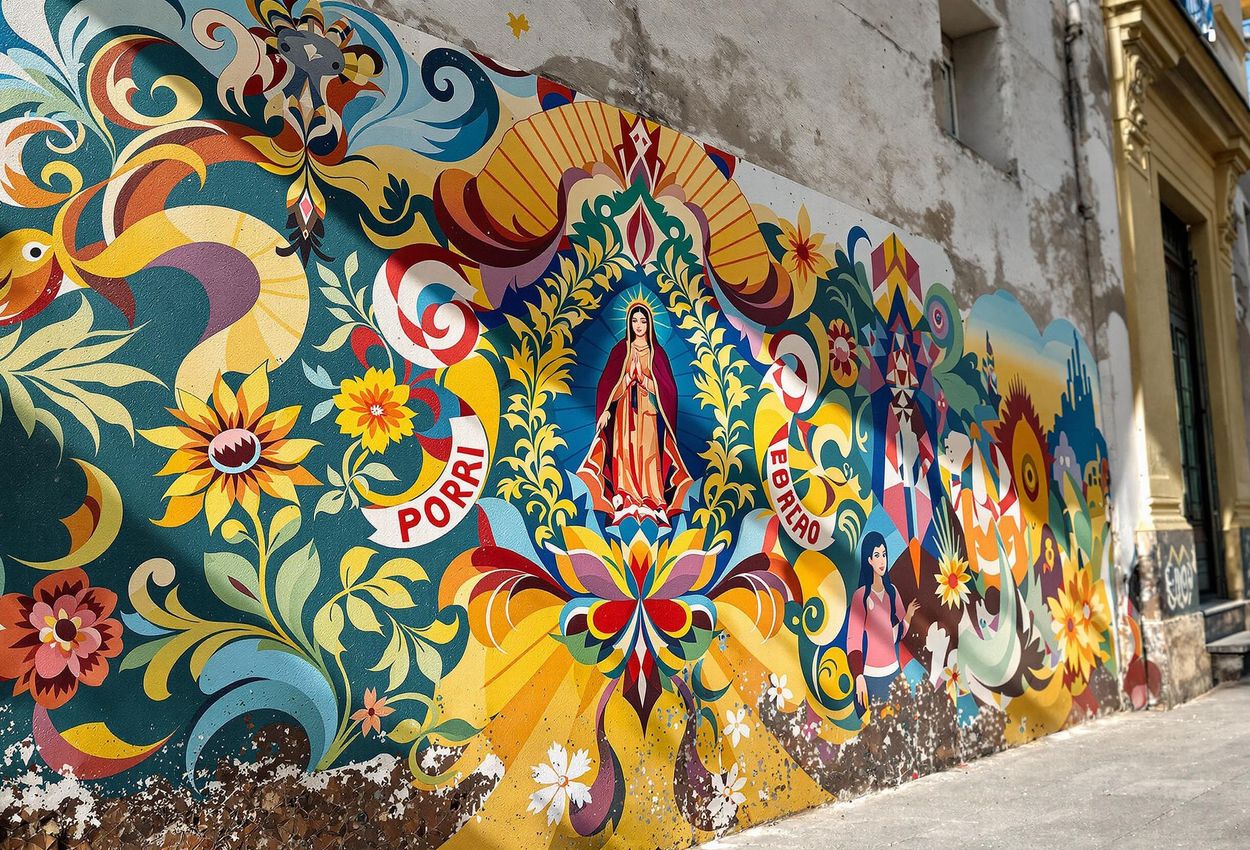
Fileteado Porteño: A Traditional Art Form Reimagined
No exploration of Buenos Aires' artistic landscape is complete without understanding Fileteado Porteño, a traditional style of folk painting that is emblematic of the city. This unique art form, characterized by its vibrant colors, elaborate ornamentation, and stylized lettering, has been an integral part of Buenos Aires' cultural identity for over a century.
Fileteado Porteño originated in the city's wagon factories in the late 19th century, where skilled artisans used it to decorate horse-drawn carts and carriages. Over time, it evolved to include elaborate ornamentation, religious iconography, and depictions of popular figures like Carlos Gardel, the legendary tango singer. The style is defined by the use of bright colors, bold lines, and a distinctive shading technique that creates a three-dimensional effect.
Initially, Fileteado was used to decorate carts and trucks, but soon it was incorporated into advertising, shop signs, and even the city's iconic buses. The art form became a symbol of Buenos Aires, reflecting its unique blend of European and Latin American influences. In recognition of its cultural significance, UNESCO declared Fileteado Porteño an Intangible Cultural Heritage of Humanity in 2015. This prestigious designation has helped to preserve and promote the art form, ensuring that it continues to thrive for generations to come.
Today, Fileteado Porteño can be seen throughout Buenos Aires, adorning buildings, buses, and even subway stations. Many contemporary artists are reimagining the traditional style, incorporating it into modern designs and using it to create new and innovative works of art. This fusion of tradition and innovation ensures that Fileteado Porteño remains a vibrant and relevant part of Buenos Aires' artistic landscape.