Embarking on a journey often leads us to unexpected encounters with art, whether in grand museums or hidden street corners. But how do you truly appreciate these encounters? This guide provides the keys to unlocking the world of art, making it accessible and enjoyable for every traveler, regardless of their background.
Unlocking the Language of Art: Essential Terms
Art, in its diverse forms, speaks a language of its own. To truly appreciate art while traveling, familiarizing yourself with some essential terms is key. Understanding these terms allows you to engage more deeply with the artworks you encounter, enhancing your overall experience.
Let's start with Impressionism, a 19th-century art movement that originated in France. Impressionist artists sought to capture fleeting moments and the changing effects of light and color. Famous examples include Claude Monet's series of water lilies and Edgar Degas' paintings of ballet dancers.
Next, consider Abstract art, where traditional lines and forms are replaced by unpredictable uses of color and form. Abstract art does not attempt to represent external reality, but rather seeks to achieve its effect using shapes, colors, forms, and gestural marks. Wassily Kandinsky and Piet Mondrian are well-known abstract artists.
In contrast, Figurative art depicts recognizable objects or figures. This style can range from realistic portrayals to stylized interpretations. Think of Leonardo da Vinci's Mona Lisa or Michelangelo's sculptures.
A Biennial is an art event that takes place every two years, showcasing contemporary art from around the world. These events offer a snapshot of current trends and emerging artists. The Venice Biennale is one of the most famous.
Aesthetic refers to the branch of philosophy dealing with the nature of beauty, art, and taste. It encompasses the principles governing the creation and appreciation of art. When discussing a work of art, consider its aesthetic qualities: How does it appeal to your senses and emotions?
A Collage is an artwork created by assembling different elements, such as paper, fabric, and found objects, and gluing them to a surface. Pablo Picasso and Henri Matisse were pioneers of collage.
The Color wheel is a visual representation of colors arranged according to their chromatic relationship. Understanding the color wheel helps you analyze how artists use color to create harmony, contrast, and emotional impact. Complementary colors, those opposite each other on the wheel, create strong visual contrast.
Finally, Silkscreen is a printing technique in which ink is forced through a mesh screen onto a surface. This method is often used to create multiple copies of an image, as seen in Andy Warhol's pop art prints.
By understanding these key terms, you'll be better equipped to discuss and appreciate the art you encounter on your travels. Don't hesitate to use these terms when sharing your thoughts and observations with others. The more you engage with the language of art, the more enriching your experience will become.

Seeing with New Eyes: Formal Analysis for Travelers
Formal analysis is a method of examining the visual elements of an artwork, such as line, shape, color, texture, and composition, to understand how they contribute to the overall effect. For travelers, this approach offers a powerful tool for appreciating art in a deeper, more meaningful way. Instead of simply glancing at a painting or sculpture, formal analysis encourages you to truly see it.
Line, the path of a moving point, can be used to create structure, convey movement, and express character. Notice how the artist uses lines to define forms, create outlines, or suggest depth. Are the lines bold and assertive, or delicate and flowing ? Do they create a sense of order or chaos ? For example, vertical lines often communicate a sense of height and spirituality, while horizontal lines can imply stability and solidity.
Shape refers to two-dimensional areas with defined boundaries. Geometric shapes, such as circles, squares, and triangles, often convey a sense of order and structure, while organic shapes, found in nature, tend to be more free-flowing and irregular. Consider how the artist uses shape to create visual interest and guide the viewer's eye.
Color is one of the most expressive elements of art. Consider the hues (red, blue, green), values (light or dark), and intensity (bright or dull). How do color choices evoke different emotions ? Warm colors, such as red, orange, and yellow, tend to be energizing and stimulating, while cool colors, such as blue, green, and purple, often create a sense of calm and tranquility.
Texture refers to the surface quality of an artwork, whether it is real or implied. Actual texture can be felt by touching the artwork, while visual texture is created through the use of various techniques to simulate the look and feel of different surfaces.
Composition is the arrangement of elements within an artwork. Consider how the artist organizes the various components to create balance, harmony, or tension. Symmetrical compositions tend to be more stable and formal, while asymmetrical compositions can create a sense of dynamism and movement.
By analyzing these formal elements, you can gain a deeper understanding of how the artist communicates their ideas and emotions. Look for patterns and recurring motifs that might offer clues to the artwork's meaning. Practice this technique on your travels, and you'll be amazed at how much more you see and appreciate.
Context is King: Unveiling the Story Behind the Art
While formal analysis provides a foundation for understanding art, delving into the historical and cultural context can significantly deepen your appreciation. Understanding the story behind a work of art can transform it from a mere object into a window into another time and place.
Start by researching the artist's life. What were their influences, experiences, and motivations ? Understanding their personal history can shed light on the themes and subjects they explored in their art.
Next, consider the period in which the artist lived. What were the major social, political, and economic events of the time ? How did these events influence the artist's worldview and creative expression ? For example, the French Revolution had a profound impact on many artists of the late 18th and early 19th centuries, inspiring them to create works that reflected the ideals of liberty, equality, and fraternity.
Also, research any relevant social or political movements. Was the artist associated with a particular movement or school of thought ? Understanding the movement's goals and principles can help you interpret the artwork's message. For instance, Surrealism, which emerged in the early 20th century, sought to explore the realm of dreams and the unconscious mind.
To learn more, visit local museums and cultural centers. These institutions often provide valuable information about the art and artists of the region. Look for guided tours, lectures, and educational programs that can enhance your understanding.
Don't overlook the power of online resources. Many museums and galleries offer virtual tours and online collections, allowing you to explore art from anywhere in the world. You can also find a wealth of information on art history websites and academic databases.
By taking the time to uncover the context behind a work of art, you'll gain a richer and more meaningful experience. You'll begin to see art not just as a collection of lines, shapes, and colors, but as a reflection of human history, culture, and emotion.

Engage the Senses: Immersive Art Experiences
Art is not just about visual observation; it's about engaging all your senses to create a truly immersive experience. By going beyond simply looking, you can deepen your connection with art and unlock new levels of appreciation.
Attend live art demonstrations, workshops, and performances. Seeing an artist at work can provide valuable insights into their creative process and techniques. Workshops offer a hands-on opportunity to experiment with different materials and methods. Performance art combines visual elements with live action, creating a dynamic and engaging experience.
Visit artist studios and craft centers to see art being created firsthand. These spaces offer a glimpse into the artist's world, allowing you to witness the transformation of raw materials into finished artworks. You can often interact with the artists, ask questions, and learn about their inspirations and challenges.
Interact with local artists and artisans. Strike up conversations, attend their exhibitions, and learn about their perspectives. Supporting local artists not only enriches your own experience but also contributes to the vitality of the art community.
Consider the sounds, smells, and even tastes associated with art. Some museums offer audio guides that provide commentary and music to enhance your viewing experience. The smell of oil paint or clay can evoke a sense of creativity and history. Some art installations even incorporate food or drink, inviting you to engage your sense of taste.
By engaging all your senses, you can create a more holistic and memorable art experience. You'll move beyond passive observation and become an active participant in the creative process.

Find Your Tribe: Connecting with Local Art Scenes
One of the most rewarding aspects of art appreciation is connecting with local art communities. By immersing yourself in the local art scene, you'll gain a deeper understanding of the region's culture and creative spirit.
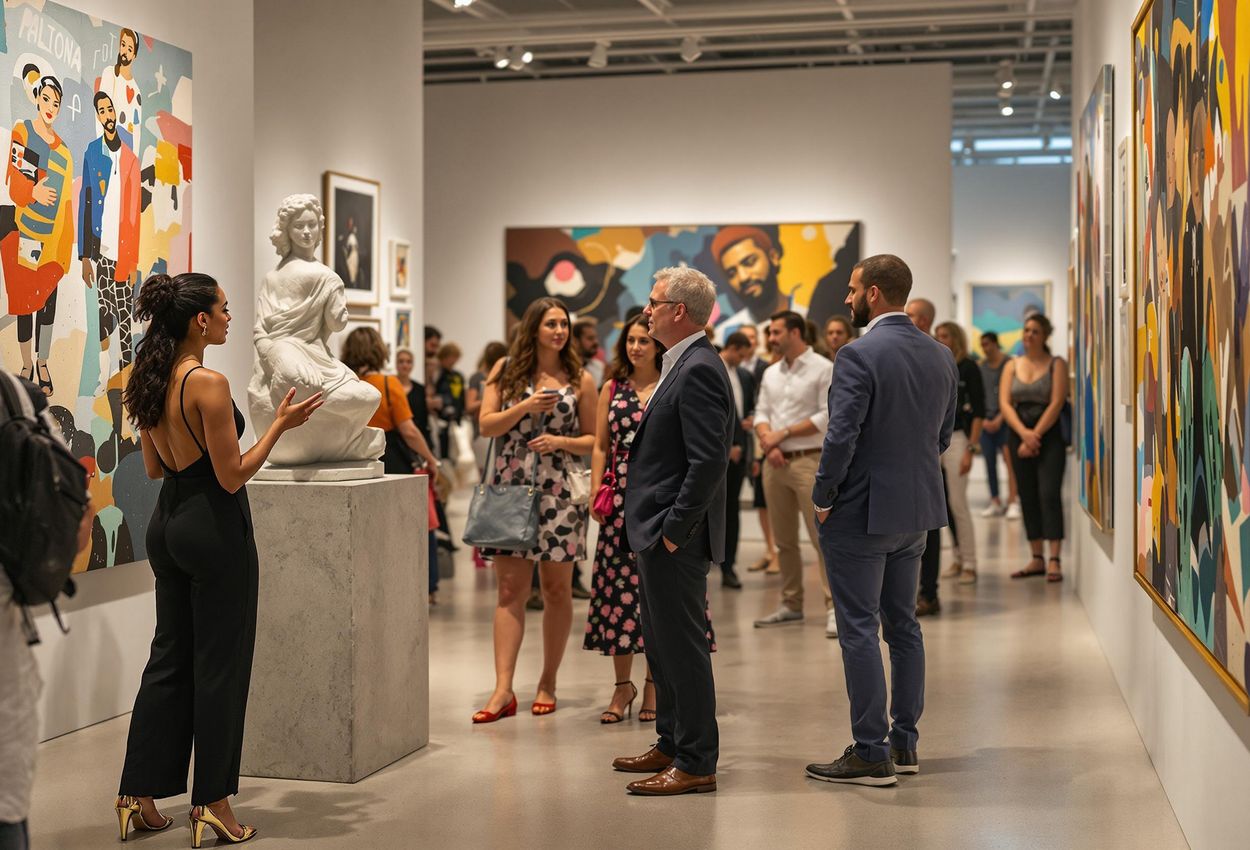
Attend gallery openings, art walks, and cultural events. These events offer a chance to see new art, meet artists, and mingle with other art enthusiasts. Check local listings and online event calendars to find out what's happening during your travels.
Join online art communities and forums. These platforms provide a space to connect with artists and art lovers from around the world. Share your thoughts and experiences, ask questions, and discover new artists and artworks.
Support local artists by purchasing their work and spreading the word. Buying art directly from the artist not only supports their livelihood but also gives you a unique souvenir to remember your travels. Share your discoveries on social media and tell your friends about the artists you've met.
Consider volunteering at local art organizations or museums. This is a great way to get involved in the art community and learn more about the inner workings of the art world.
Look for opportunities to take art classes or workshops from local artists. This can be a fun and educational way to learn new skills and connect with other creative individuals.
By actively engaging with the local art scene, you'll transform your travels into a truly enriching and immersive experience. You'll discover hidden gems, meet fascinating people, and gain a deeper appreciation for the power of art to connect us all.
Personalize Your Perspective: Embrace Subjectivity
Art appreciation is a deeply personal and subjective experience. There is no right or wrong way to feel about a work of art. The key is to trust your own emotional responses and interpretations.
Don't be afraid to dislike certain artworks. Not every piece of art will resonate with you, and that's perfectly okay. Art is meant to provoke thought and emotion, and sometimes that emotion may be negative.
Allow yourself to change your mind about artworks. Your initial impression may evolve as you spend more time with a piece or learn more about its context. Be open to new perspectives and interpretations.
Focus on what you see and feel, rather than trying to guess what the artist intended. Your personal connection to the artwork is what matters most.
Consider how the artwork relates to your own life experiences and beliefs. Does it remind you of a particular memory, person, or place ? Does it challenge your assumptions or affirm your values ?
Embrace the ambiguity and mystery that art can offer. Not every artwork has a clear and definitive meaning. Sometimes, the beauty lies in the questions it raises rather than the answers it provides.
By embracing subjectivity, you'll unlock a more authentic and meaningful art experience. You'll learn to trust your own instincts and develop a unique perspective that enriches your travels and your life.
Beyond the Canvas: Exploring Diverse Art Forms
While museums and galleries often showcase traditional art forms like painting and sculpture, it's important to remember that art exists in many other forms. By exploring these diverse art forms, you'll broaden your horizons and discover new avenues for creative expression.
Street art, found in public spaces, often reflects the local culture and history. Look for murals, graffiti, and other forms of urban art that can offer insights into the community's identity and concerns.
Performance art combines visual elements with live action, creating a dynamic and ephemeral experience. Attend performance art events to witness artists pushing boundaries and challenging conventions.
Traditional crafts, such as weaving, pottery, and woodworking, represent a rich cultural heritage. Seek out local craft centers and markets to see these art forms being created and to support the artisans who keep them alive.
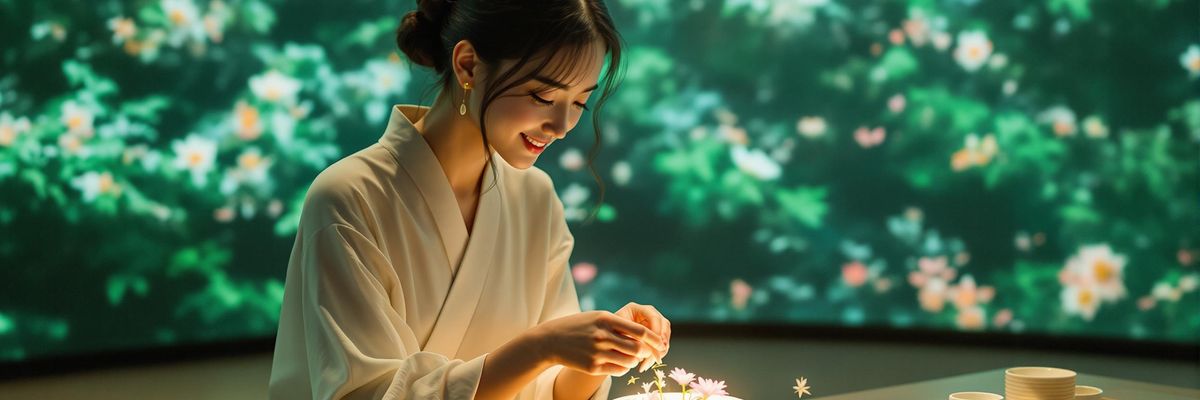
Digital art encompasses a wide range of creative practices that utilize digital technology. Explore digital paintings, animations, and interactive installations to see how artists are using technology to create new forms of art.
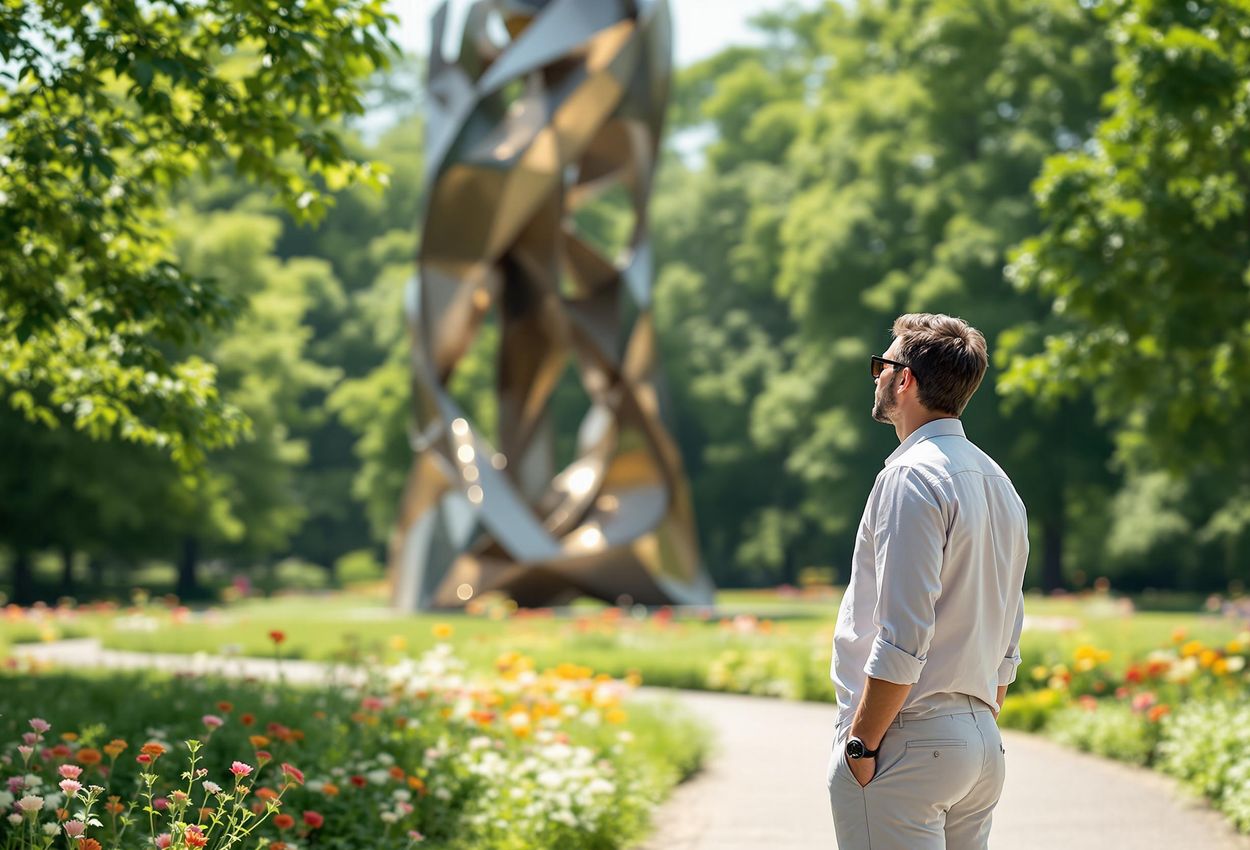
Land art involves creating artworks in the natural landscape. These large-scale installations often interact with the environment in meaningful ways.
By venturing beyond the canvas, you'll discover a world of art that is vibrant, diverse, and constantly evolving. You'll gain a deeper appreciation for the creative spirit that permeates all aspects of human culture.

Documenting Your Discoveries: Art Journaling on the Go
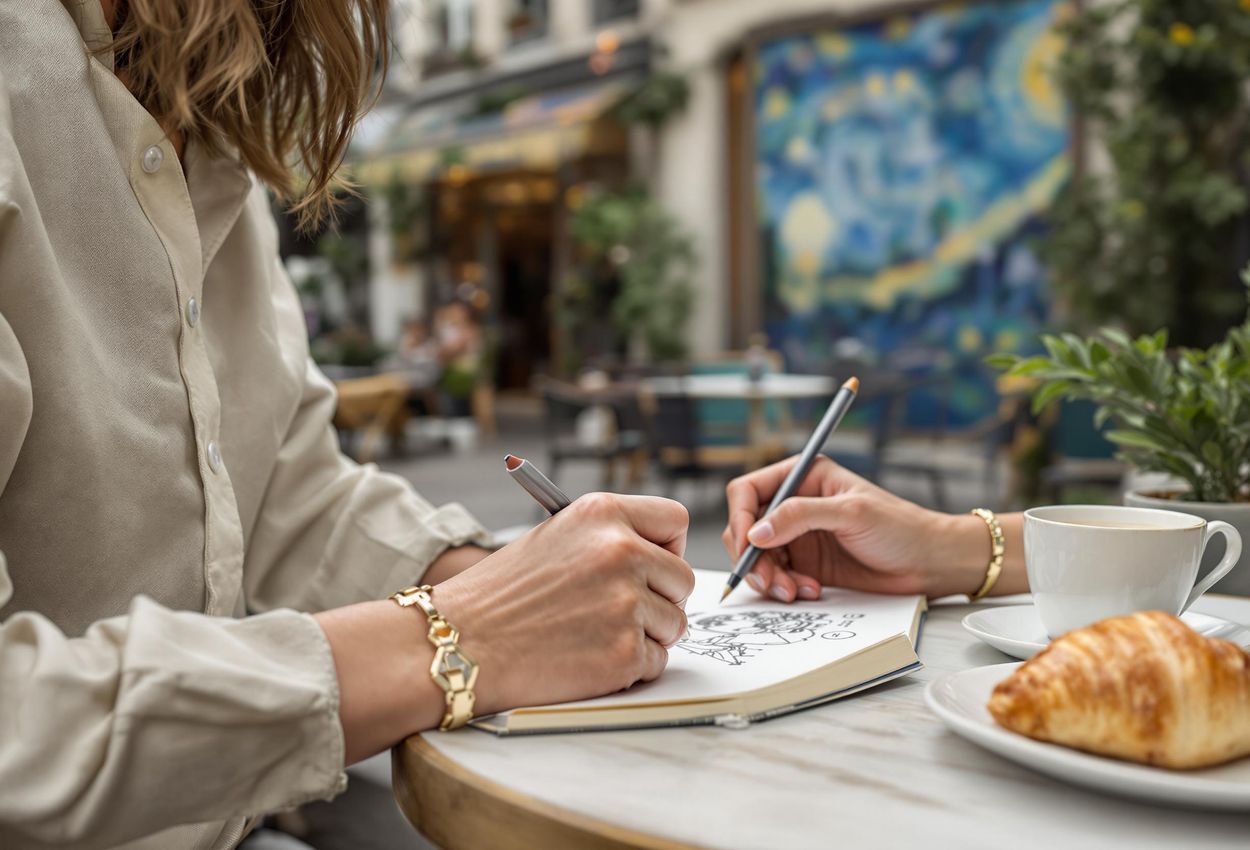
Keeping an art journal is a wonderful way to document your personal experiences and reflections while traveling. It allows you to capture your thoughts, emotions, and observations in a creative and tangible form.
Sketch, write, and collect ephemera related to the art you encounter. Include drawings, paintings, collages, and written notes in your journal. Collect tickets, brochures, postcards, and other mementos to add visual interest and personal meaning.
Use your journal to explore your thoughts and feelings about the art you see. Write about what you like or dislike, what it reminds you of, and what questions it raises.
Experiment with different materials and techniques. Use watercolors, colored pencils, markers, pens, and other art supplies to create unique and expressive journal pages.
Don't worry about creating perfect artworks. The goal is to capture your personal experience, not to produce masterpieces. Embrace imperfections and allow your journal to reflect your unique perspective.
Make your art journal travel-friendly. Choose a lightweight and compact journal that you can easily carry with you. Pack a small selection of essential art supplies.
By keeping an art journal, you'll create a lasting record of your travels and your artistic discoveries. You'll also deepen your understanding and appreciation of art by engaging with it in a creative and personal way.

The Art of Slow Looking: Mindful Observation Techniques
In today's fast-paced world, it's easy to rush through museums and galleries, barely glancing at the artworks on display. However, by practicing the art of slow looking, you can cultivate a deeper and more meaningful connection with art.
Slow looking involves spending more time with each artwork, allowing yourself to truly see and experience it. It's about focusing on details, asking questions, and considering different perspectives.
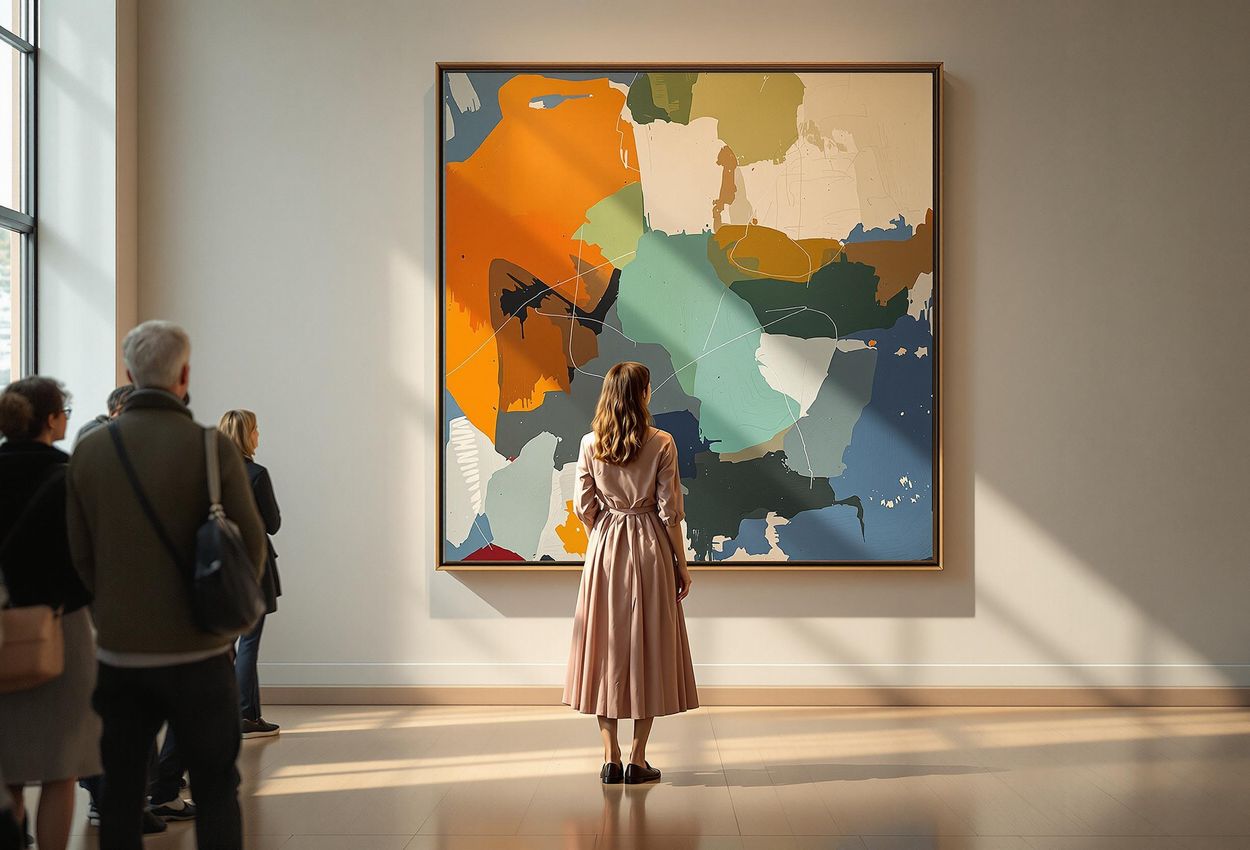
Start by finding a comfortable spot in front of the artwork. Take a few deep breaths to relax and center yourself. Allow your eyes to wander over the entire surface of the artwork, noticing the overall composition, colors, and shapes.
Then, begin to focus on specific details. What do you notice about the artist's brushstrokes ? How does the light interact with the surface of the artwork ? What emotions do the colors evoke ?
Ask yourself questions about the artwork. What is the subject matter ? What is the artist trying to communicate ? What does the artwork remind you of ?
Consider different perspectives. How might someone from a different culture or background interpret the artwork ? How might your own interpretation change over time ?
Be patient and allow yourself to be surprised. Slow looking is not about finding all the answers but about embracing the mystery and ambiguity of art.
By practicing mindful observation, you'll develop a deeper appreciation for the nuances and complexities of art. You'll also cultivate a greater sense of presence and awareness in your daily life.
Transformative Travel: How Art Inspires Personal Growth
Engaging with art while traveling can be a transformative experience, leading to personal growth and self-discovery. Art has the power to challenge our perspectives, broaden our horizons, and foster empathy.
Art can expose you to new cultures and ideas. By encountering artworks from different times and places, you'll gain a deeper understanding of the diversity of human experience.
Art can challenge your assumptions and beliefs. It can force you to question your own values and consider alternative viewpoints.
Art can foster empathy by allowing you to connect with the emotions and experiences of others. By seeing the world through the eyes of the artist, you'll develop a greater sense of compassion and understanding.
Art can inspire creativity and self-expression. By engaging with art, you'll unlock your own creative potential and discover new ways to express yourself.
Art can promote mindfulness and well-being. By slowing down and focusing on the present moment, you'll reduce stress and cultivate a greater sense of inner peace.
As you continue your travels, embrace the transformative power of art. Allow it to challenge you, inspire you, and connect you to the world in new and meaningful ways.