Step into Florence, where the spirit of the Renaissance still thrives, inviting you to witness the masterpieces of human creativity and explore the historical landmarks that shaped Western civilization.
From the awe-inspiring Duomo to the captivating Uffizi Gallery and the charming Ponte Vecchio, prepare to be swept away by the city's timeless beauty and cultural richness. This guide unveils the essential Florentine experiences for art lovers and history buffs alike, promising an unforgettable journey through the heart of the Renaissance.
Unveiling the Soul of the Renaissance: A Florentine Overture
Imagine yourself transported to a city where every corner whispers tales of artistic genius and historical significance. This is Florence, the cradle of the Renaissance, a living testament to human innovation and creativity. The city's atmosphere is a unique blend of vibrant energy and timeless elegance, where the echoes of the past resonate harmoniously with the pulse of modern life.
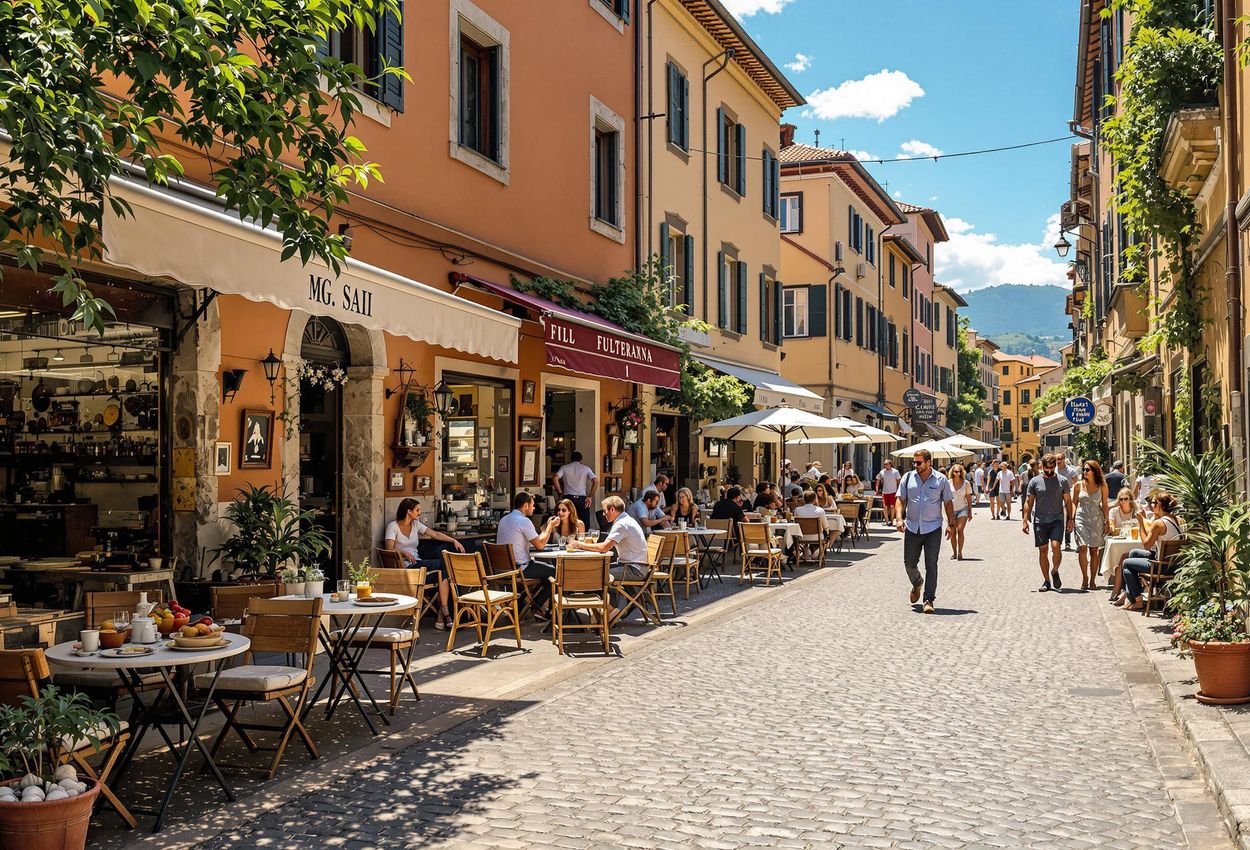
As you wander through the cobblestone streets, the sounds of street musicians fill the air, their melodies intertwining with the lively chatter of locals and the hushed reverence of visitors. The aroma of Tuscan cuisine wafts from trattorias, enticing you with the promise of culinary delights. And everywhere you look, your eyes are drawn to architectural marvels, culminating in the breathtaking sight of the Duomo, its magnificent dome piercing the Florentine skyline.
Florence is more than just a city; it's a living museum, where art and history intertwine seamlessly. It was here that the Renaissance was born, a cultural explosion that transformed Europe and left an indelible mark on the world. The city's artistic heritage is unparalleled, boasting masterpieces by Michelangelo, Leonardo da Vinci, Botticelli, and countless other luminaries.
No exploration of Florence is complete without acknowledging the profound influence of the Medici family. These powerful bankers and shrewd political players were also passionate patrons of the arts, commissioning countless works and fostering an environment of creativity and innovation. Their legacy is woven into the very fabric of Florence, visible in the grand palaces, the magnificent galleries, and the countless artistic treasures that adorn the city.
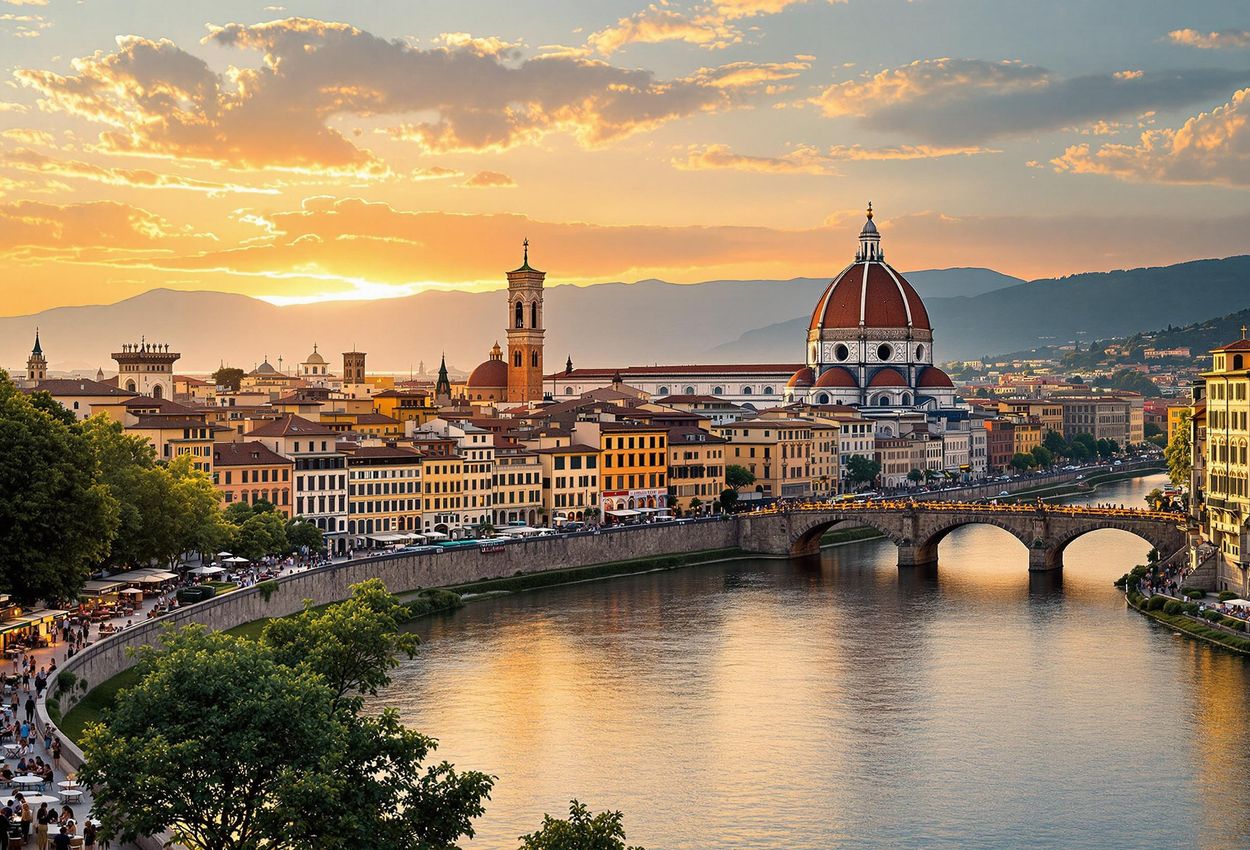
Local Tip: Take a leisurely stroll along the Arno River at sunset for a breathtaking view of the Ponte Vecchio bathed in golden light. The reflections on the water create a magical scene, perfect for capturing unforgettable memories.
Michelangelo's David: A Masterpiece Revealed at the Accademia
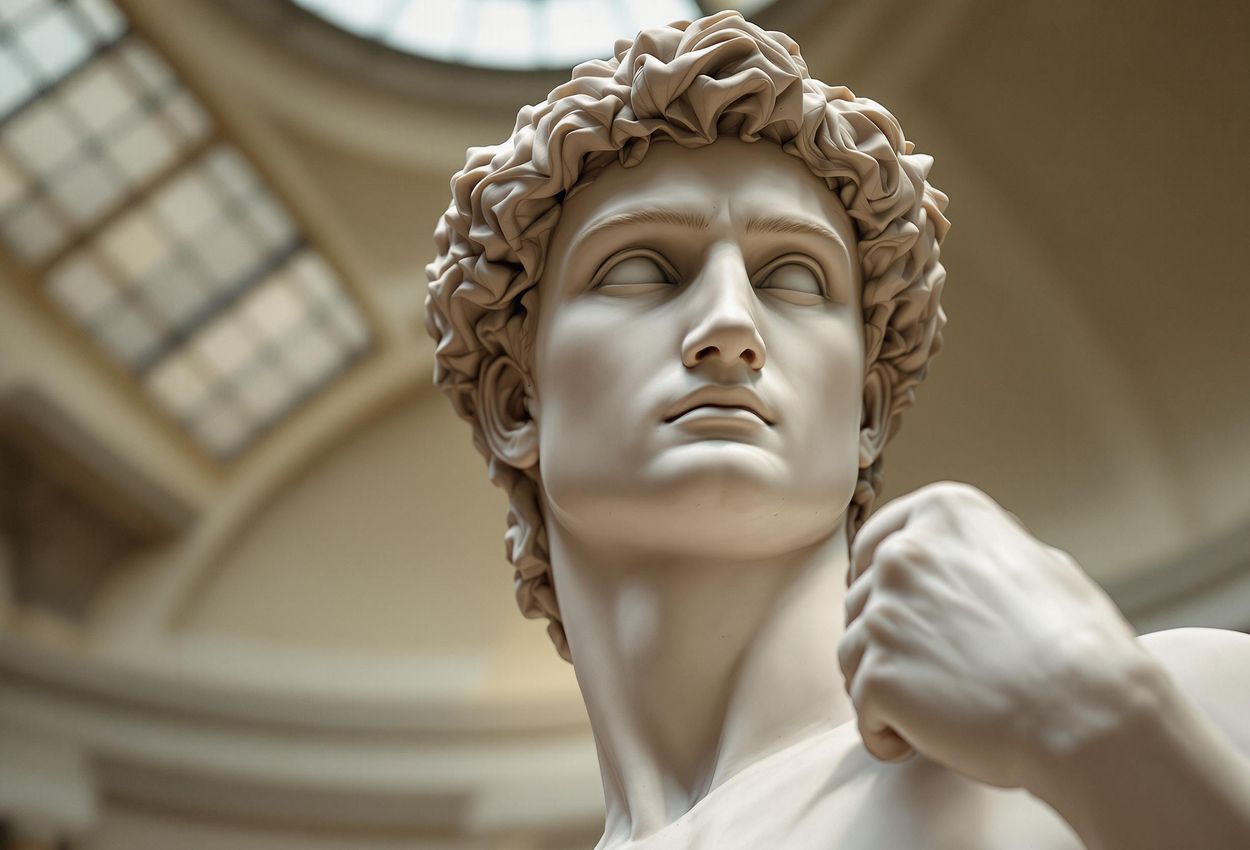
Prepare to be awestruck as you step into the Accademia Gallery, home to one of the most iconic sculptures in the world: Michelangelo's David. This colossal statue, carved from a single block of marble, is a testament to human potential, a symbol of strength, courage, and the unwavering spirit of Florence.
Commissioned in 1501, Michelangelo embarked on the daunting task of transforming a previously flawed block of marble into a masterpiece. For over two years, he toiled tirelessly, hidden from public view, his chisel breathing life into the cold stone. The result was nothing short of revolutionary: a nude depiction of David, not as the victorious hero with Goliath's head, but as a youthful figure, poised and ready for battle, his gaze fixed on the horizon.
Originally intended for the Florence Cathedral, the statue's sheer perfection led Florentine leaders to place it in front of the Palazzo della Signoria, the seat of government, where it stood as a symbol of the city's republican ideals. In 1873, to protect it from the elements, David was moved to the Accademia Gallery, where it continues to inspire awe and admiration.
While David is undoubtedly the main attraction, the Accademia Gallery offers much more. The Hall of Prisoners displays Michelangelo's unfinished sculptures, offering a glimpse into the artist's creative process. The Museum of Musical Instruments showcases a fascinating collection of historical instruments, providing a harmonious counterpoint to the visual arts.
Hidden Gem: Look closely at David's eyes – Michelangelo masterfully carved them to reflect intelligence, determination, and a hint of apprehension, capturing the essence of a young hero facing an immense challenge.
Uffizi Gallery: Charting the Course of Renaissance Art
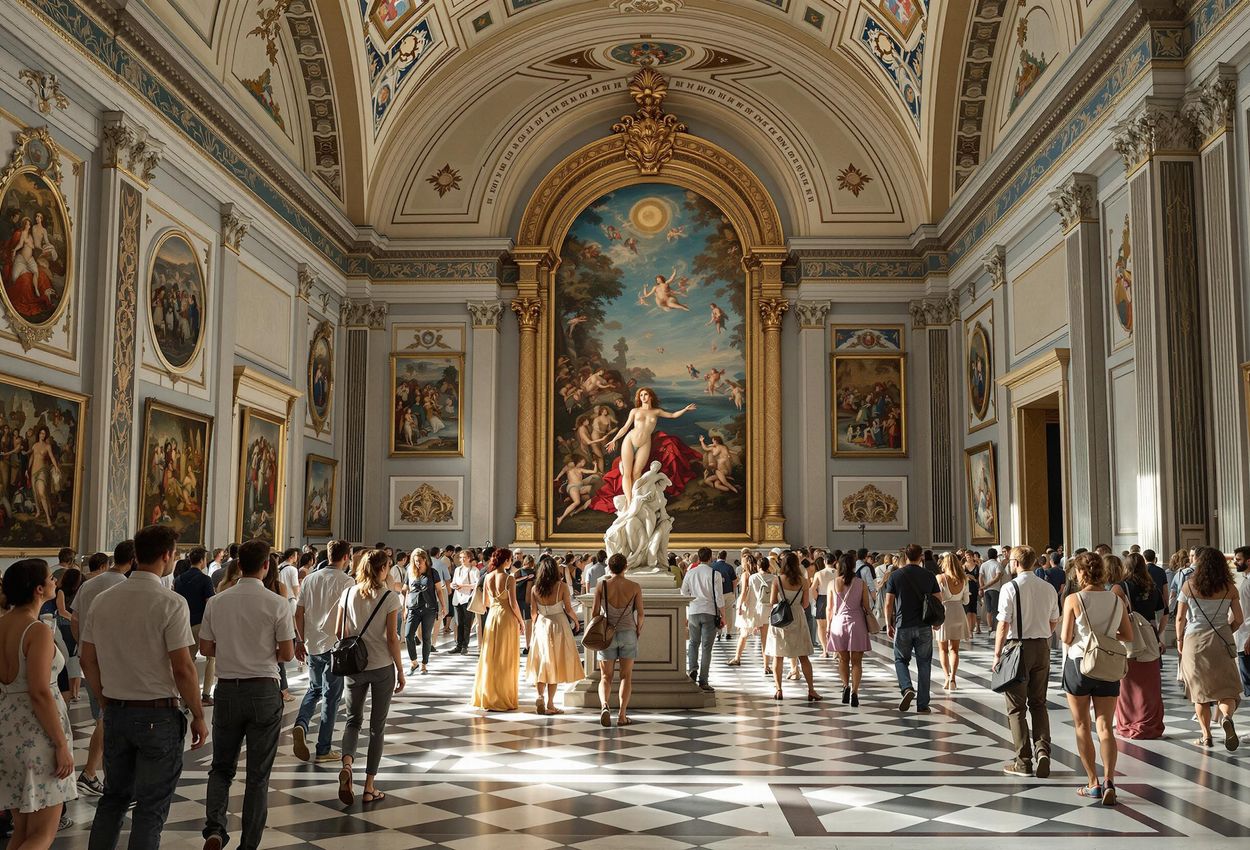
Prepare to be immersed in the world of Renaissance art at the Uffizi Gallery, one of the oldest and most renowned art museums in the world. Housed in a magnificent building designed by Giorgio Vasari in 1560, the gallery's history is as rich and fascinating as the art it contains. Originally commissioned by Cosimo I de' Medici to house the administrative and judicial offices of Florence, the Uffizi gradually evolved into a repository of the family's vast art collection.
Today, the Uffizi Gallery boasts an unparalleled collection of Renaissance masterpieces, offering a comprehensive overview of the artistic developments of the era. Among the countless treasures, two works stand out as particularly iconic: Botticelli's Birth of Venus and Leonardo da Vinci's Annunciation.
Botticelli's Birth of Venus is a celebration of beauty and grace, depicting the goddess Venus emerging from the sea, a vision of ethereal loveliness. Leonardo da Vinci's Annunciation showcases the artist's mastery of perspective and his ability to capture the human form with astonishing realism.
As you wander through the gallery's halls, be sure to explore the works of other Renaissance masters, including Michelangelo, Raphael, and Caravaggio. The Uffizi Gallery is more than just a museum; it's a journey through the heart of the Renaissance, a chance to witness the artistic genius that shaped Western civilization.
Sensory Detail: Take a moment to appreciate the light filtering through the gallery windows, illuminating the masterpieces with a soft, ethereal glow. The hushed reverence of visitors creates an atmosphere of quiet contemplation, allowing you to connect with the art on a deeper level.
The Duomo: Climbing to Florentine Heaven
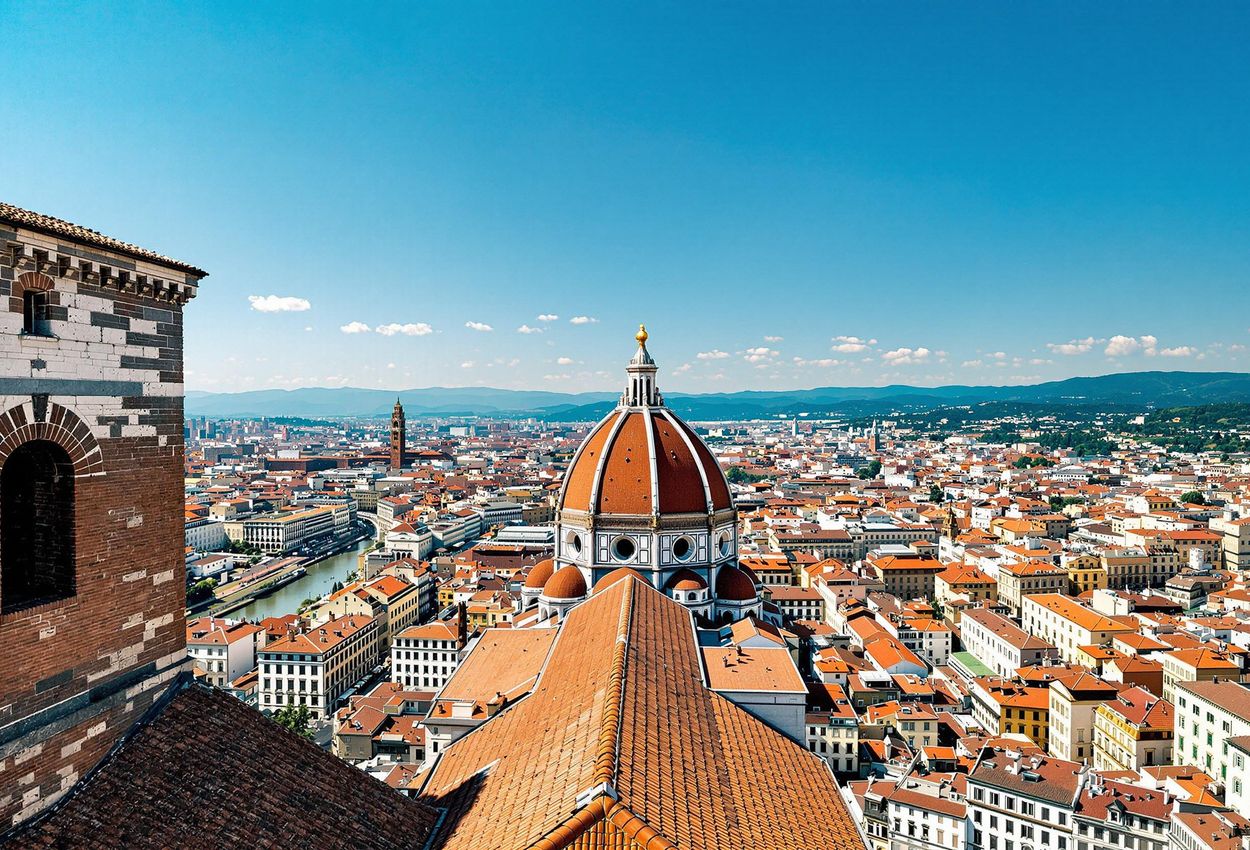
No visit to Florence is complete without experiencing the grandeur of the Florence Cathedral, also known as the Duomo. This architectural marvel, with its iconic dome designed by Filippo Brunelleschi, dominates the Florentine skyline, a testament to human ingenuity and faith.
Construction of the Duomo began in 1296, but it was Brunelleschi's dome, completed in 1436, that truly transformed the cathedral into a masterpiece. Faced with the challenge of building a dome without traditional scaffolding, Brunelleschi devised innovative techniques and machines, revolutionizing architectural practices.
Climbing the dome is an experience in itself, a journey through narrow passageways and winding staircases. As you ascend, you'll marvel at the intricate brickwork and the sheer scale of Brunelleschi's creation. Reaching the top, you'll be rewarded with breathtaking panoramic views of Florence, a vista that stretches across the city's rooftops, encompassing its historical landmarks and the rolling Tuscan hills.
Adjacent to the Duomo stands Giotto's Campanile, a slender bell tower that offers equally stunning views. Climbing to the top of the Campanile provides a different perspective on the city, allowing you to appreciate the Duomo's dome from a unique vantage point.
Unique Detail: Brunelleschi's dome is actually two domes, one inside the other, a revolutionary design that allowed for its construction without external support. The space between the two domes houses a staircase that leads to the top, offering a glimpse into the dome's ingenious structure.
Ponte Vecchio: A Bridge Through Time
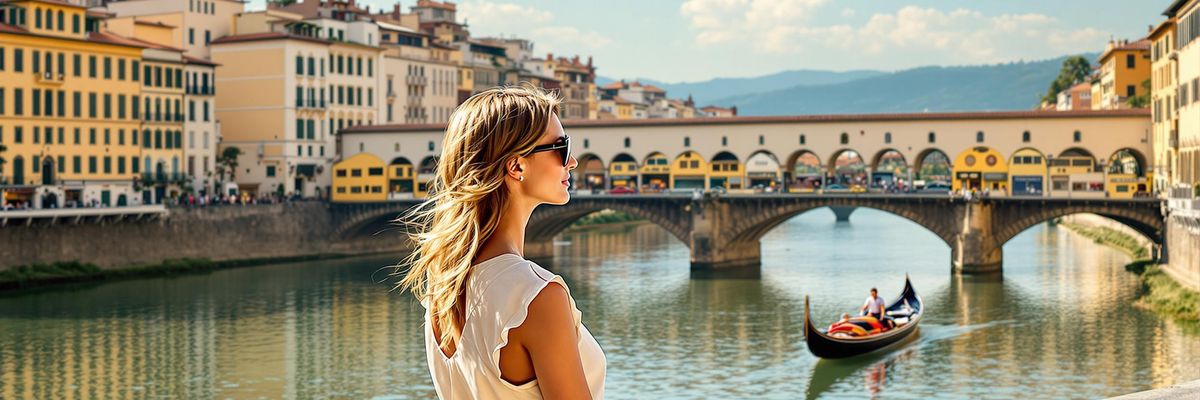
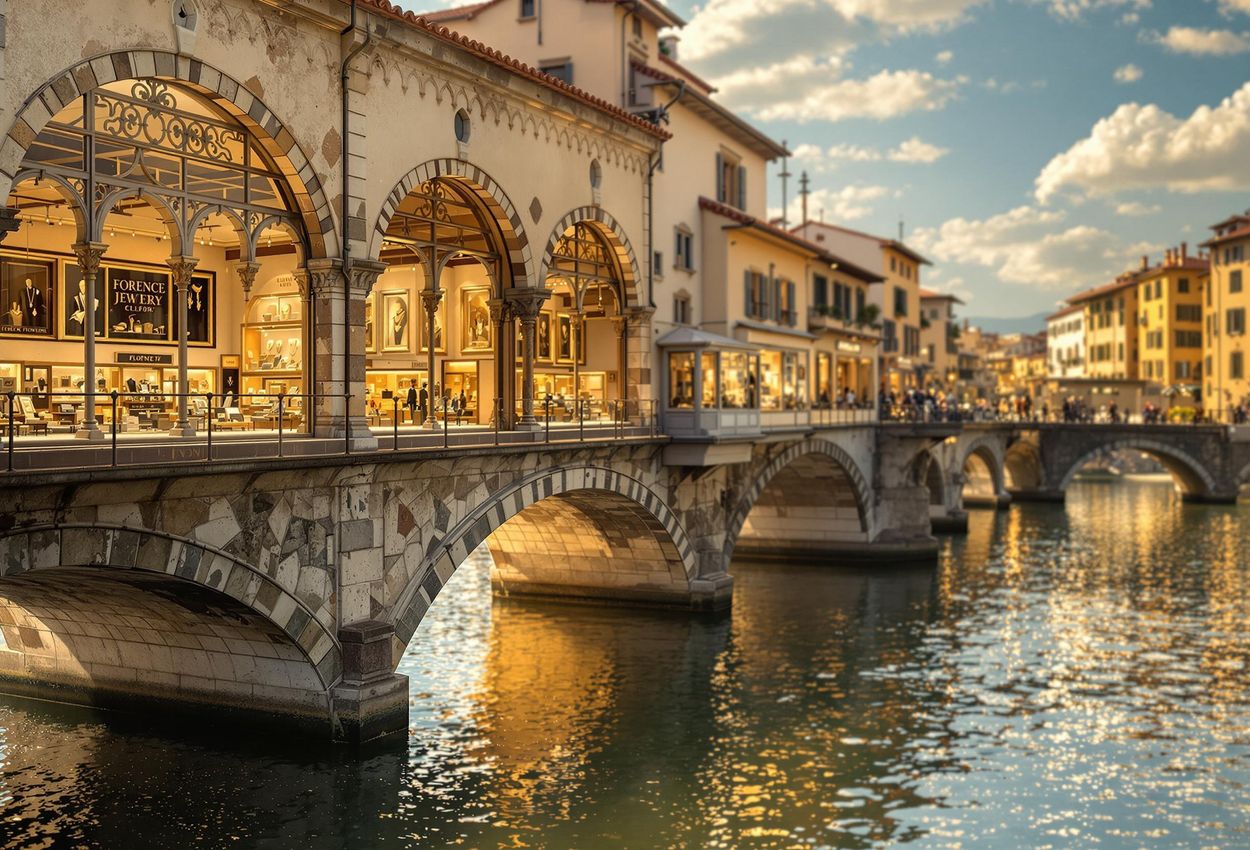
Cross the Ponte Vecchio, Florence's oldest bridge, and step back in time. This iconic landmark, spanning the Arno River, is unique for its shops built along its length, a tradition that dates back to the 13th century. Originally, the shops were occupied by butchers, tanners, and farmers, but in 1593, Ferdinando I de' Medici decreed that only goldsmiths and jewelers could occupy the bridge, transforming it into a haven for exquisite craftsmanship.
Today, the Ponte Vecchio is a dazzling display of jewelry, with shop windows glittering with gold, diamonds, and precious stones. As you stroll across the bridge, take in the atmosphere, the sounds of the Arno River flowing below, and the sparkle of the jewelry.
Above the shops runs the Vasari Corridor, a secret passageway built in 1565 by Giorgio Vasari for Cosimo I de' Medici. This elevated corridor allowed the Medici family to move between the Palazzo Vecchio and the Palazzo Pitti without mingling with the public.
Sensory Detail: Listen to the gentle lapping of the Arno River against the bridge's foundations as you admire the shimmering gold in the shop windows. The Ponte Vecchio offers a sensory experience that is both timeless and captivating.
Palazzo Pitti and Boboli Gardens: Royal Grandeur and Hidden Grottoes
Explore the opulence of the Palazzo Pitti, one of Florence's largest architectural monuments, and wander through the enchanting Boboli Gardens. Originally built in 1458 for the Pitti family, the palace was later acquired by the Medici family in 1549, becoming their primary residence and a symbol of their power.
The Palazzo Pitti houses five museums, including the Gallery of Modern Art and the Museum of Costume and Fashion. The Palatine Gallery, located on the first floor, showcases a stunning collection of Renaissance and Baroque paintings, including masterpieces by Raphael, Titian, and Rubens.
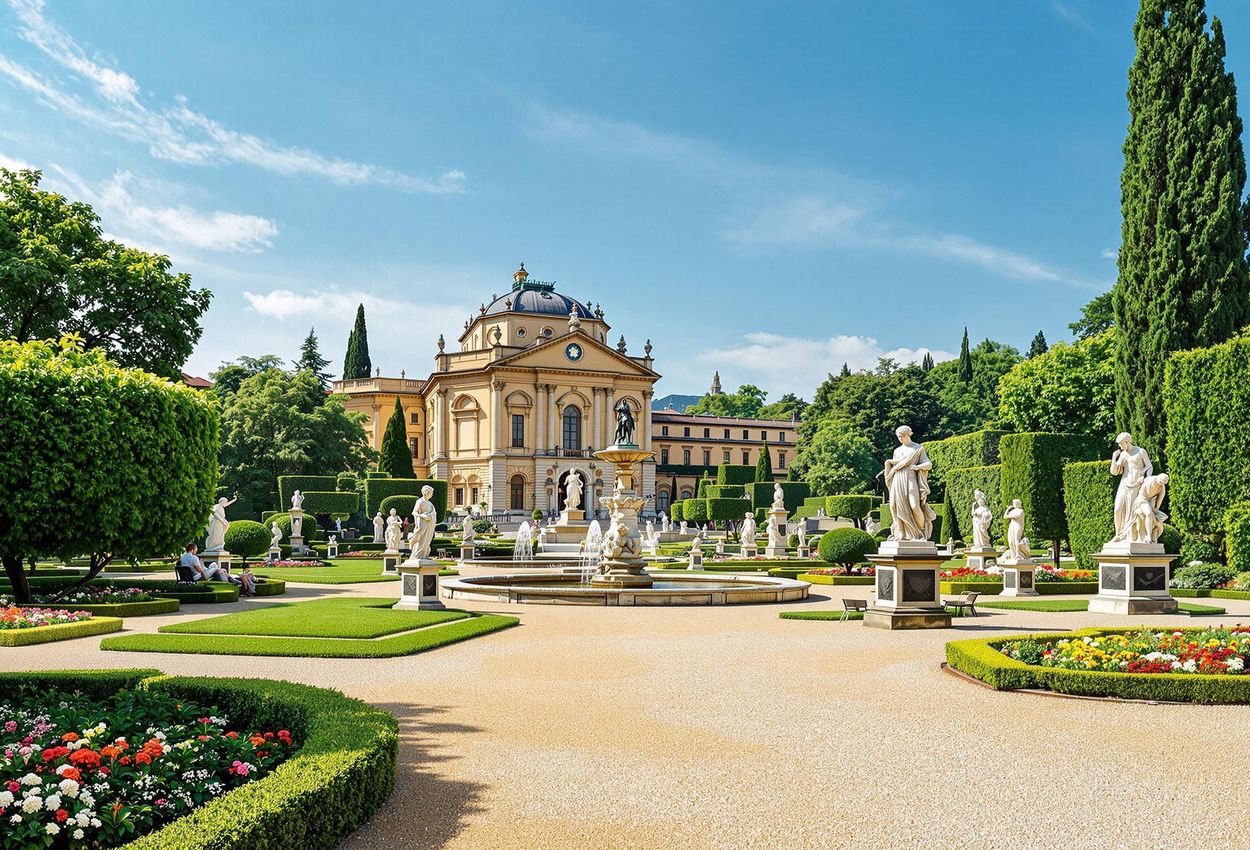
Behind the Palazzo Pitti lie the Boboli Gardens, a sprawling oasis of greenery, fountains, and sculptures. Designed in the Italian Renaissance style, the gardens feature hidden grottoes, elaborate fountains, and meticulously manicured lawns. Wander through the gardens, discovering hidden corners and breathtaking vistas.
Unique Detail: The Boboli Gardens are home to a secret grotto designed by Bernardo Buontalenti, a whimsical space filled with sculptures, fountains, and playful architectural details. This hidden gem offers a glimpse into the artistic creativity and playful spirit of the Medici court.
Oltrarno: Artisan's Paradise and Culinary Delights
Venture across the Arno River to the Oltrarno neighborhood, a vibrant district known for its artisan workshops, traditional trattorias, and authentic Florentine character. This neighborhood offers a glimpse into a Florence beyond the tourist crowds, a place where traditional crafts and culinary traditions thrive.
Wander through the narrow streets, discovering workshops where artisans create leather goods, ceramics, jewelry, and other handcrafted treasures. Many of these workshops have been family-run for generations, preserving ancient techniques and traditions.
The Oltrarno is also a culinary paradise, offering a wide range of traditional Florentine dishes. From hearty ribollita to succulent bistecca alla fiorentina, the neighborhood's trattorias offer a taste of authentic Tuscan cuisine.
Sensory Detail: Immerse yourself in the atmosphere of the Oltrarno, the scent of leather in a workshop, the aroma of freshly baked bread wafting from a bakery, and the lively chatter of locals. The Oltrarno offers a sensory experience that is both authentic and unforgettable.