The art world is undergoing a seismic shift, propelled by the relentless march of technology. From digital canvases to AI collaborators and immersive virtual realities, technology is not just a tool but a transformative force, reshaping how art is created, experienced, and valued.
This evolution is not without its challenges, raising ethical questions about authorship, originality, and the very essence of human creativity. However, the potential for technology to democratize art, expand creative boundaries, and engage new audiences is undeniable. Join us as we delve into this exciting and complex landscape, exploring the myriad ways technology is sculpting the future of art.

Digital Canvases Emerge
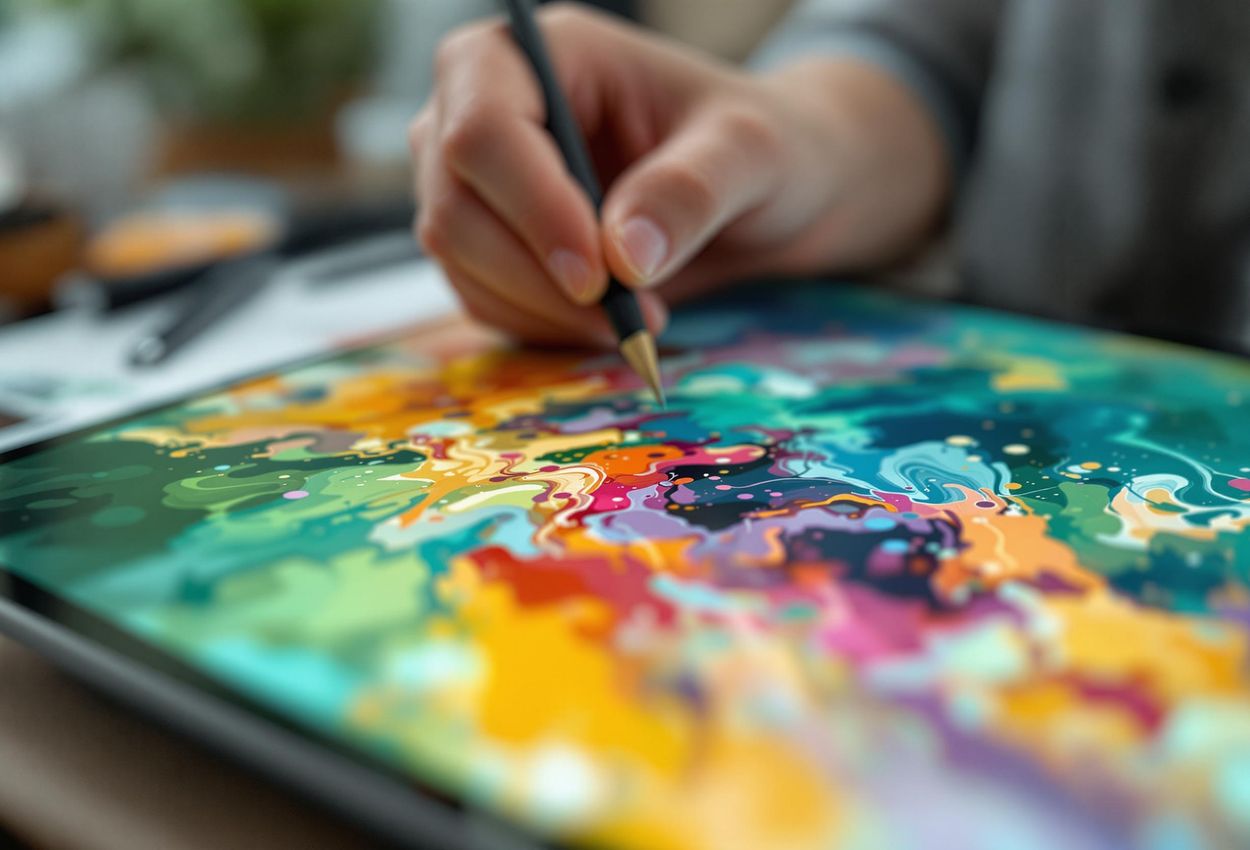
The rise of digital canvases marks a significant departure from traditional art forms, offering artists a new medium that seamlessly blends digital precision with the fluidity of traditional painting methods. These canvases are not mere screens; they are dynamic surfaces capable of responding to touch, sound, and even the artist's emotions. Artists like Sougwen Chung, known for her collaborations with robots, and Sarp Kerem Yavuz, who explores the intersection of art and technology, are at the forefront of this movement.
Digital canvases provide infinite possibilities for experimentation. Colors can be changed with a tap, styles can be morphed in real-time, and mistakes can be undone with ease. This freedom encourages artists to push their creative boundaries, exploring new techniques and aesthetics that were previously unimaginable. The ability to integrate multimedia elements, such as animation and sound, further expands the expressive potential of these canvases. Digital art is a key piece of the modern art world, and just like traditional artists, digital artists must have strong artistic skills, a good understanding of design principles, and also great technical proficiency with digital tools.
The accessibility of digital canvases also democratizes art creation. Aspiring artists who may lack the resources for traditional materials can now create stunning works of art with a relatively affordable tablet and stylus. This opens up new avenues for creative expression, fostering a more diverse and inclusive art world.
AI as Artistic Ally
Artificial intelligence (AI) is no longer just a tool; it's becoming a collaborator in the art world, enabling artists to create new aesthetic forms and enhance traditional paintings. AI algorithms can analyze vast datasets of images, identify patterns, and generate novel compositions, textures, and color palettes. This capability allows artists to quickly experiment with different ideas, visualize concepts, and refine their work with unprecedented speed and precision.
AI facilitates quick experimentation through visualization, significantly reducing trial and error. Artists can use AI to generate multiple variations of a piece, exploring different styles and compositions before committing to a final version. This iterative process allows for a more efficient and dynamic creative workflow. Also, AI-assisted restoration and conservation: Cutting-edge AI techniques help revive and recreate damaged pieces of art or predict how artwork might degrade over time.
However, the integration of AI in art also raises questions about the role of the artist. Is the AI merely a tool, or is it a co-creator? The answer likely lies in the artist's intent and the level of control they exert over the AI's output. Artists who use AI as a source of inspiration and guidance, while still retaining their creative vision, can be seen as true collaborators.
AR Awakens Art
Augmented reality (AR) is injecting new life into the art world, bridging the gap between the physical and digital realms. By overlaying digital information onto real-world environments, AR introduces new dimensions to art experiences, bringing canvases to life and creating immersive viewing opportunities.
Alex Mayhew's ReBlink project, for example, uses AR to animate classic paintings, adding layers of narrative and interactivity. Similarly, Marina Abramović's Immersive Consciousness explores the potential of AR to create intimate and engaging encounters with performance art. AR allows artists to create and place virtual sculptures in public spaces, transforming the urban landscape.
AR makes art more engaging and accessible to tech-savvy audiences. Viewers can use their smartphones or tablets to scan artworks and unlock hidden layers of content, such as artist interviews, historical context, and interactive animations. This transforms the passive viewing experience into an active exploration, fostering a deeper connection between the viewer and the art. AR allows artists to create ephemeral, virtual art installations without damaging property.

The Immersive Art Takeover
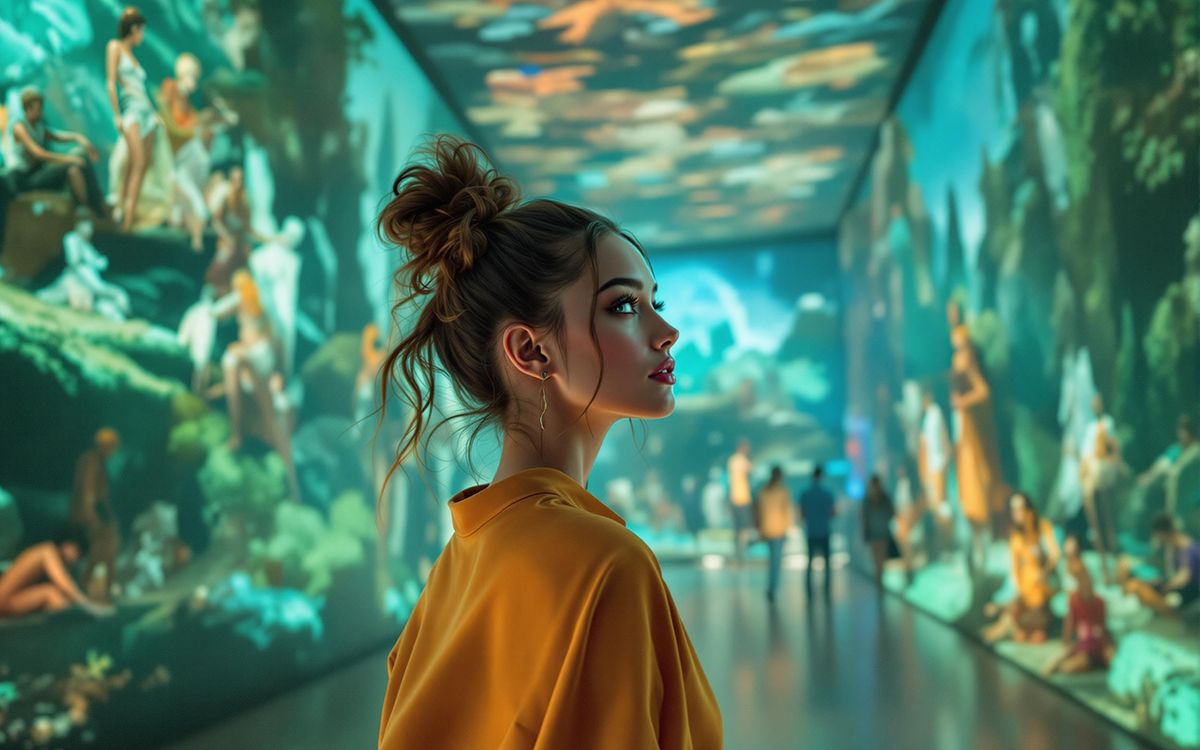
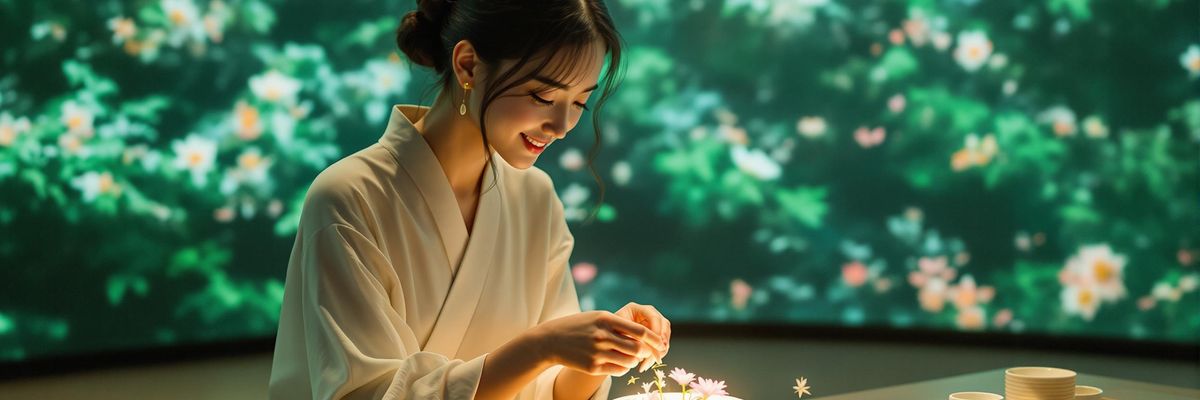
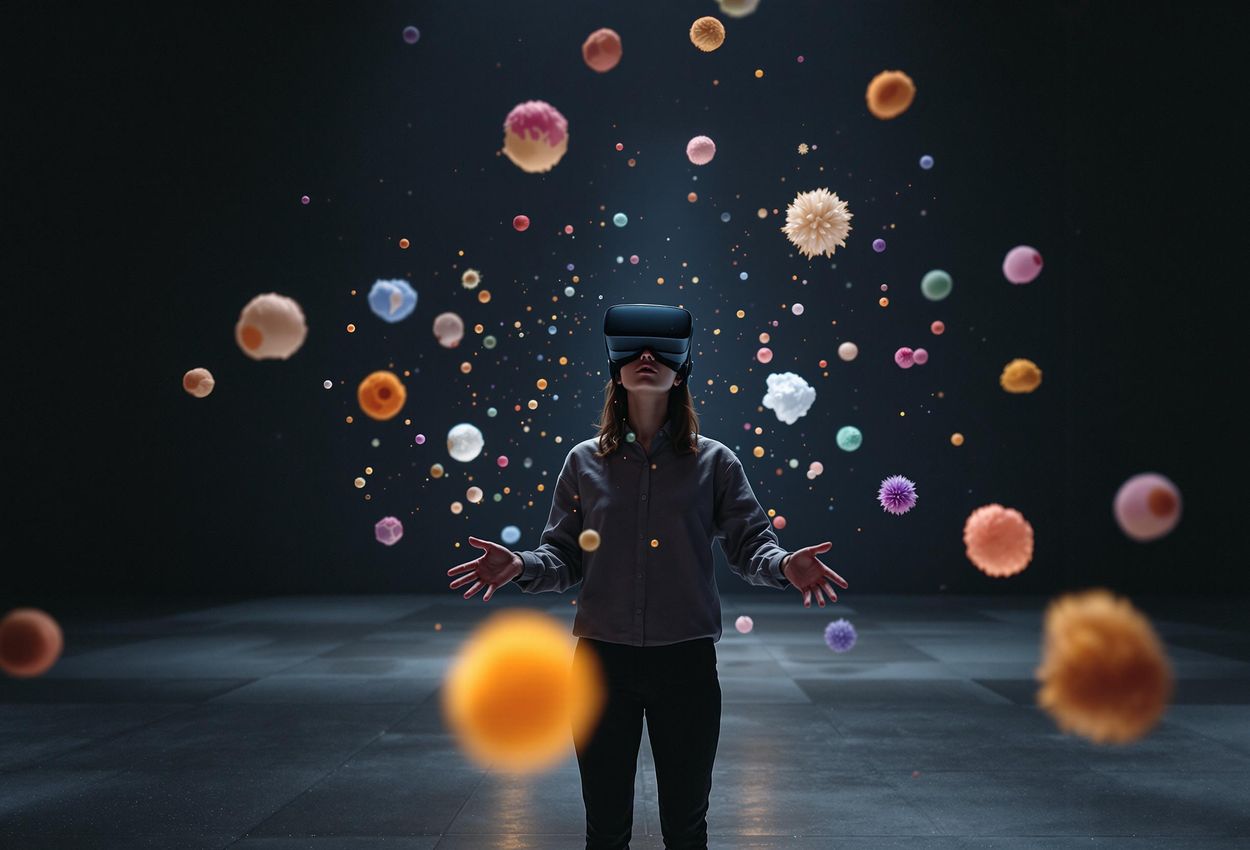
Immersive art experiences are captivating audiences worldwide, offering a multi-sensory engagement that transcends traditional art forms. These experiences often incorporate virtual reality (VR) and augmented reality (AR) to create interactive installations that envelop the viewer in a digital world.
VR transports viewers to entirely new environments, allowing them to explore fantastical landscapes, interact with virtual objects, and even participate in collaborative art projects. AR, on the other hand, overlays digital elements onto the real world, blurring the lines between the physical and virtual. Both technologies offer unique opportunities for artists to create immersive and engaging experiences. Meow Wolf and Superblue are examples of immersive art.
Marina Abramović ventures into VR to explore human consciousness, creating deeply personal and transformative experiences for viewers. These immersive art experiences are not just about visual spectacle; they are about creating a sense of presence, connection, and emotional resonance.
Ethical AI: The Artist's Voice
The rise of AI-generated art has sparked intense debate about the ethical implications of this technology. Concerns about authorship, originality, and intellectual property are at the forefront of these discussions. Who owns the rights to an AI-generated artwork: the artist who prompted the AI, the developers of the AI algorithm, or the AI itself ? The lack of clear legal frameworks surrounding AI art has created a gray area, leaving artists vulnerable to copyright infringement and plagiarism.
There is potential for AI to perpetuate biases and stereotypes present in its training data. If the data sets used to train AI algorithms are not diverse and representative, the resulting art may reflect and amplify existing societal biases, leading to skewed or offensive representations.
Artists are advocating for stronger rights and fair compensation in the age of AI. They are calling for transparency in AI data usage, regulations to protect creators' rights, and the establishment of ethical guidelines for AI art creation.
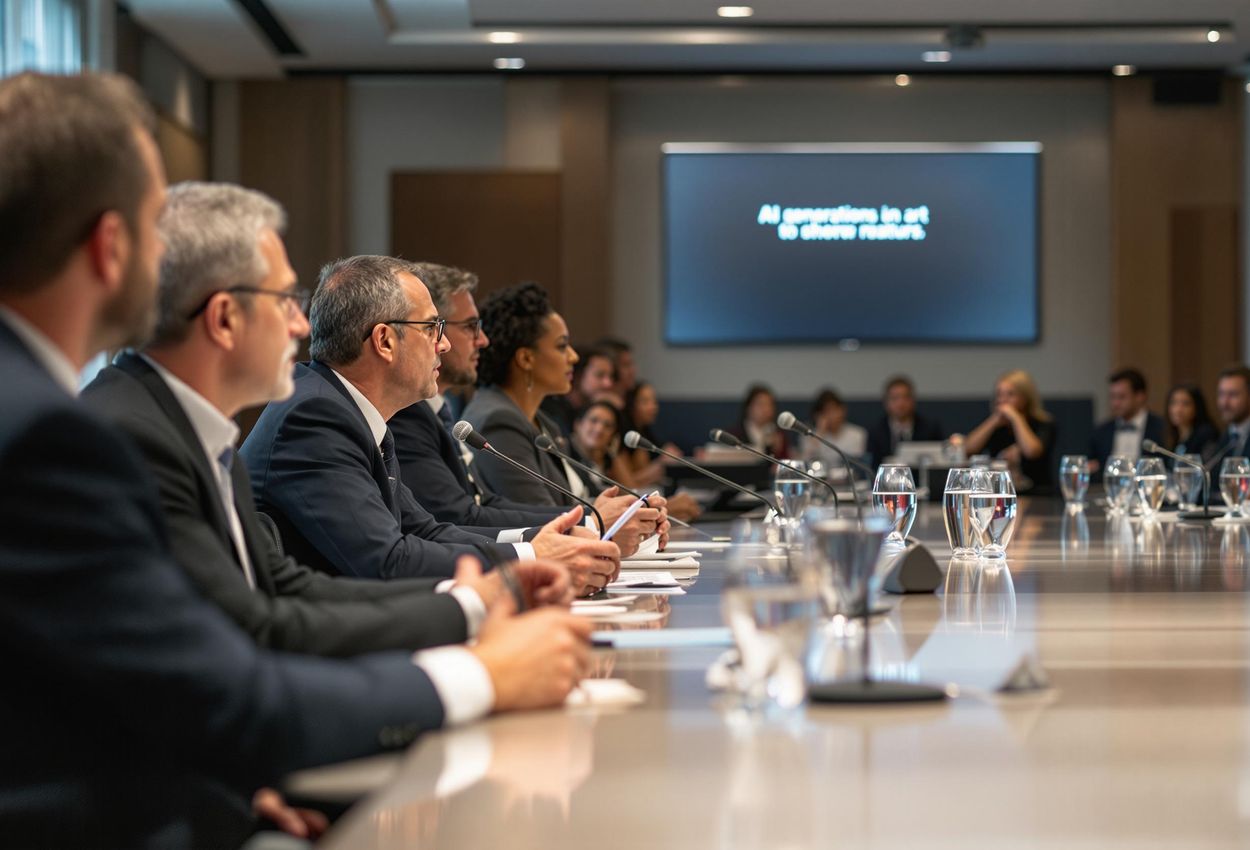
Navigating the AI Art Maze
The increasing prevalence of AI-generated art raises complex economic and cultural issues. Concerns about market saturation and the devaluation of human-made art are growing among artists and collectors. The ease and speed with which AI can generate art threaten to flood the market with low-quality, commodified works, potentially undermining the value of original, human-created art.
AI has the potential to disrupt traditional art markets, making it harder for human artists to gain recognition and earn a living. Galleries and museums may be tempted to showcase AI-generated art due to its novelty and low cost, further marginalizing human artists.
Despite these challenges, there is also potential for AI to create new economic opportunities for artists. Artists who embrace AI as a tool and collaborator can leverage its capabilities to create unique and innovative works that stand out in the market. The key is to find a balance between AI and human creativity, ensuring that art remains a meaningful and expressive endeavor.