In a world increasingly defined by stress and uncertainty, the healing power of art offers a sanctuary for the mind and soul.
Art, in its myriad forms, transcends mere aesthetics, serving as a profound therapeutic tool that fosters self-expression, reduces anxiety, and enhances overall well-being. The canvas, the sculpture, the melody – these are not just mediums of creativity but pathways to inner peace and emotional healing. Let's embark on a journey to explore how art can unlock inner peace, aid in trauma recovery, and seamlessly weave into the fabric of our daily routines.
Unlocking Inner Peace Through Art's Embrace
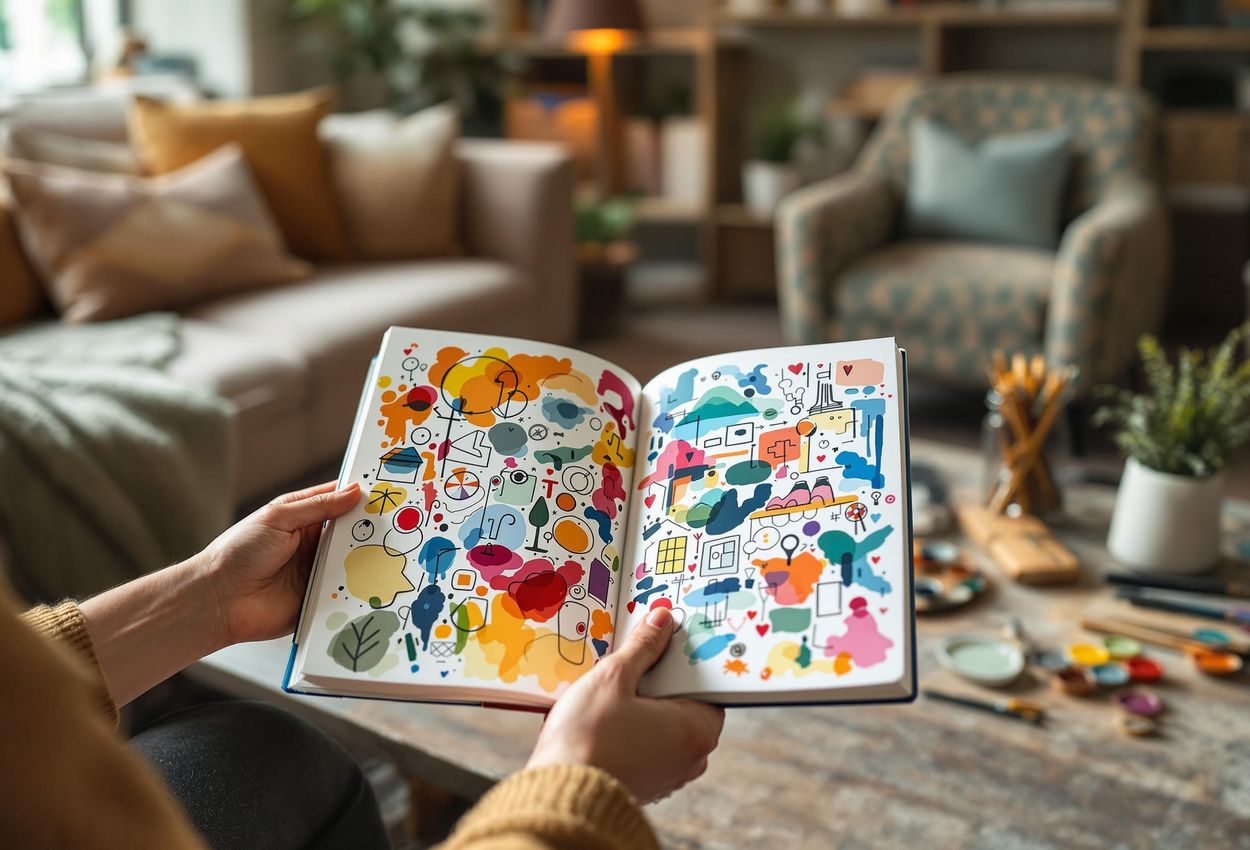
Art therapy provides a non-verbal outlet, allowing individuals to connect with their emotions and experiences in ways that traditional talk therapy might not reach. The act of creating art can be a cathartic experience, enabling the release of pent-up feelings and the exploration of complex emotions. Whether it's through painting, drawing, sculpting, or any other art form, the process allows individuals to express themselves freely, without the constraints of language.
The Georgetown Behavioral Health Institute confirms that self-expression in the arts has positive effects on mood, function, cognition, and behavior. Expressive arts awaken imagination and creativity, helping individuals discover who they are and how to engage their senses. This type of therapy can improve overall well-being, lower anxiety and stress, improve self-awareness and self-esteem, strengthen relationships, regulate behaviors, and advance social skills.
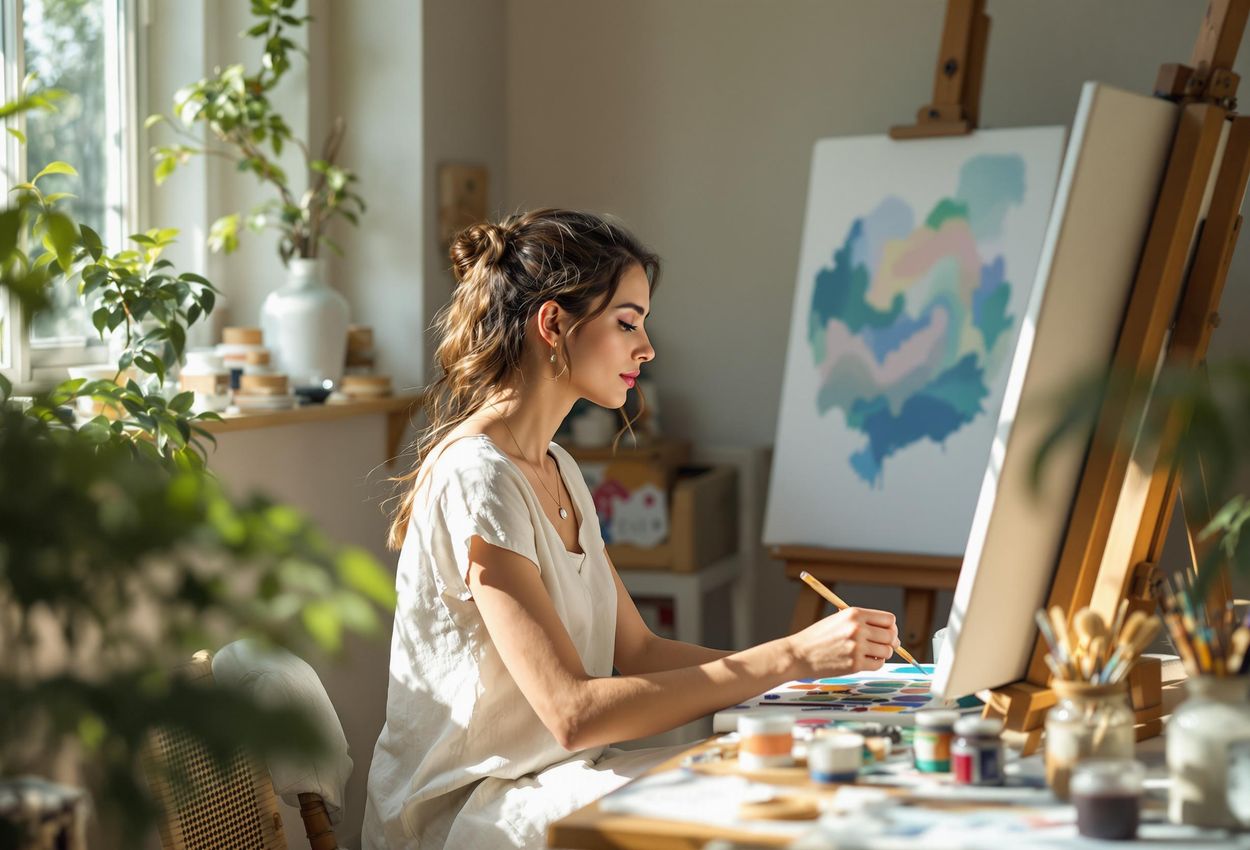
Consider the story of a woman named Sarah, who battled anxiety and depression for years. Traditional therapy offered some relief, but it wasn't until she discovered art therapy that she truly began to heal. Through painting, she found a way to express the emotions she couldn't articulate. The colors, the strokes, the textures – all became a language of their own, allowing her to release years of suppressed feelings. With each session, Sarah felt a sense of lightness and clarity, a newfound connection to her inner self. Art became her sanctuary, a place where she could confront her demons and emerge stronger, more resilient.
Finding Your Sanctuary: Art Therapy Programs Across the Nation
Across the nation, various art therapy programs and creative workshops offer individuals the opportunity to explore the healing power of art. These programs provide a supportive environment where participants can engage in creative activities, learn new skills, and connect with others on a similar journey.
In St. Louis, the PRESENT Project combines mindfulness and artmaking as an expressive coping tool. Founded by Dr. Anne Glowinski and artist Adrienne Outlaw, the project conducts weekly workshops that integrate yoga with artmaking, emphasizing individual and shared reflections to boost mindfulness. Participants, many of whom are children and teens facing difficult circumstances, are encouraged to express themselves through various art forms, transforming their creations into colorful postcards displayed throughout the community.
New York University's (NYU) Steinhardt School offers a comprehensive art therapy program that blends clinical efficacy with holistic wellness. The program integrates psychotherapy and visual arts practice, engaging the creative power of art for clinical assessment and treatment. NYU Steinhardt also collaborates with the Rubin Museum to offer free art therapy sessions for the public, extending art as a resource for those who can benefit from it.
Lesley University, based in Cambridge, Massachusetts, offers visionary programs in expressive therapies that integrate dance/movement, drama, literature, music, poetry, and the visual arts with clinical mental health counseling. The university's programs are connected to respected teaching hospitals, clinics, and mental health facilities, providing students with valuable experiences in the field. Lesley University’s Master of Arts Program in Clinical Mental Health Counseling: Art Therapy is accredited by the Commission on Accreditation of Allied Health Education Programs.
Antioch University has a Master of Arts in Clinical Mental Health Counseling and Art Therapy program that provides comprehensive clinical training, making it one of the few degree programs in the U.S. featuring art therapy with a clinical focus. Antioch University has been approved by the American Art Therapy Association since 2003. The program incorporates cultural diversity and social responsibility, training students from diverse backgrounds to promote mental health and well-being in a multicultural global community.

Brushstrokes of Resilience: Art's Impact on Trauma Recovery
Art therapy can be a powerful tool for individuals coping with trauma. It provides a safe and non-threatening way to express difficult emotions and memories that may be hard to articulate verbally. The creative process allows individuals to visualize situations from different angles, access different parts of themselves, and process traumatic events in a new way.
A 2019 study suggests that art therapy is especially beneficial for survivors of prolonged or recurrent trauma. Art therapy can help people visualize the situation from another angle and see that varied perspectives can help process the experience. It can also give individuals access to different parts of themselves that they wouldn't have been able to otherwise.
Leela R. Magavi, MD, a regional medical director for Mindpath Health, notes that art therapy allows them to piece together lost memories and heal, so they can achieve their goals and trust once again in relationships. The National Alliance on Mental Health (NAMI) says trauma can “live on” physically after an event, and art therapy can provide an outlet for these physical manifestations of trauma.
Consider the experience of veterans with PTSD, who often struggle with intrusive memories and emotional distress. Art therapy offers a means to process these experiences in a controlled and creative environment. Through painting, sculpture, or other art forms, veterans can externalize their trauma, transforming it into something tangible and manageable. This process not only aids in emotional release but also fosters a sense of empowerment and resilience.
Daily Doses of Creativity: Weaving Art into Your Routine
Incorporating creative activities into your daily life doesn't require formal training or a significant time commitment. Small, consistent doses of creativity can have a profound impact on your mental and emotional well-being. Here are some practical tips for weaving art into your routine:
Start a Daily 5-Minute Sketchbook Routine: Keep a small sketchbook and pencil handy, and commit to drawing for just five minutes each day. Sketch anything that catches your eye – a flower, a cup of coffee, a passing car. The goal is not to create a masterpiece, but to engage your senses and cultivate a habit of creative expression.
Turn Your Commute into an Art Appreciation Session: Instead of scrolling through social media during your commute, use the time to appreciate the art around you. Notice the architecture of buildings, the colors of billboards, the patterns of street art. Engage with your environment in a new way, and let it inspire your own creativity.
Decorate with Purpose: Transform your living space into a reflection of your artistic sensibilities. Hang artwork that inspires you, arrange your furniture in a way that pleases your eye, and incorporate colors and textures that evoke positive emotions. Your home should be a sanctuary that nurtures your creativity and well-being.
Make Art Social: Join a local art group, attend a pottery class with a friend, or simply invite a loved one to paint alongside you. Creating art with others can be a fun and enriching experience, fostering connection and inspiration.
Limit Phone Usage in Favor of Artistic Activities: Instead of reaching for your phone during moments of downtime, grab a coloring book, a set of watercolors, or a ball of clay. Engage your hands and your mind in a creative activity, and notice how it shifts your mood and energy.
Explore Different Art Forms: Don't limit yourself to one type of art. Experiment with painting, drawing, sculpting, collage, photography, writing, music, dance, and any other art form that sparks your interest. The more you explore, the more likely you are to find an artistic outlet that resonates with you.
Art is not just a hobby; it's a pathway to healing, self-discovery, and enhanced well-being. By embracing the healing power of art, you can unlock inner peace, navigate trauma, and transform your daily life into a masterpiece of creative expression.