Art travel is undergoing a dynamic transformation, with travelers seeking more immersive, sustainable, and personalized experiences. From interactive installations to hands-on workshops, the latest trends are reshaping how we engage with art and culture around the globe.
As we move into the second half of 2025, several key trends are dominating the art travel scene. These include the rise of immersive art experiences, a renewed appreciation for craftsmanship, the blending of culture with creativity through 'Art-Venture' tourism, a focus on sustainable art practices, and the revival of retro aesthetics. Each of these trends offers unique opportunities for travelers to connect with art in meaningful ways, fostering a deeper understanding and appreciation of different cultures and artistic expressions.
Whether you're a seasoned art enthusiast or a curious traveler looking to explore new horizons, understanding these trends can help you plan your next artistic adventure. Let's dive into the details of what's hot and what's not in the world of art travel.
Immersive Art Takes Center Stage
Step inside the canvas and become part of the art itself. Immersive art experiences are revolutionizing how we perceive and interact with artistic creations.
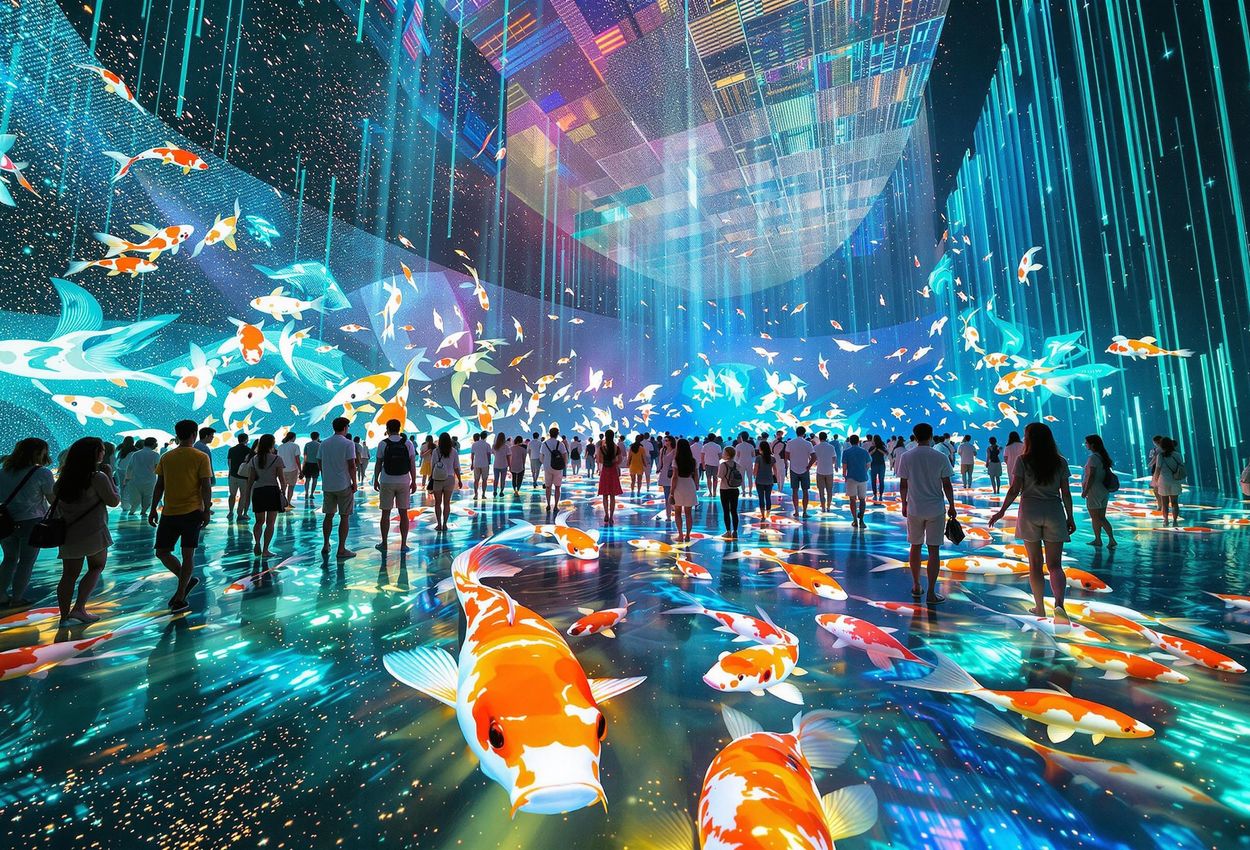
Gone are the days of passively observing art from a distance. Today's travelers crave multi-sensory encounters that blur the line between spectator and participant. Immersive art installations, powered by cutting-edge technology, architecture, and boundless creativity, are answering this call by offering dazzling visuals and interactive environments that reimagine how we engage with historic and contemporary works.
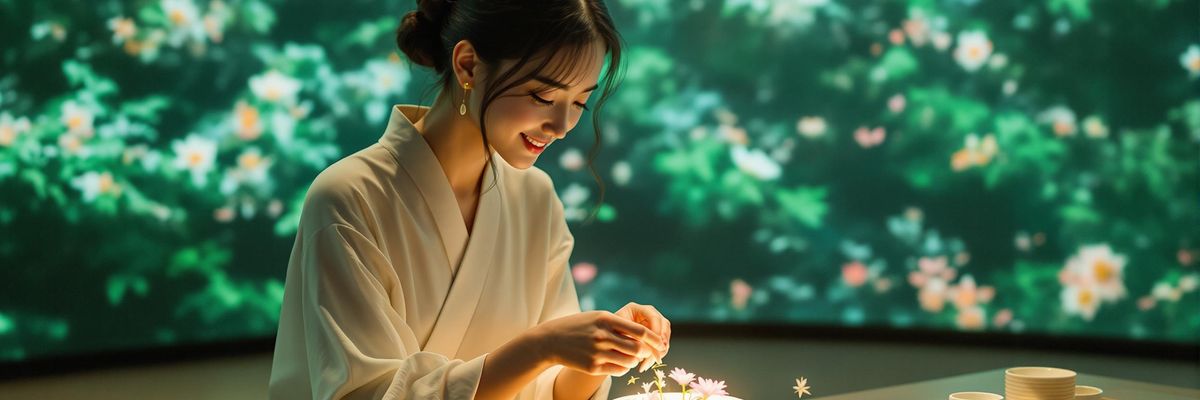
TeamLab Planets in Tokyo and the upcoming TeamLab in Abu Dhabi stand as prime examples of this trend. These digital art museums feature massive, boundary-free environments where artworks flow between rooms, interact with visitors, and merge with other pieces, creating a living, evolving canvas. At the EN Tea House within TeamLab Planets, making tea causes virtual flowers to bloom endlessly in your cup, adding a touch of magic to the experience.
In the United States, the Museum of Art + Light in Kansas is making waves as the first museum in the world to include a permanent digital art wing. The museum's first-floor space, The Mez, spans 21,500 square feet and is equipped with over 100 projectors, creating a cutting-edge immersive exhibition space.
For music enthusiasts, the Elvis Immersive Experience offers a chance to relive the King's iconic performances in a whole new way. Through immersive projections and state-of-the-art technology, visitors are transported back in time to witness Elvis's electrifying stage presence and musical genius.
Virtual reality (VR) and augmented reality (AR) are also playing a significant role in shaping the future of immersive art. From VR headsets that transport you to ancient Egyptian tombs to AR apps that bring paintings to life, these technologies are expanding the possibilities for interactive art installations and personalized art experiences.
Local Tip: Check local event listings and cultural websites for pop-up immersive art installations and exhibitions. These temporary events often offer unique and unexpected artistic encounters.
The Comeback of Craftsmanship
In an age of mass production and digital art, there's a growing appreciation for the authenticity and human touch of handcrafted items and artisanal techniques.
Travelers are increasingly seeking destinations where they can witness and participate in the creation of unique, handcrafted goods. This trend is fueled by a desire to connect with local cultures, support traditional skills, and acquire one-of-a-kind souvenirs that tell a story.
Kyoto, Japan, is a haven for those interested in traditional crafts. Here, travelers can immerse themselves in the art of raku pottery, a Japanese firing process that results in unique, unpredictable glazes and textures. Hands-on raku pottery classes offer a chance to learn from local artisans and create your own personalized piece of Japanese art.
In the rolling hills of Tuscany, Italy, marble paper workshops provide a glimpse into the intricate art of marbling, where colorful patterns are created on paper using a water bath and special inks. These workshops allow participants to learn the techniques of this ancient craft and produce their own stunning marbled paper creations.
The trend of 'Small Pleasures' art is also gaining momentum, focusing on intimate scenes of domesticity and affordable art that celebrates everyday beauty. These artworks often depict cozy interiors, still lifes of household objects, and portraits of loved ones, capturing the simple joys of life in a relatable and accessible way.
Hidden Gem: Seek out local craft fairs and artisan markets in your travel destinations. These events offer a chance to discover unique, handcrafted items and meet the artists behind them.

Art-Venture: Blending Culture with Creativity
Art-Venture tourism is an emerging trend where travelers seek creative inspiration through hands-on artistic engagement, blending cultural exploration with personal expression.
This trend goes beyond simply visiting museums and galleries; it involves actively participating in artistic activities that connect travelers with the local culture and heritage. Art-Venture experiences offer a chance to learn new skills, express your creativity, and gain a deeper understanding of the destination through an artistic lens.
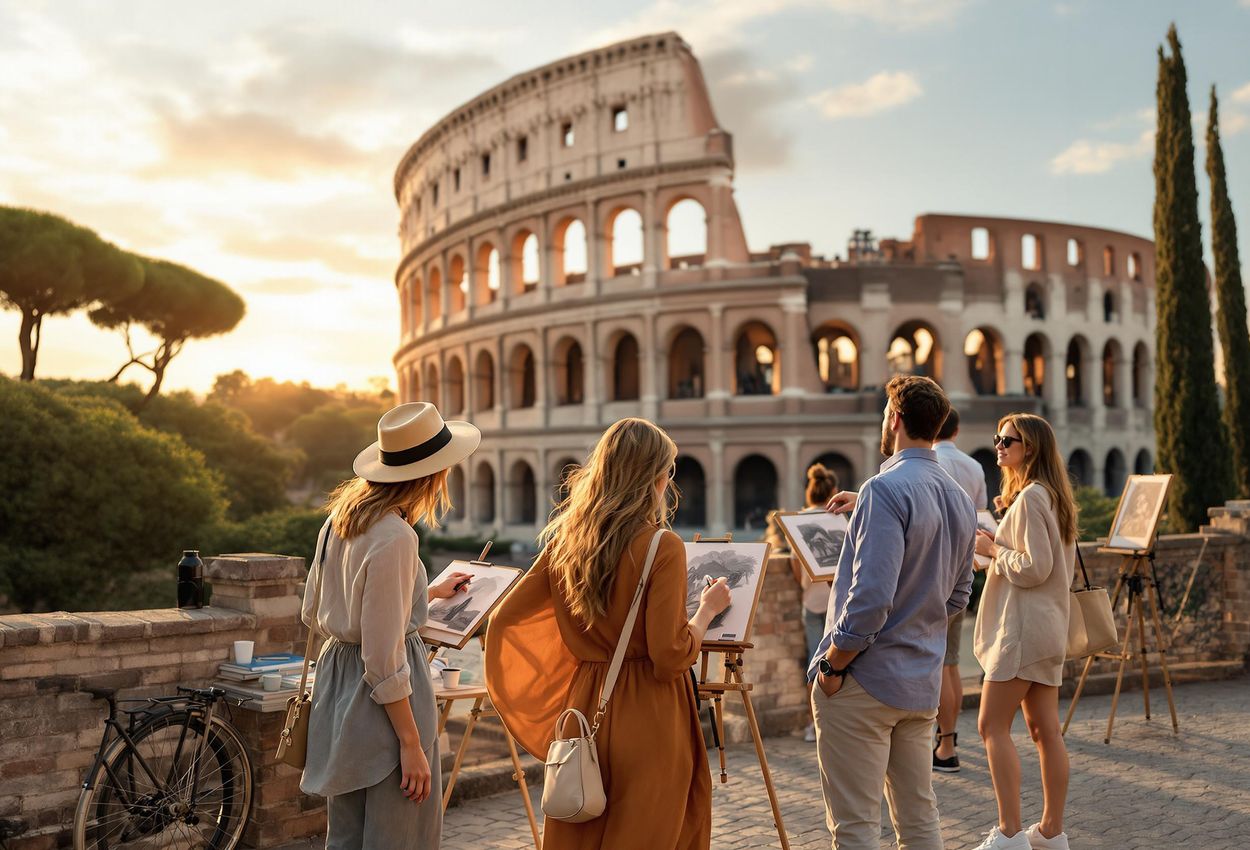
Imagine sketching sessions in historical landmarks, where you capture the essence of ancient ruins or iconic architecture through your own artistic interpretation. Or consider immersive performances that bring cultural heritage to life, allowing you to step into the shoes of historical figures and experience their stories firsthand.
To gain further insight into this trend, we spoke with renowned travel expert, Anya Sharma, who emphasized the importance of art in understanding a culture. 'Art is a universal language that transcends borders and connects people through shared emotions and experiences,' she explained. 'By engaging with art in a hands-on way, travelers can gain a deeper understanding of the values, beliefs, and traditions of a culture, fostering meaningful connections and enriching their travel experiences.'
Local Tip: Many cities offer guided walking tours focused on street art and graffiti. These tours provide a unique perspective on the city's culture and offer a chance to discover hidden artistic gems.
Sustainable Art and Eco-Conscious Travel
Sustainability is no longer a niche concept but a core value shaping the art world and the travel industry alike.
As awareness of environmental issues grows, artists are increasingly adopting eco-friendly materials and processes, and collectors are drawn to art that reflects sustainability. Destinations that prioritize sustainable practices and offer opportunities to engage with environmental art are becoming increasingly popular among eco-conscious travelers.
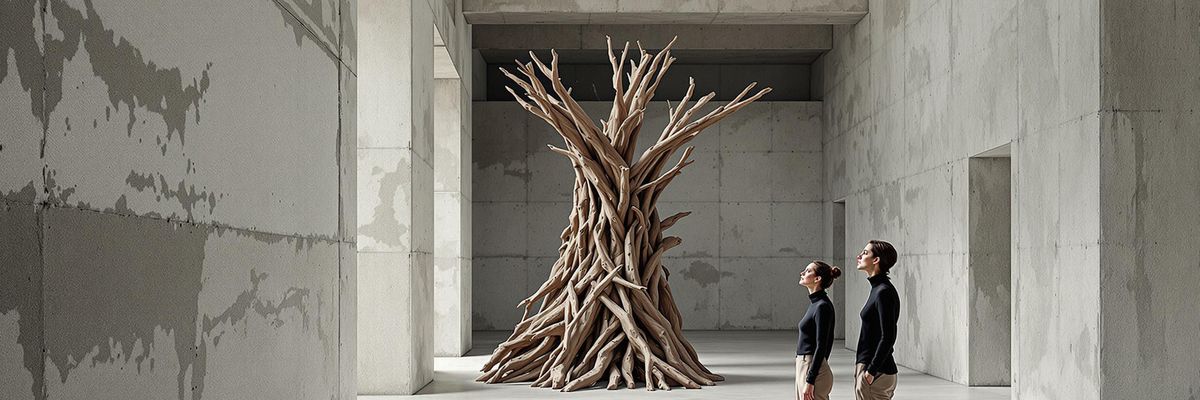
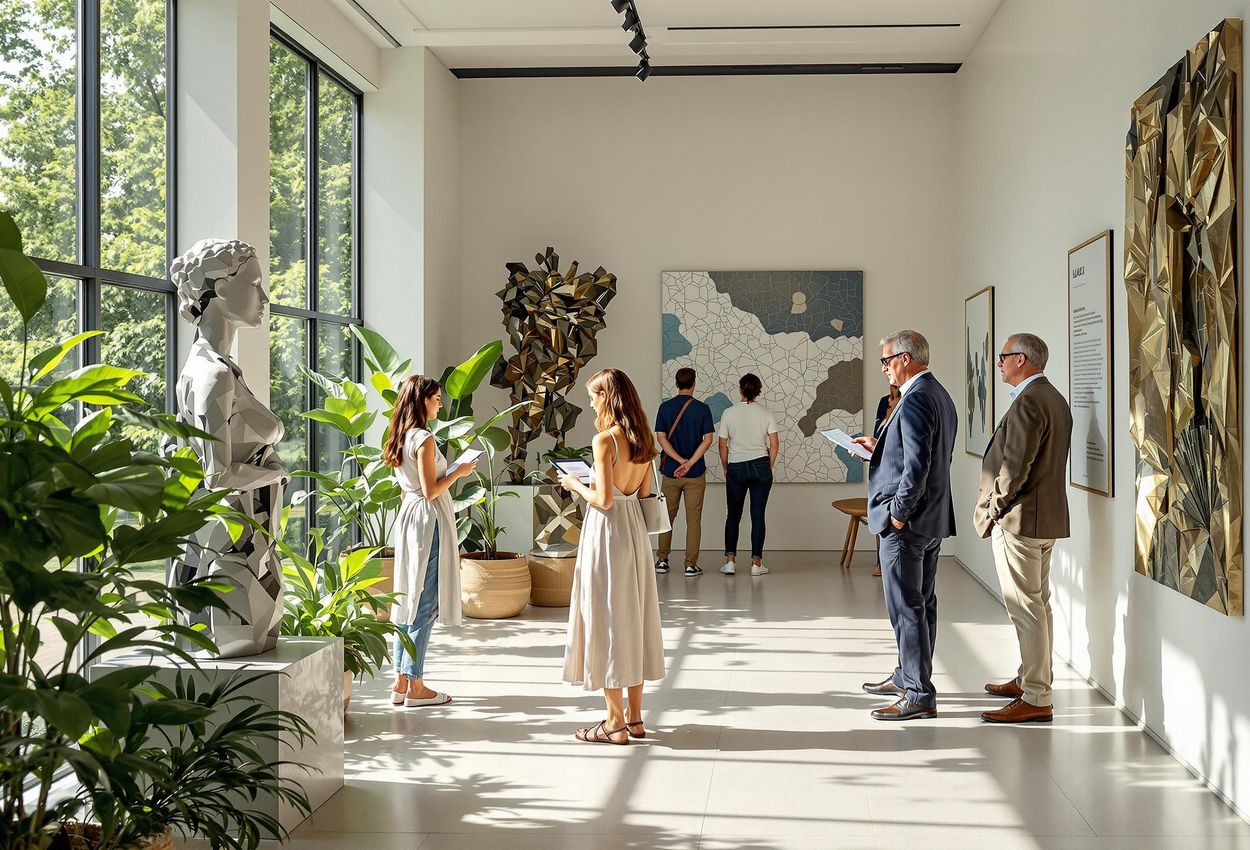
Artists are finding innovative ways to incorporate recycled materials into their creations, transforming waste into works of art that raise awareness about environmental issues. From sculptures made from plastic debris to paintings created with natural pigments, these artworks demonstrate the power of art to inspire change and promote sustainability.
Collectors are also playing a role in promoting sustainable art by seeking out pieces that reflect environmental consciousness and supporting artists who prioritize eco-friendly practices. This growing demand for sustainable art is encouraging galleries and museums to showcase environmentally themed exhibitions and adopt sustainable practices in their operations.
Travelers can support sustainable art by visiting destinations that prioritize environmental conservation and offer opportunities to engage with environmental art. Eco-friendly art galleries and museums are popping up around the world, showcasing artworks that address environmental issues and promote sustainable living.
Hidden Gem: Seek out opportunities to participate in art-based events that focus on environmental themes or use environmentally friendly materials. These events offer a chance to learn about sustainable art practices and contribute to a greener future.
The Allure of Retro and Vintage Aesthetics
Nostalgia is a powerful force, and the art world is embracing the revival of retro and vintage styles, blending them with modern design sensibilities to create a unique and captivating aesthetic.
Artists are revisiting aesthetics from the 70s, 80s, and 90s, drawing inspiration from vintage fashion, music, and pop culture to create artworks that evoke a sense of nostalgia and familiarity. This trend reflects a desire to reconnect with the past and celebrate the iconic styles of previous generations.
Vintage design shops in Milan, Italy, offer a treasure trove of retro-inspired furniture, clothing, and accessories, allowing travelers to immerse themselves in the vintage aesthetic and discover unique pieces that reflect their personal style. Retro-themed art exhibitions in Berlin, Germany, showcase the works of artists who are reimagining vintage styles in a contemporary context, creating a dynamic and thought-provoking dialogue between past and present.
The retro revival extends beyond visual art, encompassing music, fashion, and design. This multi-faceted trend offers travelers a chance to experience the nostalgia of past decades in a variety of ways, from attending retro-themed concerts to visiting vintage clothing stores and design shops.
Local Tip: Flea markets and antique shops are great places to find vintage art pieces and retro-inspired collectibles. These hidden gems often offer unique and affordable treasures that can add character and charm to your home.