Marrakech pulsates with an energy that ignites the senses, a city where art isn't confined to galleries but spills onto the streets, infuses the architecture, and flavors the cuisine. Here, the ancient and the modern dance in a vibrant ballet, creating an experience that is both deeply rooted in tradition and strikingly contemporary.
Venture into the heart of this Moroccan masterpiece and discover a sensory canvas where colors explode, spices tantalize, and artistic traditions echo through the ages.
Whispers of the Medina: Unveiling Marrakech's Artistic Soul
The Medina of Marrakech, a UNESCO World Heritage site, is more than just the old city; it's the city's artistic soul. Imagine stepping into a labyrinth of narrow alleyways, each turn revealing a new vista of vibrant colors, intricate patterns, and the captivating chaos of daily life. This is where the heart of Marrakech beats, a place where history whispers from every corner and artistic expression thrives in every detail.
The souks, or markets, are the lifeblood of the Medina, a sensory overload of sights, sounds, and smells. Merchants hawk their wares, from intricately woven carpets to gleaming metal lanterns, their voices blending with the rhythmic clang of artisans at work. The air is thick with the aroma of spices, leather, and freshly baked bread, a heady mix that invigorates and intoxicates. This bustling energy is the very essence of Marrakech, a city that never sleeps, a city that constantly creates.
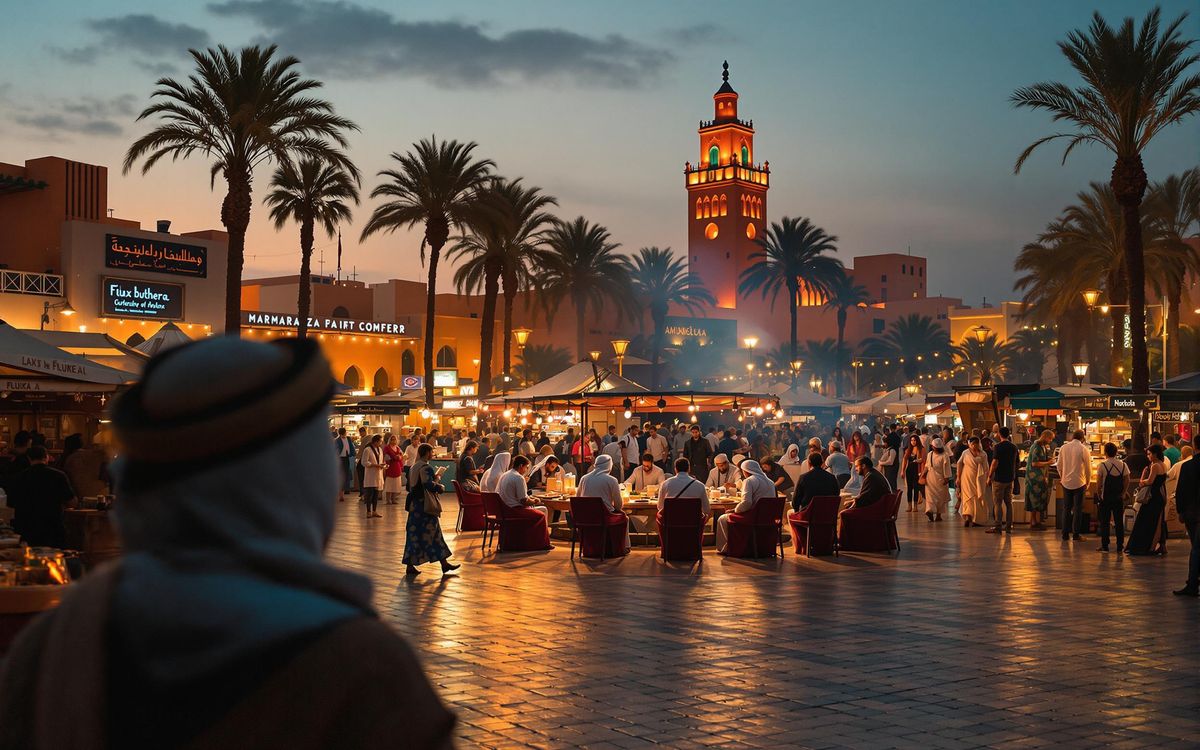
At the heart of the Medina lies Djemaa el-Fna, a square that transforms with the setting sun. By day, it's a marketplace, but as dusk descends, it becomes a stage for storytellers, musicians, and performers. Snake charmers weave their magic, while henna artists adorn hands with intricate designs. Food stalls fill the air with the tantalizing aroma of grilled meats and tagines, creating a culinary spectacle that draws locals and tourists alike. Djemaa el-Fna is more than just a square; it's a living theater, a testament to the enduring power of oral tradition and artistic expression.
The Medina's historical importance as a center for trade and cultural exchange has profoundly shaped its artistic evolution. For centuries, caravans from across Africa and the Middle East converged here, bringing with them new ideas, techniques, and materials. This confluence of cultures has resulted in a unique blend of artistic styles, evident in the city's architecture, craftsmanship, and design. The Medina is a melting pot of influences, a testament to the power of cultural exchange to foster creativity and innovation.
Wandering through the Medina is like stepping back in time, yet it's also a deeply contemporary experience. The city's artistic soul is not confined to the past; it's constantly evolving, adapting to the present while honoring its rich heritage. The Medina is a living, breathing work of art, a testament to the enduring power of creativity and the vibrant spirit of Marrakech.

Zellige Dreams: A Symphony of Mosaic Artistry
Zellige, the intricate mosaic tilework that graces the walls and floors of Marrakech, is a testament to the city's dedication to artistry and detail. These mesmerizing patterns, composed of hand-cut tiles arranged in complex geometric designs, are more than just decoration; they're a visual language, a symphony of color and form that speaks to the soul.
The history of zellige dates back to the 10th century, evolving from Roman mosaics and flourishing under Moorish influence. The craft was brought to perfection in the 14th century, with the use of colored enamels to create even more intricate and vibrant designs. Today, zellige remains a vital part of Moroccan artistic heritage, adorning mosques, palaces, riads, and even contemporary homes.
The techniques behind zellige are as fascinating as the art itself. Each tile is hand-cut with a sharp hammer, a testament to the skill and precision of the artisans. These individual pieces are then meticulously arranged to form intricate geometric patterns, a process that requires both mathematical precision and artistic vision. The vibrant colors, often derived from natural pigments, add another layer of depth and meaning to the designs.
The colors used in zellige are not arbitrary; they often carry symbolic meanings. The iconic Majorelle blue, a vibrant cobalt hue popularized by the Jardin Majorelle, evokes a sense of serenity and tranquility. Greens symbolize paradise and abundance, while yellows represent wisdom and knowledge. The interplay of these colors creates a visual tapestry that is both aesthetically pleasing and culturally significant.
For those seeking a hands-on experience, several workshops in Marrakech offer the opportunity to learn the art of zellige. Under the guidance of master artisans, you can try your hand at cutting tiles and creating your own mosaic designs. This is a unique opportunity to connect with Moroccan artistic traditions on a deeper level, to understand the patience, skill, and artistry that goes into creating these stunning works of art.
For custom zellige mosaics, consider exploring Marrakech Designs, a company that collaborates with master Moroccan artisans to create bespoke pieces for homes and gardens. Their work embodies the rich heritage of this ancient craft, ensuring that the tradition of zellige continues to thrive for generations to come.

Rhythms in Wood: Exploring Marrakech's Carpentry Souk
Step into Souk Chouari, the carpentry souk of Marrakech, and be enveloped by the fragrant aroma of cedarwood. This is where artisans transform raw timber into intricate screens, sturdy furniture, and decorative objects, each piece imbued with the rich history and cultural significance of Moroccan woodworking.
The craft of woodworking in Marrakech is an ancient tradition, passed down through generations of skilled artisans. The use of cedarwood, prized for its durability, fragrance, and beautiful grain, is a hallmark of Moroccan carpentry. The artisans employ a variety of techniques, from intricate carving to delicate inlay work, to create pieces that are both functional and aesthetically pleasing.
One of the most distinctive features of Moroccan woodworking is the use of traditional motifs known as zouaq. These intricate patterns, often incorporating geometric shapes, floral designs, and calligraphy, add a layer of symbolism and cultural meaning to the pieces. Zouaq can be found adorning wooden screens, doors, furniture, and even ceilings, transforming everyday objects into works of art.
Examples of exquisite woodworking can be found throughout Marrakech, particularly in historical sites such as the Saadian Tombs and the Bahia Palace. The intricate cedarwood ceilings, carved doors, and decorative screens in these locations showcase the mastery of Moroccan woodworking and its importance in the country's architectural heritage.
In Souk Chouari, you can witness artisans at work, demonstrating their skills and sharing their knowledge with visitors. Many workshops offer demonstrations of traditional woodworking techniques, providing a fascinating glimpse into this ancient craft. You can watch as artisans transform raw wood into intricate designs, using tools and techniques that have remained largely unchanged for centuries.
Whether you're looking for a unique piece of furniture, a decorative screen, or simply a fragrant reminder of your time in Marrakech, Souk Chouari is a treasure trove of handcrafted wooden creations. The skill, artistry, and cultural significance embodied in these pieces make them more than just objects; they are tangible expressions of Moroccan heritage.

Leather's Legacy: From Tanneries to Fashionable Souks
The aroma of leather hangs heavy in the air as you approach the tanneries of Marrakech, a visceral reminder of the city's long and storied history of leatherworking. From these ancient tanneries, where hides are transformed using traditional methods, to the fashionable souks brimming with leather goods, Marrakech offers a journey through the legacy of this essential craft.
The process of transforming raw hides into supple leather is a labor-intensive one, involving techniques that have been passed down through generations. The tanneries, often located on the outskirts of the Medina, are a hive of activity, with workers wading through vats of natural dyes, stretching and drying hides under the North African sun. The use of natural dyes, derived from plants and minerals, gives Moroccan leather its distinctive colors and character.
Once the leather has been tanned and dyed, it's transported to the souks, where artisans transform it into a wide array of goods. Souk Cherratin and Souk Smata are renowned for their leather products, offering everything from bags and shoes to belts and wallets. The iconic babouches, traditional Moroccan slippers, are a must-have souvenir, available in a rainbow of colors and styles.
Souk Smata is the best place to find a wide variety of leather slippers in different colors and styles. Souk Cherratin is one of the best places in Marrakech to find high-quality leather goods, particularly smaller items like bags, purses, and wallets.
One of the unique aspects of shopping for leather in Marrakech is the possibility of finding custom-made items at affordable prices. Many artisans are willing to create bespoke pieces to your specifications, allowing you to design your own unique leather goods. This is a fantastic opportunity to acquire a truly one-of-a-kind souvenir, crafted with care and skill by local artisans.
From the ancient tanneries to the bustling souks, the leatherworking traditions of Marrakech are a testament to the city's rich cultural heritage and its enduring commitment to craftsmanship. A visit to these vibrant markets is a sensory experience, a chance to witness the artistry and skill that goes into creating these beautiful and functional objects.

Metal Melodies: The Blacksmiths of Souk Haddadine
The clang of hammers against metal rings through the air as you enter Souk Haddadine, the blacksmithing souk of Marrakech. This is where artisans transform raw metal into intricate lanterns, ornate sconces, and decorative tea trays, each piece reflecting the skill and artistry of Moroccan metalworking.
The craft of blacksmithing in Marrakech is an ancient tradition, dating back centuries. The artisans of Souk Haddadine employ a variety of techniques, from shaping metal with hammers and anvils to creating intricate pierced sheet metal-work. The designs often incorporate Berber motifs, reflecting the influence of the indigenous people of Morocco on the country's artistic heritage.
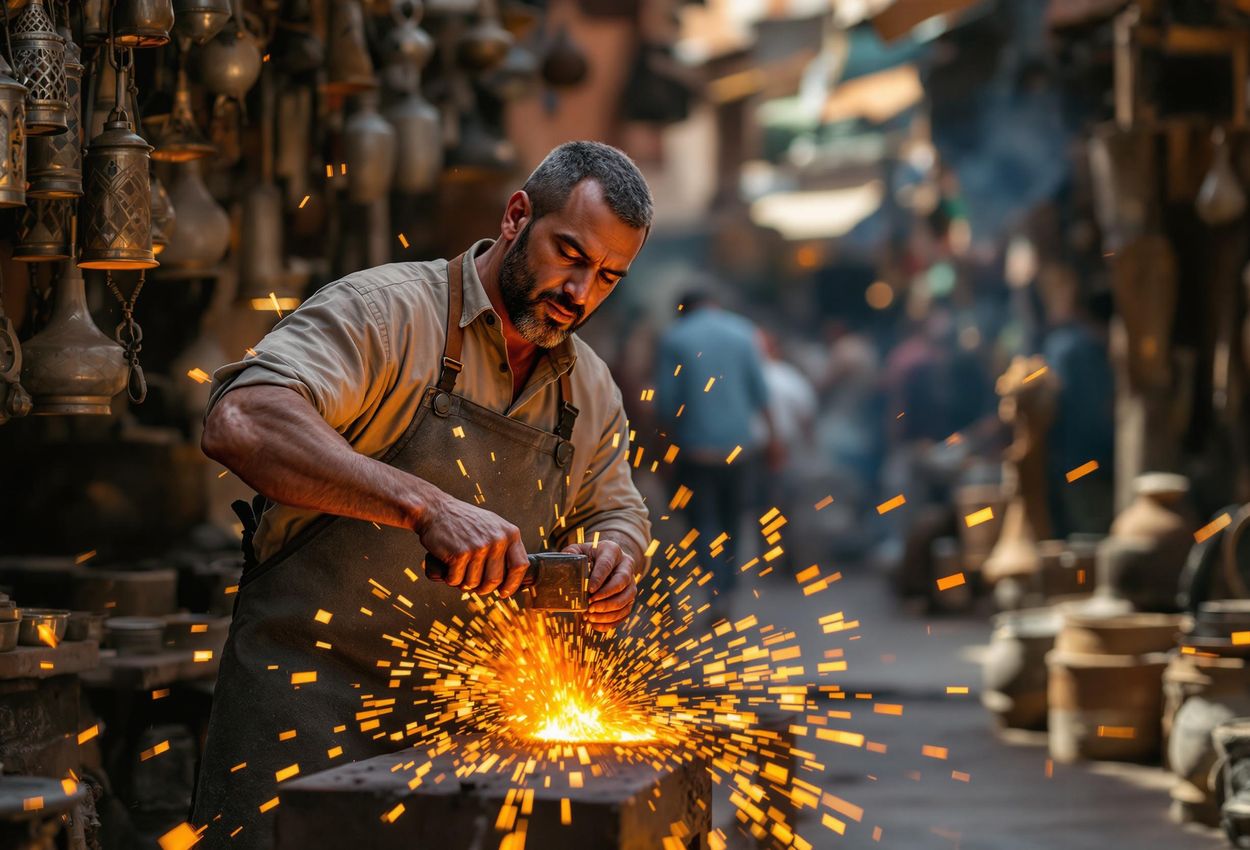
The sights and sounds of Souk Haddadine are a sensory feast. Sparks fly as artisans hammer red-hot metal, shaping it into intricate forms. The rhythmic clang of hammers creates a mesmerizing soundtrack, a testament to the energy and skill of the blacksmiths. The finished products, gleaming in the sunlight, are a testament to the transformative power of human creativity.
One of the most popular items in Souk Haddadine is the metal lantern, a ubiquitous symbol of Moroccan design. These lanterns, often crafted from pierced sheet metal, cast intricate patterns of light and shadow, adding a touch of magic to any space. They come in a variety of shapes and sizes, from small, portable lanterns to large, ornate chandeliers, each one a unique work of art.
For those seeking a truly special piece, a visit to Mustapha El Bouhali Shop is a must. This renowned workshop specializes in handcrafted lamps, each one a testament to the skill and artistry of its creator. Mustapha El Bouhali and other artisans in the souk use traditional techniques to create lamps that are both beautiful and functional, adding a touch of Moroccan elegance to any home.
Local Tip: Visit Souk Haddadine in the late afternoon to witness the blacksmiths at their busiest, as they prepare their wares for the evening trade. The atmosphere is particularly vibrant at this time, with the sounds of hammering and the glow of lanterns creating a truly magical experience.
Gardens of Inspiration: Majorelle's Palette and Serenity
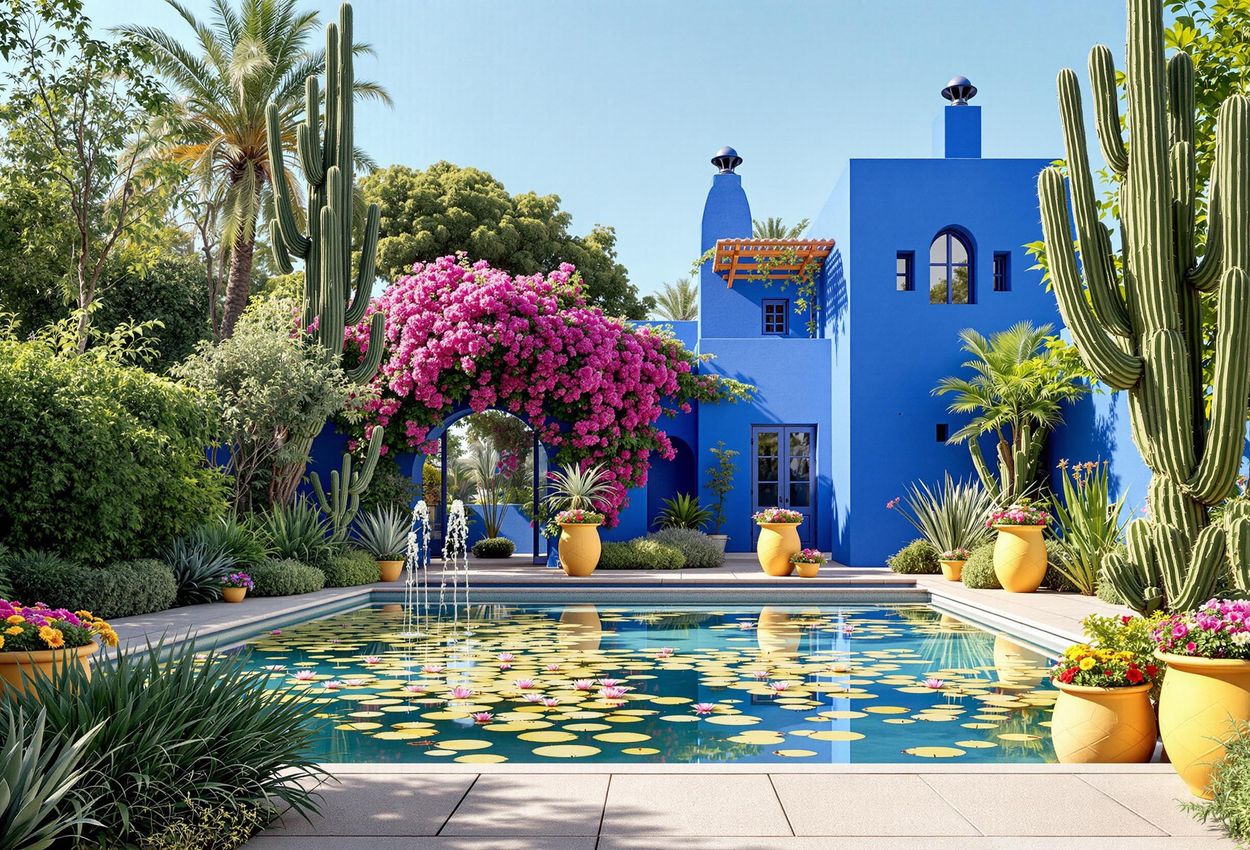
Escape the hustle and bustle of the Medina and step into the tranquil oasis of the Majorelle Garden, a vibrant sanctuary created by French painter Jacques Majorelle and later restored by fashion icon Yves Saint Laurent. This botanical paradise is a feast for the senses, a symphony of color, texture, and scent that inspires awe and serenity.
The garden is renowned for its dramatic cacti, cascading vines, and buildings color-blocked in bold hues. The most iconic color is Majorelle blue, a vibrant cobalt that seems to glow in the sunlight. This striking hue, used on walls, fountains, and other architectural elements, creates a sense of vibrancy and energy, while also providing a calming backdrop to the lush greenery.
The Majorelle Garden is home to a diverse collection of plants from around the world, including cacti, succulents, bamboo, and exotic flowers. The interplay of textures and forms, from the spiky cacti to the smooth, rounded stones, creates a visually stimulating environment. The air is filled with the scent of jasmine, citrus, and other fragrant blooms, adding another layer of sensory richness to the experience.
Within the garden complex, you'll find the Berber Museum, which showcases the rich cultural heritage of the Berber people. The museum's collection includes traditional clothing, jewelry, and artifacts, providing a fascinating glimpse into the history and traditions of this indigenous group. The nearby Yves Saint Laurent Museum pays homage to the designer's life and work, showcasing his iconic creations and his deep connection to Morocco.
The Majorelle Garden is more than just a garden; it's a work of art, a testament to the power of creativity and the beauty of the natural world. It's a place to escape, to reflect, and to find inspiration in the vibrant colors, textures, and scents that surround you.
Spice Route Rhapsody: A Culinary Canvas
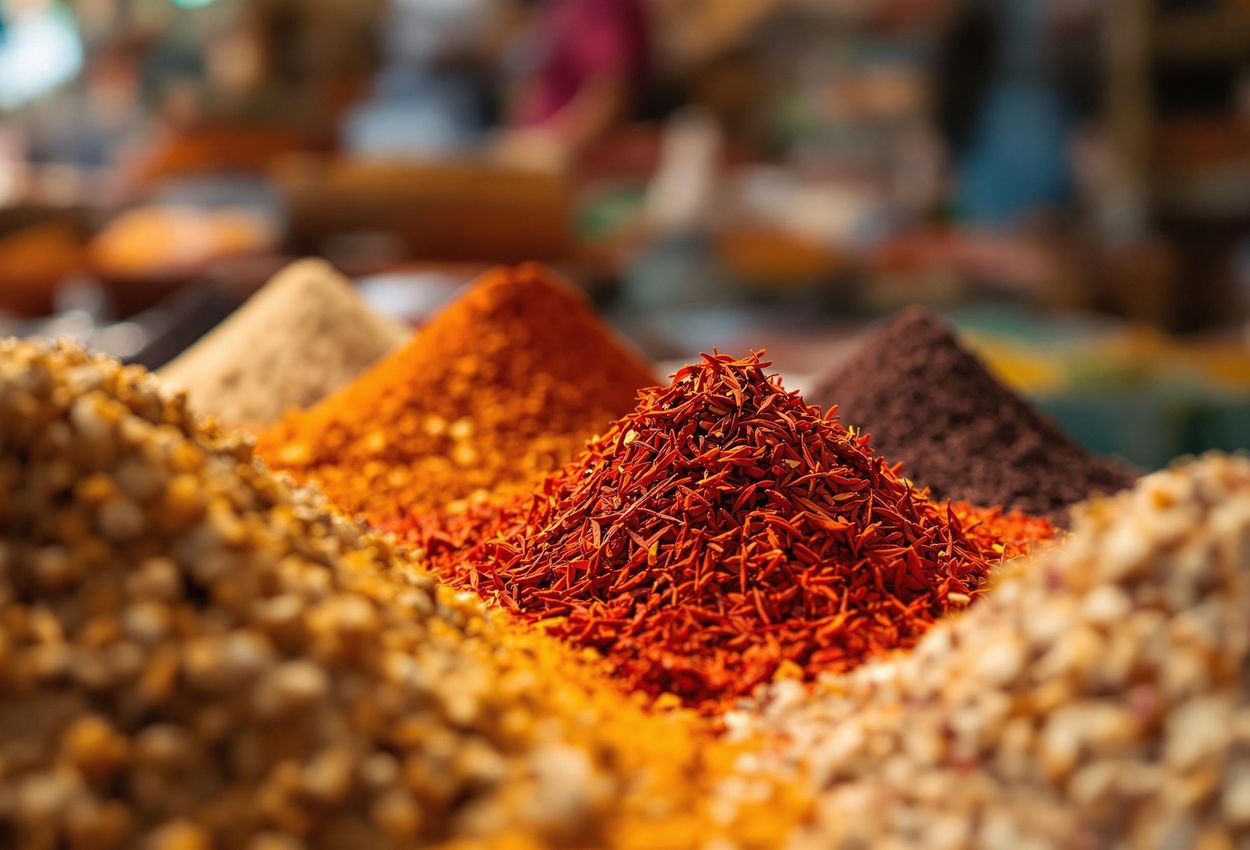
Immerse yourself in the sensory explosion of Marrakech's spice markets, where vibrant colors and intoxicating aromas create a culinary canvas that tantalizes the senses. Here, mounds of saffron, cumin, ras el hanout, and countless other spices create a visual feast, while the air is thick with their pungent and exotic scents.
Spices play a central role in Moroccan cuisine, adding depth, complexity, and flavor to traditional dishes. They are used to season tagines, couscous, and grilled meats, transforming simple ingredients into culinary masterpieces. The art of blending spices is a skill passed down through generations, with each family having its own secret recipes and techniques.
The spices of Marrakech are not just ingredients; they are also a form of artistic expression. The vibrant colors of the spices, from the deep red of paprika to the golden yellow of turmeric, are used to create visually stunning displays in the markets. The careful arrangement of spices, like an artist's palette, transforms the marketplace into a living work of art.
Hidden Gem: For a truly immersive experience, consider taking a traditional Moroccan cooking class. These classes offer the opportunity to learn how to blend spices like a local artist blends pigments, creating your own unique flavor combinations. You'll learn about the history and cultural significance of each spice, as well as the techniques for using them to create authentic Moroccan dishes.
Whether you're a seasoned chef or a novice cook, a visit to Marrakech's spice markets is a must for anyone interested in the culinary arts. The vibrant colors, intoxicating aromas, and the opportunity to learn about the art of spice blending make it a truly unforgettable experience.