Ever felt that surge of inspiration while exploring a new city or hiking through an unfamiliar landscape? Travel, it turns out, is more than just a pleasurable escape; it's a potent catalyst for creativity, capable of rewiring our brains and unlocking fresh perspectives.
The science behind this phenomenon is fascinating, revealing how new environments, cultural immersion, and disrupted routines can spark innovative thinking. From boosting neuroplasticity to enhancing cognitive flexibility, the act of traveling sets in motion a series of psychological processes that prime our minds for creative breakthroughs. So, pack your bags and prepare to embark on a journey not only across geographical boundaries but also into the depths of your own creative potential.

Unlocking the Creative Mind: The Traveler's Advantage
The allure of travel extends far beyond the simple desire for a change of scenery. It's a powerful trigger for our creative minds, setting the stage for new ideas and perspectives to emerge. The very act of planning a trip can ignite our imagination, as anticipation and excitement flood our brains with dopamine, a neurotransmitter that plays a crucial role in learning, mood enhancement, and overall enthusiasm for life. This initial surge of dopamine primes our minds for the journey ahead, making us more receptive to new experiences and insights.
Stepping outside of our daily routines and familiar environments is key to unlocking this creative potential. Our brains thrive on novelty, and travel provides a constant stream of new sights, sounds, tastes, and smells that challenge our senses and stimulate our minds. This sensory overload forces us to pay attention to our surroundings in a way we often don't at home, sharpening our focus and making us more aware of the details that might otherwise go unnoticed.
Moreover, travel encourages us to embrace the unknown, fostering a sense of curiosity and wonder that is essential for creative thinking. When we venture into unfamiliar territory, we are forced to confront new challenges and adapt to unexpected situations. This process of adaptation requires us to think on our feet, to find creative solutions to problems, and to develop a resilience that can serve us well in all areas of our lives.
The traveler's advantage lies in their willingness to step outside of their comfort zone and embrace the unfamiliar. By doing so, they open themselves up to a world of new possibilities, priming their brains for creative breakthroughs and fostering a mindset of curiosity and innovation.

Neuroplasticity and Novelty: Rewiring the Brain Through Exploration
At the heart of travel's transformative power lies the concept of neuroplasticity, the brain's remarkable ability to reorganize itself by forming new neural connections throughout life. This flexibility allows the brain to adapt to new experiences, learn new skills, and even recover from injury. Travel, with its constant stream of novel stimuli, serves as a potent stimulus for neuroplasticity, encouraging the brain to rewire itself and think in new ways.
Encountering new sights, sounds, tastes, and cultures challenges the brain to adapt and think in novel ways. Navigating unfamiliar streets, learning a few phrases in a new language, or simply trying a local dish can all stimulate different areas of the brain and improve cognitive flexibility. These activities force us to pay attention, to process information in new ways, and to make connections between seemingly disparate concepts.
Studies have shown a direct link between living abroad and enhanced creativity in problem-solving. Immersing oneself in a new culture, surrounded by novel stimuli, nudges the brain to form new connections and to think differently. This immersive experience fosters a deeper understanding of the world and a greater appreciation for different perspectives, which can lead to more innovative and creative solutions to complex problems.
The constant exposure to novelty during travel strengthens neural pathways associated with creativity, problem-solving, and adaptability. By actively engaging with new environments and cultures, we can enhance our cognitive abilities and unlock our creative potential.

Cultural Immersion: A Gateway to Fresh Perspectives
Cultural immersion, the act of engaging deeply with a culture different from one's own, offers a unique gateway to fresh perspectives and enhanced creativity. By immersing ourselves in different customs, traditions, and ways of life, we broaden our understanding of the world and challenge our existing beliefs. This process of questioning and re-evaluating our assumptions is essential for fostering creativity and innovation.
Interacting with locals and learning about their stories and perspectives provides a deeper understanding of human behavior and societal structures. Engaging in conversations, participating in local events, and simply observing daily life can offer invaluable insights into different ways of thinking and living. This exposure to diverse viewpoints can spark new ideas, challenge old assumptions, and inspire creative solutions to complex problems.
Many artists and writers have drawn inspiration from their travels and cultural experiences. Immersing themselves in new cultures allows them to see the world through a fresh lens, to discover new themes and subjects for their work, and to develop a deeper understanding of the human condition. These experiences can lead to profound artistic breakthroughs and a renewed sense of creative purpose.
Cultural immersion fosters empathy, understanding, and connection, allowing us to see the world from different perspectives and to appreciate the richness and complexity of human experience. This broadened perspective is essential for creative thinking, as it allows us to make connections between seemingly disparate ideas and to develop innovative solutions to complex problems.
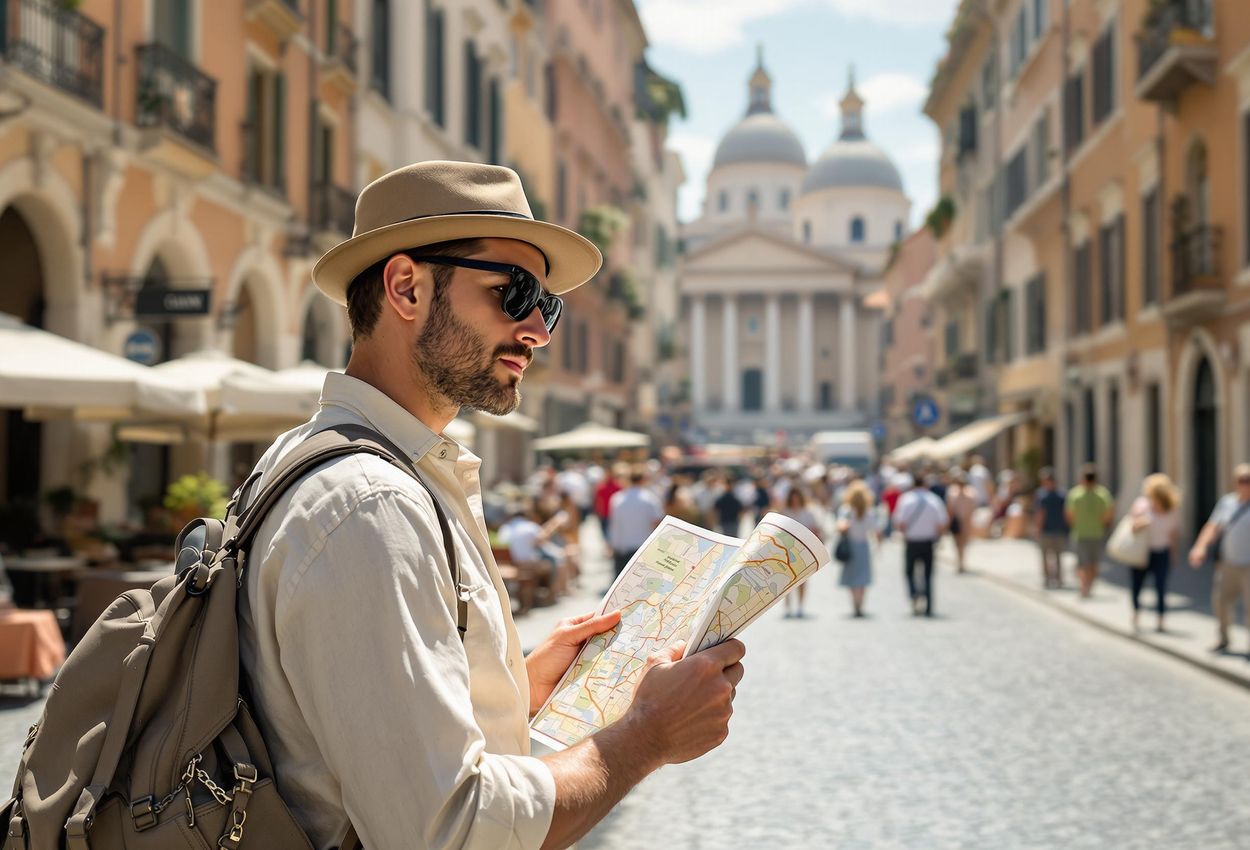
Breaking the Routine: How Travel Disrupts Stagnant Thought Patterns
The monotony of daily routines can stifle creativity, leading to stagnant thought patterns and a lack of inspiration. Travel, by its very nature, disrupts these routines, forcing us to step outside of our comfort zones and to embrace new experiences. This disruption can be a powerful catalyst for creativity, igniting our imagination and encouraging us to think outside the box.
Stepping out of familiar environments exposes us to a wealth of sensory stimuli, from the vibrant colors of a foreign market to the unfamiliar sounds of a bustling city. This sensory overload can jolt us out of our привычные thought patterns, forcing us to pay attention to our surroundings and to process information in new ways. The need to adapt to new schedules, foods, languages, and ways of thinking creates new neural networks and enhances cognitive flexibility.
Travel challenges us to adapt to new situations, to solve problems on the go, and to think creatively in the face of adversity. Whether it's navigating a foreign public transport system or communicating with someone who doesn't speak our language, travel forces us to develop new skills and to think on our feet. This process of adaptation strengthens our problem-solving abilities and makes us more resilient in the face of challenges.
By breaking the routine and embracing the unfamiliar, travel allows us to escape the confines of our привычные thought patterns and to tap into our creative potential. This disruption of routine can lead to new insights, innovative ideas, and a renewed sense of inspiration.
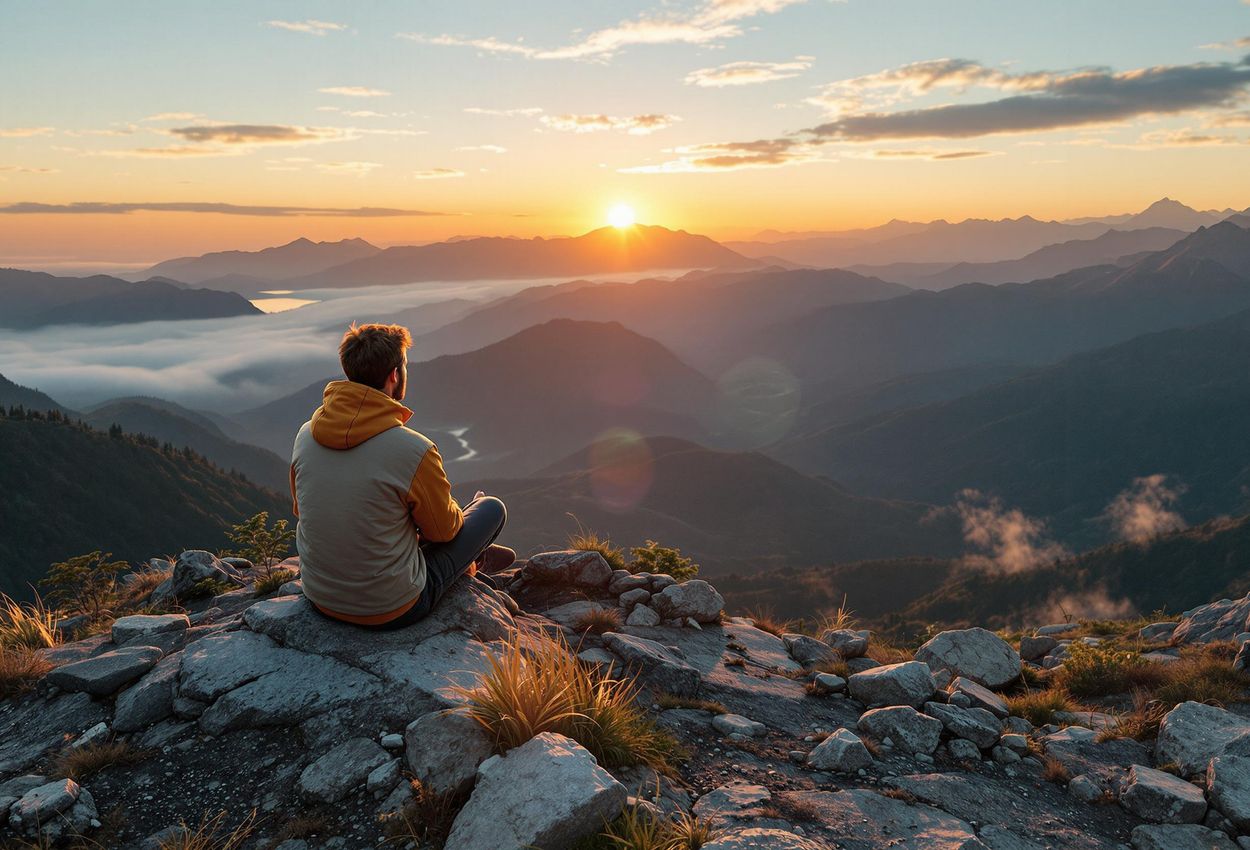
The Art of Reflection: Finding Solitude and Inspiration on the Road
Amidst the excitement and stimulation of travel, it's essential to carve out time for solitude and reflection. Quiet moments on a secluded beach, a solitary hike through nature, or introspective hours on a train ride can provide opportunities for deep reflection and creative insights. These moments of solitude allow us to process our experiences, to connect with our inner selves, and to tap into our creative potential.
Travel journals, sketchbooks, and photography can be powerful tools for documenting our experiences and processing our thoughts and emotions. Writing down our observations, sketching the landscapes we encounter, or capturing moments through photography can help us to make sense of our travels and to preserve the memories and insights we gain along the way. These creative outlets can also serve as a source of inspiration, allowing us to revisit our experiences and to draw new meaning from them.
Practicing mindfulness during travel can enhance mental clarity and creative insights. By focusing on the present moment, paying attention to our senses, and observing our thoughts and emotions without judgment, we can cultivate a deeper awareness of ourselves and our surroundings. This heightened awareness can lead to new insights, creative breakthroughs, and a greater appreciation for the beauty and wonder of the world around us.
The art of reflection is an essential component of the creative process, allowing us to integrate our experiences, to connect with our inner selves, and to unlock our creative potential. By finding solitude and inspiration on the road, we can transform our travels into a journey of self-discovery and creative growth.