Art tourism is not just about seeing famous paintings; it's about experiencing culture, revitalizing communities, and fueling economies.
In an era where travel transcends mere sightseeing, art tourism has emerged as a powerful force, reshaping destinations and economies alike. This immersive form of travel, centered around artistic and cultural engagement, is attracting a growing number of travelers seeking authentic and enriching experiences. From iconic museums to vibrant street art districts, art tourism offers a unique lens through which to explore the world.
Unveiling the Art Tourism Phenomenon
Art tourism is defined by travel experiences deeply rooted in artistic and cultural engagement. This encompasses a wide array of activities, including visits to museums, art galleries, historical sites, art fairs, festivals, and interactive workshops. Unlike traditional tourism, which may focus on landmarks and attractions, art tourism prioritizes the immersive experience of culture and creativity.
The rise of art tourism reflects a broader shift in travel preferences. Travelers are increasingly seeking more than just surface-level experiences; they desire meaningful connections with the places they visit. This has fueled an increasing interest in cultural heritage and experiential travel, with art serving as a primary draw for many destinations. Municipal governments are recognizing this trend, allocating local hotel taxes to the arts to encourage growth and continued investment.
Art tourism is a significant segment of the global tourism market. In 2023, the global art tourism market was valued at USD 45.3 billion and is projected to reach USD 62.7 billion by 2033, registering a CAGR of 3.3%. This growth is driven by an increasing appreciation for art, rising disposable incomes, and both governmental and private sector initiatives supporting cultural tourism.
The impact of art tourism extends beyond mere numbers. It fosters cross-cultural understanding, promotes the preservation of cultural heritage, and supports local economies. By engaging with art, travelers gain insights into different cultures, histories, and perspectives, fostering empathy and appreciation.
Economic Engine: How Art Tourism Revitalizes Communities
Art tourism serves as a robust economic engine, generating jobs, driving spending, and supporting local businesses. Tourists drawn to art exhibitions, performances, and festivals spend money not only on art but also on accommodations, dining, and retail, creating a ripple effect that benefits a wide range of local businesses.
The economic impact of art tourism is substantial. Arts and culture tourists make up 13% of all tourist trips but account for 30% of tourist spending. The average spending amount of arts and culture tourists on a trip was $618, while non-arts and culture trips averaged $213. Cultural tourists also tend to stay longer, with 40% staying in a location for three or more days, compared to just 13% of non-arts and culture tourists.
Moreover, art tourism can play a crucial role in revitalizing underdeveloped areas. By transforming overlooked areas into vibrant, desirable neighborhoods, art districts attract new businesses, enhance property values, and increase tax revenue. This can reverse economic decline and foster community development.
Case Study: Lanesboro, Minnesota
Lanesboro, Minnesota, nestled in the Root River Valley, exemplifies the transformative power of art tourism. This small town has successfully leveraged its artistic charm to create a thriving tourism economy. Lanesboro is home to a vibrant arts scene, with local galleries showcasing diverse talent, a captivating theater, and numerous opportunities to participate in public art.
Lanesboro Arts, a non-profit organization, has been instrumental in empowering the community through the arts for over 35 years. Through a diverse spectrum of community arts programming, Lanesboro Arts supports both emerging and established artists, revitalizes public spaces, and builds a sense of community and civic pride. The town hosts the annual Art in the Park fine art festival, an artist residency program, free youth education classes, and offers opportunities to participate in public art and placemaking activities.
The town also features the Discover Sculpture Medallion Tour, where visitors can explore the town and uncover hidden treasures as they seek out 20 iron medallions scattered throughout the streets. Each medallion tells a unique story about the history, culture, and heritage of Lanesboro, offering a fascinating glimpse into the town's past and present.
Global Hotspots: Destinations Leading the Art Tourism Wave
Several destinations worldwide have successfully harnessed the power of art tourism to attract visitors and boost their economies. These destinations offer diverse art experiences, from iconic museums to vibrant street art scenes.
Paris, France, is renowned for its iconic museums, including the Louvre, which houses masterpieces like the Mona Lisa. The city's rich artistic heritage and numerous galleries draw millions of art lovers annually.
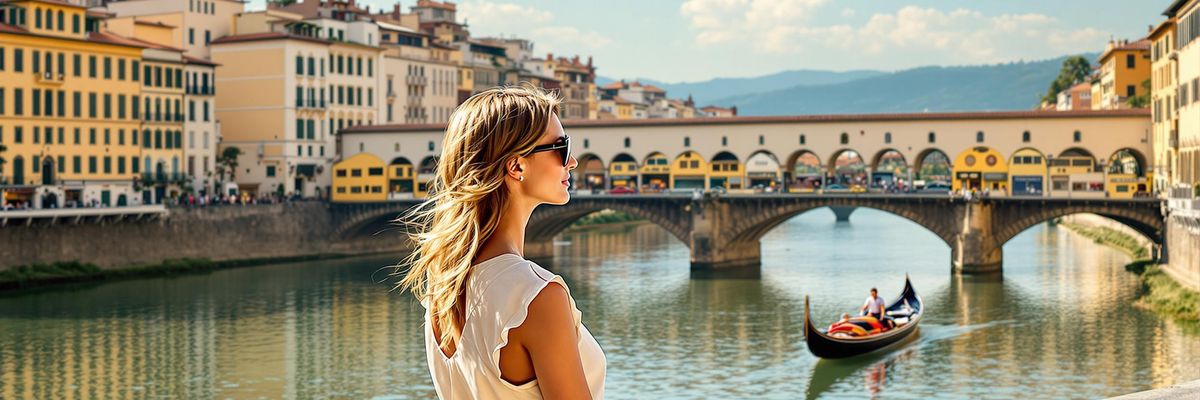
Florence, Italy, is another leading art destination, famed for its Renaissance art and architecture. The Uffizi Gallery is a must-visit, showcasing masterpieces by artists like Michelangelo and Leonardo da Vinci.
Emerging art destinations like Bogotá, Colombia, Marrakech, Morocco, and Bangkok, Thailand, are also gaining recognition for their vibrant art scenes. Bogotá is known for its street art, contemporary galleries, and the upcoming International Art and City Biennale in 2025. Marrakech has long been a creative hub, with bustling markets, serene medinas, and ornate architecture. Bangkok offers a blend of traditional and contemporary art, with numerous temples, galleries, and street art districts.
PROYECTO ARMAZÓN in Spain offers an innovative approach to art tourism by revitalizing old castles into exhibition spaces. This initiative not only preserves historical sites but also provides unique venues for contemporary art, attracting visitors and supporting local communities.

Challenges and Solutions in Art Tourism
While art tourism offers numerous benefits, it also presents several challenges. Overcrowding, high costs, and infrastructure limitations can strain resources and diminish the visitor experience. To address these challenges, sustainable tourism practices and community-based initiatives are essential.
Sustainable tourism practices aim to minimize the negative impacts of tourism on the environment and local communities. This includes promoting responsible travel behaviors, reducing waste, conserving resources, and supporting local businesses. By adopting sustainable practices, destinations can ensure that art tourism benefits both visitors and residents while preserving cultural heritage for future generations.
Community-based initiatives empower local communities to participate in and benefit from art tourism. This involves engaging local artisans, guides, and businesses in tourism activities, ensuring that economic benefits are shared within the community. Community-based tourism projects also promote cultural exchange and understanding, fostering meaningful connections between travelers and local residents.
Digital integration also offers solutions to some of the challenges facing art tourism. Virtual reality (VR) tours, AI-driven visitor management, and digital ticketing systems can help manage crowds and enhance visitor experiences. Online exhibitions and virtual museums can also provide access to art for those who cannot travel or who have limited mobility.
The Future Canvas: Trends Shaping Art Tourism
Several trends are shaping the future of art tourism, including digital integration, virtual reality, niche art experiences, and cultural exchange.
Digital integration is transforming the way people experience art. Virtual reality (VR) and augmented reality (AR) technologies are creating immersive art experiences, allowing visitors to explore artworks in new and interactive ways. Museums are using VR to offer virtual tours, create interactive exhibits, and provide access to artworks that are otherwise inaccessible.
Niche art experiences are also gaining popularity. Travelers are seeking unique and specialized art experiences, such as street art tours, art workshops, and visits to artists' studios. These experiences offer a more personal and authentic connection with art and culture.
Cultural exchange and authenticity are also becoming increasingly important in travel. Travelers are seeking opportunities to connect with local communities, learn about different cultures, and engage in meaningful experiences. This has led to a rise in community-based tourism projects and cultural exchange programs, fostering cross-cultural understanding and promoting sustainable tourism practices.
Art tourism is poised to continue its growth trajectory, driven by evolving traveler preferences and technological innovations. By embracing sustainable practices, supporting local communities, and fostering cultural exchange, destinations can harness the power of art tourism to create vibrant, enriching, and economically prosperous communities.