Traveling offers a unique opportunity to connect with different cultures, and what better way to commemorate those experiences than by acquiring local art? However, it's crucial to ensure that your souvenir purchases are ethical and sustainable, supporting local communities and minimizing environmental impact.
From seeking out authentic local art experiences to understanding the materials used and minimizing your environmental footprint, here’s how to buy art responsibly on your travels.
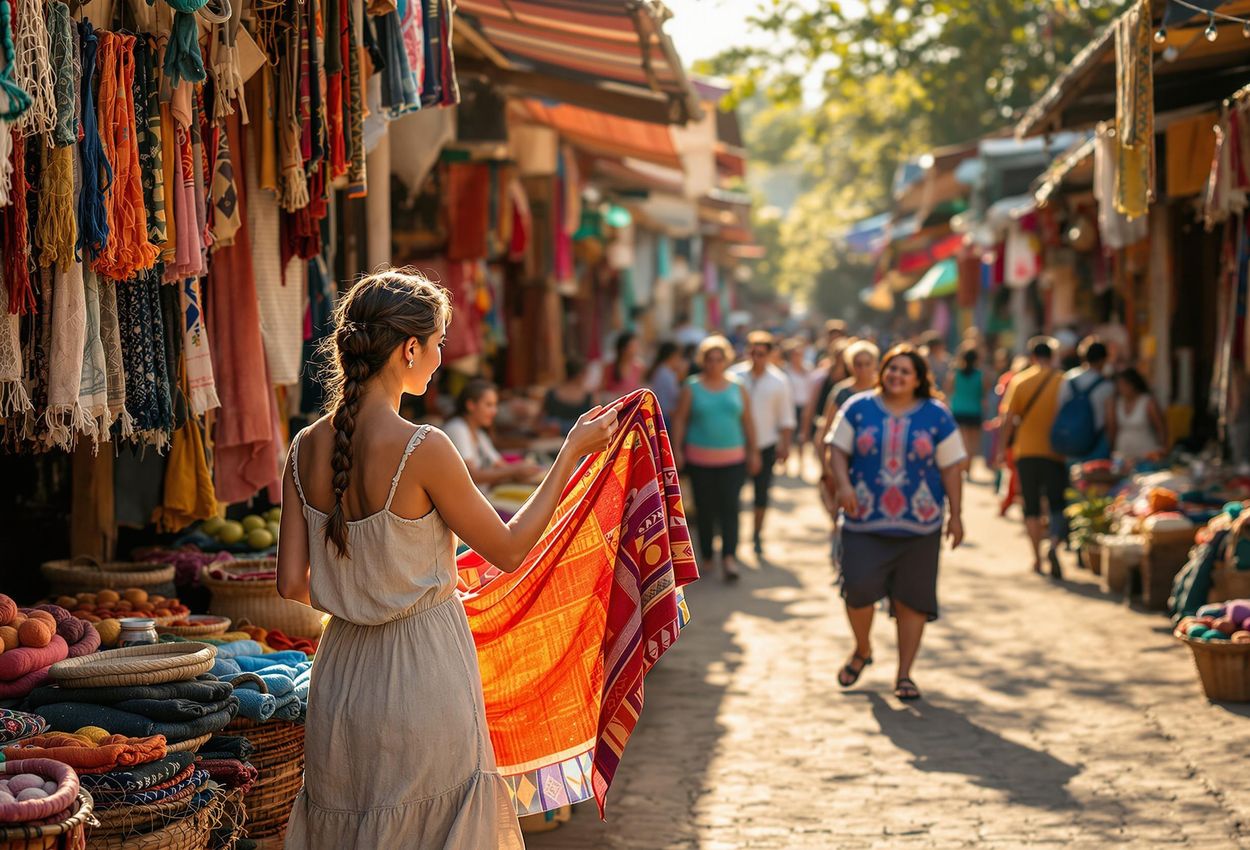
Seek Out Authentic Local Art Experiences
Immerse yourself in the local art scene by visiting local art galleries, artisan workshops, and community art projects. Destinations like Guatemala, Morocco, and Bali offer rich artistic traditions that are worth exploring. In Guatemala, look for handwoven textiles, each telling a unique story through intricate patterns and vibrant colors. Morocco is renowned for its pottery, with each piece reflecting the country's diverse cultural influences. In Bali, discover the art of wooden carvings, where skilled artisans transform wood into stunning sculptures and decorative items.
Engage with the artists themselves, inquire about their materials, and understand their creative processes. This direct interaction not only enriches your understanding of the art but also ensures that your purchase directly supports the artist and their community. Buying directly from artists in open-air markets or backstreet shops allows you to acquire unique souvenirs while contributing to the local economy.
Look for souvenirs that are not only aesthetically pleasing but also support local traditions and environmental sustainability. Seek out items that reflect the cultural heritage of the region and are made using eco-friendly practices. By prioritizing these aspects, you can ensure that your souvenir purchases have a positive impact on the local community and the environment.
Local Tip: When visiting art galleries or artisan workshops, ask about the stories behind the artworks. Understanding the cultural significance and the artist's inspiration adds depth to your appreciation and makes your souvenir even more meaningful.

Understand the Materials and Their Origins
When buying art, prioritize souvenirs made from sustainable materials such as bamboo, wool, or organic cotton. Bamboo is a rapidly renewable resource that requires minimal water and pesticides to grow. Wool, when sourced from ethically raised sheep, is a natural and biodegradable material. Organic cotton is grown without synthetic chemicals, making it a more environmentally friendly option than conventional cotton.
Check for recycled materials, which reduce the need for virgin resources and minimize waste. Products made from recycled paper, glass, or metal not only have a lower environmental impact but also showcase creativity and resourcefulness. Avoid products made from endangered species, such as ivory, turtle shells, and coral, as their trade contributes to the decline of these vulnerable populations.
Consider cork products from Portugal, where harvesting doesn't harm the trees. Cork is a renewable resource that regenerates its bark after harvesting, making it a sustainable choice for various art forms. In Haiti, support artists who transform discarded oil drums into art, turning waste into unique and valuable pieces. This innovative approach not only reduces pollution but also provides economic opportunities for local communities.
Hidden Gem: Seek out art made from upcycled materials. Artists around the world are transforming discarded items into stunning works of art, giving new life to materials that would otherwise end up in landfills. These creations not only showcase artistic talent but also promote environmental consciousness.

Beware of Fakes and Forgeries
Protect yourself from art fraud by researching the artist and the artwork's provenance. Provenance refers to the history of ownership of a particular artwork, tracing its journey from the artist's studio to its current owner. Request documentation, including provenance invoices and certificates of authenticity, to verify the artwork's legitimacy.
Be wary of vague or missing provenance, as this could be a red flag indicating that the artwork may be a fake or stolen. Consult the Art Loss Register, a database of stolen art, to ensure the piece wasn't reported missing. This register helps to identify and recover stolen works of art, protecting buyers from inadvertently purchasing illicit items.
If possible, buy from reputable dealers or galleries, as they are more likely to have verified the artwork's authenticity. These establishments often have expertise in art authentication and can provide assurances about the artwork's legitimacy. If buying from a living artist, request a certificate of authenticity, which serves as a guarantee that the artwork is genuine.
Local Tip: Before making a significant art purchase, consider consulting with an art expert or appraiser. They can assess the artwork's authenticity, condition, and fair market value, providing you with valuable insights and peace of mind.

Minimize Your Environmental Impact
Reduce your carbon footprint by choosing smaller, lighter items to reduce transportation emissions. Opt for items that can be used repeatedly, like reusable water bottles or coffee mugs, to minimize waste. These practical souvenirs not only serve as reminders of your travels but also promote sustainable practices in your daily life.
Pack art carefully to avoid needing excessive packaging. Use reusable bags or wraps to protect your purchases during transit. If shipping is necessary, consolidate purchases to minimize the number of shipments. This reduces the overall environmental impact associated with transportation.
Choose eco-friendly packaging materials, such as recycled cardboard or biodegradable packing peanuts, to further reduce your environmental footprint. These materials minimize waste and can be easily recycled or composted. Partner with eco-conscious shipping companies that prioritize carbon offset programs and use alternative fuel vehicles.
Hidden Gem: Look for art that incorporates recycled packaging materials into its design. Some artists are creating innovative pieces using discarded packaging, turning waste into art and promoting environmental awareness.
By following these guidelines, you can ensure that your art purchases are not only beautiful reminders of your travels but also contribute to a more sustainable and ethical art market. Happy travels and responsible collecting!