Lyon, often hailed as the gastronomic capital of France, is a city where culinary tradition and innovation intertwine. From the humble bouchons serving hearty, traditional fare to Michelin-starred restaurants pushing culinary boundaries, Lyon offers a feast for every palate. Join us on a delectable journey through this culinary haven, exploring its iconic eateries, bustling markets, and the legacy of the famed Mères Lyonnaises.
Unveiling Lyon's Culinary Heart: The Bouchons
No culinary exploration of Lyon is complete without experiencing the authentic charm of its bouchons. These traditional restaurants, unique to Lyon, are more than just eateries; they are cultural institutions that embody the city's rich culinary heritage. Bouchons offer a glimpse into the past, serving hearty, unpretentious dishes in a convivial atmosphere.
The history of bouchons dates back centuries, with their roots intertwined with the city's silk industry. Originally, these establishments provided sustenance and camaraderie for the canuts, the silk workers of Lyon. Today, bouchons continue to uphold the traditions of Lyonnaise cuisine, offering a taste of authentic flavors and a warm, welcoming ambiance.
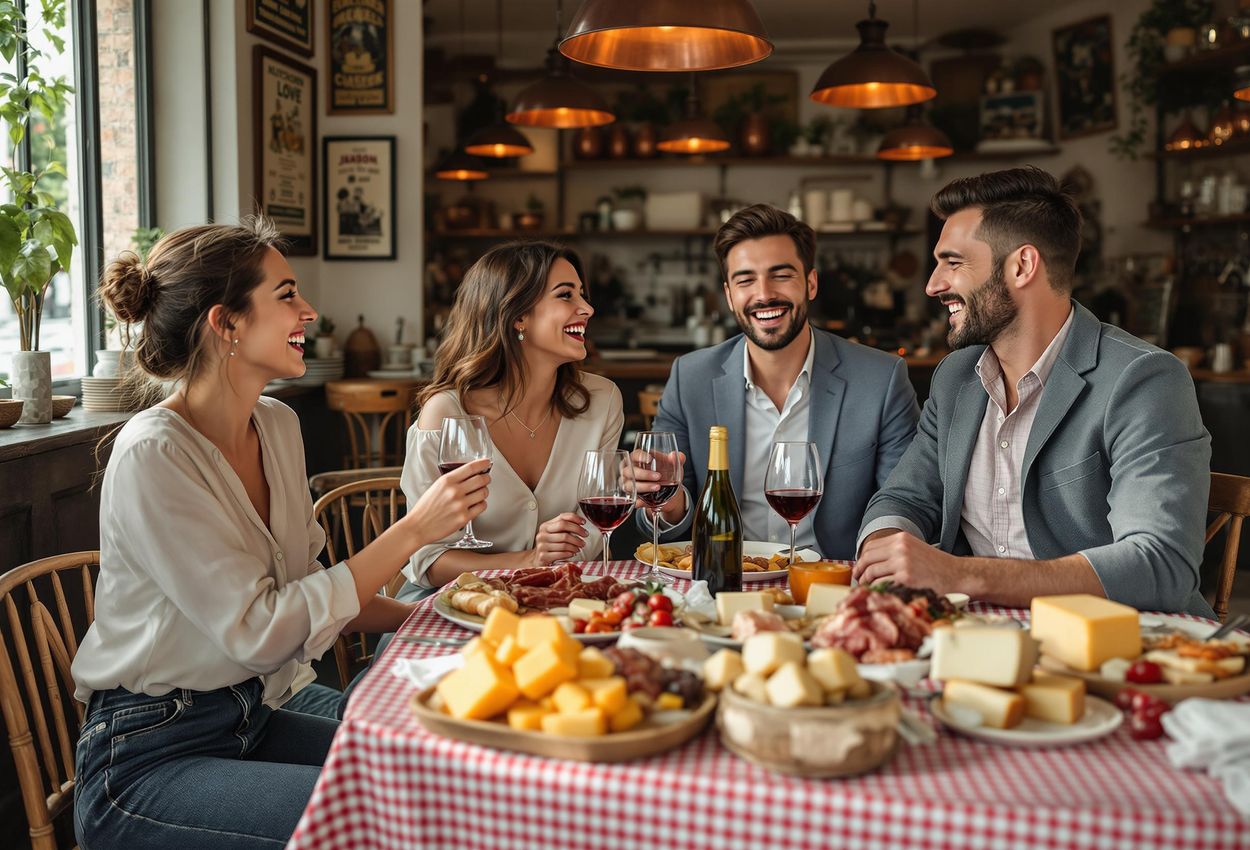
Step inside La Meunière, a bouchon steeped in history, with over 100 years of serving traditional Lyonnaise fare. The red-and-white checkered tablecloths, wooden chairs, and vintage posters create a cozy and nostalgic atmosphere. Here, you can savor classic dishes like rosette lyonnaise, a cured sausage, and saucisson ioché, sausage baked in ioche dough. The set menu, typically priced between u20ac29 and u20ac39, offers a sampling of Lyon's culinary staples.
We are proud to continue the traditions of Lyonnaise cuisine, says Chef Sylvie, owner of La Meunière. Our dishes are made with fresh, local ingredients, and we strive to create a welcoming atmosphere where everyone feels like family.
Another must-visit bouchon is Le Casse Museau, known for its authentic mâchon experience. A mâchon is a traditional Lyonnaise eakfast, typically enjoyed by the canuts early in the morning. Le Casse Museau offers a hearty mâchon featuring local charcuterie, cheese, and Beaujolais wine. The ambiance is lively and convivial, making it the perfect place to experience a unique Lyonnaise custom.
Chez Chabert is another notable bouchon, renowned for its traditional Lyonnaise cuisine and warm hospitality. The menu features classic dishes such as andouillette, a sausage made from pork chitterlings, and tablier de sapeur, a dish made from beef tripe. The prices are reasonable, and the portions are generous, making it a popular choice among locals and tourists alike.
No matter which bouchon you choose, be sure to sample the local wines. Beaujolais, a light-bodied red wine, is a popular choice, as is Côtes du Rhône, a slightly fuller-bodied red wine. These wines pair perfectly with the hearty flavors of Lyonnaise cuisine.
Visiting a bouchon is an essential part of experiencing Lyon's culinary culture. The convivial atmosphere, traditional dishes, and local wines create an unforgettable dining experience that will leave you with a lasting appreciation for Lyonnaise cuisine.

Michelin Stars and Culinary Innovation
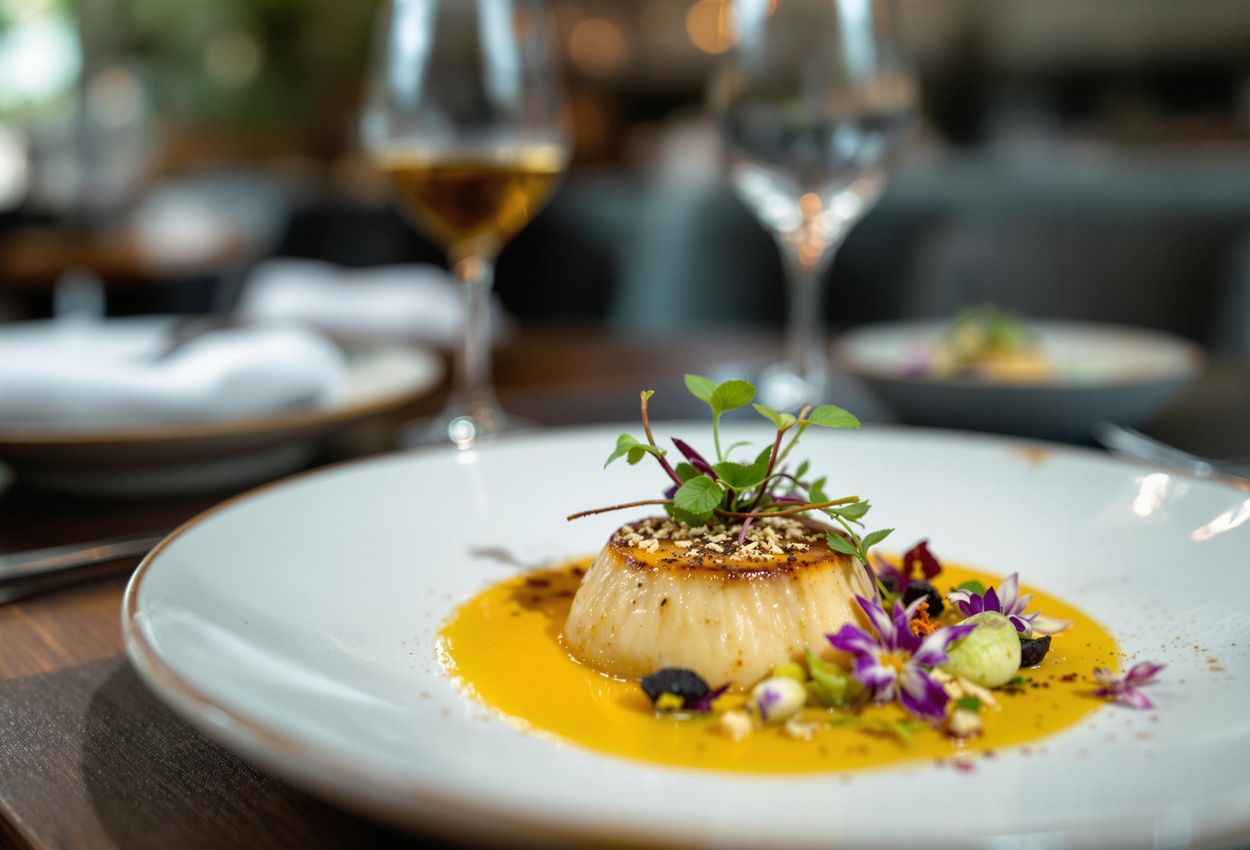
While Lyon cherishes its traditional bouchons, the city also boasts a constellation of Michelin-starred restaurants that showcase culinary innovation. These establishments represent the pinnacle of gastronomic excellence, blending traditional Lyonnaise flavors with modern techniques and artistic presentation.
Restaurant Ombellule is a shining example of Lyon's culinary innovation, having earned its first Michelin star in 2025. Chef Marine Auy's cuisine is characterized by its focus on fresh, seasonal ingredients and its creative interpretations of classic Lyonnaise dishes. The restaurant's elegant and modern decor provides a sophisticated backdrop for the culinary experience.
Mère azier, a two-Michelin-starred institution, pays homage to the legendary Mère azier, one of the most influential figures in Lyonnaise cuisine. Chef Mathieu Viannay continues her legacy, serving refined and elegant dishes that showcase the best of the Rhône-Alps region. The restaurant's opulent setting and impeccable service create a truly memorable dining experience.
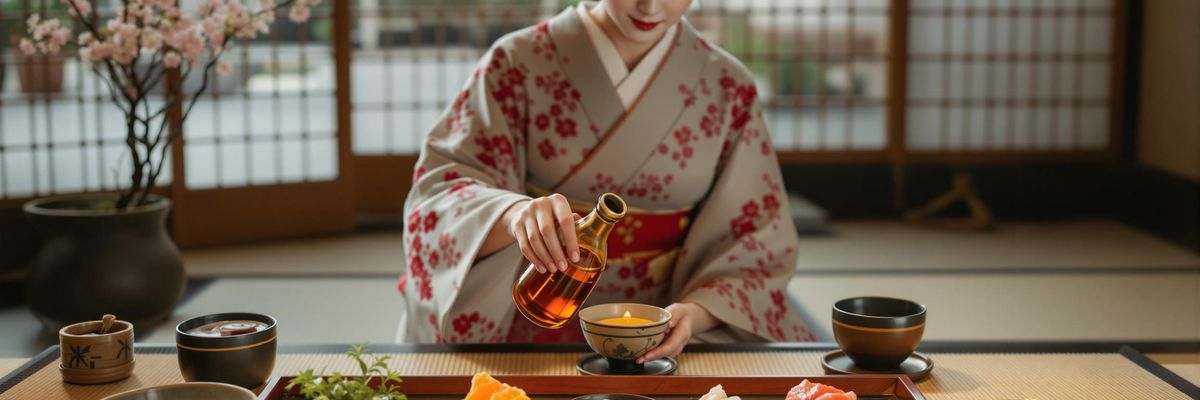
Takao Takano, another two-Michelin-starred gem, offers a unique fusion of French and Japanese culinary traditions. Chef Takao Takano's innovative creations are characterized by their delicate flavors, artistic presentation, and the use of high-quality ingredients. The restaurant's minimalist decor and serene atmosphere provide a tranquil setting for the culinary journey.
My approach to Lyonnaise cuisine is to respect the traditions while adding my own personal touch, says Chef Takano. I believe that the key to creating exceptional dishes is to use the freshest, highest-quality ingredients and to let the flavors speak for themselves.
The Rhône-Alps region plays a crucial role in Lyon's culinary scene, providing a wealth of fresh, regional products. From the cheeses of the Alps to the fruits and vegetables of the Rhône Valley, the region's bounty is showcased in Lyon's Michelin-starred restaurants.
In recent years, Lyon has experienced some changes in its Michelin star landscape. While some restaurants have gained stars, others have lost them. This reflects the evolving criteria of the Michelin Guide, which now places greater emphasis on sustainability and ethical sourcing. Despite these changes, Lyon remains a culinary powerhouse, with a viant and diverse dining scene.
A Stroll Through Lyon's Viant Food Markets
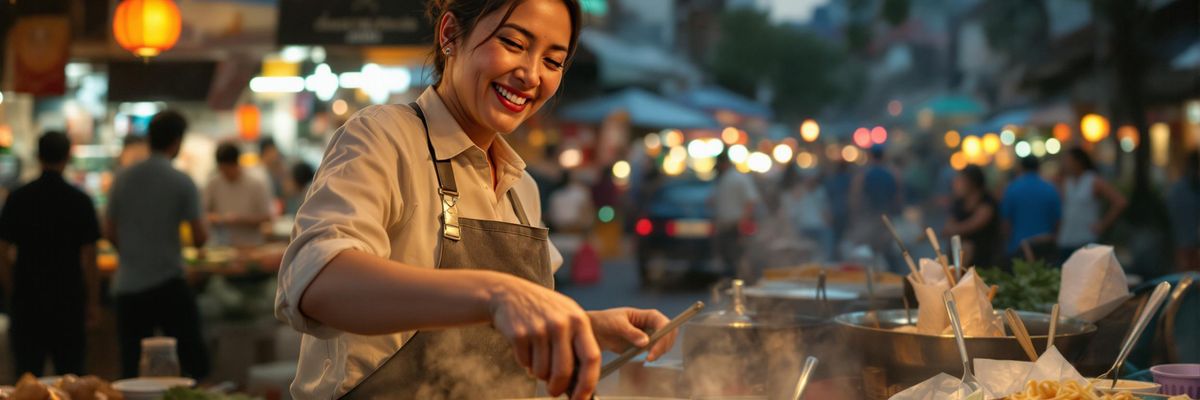
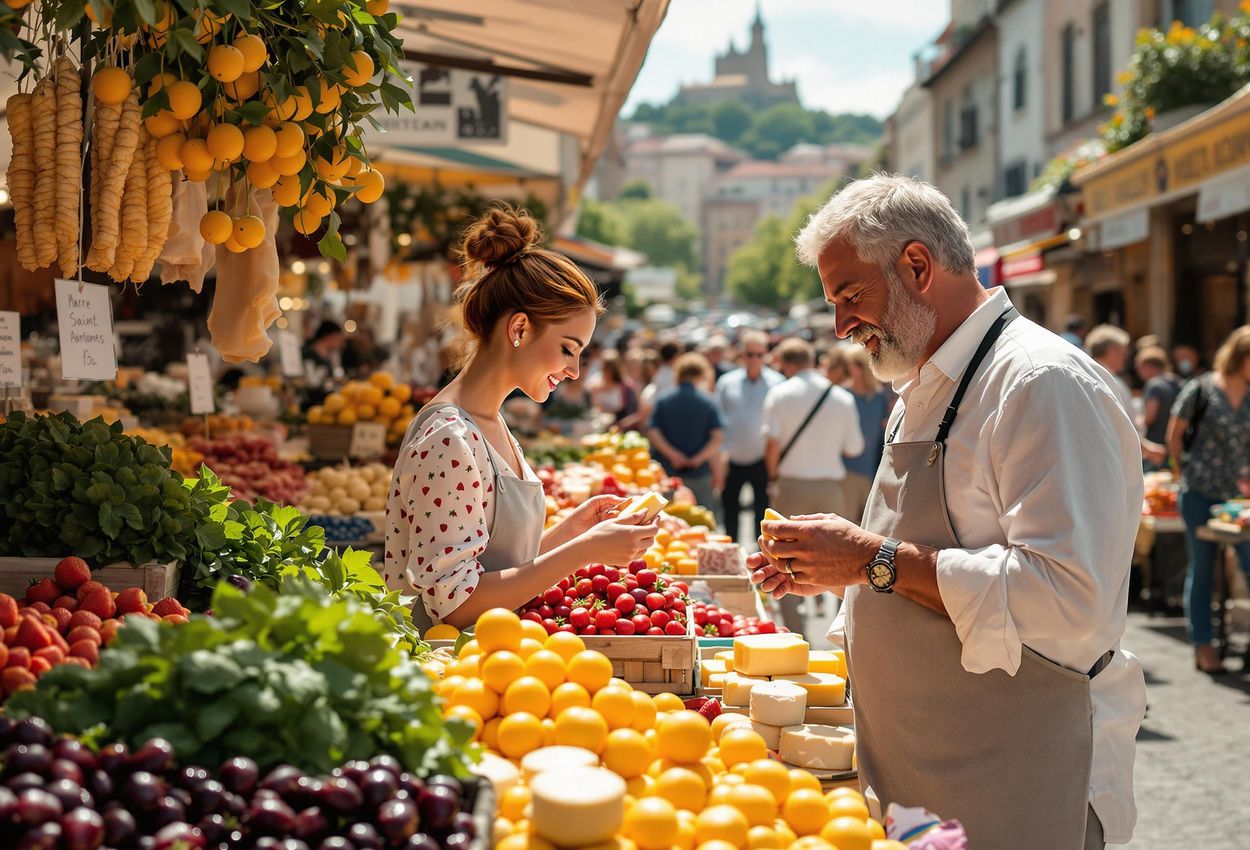
To truly understand Lyon's culinary soul, one must immerse oneself in the viant atmosphere of its food markets. These bustling hubs are a sensory feast, offering a glimpse into the city's passion for fresh, high-quality ingredients.
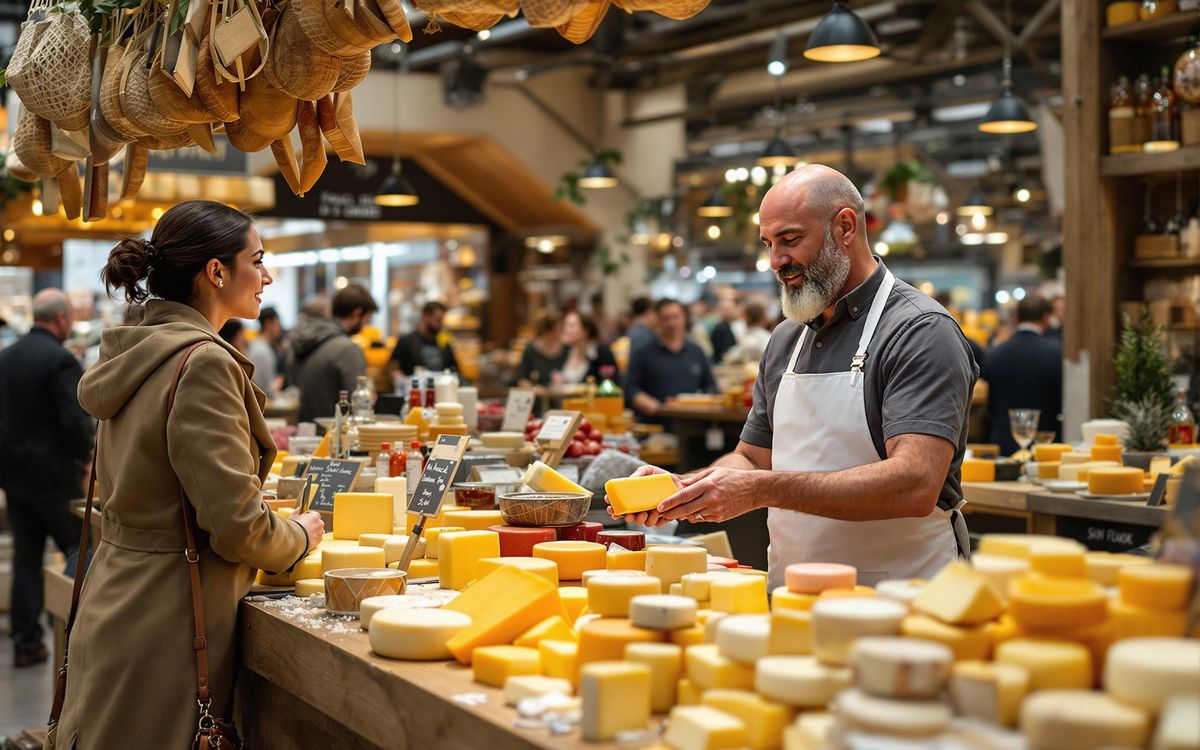
Marché Saint-Antoine, located along the banks of the Saône River, is one of Lyon's largest and most popular food markets. Open every day except Monday, this market offers a vast array of fresh produce, cheeses, charcuterie, and regional specialties. The air is filled with the enticing aromas of ripe fruits, pungent cheeses, and freshly baked ead.
As you wander through the market, you'll encounter a colorful tapestry of vendors, each eager to share their passion for their products. Sample a piece of Saint-Marcellin, a creamy, soft cheese, or indulge in a slice of rosette, a cured sausage. The market is a treasure trove of culinary delights, offering something for every taste.
Croix-Rousse Market, located in the heart of the Croix-Rousse district, is another must-visit food market. Open every day except Monday, this market offers a more local and intimate experience. Here, you'll find a wide variety of fresh produce, cheeses, charcuterie, and regional specialties, as well as flowers, clothing, and other goods.
One hidden gem within Croix-Rousse Market is the stall of Madame Dubois, a local farmer who sells her own organically grown vegetables. Her produce is renowned for its exceptional flavor and freshness, and her stall is always bustling with customers.
The history of Lyon's food markets dates back centuries, with the first markets established along the banks of the Saône River. These markets served as vital trading centers, inging fresh produce and other goods to the city by boat. Today, the markets continue to play a crucial role in Lyon's culinary culture, providing a direct link between producers and consumers.
For a more modern market experience, head to Les Halles Paul Bocuse, an indoor market named after the legendary Lyonnaise chef. This market is a gourmet paradise, featuring a curated selection of the finest food products from Lyon and beyond. Here, you'll find everything from oysters and foie gras to artisanal cheeses and chocolates.
The Lyonnaise 'Mères': A Legacy of Flavor
No exploration of Lyonnaise cuisine is complete without acknowledging the profound influence of the Mères Lyonnaises, the Mothers of Lyon. These female chefs, who rose to prominence in the 19th and 20th centuries, played a pivotal role in shaping the city's culinary identity.
The Mères Lyonnaises emerged from humble beginnings, often starting as cooks in bourgeois households. Over time, they gained experience and expertise, eventually opening their own restaurants. These establishments, known for their simple yet flavorful dishes, became popular among locals and visitors alike.
The Mères Lyonnaises were known for their resourcefulness and their ability to transform humble ingredients into culinary masterpieces. They specialized in offal, pork, and seasonal produce, creating dishes that were both hearty and delicious. Their cuisine was characterized by its simplicity, its emphasis on fresh ingredients, and its respect for tradition.
One of the most iconic dishes attributed to the Mères Lyonnaises is Salade Lyonnaise, a simple yet satisfying salad made with frisée lettuce, bacon, croutons, and a poached egg. This dish, which showcases the freshness of the ingredients and the balance of flavors, remains a staple of Lyonnaise cuisine.
Mère azier, whose real name was Eugénie azier, was arguably the most renowned of the Mères Lyonnaises. Her restaurant, La Mère azier, earned three Michelin stars, a feat that was unprecedented at the time. Her cuisine was characterized by its elegance, its refinement, and its use of the finest ingredients. She trained many famous chefs, including Paul Bocuse.
The legacy of the Mères Lyonnaises continues to influence contemporary Lyonnaise chefs. Their emphasis on fresh ingredients, simple preparations, and respect for tradition remains a guiding principle for many of the city's top culinary talents.
The Mères Lyonnaises were pioneers who paved the way for female chefs in France, says Chef Pierre, owner of a modern Lyonnaise restaurant. Their legacy continues to inspire me to create dishes that are both delicious and authentic.

Decoding Traditional Lyonnaise Dishes
Lyonnaise cuisine is characterized by its hearty, flavorful dishes that reflect the region's culinary traditions. From delicate quenelles to robust tripe stew, each dish tells a story of the city's gastronomic heritage.
Quenelle de ochet, a delicate pike dumpling served with Nantua sauce, is one of Lyon's most iconic dishes. The quenelle, made from a mixture of pike, eadcrumbs, and eggs, has a light and airy texture. The Nantua sauce, made from crayfish, butter, and cream, adds a rich and flavorful element to the dish. The dish is often served gratinéed.
The historical context of Quenelle de ochet dates back to the 19th century, when pike was abundant in the region's rivers. The dish was originally created as a way to use up leftover pike, and it quickly became a popular dish among locals.
Tripes à la Lyonnaise, a tripe stew, is a dish that may not appeal to everyone, but it is a beloved classic in Lyon. The tripe, which is the lining of a cow's stomach, is slow-cooked with onions, carrots, and herbs until it is tender and flavorful. The stew is typically served with crusty ead.
While Tripes à la Lyonnaise may be considered an acquired taste, it is a dish that reflects the city's culinary history. The use of offal, such as tripe, was common in the past, when meat was scarce and every part of the animal was used.
Saucisson ioché, sausage in ioche dough, is another iconic Lyonnaise dish. A large sausage, often pistachios, is encased in a rich ioche dough and baked until golden own. The dish is typically served in slices, and it is often accompanied by mustard or other condiments.
Saucisson ioché is a popular dish for special occasions, and it is often served as part of a larger meal. The combination of the savory sausage and the sweet ioche dough creates a unique and satisfying flavor experience.
Salade Lyonnaise, frisée lettuce with bacon, croutons, and a poached egg, is a simple yet satisfying salad that showcases the freshness of the ingredients. The frisée lettuce provides a slightly bitter base, while the bacon adds a salty and smoky flavor. The croutons add a crunchy texture, and the poached egg adds a creamy richness. A vinaigrette dressing ties all the elements together.

Beyond the Classics: Modern Twists on Lyonnaise Cuisine
While Lyon cherishes its traditional dishes, the city's culinary scene is also emacing innovation. Contemporary chefs are finding new ways to interpret classic Lyonnaise flavors, creating dishes that are both familiar and exciting.
Many restaurants are now incorporating local ingredients in new and creative ways. For example, some chefs are using local cheeses, such as Saint-Marcellin and Bleu d'Auvergne, in innovative dishes like cheese soufflés and cheese-stuffed vegetables. Others are using local fruits and vegetables, such as apricots and asparagus, in unexpected combinations.
One restaurant that is pushing culinary boundaries while staying true to Lyon's gastronomic identity is L'Auberge du Pont de Collonges, the restaurant of the late Paul Bocuse. While the restaurant continues to serve many of Bocuse's classic dishes, it also features modern interpretations of Lyonnaise cuisine.
We are committed to preserving the legacy of Paul Bocuse while also emacing innovation, says Chef Jérôme Bocuse, son of Paul Bocuse and current head of the restaurant. We believe that it is important to respect the traditions of Lyonnaise cuisine while also pushing the boundaries of what is possible.
Presentation is also becoming increasingly important in Lyonnaise cuisine. Chefs are paying more attention to the visual appeal of their dishes, creating plates that are both beautiful and delicious. The overall dining experience is also being elevated, with restaurants offering more personalized service and more sophisticated ambiance.

A Mâchon Experience: Lyon's Morning Ritual
To truly immerse yourself in Lyonnaise culture, you must experience the tradition of the mâchon. This morning meal, historically enjoyed by silk workers, is a hearty and convivial affair that offers a glimpse into the city's past.
The mâchon typically consists of local charcuterie, cheese, and Beaujolais wine. The charcuterie may include rosette lyonnaise, saucisson de Lyon, and other regional specialties. The cheese may include Saint-Marcellin, Bleu d'Auvergne, and other local cheeses. The Beaujolais wine is typically served in a pot, a traditional Lyonnaise wine bottle.
Le Casse Museau is one of the bouchons that offers an authentic mâchon experience. The ambiance is lively and convivial, and the mâchon is served with plenty of good cheer. The mâchon is a great way to start the day, and it is a perfect way to experience a unique Lyonnaise custom.
The historical context of the mâchon dates back to the 19th century, when Lyon was a major center for silk production. The silk workers, known as the canuts, worked long hours and needed a hearty meal to sustain them. The mâchon provided them with the sustenance and camaraderie they needed to get through the day.
Today, the mâchon is still enjoyed by many Lyonnais, and it is a popular tradition among tourists. Experiencing a mâchon is a great way to connect with the city's history and culture, and it is a delicious way to start the day.
Visiting Lyon and not experiencing the Mâchon is like going to Rome and not visiting the Colosseum, or going to Paris and not seeing the Eiffel Tower.