Section Titles: Unearthing Culinary Secrets: A Global Gastronomic Quest, Italy's Best Kept Secrets: Trattorias and Osterias of the Emilia-Romagna Region, Kyoto's Culinary Soul: Izakayas and Tea Houses in the Gion District, Lisbon's Local Flavors: Tascas and Seafood Shacks in Alfama, Mexico City's Street Food Scene: Tacos and Tamales in Coyoacá. Key elements of the ief: Type: Editorial Story, Angle: Showcase the authenticity and charm of hidden culinary gems, Instructions: Include recommendations for hidden culinary gems in different destinations. Feature interviews with local chefs and restaurant owners. Provide practical tips for travelers who want to discover hidden culinary gems.
Unearthing Culinary Secrets: A Global Gastronomic Quest
In a world saturated with meticulously plated creations and globally recognized culinary empires, a different kind of gastronomic adventure beckons. Forget the hushed reverence of Michelin-starred establishments, at least for a while. Instead, imagine yourself guided by the tantalizing aromas wafting from a family-run kitchen, the boisterous laughter echoing through a hidden courtyard, the simple, honest flavors that tell a story of generations. This is the allure of hidden culinary gems u2013 those unassuming eateries, local haunts, and off-the-beaten-path destinations where the true essence of a culture is savored, one delicious bite at a time.
Culinary tourism is no longer a niche pursuit; itu2019s a mainstream movement fueled by a desire for authentic experiences. Travelers are increasingly seeking to connect with local cultures through their food, venturing beyond the familiar and emacing the unknown. They crave the stories behind the dishes, the traditions that have shaped the flavors, and the warmth of a genuine human connection. This quest often leads them away from the spotlight and into the heart of communities, where the most cherished culinary secrets are guarded.
Consider Georgia, nestled in the Caucasus, where the supra, a traditional feast, is more than just a meal; it's a celeation of life, friendship, and hospitality. Imagine tables laden with khachapuri (cheese-filled ead), khinkali (dumplings), and an endless flow of local wine, each dish a testament to the country's rich agricultural heritage. Or picture yourself in Vietnam, navigating the bustling streets of Hanoi, where the fragrant aroma of pho hangs heavy in the air, and each bowl is a symphony of flavors u2013 a delicate balance of herbs, spices, and slow-cooked oth. Then there's Haiti, where griot (fried pork) is not just food but a symbol of resilience and cultural pride, served with pikliz, a spicy pickled slaw that ignites the senses. And who could forget Peru, where ceviche, marinated raw fish, is an art form, each region boasting its unique twist on this iconic dish, a testament to the country's diverse marine ecosystem.
These destinations, and countless others around the globe, offer a treasure trove of hidden culinary experiences waiting to be unearthed. It's about more than just finding a good meal; it's about immersing yourself in a culture, connecting with the people, and creating memories that will last a lifetime. The journey begins with a simple desire: to taste the world, not just see it.

Italy's Best Kept Secrets: Trattorias and Osterias of the Emilia-Romagna Region
In the heart of Italy, where rolling hills meet fertile plains, lies Emilia-Romagna, a region synonymous with culinary excellence. While the world flocks to Rome and Florence, it is here, in the unassuming trattorias and osterias, that the true soul of Italian cooking resides. These family-run establishments, often tucked away in quiet villages or hidden down cobblestone streets, are the guardians of tradition, preserving recipes and techniques passed down through generations.
Imagine stepping into a small trattoria, the air thick with the aroma of simmering ragu and freshly baked ead. The sounds of Italian chatter fill the room, punctuated by the clinking of glasses and the hearty laughter of locals. You are greeted with a warm smile and ushered to a wooden table, where a simple paper menu awaits. There are no elaborate presentations or molecular gastronomy here; only honest, flavorful dishes made with the freshest local ingredients.
The region is known for its pasta. Tortellini in odo, tiny meat-filled dumplings served in a rich oth, is a classic comfort food, each spoonful a warm emace. Tagliatelle al ragu, wide ribbons of pasta coated in a slow-cooked meat sauce, is another staple, the rich, savory flavors lingering on the palate. And of course, there's lasagna, a layered masterpiece of pasta, meat sauce, béchamel, and cheese, each bite a symphony of textures and tastes.
But Emilia-Romagna offers more than just pasta. Parma ham, aged to perfection, melts in your mouth, its salty-sweet flavor a testament to the region's expertise in curing meats. Mortadella, a large, flavorful sausage studded with pistachios, is another local specialty, perfect for a quick snack or a hearty sandwich. And let's not forget Parmigiano-Reggiano, the king of cheeses, its nutty, complex flavor a perfect complement to any dish.
Hidden Gem: Venture just outside of Modena to discover a small balsamic vinegar producer offering tastings and tours. Learn about the traditional methods used to create this prized condiment, from the careful selection of grapes to the slow aging process in wooden barrels. Sample different varieties of balsamic vinegar, each with its unique flavor profile, and discover the perfect pairing for your favorite dishes. Acetaia Cavedoni is one such place, where the Cavedoni family has been producing Balsamic Vinegar since 1860. The visit includes a tour of the aging rooms, where you can see the barrels used to age the vinegar, and a tasting of different aged balsamic vinegars. It is a truly immersive experience that offers a glimpse into the heart of Emilia-Romagna's culinary heritage.

Kyoto's Culinary Soul: Izakayas and Tea Houses in the Gion District
Step into the enchanting world of Kyoto's Gion district, where ancient traditions intertwine with modern life. Beyond the geishas gliding through the lantern-lit streets and the iconic temples that dot the landscape, lies a hidden culinary scene waiting to be discovered. Here, nestled among the traditional wooden machiya houses, you'll find intimate izakayas and serene tea houses, each offering a unique glimpse into the heart of Japanese culture.
Izakayas, the Japanese equivalent of pubs, are the perfect place to unwind after a long day of exploring. These cozy establishments offer a relaxed atmosphere, where locals gather to enjoy a wide selection of sake, beer, and shochu, paired with a variety of small, flavorful dishes. The menu often features seasonal ingredients, prepared with meticulous attention to detail. From grilled skewers of chicken and vegetables to delicate sashimi and flavorful ramen, there's something to satisfy every palate.
Imagine yourself seated at a wooden counter, the gentle murmur of conversation filling the air. You order a chilled bottle of sake and a plate of yakitori, the savory aroma of grilled chicken tantalizing your senses. The chef, a master of his craft, carefully prepares each dish, his movements precise and deliberate. As you savor the flavors, you feel a sense of connection to the local culture, a sense of belonging.
For a more contemplative experience, venture into one of Gion's traditional tea houses. Here, amidst the serene surroundings of a meticulously manicured garden, you can partake in a traditional tea ceremony, a ritual steeped in history and symbolism. The tea master, with graceful movements, prepares the matcha, a powdered green tea, whisking it to a frothy perfection. As you sip the tea, you feel a sense of calm wash over you, a moment of peace in the midst of the bustling city.
Recommendation: Seek out Kikunoi Roan, an izakaya known for its exceptional sake selection and its innovative take on traditional Japanese cuisine. The restaurant boasts an extensive sake menu, featuring rare and regional varieties, each carefully selected to complement the dishes. The chef uses only the freshest seasonal ingredients, sourced from local farms and markets, to create dishes that are both visually stunning and incredibly flavorful. Alternatively, visit Camellia tea house, which is known for its authenticity and serene atmosphere, offering an escape from the bustling streets of Gion. The tea house is located in a traditional machiya house, with tatami mats, shoji screens, and a beautiful garden view. The tea ceremony is performed by experienced tea masters, who guide you through the ritual with grace and precision. It's an experience that will leave you feeling refreshed, rejuvenated, and deeply connected to the heart of Japanese culture.

Lisbon's Local Flavors: Tascas and Seafood Shacks in Alfama
Wander through the labyrinthine streets of Alfama, Lisbon's oldest district, and you'll discover a world of hidden culinary treasures. Here, amidst the crumbling facades and the echoes of Fado music, lies a viant tapestry of tascas (small, traditional restaurants) and seafood shacks, each offering a taste of authentic Portuguese cuisine.
Tascas are the heart and soul of Alfama's culinary scene. These unassuming establishments, often family-run, offer simple, hearty dishes at affordable prices. The menu typically features traditional Portuguese fare, such as grilled sardines, bacalhau (salt cod), and arroz de marisco (seafood rice). The atmosphere is lively and convivial, with locals and tourists alike sharing tables and swapping stories.
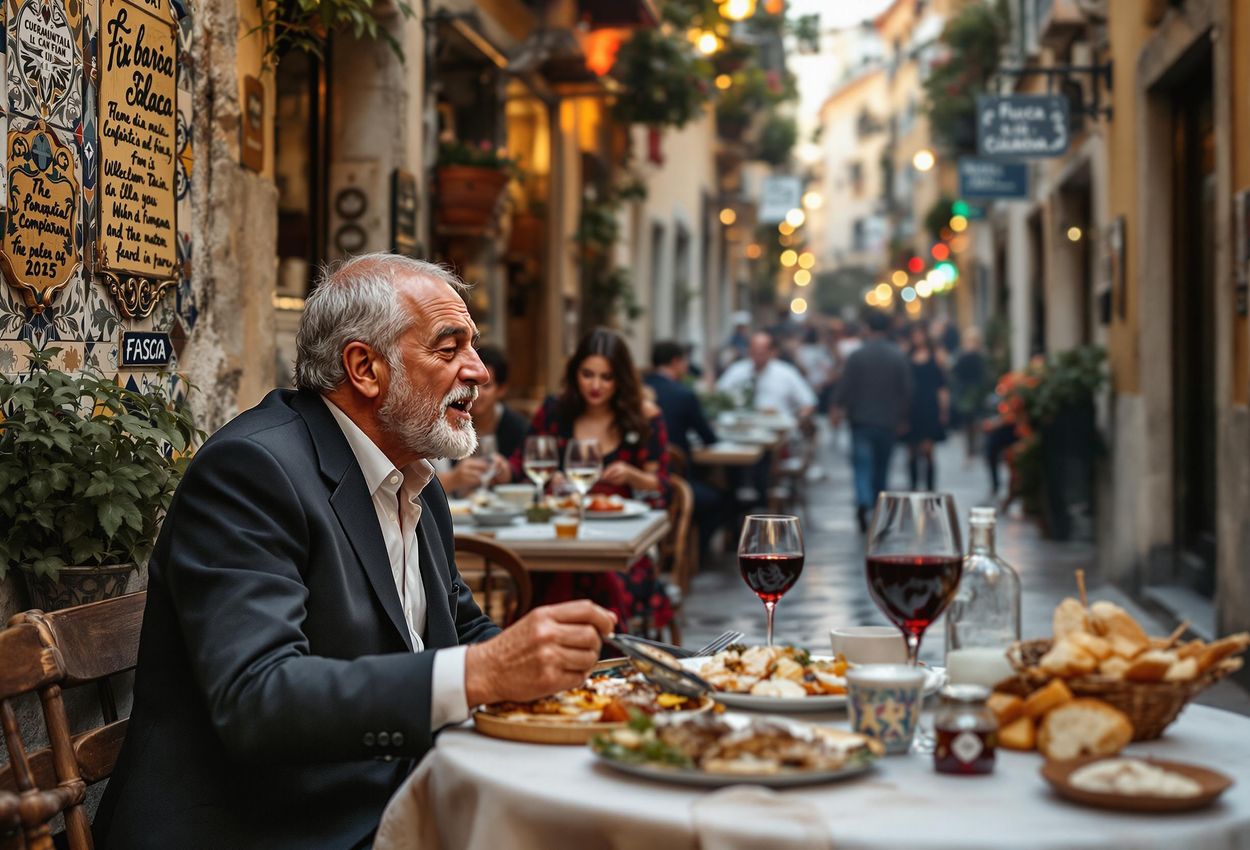
Imagine yourself seated at a small table outside a tasca, the warm evening air filled with the aroma of grilled sardines and the soulful sounds of Fado music. You order a plate of grilled sardines, served with boiled potatoes and a simple salad. The sardines are fresh and flavorful, their smoky aroma a testament to the skill of the grill master. As you savor the flavors, you feel a sense of connection to the local culture, a sense of being part of something special.
For a taste of the sea, head to one of Alfama's seafood shacks. These casual establishments offer a wide selection of fresh seafood, from grilled octopus and prawns to clams and mussels. The seafood is typically served simply, with a drizzle of olive oil and a squeeze of lemon, allowing the natural flavors to shine through.
Hidden Gem: Seek out Zé da Mouraria, a tasca known for its secret recipe for bacalhau à ás (scrambled eggs with cod). This unassuming restaurant is a local favorite, serving up generous portions of traditional Portuguese dishes at affordable prices. The bacalhau à ás is a must-try, the creamy texture and savory flavor a testament to the chef's expertise. The secret recipe, passed down through generations, is said to include a special blend of spices and herbs. Alternatively, search for smaller, unnamed Tascas down the side streets - these are often the most authentic and rewarding. Ask locals for their favorites!
Mexico City's Street Food Scene: Tacos and Tamales in Coyoacá
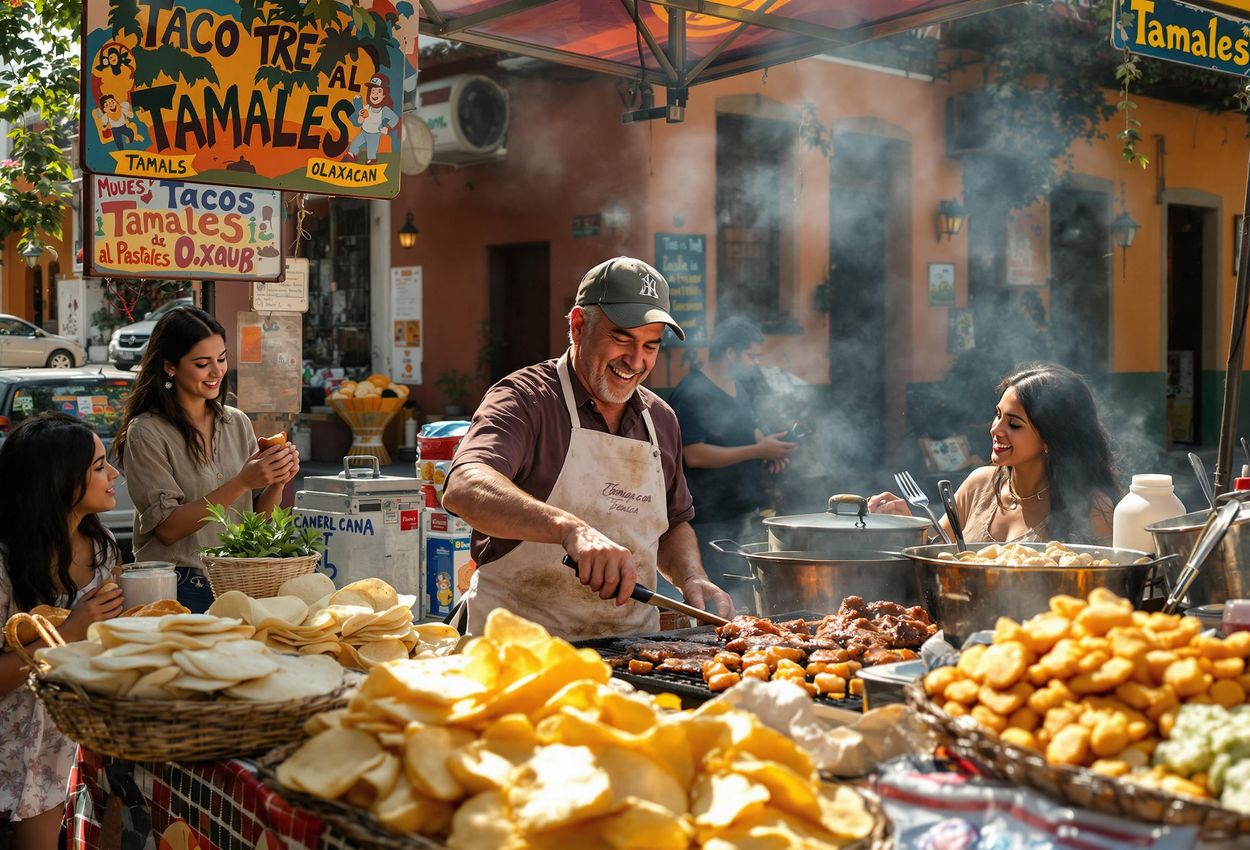
Immerse yourself in the viant street food scene of Mexico City, and you'll discover a culinary paradise unlike any other. In the charming neighborhood of Coyoacá, with its cobblestone streets, colorful buildings, and bustling markets, the aroma of tacos and tamales fills the air, enticing you to indulge in a feast of authentic Mexican flavors.
Tacos are the undisputed king of Mexico City's street food scene. From the classic tacos al pastor, marinated pork cooked on a vertical spit, to the flavorful tacos de carnitas, slow-cooked pork shoulder, there's a taco for every taste. The tacos are typically served on small corn tortillas, topped with onions, cilantro, and a squeeze of lime. And of course, no taco is complete without a generous dollop of salsa, ranging from mild and fruity to fiery hot.
Imagine yourself standing at a street-side stall, the sizzle of the meat and the chatter of the crowd creating a symphony of sounds. You order a few tacos al pastor, the savory aroma of the pork tantalizing your senses. The taquero, a master of his craft, expertly slices the meat from the spit, catching it in a small tortilla. He adds onions, cilantro, and a generous dollop of salsa, handing you the finished product with a smile. As you take your first bite, the flavors explode in your mouth, a perfect blend of sweet, savory, and spicy.
Tamales, steamed corn dough pockets filled with meat, cheese, or vegetables, are another must-try street food in Mexico City. Each region of Mexico boasts its unique version of tamales, with variations in the filling, the dough, and the cooking method. In Coyoacá, you'll find tamales oaxaqueños, wrapped in banana leaves and filled with chicken or pork in a flavorful mole sauce.
Hidden Gem: Seek out a family-run stall known for its unique salsa recipes. These hidden gems often offer a wide variety of salsas, ranging from mild and fruity to fiery hot, each made with fresh, local ingredients. Ask the vendor for recommendations and be prepared to sample a few before making your choice. Alternatively, try a specific type of atole (a traditional hot beverage) from a street vendor - Atole de Chocolate is a popular choice. Also, visit the Mercado de Coyoacá, but look beyond the first few rows of stalls aimed at tourists. Venture deeper inside to find the truly authentic food stalls where locals eat.