Oaxaca, a land of viant culture and eathtaking landscapes, is also the undisputed culinary heart of Mexico. From its bustling markets to its time-honored kitchens, the region offers an unparalleled gastronomic experience that tantalizes the senses and nourishes the soul.
Unveiling Oaxaca: A Culinary Journey Through Time
Nestled in the rugged mountains of southern Mexico, Oaxaca boasts a rich indigenous heritage, shaped by the ancient Zapotec and Mixtec civilizations. These cultures, deeply intertwined with the land, laid the foundation for a culinary tradition that is both diverse and deeply rooted. The fertile valleys and varied microclimates of Oaxaca provide an abundance of ingredients, from the early cultivated corn, beans, and squash to an array of unique chiles, herbs, and fruits.
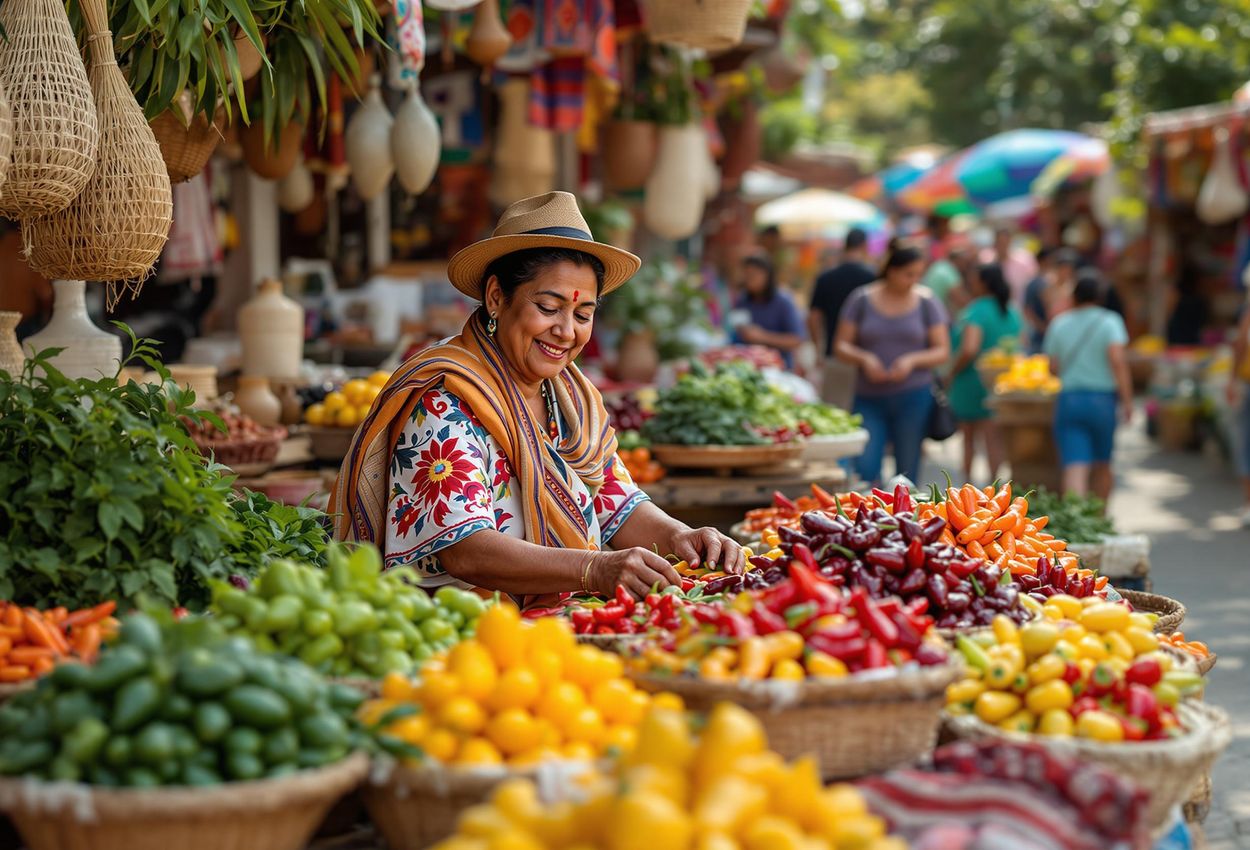
Step into any of Oaxaca's bustling markets, and you'll be immediately enveloped in a sensory explosion. Heaps of viant produce u2013 crimson tomatoes, emerald avocados, sunshine-yellow mangoes u2013 compete for attention alongside fragrant bundles of aromatic herbs. The air hums with the rhythmic sounds of vendors hawking their wares, the sizzle of street food being prepared, and the animated chatter of locals bartering for the freshest ingredients. The scent of roasting chiles mingles with the sweet aroma of freshly baked ead, creating an intoxicating olfactory tapestry that is uniquely Oaxacan.
The culinary significance of Oaxaca extends far beyond its delectable flavors. Food here is a powerful expression of cultural identity, a reflection of the region's history and its people's enduring connection to the land. It's a political statement, too, echoing the struggles for social justice and economic autonomy of indigenous communities. Each dish tells a story, passed down through generations, preserving ancient traditions and celeating the resilience of the Oaxacan spirit.
Hidden Gem: Many dishes, especially those served in smaller villages, are prepared using techniques and ingredients that have remained unchanged for centuries. Seek out family-run comedores in the smaller villages surrounding Oaxaca City for an authentic taste of the past.
The Seven Moles of Oaxaca: A Symphony of Flavors
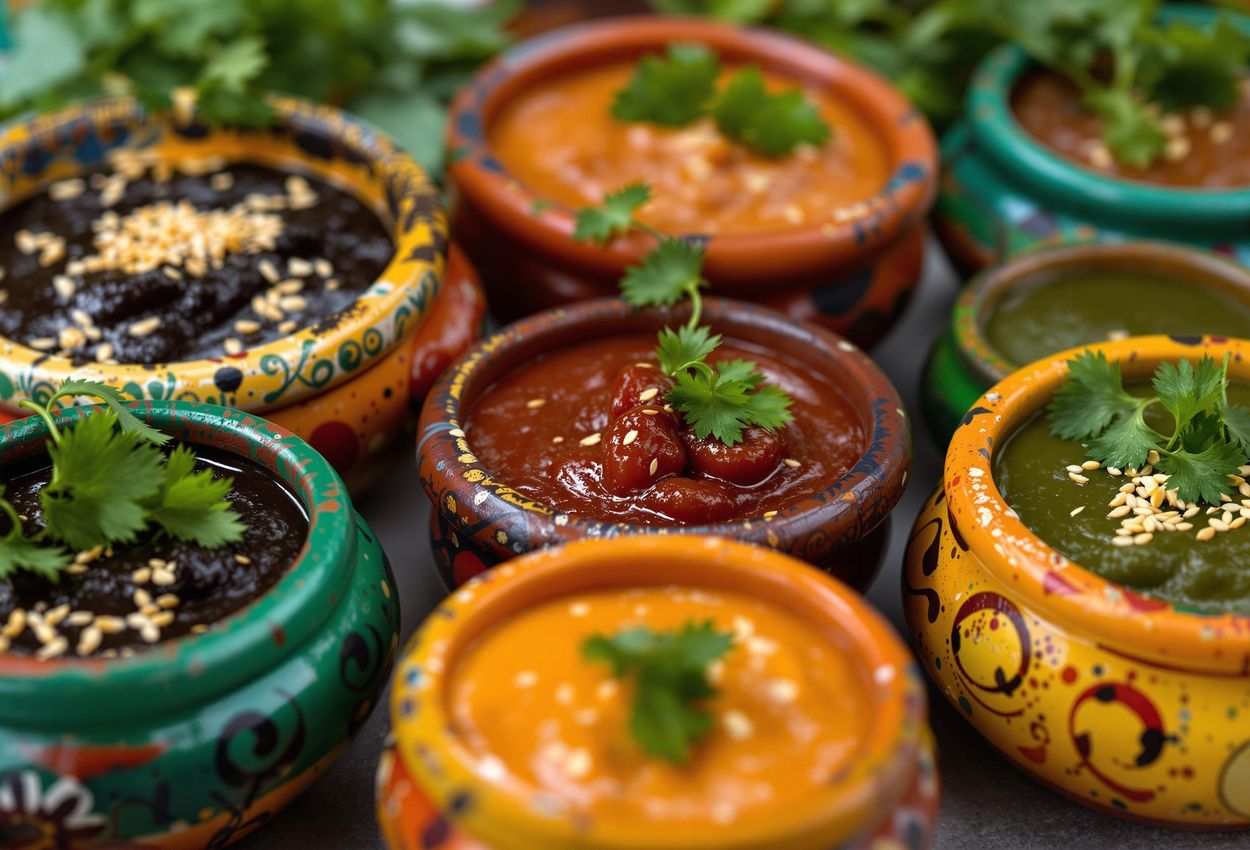
No exploration of Oaxacan cuisine would be complete without delving into the world of its legendary moles. These complex sauces, a cornerstone of Oaxacan cooking, are a testament to the region's culinary ingenuity and its deep appreciation for flavor. While there are countless variations, seven moles stand out as the most iconic: negro, rojo/poblano, coloradito, amarillo, verde, chichilo, and manchamanteles. Each mole is a unique masterpiece, a carefully orchestrated blend of chili peppers, spices, nuts, seeds, and even chocolate.
Mole negro, the king of moles, is a dark, rich, and intensely flavored sauce made with a blend of dried chiles, chocolate, and spices. Its complex flavor profile is both sweet and savory, with a subtle hint of smokiness. Try it at Restaurante Casa Oaxaca in Oaxaca City, where Chef Alejandro Ruiz elevates traditional Oaxacan cuisine to new heights. Mole rojo/poblano is a viant red sauce made with a combination of ancho, guajillo, and pasilla chiles, along with nuts, seeds, and spices. Its flavor is bold and slightly sweet, with a pleasant warmth. Sample it at Los Danzantes, a stylish restaurant that offers a modern take on classic Oaxacan dishes. Mole coloradito is a reddish-own sauce with a milder flavor than mole negro or rojo. It typically includes ancho chiles, tomatoes, and spices. Mole amarillo is a yellow mole made with yellow chiles, herbs, and spices. It's a lighter, fresher mole that often features vegetables like squash and green beans. Mole verde is a viant green sauce made with fresh herbs, green chiles, and pepitas (pumpkin seeds). It's a ight, herbaceous mole that pairs well with chicken or fish. Mole chichilo is a dark, smoky mole made with charred chiles and spices. It's a complex, earthy mole that is often served with beef. Mole manchamanteles (tablecloth stainer) is a sweet and fruity mole made with pineapple, plantains, and chiles. It's a colorful, festive mole that is often served during celeations.
For a truly immersive experience, consider taking a mole-centric cooking class. Several cooking schools in Oaxaca City offer hands-on classes where you can learn the art of mole-making from local chefs. Las Quince Letras is another excellent choice for experiencing authentic Oaxacan moles in a traditional setting.
Hidden Gem: Mole recipes vary from family to family and region to region, with each cook adding their own personal touch. Ask locals about their favorite mole variations and be prepared to discover a world of subtle nuances and unexpected flavors.
Mezcal's Mystique: From Agave Fields to Tasting Rooms
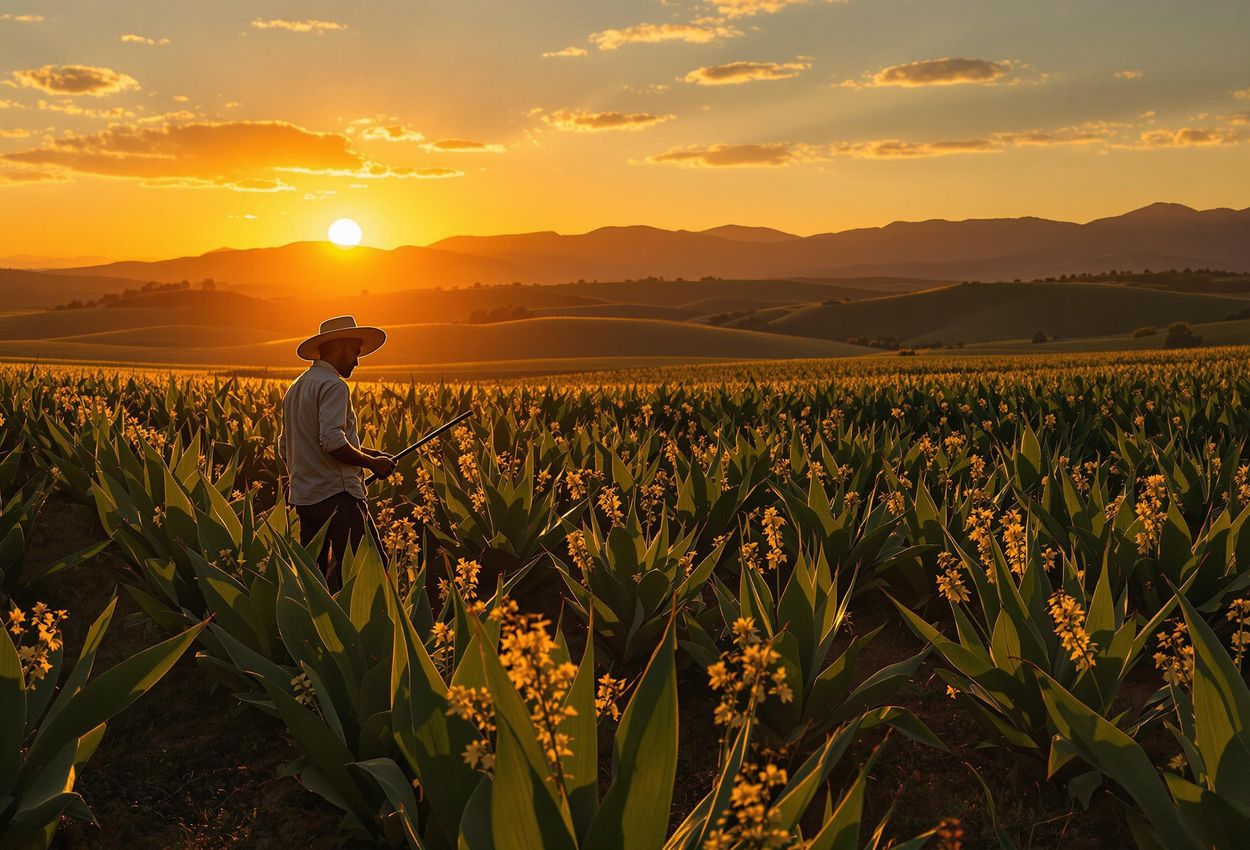
Beyond its culinary delights, Oaxaca is also renowned for its mezcal, a distilled spirit made from the agave plant. Unlike tequila, which is made exclusively from blue agave, mezcal can be made from a variety of agave species, each imparting its own unique flavor profile. The mezcal production process is a labor of love, often involving traditional methods passed down through generations.
The journey of mezcal begins in the agave fields, where the plants are carefully cultivated for many years before they are harvested. Once harvested, the agave hearts (piñas) are roasted in underground pits lined with hot stones, giving the mezcal its characteristic smoky flavor. The roasted agave is then crushed and fermented before being distilled in copper or clay stills. The resulting spirit is a complex and nuanced beverage that reflects the terroir of the agave and the skill of the distiller.
Visit Real Minero, a family-owned distillery that has been producing mezcal for generations, or Casa Silencio, known for its stunning architecture and commitment to sustainable practices. Gracias a Dios offers a more modern approach, experimenting with different agave varieties and distillation techniques. Many distilleries offer mezcal tasting experiences, where you can sample a variety of mezcals and learn about the different agave species and production methods. Each mezcal tells a story, from the terroir of the agave to the traditions of the family that produced it.
The Ruta Caminos del Mezcal offers a fantastic way to explore the region's distilleries and learn about the mezcal production process firsthand. This route winds through the Oaxacan countryside, offering stunning views of the agave fields and the surrounding mountains.
Hidden Gem: Mezcal plays a significant role in Oaxacan society, serving as a ceremonial beverage in weddings, funerals, and other important events. It's a symbol of hospitality and a way to connect with the community.
Oaxacan Cheese (Quesillo): A String of Culinary Gold
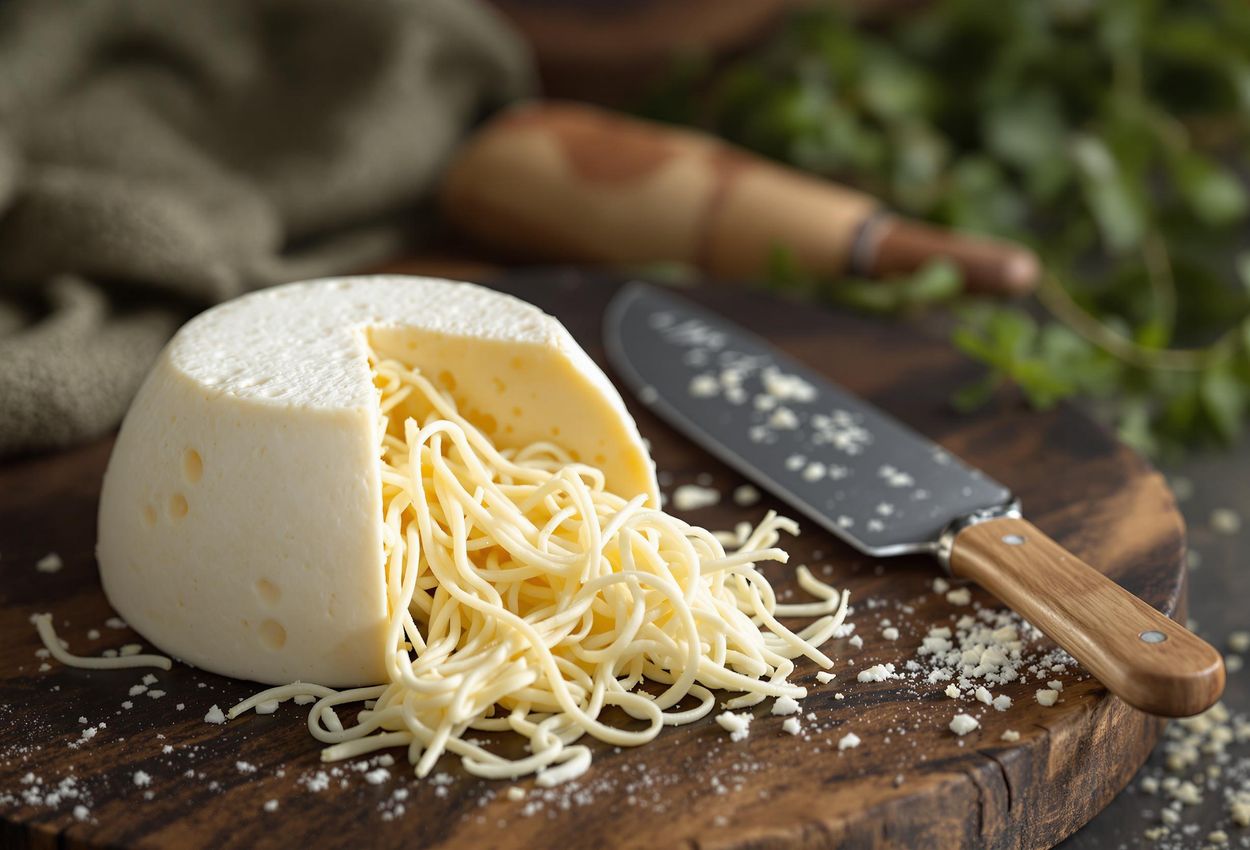
Oaxaca cheese, also known as Quesillo, is a semi-hard, white cheese with a unique stringy texture and a mild, slightly salty flavor. It's a staple of Oaxacan cuisine, used in a variety of dishes, from appetizers to main courses.
The production of Quesillo is a labor-intensive process that begins with fresh cow's milk. The milk is curdled, and the curds are stretched and kneaded until they form long, thin strings. These strings are then wound into a ball, creating the distinctive shape of Oaxaca cheese.
Quesillo is prominently featured in tlayudas, empanadas, and quesadillas. It melts beautifully, making it the perfect cheese for grilling or baking. You can find the best Quesillo at local markets like the Mercado Benito Juárez or the Mercado 20 de Novieme, where vendors sell freshly made cheese directly from their farms.
Hidden Gem: The tradition of Quesillo production has been passed down through generations of families in Oaxaca. Supporting these local producers helps preserve this important culinary heritage.
Tlayudas: Oaxaca's Culinary Canvas
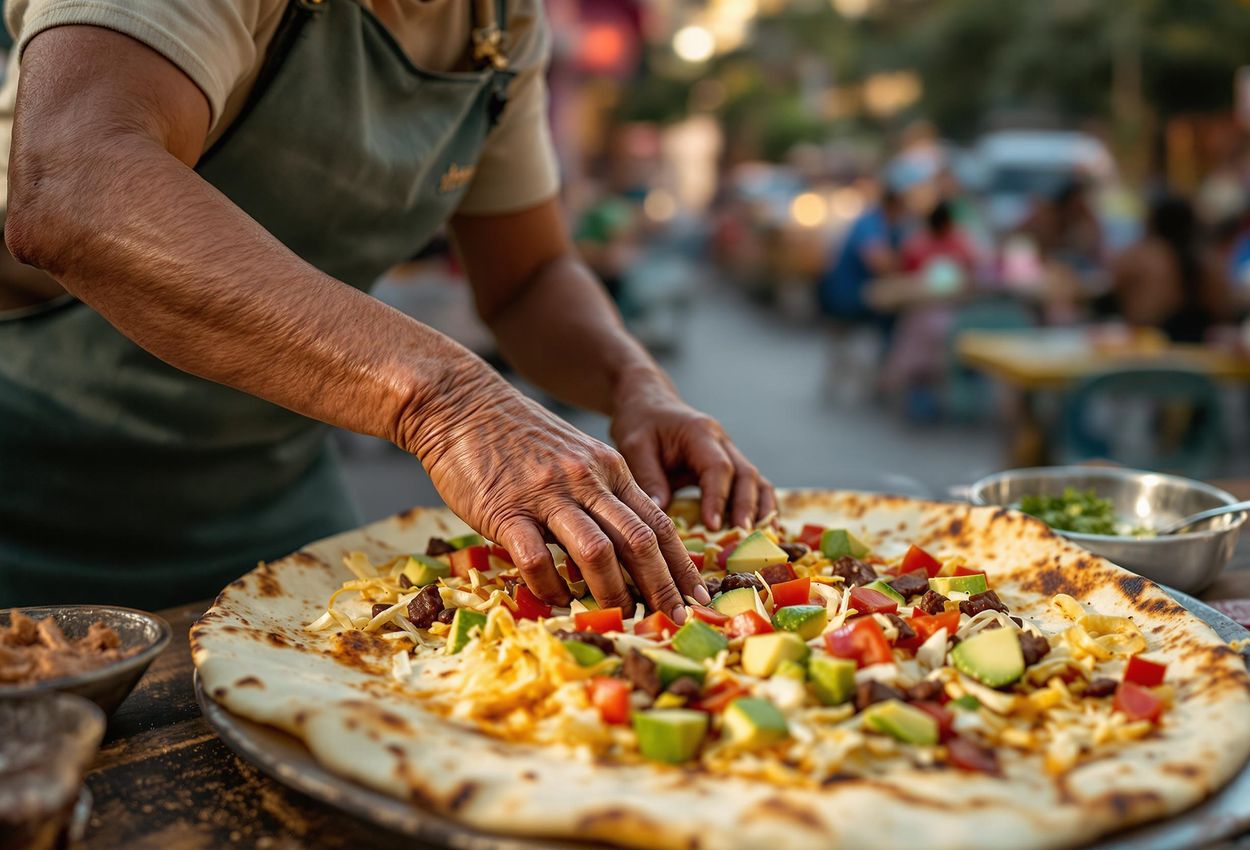
The tlayuda is a quintessential Oaxacan street food, a large, crispy tortilla topped with a variety of ingredients. It's often referred to as Oaxaca's pizza, but it's so much more than that. Itu2019s a culinary canvas showcasing the region's diverse flavors and textures.
The base of the tlayuda is a large, thin tortilla that is toasted on a comal (a flat griddle) until it becomes crispy and slightly charred. The tortilla is then spread with refried beans, topped with Oaxaca cheese (quesillo), shredded lettuce, avocado, salsa, and your choice of meat. Popular meat options include tasajo (thinly sliced grilled beef), chorizo, and chicken.
Tlayudas can be found throughout Oaxaca, but some of the best are found at street stalls and markets. Head to the Mercado 20 de Novieme or the Central de Abastos for a truly authentic experience. Each vendor puts their own spin on the classic tlayuda, so be sure to try a few different variations.
Hidden Gem: Tlayudas are more than just a delicious street food; they are a symbol of Oaxacan culinary identity, representing the region's resourcefulness and its love of bold flavors.
Beyond Mole and Mezcal: Discovering Hidden Culinary Gems
While mole and mezcal are undoubtedly Oaxaca's most famous culinary exports, the region's gastronomic landscape extends far beyond these iconic dishes. Oaxaca is home to a wealth of unique ingredients and dishes waiting to be discovered.
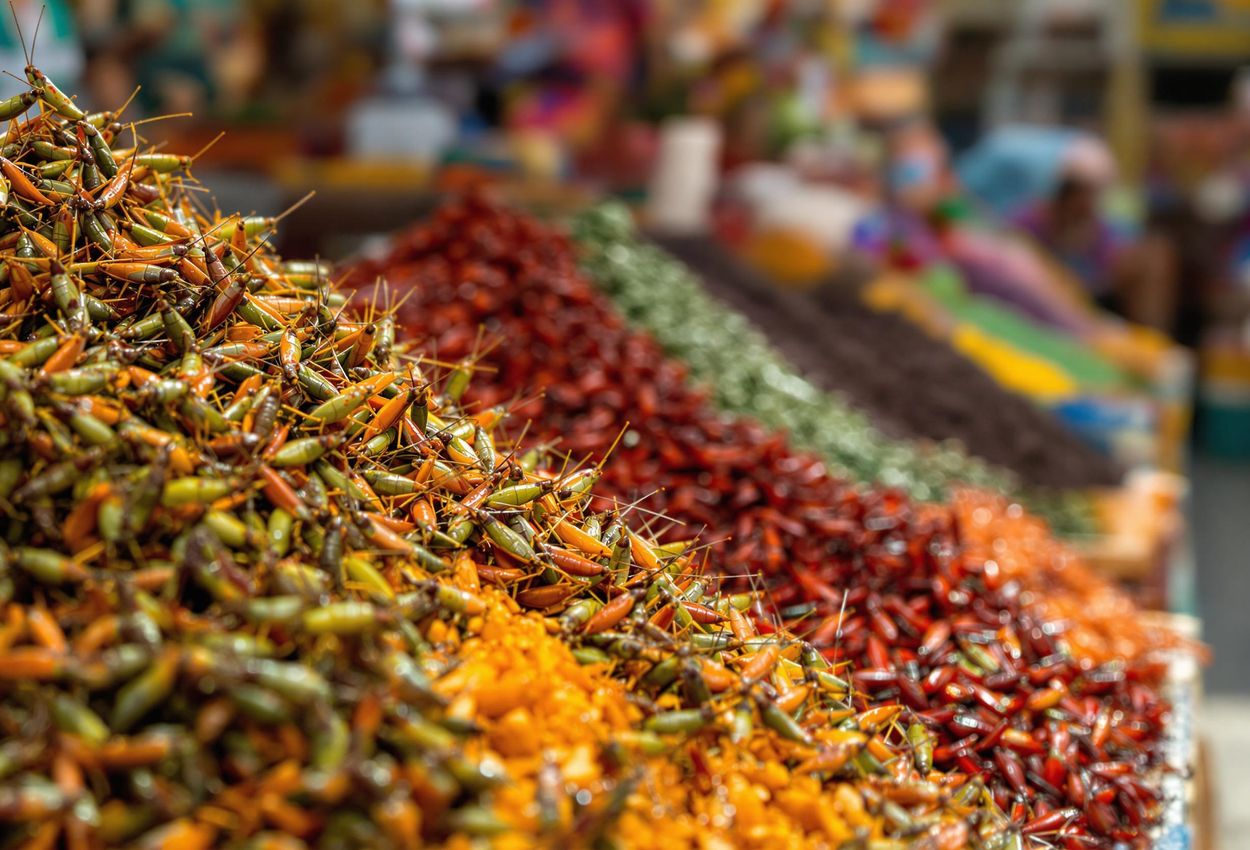
Dare to try chapulines (grasshoppers), a popular snack in Oaxaca. These crunchy critters are seasoned with chili powder and lime juice and are surprisingly delicious. Sample traditional tamales, steamed corn dough pockets filled with meat, vegetables, or cheese. Indulge in memelas, thick corn tortillas topped with beans, cheese, and salsa. Quench your thirst with tejate, a refreshing pre-Hispanic beverage made from corn, cacao, and flor de cacao. And don't forget to savor Oaxacan chocolate, known for its rich, complex flavor and its use in both sweet and savory dishes.
Explore the local markets for a taste of Oaxaca's diverse fruits and vegetables. From exotic varieties of mangoes and papayas to unique chiles and herbs, the markets are a treasure trove of culinary delights. Many restaurants throughout Oaxaca feature these lesser-known dishes, offering a true taste of the region's culinary diversity.
Hidden Gem: Corn is the foundation of Oaxacan cuisine, and the region is home to a vast array of corn varieties, each with its own unique flavor and texture. Seek out dishes made with maíz criollo, heirloom corn varieties that are prized for their superior quality and flavor. Indigenous communities are working to preserve these traditional farming practices and culinary traditions, ensuring that these ancient flavors will continue to thrive.
Chocolate's Ancient Roots: A Bitter-Sweet Legacy
The story of chocolate in Oaxaca is a long and fascinating one, dating back to pre-Hispanic times. The ancient Oaxacans revered cacao beans, using them as currency and as a key ingredient in ceremonial beverages.
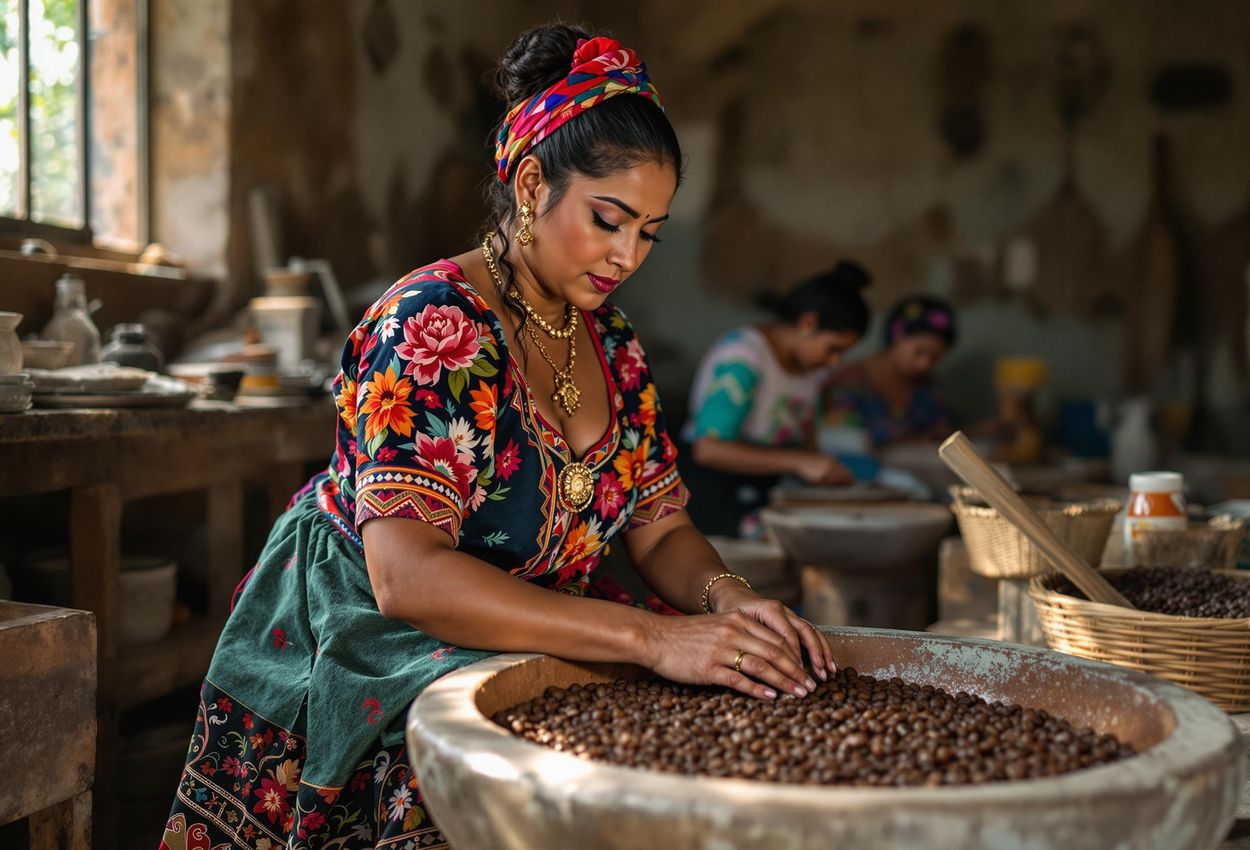
Today, Oaxaca remains a center of chocolate production, with many families still using traditional methods to prepare their chocolate. The process begins with hand-grinding cacao beans on a metate (a stone grinding table) and blending them with spices like cinnamon and almonds. The resulting paste is then formed into tablets or used to make hot chocolate.
For an authentic Oaxacan chocolate experience, visit Mayordomo or La Soledad, two of Oaxaca's most famous chocolate shops. Here, you can sample a variety of chocolates and learn about the traditional methods of chocolate preparation.
Hidden Gem: Chocolate plays a significant role in Oaxacan rituals and celeations, often served as a ceremonial beverage during weddings and other important events. It's a symbol of hospitality and a way to honor the ancestors.
Indigenous Ingredients: The Heart of Oaxacan Flavors
What truly sets Oaxacan cuisine apart is its use of unique indigenous ingredients, many of which are found nowhere else in the world. These ingredients, passed down through generations, are the heart and soul of Oaxacan cooking.
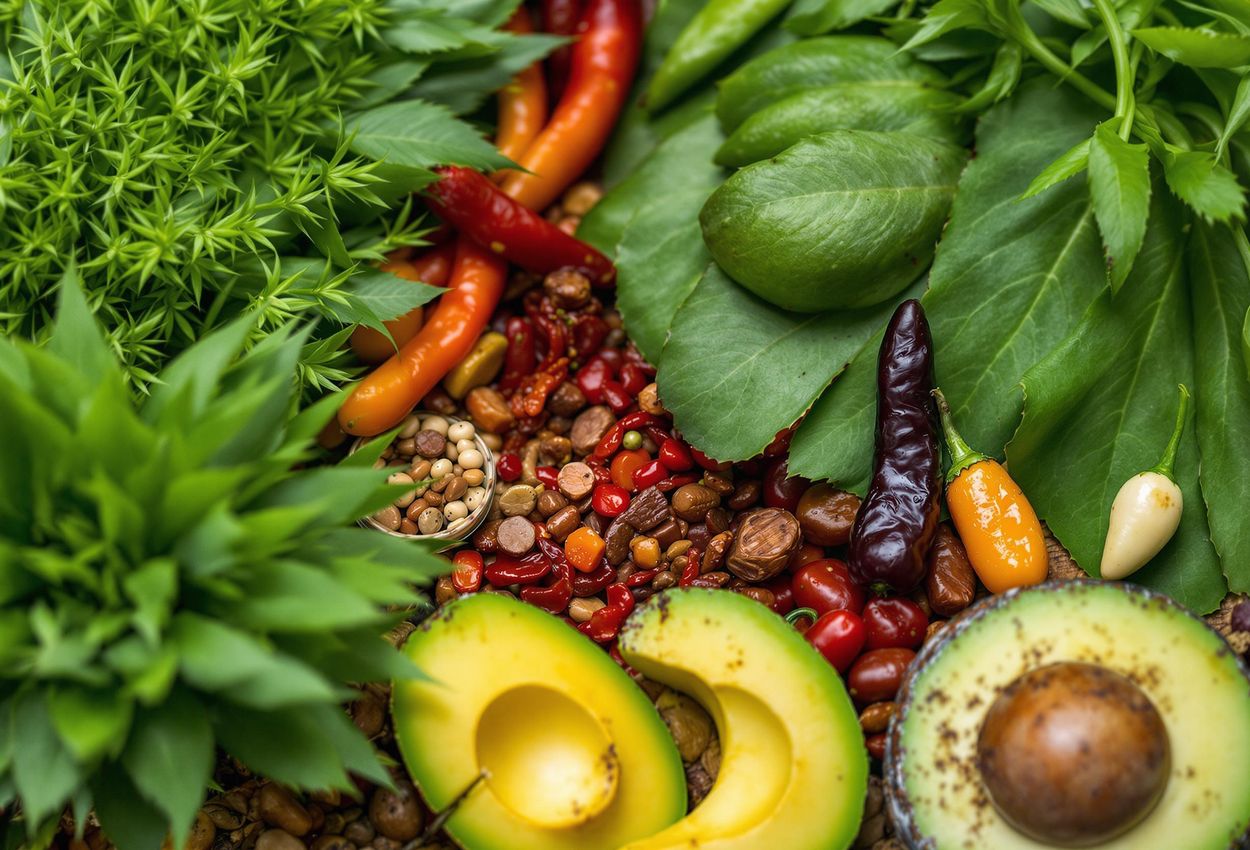
Epazote, a pungent herb with a slightly medicinal flavor, is used to season beans and other dishes. Hoja santa, a large, heart-shaped leaf with a unique anise-like flavor, is used to wrap tamales and other savory dishes. Avocado leaves add a subtle anise flavor to moles and other sauces. And of course, there are the chiles, a dizzying array of varieties ranging from mild to fiery hot, each with its own distinct flavor profile.
These ingredients can be found at local markets and are used in countless Oaxacan dishes. Many local chefs and artisans are working to preserve and promote the use of indigenous ingredients, supporting sustainable agriculture and biodiversity. By using these ingredients, they are not only creating delicious food but also keeping indigenous cultures alive.
Hidden Gem: Seek out restaurants that work directly with local farmers and producers to source their ingredients. By supporting these businesses, you are helping to preserve Oaxaca's culinary heritage and its unique biodiversity.
Exploring the culinary delights of Oaxaca is an adventure for the senses, a journey through time, and a celeation of culture. From its complex moles to its smoky mezcals and its unique indigenous ingredients, Oaxacan cuisine offers a truly unparalleled gastronomic experience. So come, immerse yourself in the flavors of Oaxaca, and discover why this region is considered the culinary heart of Mexico.