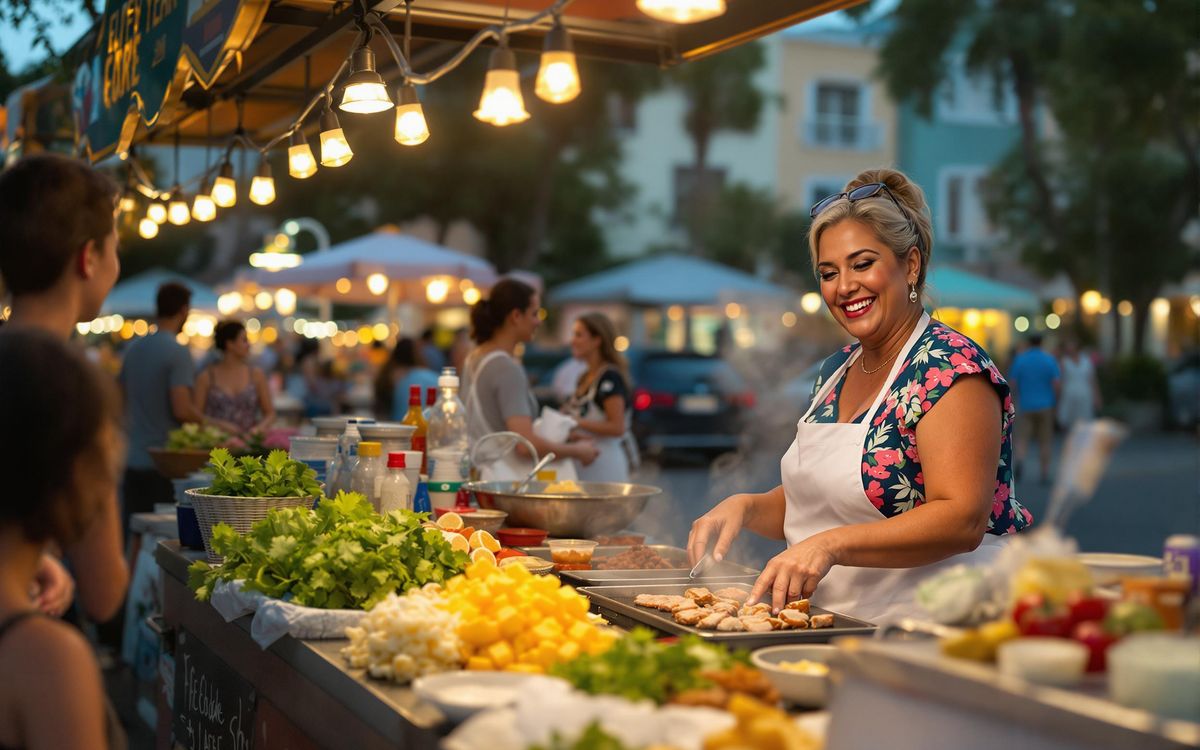
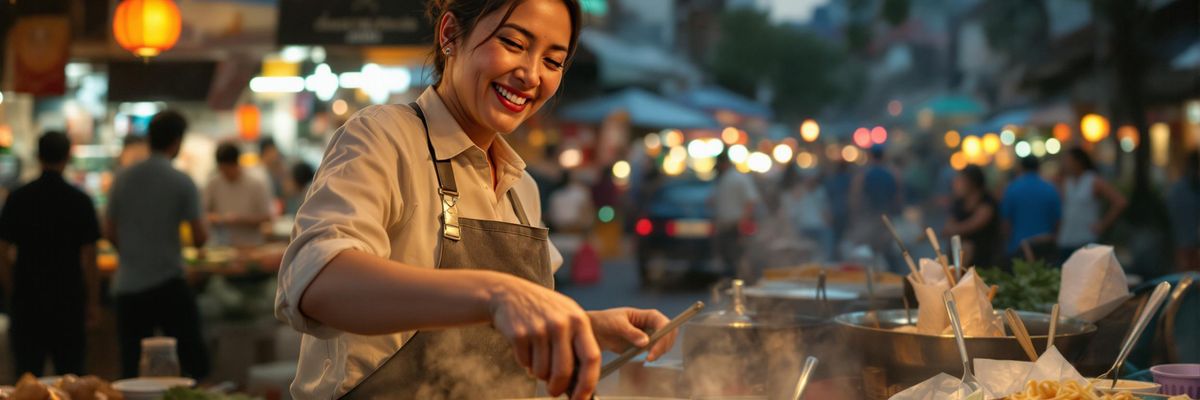
Embarking on a culinary adventure aoad shouldn't include an unexpected detour to the nearest restroom. Food poisoning can quickly derail even the most meticulously planned trip. But fear not, globetrotters! With a dash of knowledge and a sprinkle of caution, you can savor the flavors of the world without the unpleasant side effects.
Choose Restaurants Like a Pro
Selecting a safe restaurant is the first line of defense against foodborne illnesses. Before you even set foot inside, do a little reconnaissance. Start with online research. Websites like TripAdvisor and Allergy Safe Travel offer reviews and ratings that can provide valuable insights into a restaurant's hygiene standards. Look for consistently high ratings and positive reviews that specifically mention cleanliness. Don't just skim the surface; delve into the comments to see if patrons have mentioned anything about the restaurant's food handling practices or the overall cleanliness of the establishment.
Certifications matter. Keep an eye out for restaurants that display certifications like ServSafe, HACCP (Hazard Analysis and Critical Control Points), or NRFSP (National Registry of Food Safety Professionals). These certifications indicate that the restaurant adheres to specific food safety standards and that its staff has been trained in proper food handling techniques. These aren't just plaques on the wall; they represent a commitment to maintaining a safe and healthy dining environment.
Once you're inside, put your observational skills to the test. Take a good look around. Are the tables clean and well-maintained? Are the utensils spotless? And perhaps most importantly, what's the state of the restrooms? A clean restroom is often a good indicator of the overall hygiene standards of the restaurant. If the restrooms are dirty and poorly maintained, it's a red flag that the kitchen might not be much better.
Don't underestimate the power of local knowledge. Ask locals for recommendations. They often have insider knowledge about the best and safest places to eat. Chat with your hotel concierge, taxi driver, or even a friendly shopkeeper. They can point you to hidden gems that might not be on the typical tourist radar but are known for their delicious and safe food. And when in doubt, trust your gut. If something feels off about a restaurant, it's always best to err on the side of caution and find somewhere else to eat.
For example, in Safety Harbor, FL, Kitchen & Bar at Safety Harbor is a popular choice known for its high ratings and positive reviews mentioning cleanliness. Patrons frequently praise the restaurant's attention to detail, from the spotless tables to the well-maintained restrooms. The restaurant also boasts a transparent kitchen, allowing diners to observe the chefs in action and see firsthand their commitment to hygiene. It's a prime example of a restaurant that prioritizes both delicious food and a safe dining experience.

Master the Art of Hand Hygiene on the Go
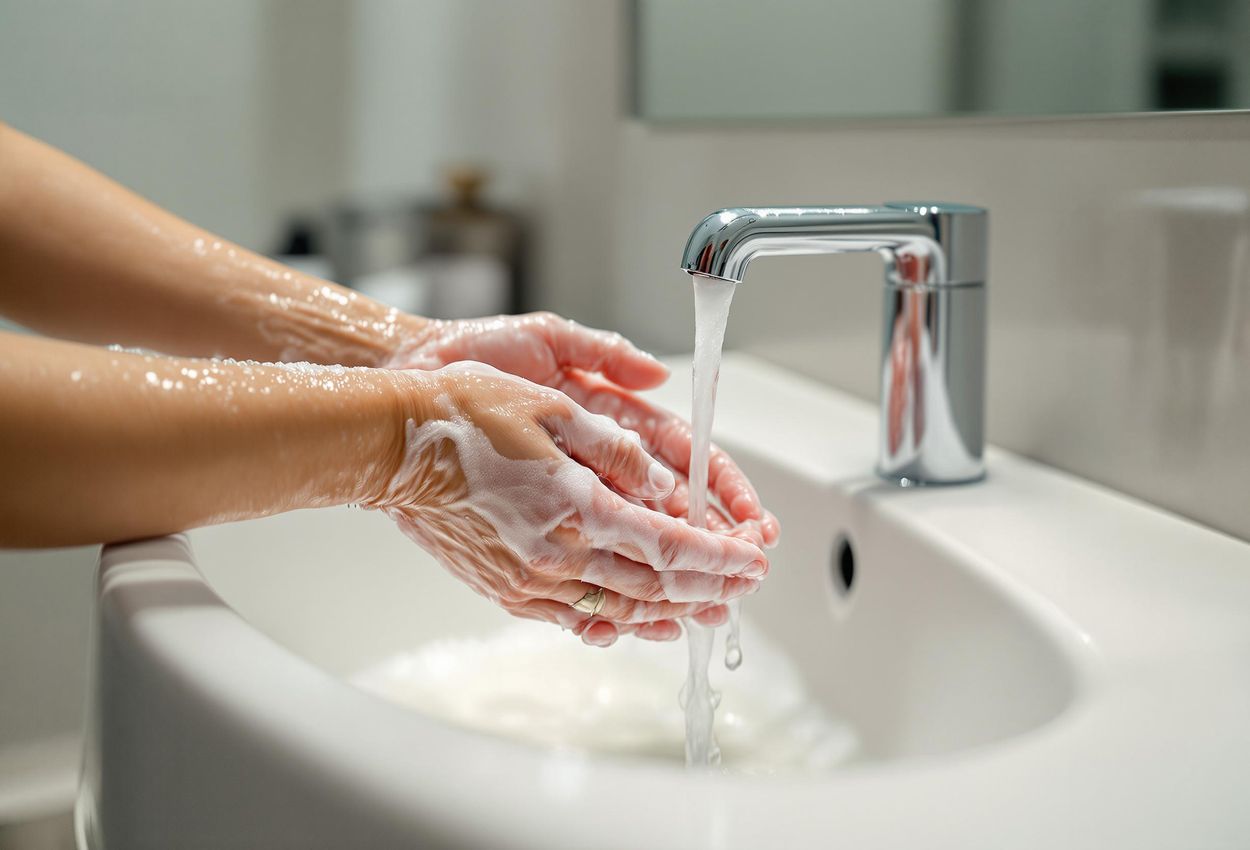
Your hands are your primary point of contact with the world, and unfortunately, they can also be a major source of germs. Proper hand hygiene is crucial for preventing the spread of foodborne illnesses, especially when you're traveling. Washing your hands with soap and water is the gold standard. Wet your hands with clean, running water, apply soap, and lather for at least 20 seconds. Make sure to scrub all surfaces, including the backs of your hands, between your fingers, and under your nails. Rinse thoroughly and dry your hands with a clean towel or air dryer.
When soap and water aren't readily available, hand sanitizer is your next best friend. Choose a hand sanitizer that contains at least 60% alcohol. Apply a generous amount to your hands and rub it in until it's completely dry, making sure to cover all surfaces. Hand sanitizer is a convenient and effective way to kill germs on the go, but it's not a substitute for soap and water when your hands are visibly dirty or greasy. In those cases, you'll need to find a proper sink and give your hands a thorough washing.
Make handwashing a habit, especially before eating, after using the toilet, and after touching public surfaces like doorknobs, handrails, and menus. Carry a small bottle of hand sanitizer with you at all times, and consider packing antibacterial wipes for situations where you need to clean a surface before eating. Remember, consistent hand hygiene is one of the most effective ways to protect yourself from food poisoning and other illnesses while traveling.
Dettol Arabia offers a wealth of information and resources on proper hand hygiene techniques, including videos and infographics that demonstrate the correct way to wash your hands and use hand sanitizer. Their website is a valuable resource for travelers who want to learn more about staying healthy on the road.
Decoding the Menu: What to Order and What to Avoid
Navigating a foreign menu can be an exciting culinary adventure, but it's also important to make informed choices to avoid food poisoning. As a general rule, opt for freshly cooked, hot foods. Heat is your friend when it comes to killing bacteria and viruses. Make sure your food is steaming hot and cooked all the way through. Avoid raw or undercooked meats, seafood, and eggs, as these are more likely to harbor harmful pathogens.
Peelable fruits are another safe bet. Fruits like bananas, oranges, and avocados have a natural protective layer that keeps them safe from contamination. Just make sure to wash your hands before peeling them, and avoid touching the edible part of the fruit with your unwashed hands. Unpasteurized dairy products can also be risky, as they may contain harmful bacteria like Listeria and E. coli. Stick to pasteurized milk, cheese, and yogurt to minimize your risk.
Be wary of buffets, as foods left at room temperature for extended periods can become eeding grounds for bacteria. If you do choose to eat at a buffet, make sure the food is being kept at safe temperatures (hot foods should be hot, and cold foods should be cold), and avoid anything that looks like it's been sitting out for a while. Remember the golden rule: cook it, peel it, or leave it. This simple rule can help you make safe food choices and avoid food poisoning while traveling.
For example, instead of ordering a rare steak, opt for a well-done chicken dish. Instead of trying the local ceviche, choose a grilled fish that's been cooked all the way through. And instead of indulging in a creamy, unpasteurized cheese, stick to a hard, pasteurized cheese. These simple swaps can make a big difference in your risk of getting sick.
Travel.gc.ca, the official website of the Canadian government, offers comprehensive guidelines on safe eating and drinking aoad, including information on specific food safety risks in different regions of the world. Their website is a valuable resource for travelers who want to be well-informed about food safety before they travel.

Navigating Street Food Stalls Safely
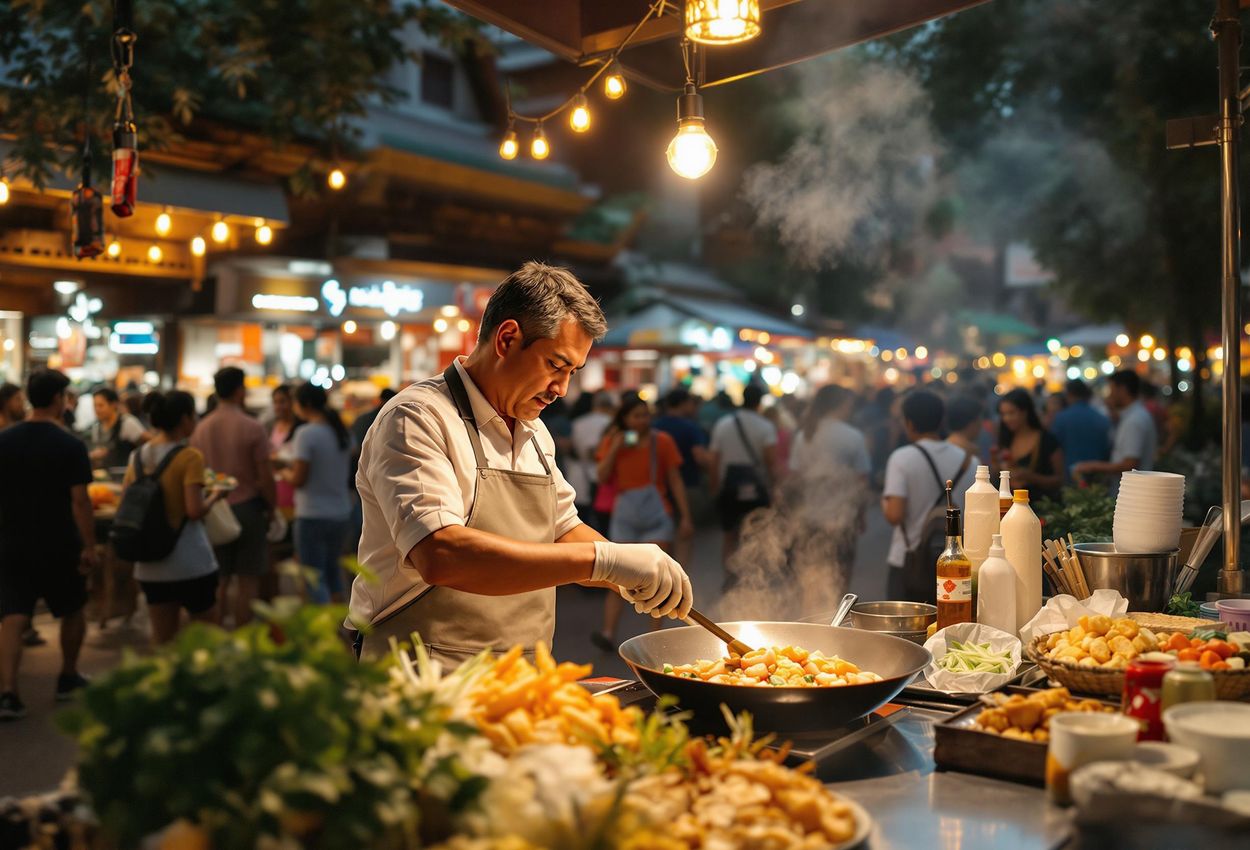
Street food is an integral part of the culinary landscape in many countries, offering a tantalizing array of flavors and aromas. However, it also comes with a higher risk of food poisoning. Before you indulge in a street food feast, take some time to observe the vendor's hygiene practices. Are they wearing gloves? Are they using clean utensils? Are they washing their hands regularly? If the answer to any of these questions is no, it's best to move on.
Pay attention to how the food is being handled and cooked. Is the food being cooked fresh to order? Is it being kept at a safe temperature? Avoid stalls that leave food out in the open, as this exposes it to flies and other contaminants. Also, be wary of stalls where the vendor handles money and food without washing their hands in between. High turnover is a good sign. If a stall is busy, it means the food is likely to be fresh and that the vendor is experienced in preparing it quickly and safely.
If you're unsure about the safety of a particular street food stall, it's always best to err on the side of caution and seek out an established restaurant instead. While street food offers a unique culinary adventure, it's important to remember that your health is paramount. By being observant and making informed choices, you can enjoy the flavors of the street without risking your well-being.
Water Wisdom: Staying Hydrated Without Getting Sick
Staying hydrated is essential for maintaining your health while traveling, but it's equally important to ensure that the water you're drinking is safe. In many parts of the world, tap water is not safe to drink and can be a major source of foodborne illnesses. The safest option is to drink bottled water from reliable sources. Check the seal on the bottle to make sure it hasn't been tampered with, and avoid buying bottled water from street vendors, as it may be counterfeit.
If bottled water isn't available, you can boil tap water to kill any harmful bacteria or viruses. ing the water to a rolling boil for at least one minute (or longer at high altitudes). Let it cool before drinking. You can also use water purification tablets or a portable water filter to make tap water safe to drink. These devices are especially useful for travelers who are going off the beaten path and may not have access to bottled water. Avoid ice cubes unless you're certain they're made from safe water. Ice can be a hidden source of contamination, as it's often made from tap water.
Use bottled water for ushing your teeth, and be careful not to swallow any water while showering. Even a small amount of contaminated water can make you sick. By taking these precautions, you can stay hydrated and healthy while traveling, without risking your well-being.
Fit for Travel, a website maintained by the UK National Health Service (NHS), offers comprehensive advice on water hygiene for travelers, including information on different water purification methods and the risks associated with drinking tap water in various countries. Their website is a valuable resource for travelers who want to learn more about staying safe and healthy while traveling.

Handle Food Like a Pro: Preventing Cross-Contamination
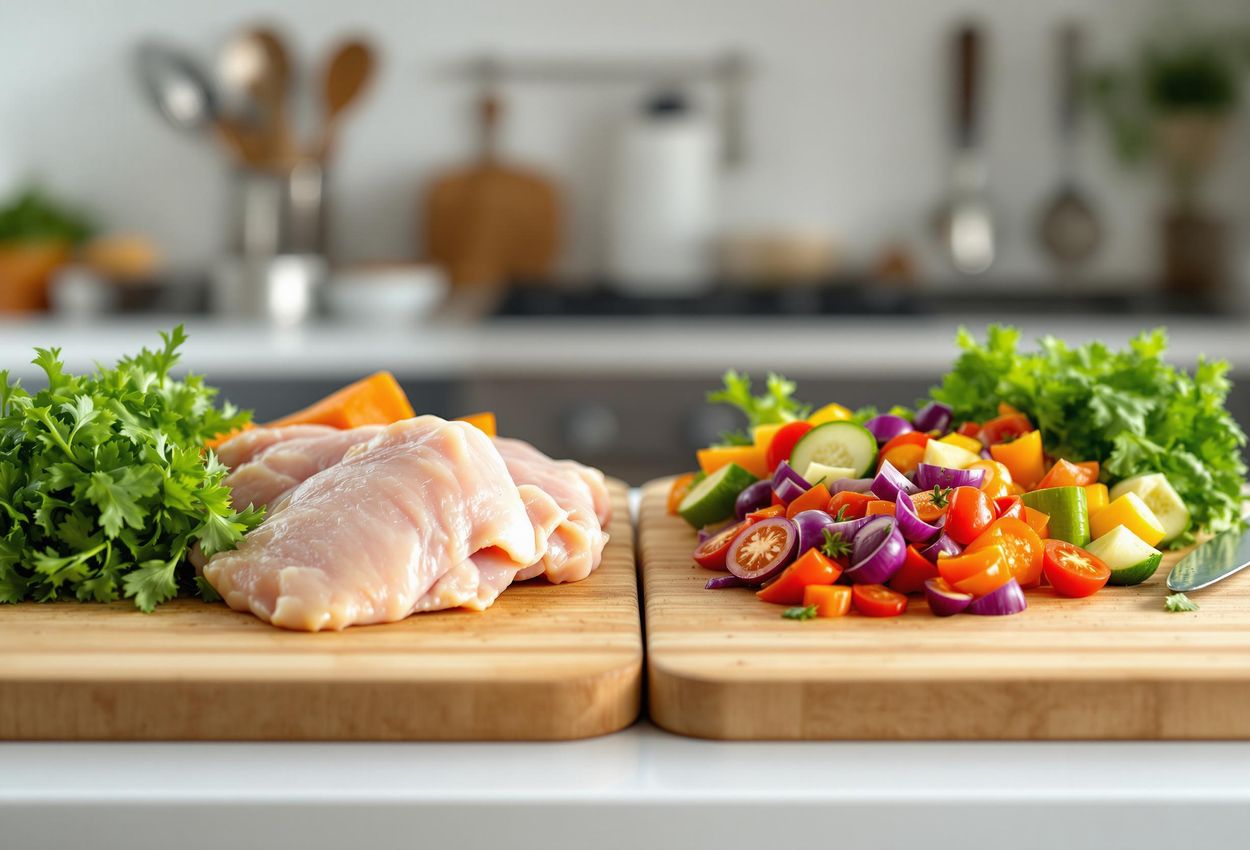
Cross-contamination is a major cause of food poisoning, especially when you're preparing your own food while traveling. To prevent cross-contamination, use separate cutting boards for raw and cooked foods. Raw meat, poultry, and seafood can contain harmful bacteria that can easily spread to other foods. Wash utensils and surfaces thoroughly with soap and hot water after each use. This includes cutting boards, knives, and countertops.
Store food at safe temperatures. Cold foods should be kept below 5°C (41°F), and hot foods should be kept above 60°C (140°F). Avoid leaving cooked food at room temperature for extended periods, as this allows bacteria to multiply rapidly. If you're not going to eat the food right away, store it in the refrigerator or freezer as soon as possible. When reheating leftovers, make sure they're heated all the way through to kill any bacteria that may have grown.
Boost Your Immunity Before You Go
A strong immune system is your best defense against food poisoning and other illnesses. Before you travel, make sure you're up to date on all your vaccinations, especially those that can protect you from food-related illnesses. Hepatitis A and Typhoid are two common foodborne illnesses that can be prevented with vaccinations. Consult your doctor or a travel clinic 6-8 weeks before your departure to discuss which vaccinations are recommended for your destination. They can also advise you on other preventive measures, such as taking prophylactic medications for malaria or traveler's diarrhea.
Vaccinations can significantly reduce your risk of contracting serious food-related illnesses. They work by stimulating your immune system to produce antibodies that can fight off the infection. While vaccinations aren't foolproof, they can provide a significant level of protection. In addition to vaccinations, consider taking other steps to boost your immunity, such as eating a healthy diet, getting enough sleep, and managing stress. A strong immune system will help you fight off any germs you encounter while traveling.
Smartraveller, the official travel advisory website of the Australian government, offers comprehensive travel health advice, including information on recommended vaccinations and other preventive measures for various destinations. Their website is a valuable resource for travelers who want to be well-prepared for their trip.

Packing Your Food Safety Kit: Essentials for Every Trip
Being prepared for the unexpected is a hallmark of a savvy traveler. A well-stocked food safety kit can be a lifesaver when you're on the road, providing you with the tools you need to protect yourself from food poisoning and other illnesses. At a minimum, your kit should include hand sanitizer (at least 60% alcohol), antibacterial wipes, bottled water, and oral rehydration salts. Hand sanitizer and wipes will help you keep your hands and surfaces clean, while bottled water will ensure you have access to safe drinking water. Oral rehydration salts can help you replenish fluids and electrolytes if you do get sick.
Consider packing anti-diarrheal medication, such as Loperamide (Imodium), after consulting with a healthcare provider. This medication can help relieve the symptoms of traveler's diarrhea, but it's important to use it only as directed and to avoid it if you have a fever or bloody stools. A thermometer can also be a useful addition to your kit, allowing you to check the temperature of food to ensure it's being stored at a safe temperature.
IAMAT (International Association for Medical Assistance to Travelers) provides comprehensive advice on packing a travel medicine kit, including a list of essential medications and supplies to consider for different destinations. Their website is a valuable resource for travelers who want to be well-prepared for any health challenges they may encounter on their trip.

Recognizing and Reacting: What to Do If You Get Sick
Despite your best efforts, you may still get sick while traveling. Knowing how to recognize the symptoms of common foodborne illnesses and how to react can help you minimize the impact on your trip. Traveler's Diarrhea, E. coli, Salmonella, and Norovirus are some of the most common culprits. Symptoms can range from mild nausea and abdominal cramps to severe vomiting, diarrhea, and fever.
If you experience severe symptoms, such as frequent vomiting, bloody diarrhea, high fever, extreme abdominal pain, or dehydration, seek medical attention immediately. A doctor can diagnose the cause of your illness and recommend the appropriate treatment. In most cases, the best treatment for food poisoning is rest and hydration. Drink plenty of fluids, such as water, clear oth, or oral rehydration solutions, to replace fluids and electrolytes lost through vomiting and diarrhea.
Anti-diarrheal medication, such as Loperamide (Imodium), can help relieve the symptoms of diarrhea, but it's important to use it only as directed and to avoid it if you have a fever or bloody stools. In some cases, anti-diarrheal medication can actually worsen the infection. If you're unsure whether or not to take anti-diarrheal medication, consult a doctor or pharmacist.
MSD Manual provides detailed information on Traveler's Diarrhea, including its causes, symptoms, treatment, and prevention. Their website is a valuable resource for travelers who want to learn more about this common travel ailment.

The Golden Rules: A Quick Checklist for Safe Travels
To recap, here's a quick checklist of the golden rules for avoiding food poisoning while traveling:
- Choose safe restaurants by researching online, looking for certifications, observing cleanliness, and asking locals for recommendations.
- Practice hand hygiene by washing your hands frequently with soap and water or using hand sanitizer.
- Order wisely by opting for freshly cooked, hot foods and peelable fruits, and avoiding raw or undercooked meats, seafood, and eggs.
- Be cautious with street food by observing the vendor's hygiene practices and food handling methods.
- Drink safe water by choosing bottled water, boiling tap water, or using a water purifier.
- Prevent cross-contamination by using separate cutting boards for raw and cooked foods and washing utensils and surfaces thoroughly.
- Boost your immunity by getting vaccinated and maintaining a healthy lifestyle.
- Pack a food safety kit with essential items like hand sanitizer, antibacterial wipes, and oral rehydration salts.
- Know when to seek medical help by recognizing the symptoms of common foodborne illnesses and seeking medical attention for severe symptoms.
Enjoying culinary experiences is an integral part of travel, but staying healthy is paramount. By following these simple guidelines, you can savor the flavors of the world without risking your well-being. Bon appétit and safe travels!