Can a perfectly seared scallop, arranged with the precision of a Renaissance painting, truly be considered art? Or is it merely a fleeting pleasure, destined for digestion and quickly forgotten? The question of whether food can ascend to the realm of art is a complex one, fraught with philosophical debate and, perhaps, a touch of culinary snobbery.
A Feast for the Senses or Just Fuel?
The initial argument against considering food as art often centers on its primary function: sustenance. Food, at its most basic, is fuel. It nourishes our bodies, providing the energy we need to survive. To elevate it to the level of art, some argue, is to ignore this fundamental purpose and to prioritize aesthetics over necessity. In a world where millions struggle with hunger and malnutrition, the elaborate culinary creations of Michelin-starred restaurants can seem not only wasteful but also deeply insensitive. The intricate towers of foie gras, the delicate foams and emulsions, the meticulously arranged microgreens – are these truly artistic expressions, or simply ostentatious displays of wealth and privilege?
Furthermore, the ephemeral nature of food distinguishes it from more traditional art forms. A painting can hang in a museum for centuries, a sculpture can grace a public square for generations, but a meal vanishes in minutes, leaving behind only memories and perhaps a lingering aftertaste. This transience, some argue, diminishes its artistic value. How can something so fleeting and impermanent be considered a lasting work of art?
Yet, even the most pragmatic among us can appreciate beauty and creativity in unexpected places. We marvel at the intricate patterns of snowflakes, the viant colors of a sunset, the delicate architecture of a spider's web. These natural wonders serve no practical purpose beyond their own existence, yet they evoke a sense of awe and wonder. Similarly, culinary creations can transcend their functional role and become objects of beauty and delight. The artistry lies not only in the ingredients themselves but also in the skill and imagination of the chef, who transforms simple components into a symphony of flavors and textures. The counterargument, therefore, hinges on the idea that food, like any other medium, can be used to express creativity, evoke emotion, and challenge our perceptions. It is this potential for artistic expression that elevates it beyond mere sustenance and into the realm of art.
The question is not whether all food is art, but whether some food can be art. Just as not every ushstroke creates a masterpiece, not every meal is a culinary triumph. But when a chef approaches their craft with the same dedication, passion, and vision as a painter or a sculptor, the results can be truly transformative. It is in these moments of culinary illiance that food transcends its functional purpose and becomes a work of art, a feast not just for the body but also for the soul.

Plating as Painting
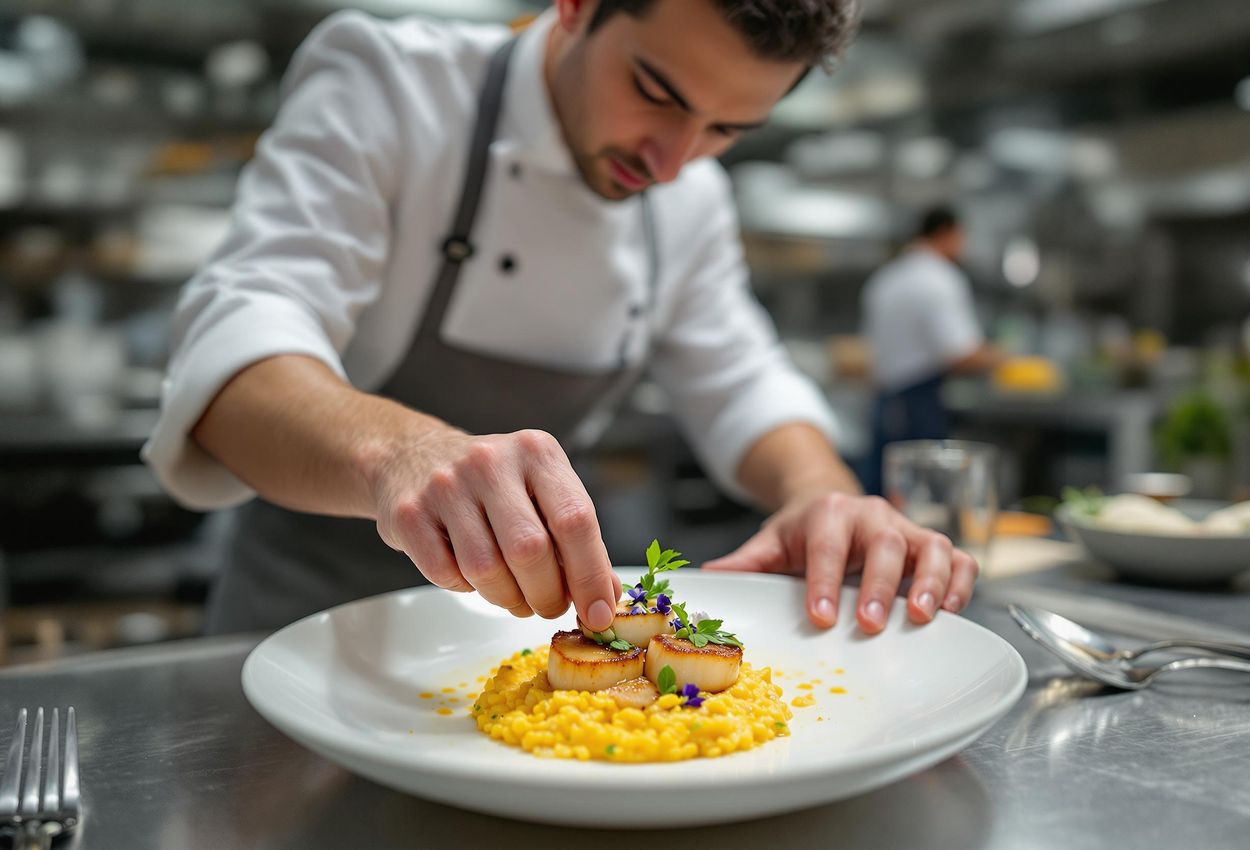
The presentation of food, often referred to as plating, is arguably the most visually striking aspect of culinary art. It is the chef's opportunity to transform a simple dish into a miniature masterpiece, using color, texture, and composition to create an aesthetic experience that tantalizes the eyes as much as the taste buds. Think of the iconic dishes of **El Bulli**, where **Ferran Adrià** transformed ordinary ingredients into surreal and fantastical creations, or the meticulously crafted plates of **The French Laundry**, where **Thomas Keller** elevates classic French cuisine to new heights of elegance and refinement. These chefs understand that the visual appeal of a dish is an integral part of the overall dining experience, and they approach plating with the same care and attention to detail as a painter approaches a canvas.
The influence of art movements on plating styles is undeniable. Minimalism, with its emphasis on simplicity and restraint, can be seen in the clean lines and uncluttered arrangements of many contemporary dishes. Abstract expressionism, with its bold colors and dynamic compositions, inspires chefs to create plates that are both visually arresting and emotionally evocative. Even classic art forms, such as still life painting, can inform plating techniques, with chefs carefully arranging ingredients to create a sense of depth, perspective, and visual harmony.
Michelin molds and sets have become increasingly popular tools for chefs seeking to elevate their plating. These precision instruments allow for the creation of perfectly shaped elements, from quenelles of mousse to cylinders of vegetable purée, adding a touch of elegance and sophistication to any dish. However, the use of molds should not be seen as a substitute for creativity and skill. The true artistry of plating lies in the chef's ability to combine these elements in a way that is both visually appealing and complementary to the flavors of the dish.
You don't need to be a professional chef to experiment with plating at home. Start by thinking of your plate as a canvas and consider the colors, textures, and shapes of the ingredients you are using. Use sauces as paint, drizzling them across the plate in artistic patterns. Arrange vegetables in a way that is both visually appealing and functional, creating height and dimension. And don't be afraid to experiment with unconventional plating techniques, such as using edible flowers or herbs to add a touch of whimsy and elegance. With a little practice and imagination, you can transform even the simplest meal into a work of art.
Local Tip: When plating, consider the rule of odds. Arranging elements in odd numbers (three scallops instead of four, five asparagus spears instead of six) often creates a more visually appealing and dynamic composition.
Flavor as Form
While the visual presentation of food is undeniably important, the true artistry of cooking lies in the creation of flavor. A dish may be visually stunning, but if it doesn't taste good, it ultimately fails as a work of art. Flavor, in this context, is not simply a matter of satisfying our basic hunger; it is a complex and nuanced experience that can evoke memories, emotions, and even a sense of transcendence. The chef, in this sense, is not just a cook but a composer, carefully balancing different tastes and aromas to create a harmonious and complex culinary experience.
Consider, for example, the dishes of **Massimo Bottura** at **Osteria Francescana**, where traditional Italian ingredients are transformed into avant-garde creations that challenge our perceptions of flavor and texture. Bottura's Five Ages of Parmigiano Reggiano is a prime example of this culinary artistry, showcasing the versatility and complexity of a single ingredient through a series of innovative preparations. Or think of the dishes of **Heston Blumenthal** at **The Fat Duck**, where scientific techniques are used to deconstruct and reconstruct familiar flavors, creating unexpected and often mind-blowing culinary experiences.
The science behind flavor perception is incredibly complex, involving not only our taste buds but also our sense of smell, texture, and even sound. Chefs can manipulate these sensory inputs to create specific emotional responses, using umami-rich ingredients to evoke feelings of comfort and satisfaction, or acidic flavors to create a sense of excitement and anticipation. The use of contrasting flavors, such as sweet and savory or spicy and cooling, can also add depth and complexity to a dish, creating a more engaging and memorable culinary experience.
The true mastery of flavor lies in the ability to create unexpected combinations that elevate a dish to an art form. Think of the pairing of chocolate and chili, which combines the sweetness of chocolate with the heat of chili to create a flavor that is both surprising and addictive. Or the use of black garlic in savory dishes, which adds a deep, umami-rich flavor that is both earthy and sweet. These unexpected combinations challenge our preconceived notions of flavor and demonstrate the boundless creativity of the culinary arts.
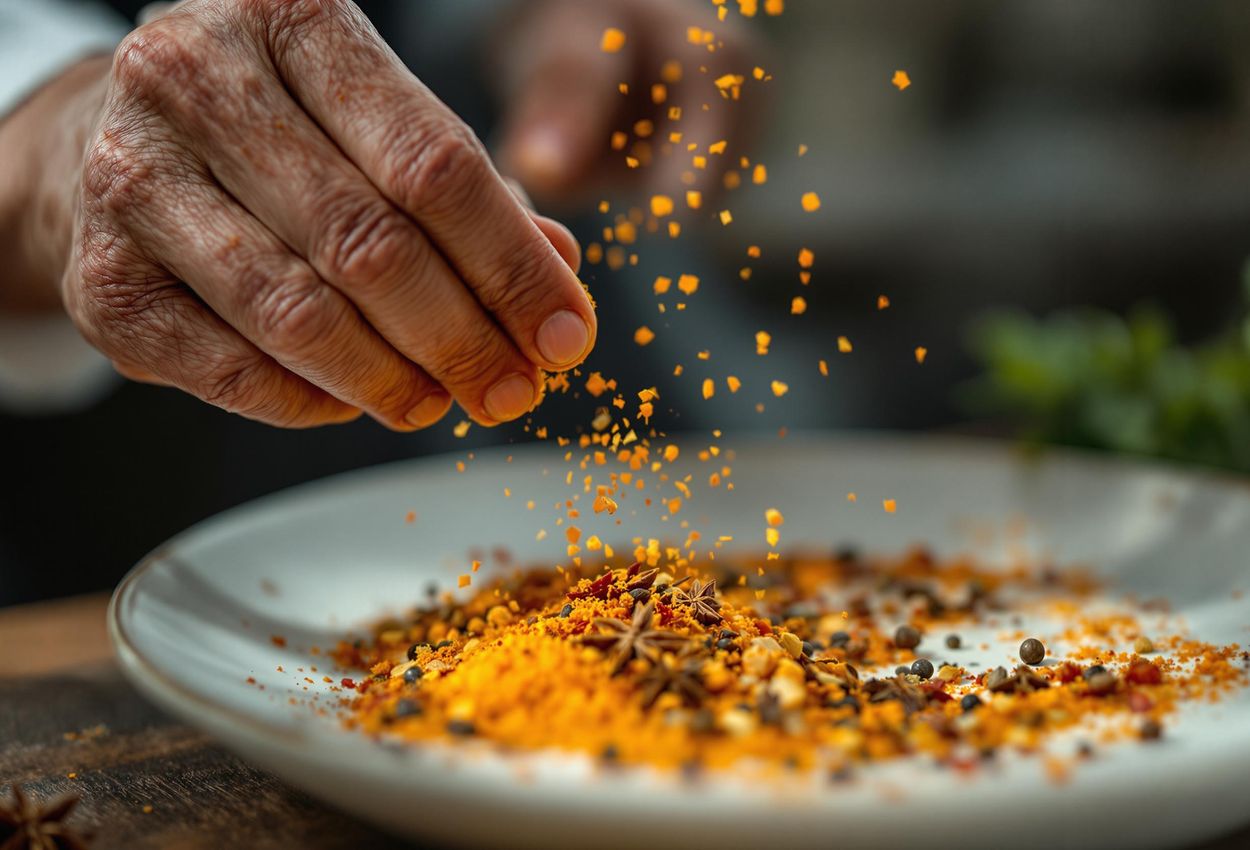
Ambiance: The Gallery for Gastronomy
The ambiance of a restaurant plays a crucial role in enhancing the overall dining experience, transforming a simple meal into a multi-sensory work of art. Lighting, music, décor, and service all contribute to the overall artistic impression, creating an environment that is both visually appealing and emotionally evocative. A well-designed restaurant can transport diners to another time and place, immersing them in a world of culinary delight.
Consider, for example, the restaurants of **David Rockwell**, who is renowned for his theatrical and immersive designs. Rockwell's restaurants are not just places to eat; they are stages, where the food, the décor, and the service all come together to create a memorable and transformative experience. Or think of the restaurants of **Philippe Starck**, who is known for his minimalist and futuristic designs. Starck's restaurants are sleek and stylish, creating a sense of sophistication and elegance that elevates the dining experience.
The psychology of restaurant interior design is a complex field, but there are some basic principles that can be applied to create a more satisfying and enjoyable dining environment. Warm colors, such as red and orange, can stimulate appetite and create a sense of intimacy, while cool colors, such as blue and green, can create a more relaxing and calming atmosphere. Lighting can also play a crucial role, with soft, diffused lighting creating a more romantic and intimate ambiance, while ight, focused lighting can create a more energetic and lively atmosphere.
It is essential that the ambiance of a restaurant aligns with the style of food being served. A casual burger joint should have a different ambiance than a fine-dining French restaurant. The décor, the music, and the service should all reflect the culinary philosophy of the chef, creating a cohesive and harmonious dining experience. When all of these elements come together seamlessly, the result is not just a meal but a work of art, a feast for all the senses.
Hidden Gem: Seek out restaurants that incorporate local art into their décor. This not only supports local artists but also adds a unique and authentic touch to the dining experience.
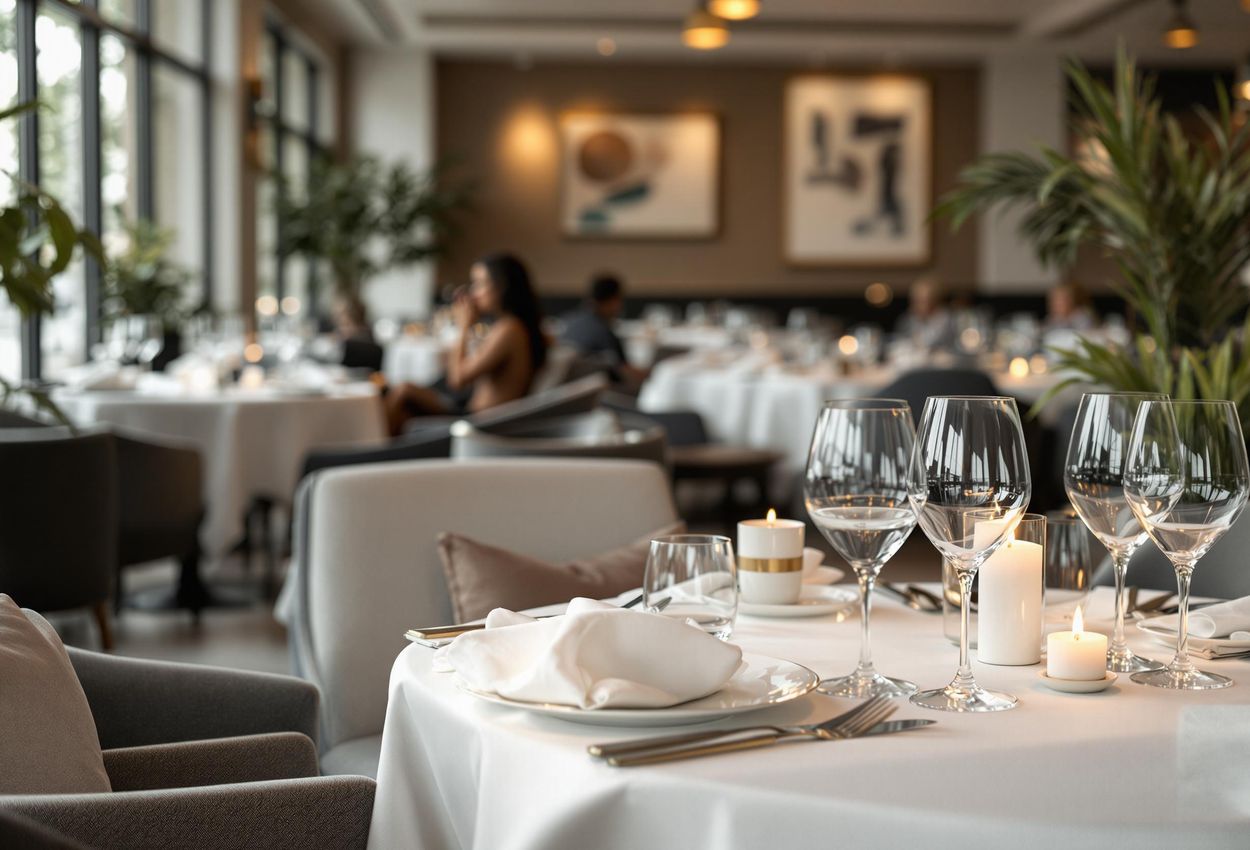
The Chef as Artist: A Culinary Revolution?
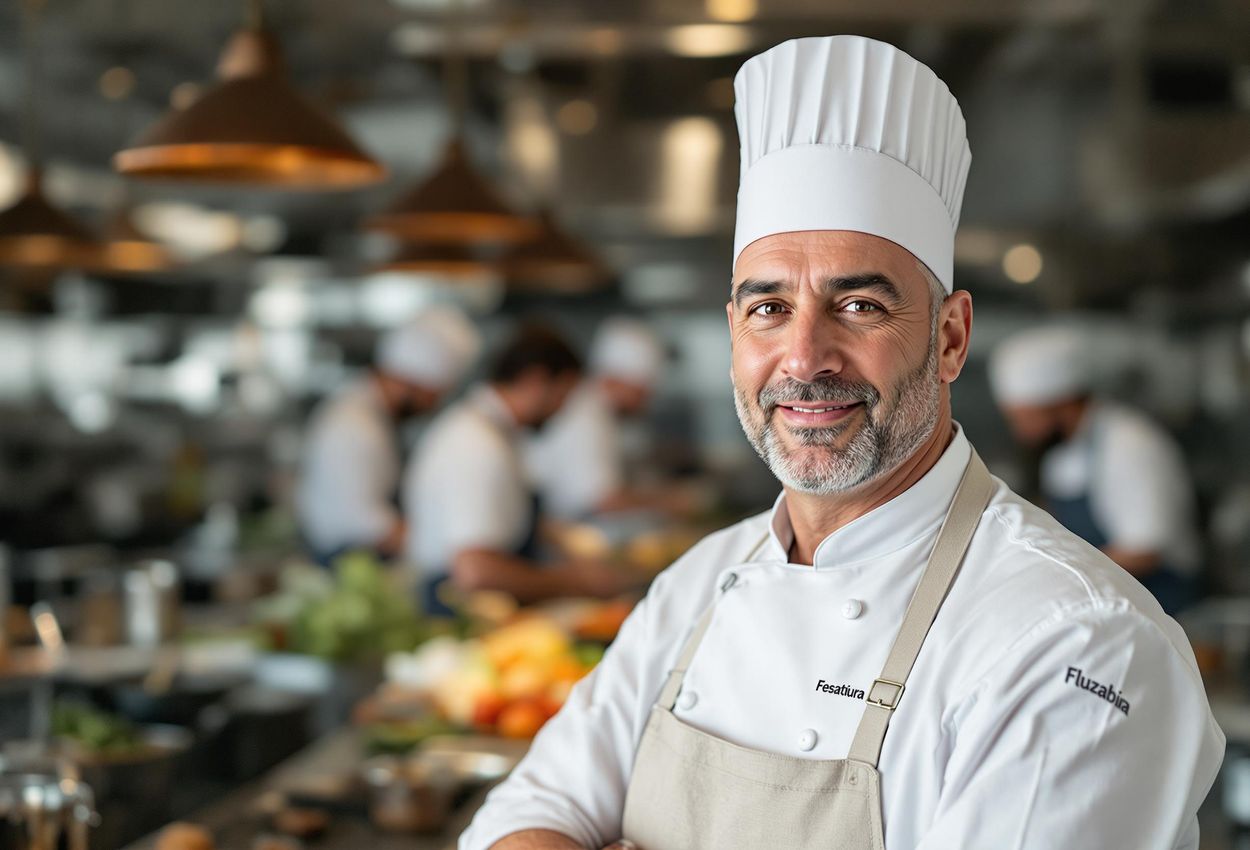
The role of the chef in contemporary society has undergone a dramatic transformation in recent years. Once relegated to the back of the house, chefs are now increasingly viewed as artists, pushing the boundaries of culinary creativity and innovation. This shift in perception has been fueled by the rise of celeity chefs, the popularity of cooking shows, and the growing appreciation for the artistry involved in creating exceptional culinary experiences.
Chefs like **Ferran Adrià**, who is known for his avant-garde and experimental cuisine, have blurred the lines between cooking and art, transforming the dining experience into a theatrical performance. Adrià's restaurant, **El Bulli**, was not just a place to eat; it was a laboratory, where he and his team explored the possibilities of flavor, texture, and presentation. His creations were often surprising, challenging, and even controversial, but they always pushed the boundaries of culinary innovation.
The concept of Eat Art, which emerged in the 1960s, further challenged the traditional definition of art, blurring the lines between the culinary and visual arts. Eat Art events often involve the creation of edible sculptures, installations, and performances, transforming food into a medium for artistic expression. These events are not just about eating; they are about engaging with food in a new and meaningful way, exploring its aesthetic, social, and cultural significance.
However, the idea of chefs as artists is not without its challenges and controversies. Some argue that cooking is simply a craft, not an art, and that elevating chefs to the status of artists is pretentious and unnecessary. Others worry that the focus on aesthetics and innovation can overshadow the importance of flavor and nutrition. Ultimately, the question of whether chefs are artists is a matter of personal opinion. But there is no denying that the culinary world has undergone a revolution in recent years, with chefs increasingly emacing their creative potential and pushing the boundaries of what is possible in the kitchen. Whether you consider them artists or not, their contributions have undoubtedly enriched our culinary landscape and transformed the way we think about food.