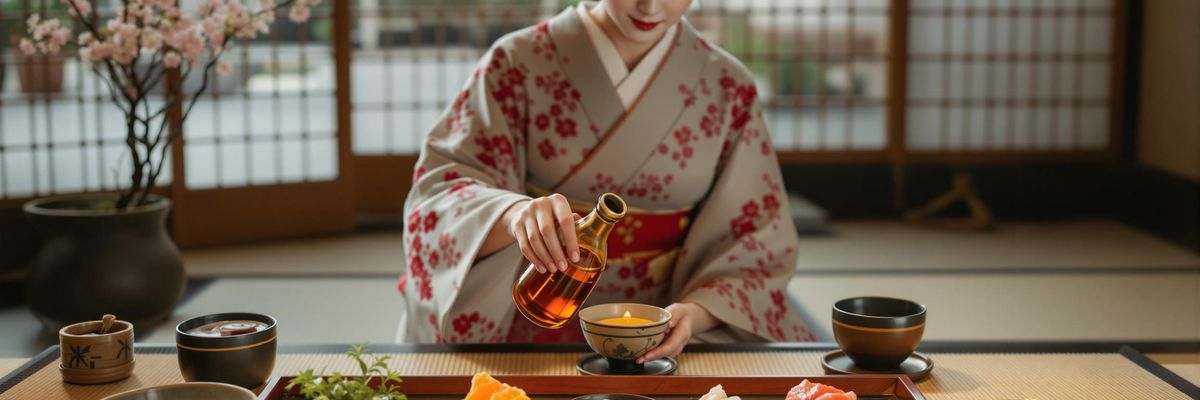
Kaiseki. The very word evokes a sense of reverence, a whisper of ancient traditions, and an explosion of sensory delight. More than just a meal, Kaiseki is a meticulously orchestrated culinary experience, a journey through the seasons, and an ode to the natural beauty of Japan. Join us as we delve into the heart of this art form, exploring its origins, philosophy, and the masterful hands that ing it to life in the enchanting city of Kyoto.
A Journey Through Time: Unveiling Kaiseki's Ancient Roots
To understand Kaiseki, one must first journey back to 16th-century Japan, a time when the art of the tea ceremony, or chanoyu, was flourishing. Originally, Kaiseki was a simple meal served to monks during these ceremonies, designed to appease their hunger and enhance their meditative state. This humble beginning laid the foundation for what would eventually evolve into a sophisticated haute cuisine, deeply intertwined with the cultural faic of Kyoto.
The influence of Zen monasteries is palpable in Kaiseki's emphasis on simplicity, balance, and harmony. The concept of 'wabi,' emacing imperfection and finding beauty in the natural world, permeates every aspect of the meal, from the rustic tableware to the unadorned presentation of the ingredients. As Kaiseki evolved, it absorbed elements from the imperial court, incorporating refined techniques and exquisite ingredients. Vegetarian temple food, known as shojin ryori, also left its mark, contributing to the emphasis on seasonal vegetables and delicate flavors. Furthermore, the influence of obanzai, Kyoto's traditional home-style cooking, can be seen in the use of local ingredients and the focus on minimizing waste.
The integration of these diverse culinary traditions, combined with Kyoto's unique cultural values, shaped Kaiseki into the art form we know today. The city's historical significance as the imperial capital for over a millennium instilled a deep appreciation for tradition, refinement, and the pursuit of perfection. This is reflected in Kaiseki's meticulous attention to detail, its emphasis on presentation, and its unwavering commitment to using the freshest, most seasonal ingredients.

The Kaiseki Philosophy: Respect for Nature and Seasonality
At the heart of Kaiseki lies a profound respect for nature and a deep understanding of seasonality. The core principle of 'shun' (u65ec) dictates that ingredients should be used at their peak freshness, when their flavors are most viant and their nutritional value is at its highest. Kaiseki chefs meticulously plan their meals around the seasonal availability of ingredients, visiting local markets and collaborating with farmers to ensure they have access to the very best produce.
This philosophy extends beyond simply using seasonal ingredients; it encompasses a holistic approach to dining that honors the natural world. Kaiseki chefs believe that minimal seasoning and precise techniques are essential to allow the natural flavors of the ingredients to shine through. They strive to create a dining experience that is both nourishing and transformative, connecting diners to the rhythms of nature and the bounty of the earth.
Imagine the viant flavors of spring in Kyoto: delicate bamboo shoots, fresh fava beans, and the subtle sweetness of cherry blossoms. Summer ings an abundance of succulent tomatoes, refreshing cucumbers, and the earthy aroma of freshly picked herbs. As autumn arrives, the mountainsides blaze with color, and the markets overflow with chestnuts, persimmons, and matsutake mushrooms. Winter in Kyoto is a time for hearty stews, warming sake, and the comforting flavors of root vegetables like daikon radish and burdock root.
Each season offers a unique palette of flavors and textures, and Kaiseki chefs expertly weave these elements together to create a dining experience that is both harmonious and unforgettable. The Kaiseki philosophy is not merely about cooking; it is about celeating the beauty and abundance of nature and sharing it with others in a meaningful way.
Deconstructing the Courses: A Symphony of Flavors and Textures
A Kaiseki meal is a carefully choreographed symphony of flavors and textures, typically consisting of 7 to 14 courses, each designed to complement the others and create a sense of balance and harmony. While the specific courses and their order may vary depending on the restaurant and the season, there are several core elements that are commonly found in a Kaiseki meal.
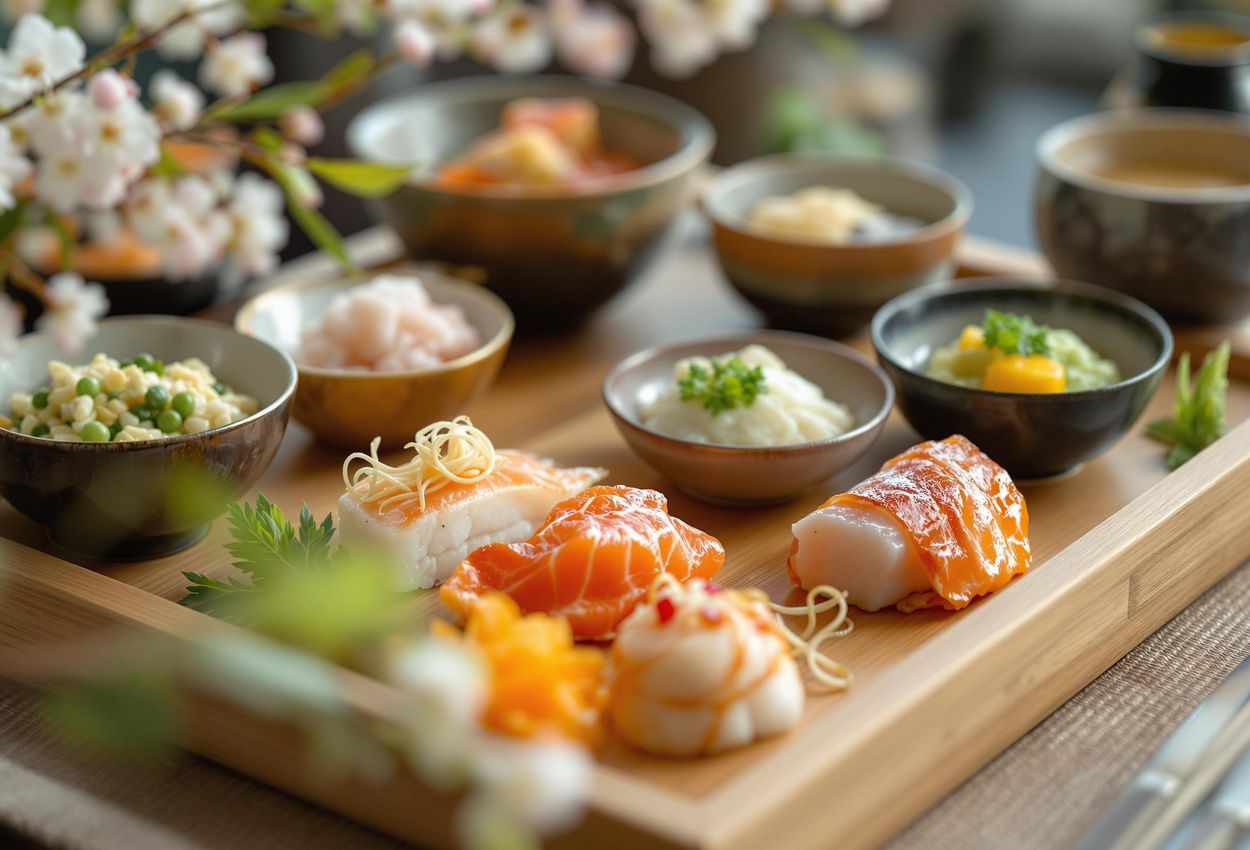
The journey begins with the Sakizuke, a small appetizer designed to awaken the palate and prepare the diner for the courses to come. This might be a delicate morsel of tofu topped with seasonal vegetables, or a small cup of clear oth infused with the aroma of yuzu. Next comes the Hassun, a seasonal theme course that showcases the chef's creativity and artistry. This course typically features a variety of small dishes, each representing a different aspect of the season. Think of beautifully arranged sashimi, grilled fish, and pickled vegetables, all presented on a single tray.
The Suimono, a clear soup, follows, serving as a palate cleanser and a moment of tranquility. This delicate oth is often infused with the subtle flavors of dashi, a Japanese stock made from kombu seaweed and dried bonito flakes. Next is the Mukozuke, a selection of fresh sashimi, carefully sliced and arranged to highlight the beauty of the fish. The Takiawase is a vegetable dish, often featuring seasonal ingredients simmered in a light oth. The Futamono, a lidded dish, offers a comforting and flavorful surprise, such as a steamed custard or a simmered fish. A Yakimono, or grilled dish, provides a hearty and satisfying element, often featuring grilled fish or meat. The Shiizakana, a strong snack, introduces a more robust flavor profile, perhaps featuring a marinated fish or a small portion of wagyu beef.
The meal culminates with the Shokuji, a rice course, typically served with miso soup and pickled vegetables. Finally, the Mizumono, a dessert, provides a sweet and refreshing conclusion to the meal. This might be a seasonal fruit, a delicate mochi, or a scoop of homemade ice cream.
Meeting the Masters: Interviews with Renowned Kaiseki Chefs
To truly understand the art of Kaiseki, one must speak with the masters who dedicate their lives to preserving and innovating this culinary tradition. In Kyoto, there are numerous renowned Kaiseki chefs, each with their own unique philosophy and approach.
Yoshihiro Murata, the third-generation owner of Kikunoi Honten, is a leading figure in the world of Kaiseki. His culinary philosophy is rooted in the belief that food should be both delicious and nourishing, and he is committed to using the freshest, most seasonal ingredients. Kunio Tokuoka, the chef of KITCHO, is another highly respected Kaiseki chef, known for his innovative approach to traditional techniques. He is constantly experimenting with new ingredients and flavor combinations, while still maintaining a deep respect for the traditions of Kaiseki.
These chefs, and many others like them, have dedicated their lives to mastering the art of Kaiseki. They undergo years of rigorous training, learning the intricacies of knife skills, cooking techniques, and presentation. They are constantly seeking to improve their craft, experimenting with new ingredients and techniques, and striving to create a dining experience that is both memorable and meaningful.
Their creative process begins with a deep understanding of the seasons and the availability of ingredients. They visit local markets and collaborate with farmers to source the very best produce, and they carefully consider how each ingredient will contribute to the overall balance and harmony of the meal. They are also deeply committed to preserving the traditions of Kaiseki, passing on their knowledge and skills to the next generation of chefs.
Kaiseki as Art: The Aesthetics of Presentation
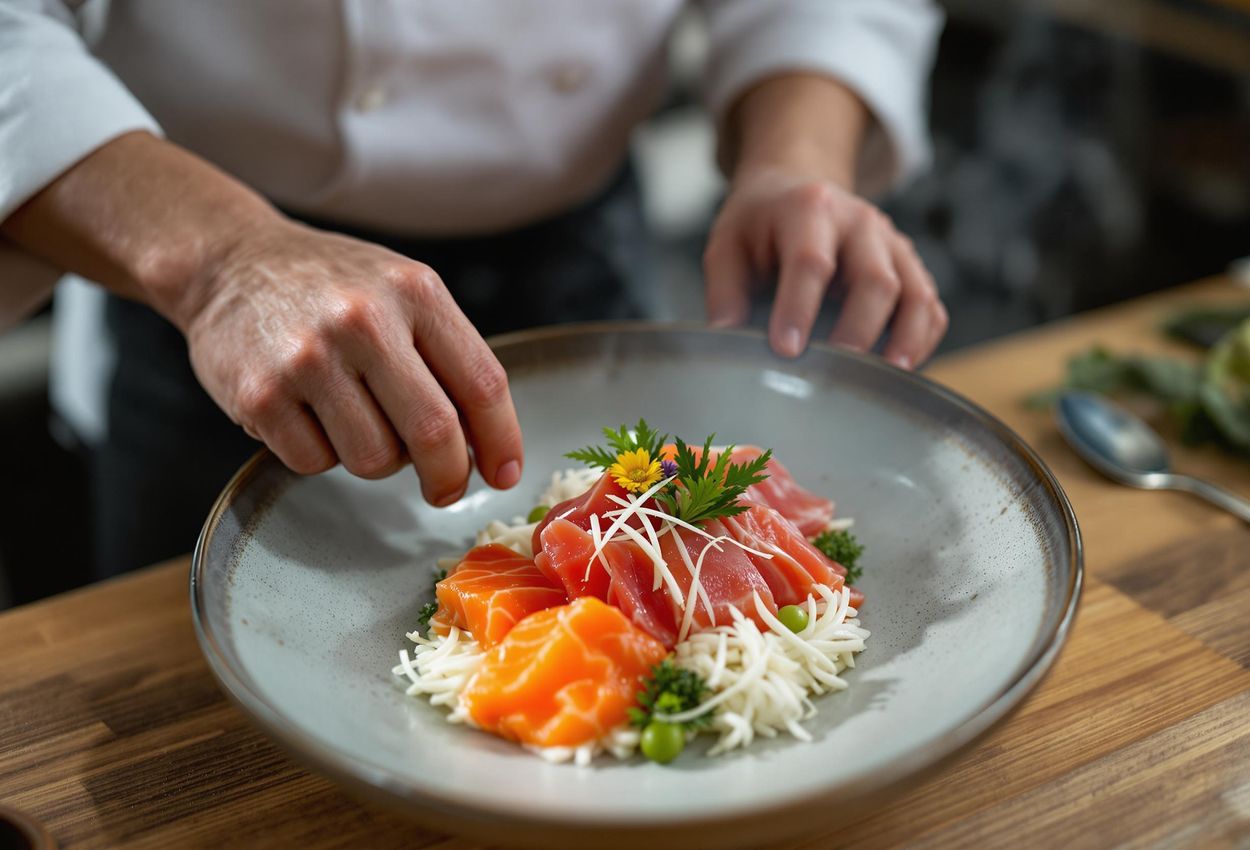
Kaiseki is not merely about taste; it is a visual art form. The presentation of each dish is meticulously planned, with careful attention paid to color, texture, and composition. Dishes are arranged to resemble miniature landscapes, with edible garnishes representing mountains, rivers, and forests. The goal is to create a dining experience that is both aesthetically pleasing and emotionally evocative.
The tableware used in Kaiseki is often as exquisite as the food itself. Lacquerware trays, priceless ceramic bowls, and hand-painted porcelain plates are carefully chosen to complement the dishes and enhance the overall dining experience. These pieces are often antiques, passed down through generations, and they are treated with the utmost care and respect.
Edible garnishes, such as delicate flowers, real leaves, and sprigs of herbs, play a crucial role in reflecting the season and adding visual appeal. These garnishes are not merely decorative; they are carefully chosen for their flavor and aroma, and they are intended to enhance the overall sensory experience. The dining room's décor, often in traditional Japanese style, contributes to the overall aesthetic experience. Tatami mats, shoji screens, and calligraphy scrolls create a serene and elegant atmosphere that is conducive to contemplation and appreciation.
Navigating the Nuances: Kaiseki Dining Etiquette for the Traveler
For travelers seeking to immerse themselves in the world of Kaiseki in Kyoto, understanding the nuances of dining etiquette is essential. While a genuine effort to appreciate the experience is always valued, observing proper customs enhances both your enjoyment and the respect shown to the chef and staff.
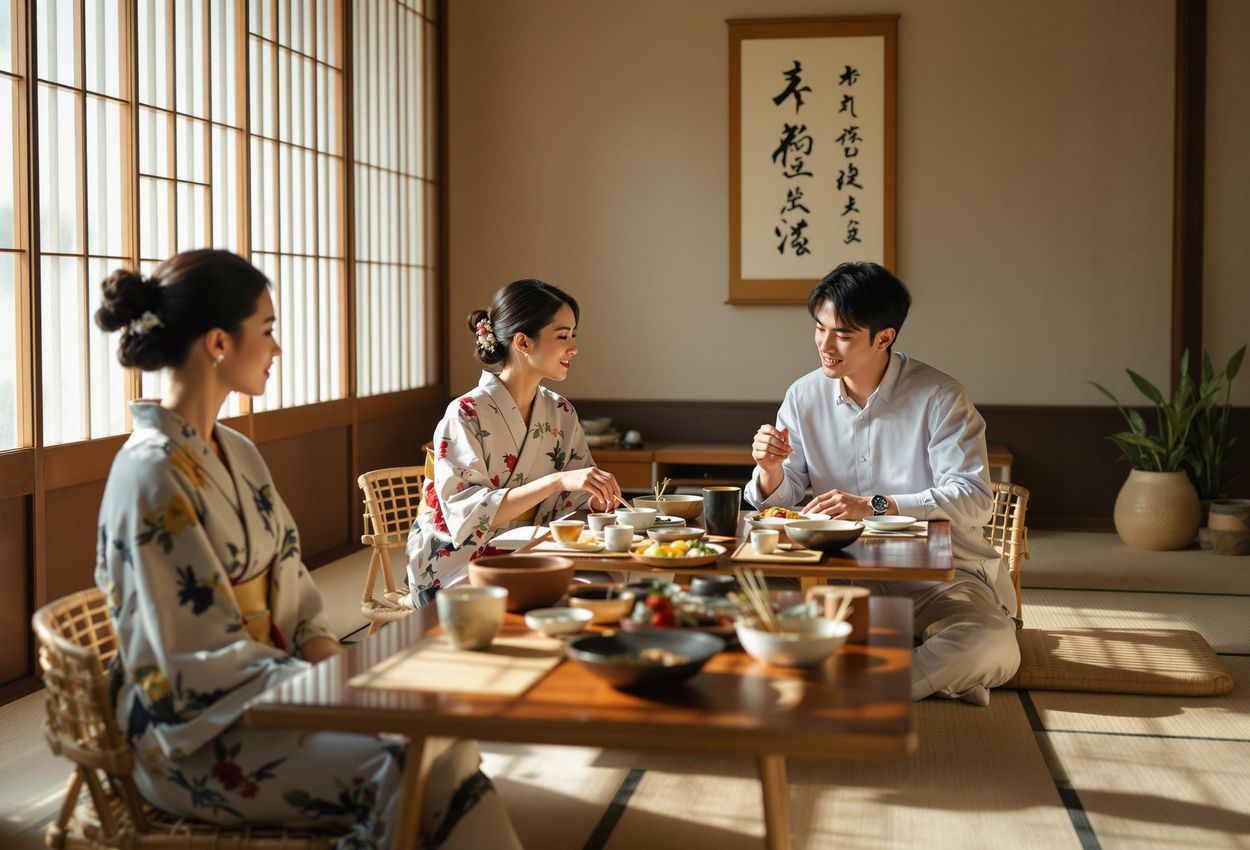
Before the meal, it's customary to say itadakimasu, expressing gratitude for the food. After the meal, gochisu014dsama deshita conveys thanks for the delicious meal. Chopsticks should be used with care; avoid placing them upright in your rice bowl, as this resembles a funeral ritual. Instead, rest them on the chopstick rest provided. Never pass food directly from chopstick to chopstick, another practice associated with funerals. The oshibori towel is for cleaning your hands, not your face. When unsure, observe your host or other diners for guidance.
Seating arrangements in tatami rooms often follow a hierarchical order, with the most honored guest seated furthest from the door. Appropriate attire is generally smart casual; avoid overly revealing clothing. Remember that Kaiseki is a slow, deliberate experience; savor each course and appreciate the artistry and effort that goes into its creation. By observing these customs, you'll demonstrate respect for Japanese culture and enhance your enjoyment of this unique culinary art form.
Kyoto's Kaiseki Gems: Exploring Renowned Restaurants
Kyoto is home to a plethora of exceptional Kaiseki restaurants, each offering a unique and unforgettable dining experience. From Michelin-starred establishments to hidden gems tucked away in quiet alleyways, there is a Kaiseki restaurant to suit every taste and budget.
Kikunoi Honten, led by Chef Yoshihiro Murata, is one of the most renowned Kaiseki restaurants in Kyoto. This three-Michelin-starred establishment is known for its impeccable service, exquisite cuisine, and elegant atmosphere. Roan Kikunoi, also owned by Chef Murata, offers a more casual dining experience, while still maintaining the same high standards of quality and artistry. Nakamura is another highly respected Kaiseki restaurant, known for its traditional cuisine and its beautiful garden setting. Kodaiji Jugyuan offers a unique dining experience in a historic temple setting, while Sanso Kyoyamato is known for its innovative cuisine and its stunning views of the Kyoto skyline.
When making a reservation, be sure to specify any dietary restrictions or allergies. Many Kaiseki restaurants require advance reservations, and some may have a dress code. Be prepared to spend several hours enjoying your meal, as Kaiseki is a leisurely and deliberate experience. Each restaurant has its own unique ambiance and culinary style, so be sure to do your research and choose a restaurant that suits your preferences. Specific dishes that exemplify a restaurant's unique approach to Kaiseki are often seasonal, so ask for recommendations based on what is fresh and available.
Beyond the Plate: The Sensory Experience of Kaiseki
Kaiseki is more than just a meal; it is a multi-sensory experience that engages all five senses. The visual appeal of the dishes, the sounds of preparation and service, the complex flavors and textures, the feel of the tableware, and the aromas of the ingredients all contribute to the overall immersive experience.
The visual appeal of Kaiseki is undeniable. Each dish is carefully arranged to resemble a work of art, with attention paid to color, texture, and composition. The sounds of preparation and service add to the atmosphere, from the gentle clinking of dishes to the soft murmur of conversation. The complex flavors and textures of Kaiseki are a delight to the palate, with each ingredient carefully chosen to complement the others. The feel of the tableware, from the smooth surface of a lacquerware tray to the rough texture of a ceramic bowl, adds another layer of sensory engagement.
Finally, the aromas of the ingredients, from the delicate scent of yuzu to the earthy aroma of matsutake mushrooms, stimulate the sense of smell and enhance the overall dining experience. Consider the visual appeal of a perfectly grilled piece of fish, its skin glistening with oil, presented on a bed of viant green moss. Listen to the gentle sizzle of the fish as it is placed on your plate, and inhale the smoky aroma that fills the air. Feel the warmth of the fish in your mouth, and savor the delicate flavors that unfold with each bite. Kaiseki is a culinary journey that transcends the ordinary, inviting you to explore the depths of Japanese culture and tradition through the power of the senses.