The aroma of freshly tilled earth, once a symbol of abundance, now carries a hint of anxiety. As the global population hurtles toward nine billion by 2050, the question of how to feed everyone sustainably has become a defining challenge of our time. It's a multifaceted problem demanding innovative solutions that address not only food production but also environmental impact and equitable access.
Feeding Nine Billion: A Looming Crisis?
The statistics are stark. Current agricultural practices, while feeding billions, are also major contributors to deforestation, water depletion, and greenhouse gas emissions. The UN Food and Agriculture Organization (FAO) estimates that agriculture accounts for 70% of global freshwater use and up to 30% of greenhouse gas emissions. Vast swathes of forests are cleared to make way for farmland, leading to biodiversity loss and ecosystem degradation. The EAT-Lancet Commission's report on a planetary health diet emphasizes the urgent need for dietary shifts towards more plant-based foods and sustainable production methods. This isn't just about feeding people; it's about ensuring the long-term health of our planet. The current trajectory is unsustainable, demanding a fundamental rethinking of our food systems. The challenge lies not only in producing enough food but in doing so in a way that protects our natural resources, mitigates climate change, and promotes food security for all. We stand at a critical juncture where innovation and collaboration are paramount to averting a looming food crisis. The choices we make today will determine the future of food and the health of our planet for generations to come.
Vertical Farming: Reaching New Heights in Urban Agriculture
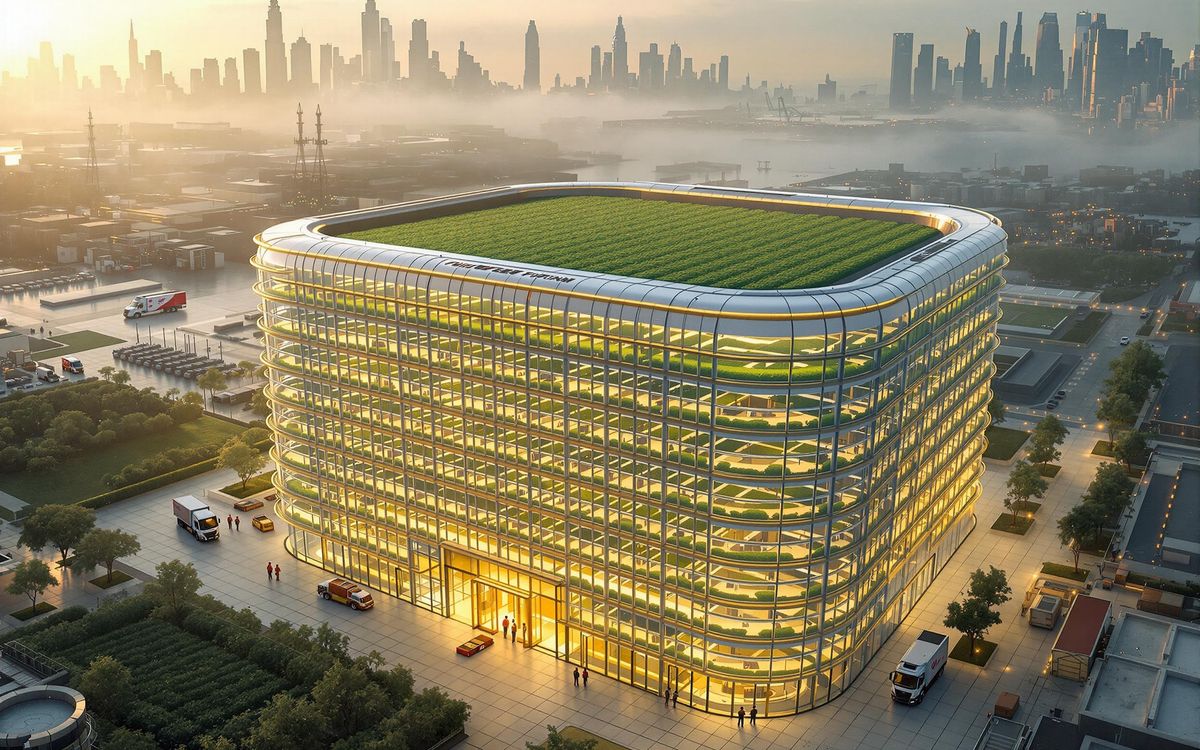
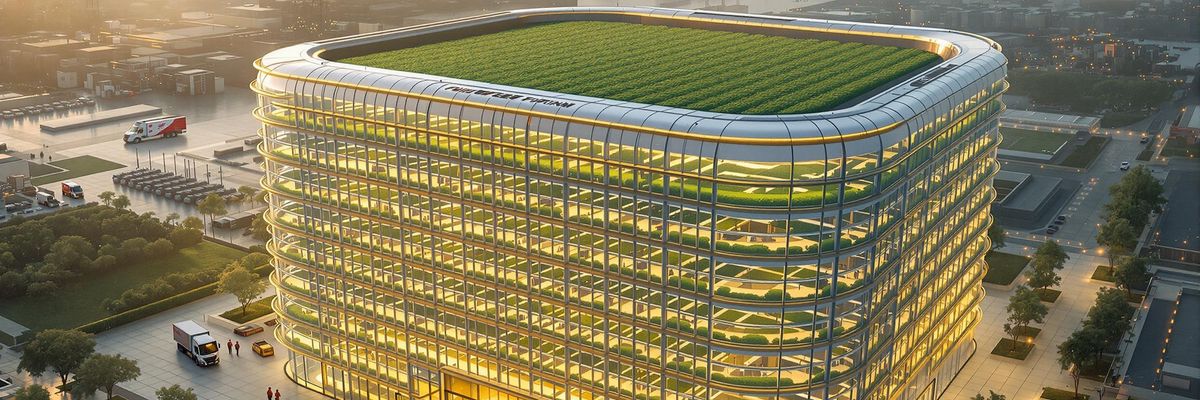
Imagine a world where fresh produce is grown not in sprawling fields but in towering structures within bustling cities. This is the promise of vertical farming, a revolutionary approach to agriculture that's gaining traction worldwide. Vertical farms are indoor facilities where crops are grown in vertically stacked layers under controlled environments. These environments utilize hydroponics, aeroponics, or aquaponics, eliminating the need for soil and significantly reducing water usage. AeroFarms in New Jersey, for example, uses aeroponics to grow leafy greens with minimal water and pesticide use. Similarly, the Emirates Flight Catering Vertical Farm in Dubai produces tons of leafy greens annually, supplying fresh produce to airline passengers. The concept isn't entirely new; the Babylonian Hanging Gardens, though not technically vertical farms, offer a historical precedent for cultivating plants in elevated structures. Vertical farming offers numerous benefits, including reduced land use, water conservation, year-round production, and minimized pesticide use. However, it also faces challenges such as high initial investment and energy consumption. To overcome these hurdles, automation and AI are being integrated into vertical farm operations to optimize resource usage and reduce labor costs. The future of vertical farming lies in its ability to seamlessly integrate into urban environments, transforming spaces like shopping malls, hotels, and abandoned warehouses into productive food-growing hubs. This localized food production can reduce transportation costs and carbon emissions, inging fresh, healthy produce closer to consumers.
Lab-Grown Meat: A Glimpse into Cellular Agriculture
The idea of growing meat in a lab might sound like science fiction, but it's rapidly becoming a reality. Lab-grown meat, also known as cultivated meat or cellular agriculture, offers a transformative solution to the environmental and ethical concerns associated with traditional meat production. The process involves extracting cells from animals and growing them in a lab using a nutrient-rich culture medium. This eliminates the need for raising and slaughtering animals, significantly reducing land use and greenhouse gas emissions. Companies like Mosa Meat, Believer Meats, and UPSIDE Foods are leading the charge in developing and scaling up lab-grown meat production. While the potential benefits are immense, challenges remain. Consumer acceptance, regulatory hurdles, and the need to achieve cost parity with traditional meat are key obstacles. Singapore became the first country to approve the sale of lab-grown meat, paving the way for other nations to follow suit. The FDA in the United States has also issued a 'no questions' letter to GOOD Meat, signaling a positive step towards regulatory approval. Beyond beef, companies are exploring cell-cultured seafood, such as BlueNalu and Shiok Meats, and even exotic meats from startups like Vow. As technology advances and production costs decrease, lab-grown meat has the potential to revolutionize the way we produce and consume meat, offering a more sustainable and ethical alternative to traditional agriculture.

Tackling Food Waste: A Global Imperative
One of the most glaring inefficiencies in our food systems is the staggering amount of food that goes to waste. The FAO estimates that 1.3 billion tonnes of food are wasted annually, representing a significant environmental and economic burden. Food waste accounts for roughly 16% of the total greenhouse gas emissions from the European Union's food system, highlighting its contribution to climate change. The environmental impacts of food waste are far-reaching, including wasted resources, methane emissions from landfills, and pollution from transportation and disposal. Economically, food waste represents a loss of valuable resources and missed opportunities to feed those in need. Fortunately, numerous initiatives are underway to tackle this global imperative. The City of Austin's Zero Waste Initiative aims to divert 90% of waste from landfills through composting, recycling, and waste reduction programs. Feeding the 5000, a UK-based organization, organizes events that serve meals made entirely from food that would otherwise be wasted, raising awareness and inspiring action. REFOOD in Portugal connects restaurants with volunteers to collect surplus food and distribute it to people in need. For travelers, reducing food waste can be as simple as planning meals, using leftovers creatively, and inging reusable containers. The Food Waste Reduction Alliance (FWRA) is working to reduce food waste through donation and recycling, fostering collaboration between businesses, governments, and non-profit organizations. By addressing food waste at every stage of the supply chain, we can significantly reduce its environmental and economic impacts, creating a more sustainable and equitable food system.
Sustainable Farming Practices: Nurturing the Earth
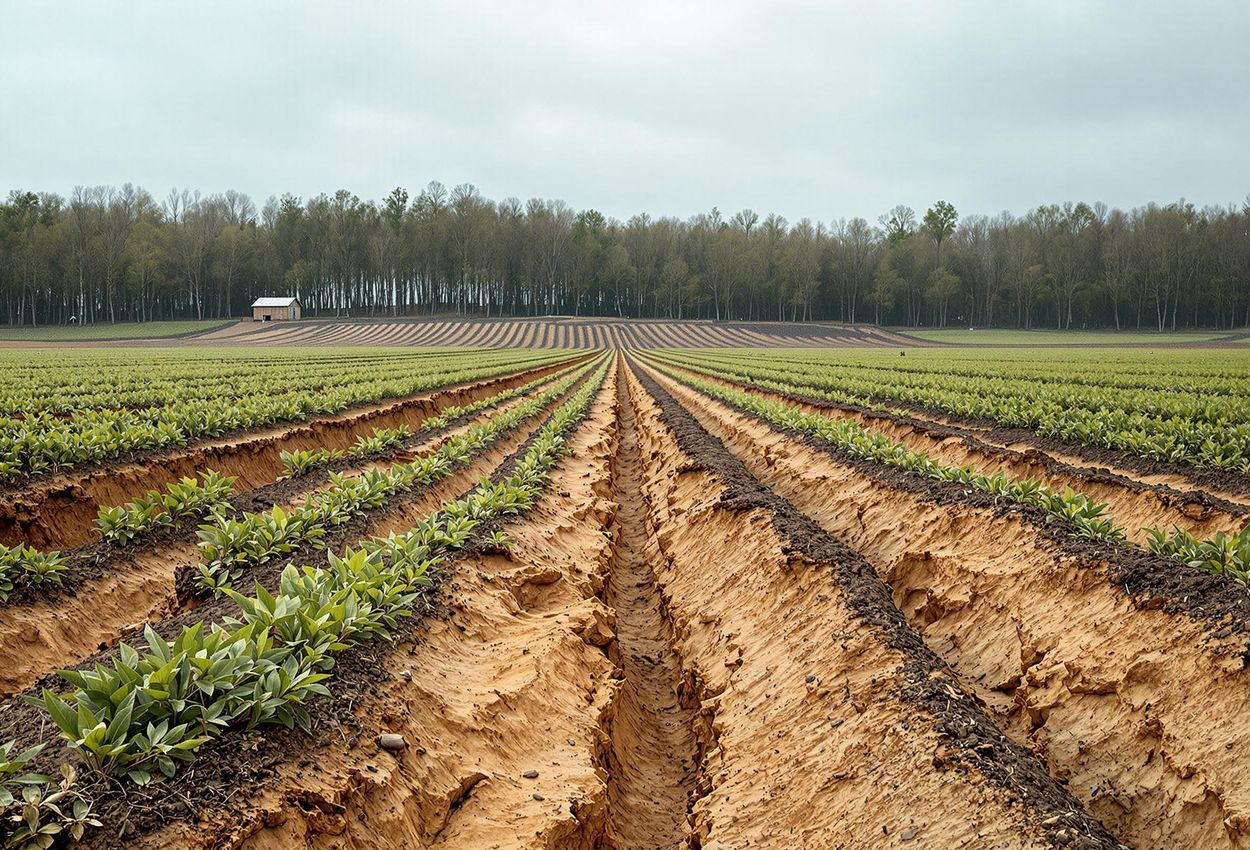
Beyond technological innovations, a return to sustainable farming practices is essential for creating resilient and environmentally friendly food systems. These practices prioritize soil health, biodiversity, and reduced reliance on synthetic inputs. Key techniques include crop rotation, cover cropping, reduced tillage, integrated pest management (IPM), and agroforestry. Crop rotation involves planting different crops in a sequence to improve soil fertility and reduce pest and disease pressure. Cover cropping involves planting crops specifically to protect and improve the soil, preventing erosion and adding organic matter. Reduced tillage minimizes soil disturbance, preserving soil structure and reducing erosion. IPM utilizes a combination of biological, cultural, and chemical methods to manage pests in a sustainable way. Agroforestry integrates trees and shrubs into agricultural systems, providing shade, improving soil health, and enhancing biodiversity. Farmers around the world are implementing these practices with remarkable success. In Costa Rica, coffee farmers are using agroforestry to create shaded coffee plantations that support biodiversity and sequester carbon. In the United States, farmers are adopting no-till farming practices to reduce soil erosion and improve water infiltration. Agroecology, a holistic approach to agriculture that considers the ecological and social dimensions of food production, is gaining increasing recognition. Sustainable farms treat uncultivated areas as integral to the farm, increasing resilience to extreme weather and promoting biodiversity. By emacing sustainable farming practices, we can nurture the earth, protect our natural resources, and create more resilient and productive agricultural systems.

The Role of Policy: Shaping a Sustainable Food Future
While individual actions and technological innovations are crucial, policy plays a vital role in driving the transition to sustainable food systems. Governments and policymakers have the power to create a supportive regulatory environment that incentivizes sustainable practices and disincentivizes environmentally harmful ones. Policy interventions can include subsidies for sustainable agriculture, taxes on environmentally harmful practices, and incentives for reducing food waste. The UN Food Systems Summit aims to transform food systems by promoting sustainable production, reducing food waste, and improving nutrition. The Science-Policy-Society Interfaces (SPSIs) collaborative platforms, spearheaded by the UN Food Systems Coordination Hub (the Hub) through the Food Systems Youth Leadership Programme (YLP), facilitate dialogue and collaboration between scientists, policymakers, and civil society. The EU Farm to Fork strategy aims to make food systems fair, healthy, and environmentally friendly. This comprehensive strategy includes targets for reducing pesticide use, promoting organic farming, and reducing food waste. By implementing effective policies, governments can create a level playing field that supports sustainable food production and consumption, ensuring a more resilient and equitable food future. The future of food depends not only on innovation and individual action but also on strong policy leadership that prioritizes sustainability and food security.
The journey towards a sustainable food future is complex and multifaceted, requiring a collaborative effort from individuals, businesses, governments, and researchers. By emacing innovative technologies, adopting sustainable farming practices, reducing food waste, and implementing supportive policies, we can create a food system that nourishes both people and the planet. The challenges are significant, but the opportunities are even greater. Let us work together to build a food future that is sustainable, equitable, and resilient for generations to come.