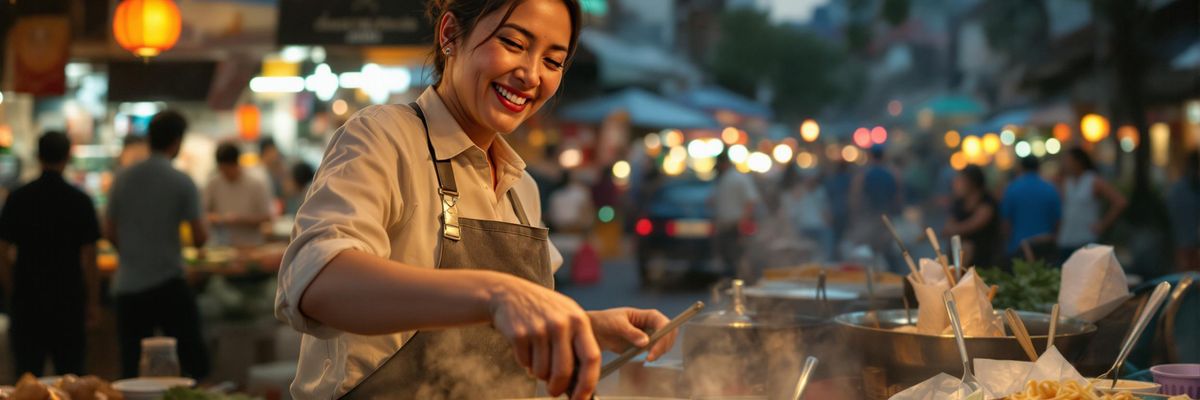
The aroma of freshly baked ead, the viant colors of exotic spices, the sizzle of street food u2013 culinary tourism tantalizes our senses and connects us to cultures around the globe. But what happens when too many travelers descend upon these gastronomic havens? Can the very essence of these culinary experiences be preserved amidst the rising tide of overtourism?
A Feast or a Famine When Too Many Diners Spoil the oth
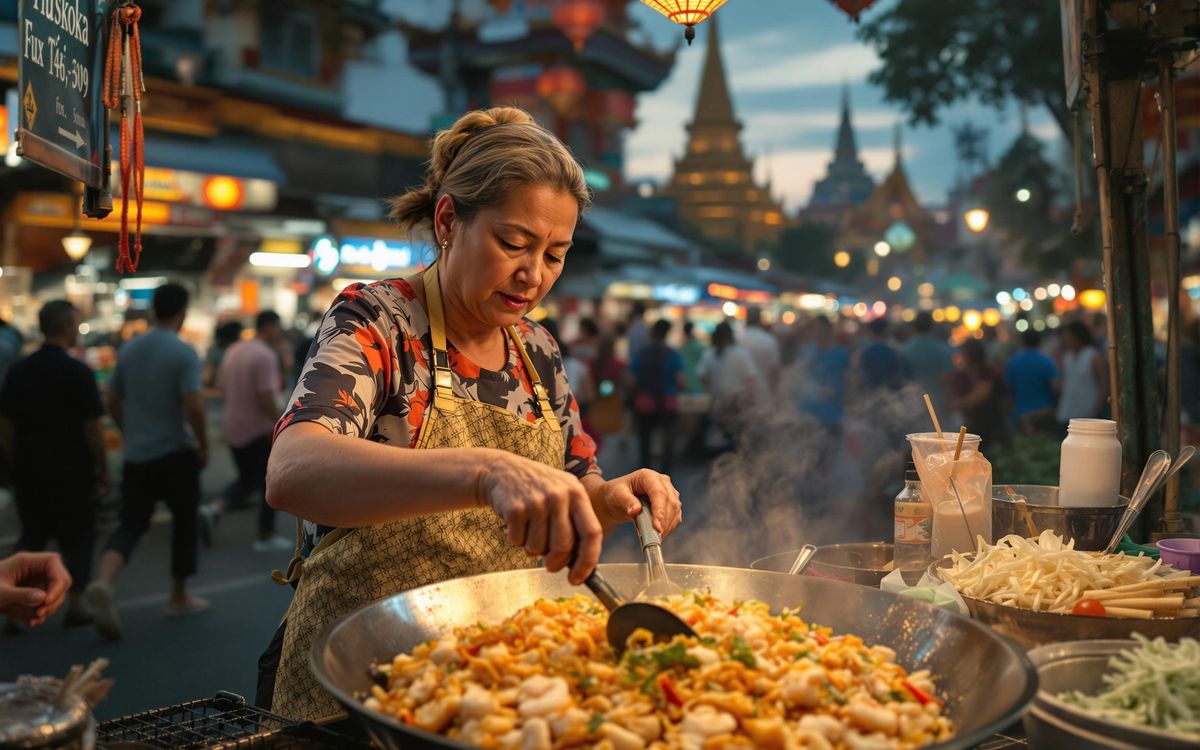
Overtourism, that unwelcome guest at the table of global travel, has a particularly insidious effect on culinary destinations. Itu2019s not just about overcrowded streets and long lines; itu2019s about the erosion of the very experiences that draw us to these places in the first place. Imagine arriving in Bangkok, eager to sample the legendary street food, only to be met with a throng of tourists vying for the same plate of Pad Thai. The authentic, spontaneous joy of discovering a hidden culinary gem is replaced by an overwhelming sense of being just another face in the crowd, a cog in the machine of mass tourism.
Consider Barcelonau2019s La Boqueria market, once a viant hub for locals to purchase fresh produce and artisanal goods. Today, itu2019s a sea of selfie sticks and souvenir stalls, the air thick with the scent of mass-produced paella aimed squarely at tourist palates. The sensory overload is palpable: the cacophony of hawkers vying for attention, the crush of bodies navigating narrow aisles, the visual assault of ightly colored candies and pre-packaged tapas. The market's original purposeu2014to serve the local communityu2014is fading, replaced by a performance of 'authenticity' for the benefit of visitors.
Beyond the immediate impact on tourist experiences, overtourism exacerbates existing challenges faced by local communities. Many culinary destinations are already grappling with limited natural resources, and the influx of tourists only intensifies these pressures. Increased demand for water, energy, and waste disposal strains infrastructure and threatens the long-term sustainability of these regions. What was once a source of pride and sustenance for local communities risks becoming a burden, a constant struggle to maintain their way of life in the face of relentless tourist pressure.
The Price of Plenty: How Overtourism Drives Up Costs and Kills Authenticity
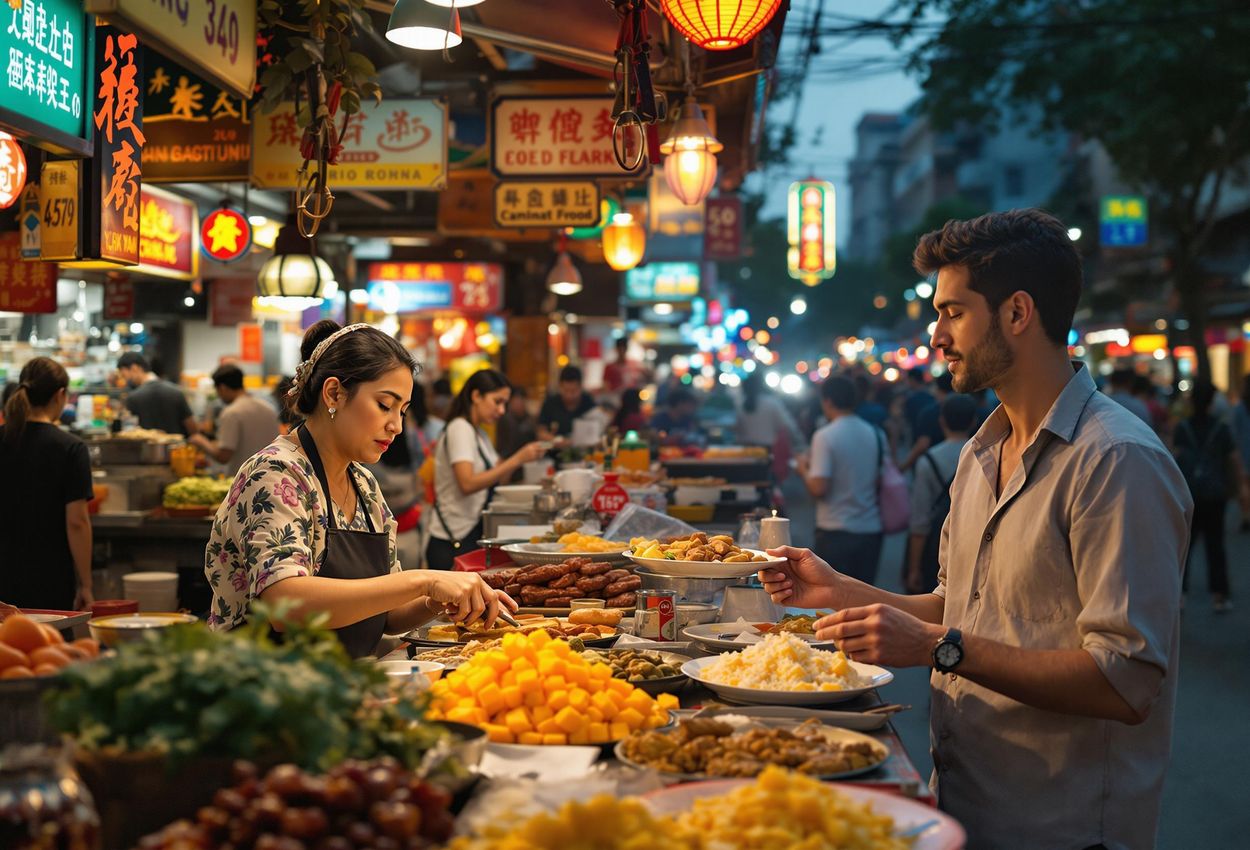
The economic consequences of overtourism extend far beyond the obvious benefits to hotels and tour operators. As demand surges, prices inevitably rise, impacting both tourists and locals. What was once an affordable culinary adventure becomes an expensive indulgence, pricing out budget travelers and forcing local residents to bear the unt of inflated costs. In cities like Venice, the relentless influx of tourists has driven up rent prices to exorbitant levels, forcing many locals to abandon their homes and businesses. The city's viant community is slowly being replaced by a monoculture of tourism, where authenticity is sacrificed at the altar of profit.
The impact on food quality is equally concerning. As culinary destinations become increasingly reliant on tourist dollars, there's a growing temptation to cut corners and prioritize quantity over quality. Mass-produced food, often sourced from outside the region, replaces traditional cuisine, eroding the unique culinary identity of the destination. Local farmers and artisans struggle to compete with cheaper, mass-produced alternatives, further undermining the authenticity of the culinary experience. What was once a celeation of local flavors and traditions becomes a bland, homogenized offering catering to the lowest common denominator.
The pursuit of efficiency and scalability often leads to the standardization of culinary offerings, further diminishing the authenticity of the experience. Chain restaurants and international fast-food outlets proliferate, pushing out local eateries and watering down the unique culinary landscape. The very essence of culinary tourismu2014the opportunity to discover and savor authentic local flavorsu2014is lost in the shuffle, replaced by a generic, predictable experience that could be found anywhere in the world.
Cultural Appropriation on a Plate: When Tradition Becomes a Tourist Trap
Overtourism can lead to a particularly insidious form of cultural appropriation, where food heritage is commodified and commercialized for the benefit of tourists, often at the expense of local communities. Traditional dishes are stripped of their cultural significance and transformed into mere souvenirs, losing their connection to the history, rituals, and values that once defined them. The act of eating, once a deeply meaningful cultural exchange, becomes a superficial transaction, devoid of genuine understanding or appreciation.
Returning to La Boqueria, the market serves as a stark example of how food heritage can be touristified. What was once a place for locals to buy ingredients is now heavily marketed as a tourist attraction. The colorful displays of fruits, meats, and seafood are meticulously arranged to create visually appealing photo opportunities, while the stories and traditions behind these foods are often overlooked or ignored. Food stalls sell pre-packaged tapas and generic souvenirs, further blurring the line between authentic culinary experience and mass-produced tourist trap.
Preserving culinary traditions requires a conscious effort to protect the cultural context in which they exist. This means supporting local farmers, artisans, and chefs who are committed to upholding traditional practices and using authentic ingredients. It also means educating tourists about the cultural significance of the food they are consuming, encouraging them to engage with the local community in a respectful and meaningful way. By fostering a deeper understanding and appreciation of culinary heritage, we can help ensure that these traditions are preserved for future generations.

Depleted Resources: The Environmental Cost of Culinary Crowds
The environmental impact of overtourism on culinary destinations is often overlooked, but it's a critical aspect of the sustainability equation. The sheer volume of tourists descending upon these regions places immense strain on local resources, leading to depletion and degradation. Water scarcity, waste generation, and carbon emissions are just some of the environmental challenges exacerbated by culinary tourism.
Bali, with its stunning landscapes and viant culinary scene, provides a stark illustration of the environmental consequences of overtourism. The island's freshwater resources are under immense pressure due to the high consumption of tourists, who often demand water-intensive amenities like swimming pools and golf courses. This scarcity of freshwater not only impacts the local ecosystem but also threatens the livelihoods of farmers and communities who rely on these resources for their survival.
The carbon footprint of transporting food to cater to tourist demands is another significant environmental concern. Many culinary destinations rely on imported ingredients to satisfy the diverse palates of visitors, resulting in long-distance transportation that generates substantial carbon emissions. The production and disposal of food waste further contribute to the environmental burden, as landfills overflow with discarded scraps and packaging materials. Addressing these environmental challenges requires a holistic approach that prioritizes sustainable sourcing, waste reduction, and responsible consumption.
Community-Based Tourism: A Recipe for Resilience
Community-based tourism offers a promising pathway towards a more sustainable and equitable model of culinary tourism. This approach empowers local communities to take ownership of their tourism industry, ensuring that the benefits are shared more widely and that cultural and environmental resources are protected. By involving residents in the planning, management, and operation of tourism activities, community-based tourism fosters a sense of pride and responsibility, leading to more authentic and sustainable experiences for both visitors and locals.
Initiatives like Safi Kitchen in Jordan exemplify the transformative potential of community-based tourism. This project provides training and employment opportunities for local women, empowering them to showcase their culinary skills and share their cultural heritage with visitors. By offering authentic Jordanian meals and cooking classes, Safi Kitchen not only provides a valuable source of income for the community but also promotes cultural exchange and understanding.
Organizations like Planeterra are also playing a vital role in promoting community-based tourism around the world. Planeterra partners with local communities to develop sustainable tourism projects that generate income, create jobs, and protect cultural and environmental resources. By supporting these initiatives, travelers can make a positive impact on the destinations they visit, contributing to a more equitable and sustainable future for culinary tourism.

Ultimately, the future of culinary tourism hinges on our ability to emace responsible practices that prioritize sustainability, authenticity, and community well-being. By making conscious choices about where we travel, what we eat, and how we engage with local cultures, we can help ensure that culinary tourism remains a force for good, enriching our lives and preserving the unique flavors of the world for generations to come.