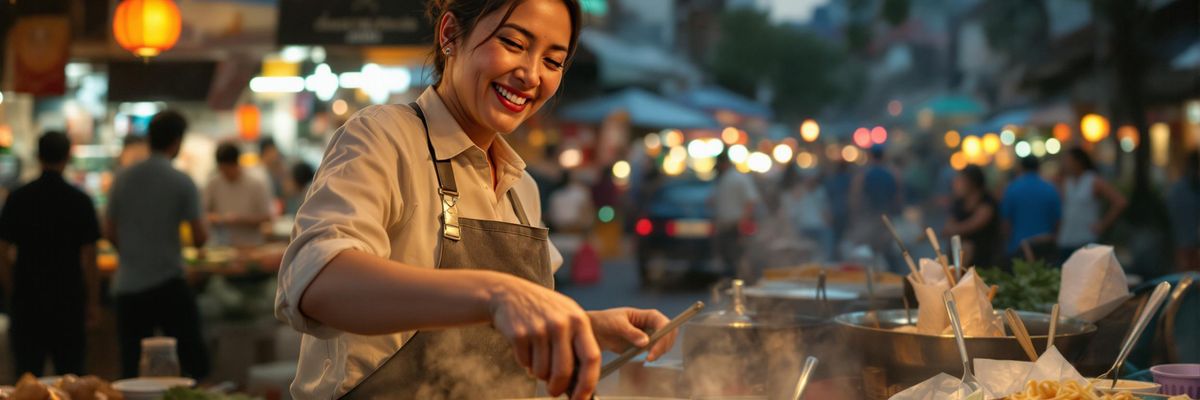
In an era defined by experiential travel, a new appetite has emerged: culinary tourism. Forget merely seeing the sights; todayu2019s travelers crave authentic, immersive experiences, and nothing satisfies quite like a deep dive into a region's cuisine. From bustling street food markets to Michelin-starred restaurants, the world is your oysteru2014or perhaps, your perfectly seared scallop.
A Taste of Travel: Why Food is the New Itinerary
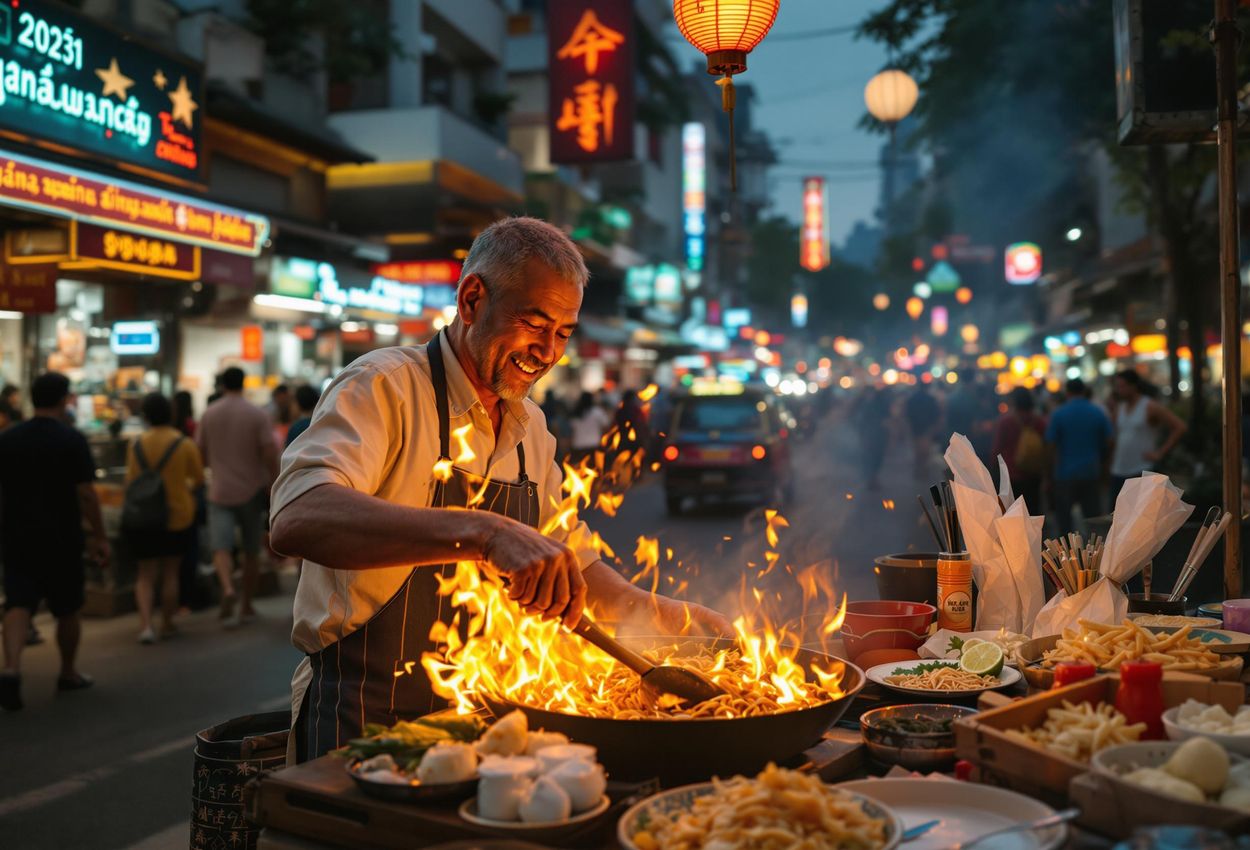
The shift is undeniable. Where once postcards of landmarks sufficed, now Instagram feeds overflow with viant images of exotic dishes and meticulously crafted cocktails. Culinary tourism isn't just a niche; it's a driving force in modern travel. Statistics paint a clear picture: a staggering number of travelersu2014some surveys suggest as high as 70%u2014now choose destinations based on their food and drink offerings. This isn't simply about sustenance; it's about connection. Food evokes powerful emotions, triggering memories and forging bonds that transcend language and culture. Consider the simple act of sharing a plate of pad thai on a bustling street in Bangkok, the aroma of spices hanging heavy in the humid air, or the sun-drenched pleasure of wine tasting amidst the rolling hills of Tuscany, each sip a story of generations past. These are the moments that linger long after the trip is over, the flavors that become inextricably linked to a place and time. Culinary tourism feeds not just the body, but the soul, creating lasting memories etched in taste and smell. It's a sensory journey, a cultural immersion, and an adventure all rolled into one delectable package. The modern traveler seeks not just to observe, but to participate, to taste, to savor, and to truly understand a destination through its culinary lens. This is the rise of culinary tourism, where the menu is the map and every meal is a discovery.
Beyond the Plate: How Culinary Tourism Connects Cultures
Food is more than mere sustenance; it's a powerful cultural artifact, a living embodiment of history, tradition, and identity. Culinary tourism, therefore, serves as a idge, connecting people and cultures through the universal language of taste. Each dish tells a story, a narrative woven from generations of culinary practices, local ingredients, and regional influences. By engaging with a culture's cuisine, travelers gain a deeper understanding of its values, its history, and its people. In Mexico, for example, the preparation of mole, a complex sauce with roots stretching back to pre-Columbian times, is a communal activity, a celeation of family and tradition. Similarly, in Japan, the meticulous art of sushi making reflects a deep respect for nature and a commitment to precision and artistry. Culinary tourism also fosters community pride, empowering local businesses and preserving culinary heritage in an increasingly globalized world. By supporting local restaurants, farmers markets, and food artisans, travelers contribute to the economic vitality of a region and help to ensure that traditional culinary practices are passed down to future generations. This symbiotic relationship benefits both the traveler, who gains an authentic cultural experience, and the local community, which receives economic and cultural support. In a world where cultural homogenization threatens to erode local traditions, culinary tourism offers a powerful antidote, celeating diversity and promoting cross-cultural understanding through the simple act of sharing a meal.
Farm-to-Table Adventures: Discovering Sustainable Cuisine
As awareness of environmental issues grows, so too does the demand for sustainable travel experiences. Culinary tourism is no exception. Farm-to-table initiatives, which emphasize the use of locally sourced, seasonal ingredients, are gaining popularity as travelers seek to minimize their environmental impact and support local communities. This approach not only reduces food miles, the distance food travels from farm to plate, but also promotes biodiversity and preserves traditional farming practices. Visiting a local farm, harvesting fresh produce, and participating in a cooking class using those ingredients offers a deeply rewarding and educational experience. Imagine spending a day at Tenuta di Spannocchia, an organic farm in Tuscany, Italy, learning about traditional farming techniques and then preparing a rustic Italian meal using the farm's own ingredients. Or consider visiting a sustainable coffee plantation in Costa Rica, learning about the process from bean to cup, and then enjoying a freshly ewed cup of coffee overlooking the lush rainforest. These experiences not only provide a taste of local cuisine but also offer insights into the environmental and social issues facing local communities. By choosing farm-to-table experiences, travelers can support sustainable farming practices, reduce their carbon footprint, and contribute to the economic well-being of local communities. It's a win-win situation, where culinary tourism becomes a force for positive change, promoting both cultural and environmental sustainability.

Street Food Sensations: A Culinary Journey on a Budget
For many travelers, the most authentic and memorable culinary experiences are found not in fancy restaurants, but on the streets. Street food offers a gateway to local culture, a chance to sample regional specialties at affordable prices, and an opportunity to interact with local vendors and fellow food lovers. From the savory tacos of Mexico City to the fragrant pho of Hanoi, street food reflects the unique tastes and traditions of a place. It's a culinary adventure that can be enjoyed on any budget, a chance to discover hidden gems and unexpected flavors. In Marrakech, for example, the bustling Djemaa el-Fna comes alive at night with food stalls offering everything from grilled meats to sweet pastries. In Singapore, hawker centers provide a diverse array of culinary delights, from Hainanese chicken rice to chili crab. Exploring these street food scenes is not just about the food; it's about the atmosphere, the energy, and the sense of community. It's a chance to immerse yourself in the local culture, to observe the rhythms of daily life, and to connect with people through the shared experience of eating. Of course, it's important to exercise caution and choose vendors with good hygiene practices, but with a little common sense, street food can be a safe, delicious, and unforgettable part of any culinary adventure.
Cooking Up Connections: Immersive Culinary Classes
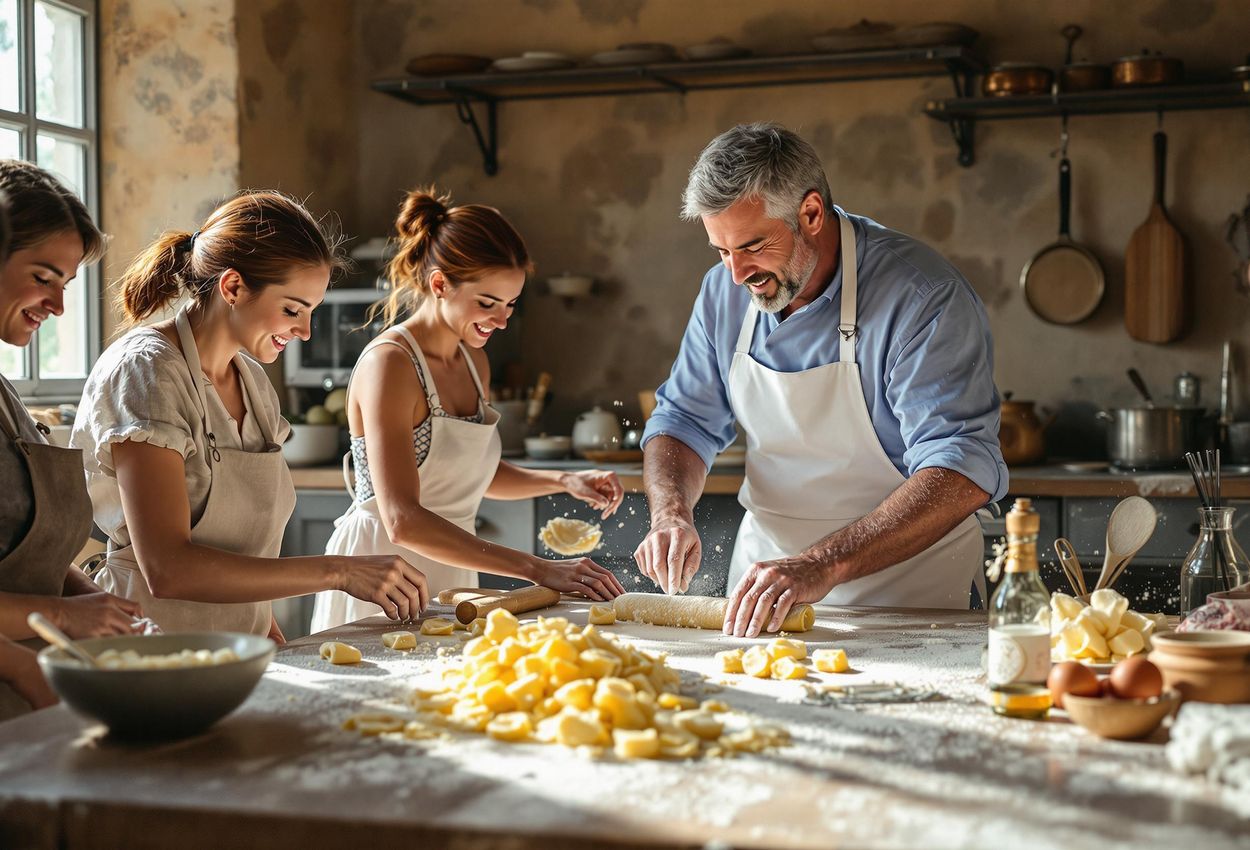
For those who want to take their culinary tourism experience to the next level, cooking classes offer a hands-on opportunity to learn about local cuisine and culture. These classes provide a chance to work alongside local chefs, to learn traditional cooking techniques, and to discover the secrets behind regional specialties. More than just a cooking lesson, these classes are cultural immersion experiences, offering insights into the history, traditions, and values of a place. In Italy, for example, you might learn to make fresh pasta from scratch, using locally sourced ingredients and traditional methods passed down through generations. In Thailand, you could learn to balance the complex flavors of Thai cuisine, mastering the art of blending sweet, sour, salty, and spicy elements. These classes not only enhance your culinary skills but also provide a deeper understanding of the local culture and a chance to connect with locals. Many cooking classes also include visits to local markets, where you can learn about regional ingredients and interact with local vendors. And, of course, the best part is that you get to eat what you cook! Taking a cooking class is a great way to ing the flavors of your travels home with you, allowing you to recreate your favorite dishes and share your culinary experiences with friends and family. It's a lasting souvenir, a tangible reminder of your culinary adventure, and a way to keep the memories alive long after you've returned home.
Culinary tourism is more than just a trend; itu2019s a transformative way to travel, connecting people, cultures, and communities through the universal language of food. As you plan your next adventure, consider the power of the plate. Let your taste buds guide you, and discover the world, one delicious bite at a time. Bon appétit!