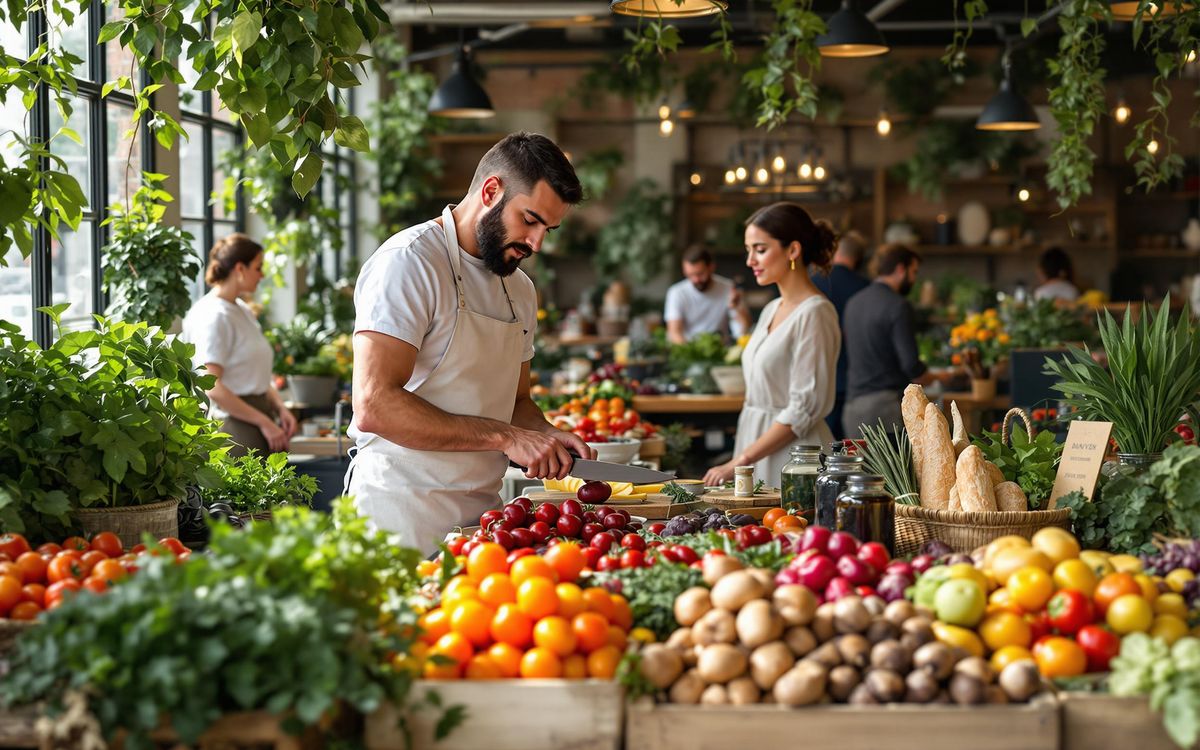
From innovative ingredients to Michelin-starred menus, plant-based cuisine is no longer a niche trend but a powerful force reshaping the global food landscape. This culinary revolution is driven by health-conscious consumers, environmentally aware chefs, and forward-thinking investors, all contributing to a delicious and sustainable future.
Seeding the Revolution: The Growth of Plant-Based Markets
The plant-based food market has experienced exponential growth in recent years, transitioning from a fringe movement to a mainstream phenomenon. Statistical data underscores this dramatic shift. In 2024, the global plant-based food market reached a substantial valuation, with projections indicating continued expansion. Reports from organizations like the IMARC Group and Research and Markets forecast significant growth, estimating the market could reach hundreds of billions of dollars by 2030/2033. This surge is particularly evident in sectors like dairy and meat alternatives, where innovative products are capturing a larger share of consumer spending.
Europe and the Asia-Pacific region are at the forefront of this growth, with countries across the continent seeing impressive retail sales increases in plant-based options. This expansion is fueled, in part, by the growing number of flexitarians u2013 individuals who are consciously reducing their meat consumption without fully committing to a vegetarian or vegan diet. Their willingness to explore plant-based options has oadened the consumer base and normalized these products.
What was once a collection of novelty items has evolved into a diverse range of staple plant-based products. Consumers can now find plant-based alternatives for nearly every animal-derived food, from burgers and sausages to cheeses and yogurts. However, the industry faces challenges. Inflationary pressures can impact affordability, and meeting consumer expectations regarding flavor and texture remains a critical focus. Continuous innovation and refinement are essential to ensure that plant-based options are not only sustainable and ethical but also genuinely delicious and satisfying. The future of the plant-based market hinges on overcoming these hurdles and solidifying its place as a permanent fixture in the global food system.

Innovation on the Plate: New Ingredients and Culinary Techniques
The plant-based revolution is not just about replicating familiar foods; it's about exploring a world of new ingredients and culinary techniques. While soy and pea proteins have long been staples, innovators are now turning to a wider array of plant sources. Chickpea and fava bean proteins offer unique nutritional profiles and textures, while algae and duckweed (lemna) are emerging as sustainable and nutrient-rich options. These ingredients not only provide protein but also contribute unique flavors and textures that can enhance the overall culinary experience.
Precision fermentation is another groundeaking technology transforming the plant-based landscape. This process involves using microorganisms to produce animal-free proteins like whey and casein, which are essential components of dairy products. By harnessing the power of fermentation, companies can create realistic and sustainable alternatives to traditional dairy, opening up new possibilities for plant-based cheeses, yogurts, and ice creams.
Advancements in replicating meat textures are also driving innovation. Enzymatic hydrolysis and other techniques are being used to eak down plant proteins and reassemble them into structures that mimic the fious texture of meat. Companies like Juicy Marbles are pushing the boundaries of what's possible, creating whole-cut meat alternatives that closely resemble steaks and other premium cuts.
Chefs are also playing a crucial role in this culinary revolution, using innovative techniques to transform simple ingredients into culinary masterpieces. At Bonvivant Cocktail Bistro in Berlin, chef Nikodemus Berger crafts exquisite plant-based dishes that showcase the versatility and flavor potential of vegetables, fruits, and grains. By combining creativity with technical expertise, chefs like Berger are proving that plant-based cuisine can be just as sophisticated and satisfying as traditional meat-centric fare.

From Farm to Table: Sustainable and Resilient Agriculture
The rise of plant-based cuisine is intrinsically linked to the principles of sustainable agriculture. As demand for plant-based foods increases, so does the need for farming practices that minimize environmental impact and promote long-term ecological health. Regenerative agriculture is at the forefront of this movement, with practices like cover cropping and no-till farming playing a vital role in improving soil health and sequestering carbon.
Cover cropping involves planting specific crops to protect and enrich the soil, while no-till farming minimizes soil disturbance, reducing erosion and improving water retention. These practices not only enhance soil fertility but also help to mitigate climate change by capturing carbon dioxide from the atmosphere and storing it in the soil. By adopting regenerative agriculture techniques, farmers can create more resilient and sustainable food systems.
Technology is also playing an increasingly important role in sustainable agriculture. Precision farming utilizes sensors, data analytics, and GPS technology to optimize resource use, while farm robotics automates tasks like planting and harvesting, reducing labor costs and improving efficiency. Bioinputs, such as microbial inoculants and biopesticides, offer natural alternatives to synthetic fertilizers and pesticides, minimizing environmental pollution and promoting biodiversity.
Indoor farming and vertical farming initiatives are also gaining traction, particularly in urban areas. Oishii's vertical farming of strawberries, for example, demonstrates how technology can be used to grow fresh produce in controlled environments, reducing transportation costs and minimizing the need for pesticides. The trend towards localized supply chains and sourcing ingredients close to home is further enhancing the sustainability of the plant-based food sector. By supporting local farmers and reducing reliance on long-distance transportation, consumers can minimize their environmental footprint and contribute to a more resilient food system.

The Chef's Canvas: Plant-Based Cuisine in Fine Dining
Plant-based cuisine has made significant inroads into the world of fine dining, challenging traditional notions of culinary excellence and inspiring chefs to push the boundaries of creativity. Esteemed chefs like Daniel Humm of Eleven Madison Park, Gordon Ramsay, and Nina Curtis are emacing plant-based ingredients and techniques to create gourmet dishes that are both visually stunning and incredibly flavorful.
These chefs are using plant-based ingredients to create dishes that deliver complex flavors and exciting consistencies. From delicate vegetable terrines to hearty grain-based stews, the possibilities are endless. Restaurants like Plates in London and Ark in Copenhagen are dedicated to showcasing the artistry of plant-based dining, offering innovative tasting menus that highlight the best of seasonal produce.
Umami-rich ingredients like black garlic, mushrooms, and miso are playing a key role in enhancing the natural flavors of plant-based dishes. These ingredients add depth and complexity, creating a savory and satisfying culinary experience. Chefs are also experimenting with fermentation, pickling, and other techniques to transform simple vegetables into culinary masterpieces.
The integration of plant-based cuisine into fine dining is not just a trend; it's a reflection of a growing awareness of the environmental and ethical implications of our food choices. By emacing plant-based ingredients, chefs are demonstrating that it is possible to create exquisite and sustainable dining experiences that appeal to both the palate and the conscience.

Investing in the Future: The Financial Landscape of Plant-Based Food
The financial landscape of the plant-based food sector is dynamic and evolving, with increasing investment flowing into alternative proteins, sustainable agriculture, and innovative food technologies. Statistics from organizations like The Good Food Institute highlight the significant investments being made in alternative proteins, including plant-based meat, cultivated meat, and fermentation-derived proteins.
Funding is being directed towards research and development, as well as commercialization initiatives. Venture capital firms are playing a crucial role in funding agriculture and food startups, providing the capital needed to develop and scale innovative plant-based products and technologies. Platforms like Funding by Beyond Animal connect investors with animal-free businesses, facilitating the flow of capital into this rapidly growing sector.
While food tech investment experienced a temporary slowdown, experts predict a rebound in 2025, with particular focus on areas like bio-fermentation and food as medicine. Bio-fermentation holds immense potential for producing sustainable and affordable proteins, while food as medicine explores the use of food to prevent and treat chronic diseases.
The long-term outlook for investment in the plant-based food sector remains positive, driven by growing consumer demand, increasing awareness of sustainability issues, and the potential for technological eakthroughs. As the plant-based revolution continues to unfold, investors will play a critical role in shaping the future of food.