Chengdu, the capital of Sichuan province, is more than just a city; it's a living, eathing testament to the power of flavor. Itu2019s a place where ancient culinary traditions are not just preserved but celeated, where the air crackles with the scent of chili peppers and the promise of a meal that will ignite your senses. This is a culinary pilgrimage, a journey to the soul of Sichuan.
Aromatic Awakening: Discovering Chengdu's Spice Markets
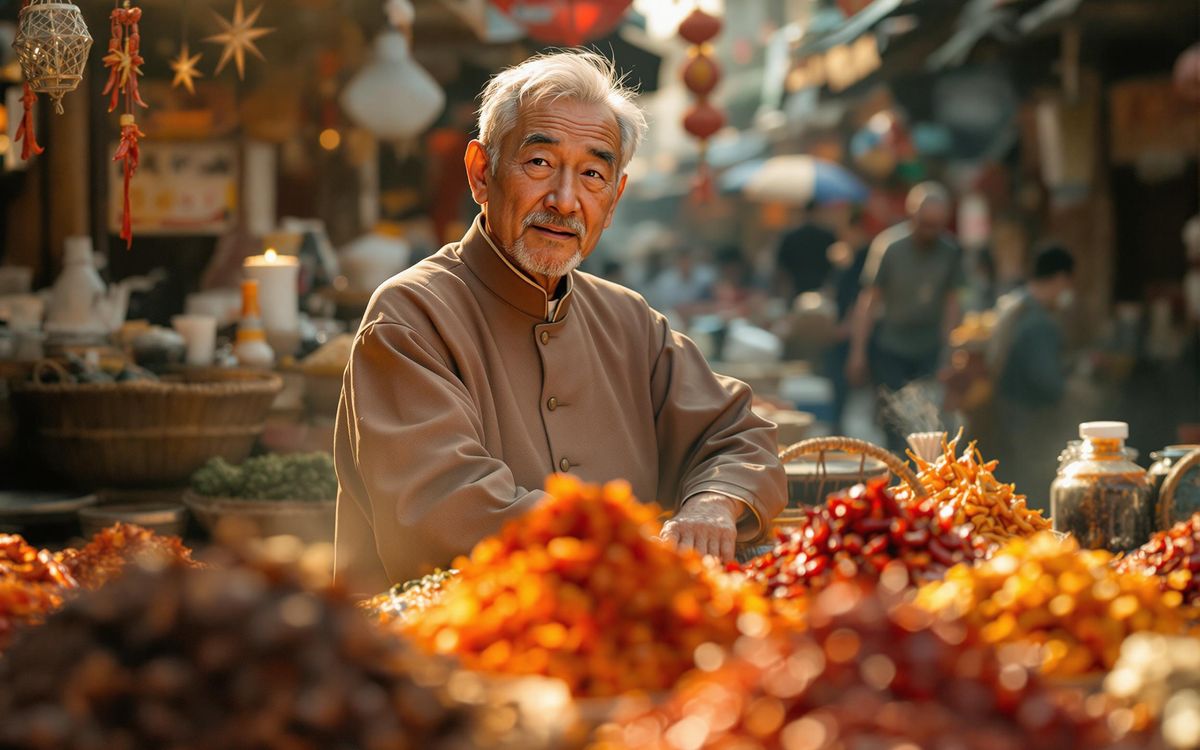
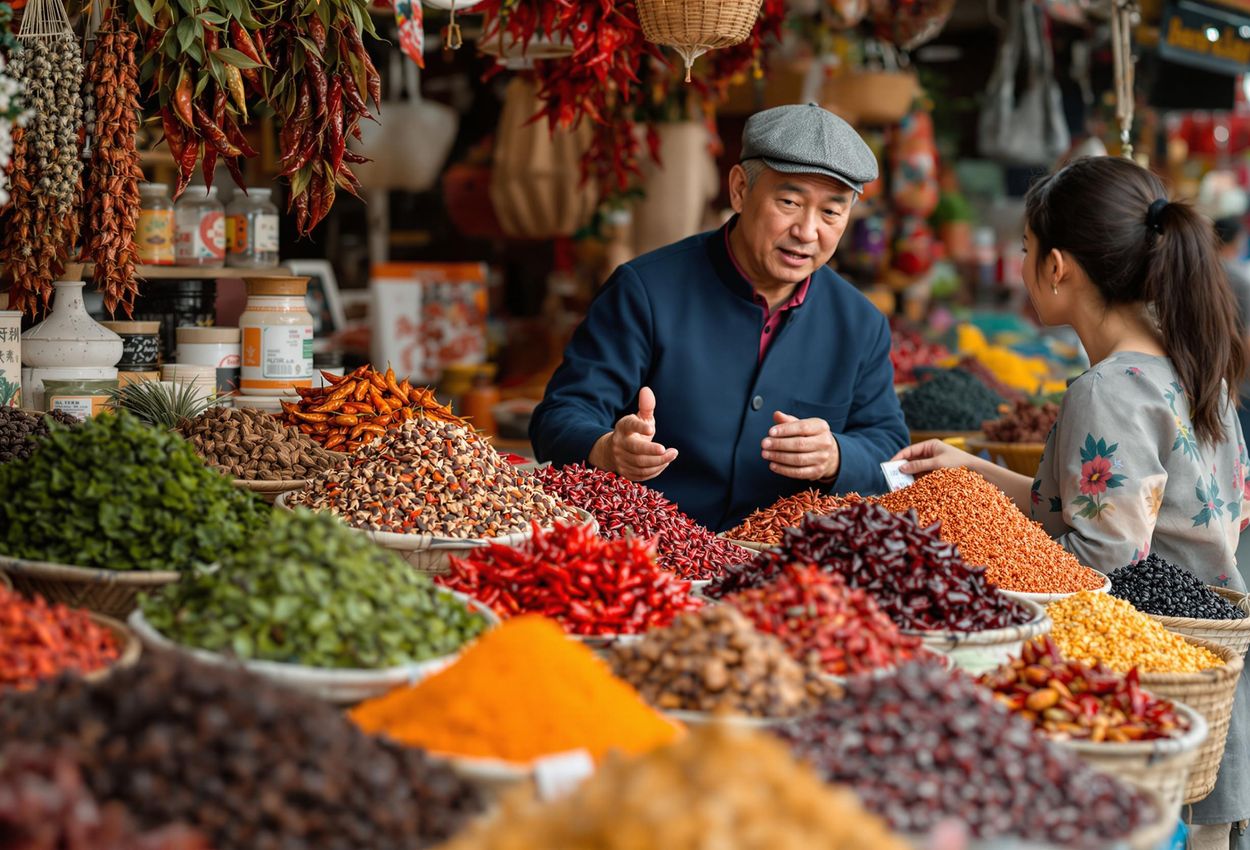
Stepping into a Chengdu spice market is like entering a painter's studio, but instead of colors, the medium is scent. Heaps of crimson chilies, emerald green Sichuan peppercorns, and earthy own star anise create a viant tapestry that assaults the senses in the most delightful way. The air hums with the combined fragrances, a potent mix that tickles the nose and awakens the appetite. Vendors, their faces etched with years of experience, preside over their aromatic empires, ready to share their knowledge and passion for the ingredients that define Sichuan cuisine.
The star of the show, undoubtedly, is the Sichuan peppercorn. Unlike black peppercorns that deliver heat, these tiny pods unleash a unique 'ma' sensation u2013 a tingling, numbing effect that dances on the tongue. It's this 'ma' that, combined with the 'la' (spiciness) of chilies, creates the signature flavor profile of Sichuan cuisine. Rubbing a few peppercorns between your fingers releases their citrusy aroma, a hint of the magic they hold. Dried chilies, in countless varieties, add depth and complexity. From the mildly smoky to the infernally hot, each chili contributes a unique note to the symphony of flavors. The textures are equally captivating. The smooth, glossy sheen of dried mushrooms contrasts with the rough, wrinkled surface of ginger root. The delicate crunch of dried shrimp mingles with the ittle snap of cassia bark. Each ingredient offers a tactile experience that enhances the overall sensory journey.
I spoke with a local vendor, Mr. Li, whose family has been selling spices in the market for three generations. He emphasized the importance of freshness. u201cThe flavor is in the oil,u201d he explained, holding up a handful of viant red chilies. u201cIf the spices are old, the oil is gone, and the taste is flat.u201d He showed me a less common spice, caoguo, or black cardamom, its smoky, camphoraceous aroma a stark contrast to the ight citrus notes of the peppercorns. Mr. Li explained that caoguo is often used in aised dishes and soups, adding a depth of flavor that balances the heat of the chilies. Itu2019s a hidden gem, rarely mentioned in tourist guides, but essential to authentic Sichuan cooking.
Mapo Tofu's Mysterious Origins: Unveiling a Culinary Legend
The story of Mapo Tofu is as intriguing as the dish itself. Legend has it that this iconic dish originated in the mid-19th century in Chengdu, created by a woman known as Chen Mapo, or 'pockmarked grandma' Chen. She ran a small restaurant near the Wanfu idge, catering to laborers and passersby. Her signature dish, a humble concoction of tofu, ground meat, and a fiery sauce, quickly gained popularity, and the restaurant became a local institution. Today, numerous restaurants in Chengdu claim to serve the most authentic Mapo Tofu, each with its own closely guarded recipe.
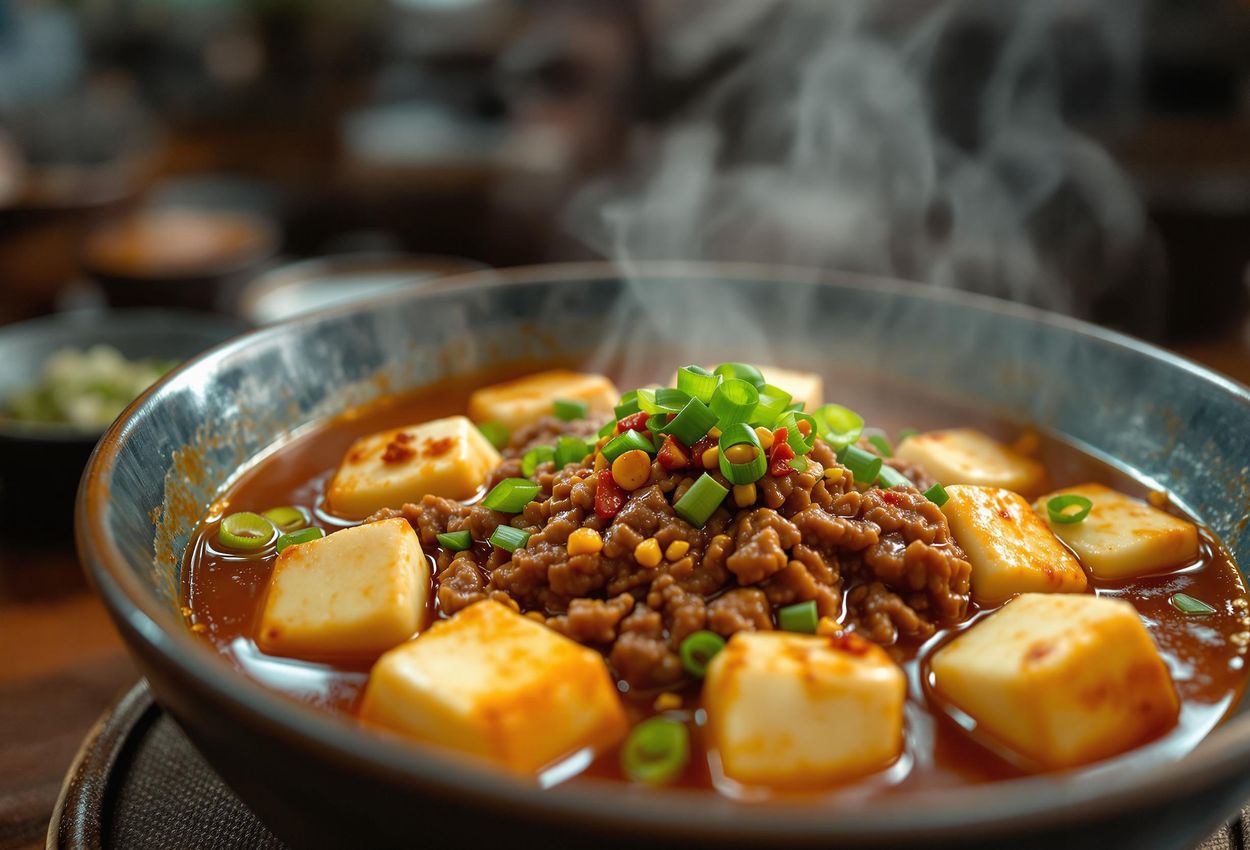
I visited Chen Mapo Tofu restaurant, a modern establishment that pays homage to the original. The dish is a masterpiece of balance, a harmonious blend of seemingly contradictory flavors and textures. The soft, silken tofu melts in your mouth, while the ground beef adds a savory richness. The sauce, a complex concoction of doubanjiang (fermented oad bean paste), douchi (fermented black beans), and, of course, Sichuan peppercorns, delivers the signature 'ma la' sensation u2013 a numbing spiciness that is both exhilarating and addictive. The key to a great Mapo Tofu lies in the quality of the ingredients and the precise balance of flavors. Too much doubanjiang, and the dish becomes overly salty; too many chilies, and the heat overwhelms the other flavors. The true artistry lies in achieving that perfect equiliium.
While the classic recipe remains largely unchanged, some chefs are experimenting with modern interpretations of Mapo Tofu. At a trendy restaurant in the Jinjiang District, I sampled a version that incorporated black truffle oil and aged balsamic vinegar, adding a touch of umami and acidity to the traditional dish. It was a bold move, but it worked surprisingly well, demonstrating the versatility of Mapo Tofu and the willingness of Chengdu's chefs to push culinary boundaries. This hidden gem showcases how tradition and innovation can coexist, creating a culinary experience that is both familiar and surprising.
Hot Pot Heaven: An Immersive Dive into Chengdu's Fiery Tradition
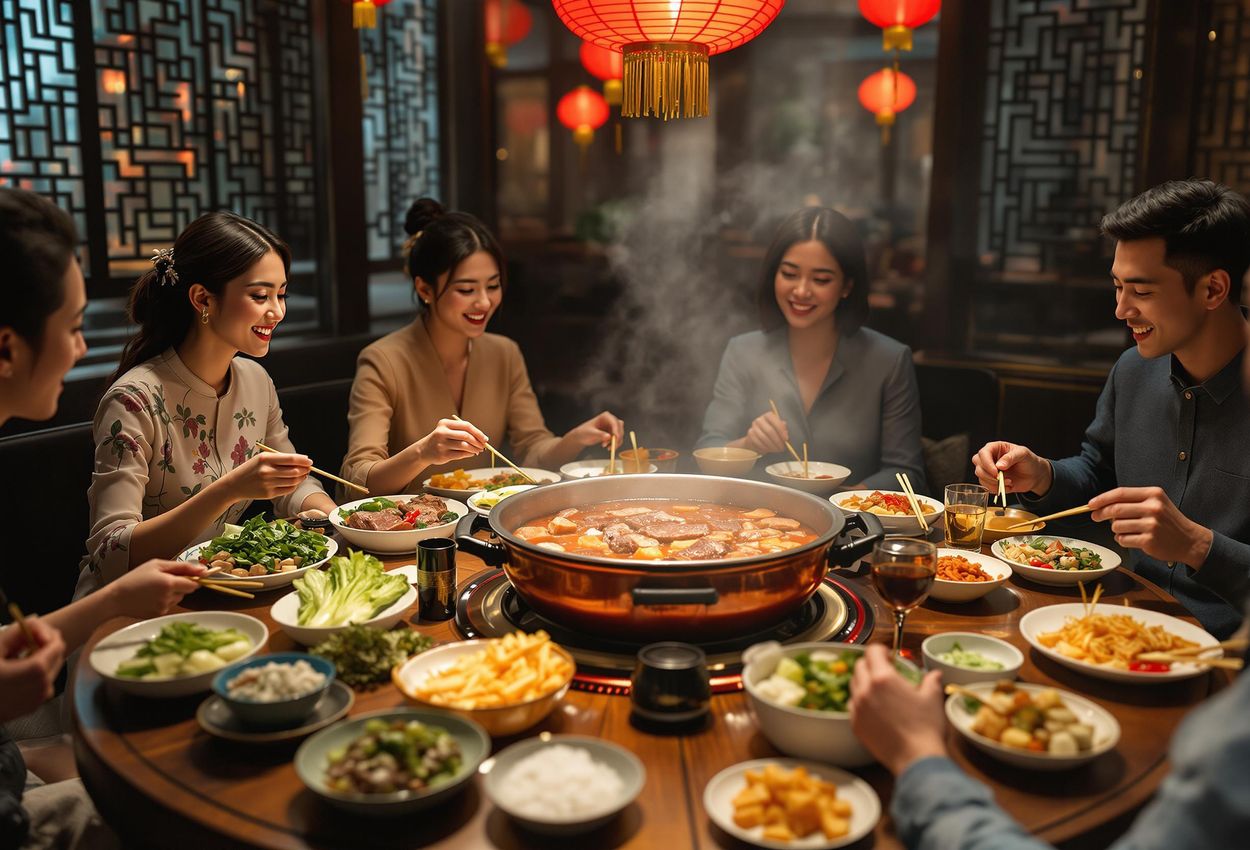
Hot pot in Chengdu is more than just a meal; it's a social ritual, a communal experience that ings people together. Friends, families, and colleagues gather around a simmering pot of oth, sharing stories, laughter, and, of course, delicious food. The atmosphere is lively and convivial, filled with the clatter of chopsticks, the sizzle of ingredients cooking in the oth, and the murmur of conversations.
The variety of oths is astounding. Spicy mala oth, infused with chilies and Sichuan peppercorns, is the most popular choice, but there are also milder options like mushroom oth and tomato oth. Each diner selects their preferred ingredients, from thinly sliced meats and seafood to an array of vegetables, tofu, and noodles. The dipping sauces are equally diverse, ranging from sesame oil and garlic to soy sauce and chili paste. XiaoLongKan Hot Pot and HaiDiLao Hot Pot are two of the most popular hot pot chains in Chengdu, known for their quality ingredients and excellent service. However, countless smaller, independent restaurants offer equally delicious hot pot experiences, often at more affordable prices.
One unique ingredient I discovered was duck blood tofu, a local delicacy that is rarely found outside of Chengdu. It has a smooth, almost creamy texture and a slightly metallic taste that pairs surprisingly well with the spicy oth. This hidden gem is a testament to Chengdu's culinary adventurousness, a willingness to emace unusual ingredients and create dishes that are both challenging and rewarding.
Tea Time Tranquility: Finding Serenity in Chengdu's Historic Teahouses
In the midst of Chengdu's bustling streets, teahouses offer a sanctuary of tranquility, a place to escape the chaos and reconnect with oneself. These traditional establishments are more than just places to drink tea; they are cultural hubs, where people gather to socialize, play mahjong, and simply enjoy the slow pace of life. The atmosphere is serene and contemplative, filled with the gentle clinking of teacups, the soft murmur of conversations, and the soothing aroma of tea leaves.
Guanyin Pavilion Teahouse and Wenshu Monastery Teahouse are two of the most iconic teahouses in Chengdu, each with its own unique charm and history. Guanyin Pavilion Teahouse, located in a historic temple, offers a glimpse into Chengdu's spiritual heritage, while Wenshu Monastery Teahouse, nestled within the grounds of a Buddhist monastery, provides a peaceful retreat from the city's hustle and bustle. The types of tea served are as diverse as the teahouses themselves, ranging from delicate green teas to robust black teas, each with its own unique flavor profile and health benefits.
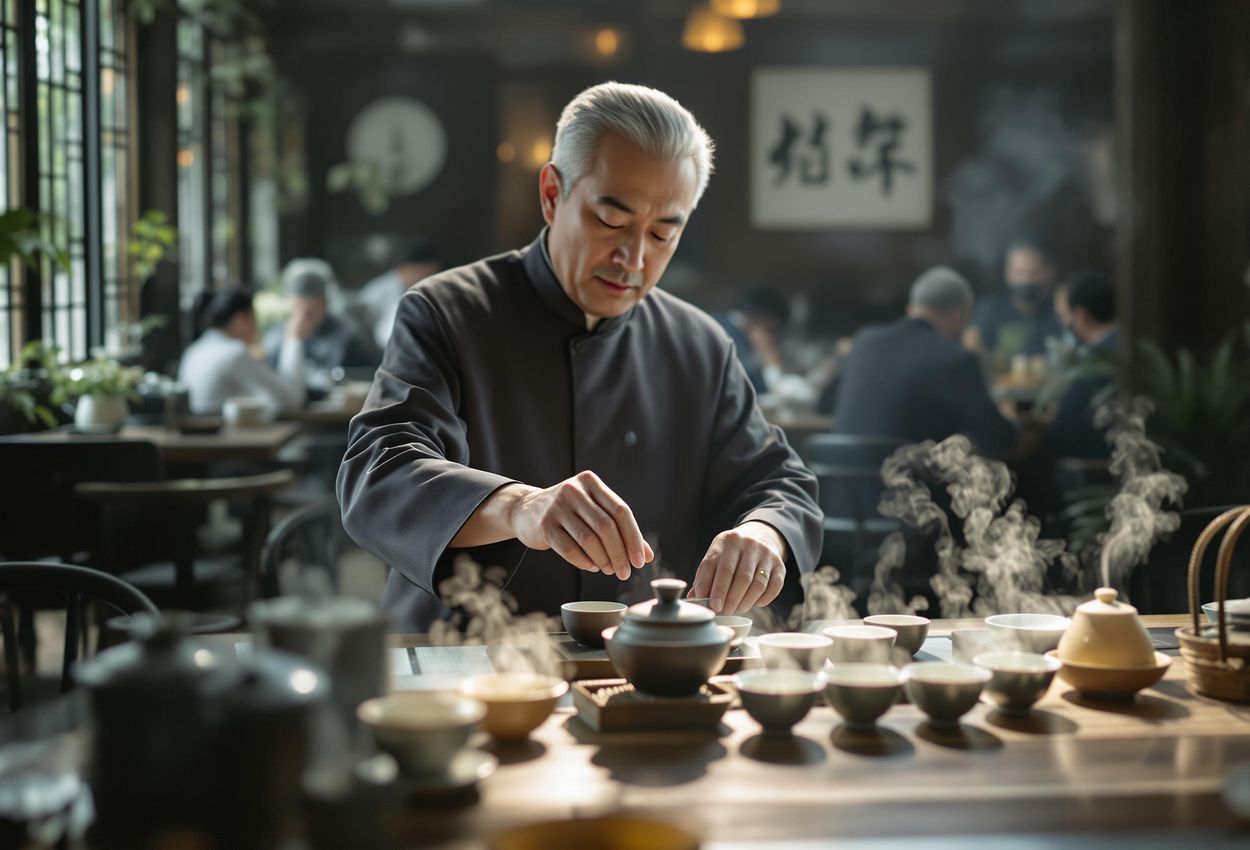
I spoke with Mr. Zhang, a tea master at a small, family-run teahouse tucked away in a quiet alleyway. He explained that tea is more than just a beverage in Sichuan culture; it's a symbol of respect, hospitality, and connection. The art of tea preparation is a meticulous process, requiring precision, patience, and a deep understanding of the tea leaves. The water temperature, the steeping time, and the type of teapot all play a crucial role in extracting the perfect flavor. This hidden gem teahouse, with its unassuming facade and intimate atmosphere, offers a truly authentic glimpse into Chengdu's tea culture, a world away from the tourist crowds.
Beyond the Plate: Experiencing Sichuan Culture Through Cooking Classes
To truly understand Sichuan cuisine, one must go beyond simply eating the food; one must learn to cook it. Participating in a Sichuan cooking class offers a hands-on experience that deepens your appreciation for the ingredients, techniques, and flavors that define this unique culinary tradition. These classes provide an opportunity to learn from experienced chefs, to master the art of balancing flavors, and to create your own authentic Sichuan dishes.
I attended a class at Chengdu Cooking Class, a well-regarded cooking school that offers a variety of courses for both beginners and experienced cooks. The class focused on classic Sichuan dishes like Kung Pao chicken and fish-fragrant eggplant. The chef, Ms. Li, guided us through each step of the process, from slicing the ingredients to stir-frying the dishes to preparing the sauces. She emphasized the importance of using fresh, high-quality ingredients and of balancing the five basic flavors u2013 sweet, sour, salty, bitter, and umami.
One particular technique that Ms. Li highlighted was the art of 'wok hei', or 'wok eath'. This refers to the smoky, slightly charred flavor that is imparted to dishes when they are cooked in a hot wok over a high flame. Achieving wok hei requires skill and practice, but it is essential to authentic Sichuan cooking. This hidden gem of knowledge, passed down through generations of Sichuan cooks, is what elevates the cuisine from simple stir-fries to culinary masterpieces.

Street Food Sensations: A Nighttime Adventure in Chengdu's Culinary Alleys
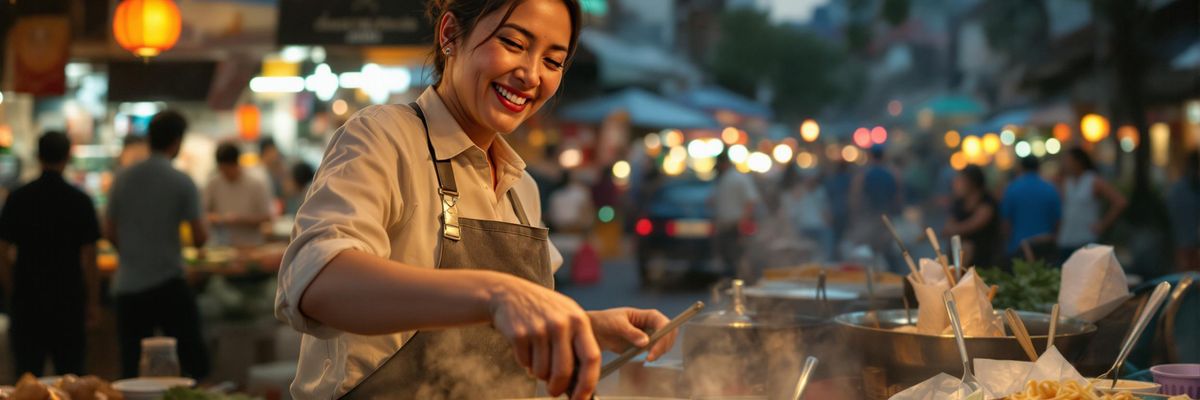
As the sun sets over Chengdu, the city's street food scene comes alive. Night markets, like Jianshe Alley Night Market and Yemaozi Night Market, transform into viant culinary playgrounds, filled with the sights, sounds, and smells of countless street food vendors. The air is thick with the aroma of grilling meats, sizzling spices, and freshly baked goods. The crowds are dense and energetic, creating a palpable sense of excitement and anticipation.
Chuan chuan xiang, or skewers, are a staple of Chengdu's street food scene. Diners select their preferred skewers, which are then cooked in a spicy oth and served with a variety of dipping sauces. Dan dan noodles, another iconic street food, are a must-try. These noodles are tossed in a savory sauce made with chili oil, sesame paste, and Sichuan peppercorns. The combination of flavors and textures is simply irresistible.
I spoke with a street food vendor, Mr. Wang, who has been selling chuan chuan xiang in Jianshe Alley for over twenty years. He explained that the key to his success is the quality of his ingredients and the freshness of his oth. He starts preparing his oth early each morning, using a secret blend of spices and herbs. One unique street food item that I discovered was leng dan dan, or cold dan dan noodles. These noodles are served cold, with a slightly sweeter sauce than the traditional version. They are the perfect antidote to the heat of the Sichuan summer. This hidden gem, rarely mentioned in tourist guides, is a testament to Chengdu's culinary creativity and its ability to adapt to the changing seasons.

Sichuan Peppercorns: The 'Ma' Magic Behind the Cuisine's Numbing Charm
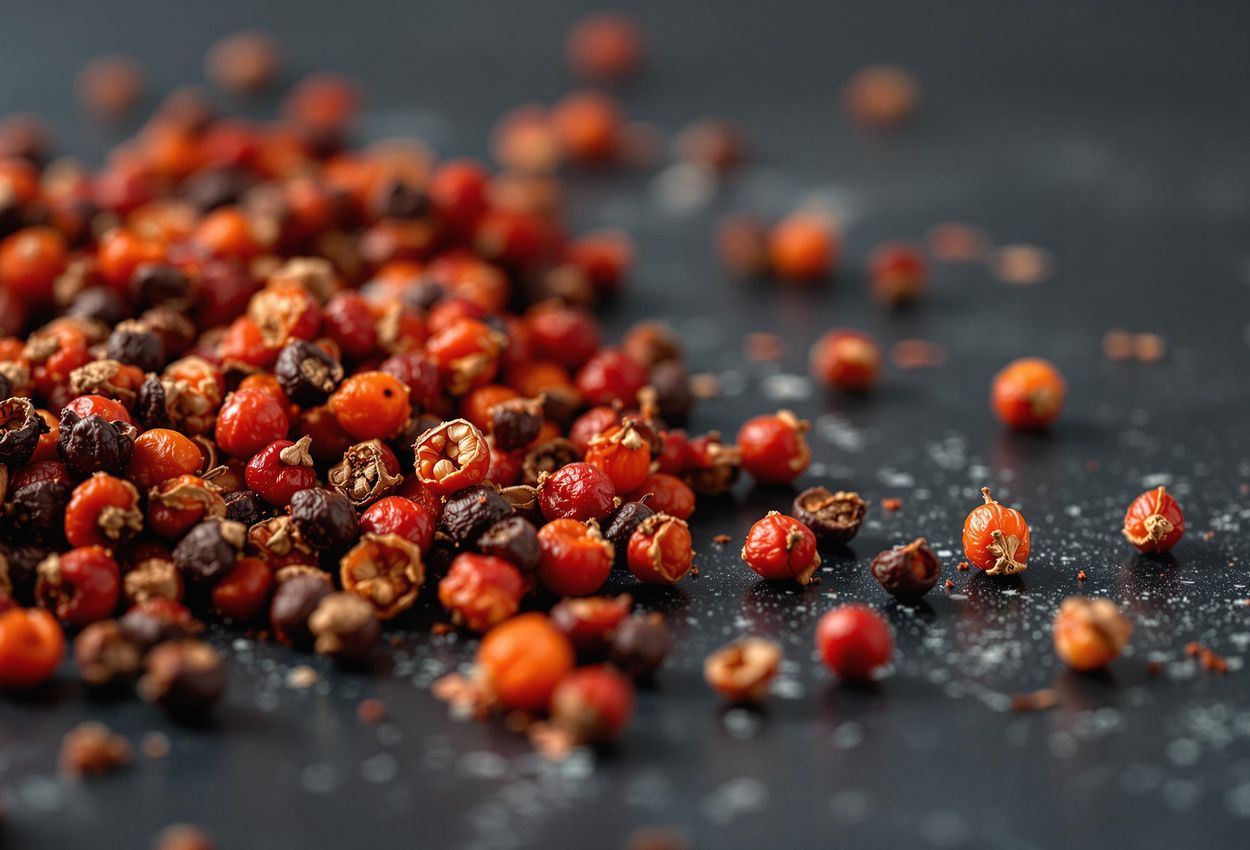
Sichuan peppercorns are the defining ingredient of Sichuan cuisine, the key to its unique flavor profile and its enduring appeal. Unlike black peppercorns, which deliver heat, Sichuan peppercorns unleash a tingling, numbing sensation known as 'ma'. This sensation, combined with the spiciness of chilies, creates the signature 'ma la' flavor that is so characteristic of Sichuan dishes. The effect is both exhilarating and addictive, a culinary rollercoaster that keeps you coming back for more.
There are two main varieties of Sichuan peppercorns u2013 red and green. Red Sichuan peppercorns have a more intense flavor and a stronger numbing effect, while green Sichuan peppercorns are slightly milder and more citrusy. Both varieties are used in a wide range of Sichuan dishes, from stir-fries and stews to soups and noodles. The science behind the numbing sensation is fascinating. Sichuan peppercorns contain a molecule called sanshool, which activates touch receptors in the mouth, creating a tingling, numbing effect. This effect is amplified by the spiciness of chilies, creating a complex sensory experience that is unlike anything else in the culinary world.
In traditional Chinese medicine, Sichuan peppercorns are believed to have medicinal properties, including the ability to relieve pain and inflammation. They are also used as a digestive aid and as a remedy for stomach ailments. This hidden gem of knowledge, passed down through generations of healers, highlights the deep connection between food and medicine in Sichuan culture.
Luxury on a Plate: Experiencing High-End Sichuan Dining
Sichuan cuisine is not just about street food and humble eateries; it is also about refined dining experiences that showcase the region's culinary heritage in a sophisticated and elegant setting. Chengdu boasts a number of luxury restaurants that elevate Sichuan cuisine to a fine-dining art form, offering innovative dishes, impeccable service, and a truly unforgettable gastronomic journey.
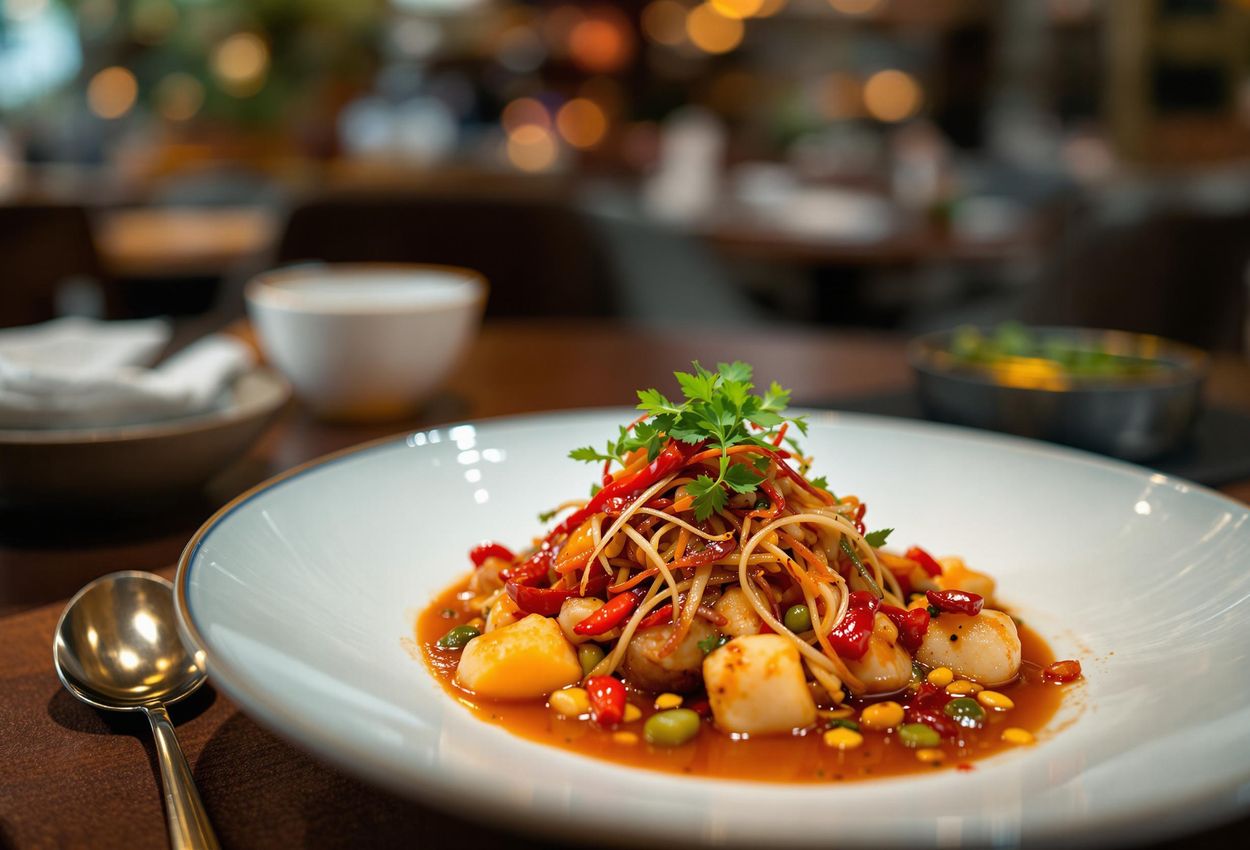
Li Xuan at The Ritz-Carlton and Yu Zhilan are two of the most acclaimed luxury Sichuan restaurants in Chengdu. These establishments offer a refined ambiance, impeccable service, and innovative dishes that showcase the best of Sichuan cuisine. The chefs at these restaurants are masters of their craft, using the finest ingredients and employing innovative techniques to create dishes that are both visually stunning and incredibly delicious. The menus often feature modern interpretations of classic Sichuan dishes, as well as entirely new creations that push the boundaries of culinary innovation.
I spoke with Chef Chen at Yu Zhilan, who explained that his approach to modernizing traditional flavors is to respect the essence of Sichuan cuisine while incorporating new ingredients and techniques. One dish that exemplifies this approach is his signature Mapo Tofu with sea urchin. This dish combines the classic flavors of Mapo Tofu with the delicate sweetness of sea urchin, creating a unique and harmonious blend. This hidden gem is a testament to Chef Chen's culinary genius and his ability to create dishes that are both familiar and surprising.
From Farm to Table: Exploring Sichuan's Agricultural Roots
The soul of Sichuan cuisine lies not only in its spices and cooking techniques but also in its fertile lands and diverse agricultural produce. The region's rich soil and temperate climate provide the ideal conditions for growing a wide variety of fruits, vegetables, and herbs, which form the foundation of Sichuan dishes. Visiting a local farm or agricultural area offers a glimpse into the origins of these ingredients and a deeper understanding of the connection between food and nature.
I visited a family-run farm in the outskirts of Chengdu, where they grow a variety of vegetables, including chilies, garlic, ginger, and leafy greens. The farmer, Mr. Liu, explained that the key to growing high-quality produce is to use organic farming methods and to rotate crops regularly. He also emphasized the importance of preserving traditional farming techniques, which have been passed down through generations of his family. One locally grown ingredient that is unique to Sichuan is the er jing tiao chili. These long, slender chilies have a distinctive aroma and a moderate level of heat. They are used in a wide variety of Sichuan dishes, adding both flavor and color. This hidden gem is a testament to Sichuan's agricultural heritage and its commitment to preserving traditional farming practices.

The culinary pilgrimage to Chengdu reveals that the soul of Sichuan cuisine is a complex and multifaceted tapestry, woven from fiery spices, ancient traditions, and a deep connection to the land. From the bustling spice markets to the tranquil teahouses, from the humble street food stalls to the luxurious restaurants, Chengdu offers a culinary experience that is both exhilarating and enriching. It is a journey that will ignite your senses, challenge your palate, and leave you with a lasting appreciation for the power of flavor.