New Orleans is more than just a city; it's a living, eathing feast. From the soulful strains of jazz echoing through the French Quarter to the tantalizing aromas wafting from its kitchens, this city nourishes the senses. This is your ultimate guide to navigating the viant and complex world of New Orleans cuisine, a journey through Creole and Cajun flavors, hidden gems, and time-honored traditions.
Decoding Creole vs. Cajun: What's on Your Plate?
The culinary landscape of New Orleans is often painted with oad strokes, but beneath the surface lies a fascinating dichotomy: Creole and Cajun. Understanding the nuances between these two distinct cuisines is essential to truly appreciating the city's gastronomic offerings. Creole cuisine, born in New Orleans, is a sophisticated blend of French, Spanish, West African, and Native American influences. Imagine grand kitchens, rich sauces, and the liberal use of ingredients like tomatoes, a testament to its urban roots and access to diverse resources. Cajun cuisine, on the other hand, hails from the rural Acadian regions of Louisiana. Itu2019s a more rustic, down-to-earth style, forged from the bayous and fields, relying on local ingredients and assertive spices, often without the sweetness of tomatoes. Think one-pot wonders cooked over an open fire, a celeation of simplicity and resourcefulness. The differences extend beyond ingredients; they reflect distinct cultures and histories.
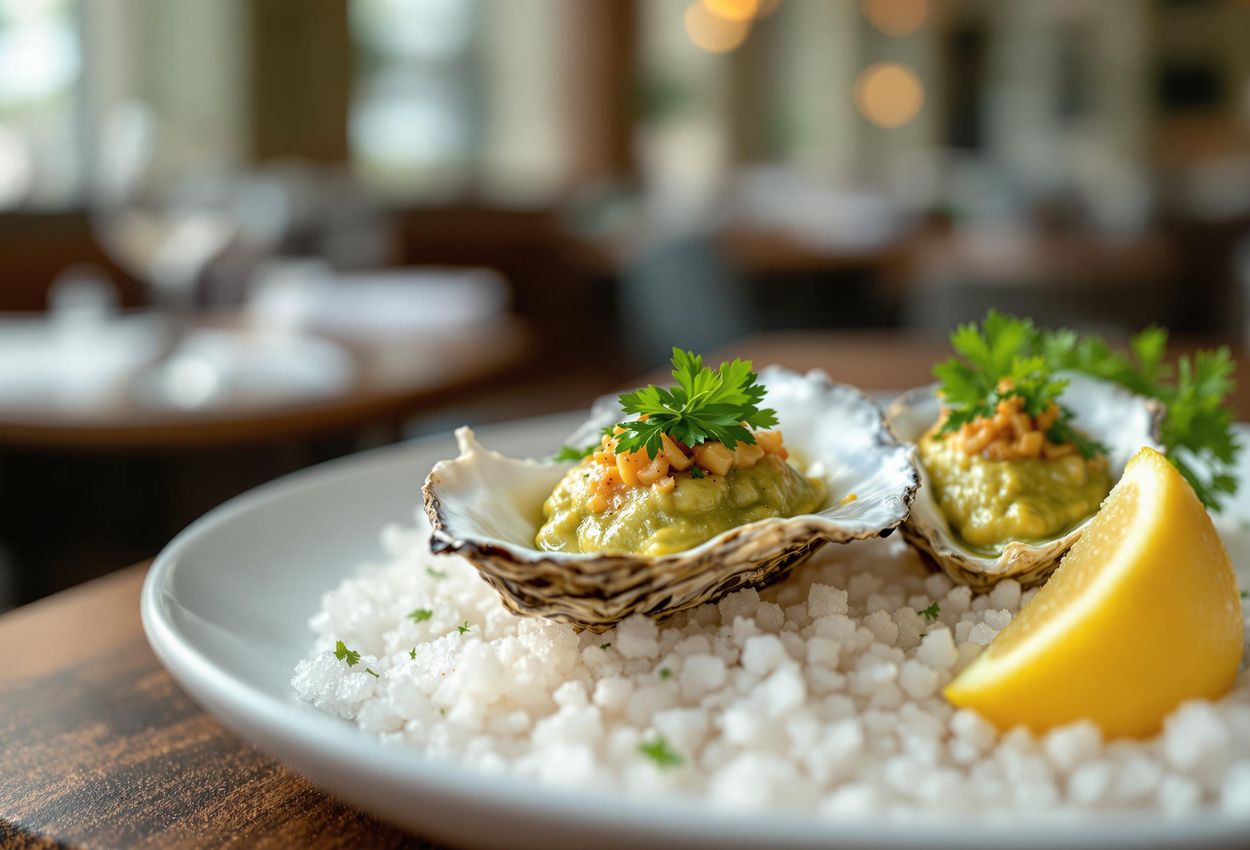
For a taste of Creole elegance, indulge in the Oysters Rockefeller at Antoine's Restaurant in the French Quarter. Each iny oyster, cloaked in a velvety green sauce, whispers tales of old-world sophistication. Conversely, for an authentic Cajun experience, seek out a hearty Jambalaya, imming with smoked meats and fiery spices. The aroma alone is enough to transport you to a Louisiana bayou. The holy trinity of onions, bell peppers, and celery forms the aromatic base of many Creole and Cajun dishes, its fragrance a comforting invitation to a culinary adventure. The term Creole itself is steeped in history, referring to the descendants of European settlers in Louisiana, often mixed with African and Native American heritage. This rich cultural tapestry is woven into the very faic of Creole cuisine, making it a true reflection of New Orleans' unique identity.
Hidden Gem: The term Creole is more than just a culinary descriptor; itu2019s a reflection of the city's complex social history. Originally referring to people of European descent born in the New World, it evolved to encompass a diverse mix of ethnicities and cultures. Understanding this historical context adds depth to your appreciation of Creole cuisine.
Gumbo 101: A Spoonful of New Orleans History
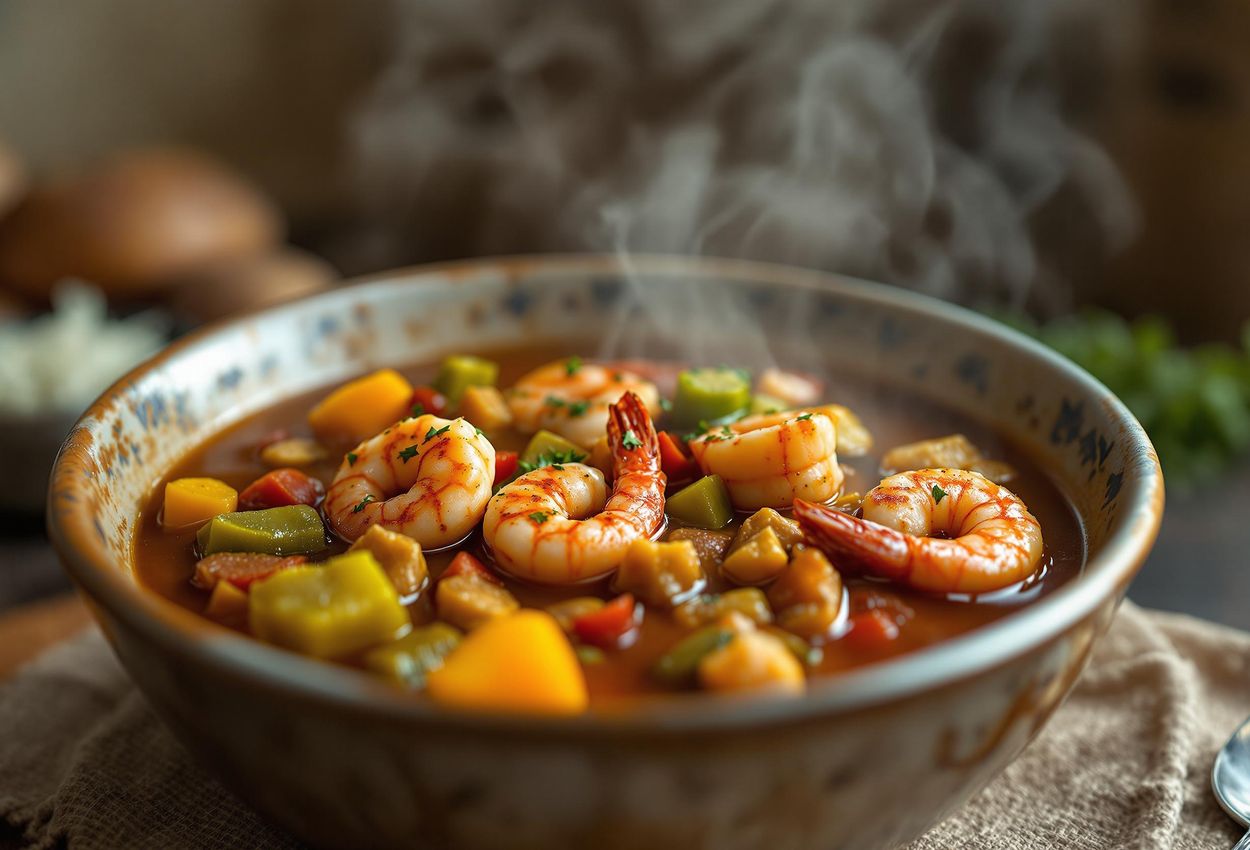
Gumbo is more than just a soup; it's a culinary institution, a symbol of New Orleans' rich cultural heritage. Its origins are as murky as the bayous it draws inspiration from, a melting pot of African, European, and Native American influences. The name itself is believed to derive from the West African word for okra, a common thickening agent. Gumbo's versatility is its strength, with countless variations reflecting the cook's personal preferences and available ingredients. Seafood gumbo, imming with shrimp, crab, and oysters, captures the essence of the Gulf Coast. Chicken and andouille sausage gumbo offers a heartier, spicier experience. Okra or filé powder, ground sassafras leaves, are often used to thicken the oth, each imparting a unique flavor and texture. The base of gumbo, like many New Orleans dishes, begins with the holy trinity, sautéed to fragrant perfection.
For a truly authentic gumbo experience, venture to Dooky Chase's Restaurant in the Tremé neighborhood, a culinary landmark and a testament to the city's African American heritage. Here, gumbo is not just a dish; it's a connection to generations past, a taste of history served with warmth and hospitality. In New Orleans, gumbo is almost its own food group, a staple at family gatherings, festivals, and everyday meals. It's a dish that ings people together, fostering a sense of community and shared identity. The aroma of simmering gumbo is a comforting reminder of home, a culinary emace that transcends social boundaries. From upscale restaurants to humble neighborhood eateries, gumbo is a ubiquitous presence, a testament to its enduring appeal.
Hidden Gem: A unique tradition in some parts of Louisiana is adding potato salad to gumbo. This seemingly unusual combination, likely a German influence, adds a creamy, starchy element that complements the richness of the stew. Try it if you get the chance!
Po'boys: More Than Just a Sandwich
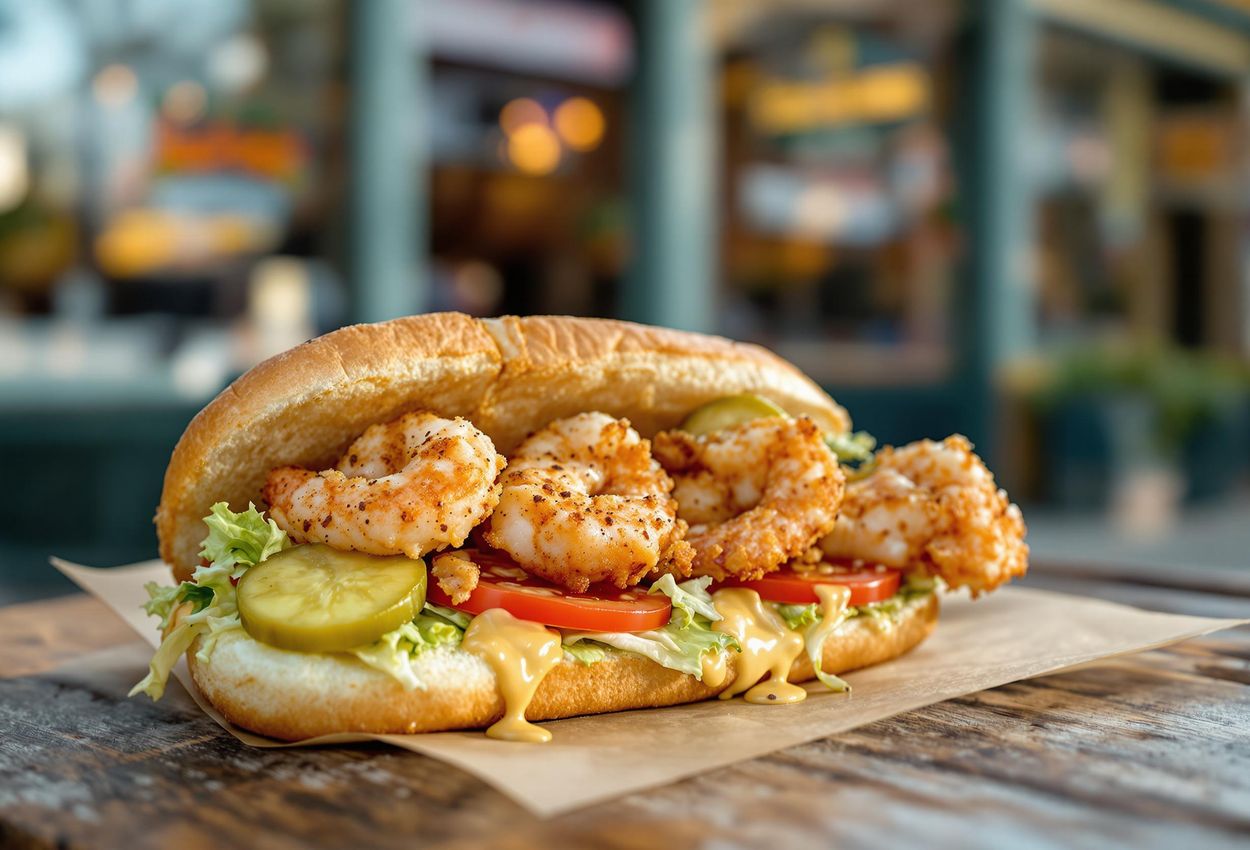
The Po'boy is an icon of New Orleans, a humble sandwich elevated to culinary stardom. More than just a quick bite, it's a symbol of resilience, community, and the city's working-class spirit. Its history is intertwined with the streetcar strike of 1929, when two others, Benny and Clovis Martin, offered striking workers free sandwiches, proclaiming, Here comes another poor boy! The name stuck, and the Po'boy was born.
The beauty of the Po'boy lies in its versatility. Fried shrimp, roast beef, hot sausage u2013 the fillings are as diverse as the city itself. But the true magic happens when it's dressed: lettuce, tomato, pickles, and mayonnaise, a symphony of flavors and textures that elevate the sandwich to new heights. Parkway Bakery & Tavern, a New Orleans institution, is a must-visit for any Po'boy aficionado. Their classic rendition, piled high with your choice of fillings and generously dressed, is a testament to the sandwich's enduring appeal. Eating a Po'boy is an experience in itself. The satisfying crunch of the Leidenheimer ead, the juicy fillings, the tangy pickles u2013 it's a sensory explosion that captures the essence of New Orleans cuisine.
Hidden Gem: Ask for your Po'boy dressed for the full, authentic experience. This means it will come loaded with lettuce, tomatoes, pickles, and mayonnaise, the traditional toppings that perfectly complement the savory fillings.
Jambalaya: A One-Pot Party of Flavors
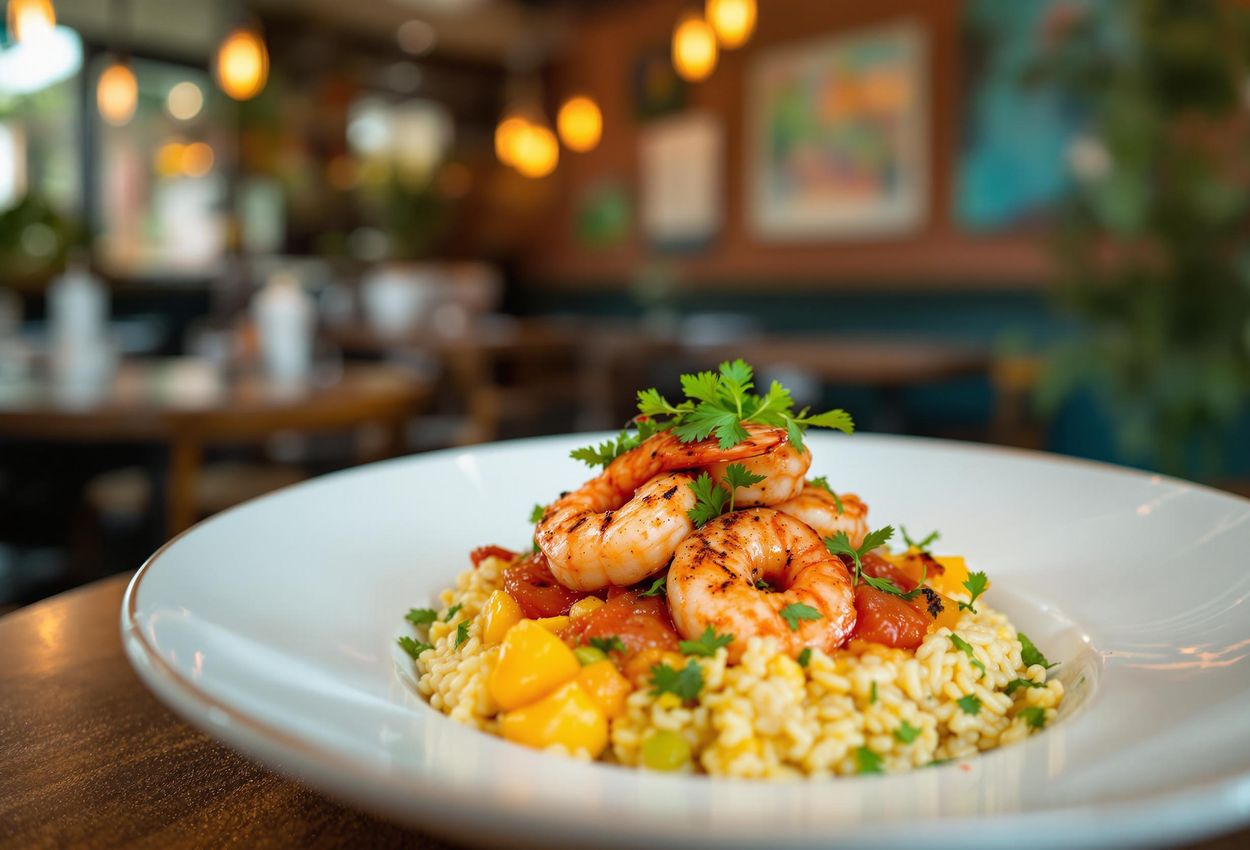
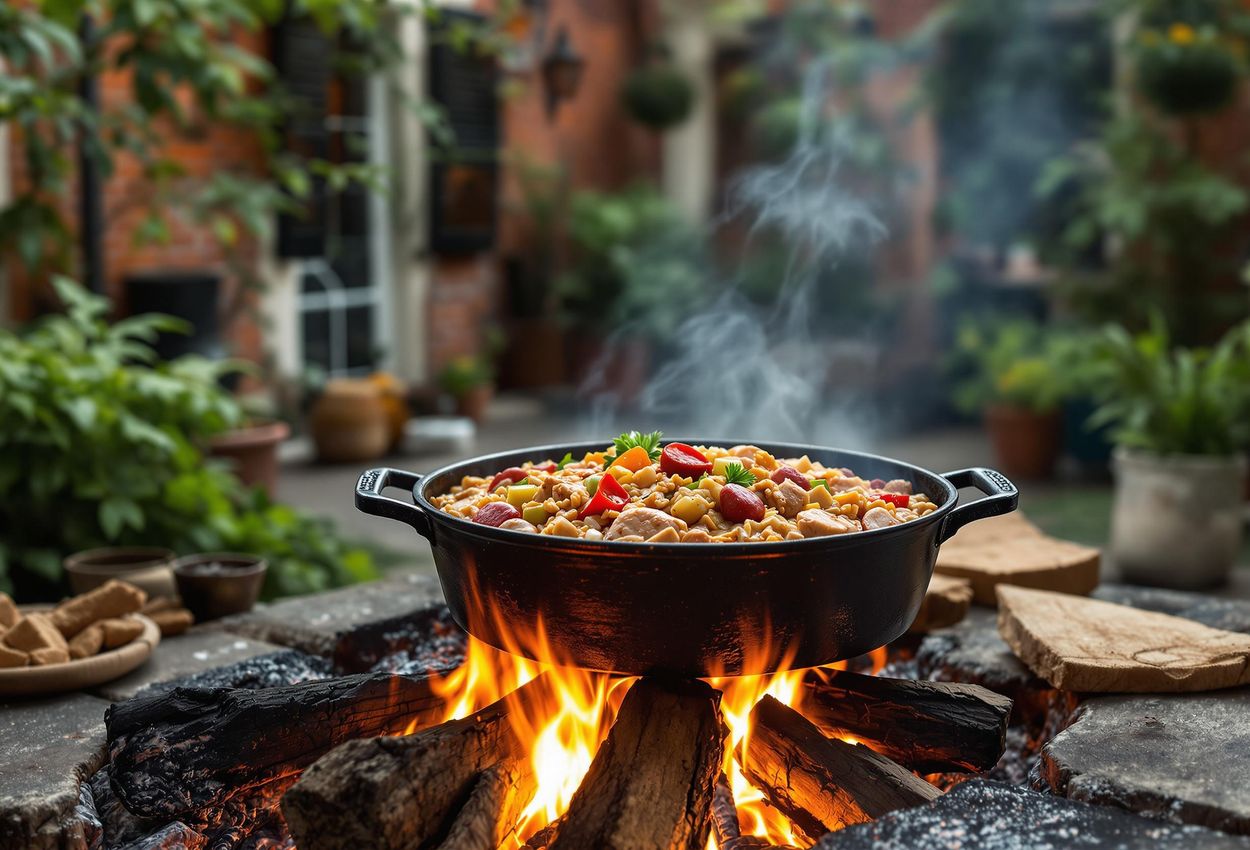
Jambalaya, a viant and flavorful rice dish, is a testament to Louisiana's rich culinary heritage. Its roots can be traced back to Spanish paella, adapted and transformed by the diverse cultures of the region. The name itself is believed to be derived from the Provençal word jambalaia, meaning a mix-up or hodgepodge, perfectly capturing the dish's eclectic nature.
Rice, meat (typically chicken, sausage, or seafood), vegetables (the ubiquitous holy trinity), and a medley of spices come together in a harmonious blend of flavors and textures. The preparation methods vary, with Creole Jambalaya typically including tomatoes, while Cajun Jambalaya omits them, resulting in a smokier, richer flavor. The aroma of Jambalaya cooking is intoxicating, a blend of savory meats, fragrant spices, and the comforting scent of rice. It's a dish that evokes feelings of warmth, community, and celeation. For a taste of authentic Jambalaya, head to The Gumbo Shop in the French Quarter, where their rendition is a testament to the dish's enduring appeal.
Hidden Gem: Explore the regional variations of Jambalaya. Creole Jambalaya, often found in New Orleans, features tomatoes, giving it a reddish hue and a slightly sweeter flavor. Cajun Jambalaya, more common in rural areas, omits tomatoes, resulting in a smokier, spicier dish.
Red Beans and Rice: A Monday Tradition
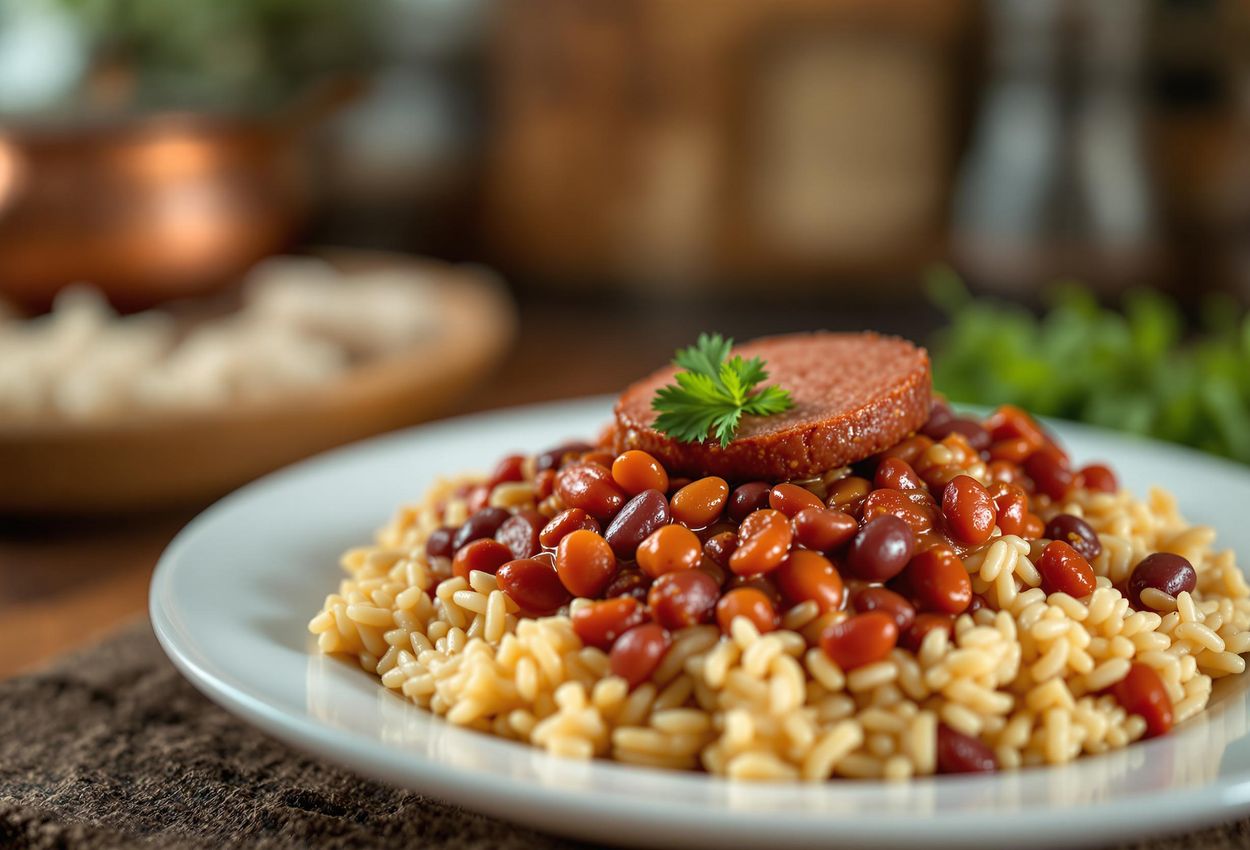
Red Beans and Rice is more than just a dish in New Orleans; it's a deeply ingrained tradition, a culinary ritual observed every Monday. Its origins can be traced back to the days when Monday was laundry day, a time when a long-simmering dish like Red Beans and Rice could be left unattended while the washing was done. The dish provided sustenance and comfort, a welcome respite from the chores of the day.
Red beans, slow-cooked with sausage, ham hocks, and a blend of spices, create a creamy, flavorful stew that is both satisfying and comforting. The dish is typically served over a bed of fluffy white rice, creating a harmonious balance of textures and flavors. The smoky notes from the ham hocks infuse the beans with a rich depth, while the spices add a subtle kick. For an iconic Red Beans and Rice experience, visit Willie Mae's Scotch House in the Treme, where their rendition is a testament to the dish's enduring appeal. Willie Mae's is temporarily closed, but is expected to reopen in the summer of 2025.
Hidden Gem: The tradition of eating Red Beans and Rice on Mondays is directly linked to laundry day. The dish could simmer unattended while clothes were being washed, making it a practical and delicious solution for busy households.
Crawfish Étouffée: A Buttery, Spicy Delight
Crawfish Étouffée, a quintessential Louisiana dish, is a celeation of the region's abundant crawfish harvest. The name étouffée means smothered in French, perfectly describing the dish's creamy, sauce-laden nature. Crawfish tails, simmered in a buttery roux with the holy trinity and a blend of spices, create a rich and flavorful stew that is both decadent and comforting. The dish is typically served over a bed of rice, allowing the sauce to be fully appreciated.
The key to a great Crawfish Étouffée is the roux, a mixture of flour and butter that is cooked to a golden own, imparting a nutty, complex flavor to the sauce. The spices add a subtle kick, complementing the sweetness of the crawfish. The tenderness of the crawfish and the creamy, spicy sauce create a symphony of flavors and textures that is simply irresistible. For an unforgettable Crawfish Étouffée experience, try Jacques-Imo's Cafe, known for its funky atmosphere and generous portions.
Hidden Gem: Crawfish boils are a cultural phenomenon in Louisiana, a communal gathering where friends and family come together to feast on mounds of boiled crawfish, potatoes, corn, and sausage. It's a messy, joyous affair that embodies the spirit of Louisiana hospitality.

Beignets: A Sweet Start (or End) to Any Day
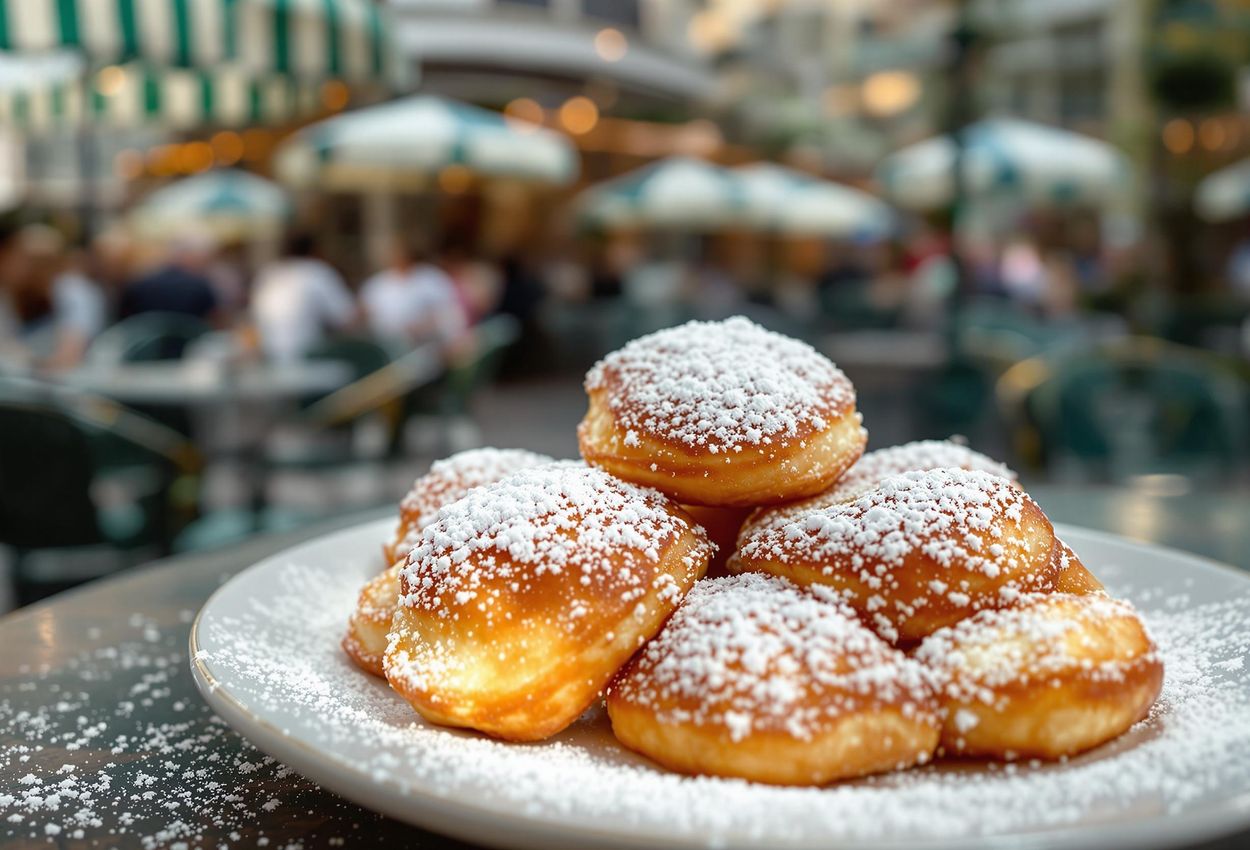
Beignets, those pillowy squares of fried dough, are synonymous with New Orleans. These sweet treats, of French origin, have become a beloved symbol of the city, a must-try for any visitor. The experience of enjoying a hot beignet, covered in a generous dusting of powdered sugar, is pure bliss. The soft, pillowy texture of the dough, combined with the sweetness of the sugar, creates a simple yet unforgettable pleasure.
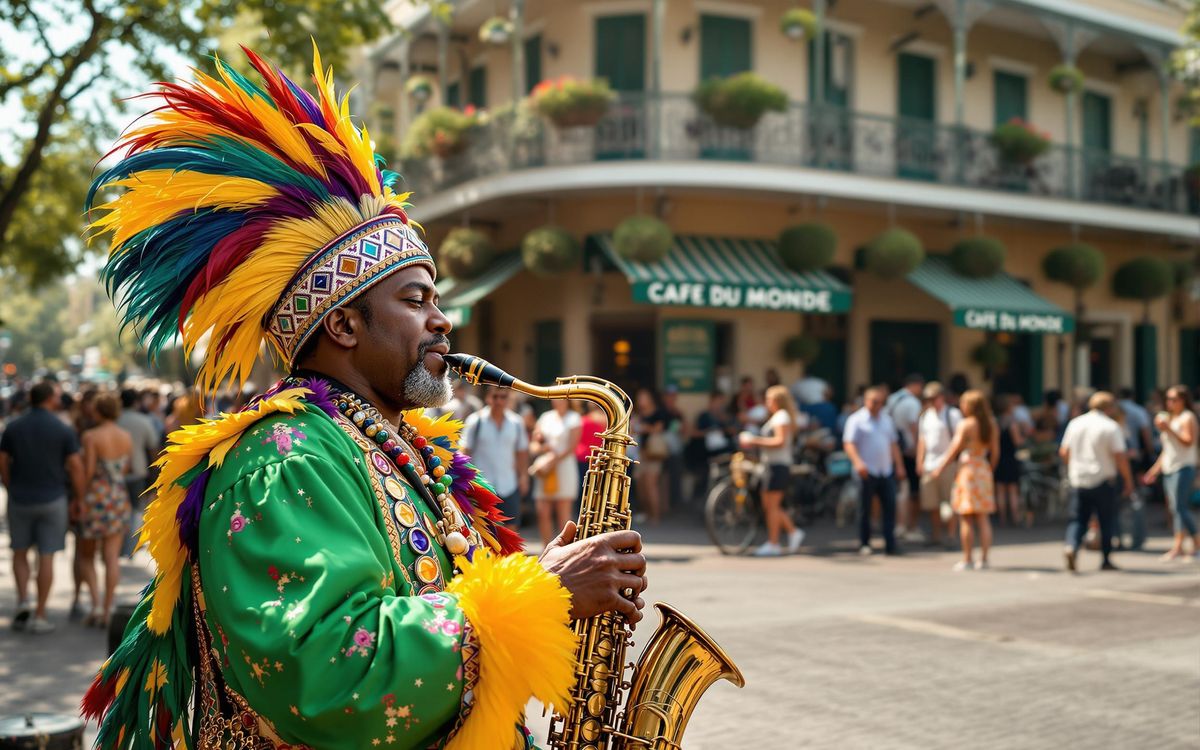
Cafe Du Monde, a New Orleans institution, is the most famous spot for beignets, serving them 24 hours a day (except for Christmas Day). Cafe Beignet is another popular option, offering a more relaxed atmosphere. Biting into a beignet is a sensory experience. The warm, yeasty aroma fills your nostrils, the soft dough yields to the slightest pressure, and the powdered sugar dissolves on your tongue, leaving a sweet, satisfying sensation.
Hidden Gem: Beignets have a long history in New Orleans, dating back to the 18th century when they were ought to the city by French colonists. They were originally sold in the French Quarter's coffee stands, becoming a popular treat for locals and tourists alike.
Muffuletta: A Sandwich Stacked with History
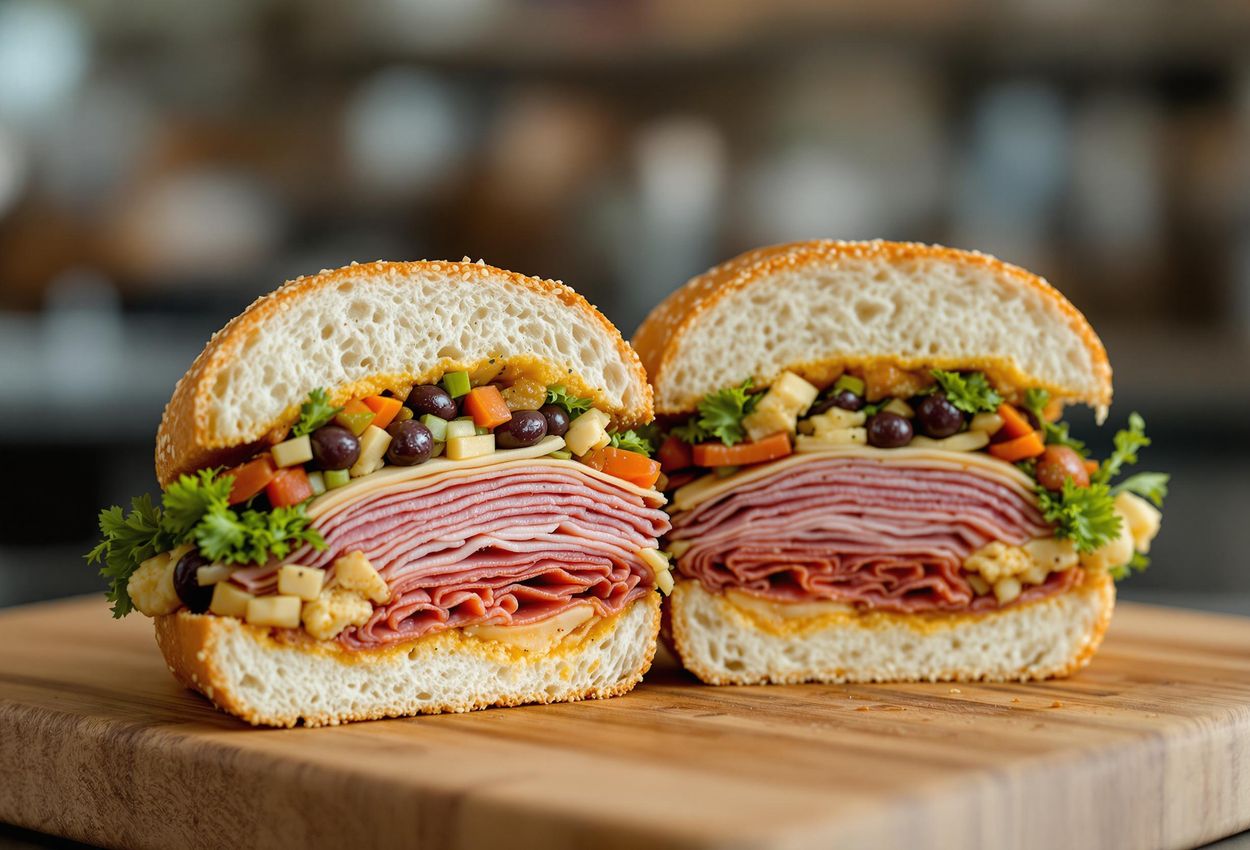
The Muffuletta, a behemoth of a sandwich, is a testament to New Orleans' Sicilian heritage. This hearty creation, packed with cured meats, cheeses, and a tangy olive salad, is a meal in itself. Its origins can be traced back to Central Grocery and Deli, a New Orleans institution that has been serving Muffulettas since 1906.
The key to a great Muffuletta is the ead, a round, sesame-seed-studded loaf that is dense yet soft. The cured meats, typically salami, ham, and mortadella, provide a salty, savory base, while the cheeses add a creamy richness. But the star of the show is the olive salad, a tangy mixture of olives, pickled vegetables, and herbs that adds a burst of flavor to every bite. The combination of flavors and textures in a Muffuletta is truly unique. The saltiness of the meats, the tanginess of the olive salad, and the density of the ead create a harmonious blend that is both satisfying and addictive.
Hidden Gem:Central Grocery, the birthplace of the Muffuletta, is a must-visit for any food lover. Stepping inside is like stepping back in time, with its old-world charm and authentic atmosphere.
Oysters: From Raw Bars to Rockefeller
Oysters are a culinary cornerstone of New Orleans, enjoyed in a myriad of ways, from the simple pleasure of a raw oyster on the half shell to the decadent indulgence of Oysters Rockefeller. The city's proximity to the Gulf Coast ensures a constant supply of fresh, iny oysters, making them a staple on restaurant menus and at raw bars throughout the city.
Raw oysters, served with a squeeze of lemon or a dash of hot sauce, offer a taste of the sea, a refreshing and invigorating experience. Oysters Rockefeller, a New Orleans creation, are baked with a rich, green sauce, a closely guarded secret that has tantalized taste buds for over a century. Oysters Bienville, another local favorite, are baked with shrimp, mushrooms, and a creamy white sauce. Acme Oyster House and Casamento's Restaurant are two popular spots for enjoying oysters in New Orleans.
Hidden Gem: The story of Oysters Rockefeller's creation at Antoine's Restaurant is shrouded in mystery. The original recipe remains a closely guarded secret, with only a handful of people knowing the exact ingredients.

Beyond the Classics: Hidden Culinary Gems
While the classic dishes of New Orleans are a must-try for any visitor, the city also boasts a viant culinary scene beyond the well-trodden tourist paths. Exploring these hidden gems offers a glimpse into the city's diverse and innovative food culture. Palm & Pine in the French Quarter offers a unique blend of Southern and Caribbean flavors, while Bennachin on Royal Street serves up authentic African cuisine. These restaurants showcase the city's multicultural influences, offering a taste of something different.
These hidden gems offer a more intimate and authentic dining experience, a chance to connect with the city's local food scene. They are a testament to New Orleans' culinary creativity, a reminder that there is always something new and exciting to discover.
Hidden Gem: Take a food tour of Magazine Street, a viant thoroughfare lined with independent boutiques, art galleries, and a diverse array of restaurants. This is a great way to discover local hotspots and sample a variety of cuisines.