Venturing into the culinary landscapes of the world is an adventure for the palate, but understanding the nuances of tipping can be as crucial as choosing the right wine pairing. From bustling bistros to serene street food stalls, tipping customs vary dramatically, and knowing the local etiquette can significantly enhance your dining experience and show respect for local traditions.
Navigating North American Niceties: When Generosity is Expected
In the United States and Canada, tipping is deeply ingrained in the service industry. Servers often rely on tips to supplement their income, making it an integral part of the dining culture. At restaurants, a standard tip typically falls between 15% and 20% of the pre-tax bill. Exceptional service, such as a server going above and beyond to accommodate dietary restrictions or providing insightful recommendations, warrants a higher tip, often exceeding 20%. Large groups, typically parties of six or more, may find that a gratuity is automatically added to the bill, usually around 18%.
It's essential to calculate the tip based on the pre-tax amount, as tipping on the tax is considered excessive. Beyond restaurants, tipping is customary in various other scenarios. Food delivery drivers appreciate a tip of 10-15%, depending on the distance and weather conditions. Valet parking attendants in cities like New York expect a few dollars for their service, and coat check attendants at venues like Chicago's Lyric Opera also appreciate a small gratuity. Even baristas at your local coffee shop may have a tip jar, and while it's not mandatory, dropping in some change is a nice gesture.
The debate around service fees is ongoing. Some establishments are implementing service fees, particularly in response to minimum wage increases. However, the expectation of additional tipping on top of the service fee remains a point of contention. While some argue that the service fee should cover the tip, others believe that additional tipping is still warranted for exceptional service. It's always a good idea to clarify with the establishment whether the service fee is shared with the staff.
Local Tip: In rural areas, particularly in states like Montana, small-town diners often operate on a 'regulars' basis. Leaving a small, extra tip can result in being recognized and receiving the 'locals' special' on your next visitu2014a true hidden gem for experiencing authentic local cuisine.

European Elegance: A More Relaxed Approach to Gratuities
In Europe, the tipping culture is generally more relaxed than in North America. While tipping is appreciated for good service, it's not always as obligatory or as high a percentage. The approach to gratuities varies significantly from country to country, reflecting diverse cultural norms and labor practices.
In France, Germany, and the United Kingdom, service charges are often included in the bill, typically indicated as 'service compris' in France. However, it's still customary to round up the bill or add a small tip (5-10%) for particularly attentive service. This is seen as a gesture of appreciation for going the extra mile. In countries like Italy, Belgium, and Portugal, tipping is not as deeply ingrained, and while it's certainly appreciated, it's not considered obligatory. Many locals simply round up the bill or leave a few extra euros as a token of gratitude.
Within Spain, regional differences exist. In touristy areas, tipping is more common, while in smaller towns and rural regions, it's less expected. In some parts of Scandinavia, exceptional service is often rewarded with a personal thank you rather than a monetary tip, emphasizing the value of genuine appreciation over financial incentives.
Imagine dining at a Michelin-starred restaurant in Paris, where the service is impeccable. While a service charge is included, leaving an additional 5-10% tip would be a thoughtful gesture. Alternatively, picture yourself enjoying tapas at a traditional tapas bar in Barcelona. Rounding up the bill or leaving a small amount on the table would be a polite way to acknowledge the friendly service. In most European countries, card payments are the norm, and you can often add the tip to the card payment, although it's always wise to confirm with the server.

Southeast Asian Sensibilities: Where Tipping Can Be Unexpected
In Southeast Asia, the landscape of tipping etiquette is as diverse as the region itself. Unlike North America, tipping is not deeply ingrained in the local customs of many countries, though practices are evolving, especially in tourist-heavy areas.
In countries like Thailand, Indonesia, and Malaysia, tipping is generally not expected by locals. However, it's becoming more common in tourist areas, particularly in upscale restaurants and hotels. A 10-15% tip is often appreciated in these establishments, especially if you feel the service was exceptional. Conversely, in Vietnam, tipping is increasingly expected, especially within the tourism industry. While it's not as deeply ingrained as in North America, it's becoming more customary to tip for services such as restaurant meals, taxi rides, and spa treatments.
If a local insists that tipping is unnecessary, it's often best to politely decline, respecting their cultural norms. Sometimes, the gesture of genuine appreciation and gratitude can be more meaningful than a monetary tip. In certain rural areas of Laos, there is a tradition of offering a small gift instead of a tip, such as a small token of appreciation or a useful item for the recipient.
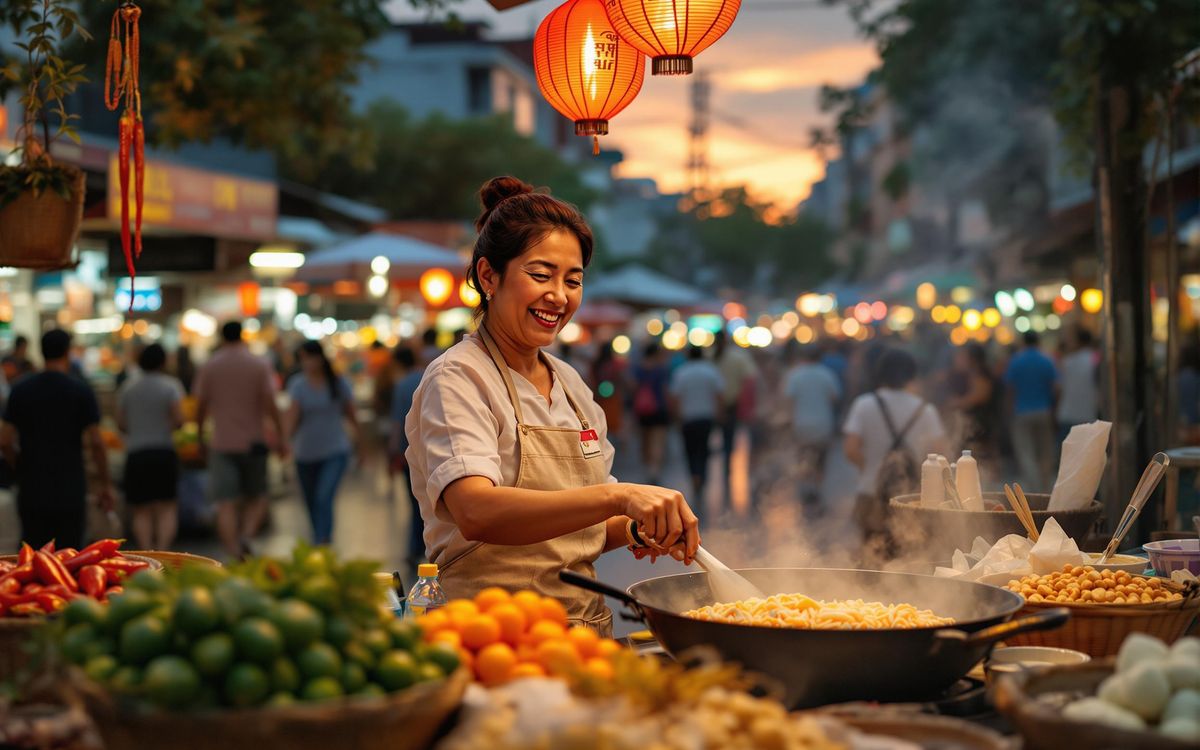
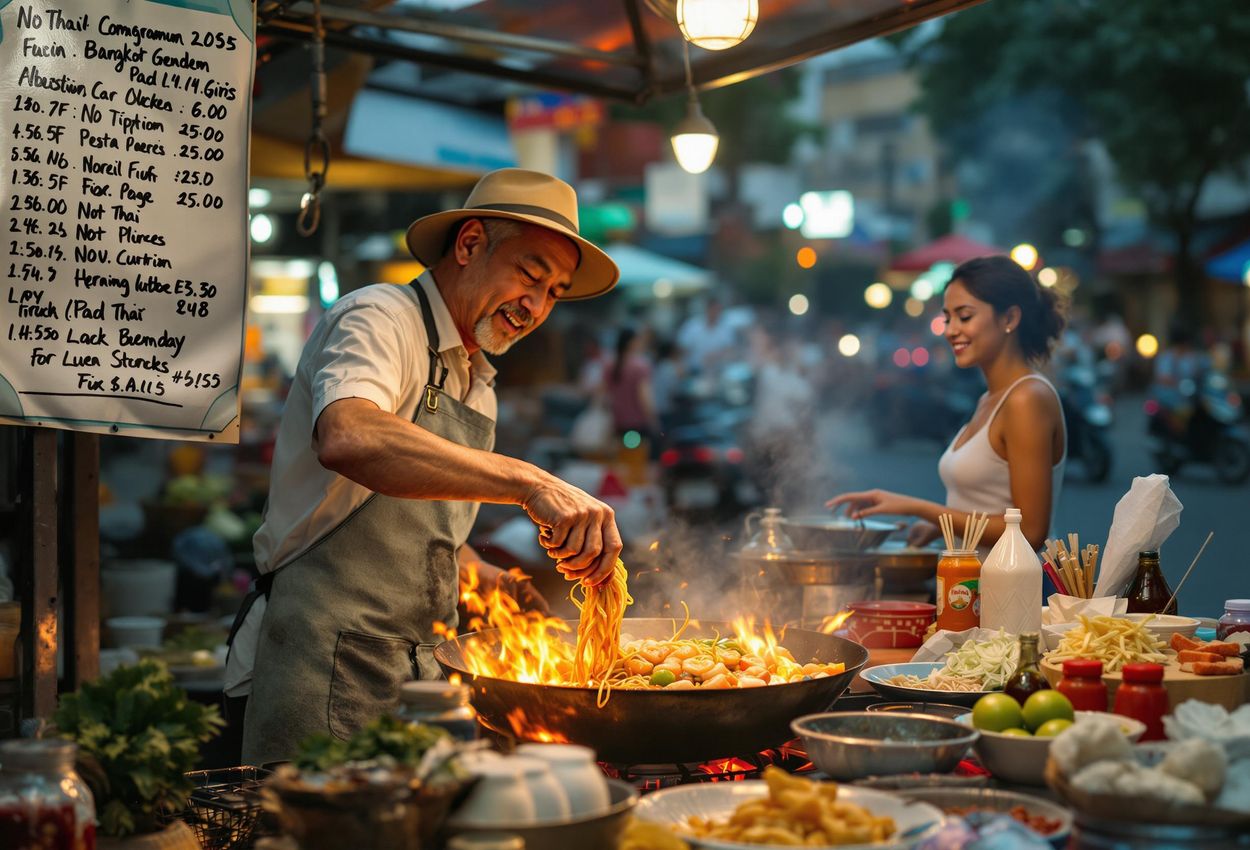
Consider enjoying a meal at a street food stall in Bangkok, where tipping is not expected. Simply paying the listed price and offering a sincere 'thank you' is sufficient. In contrast, dining at a fine dining restaurant in Singapore may warrant a 10% tip for exceptional service. Understanding the local customs and being mindful of the context is crucial when navigating tipping etiquette in Southeast Asia.
South American Nuances: Navigating Service Charges and Customs
Tipping practices in South America are not as prominent as in North America, but they are still customary in certain situations. The approach to gratuities varies from country to country, reflecting the diverse cultural norms and economic landscapes of the region.
In Argentina and Chile, it's customary to leave a 10% tip in restaurants. This is seen as a standard practice, and servers often rely on these tips to supplement their income. In azil and Colombia, service charges are often included in the bill, typically around 10%. However, extra tips are still appreciated for exceptional service or if you feel the service charge doesn't adequately reflect the quality of the experience. It is common to add an additional 5-10% in these cases.
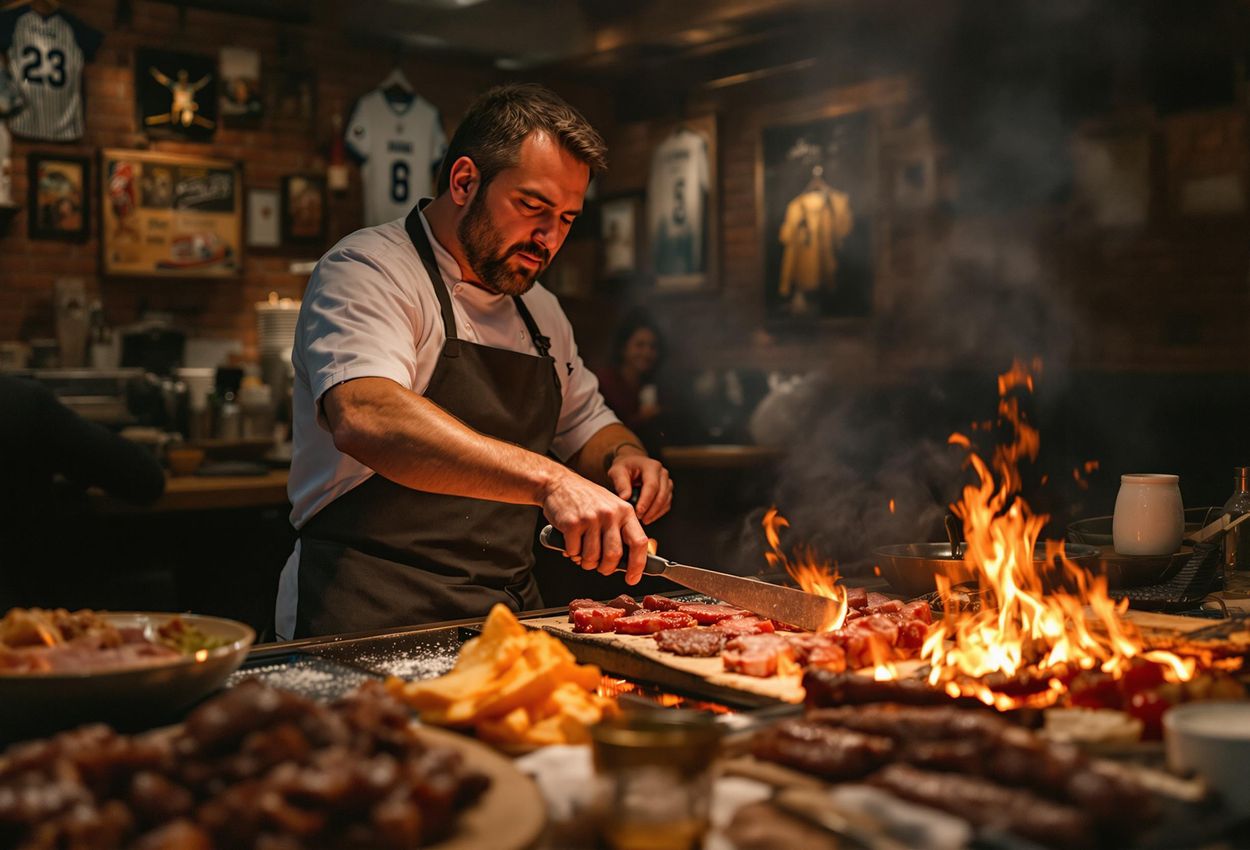
Regional variations exist, with tipping practices being more common in tourist areas and upscale establishments. In smaller towns and rural regions, tipping may be less expected. In Buenos Aires, a hidden gem is offering the chef a small 'propina' (tip) at a small 'parilla' (grill house). This ensures you get the best cuts of meat and personalized service.
Imagine enjoying a traditional 'asado' (barbecue) in Argentina. Leaving a 10% tip for the server would be a polite gesture. Alternatively, picture yourself at a wine tasting in Mendoza. While tipping is not obligatory, offering a small tip to the sommelier for their expertise and service would be a thoughtful way to show your appreciation.
Middle Eastern Manners: Expressing Gratitude in the Gulf and Beyond
The tipping culture in the Middle East is varied, influenced by local customs, economic conditions, and the prevalence of tourism. While practices differ from country to country, tipping is generally customary in many parts of the region.
In countries like Jordan, Oman, UAE, Saudi Arabia, and Qatar, tipping is a common practice. The typical tip amount ranges from 10-15%, depending on the quality of service and local customs. In restaurants, it's customary to leave a 10-15% tip on the bill. For services like taxis and hotel staff, tipping is also expected. Taxi drivers often appreciate a small tip, especially if they assist with luggage or provide helpful information. Hotel staff, such as bellhops and housekeeping, also expect to receive tips for their services.
In some situations, refusing a service offered with the expectation of a tip can be more polite than offering a small amount. For example, if someone offers to help with your luggage and you prefer to handle it yourself, politely declining their assistance is often more appropriate than offering a small tip. This avoids any potential awkwardness or the perception that you are undervaluing their service.
Consider dining in a traditional Bedouin tent in Wadi Rum. Leaving a 10-15% tip for the staff would be a customary way to show your appreciation for their hospitality. Alternatively, picture yourself enjoying a luxurious meal at the Burj Al Arab in Dubai. In such upscale establishments, a 15% tip is generally expected for the impeccable service.
Navigating the world of tipping requires sensitivity, awareness, and a willingness to adapt to local customs. By understanding the nuances of tipping etiquette in different countries, you can enhance your culinary experiences, show respect for local traditions, and ensure that your generosity is both appreciated and appropriate.