Documenta Fifteen in Kassel was more than just an art exhibition; it was a vibrant experiment in social change, a global dialogue manifested through art, and a testament to the power of community engagement.
The sprawling exhibition, which took place in the summer of 2022, transformed the urban landscape of Kassel, Germany, into a canvas for exploring pressing issues such as sustainability, inequality, and cultural diversity. Under the artistic direction of ruangrupa, an Indonesian art collective, Documenta Fifteen embraced the concept of 'lumbung,' an Indonesian term for a communal rice barn, symbolizing collectivity and resource sharing. This approach not only shaped the curatorial process but also influenced the very ethos of the exhibition, fostering a sense of shared responsibility and collaborative creativity.
Documenta Fifteen challenged conventional notions of art exhibitions, becoming a platform for voices often marginalized in the mainstream art world. It was an invitation to rethink the role of art in society, not just as a commodity but as a catalyst for dialogue, understanding, and meaningful change.

Kassel's Canvas of Change: Documenta Fifteen Unveiled
Documenta Fifteen, a quinquennial international art exhibition, chose Kassel, Germany, as its stage to display a unique focus on social change, global perspectives, and community engagement.The city itself became an integral part of the exhibition, with installations and artworks woven into the fabric of its urban environment. This integration invited visitors to engage with art in unconventional spaces, prompting reflection on the challenges and opportunities facing contemporary urban life. Ruangrupa, the artistic director, introduced the 'lumbung' concept, drawing from Indonesian traditions of collectivity and resource sharing. This concept underpinned the entire exhibition, emphasizing collaboration and equitable distribution of resources. The urban landscape of Kassel, with its blend of historical landmarks and modern developments, provided a fitting backdrop for Documenta Fifteen's exploration of themes like sustainability, inequality, and cultural diversity. The exhibition sought to engage with Kassel's local 'ekosistem' (ecosystem), fostering lasting relationships and community building.
The choice of Kassel as the location for Documenta Fifteen was significant, given the city's history and its role in the heart of Europe. The exhibition aimed to create a dialogue between local and global perspectives, inviting artists and visitors from around the world to engage with the specific challenges and opportunities facing Kassel and its surrounding region. By integrating art into the urban fabric, Documenta Fifteen sought to make art accessible to a wider audience, breaking down the barriers between the art world and everyday life.
Lumbung: A Rice Barn of Ideas
At the heart of Documenta Fifteen lay the concept of 'lumbung,' an Indonesian term for a communal rice barn, which served as both a curatorial framework and a guiding principle for the exhibition's collaborative ecosystem.Ruangrupa applied the principles of collectivity, resource building, and equitable distribution in curating the exhibition, fostering a sense of shared ownership and responsibility. 'Lumbung' served as an economic framework, promoting a sustainable agglomeration of stories and manpower. The 'lumbung members' and 'lumbung artists' contributed to this collaborative ecosystem, sharing their expertise, resources, and perspectives. This approach challenged traditional hierarchical structures within the art world, empowering artists and communities to take ownership of the creative process. The 'lumbung' concept extended beyond the exhibition itself, aiming to create lasting relationships and networks that would continue to thrive long after Documenta Fifteen concluded.
The 'lumbung' concept also influenced the way artworks were presented and interpreted. Rather than showcasing individual masterpieces, Documenta Fifteen emphasized the interconnectedness of artistic practices, highlighting the collaborative nature of creativity. This approach encouraged visitors to engage with art as a process, rather than a finished product, fostering a deeper understanding of the social and political contexts in which art is created.

Art as a Mirror: Reflecting Urban Realities
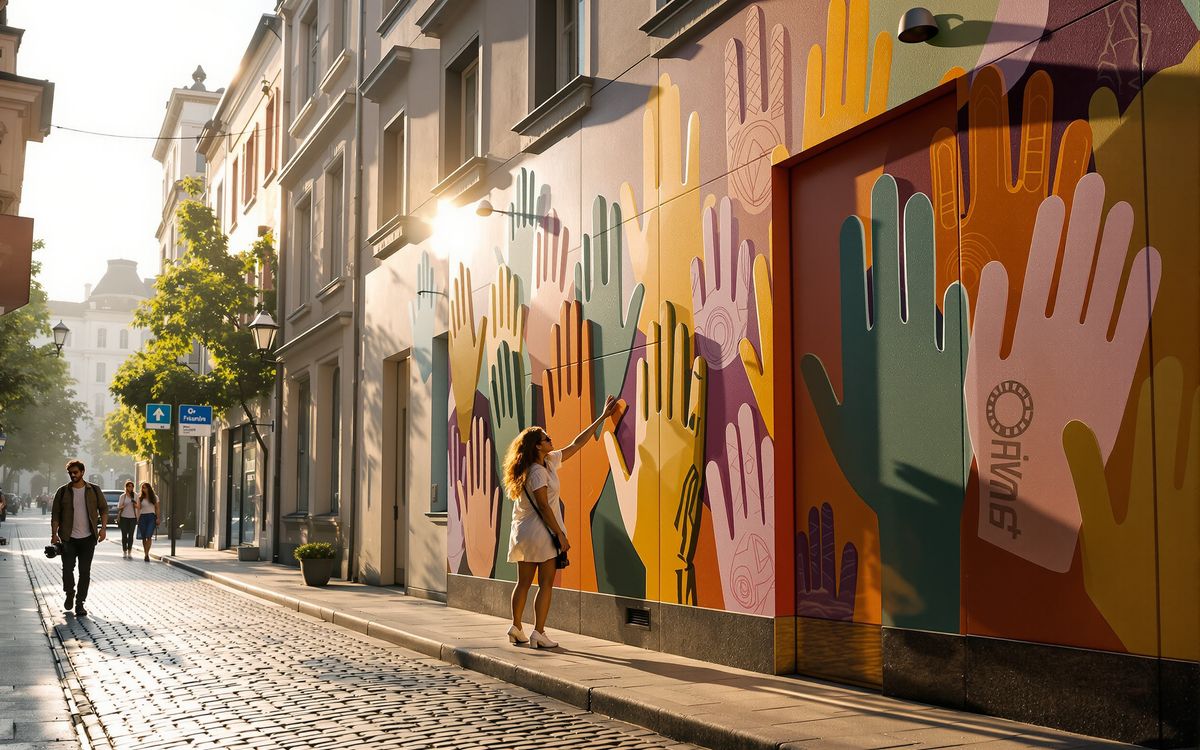
Documenta Fifteen showcased specific artworks and installations that directly addressed urban renewal challenges and opportunities, using art as a mirror to reflect the complexities of contemporary urban life.Taring Padi's large-scale works at
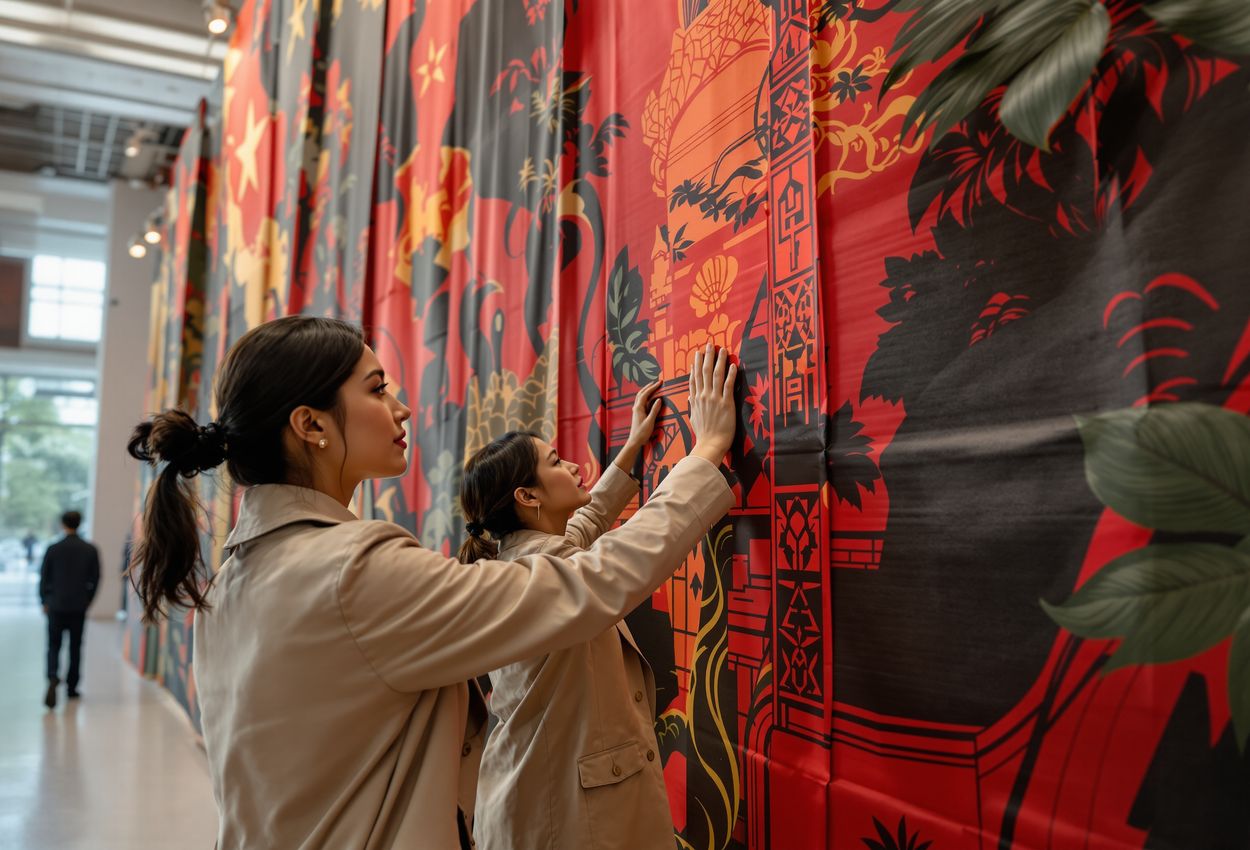
Hallenbad Ost exemplified this commitment, using art as a tool for social change. Their banners, posters, and life-sized cardboard figures, created over the past 23 years, addressed various political contexts, often depicting animal-like figures representing oppressors such as greedy capitalists and corrupt bureaucrats. Richard Bell's 'Tent Embassy' installation outside the
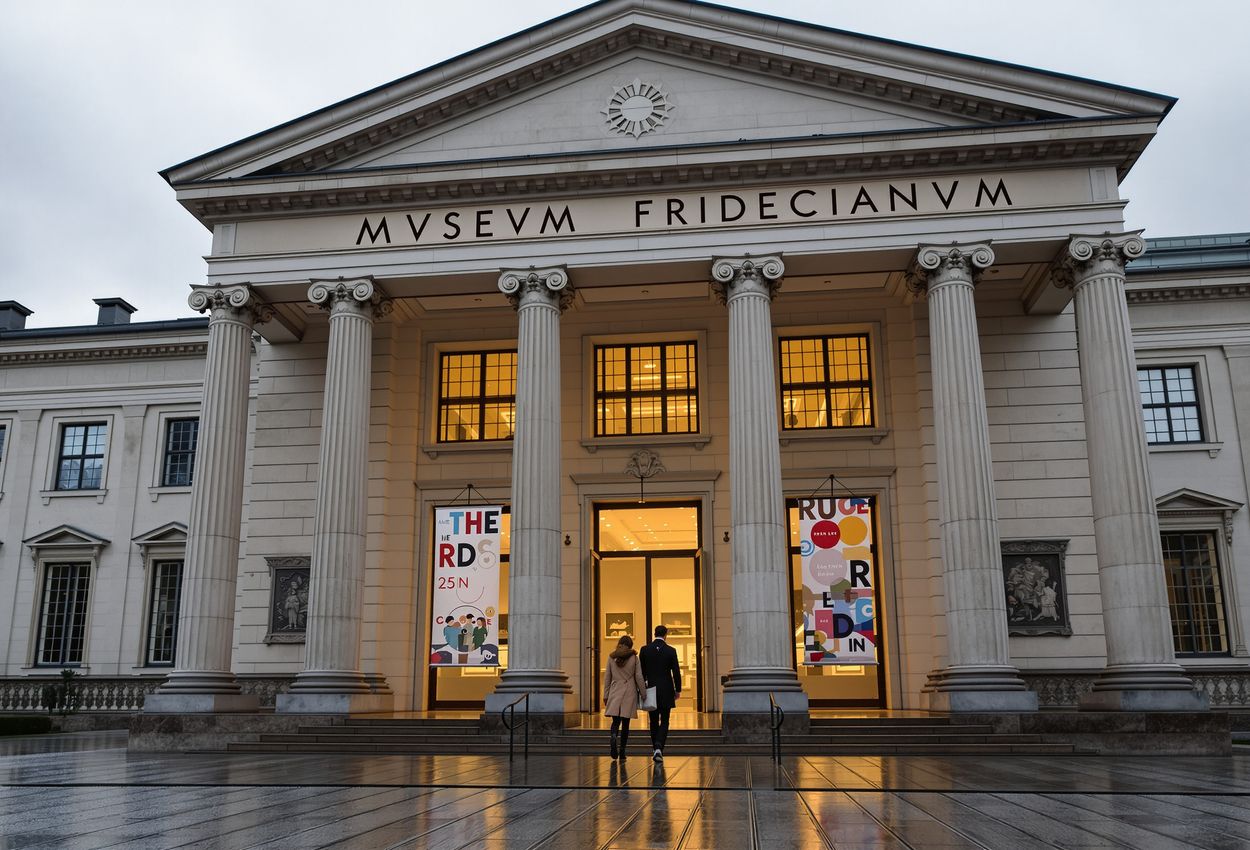
Fridericianum Museum offered a commentary on colonization and political issues, facilitating cultural sharing and political discourse. The themes explored in these and other artworks included migration, identity, and the impact of global capitalism on local communities. Documenta Fifteen provided a platform for artists to voice their concerns, share their experiences, and propose alternative visions for the future of urban spaces.
The artworks on display at Documenta Fifteen challenged visitors to confront uncomfortable truths about urban life, prompting reflection on issues such as social inequality, environmental degradation, and the erosion of cultural identity. By bringing these issues to the forefront, Documenta Fifteen aimed to spark dialogue and inspire action, encouraging visitors to become active participants in shaping the future of their cities. The exhibition also highlighted the importance of art as a form of resistance, empowering marginalized communities to reclaim their narratives and challenge dominant power structures.
Sustainability in Practice: More Than Just a Theme
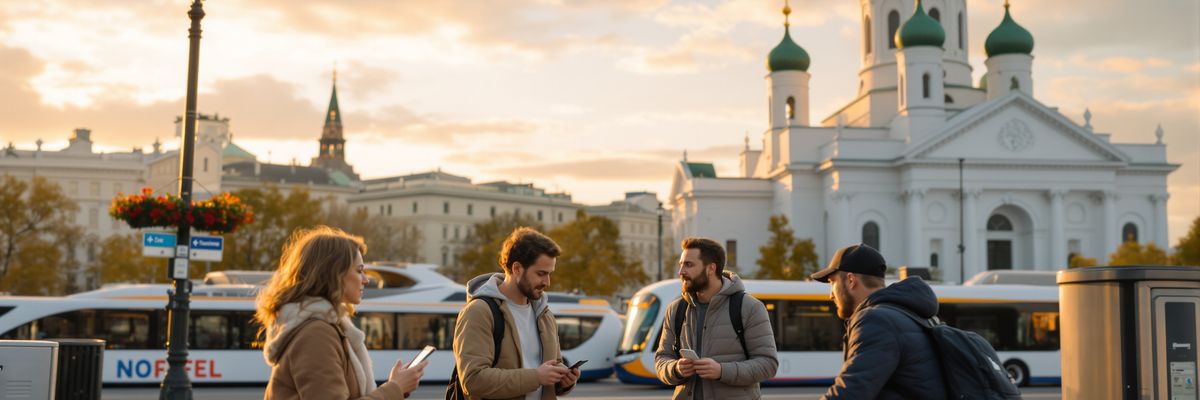
Documenta Fifteen embraced a holistic approach to sustainability, integrating it into all aspects of planning and execution, demonstrating a commitment that extended beyond mere rhetoric.The 'Sustainability Euro Initiative,' where a portion of each ticket sale was invested in reforestation projects, exemplified this commitment. Other sustainable practices included free public transport for visitors, regional and vegan cuisine options, and material recycling initiatives. The collaboration with the
University of Kassel to develop a sustainable exhibition model further underscored this dedication. Documenta Fifteen sought to minimize its environmental impact while promoting sustainable practices within the art world and beyond. This comprehensive approach to sustainability served as a model for future art exhibitions, demonstrating that it is possible to create impactful cultural events while minimizing harm to the planet.
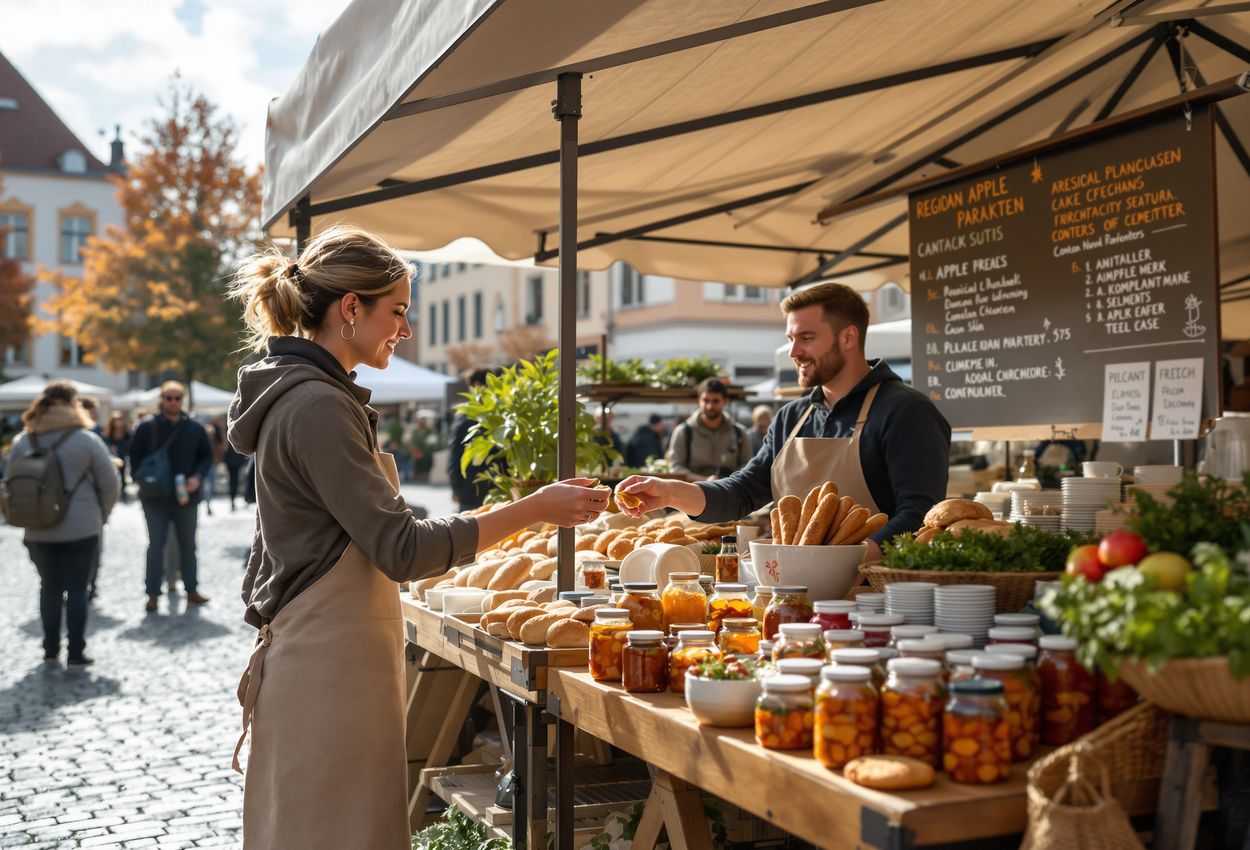
Documenta Fifteen's sustainability initiatives also aimed to promote social equity and inclusivity. By providing free public transport and affordable food options, the exhibition sought to make art accessible to a wider audience, regardless of their socioeconomic background. The focus on regional and vegan cuisine also supported local farmers and promoted healthier eating habits. These initiatives demonstrated that sustainability is not just about environmental protection but also about creating a more just and equitable society.
Voices of Documenta: Artists and Curators Speak
Interviews with artists and curators provided valuable insights into their perspectives on social change and community engagement, offering a glimpse into the motivations and aspirations behind Documenta Fifteen's artistic vision.Ruangrupa members shared their vision for creating a globally-oriented, collaborative art platform that would extend beyond the exhibition's 100-day duration. Artists like Britto Arts Trust discussed their work exploring the relationship between food, community, and postcolonialism. These voices highlighted the importance of art as a tool for fostering dialogue, promoting understanding, and empowering marginalized communities. By amplifying these voices, Documenta Fifteen sought to create a more inclusive and representative art world, one that reflects the diversity of human experience.
The artists and curators featured in Documenta Fifteen shared a common commitment to using art as a means of social transformation. They believed that art has the power to challenge dominant narratives, inspire critical thinking, and promote empathy and understanding. By showcasing their work, Documenta Fifteen aimed to inspire visitors to become active participants in shaping a more just and sustainable world. The exhibition also served as a platform for artists to connect with each other, fostering collaborations and networks that would continue to thrive long after the exhibition concluded.
Kassel's 'Ekosistem': Local Cooperations and Community Building
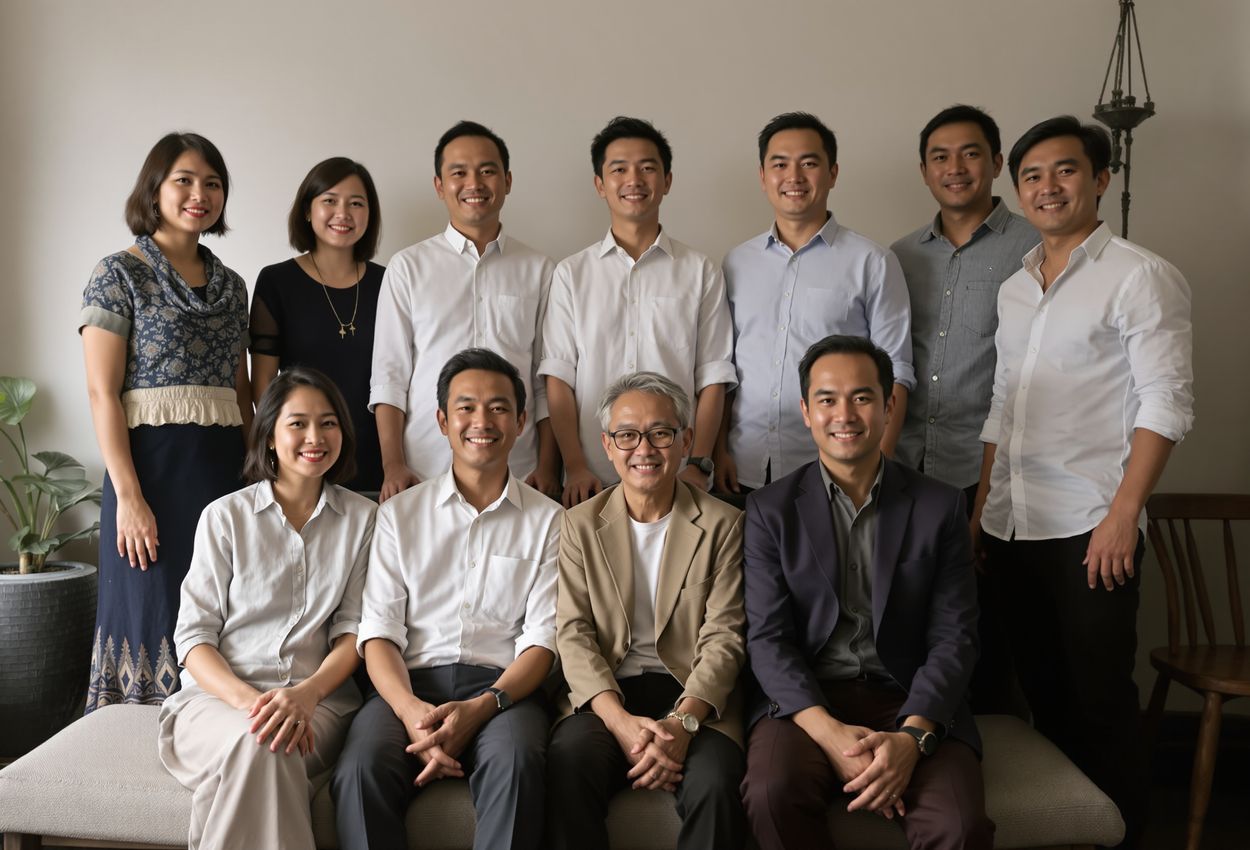
Documenta Fifteen actively engaged with Kassel's local 'ekosistem' (ecosystem), fostering lasting relationships and community building, demonstrating a commitment to integrating the exhibition into the fabric of the city.Projects like 'Eine Landschaft,' which created a local knowledge network in East Kassel, exemplified this approach. The involvement of local organizations such as
Frauentreff Brückenhof and their participation in the 'lumbung Kios' initiative further strengthened these ties. Documenta Fifteen sought to create a sense of shared ownership and responsibility for the exhibition, empowering local residents to become active participants in the artistic process. This approach challenged the traditional notion of art exhibitions as isolated events, demonstrating the potential for art to serve as a catalyst for community development.
The engagement with Kassel's local 'ekosistem' also involved collaborations with local businesses, schools, and community groups. Documenta Fifteen sought to create opportunities for local residents to showcase their talents, share their stories, and contribute to the overall success of the exhibition. By fostering these connections, Documenta Fifteen aimed to leave a lasting legacy in Kassel, strengthening the city's cultural infrastructure and promoting a sense of civic pride. The exhibition also served as a model for other art institutions, demonstrating the importance of engaging with local communities and building meaningful relationships.
The 'ruruHaus': A Living Room for the City
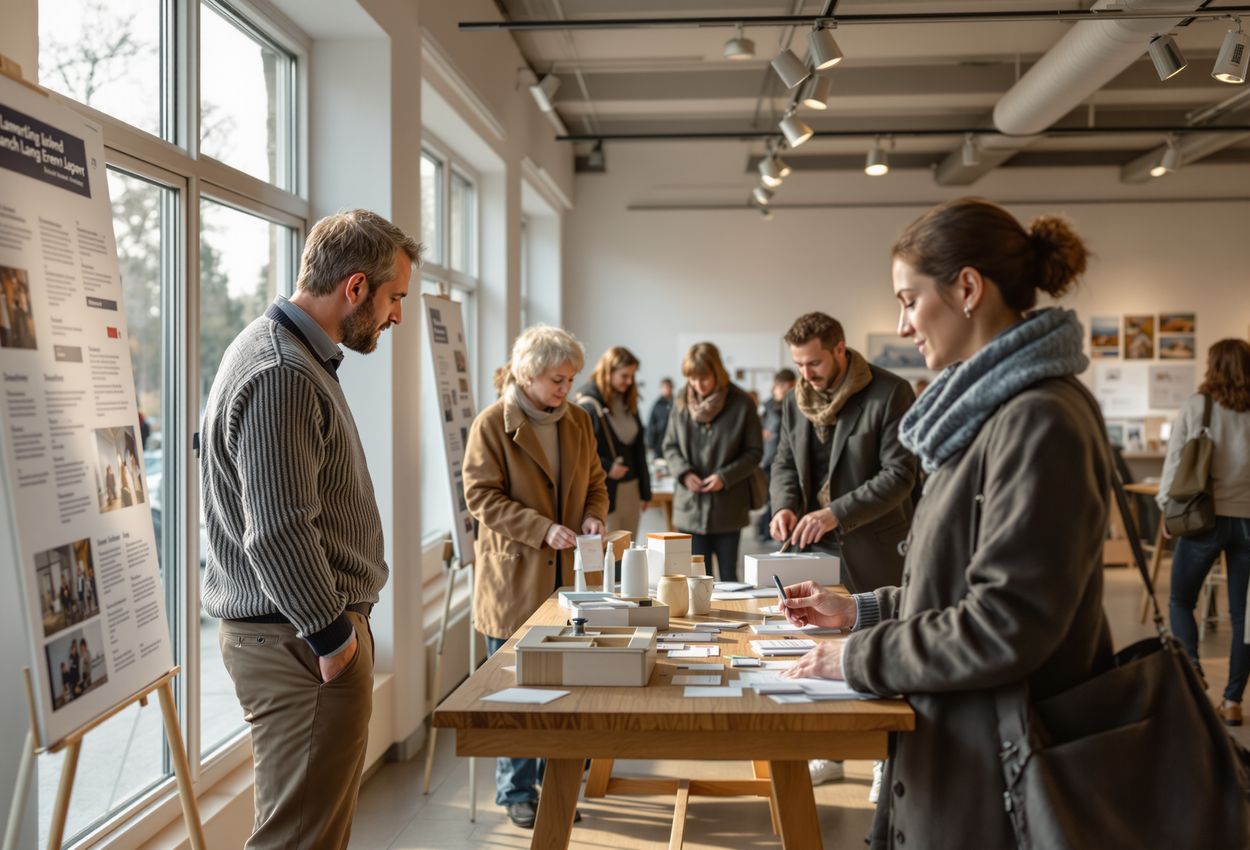
The 'ruruHaus' served as a central meeting point, living room, and laboratory established by ruangrupa in Kassel, embodying the spirit of collectivity and community engagement that defined Documenta Fifteen.It provided a space for discussions, workshops, and artistic interventions, serving as a platform for local initiatives and community engagement. The 'ruruHaus' exemplified Documenta Fifteen's commitment to breaking down barriers between art and everyday life, creating a welcoming and accessible space for all. It was a place where people could come together to share ideas, learn new skills, and build relationships, fostering a sense of community and belonging. The 'ruruHaus' also served as a hub for the exhibition's educational programs, offering workshops and activities for children, families, and adults.
The 'ruruHaus' was more than just a physical space; it was a symbol of Documenta Fifteen's commitment to creating a more inclusive and participatory art world. It challenged the traditional notion of art institutions as exclusive spaces, demonstrating the potential for art to be a catalyst for social change. By creating a welcoming and accessible space for all, the 'ruruHaus' embodied the spirit of 'lumbung,' promoting collectivity, resource sharing, and equitable distribution. The space continues to host events and serve the community after Documenta Fifteen.

Global Perspectives: Art Beyond Borders
Documenta Fifteen showcased the global diversity of contemporary art, highlighting artists and collectives from Asia, Africa, and Latin America, transcending geographical boundaries and promoting cross-cultural dialogue.The participation of collectives like FAFSWAG from
Auckland, Instituto de Artivismo Hannah Arendt from
Havana, and Wajukuu Art Project from
Nairobi exemplified this commitment. The Asian Art Archive's contribution presented artworks and archival materials about collective undertakings across Asia. Documenta Fifteen provided a platform for artists from diverse backgrounds to share their perspectives, challenge dominant narratives, and promote understanding across cultures. This global focus challenged the traditional Eurocentric perspective of the art world, creating a more inclusive and representative platform for artistic expression.
The inclusion of artists and collectives from the Global South also highlighted the importance of art as a tool for social and political activism. Many of the featured artists used their work to address issues such as colonialism, inequality, and environmental degradation, raising awareness and inspiring action. By providing a platform for these voices, Documenta Fifteen sought to amplify their message and promote a more just and sustainable world. The exhibition also served as a reminder that art is not just a form of aesthetic expression but also a powerful tool for social change.
Controversies and Challenges: Navigating Difficult Terrain
Documenta Fifteen faced controversies, including allegations of antisemitism and criticism of certain artworks, highlighting the challenges of managing a large-scale, collaborative exhibition that tackles sensitive social and political issues.These challenges underscored the importance of open dialogue and critical engagement with difficult topics. The curators faced the difficult task of balancing artistic freedom with the need to address legitimate concerns about potentially offensive or harmful content. The controversies surrounding Documenta Fifteen sparked a broader debate about the role of art in society, the limits of free expression, and the responsibility of cultural institutions to address issues of social justice. Despite the challenges, Documenta Fifteen remained committed to its core values of collectivity, resource sharing, and equitable distribution.
The controversies surrounding Documenta Fifteen also highlighted the importance of cultural sensitivity and the need for ongoing dialogue and education. The exhibition served as a reminder that art can be a powerful tool for promoting understanding and empathy, but it can also be a source of conflict and division. By engaging with these difficult issues, Documenta Fifteen sought to create a space for critical reflection and dialogue, fostering a more informed and nuanced understanding of the complexities of contemporary society. The exhibition also underscored the importance of holding cultural institutions accountable for their actions, ensuring that they are committed to promoting social justice and inclusivity.

Documenta's Legacy: A Seed for Future Change
Documenta Fifteen left a lasting impact on the art world and the city of Kassel, with the 'lumbung' concept and the focus on social change influencing contemporary art practices.Ongoing efforts to consolidate sustainability approaches and establish lasting relationships within Kassel's community further solidified this legacy. Documenta Fifteen demonstrated the potential for art to be a catalyst for social transformation, inspiring artists and cultural institutions to embrace more collaborative, inclusive, and sustainable practices. The exhibition also served as a reminder that art is not just a reflection of society but also a powerful force for shaping its future. By challenging conventional notions of art and its role in society, Documenta Fifteen paved the way for a more equitable, sustainable, and vibrant cultural landscape.
The legacy of Documenta Fifteen extends beyond the art world, inspiring individuals and communities to embrace the values of collectivity, resource sharing, and social justice. The exhibition served as a model for how to create meaningful change through collaboration, dialogue, and a commitment to sustainability. By challenging the status quo and promoting alternative visions for the future, Documenta Fifteen left a lasting impact on the city of Kassel and the world, planting a seed for future change.