In the heart of every thriving metropolis lies a story of transformation, a narrative often whispered through the strokes of a brush, the curve of a sculpture, or the gleam of a mosaic. Public art, in its myriad forms, acts as a catalyst for urban revitalization, turning neglected areas into vibrant community hubs
From the industrial decay of the Rust Belt to the forgotten corners of bustling metropolises, public art is redefining urban spaces, fostering community identity, and driving economic growth. This article delves into the transformative power of public art, exploring its role in reshaping perceptions, stimulating economic activity, promoting social equity, and envisioning a sustainable future for our cities.
From Neglect to Neighborhoods: How Art Breathes New Life
Urban revitalization is more than just bricks and mortar; it's about breathing life back into neglected areas, transforming them into vibrant, thriving communities. Public art plays a pivotal role in this process, acting as a visual defibrillator that shocks stagnant spaces back to life. By injecting color, creativity, and cultural expression into blighted environments, public art reshapes perceptions and attracts residents and businesses alike.
Consider the transformation of the Eastern Market in Detroit, a historic public market that had fallen into disrepair. The 'Murals in the Market' initiative, launched in 2015, brought together local and international artists to create vibrant murals throughout the district. These large-scale artworks not only beautified the area but also celebrated the market's rich history and diverse community. The result was a revitalized space that attracted new businesses, increased foot traffic, and fostered a renewed sense of community pride.
Public art's ability to change perceptions of urban spaces is profound. What was once viewed as a neglected or even dangerous environment can be transformed into a valued and inviting space through the strategic placement of art. This shift in perception is crucial for attracting new residents, businesses, and investment, all of which are essential for sustainable urban revitalization. Public art makes spaces more attractive and visually appealing. A splash of color or an interesting sculpture can make a mundane area instantly more inviting.

More Than Just Decoration: Fostering Community Identity
Public art is more than just aesthetic enhancement; it's a powerful tool for fostering a sense of place and belonging among residents. By reflecting community values, histories, and aspirations, public art creates a shared identity that binds people together. The importance of community involvement in the selection and creation of public art cannot be overstated. When residents are actively engaged in the process, they develop a sense of ownership and pride in the artwork, ensuring that it resonates with local culture and reflects the community's unique character.
The 'Pride Mural Project' in Los Angeles serves as a compelling example of community engagement in public art. This project, which celebrated LGBTQ+ history and culture, involved local artists, community members, and LGBTQ+ organizations in the design and creation of a series of murals throughout the city. The murals not only beautified the urban landscape but also served as a powerful statement of inclusivity and acceptance, fostering a sense of belonging among LGBTQ+ residents and allies.
Community art projects foster collaboration and shared ownership of public spaces. When people work together to create art, they build relationships, develop a sense of collective purpose, and become more invested in the well-being of their community. This sense of shared ownership translates into increased community involvement, a commitment to maintaining public spaces, and a stronger social fabric.
Art as a Catalyst: Stimulating Economic Activity
Beyond its social and cultural benefits, public art can also be a powerful engine for economic growth. By attracting tourists, boosting local businesses, and improving a city's reputation, public art stimulates economic activity and creates new opportunities for residents. Cultural tourism is a significant driver of economic growth, and public art plays a key role in attracting visitors to cities and neighborhoods. Iconic sculptures, murals, and installations become must-see attractions, drawing tourists who spend money on accommodation, food, and local retail.
Chicago, for example, has seen a significant increase in tourism thanks to its vibrant public art scene, including 'The Bean' in Millennium Park. This iconic sculpture has become a symbol of the city, attracting millions of visitors each year and generating significant revenue for local businesses. In addition to attracting tourists, public art can also improve a city's reputation and attract investors. A city with a thriving arts scene is often seen as more vibrant, creative, and desirable, making it a more attractive place to live, work, and invest. This improved image can lead to increased property values, new business development, and a more resilient local economy.

Bridging Divides: Promoting Social Equity and Inclusivity
Public art has the power to promote social equity by empowering communities and fostering inclusivity through dialogue and engagement. By giving marginalized communities a chance for self-expression and participation in the arts, public art can amplify their voices, challenge stereotypes, and promote understanding. Public art projects can address social issues and promote understanding. A mural depicting the struggles of a marginalized community can serve as a starting point for a conversation about social justice and inequality.
Consider a project that uses art to address issues such as violence or inequality. In Philadelphia, the Mural Arts Philadelphia program has created over 3,000 murals throughout the city, many of which address social issues such as poverty, addiction, and violence. These murals not only beautify the urban landscape but also serve as a platform for community dialogue, raising awareness and promoting understanding. By providing a space for marginalized communities to express their experiences and perspectives, public art can foster empathy, build bridges, and promote a more just and equitable society.
The Artist's Voice: Interviews with Creators
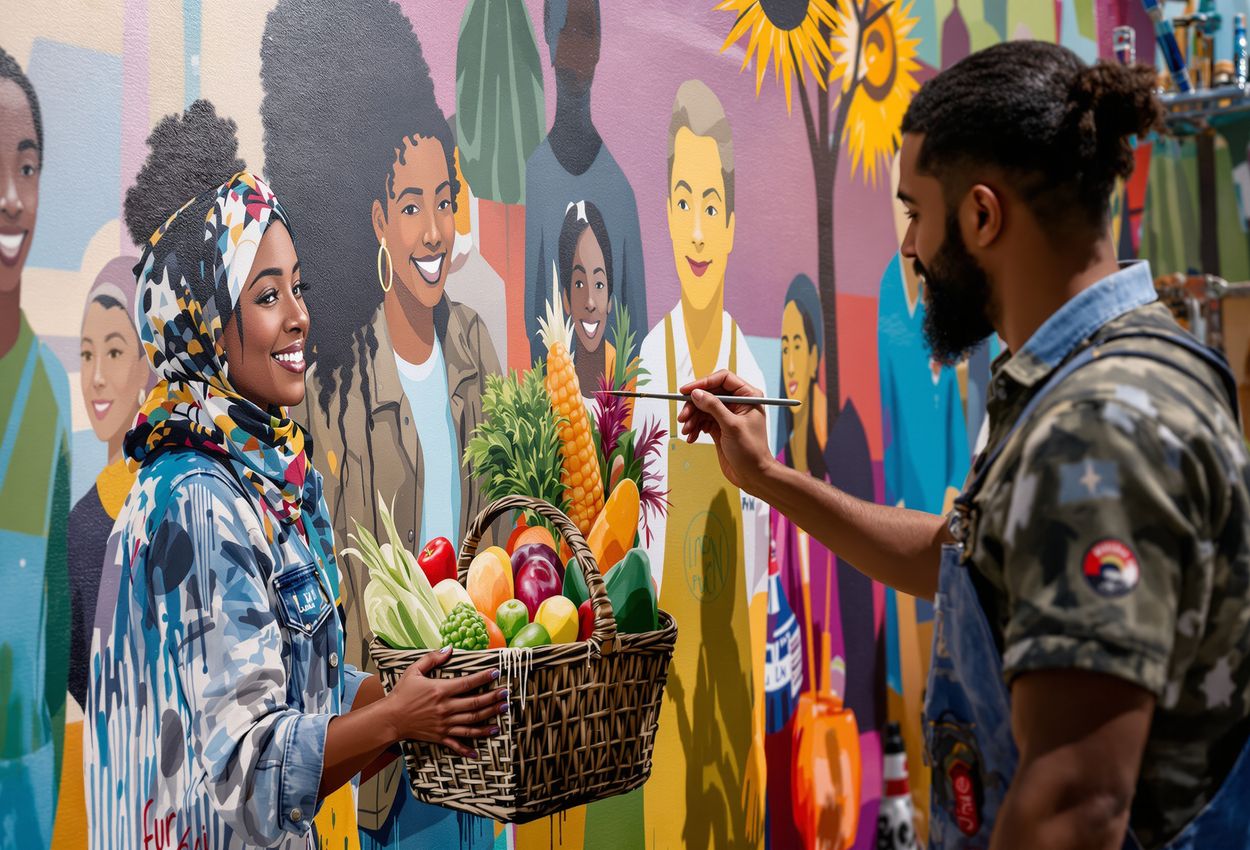
To truly understand the transformative power of public art, it's essential to hear from the artists themselves. These creative individuals act as interpreters of urban life, translating its complexities, challenges, and aspirations into tangible works of art. In interviews with artists involved in urban revitalization projects, common themes emerge: a deep connection to the community, a commitment to collaboration, and a desire to create art that makes a difference.
One artist described their creative process as a dialogue with the community, listening to their stories, understanding their values, and translating them into a visual language that resonates with residents. Another artist emphasized the importance of collaboration, working closely with community members, urban planners, and local organizations to ensure that the artwork reflects the community's vision and needs. Artists often speak of the challenges and rewards of working in public spaces, navigating bureaucratic hurdles, engaging with diverse audiences, and creating art that is both aesthetically pleasing and socially meaningful. Despite these challenges, artists are driven by a deep sense of purpose, a belief that their art can inspire, provoke, and transform communities.
Planning with Art: The Role of Urban Planners
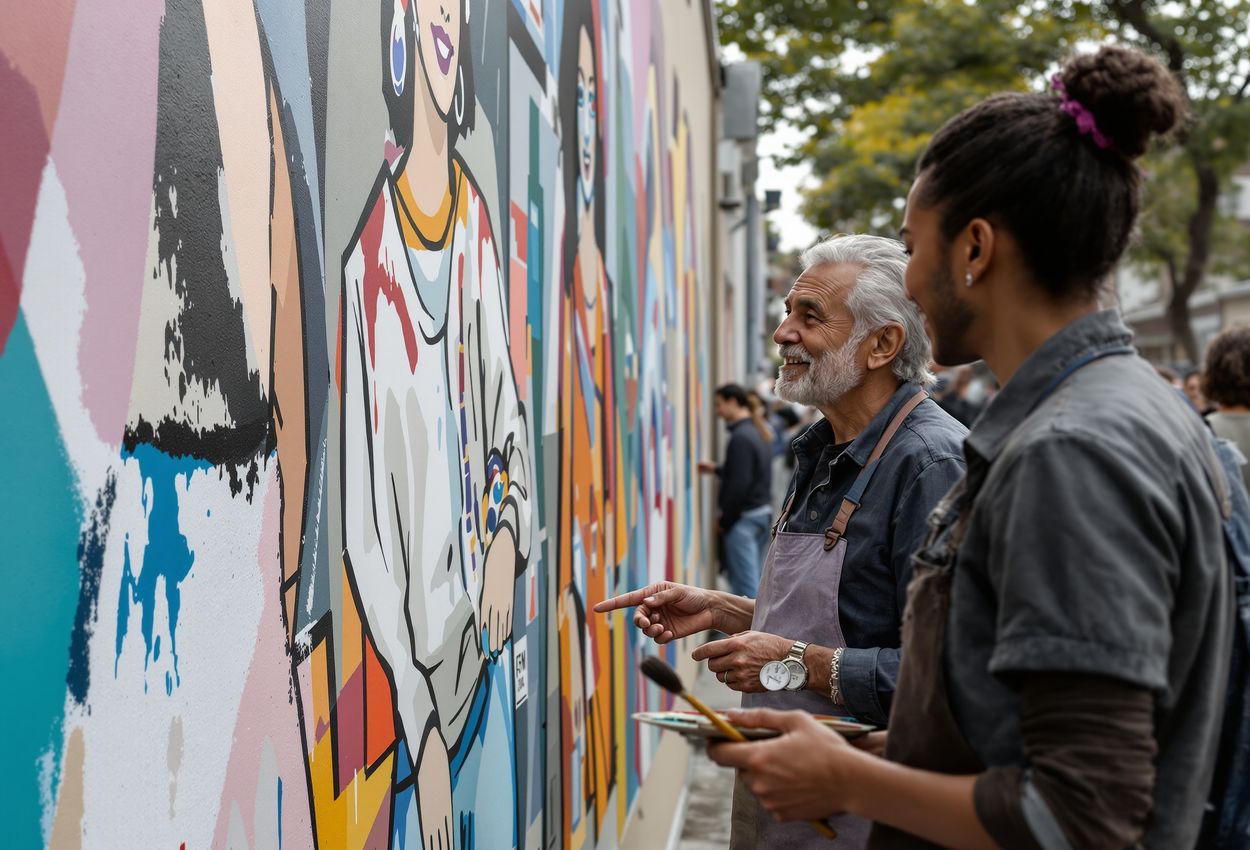
Urban planners play a crucial role in integrating art into revitalization projects. They are the architects of the urban landscape, responsible for creating policies that encourage public spaces and accommodate public art. In interviews, urban planners emphasize the importance of collaboration with artists, recognizing the unique perspective and creative vision that artists bring to the table. Planners work to ensure that cities have spaces that work well for all types of public art, from large-scale sculptures to temporary installations.
They also play a key role in navigating the bureaucratic processes, securing funding, and engaging with the community to ensure that public art projects are successful and sustainable. The relationship between artists and planners is reciprocal, with each informing and inspiring the other. Planners provide the framework and resources for art to thrive, while artists bring creativity and vision to the urban landscape, transforming it into a more vibrant, engaging, and human-centered environment.

Sustainable Art: Eco-Friendly Installations
Public art can also promote sustainability in urban planning. Eco-friendly installations that use sustainable materials or support conservation efforts are becoming increasingly popular, raising awareness about environmental issues and inspiring eco-conscious behavior. Consider art installations that incorporate elements like solar panels or rainwater collection systems. These projects not only reduce the environmental impact of the artwork but also serve as a visual reminder of the importance of sustainable practices.
In Mexico City, the Spanish art collective Boa Mistura created a 35-meter-tall mural depicting a vibrant tree on Reforma Avenue. This artwork utilizes Airlite paint, which mimics photosynthesis to purify the air, effectively neutralizing pollution from approximately 60,000 cars annually. Other examples of sustainable public art include sculptures made from recycled materials, vertical gardens that improve air quality, and interactive installations that educate the public about environmental issues. Eco-art installations serve as a bridge between creativity and environmental advocacy, offering travelers a chance to engage with nature in meaningful ways.

Challenges and Considerations: Avoiding Art-Washing
Integrating public art into urban revitalization is not without its challenges. One of the most pressing concerns is the potential for art to be used for gentrification or art-washing, displacing long-term residents and eroding the unique character of neighborhoods. Art-washing is the process whereby a low-income neighborhood's quality of place and residents' quality of life is raised, often displacing the original residents. It is crucial to ensure that revitalization efforts are responsible and equitable, benefiting all members of the community, not just a select few.
To avoid art-washing, it is essential to prioritize inclusion and accessibility, involving long-term residents in the planning and decision-making processes. Public art should reflect the community's values and histories, not simply serve as a tool for attracting wealthier residents. Additionally, it is important to implement policies that protect affordable housing, support local businesses, and prevent displacement. By addressing these challenges and considerations, we can ensure that public art serves as a force for positive change, promoting social equity and inclusivity in urban revitalization efforts.
Global Perspectives: International Examples
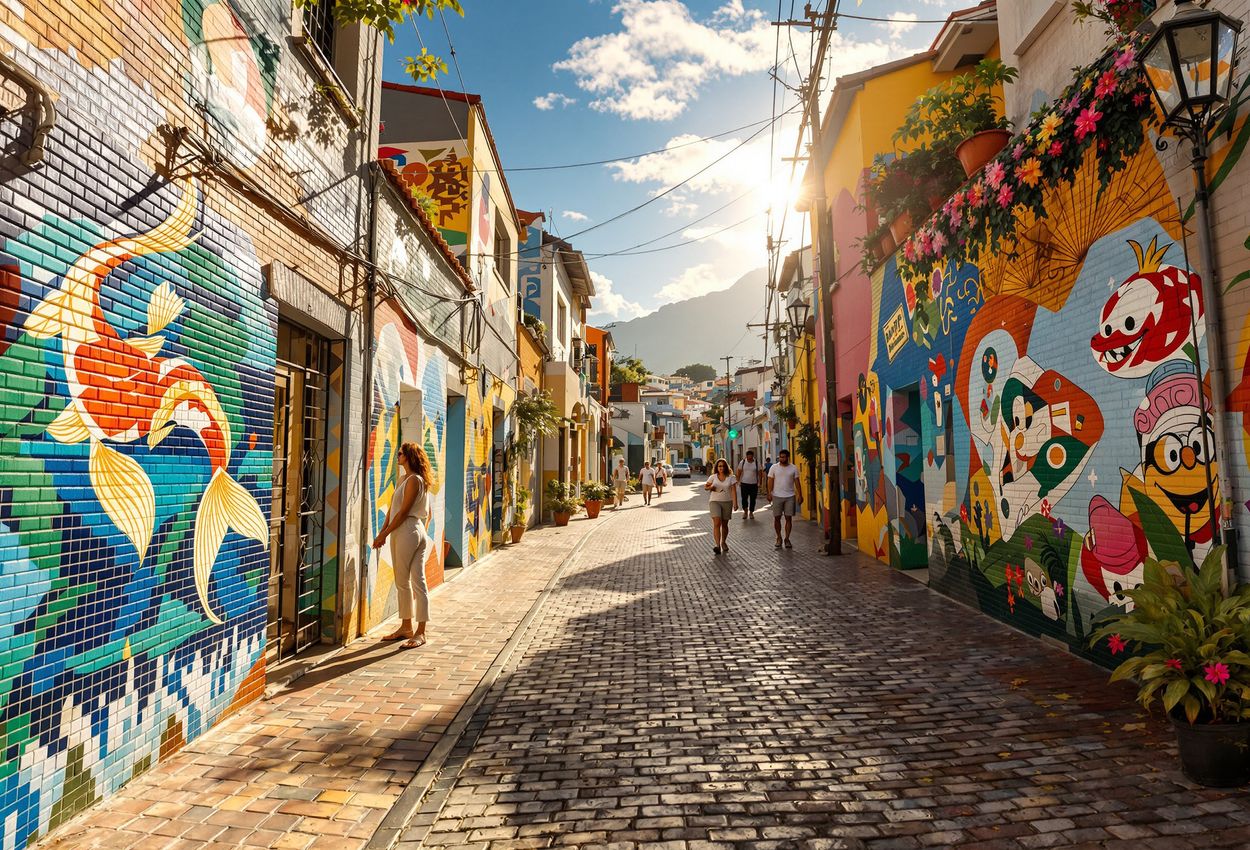
The transformative power of public art is not limited to any one city or culture; it is a global phenomenon. Throughout the world, cities are using public art to revitalize neglected areas, foster community identity, and attract tourism. In Rio de Janeiro, the Favela Mosaico project has transformed the Vila Canoas favela into a vibrant tapestry of color and creativity. This community-led initiative has not only beautified the area but also provided job opportunities for residents and attracted international attention.
In Tallinn, Estonia, the Kultuurikatel, a former power plant, has been transformed into a creative hub, hosting art exhibitions, music festivals, and other cultural events. This adaptive reuse project has revitalized the area, attracting artists, entrepreneurs, and tourists alike. Other international examples of successful public art projects include the High Line in New York City, the Guggenheim Museum Bilbao in Spain, and the Cheonggyecheon Stream Restoration Project in Seoul, South Korea. These projects demonstrate the diverse ways in which public art can transform communities and attract international attention.
The Future of Public Art: Trends and Innovations
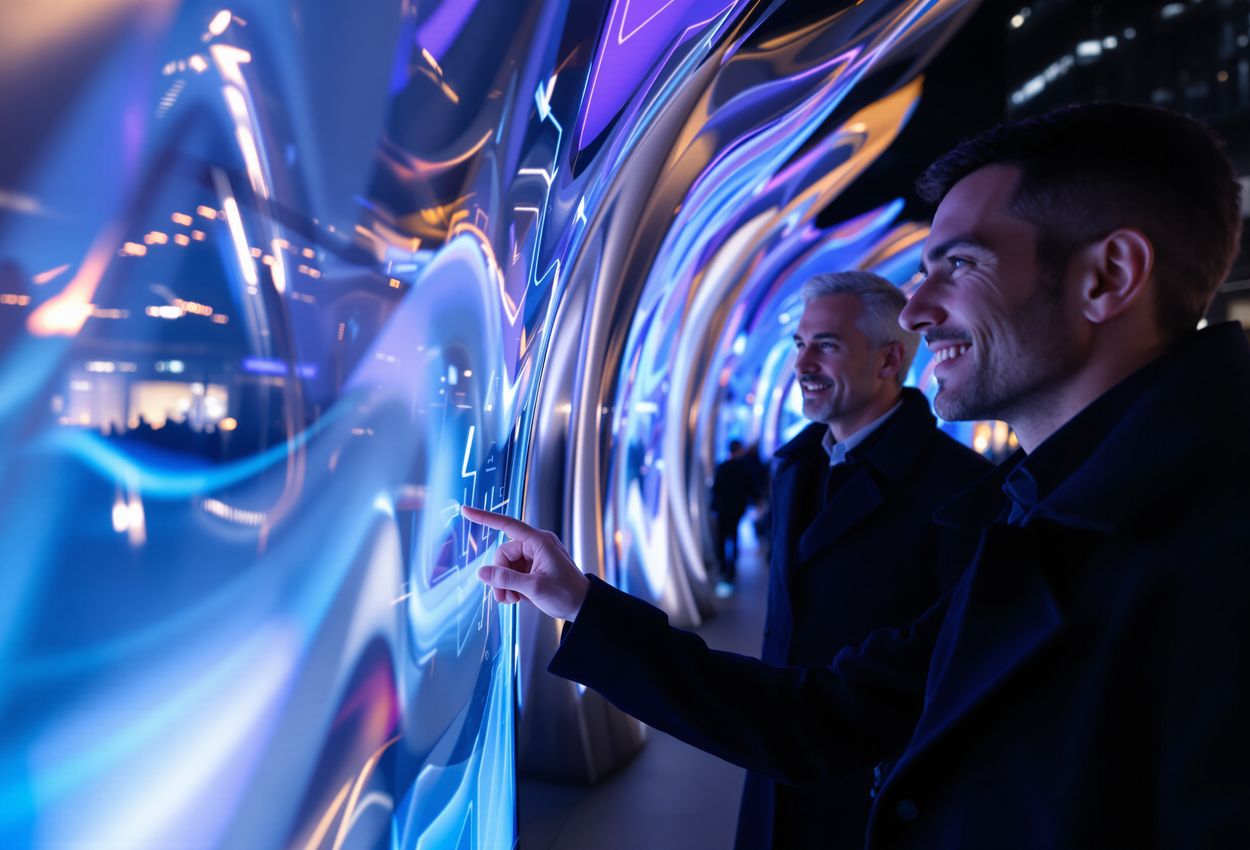
As technology advances and social priorities evolve, public art is constantly adapting and innovating. Emerging trends in public art include the use of digital and augmented reality, interactive installations, and socially engaged practices. Digital and augmented reality (AR) are creating new possibilities for public art, allowing artists to create immersive and interactive experiences that respond to the environment and engage with audiences in new ways.
Imagine a mural that comes to life when viewed through a smartphone, or a sculpture that changes shape and color based on the weather. Interactive installations encourage public participation, transforming viewers into active participants in the artwork. These installations often use sensors, cameras, and other technologies to respond to human movement, creating a dynamic and engaging experience. Socially engaged practices prioritize community involvement, using art as a tool for dialogue, collaboration, and social change. As public art continues to evolve, it will remain a vital tool for social change, empowering communities to express their identities and aspirations.
Community Engagement: The Heart of the Matter
Community engagement is the cornerstone of successful public art projects. Building partnerships with local organizations and stakeholders is essential for ensuring that public art reflects the community's values and needs. Hosting open forums and workshops provides a platform for residents to share their ideas, express their concerns, and contribute to the design process. This collaborative approach fosters a sense of collective ownership, ensuring that the artwork is embraced by the community and contributes to its long-term well-being.
When communities are actively involved in the creation of public art, the artwork becomes a reflection of their shared identity, a testament to their collective vision, and a source of pride for generations to come. Ultimately, the success of public art lies not just in its aesthetic appeal but in its ability to connect people, foster dialogue, and transform communities from the inside out. Public art can express community values, enhance our environment, transform a landscape, heighten our awareness, or question our assumptions.

As our cities continue to evolve, public art will play an increasingly important role in shaping their character, fostering their communities, and envisioning their future. By embracing creativity, collaboration, and community engagement, we can unlock the transformative power of public art and create urban spaces that are not only beautiful but also equitable, sustainable, and truly reflective of the people who call them home.