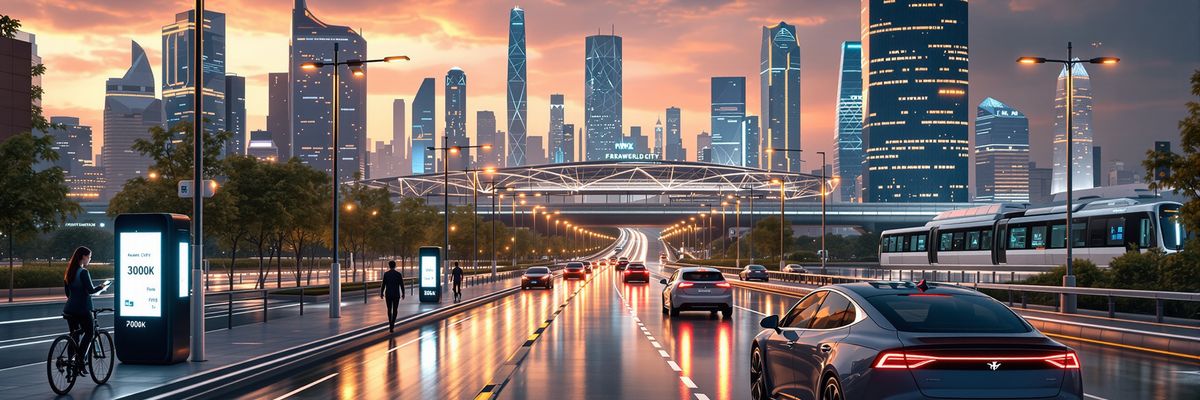
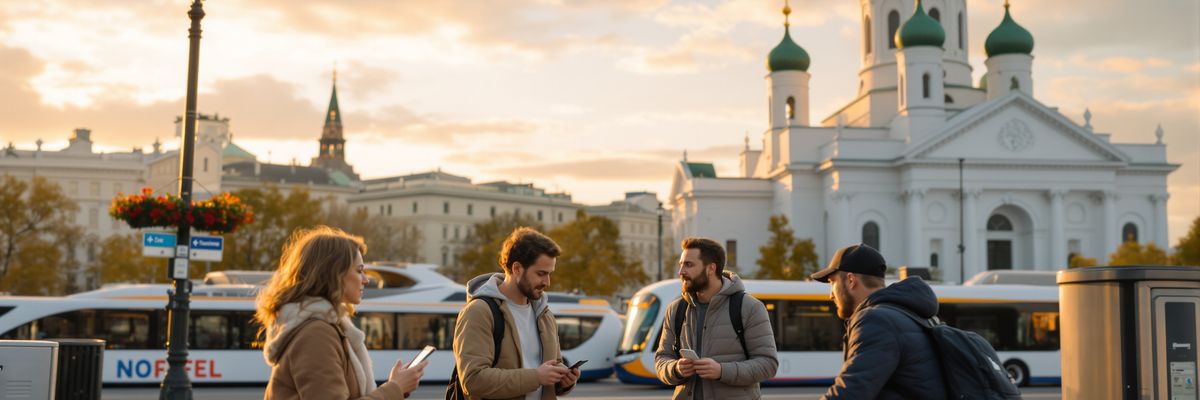
In the heart of every bustling metropolis lies a story waiting to be told, a narrative etched in brick and steel, whispered through alleyways, and shouted from vibrant street art. Urban photography is more than just snapping pictures; it's about capturing the essence of a city's evolution, its resilience, and the spirit of its people.
This guide will equip you with the knowledge and inspiration to explore the beauty of reimagined cities, focusing on the positive aspects of urban renewal and the communities that breathe life into them. Whether you're a seasoned photographer or just starting out, get ready to discover how to find unique perspectives, capture the spirit of the city, and tell authentic stories through your lens.
Finding the Soul in Concrete Jungles
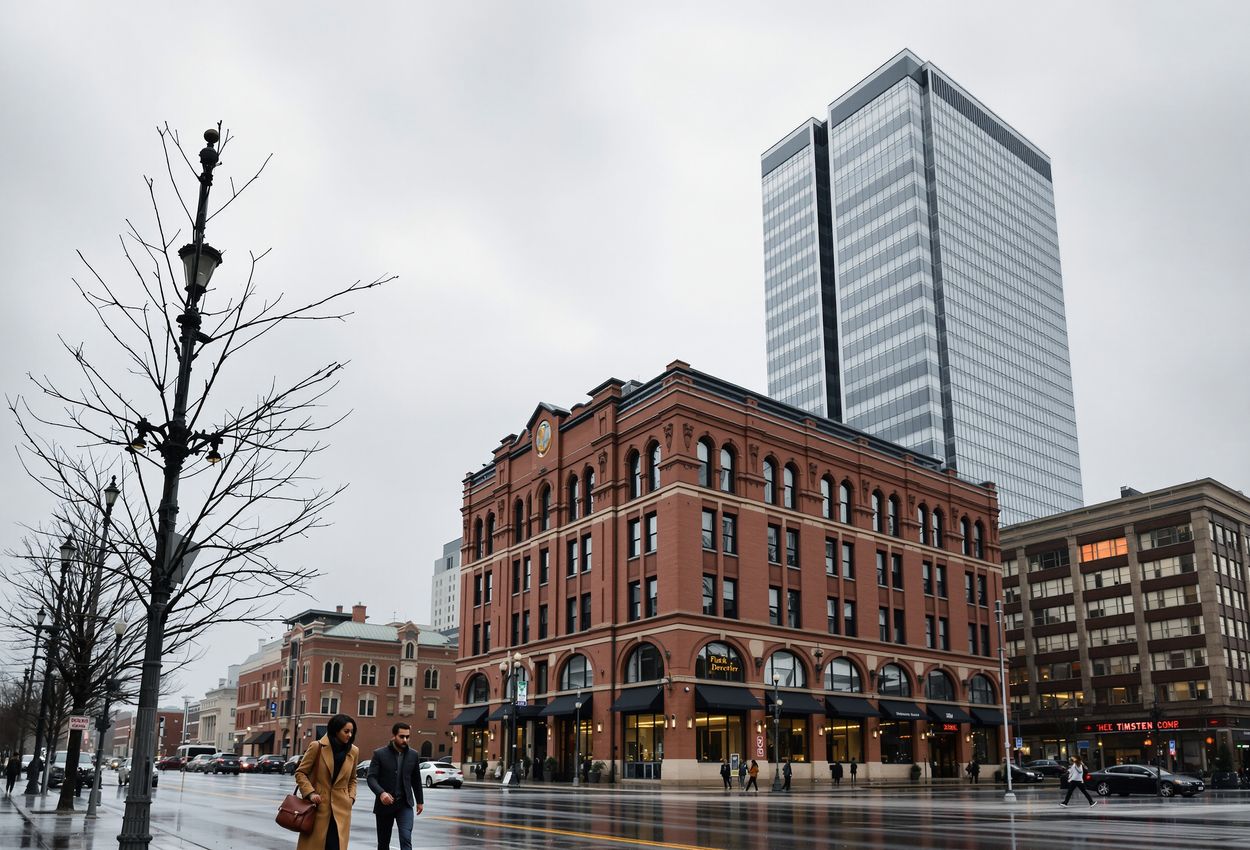
Urban renewal, with its blend of demolition, renovation, and new construction, offers a compelling subject for photographers seeking to document change and resilience. Cities like Detroit, Michigan, and Pittsburgh, Pennsylvania, once symbols of industrial decline, are now experiencing a resurgence, offering a unique juxtaposition of old and new.
Seek out neighborhoods where this transformation is most visible. In Detroit, explore the Midtown area, where historic buildings stand alongside modern developments, showcasing the city's architectural evolution. Capture the contrast between the grandeur of the past and the innovation of the present, focusing on details like ornate facades juxtaposed with sleek glass structures. In Pittsburgh, the Strip District offers a similar blend, with its historic warehouses now housing trendy restaurants and shops.
When photographing these areas, pay attention to the human element. Urban renewal is not just about buildings; it's about the people who live and work there. Engage with the community respectfully, seeking out positive stories of residents who have witnessed and contributed to the transformation. Capture their portraits in their environment, showcasing their connection to the revitalized spaces.
Remember to be mindful of ethical considerations. Always seek permission when photographing individuals, and be transparent about your intentions. Focus on capturing the positive aspects of urban renewal, highlighting the resilience and hope of the communities involved. By approaching your subjects with empathy and respect, you can create powerful images that tell a story of transformation and renewal.
Local Tip: Visit local community centers or historical societies to learn more about the history of the neighborhoods you're photographing. This will give you a deeper understanding of the changes taking place and help you capture more meaningful images.
Gear Up: Essential Tools for the Urban Explorer
Navigating the urban landscape requires a different approach to gear than, say, landscape photography. Discretion and portability are key. You want to blend in with your surroundings, not attract attention.
Camera Choice: Compact mirrorless cameras are ideal for urban photography due to their small size and quiet operation. Models like the Fujifilm X series (such as the X-E4 or X-Pro2) or the Leica M series offer excellent image quality in a discreet package. These cameras are less intimidating than bulky DSLRs, allowing you to capture candid moments without disturbing your subjects.
Lenses: Versatility is crucial. A 28mm, 35mm, or 50mm prime lens is a great choice for urban photography. These focal lengths offer a natural perspective, allowing you to capture a wide range of scenes, from expansive cityscapes to intimate portraits. Avoid using large aperture lenses unless you want to get creative with shallow depth of field. A zoom lens can also be versatile, but it can be bulky and attract attention.
Accessories: A comfortable camera strap is essential for carrying your camera around all day. A weather-resistant bag will protect your gear from the elements. Consider a sling-style camera harness for quick access and ease of movement. Avoid unnecessary gear like tripods, which can be cumbersome and attract unwanted attention.
Local Tip: Invest in a few extra batteries and portable chargers to keep your camera powered up throughout the day. You don't want to miss a great shot because your battery died.

Framing the Future: Composition Techniques for Urban Spaces
Composition is the art of arranging elements within your frame to create a visually appealing and engaging image. In urban photography, mastering composition techniques is essential for capturing the dynamism and complexity of cityscapes.
Leading Lines: Use lines to guide the viewer's eye through the image. Roads, sidewalks, and architectural elements can all serve as leading lines, drawing attention to key subjects or creating a sense of depth.
Rule of Thirds: Divide your frame into nine equal parts with two horizontal and two vertical lines. Place key elements along these lines or at their intersections to create a balanced and dynamic composition.
Symmetry: Look for symmetrical elements in urban environments, such as buildings, bridges, or reflections. Use symmetry to create a sense of order and balance in your images.
Framing within Frames: Use urban elements like doorways, arches, and windows to frame your subjects. This technique adds depth and context to your images, drawing the viewer's eye to the main subject.
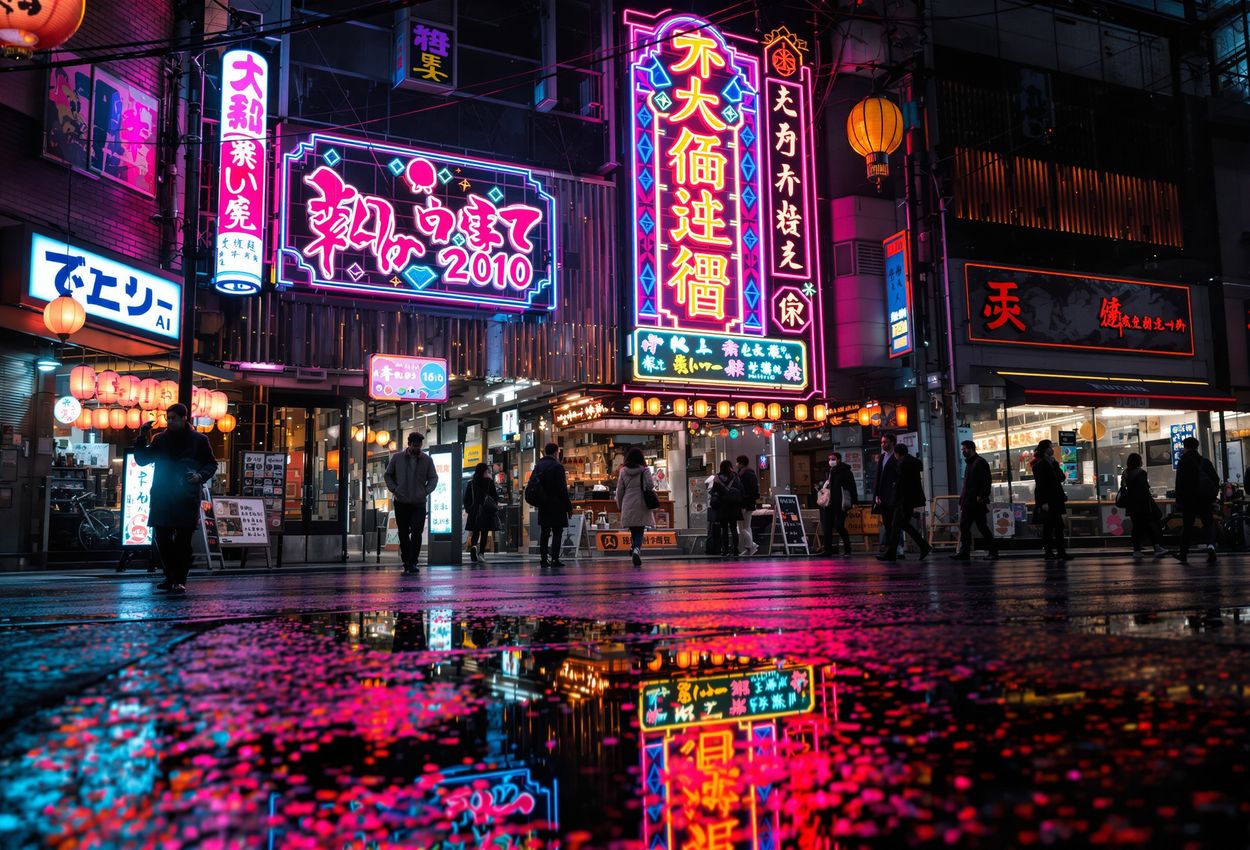
Reflections: Look for reflections in puddles, glass surfaces, or mirrored buildings. Reflections can add depth and intrigue to your images, creating a sense of surrealism or doubling the visual impact.
Angles: Experiment with different angles, including low and high perspectives. Shooting from a low angle can make buildings appear larger and more imposing, while shooting from a high angle can provide a broader view of the cityscape.
Local Tip: Visit the same location at different times of day to see how the light changes and affects the composition. The golden hour (the hour after sunrise and the hour before sunset) often provides the most dramatic lighting.

Ethical Eye: Respect and Responsibility in Urban Photography
As urban photographers, we have a responsibility to be ethical and respectful of the people and places we photograph. This means being mindful of privacy, obtaining consent when possible, and avoiding exploitation.
Privacy: While it is generally legal to photograph people in public spaces, it is important to be respectful of their privacy. Avoid photographing individuals in vulnerable situations or in a way that could be considered intrusive.
Consent: When possible, obtain consent from individuals before photographing them, especially if you plan to use the images for commercial purposes. A simple smile and a friendly request can go a long way.
Vulnerable Individuals: Exercise extra caution when photographing vulnerable individuals, such as children, the homeless, or people in distress. Avoid exploiting their situation or portraying them in a negative light.
Transparency: Be transparent about your intentions as a photographer. If someone asks you what you're doing, explain your project and how you plan to use the images.
Sharing: Consider the implications of sharing your images online or in exhibitions. Be mindful of how your images might be interpreted and the potential impact on the subjects.
Local Tip: Learn about the local laws and customs regarding photography in public spaces. These laws can vary from city to city and country to country.

Storytelling Through Shadows and Light
Light and shadow are essential elements in photography, shaping mood, depth, and visual interest. In urban environments, where light is often fragmented and unpredictable, mastering the interplay of light and shadow can transform ordinary scenes into compelling visual narratives.
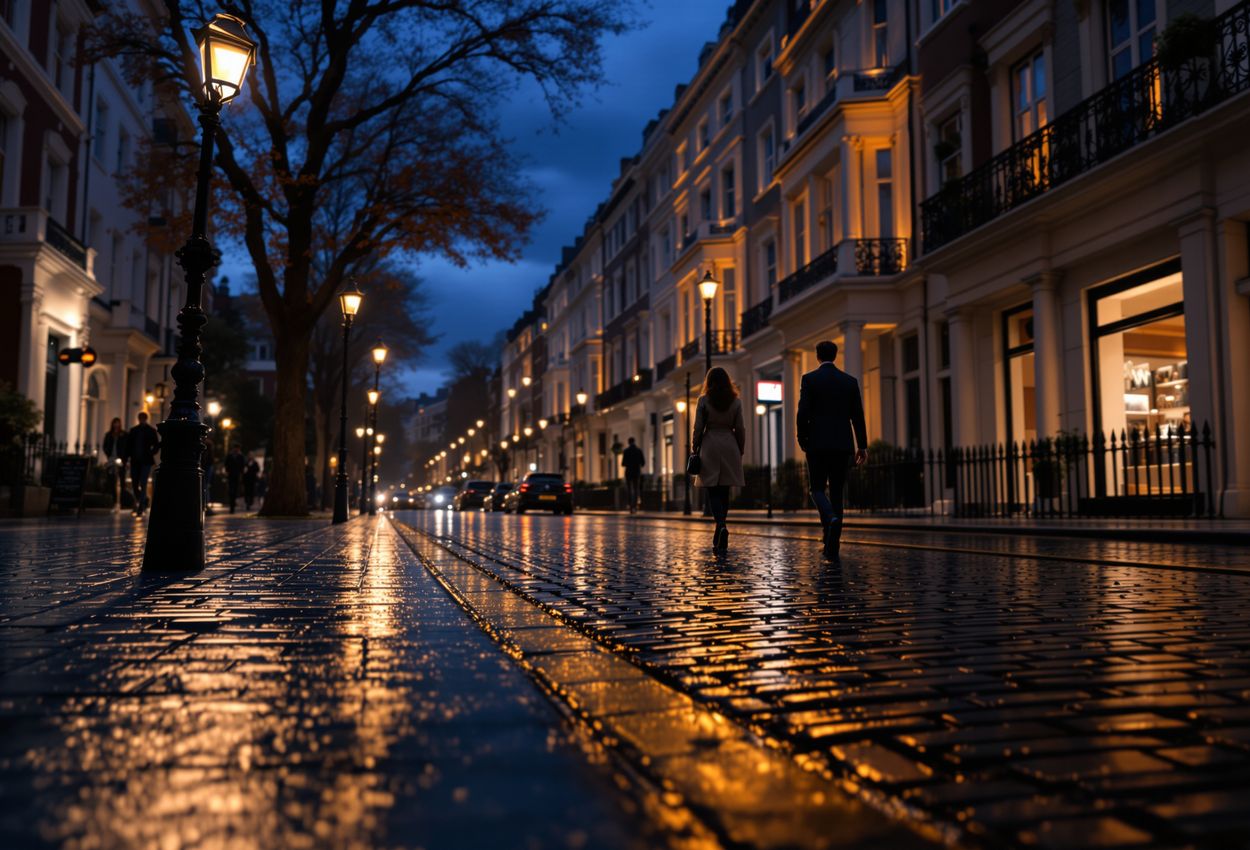
Golden Hour and Blue Hour: Capture scenes during the golden hour (the hour after sunrise and the hour before sunset) or blue hour (the hour after sunset and the hour before sunrise) for dramatic lighting. These times of day offer soft, warm light and long shadows, creating a sense of depth and atmosphere.
Black and White Photography: Use black and white photography to emphasize contrast and texture. By removing color, you can draw attention to the interplay of light and shadow, creating a timeless and evocative image.
Shadows: Explore how shadows can create a sense of mystery and guide the viewer's eye. Look for interesting shadow patterns cast by buildings, trees, or people. Use shadows to frame your subjects or add a sense of depth to your compositions.
Contrast: Pay attention to the contrast between light and shadow. High contrast can create a sense of drama and tension, while low contrast can create a more subtle and nuanced effect.
Local Tip: Experiment with long exposures to capture the movement of light and shadow over time. This technique can create surreal and dreamlike images, blurring the lines between reality and imagination.
Capturing Candid Moments: The Art of Street Photography
Street photography is about capturing candid moments of everyday life in urban settings. It's about being observant, anticipating potential photo opportunities, and capturing the essence of a fleeting moment.
Observation: Be observant of your surroundings. Pay attention to the people, the architecture, and the interactions taking place around you.
Anticipation: Anticipate potential photo opportunities. Look for interesting juxtapositions, interactions, or moments that tell a story.
Timing: Timing is everything in street photography. Be ready to snap the shot quickly when the moment arises.
Discretion: Blend in with your surroundings and be discreet. Avoid attracting attention to yourself or your camera.
Patience: Be patient. Sometimes the best photos come after waiting for the right moment to unfold.
Local Tip: Visit the same location at different times of day to see how the atmosphere changes. Early mornings and late evenings often offer the most interesting light and activity.
Neon Dreams: Photographing Urban Nightlife
Urban nightlife offers a unique opportunity to capture the energy and vibrancy of a city after dark. Neon signs, storefronts, and reflections create a visually rich and dynamic environment.
Composition: Look for interesting compositions that incorporate neon signs, storefronts, and reflections. Use leading lines, symmetry, and framing to create visually appealing images.
Low Light: Be prepared for the challenges of shooting in low-light conditions. Use a fast lens (f/2.8 or wider) to capture as much light as possible. Increase your ISO setting, but be mindful of noise. Use a tripod or image stabilization to avoid blurry images.
Motion: Capture the motion of the city at night. Use long exposures to blur the movement of cars, people, and lights.
Cities: Explore cities with bustling nightlife, such as Tokyo, Bangkok, or London. These cities offer a wealth of photo opportunities, from crowded streets to vibrant nightclubs.
Local Tip: Explore the backstreets and alleyways of a city at night. These areas often offer a more authentic and gritty view of urban nightlife.
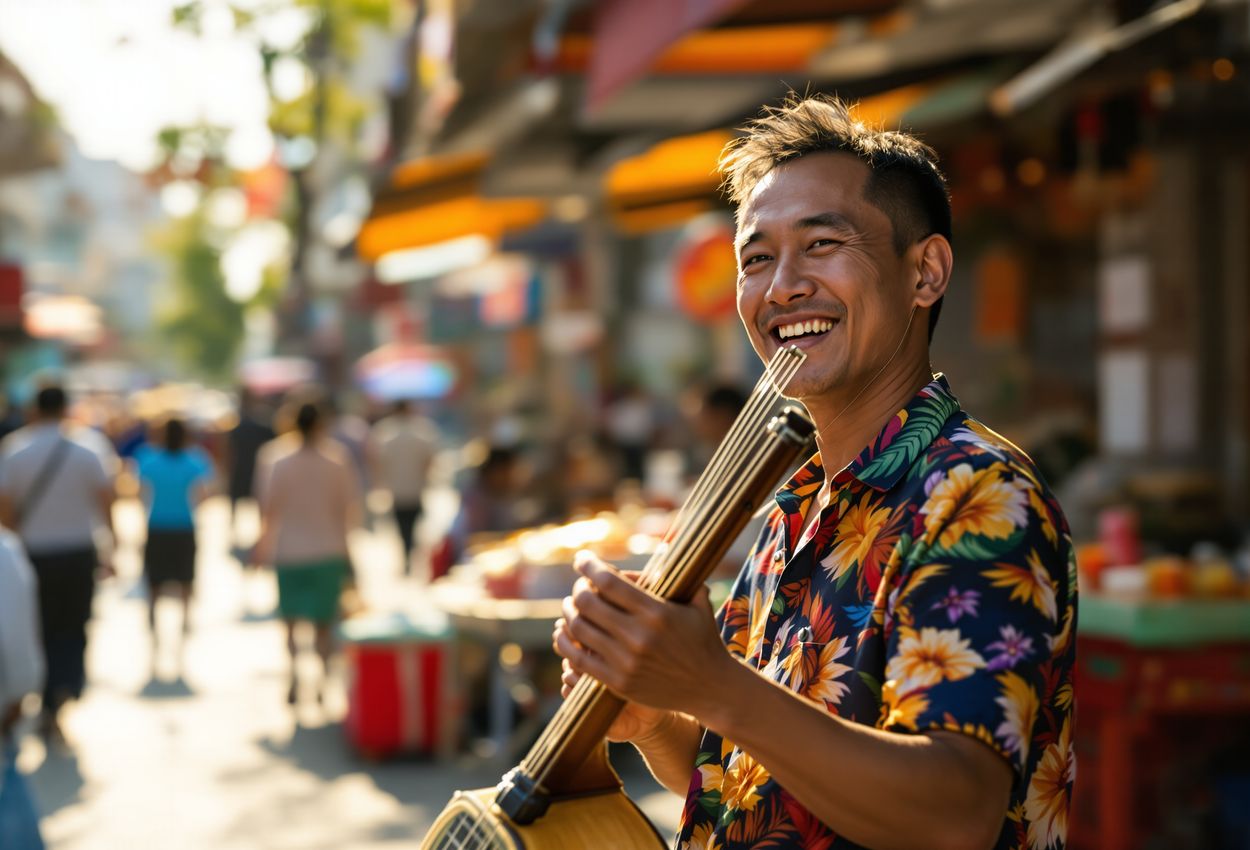
Urban Portraits: People in Their Environment
Capturing portraits of people in urban environments can be a powerful way to tell stories and connect with the human element of the city.
Engagement: Engage with your subjects and make them feel at ease. A friendly smile and a brief conversation can help break the ice.
Backgrounds: Find backgrounds that complement your subject without overpowering them. Look for interesting textures, colors, or patterns that add depth and context to the portrait.
Emotions: Capture emotions and tell stories through your portraits. Pay attention to your subject's body language, facial expressions, and interactions with their environment.
Candid vs. Posed: Decide whether you want to capture candid or posed portraits. Candid portraits can capture more natural and authentic moments, while posed portraits allow you to control the composition and lighting.
Local Tip: Visit local markets, parks, or community events to find interesting subjects for your portraits. These locations often offer a diverse range of people and personalities.

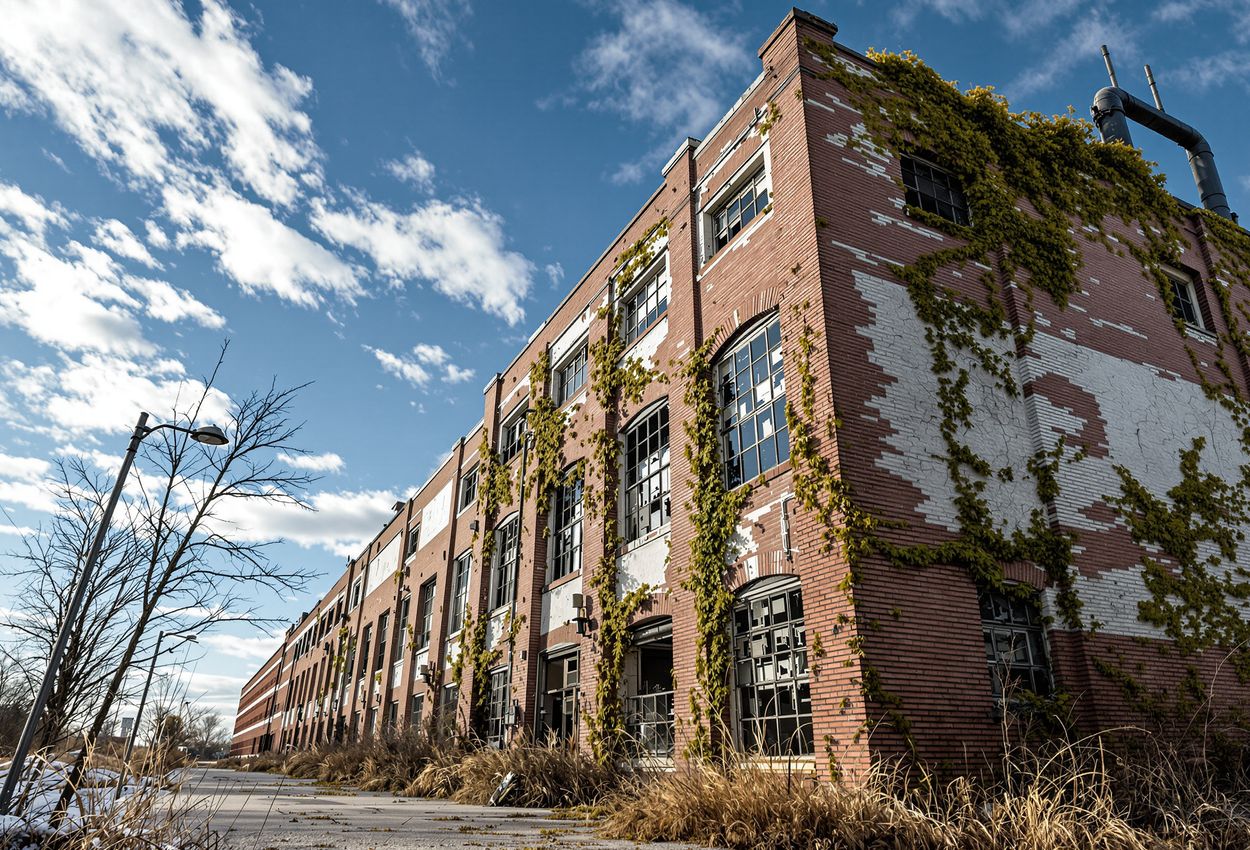
Finding Beauty in Decay: Documenting Urban Transformation
Urban decay and transformation can be a compelling subject for photographers seeking to document the changing architecture and landscapes of cities.
Unique Perspectives: Find unique perspectives and capture the spirit of the city. Look for interesting angles, compositions, and details that tell a story of change and resilience.
Documentation: Document the changing architecture and landscapes of cities undergoing renewal. Capture the contrast between old and new, the demolition of old buildings, and the construction of new ones.
Examples: Explore cities that have successfully undergone urban renewal, such as Medellín, Colombia, or Singapore. These cities offer examples of how urban decay can be transformed into vibrant and thriving communities.
Local Tip: Visit abandoned buildings or industrial sites (with permission, of course) to capture the beauty of decay and neglect. These locations often offer unique textures, colors, and compositions.
Beyond the Tourist Trail: Uncovering Hidden Gems
To truly capture the essence of a city, venture beyond the typical tourist spots and discover hidden gems in urban areas.
Local Markets: Explore local markets, backstreets, and lesser-known neighborhoods. These areas often offer a more authentic and gritty view of urban life.
Unique Opportunities: Find unique and authentic photo opportunities. Look for interesting details, textures, and compositions that capture the spirit of the city.
Local Residents: Interact with local residents and learn about their stories. Ask them about their favorite spots, their experiences with urban renewal, and their hopes for the future.
Hidden Gems: Look for hidden gems that are not listed in guidebooks or on tourist maps. These could be anything from a small park to a local cafe to a piece of street art.
Local Tip: Talk to local residents and ask them for recommendations on hidden gems in their neighborhood. They often have insider knowledge that you won't find anywhere else.

Abstracting the City: Finding Patterns and Textures
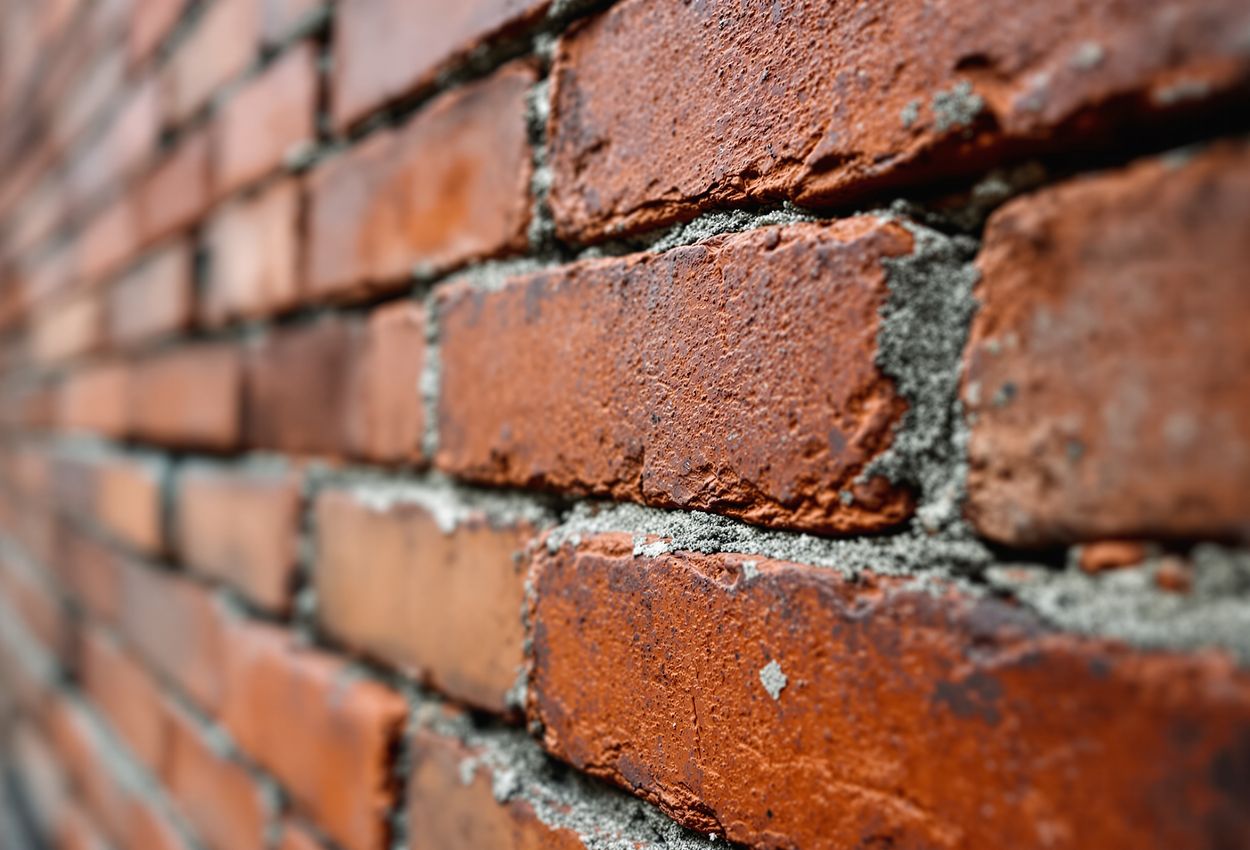
Abstract photography is about capturing the essence of a subject without representing it realistically. In urban environments, this means focusing on patterns, textures, and details that often go unnoticed.
Details: Focus on details such as brick walls, graffiti, and architectural elements. These details can create interesting patterns and textures that are visually appealing.
Close-Up Shots: Use close-up shots to emphasize these patterns and textures. Get close enough to your subject that it fills the frame, creating a sense of intimacy and detail.
Artists: Explore the work of artists who have successfully captured abstract urban scenes. Study their techniques and try to apply them to your own photography.
Local Tip: Visit industrial areas or construction sites to find interesting patterns and textures. These locations often offer a wealth of abstract photo opportunities.
The City as a Stage: Capturing Action and Movement
Urban environments are constantly in motion, offering a wealth of opportunities to capture action and movement in your photographs.
Long Exposure: Use techniques such as long exposure to create motion blur. This technique can be used to capture the movement of cars, people, or water, creating a sense of dynamism and energy.
Timing: Timing is crucial in capturing decisive moments. Be ready to snap the shot at the peak of the action, capturing the energy and emotion of the scene.
Active Subjects: Photograph street performers, athletes, and other active subjects. These subjects offer a natural sense of movement and energy that can be captured in your photographs.
Local Tip: Visit parks, plazas, or sporting events to find active subjects to photograph. These locations often offer a wealth of opportunities to capture action and movement.

By following these tips and techniques, you can unlock the secrets to capturing the beauty of reimagined cities. Remember to be respectful of the people and places you photograph, and to tell authentic stories that celebrate the resilience and hope of urban communities. So grab your camera, hit the streets, and start exploring the beauty of the urban landscape.