The paranormal, once relegated to the fringes of society, has surged into the mainstream, fueled by popular television shows, readily available ghost-hunting equipment, and a growing fascination with the unexplained. But as ghost hunting becomes increasingly commercialized, serious questions arise about the ethical implications of profiting from the supernatural. Has the pursuit of profit compromised the integrity of paranormal investigation, and are we at risk of exploiting people's beliefs and fears for entertainment?
The surge in ghost hunting's popularity is undeniable. Television shows like 'Ghost Hunters' and 'Ghost Adventures' have captivated audiences with their portrayals of paranormal investigations, sparking a wave of interest in the field. This, in turn, has led to a proliferation of ghost-hunting related businesses, from equipment vendors to paranormal tour operators, all eager to capitalize on the growing demand. Purportedly haunted locations, ranging from historic castles to abandoned prisons, have become tourist destinations, drawing visitors seeking a brush with the supernatural.
However, this commercialization raises some ethical concerns. The desire to entertain and generate revenue can lead to sensationalism and misinformation, overshadowing the genuine investigation and respect for historical or sensitive sites. The line between authentic research and theatrical performance can become blurred, potentially misleading the public and trivializing the experiences of those who genuinely believe they have encountered the paranormal.
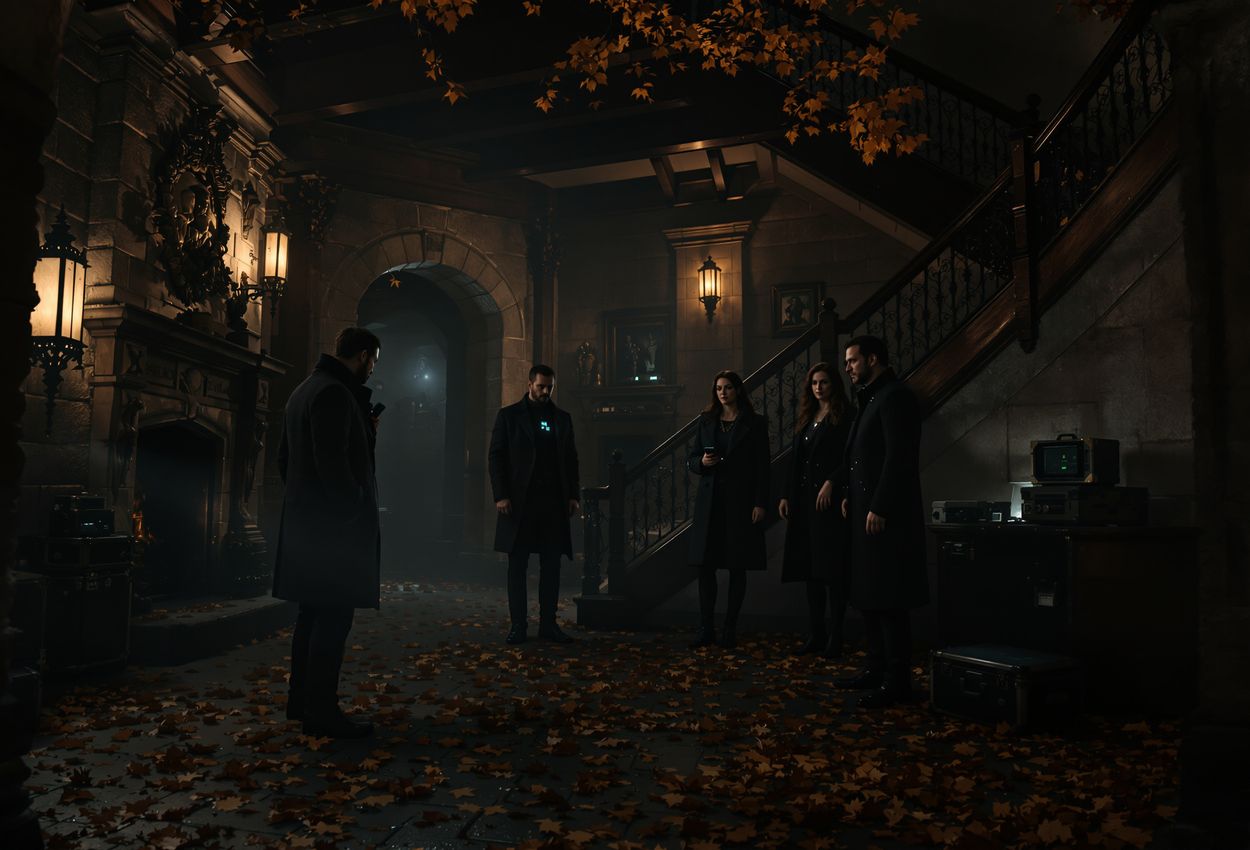
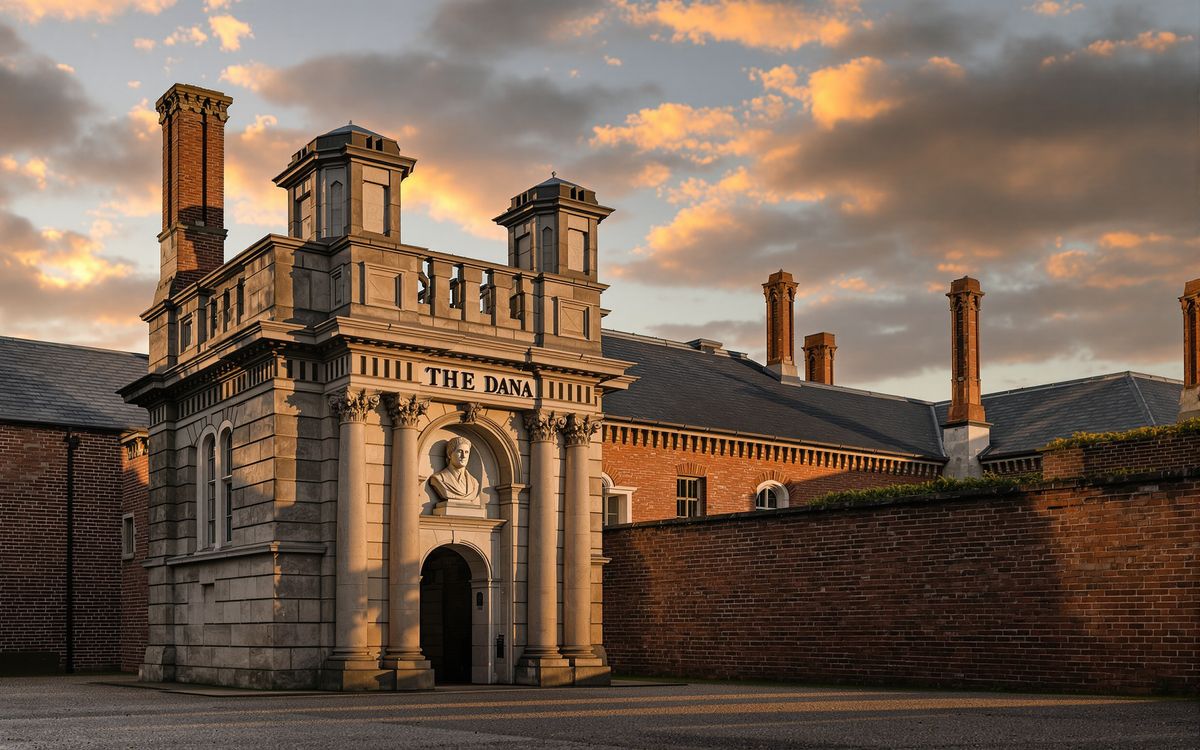
The investigation of purportedly haunted locations raises significant ethical considerations. Respect for private and historical property is paramount. Entering private property without permission constitutes trespassing and may have legal ramifications. Even seemingly abandoned locations are typically owned by someone, and gaining proper authorization is essential. Furthermore, many historical sites, such as Shrewsbury Prison, hold cultural and historical significance and should be treated with care to prevent damage or desecration.
Sensitivity towards culturally or religiously significant sites is also crucial. Diverse cultures and religions have varying interpretations of the supernatural, and investigators should approach these sites with respect and awareness. Failure to do so can be deeply offensive and disrespectful to those who hold these beliefs.
Unfortunately, not all ghost hunts adhere to these ethical standards. Some locations have faced criticism for disrespecting the site's history or purpose. For example, graveyards, particularly those in areas like North Wales, have sometimes been the site of disrespectful paranormal investigations, with ghost hunters disturbing graves and showing a lack of reverence for the deceased. Such actions not only disrespect the dead but also cause distress to their living relatives and the wider community.
Local Tip: Before visiting any historical or potentially haunted location, research its history and cultural significance. Be mindful of local customs and traditions, and always seek permission before entering private property.

Ethical responsibilities extend to clients and participants in paranormal investigations. Informed consent is essential, ensuring that individuals understand the investigation process, potential risks, and their right to privacy. Participants should be fully aware of the equipment being used, the methods employed, and the potential for encountering disturbing or unsettling phenomena.
The emotional impact on clients, particularly those experiencing distress or fear related to paranormal phenomena, must be carefully considered. Investigators should be sensitive to the client's emotional state and provide support and guidance as needed. It's crucial to avoid exploiting their fears or vulnerabilities for entertainment purposes.
There have been instances where paranormal investigations have caused undue stress or fear to individuals. For example, a staff member at a pub in Bristol might experience heightened anxiety and fear due to an investigation that focuses on potentially negative or malevolent entities. Investigators have a responsibility to minimize the potential for harm and ensure the well-being of all involved.
Hidden Gem: When participating in a paranormal investigation, prioritize your emotional well-being. Don't hesitate to express your concerns or withdraw from the investigation if you feel uncomfortable or overwhelmed.

One of the most damaging ethical breaches in paranormal investigation is the fabrication of evidence or the making of misleading claims for entertainment purposes. The desire for compelling content and sensationalized encounters can compromise the integrity of the investigation and erode public trust.
'Evidence' can be faked through various means, including editing software, staged events, or the misrepresentation of natural phenomena. For example, some unprofessional paranormal investigators might create audio and video that falsely suggests a location is haunted, misleading both clients and the public.
Transparency and honesty are paramount in reporting findings, even if they debunk paranormal claims. Ethical investigators should consider all possible explanations for anomalous phenomena and avoid jumping to conclusions based on preconceived notions or biases. Presenting evidence in a clear and unbiased manner, even when it contradicts desired outcomes, is essential for maintaining credibility and promoting responsible paranormal research.
Local Tip: Be wary of paranormal investigations that promise definitive proof of paranormal activity. A responsible investigation should focus on gathering evidence and exploring potential explanations, rather than making sensational claims.

The lure of profit can significantly impact the ethical considerations of ghost hunting and paranormal tourism. The commodification of haunted locations raises concerns about prioritizing entertainment over historical accuracy or respect. When financial gain becomes the primary motivator, the potential for exploiting people's beliefs and fears increases.
Many businesses offer ghost-hunting equipment or paranormal investigation services, often employing aggressive marketing tactics to attract customers. While some provide legitimate tools and services, others may promote devices with dubious scientific backing or make exaggerated claims about their effectiveness.
The pursuit of financial gain can lead to the exploitation of people's beliefs and fears. Businesses may exaggerate the potential for paranormal encounters or create a sensationalized experience that prioritizes entertainment over genuine investigation. It is crucial to approach such businesses with a critical eye, evaluating their methods, claims, and motivations before engaging their services.
Hidden Gem: Seek out paranormal investigation groups or businesses that prioritize ethical practices, transparency, and respect for both the living and the dead. Look for those who are more focused on education, preservation of history, and helping clients, and less on making a profit.
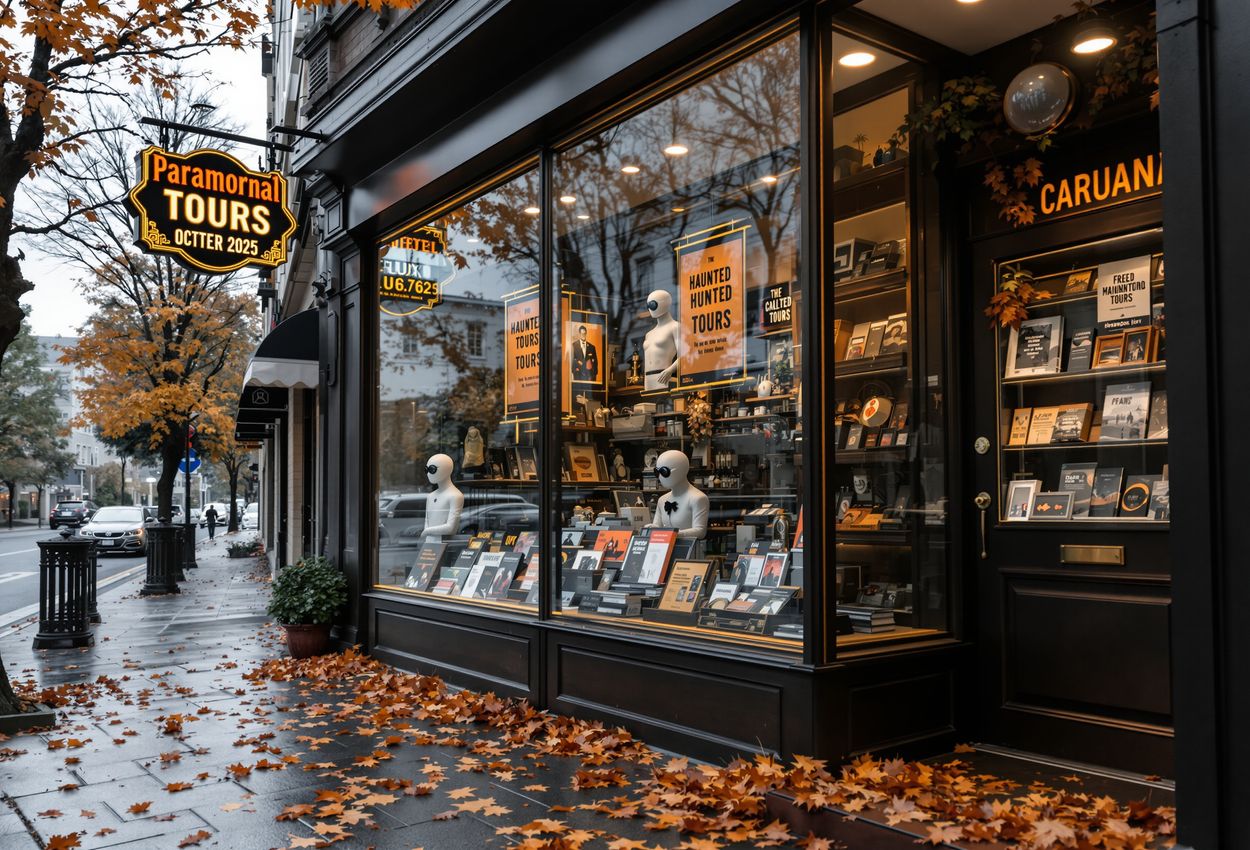
The commercialization of the paranormal presents a complex ethical landscape. While the increased interest in ghost hunting and paranormal investigation can lead to greater awareness of historical sites and a deeper exploration of the unexplained, it also carries the risk of exploitation, misinformation, and disrespect. By adhering to ethical guidelines, prioritizing respect, and promoting transparency, we can ensure that the pursuit of the supernatural remains a responsible and enriching endeavor. It is up to those who are involved in the field to make sure that it is performed in a way that does not exploit people's beliefs and fears, and that it is performed with respect for the historical or sensitive sites.