Edinburgh, a city of dramatic landscapes and towering architecture, holds a darker secret beneath its captivating beauty. It's a place where history is etched not just in stone, but in the very air, thick with whispers of the past and the chilling echoes of those who once walked its streets. Prepare to journey into the haunted heart of Scotland's capital, where every shadow seems to harbor a story and every corner holds the potential for a ghostly encounter.
From the imposing heights of Edinburgh Castle to the labyrinthine depths of the underground vaults and the weathered gravestones of Greyfriars Kirkyard, the city is steeped in tales of restless spirits and unexplained phenomena. This is a city where the veil between worlds seems thin, where the past refuses to stay buried, and where the echoes of history resonate with unsettling clarity.
Join us as we delve into the haunted history of Edinburgh, exploring the locations where the spectral presence is most palpable and uncovering the stories that have cemented its reputation as one of Europe's most haunted cities.
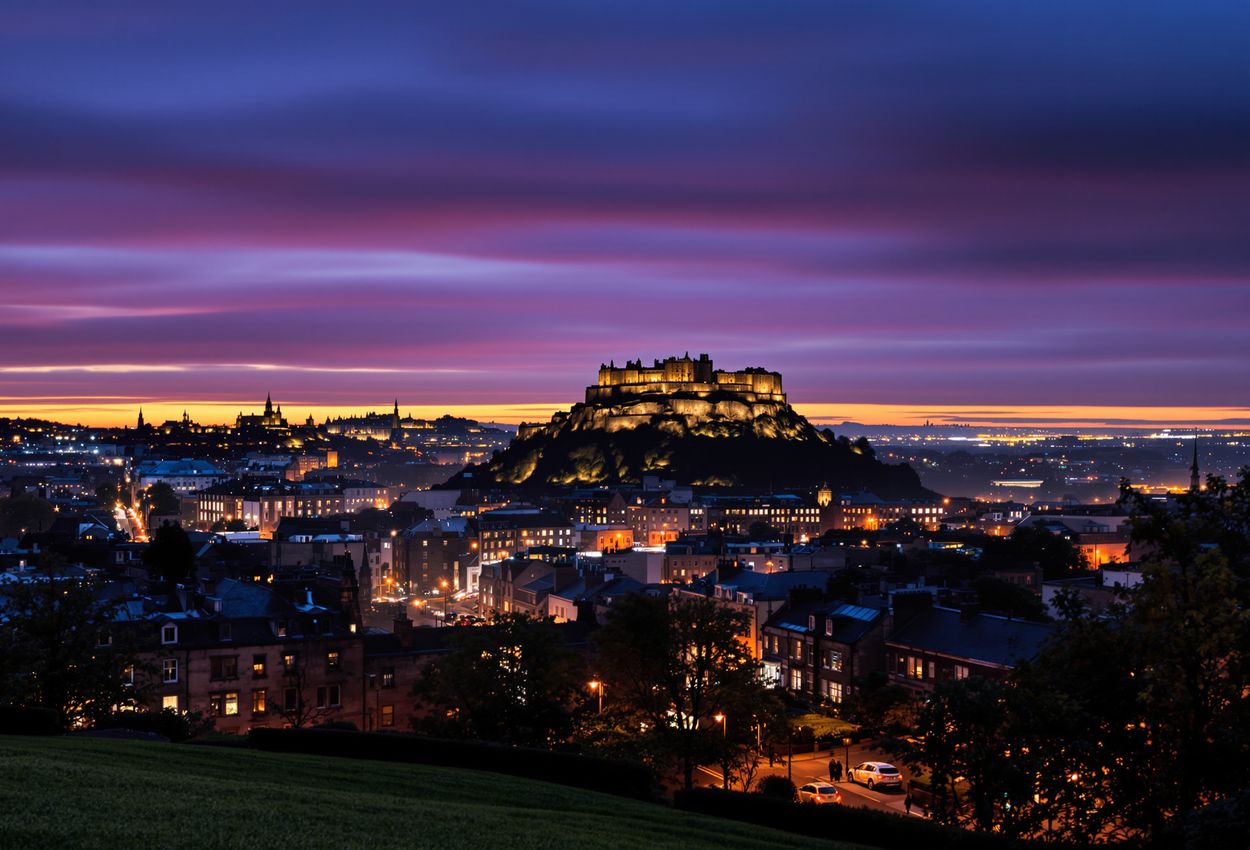
A City Forged in Shadow: Edinburgh's Spectral Tapestry
Edinburgh's reputation as a haunted city is no mere marketing ploy; it's a deeply ingrained aspect of its identity, woven into the fabric of its existence. The city's history is a tapestry of dramatic events, from brutal conflicts and devastating plagues to the chilling persecution of accused witches. These events have left an indelible mark on the city's psyche, creating an atmosphere of palpable unease and fueling countless tales of ghostly encounters.
The city's gothic architecture, with its soaring spires, shadowy closes, and imposing stone buildings, only adds to the sense of mystery and intrigue. These architectural features create a natural backdrop for ghostly tales, lending themselves to stories of hidden horrors and restless spirits. The narrow, winding streets of the Old Town, in particular, seem to hold onto the echoes of the past, with every step offering the potential for a brush with the supernatural.
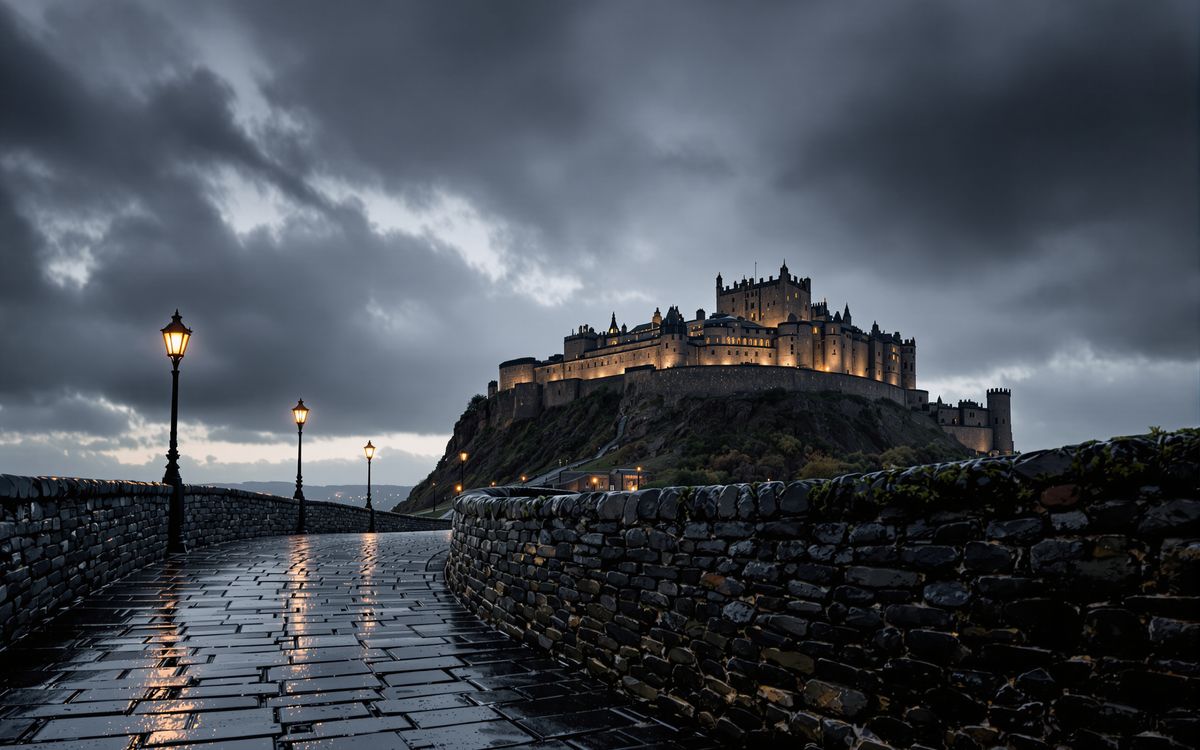
Edinburgh Castle, perched atop an ancient volcanic crag, stands as a silent witness to centuries of turmoil and bloodshed. Its stone walls have absorbed the screams of prisoners, the clash of steel, and the despair of countless souls who met their end within its ramparts. The underground vaults, a labyrinthine network of chambers beneath the city's streets, once housed the city's poorest residents and served as a haven for illicit activities, creating a breeding ground for misery and despair. And Greyfriars Kirkyard, a historic graveyard dating back to the 16th century, is the final resting place for some of Edinburgh's most notable figures, as well as the site of numerous tragic events that have fueled its reputation as one of the most haunted graveyards in the world.
It is the convergence of these historical events, architectural features, and cultural beliefs that has created Edinburgh's unique spectral tapestry, a haunting blend of fact and fiction that continues to captivate and terrify visitors from around the globe.

Edinburgh Castle: Where Stone Walls Whisper Tales of Old
Edinburgh Castle, a formidable fortress that has dominated the city's skyline for centuries, is more than just a historical landmark; it's a repository of ghostly tales and unexplained phenomena. Its ancient stones seem to hold onto the echoes of the past, whispering stories of long-dead soldiers, imprisoned nobles, and tragic figures who met their end within its walls.
One of the castle's most famous apparitions is the Headless Drummer, a spectral figure said to appear before times of war or unrest. Legend has it that the drummer was a young boy who lost his head in battle, and his ghostly drumming serves as a warning of impending danger. The last reported sighting of the Headless Drummer was in 1650, the same year that Oliver Cromwell's army laid siege to the castle.
Another well-known ghost is the Grey Lady, believed to be the spirit of Janet Douglas, Lady Glamis, who was accused of witchcraft and burned at the stake on Castle Hill in 1537. Visitors have reported seeing her weeping figure wandering the castle halls, forever mourning her unjust execution.
The castle's dungeons, with their dark and oppressive atmosphere, are said to be particularly rife with paranormal activity. Many visitors have reported feeling unexplained touches, seeing shadowy figures, and experiencing sudden drops in temperature within the dungeons. The spirits of long-dead prisoners are said to linger in these cold, stone cells, forever trapped within the walls of their former prison.
Even the castle's dog cemetery, a small plot of land where the beloved pets of castle residents were laid to rest, is said to be haunted by the ghost of a loyal canine. Visitors have reported seeing a black dog roaming the grounds, seemingly guarding the castle and its inhabitants as it did in life.
Local Tip: For a truly immersive experience, consider taking a guided ghost tour of Edinburgh Castle. These tours often delve into the castle's darker history and highlight the areas where paranormal activity is most frequently reported.

Beneath the Bridges: Exploring Edinburgh's Underground Vaults
Beneath the bustling streets of Edinburgh lies a hidden world, a labyrinthine network of underground vaults that hold a dark and fascinating history. Known as the Edinburgh Vaults or the South Bridge Vaults, these chambers were constructed in the late 18th century as part of the South Bridge project, an ambitious undertaking designed to improve transportation and commerce within the city.
Originally intended to serve as storage spaces for merchants and businesses, the vaults quickly became overcrowded and unsanitary due to poor ventilation and Edinburgh's damp climate. As a result, they were abandoned by their original occupants and gradually descended into squalor and decay.
In the 19th century, the vaults became a haven for the city's poorest residents, who sought shelter within their dark and damp confines. Living conditions were appalling, with overcrowding, lack of sanitation, and rampant disease. The vaults also became a hub for illicit activities, including gambling, prostitution, and body snatching.
During World War II, some of the vaults were used as air raid shelters, providing temporary refuge from the bombs that fell on the city. However, after the war, the vaults were once again forgotten, left to crumble and decay beneath the streets of Edinburgh .
It wasn't until the 1980s that the vaults were rediscovered and their dark history began to be unearthed. Today, many of the vaults have been cleared of rubble and transformed into unique spaces, including nightclubs, hospitality venues, and even a theater. However, some sections of the vaults remain untouched, preserved as a testament to the city's hidden past and a reminder of the lives that were lived and lost within their walls.
The Edinburgh Vaults are also known for their paranormal activity, with many visitors reporting unexplained noises, shadowy figures, and a general sense of unease. One of the most famous ghost stories associated with the vaults is that of Annie, a young girl who is said to have been abandoned in the vaults and met a tragic end.
Hidden Gem: Explore the vaults with a reputable tour company that specializes in ghost tours. These tours often provide historical context and share chilling tales of paranormal encounters within the vaults.

Greyfriars Kirkyard: A Graveyard of Ghosts and Legends
Greyfriars Kirkyard, a historic graveyard located in the heart of Edinburgh's Old Town, is a place where history, legend, and the supernatural intertwine. Established in the late 16th century, the kirkyard has witnessed countless burials, tragic events, and ghostly encounters, cementing its reputation as one of the most haunted graveyards in the world.
One of the most famous figures associated with Greyfriars Kirkyard is George Mackenzie, also known as 'Bluidy Mackenzie,' a Lord Advocate who was responsible for the brutal persecution of Covenanters in the 17th century. After the Covenanters were defeated at the Battle of Bothwell Bridge in 1679, Mackenzie imprisoned around 1,200 of them in a small section of the kirkyard, where they were subjected to inhumane conditions. Many died from exposure and disease, and those who survived were either hanged or sent into indentured servitude.
Following his death, Mackenzie was buried in a mausoleum within the kirkyard, not far from the Covenanters' Prison. In the late 20th century, stories began to circulate about a poltergeist inhabiting Mackenzie's mausoleum, with visitors reporting unexplained scratches, bruises, and burns. The Mackenzie Poltergeist is now one of the most well-known and feared entities in Edinburgh's paranormal landscape.
Greyfriars Kirkyard is also home to the heartwarming tale of Greyfriars Bobby, a loyal Skye Terrier who is said to have guarded his owner's grave for 14 years until his own death in 1872. Bobby's unwavering devotion touched the hearts of Edinburgh's residents, and a statue was erected in his honor near the entrance to the kirkyard.
J.K. Rowling, the author of the Harry Potter series, is said to have drawn inspiration for some of her characters' names from the tombstones in Greyfriars Kirkyard . The graveyard's eerie atmosphere and historical significance have made it a popular destination for Harry Potter fans and ghost hunters alike.
Local Tip: Be respectful when visiting Greyfriars Kirkyard, as it is still an active burial ground. Avoid touching or disturbing the tombstones, and be mindful of those who are visiting loved ones.

Whispers from the Past: Interviewing Local Historians
To gain a deeper understanding of Edinburgh's haunted history, we spoke with several local historians who have dedicated their careers to studying the city's past. Their insights shed light on the historical context of Edinburgh's hauntings, revealing the events and figures that have contributed to its spooky reputation.
One historian emphasized the role of the city's physical environment in shaping its ghostly tales. The narrow closes, towering tenements, and ancient buildings of the Old Town create a sense of enclosure and mystery, making it easy to imagine restless spirits lurking in the shadows. The historian also noted that many of Edinburgh's most haunted locations are situated on or near sites of former prisons, execution grounds, and plague pits, suggesting a connection between traumatic events and paranormal activity.
Another historian highlighted the importance of understanding the social and cultural context of Edinburgh's hauntings. In the past, beliefs in ghosts and the supernatural were widespread, and people were more likely to interpret unexplained events as evidence of paranormal activity. The historian also pointed out that many of Edinburgh's ghost stories reflect the city's historical anxieties, such as fears of disease, poverty, and social unrest.
One historian shared a particularly chilling tale about the Edinburgh Vaults, recounting stories of illicit activities, including body snatching and illegal gambling dens. The Vaults were said to be a place where anything could happen, and the spirits of those who met their end within their walls are said to linger to this day.
Local Tip: Seek out local history books and articles to delve deeper into Edinburgh's past. These resources often provide detailed accounts of historical events and figures that have contributed to the city's haunted reputation.
Chasing Shadows: Encounters with Paranormal Investigators
To further explore Edinburgh's paranormal landscape, we spoke with several paranormal investigators who have spent years exploring the city's most haunted locations. Their experiences and findings offer a unique perspective on the city's ghostly phenomena, shedding light on the methods, equipment, and notable encounters that have shaped their understanding of Edinburgh's paranormal activity.
One investigator described their experiences at Edinburgh Castle, where they have recorded unexplained noises, captured shadowy figures on camera, and experienced sudden drops in temperature. The investigator noted that the castle's dungeons are particularly active, with many visitors reporting feelings of unease and oppression.
Another investigator shared their findings from the Edinburgh Vaults, where they have used specialized equipment to detect electromagnetic fields and record electronic voice phenomena (EVP). The investigator believes that the vaults are home to a number of distinct entities, each with its own unique personality and history.
One investigator recounted a particularly chilling case study from Greyfriars Kirkyard, where they investigated reports of physical attacks and unexplained injuries near the Mackenzie Mausoleum . The investigator used a variety of methods to document the paranormal activity, including infrared cameras, motion sensors, and EMF meters. The investigator concluded that the mausoleum is indeed a hotspot for paranormal activity, and that the Mackenzie Poltergeist is a real and potentially dangerous entity.
Local Tip: If you're interested in paranormal investigation, consider joining a local paranormal group or attending a paranormal conference. These events offer opportunities to learn about the latest techniques and equipment, and to connect with other enthusiasts.

Witchcraft and Warfare: The Dark Toll of Edinburgh's History
Edinburgh's haunted history is inextricably linked to its dark past, a past marked by witchcraft persecutions and constant warfare. These events have left an indelible stain on the city's psyche, contributing to its reputation as a place where the veil between worlds is thin and the echoes of the past are ever-present.
During the 16th and 17th centuries, Scotland was gripped by a wave of witch hunts, with thousands of people, mostly women, accused of practicing witchcraft. Many of these accused witches were tortured and executed, often in public spectacles designed to instill fear and obedience. Edinburgh Castle's esplanade was a prominent execution site for accused witches , and the city's Witches' Well serves as a memorial to those who were persecuted.
The accusations of witchcraft were often fueled by superstition, fear, and political opportunism. Many accused witches were simply women who possessed knowledge of herbal remedies or who challenged the social norms of the time. The witch hunts had a devastating impact on Scottish society, leaving a legacy of trauma and distrust.
Edinburgh has also been the site of numerous battles and sieges throughout its history. Edinburgh Castle has been besieged on multiple occasions, and the city has been the scene of bloody conflicts, including the Wars of Scottish Independence and the Jacobite risings . These conflicts have left their mark on the city's landscape and its collective memory, contributing to its reputation as a place of violence and unrest.
The spirits of those who died during these conflicts are said to linger in Edinburgh, forever trapped between worlds. Visitors to Edinburgh Castle have reported seeing apparitions of soldiers, hearing the sounds of battle, and experiencing feelings of unease and oppression.
Hidden Gem: Visit the Scottish Witchcraft Memorial at Castlehill to pay your respects to those who were accused and executed for witchcraft in Scotland.
Body Snatchers and Resurrectionists: Edinburgh's Macabre Trade
In the 18th and 19th centuries, Edinburgh became a center for medical education, attracting students from all over Europe. However, the demand for corpses for anatomical dissection far outstripped the legal supply, leading to a macabre trade in body snatching and murder.
Body snatchers, also known as resurrectionists, were individuals who exhumed corpses from graveyards and sold them to medical schools for dissection. This practice was widely condemned by the public, but it was also tolerated by some members of the medical profession, who saw it as a necessary evil.
The most infamous body snatchers in Edinburgh's history were William Burke and William Hare, who took the gruesome trade a step further by murdering their victims and selling their corpses to Dr. Robert Knox, an anatomist at a local medical school. Between 1827 and 1828, Burke and Hare murdered at least 16 people, preying on the vulnerable and destitute.
The crimes of Burke and Hare shocked Edinburgh and led to increased security measures at graveyards, including the construction of mortsafes, iron cages placed over graves to prevent body snatching. The Burke and Hare murders also contributed to the passage of the Anatomy Act of 1832, which increased the legal supply of corpses for dissection.
The story of Burke and Hare continues to fascinate and horrify, serving as a reminder of the dark side of Edinburgh's medical history. The spirits of their victims are said to linger in the city, forever seeking justice for their untimely deaths.
Local Tip: Visit the Surgeons' Hall Museums to learn more about the history of medicine in Edinburgh, including the story of Burke and Hare.
From its imposing castle to its hidden underground vaults and its haunted graveyards, Edinburgh is a city where the past refuses to stay buried. Its spectral tapestry is woven from tales of war, witchcraft, and macabre deeds, creating a unique and unforgettable experience for those who dare to explore its haunted depths.