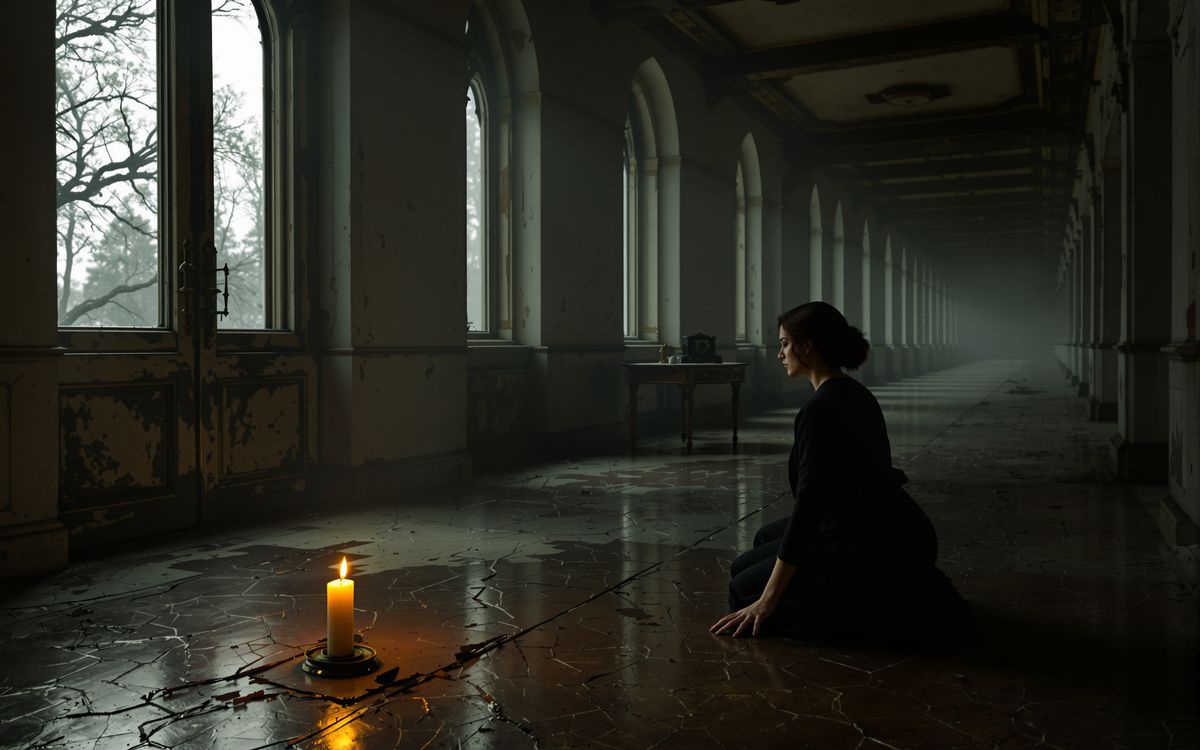
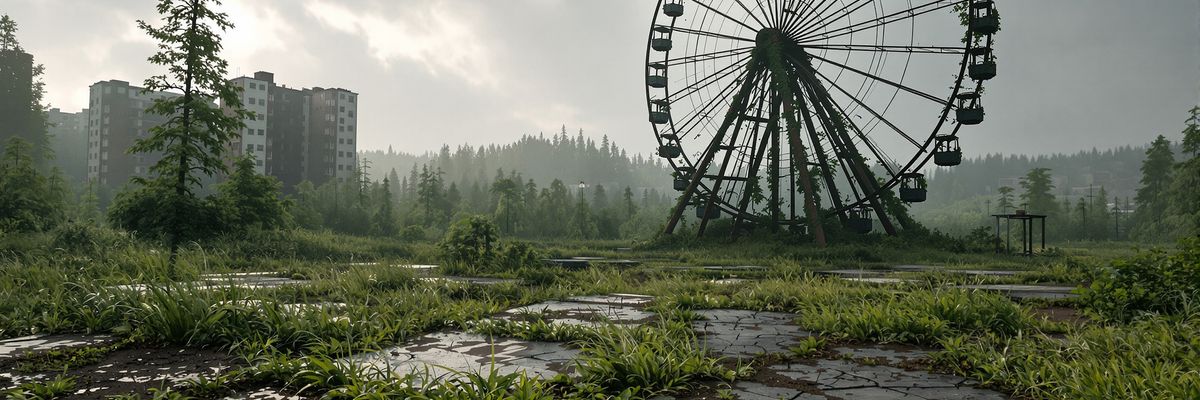
In the shadowy realm of paranormal investigation, where the veil between worlds thins, lies a profound ethical responsibility. It's a domain where respect for the deceased, the living, and the historical tapestry of haunted locations must take precedence over the thrill of the chase.
Ethical ghost hunting transcends the mere utilization of cutting-edge equipment; it embodies a commitment to sensitivity, professionalism, and a deep understanding of the potential impact on all involved. It requires a nuanced approach that balances the pursuit of the unknown with a steadfast dedication to preserving the dignity of the departed and the well-being of the present. This article delves into the multifaceted ethics of ghost hunting, advocating for practices that honor history, safeguard emotional well-being, and promote responsible investigation.
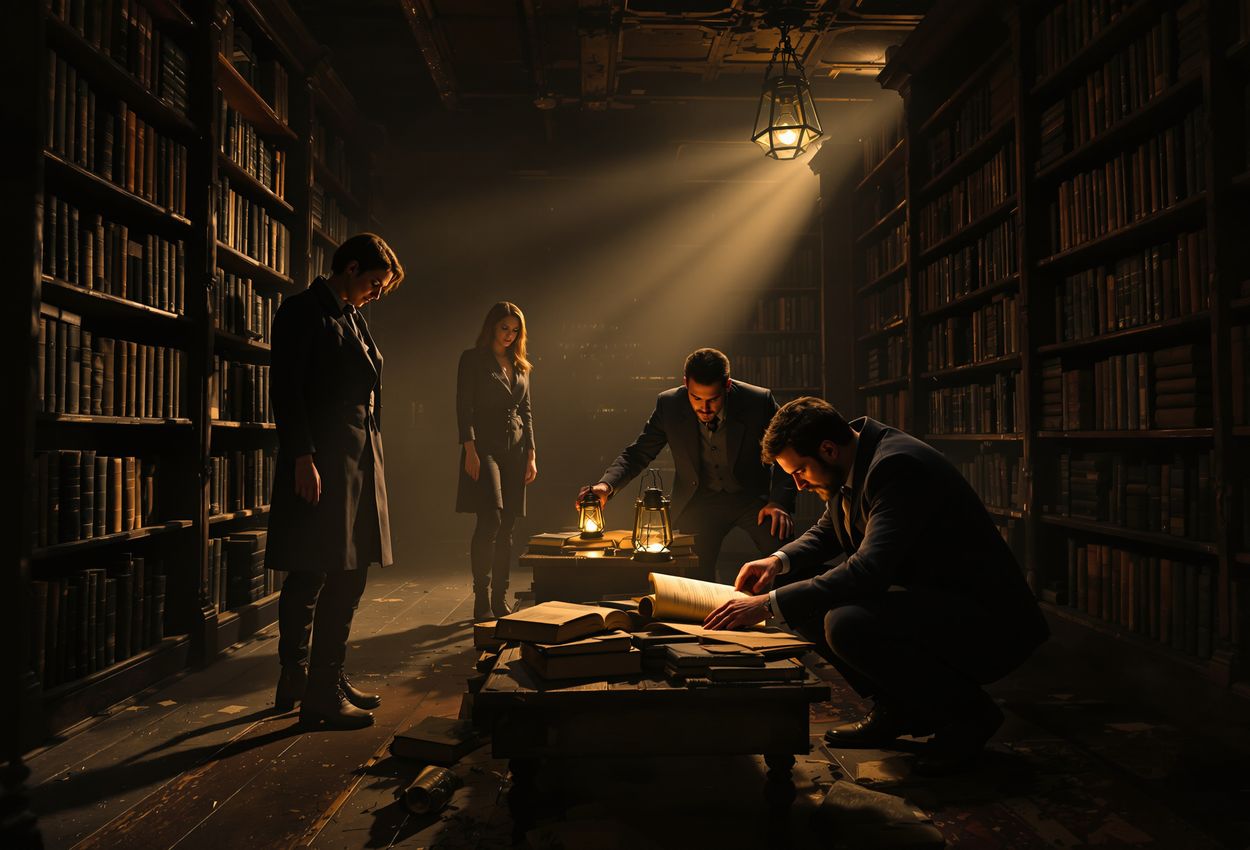
Defining Ethical Ghost Hunting: More Than Just Gadgets
Ethical ghost hunting extends far beyond the utilization of the latest gadgets and gizmos. It's a practice deeply rooted in intention, historical research, and a comprehensive understanding of the potential impact on both the living and the deceased. It necessitates a shift in focus from sensationalism to genuine inquiry, prioritizing respect and sensitivity above all else.
Unethical practices, such as trespassing at locations like the Waverly Hills Sanatorium in Kentucky or provoking spirits at the Edinburgh Vaults, stand in stark contrast to respectful approaches. These actions not only disregard the sanctity of these locations but also risk causing distress to any lingering spirits and disrespecting the memories of those who once lived. Ethical investigators prioritize obtaining proper permission, conducting thorough historical research, and approaching investigations with a spirit of reverence rather than provocation.
Consider, for instance, the importance of understanding the history of a location before conducting an investigation. Knowing the stories of those who lived and died there can inform the approach, ensuring that interactions with any potential spirits are conducted with empathy and respect. This might involve researching the lives of former residents, understanding the historical context of the location, and being mindful of any traumatic events that may have occurred there.
Moreover, ethical ghost hunting demands a critical examination of one's own intentions. Are you seeking to understand, to learn, or simply to be entertained? A genuine desire to connect with the past and to offer assistance to any earthbound spirits should be the driving force behind any investigation. This requires a commitment to approaching each investigation with an open mind, a compassionate heart, and a willingness to accept whatever may come, or not come, with respect and understanding.
According to ethicist, paranormal investigators have a responsibility to ensure their actions do not cause harm or distress to anyone, living or deceased. This includes respecting the wishes of property owners, maintaining confidentiality, and avoiding any behavior that could be perceived as disrespectful or exploitative. By adhering to these principles, paranormal investigators can ensure that their pursuit of the unknown is conducted in a manner that is both ethical and responsible.

Respecting the Deceased: Communication, Not Confrontation
Respectful communication with spirits necessitates prioritizing understanding and empathy over aggressive or confrontational techniques. While shows like 'Ghost Adventures' may showcase dramatic encounters, ethical investigators advocate for gentler, more compassionate approaches.
At the haunted Myrtles Plantation in Louisiana, experienced paranormal investigators often begin by introducing themselves and explaining the purpose of their investigation. This simple act of courtesy can establish a foundation of mutual respect, fostering an environment conducive to open communication. Rather than demanding answers or provoking reactions, ethical investigators seek to build rapport with any potential spirits, demonstrating a genuine interest in their stories and experiences.
Experienced mediums emphasize the importance of approaching spirits with kindness and compassion. This involves creating a safe and welcoming space, both physically and energetically, where spirits feel comfortable communicating. It also requires active listening, paying close attention to any subtle cues or messages that may be conveyed. By attuning themselves to the unique energy and personality of each spirit, mediums can establish a deeper connection, facilitating more meaningful and insightful interactions.
Techniques such as dowsing, pendulum work, and electronic voice phenomena (EVP) can also be employed as tools for respectful communication. However, it's crucial to use these methods with intention and discernment, ensuring that they are not used to manipulate or control spirits. Instead, they should be viewed as a means of facilitating dialogue, allowing spirits to share their stories and perspectives in their own way.
Ultimately, ethical communication with spirits is about fostering a relationship of mutual respect and understanding. It requires patience, empathy, and a willingness to listen without judgment. By prioritizing these values, paranormal investigators can create opportunities for meaningful connections with the deceased, shedding light on the mysteries of the afterlife while honoring the dignity of those who have passed on.

Honoring the Living: Consent, Confidentiality, and Emotional Well-being
Ethical obligations to the living are paramount in paranormal investigations, beginning with obtaining informed consent from property owners and participants. This means clearly communicating the purpose, methods, and potential risks of the investigation, ensuring that everyone involved is fully aware of what to expect.
Confidentiality is another critical consideration, particularly when dealing with personal information and experiences. Investigators must respect the privacy of their clients and participants, safeguarding any sensitive information they may share. This includes refraining from disclosing names, addresses, or other identifying details without explicit permission.
Investigations conducted in private residences require extra sensitivity, especially when vulnerable individuals are present. Children, the elderly, and those with mental health conditions may be particularly susceptible to the emotional impact of paranormal investigations. Investigators must take extra precautions to protect their well-being, ensuring that they are not exposed to anything that could cause them distress or harm.
Organizations like The Atlantic Paranormal Society (TAPS) provide guidelines on client confidentiality, emphasizing the importance of maintaining professional boundaries and respecting the privacy of those seeking assistance. These guidelines serve as a valuable resource for paranormal investigators, helping them navigate the ethical complexities of their work.
Additionally, therapists and counselors can offer support to individuals who may be distressed by paranormal experiences. By providing a safe and non-judgmental space for individuals to share their experiences, mental health professionals can help them process their emotions, develop coping strategies, and regain a sense of control. This collaborative approach, involving both paranormal investigators and mental health professionals, can ensure that the emotional well-being of all involved is prioritized throughout the investigation process.

Preserving History: Protecting Haunted Locations and Their Stories
Ghost hunters bear a significant responsibility to protect and preserve historical locations, recognizing that these sites are not merely backdrops for paranormal investigations but valuable cultural resources. The potential for damage or desecration is ever-present, as exemplified by incidents such as the fire at the Lebeau Plantation House in Louisiana, caused by trespassing ghost hunters.
This tragic event serves as a stark reminder of the importance of respecting historical sites and adhering to ethical guidelines. Ghost hunters should always obtain permission before entering a property, avoid causing any damage to the structure or its contents, and refrain from removing any artifacts or historical items.
Supporting preservation efforts is another crucial aspect of ethical ghost hunting. This can involve making donations to historical societies or preservation organizations, volunteering time to assist with restoration projects, or simply spreading awareness about the importance of preserving these sites for future generations. By actively contributing to the preservation of haunted locations, ghost hunters can demonstrate their commitment to respecting history and honoring the stories of the past.
Historians and preservationists emphasize the importance of understanding the historical context of haunted locations, such as the ancient Tower of London. By delving into the history of these sites, ghost hunters can gain a deeper appreciation for their significance and develop a more nuanced understanding of any potential paranormal phenomena. This historical awareness can inform their approach to investigations, ensuring that they are conducted with sensitivity and respect for the past.
The Role of Skepticism: Discernment, Honesty, and Avoiding Sensationalism
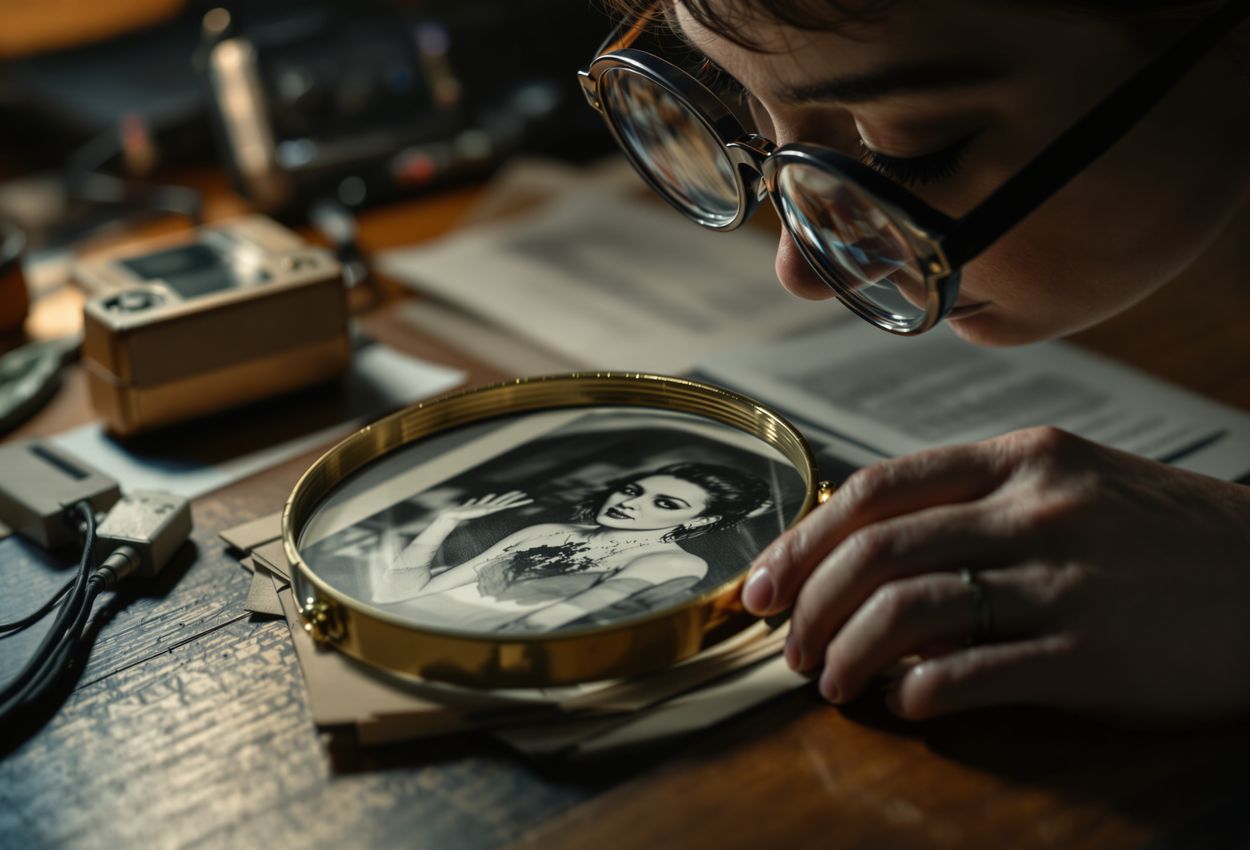
Ethical considerations extend to the presentation of findings, emphasizing honesty, transparency, and the avoidance of sensationalism. Skepticism and critical thinking are essential tools for discerning fact from fiction, ensuring that investigations are grounded in reality.
Misleading or fabricated evidence can cause significant harm, eroding public trust and undermining the credibility of the paranormal field. Investigators must be vigilant in scrutinizing their data, acknowledging alternative explanations for paranormal phenomena, and avoiding the temptation to embellish or exaggerate their findings.
Skeptical investigators like Joe Nickell and Brian Dunning have dedicated their careers to debunking false claims and promoting critical thinking in the paranormal field. Their work serves as a valuable reminder of the importance of approaching investigations with a healthy dose of skepticism, challenging assumptions, and seeking evidence-based explanations.
Scientists and researchers emphasize the importance of applying the scientific method to paranormal investigations. This involves formulating hypotheses, collecting data through controlled experiments, and analyzing results objectively. By adhering to these principles, paranormal investigators can ensure that their work is rigorous, reliable, and contributes to a better understanding of the unknown.
Ultimately, ethical ghost hunting is about striking a balance between belief and skepticism, embracing the mystery while remaining grounded in reality. It requires a commitment to honesty, transparency, and a willingness to acknowledge the limits of our knowledge. By embracing these values, paranormal investigators can contribute to a more responsible and credible field, fostering a deeper understanding of the paranormal while upholding the highest ethical standards.
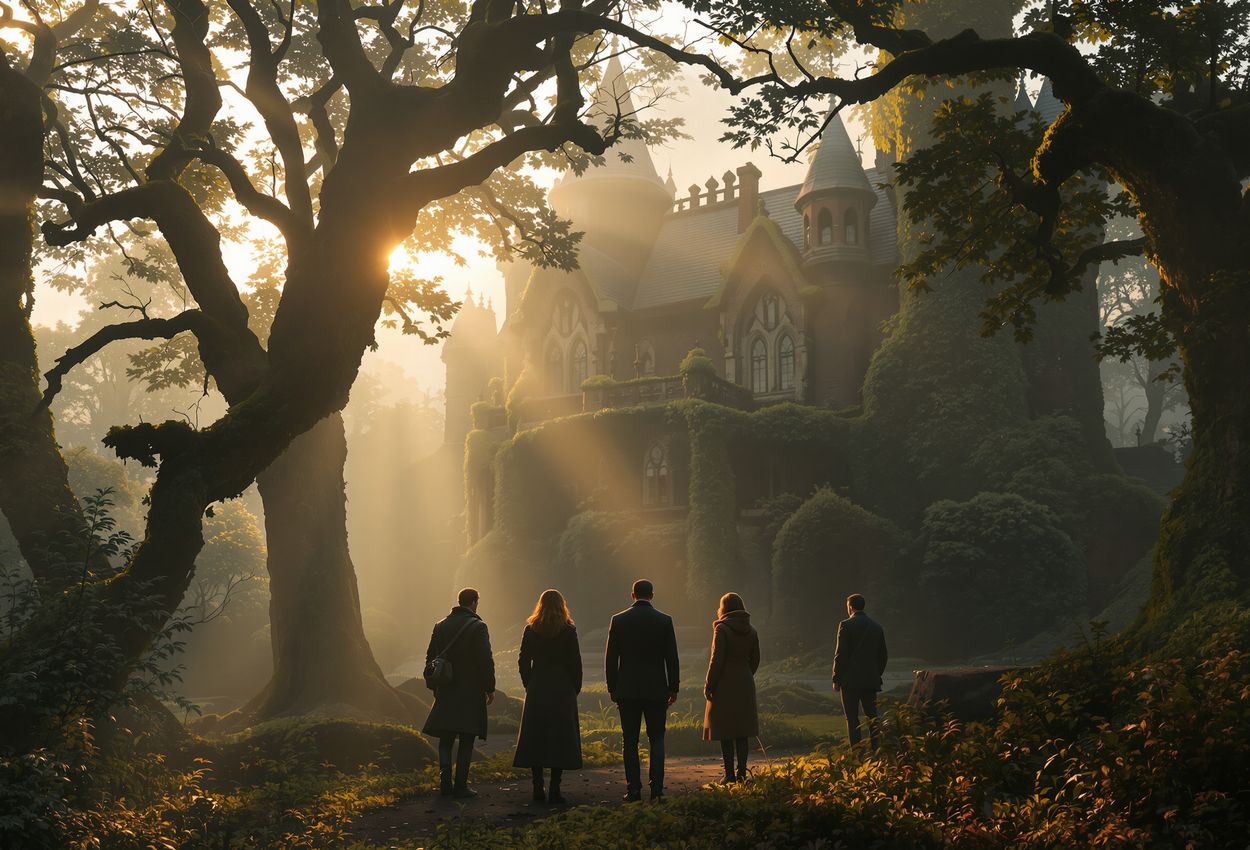
In conclusion, the ethics of ghost hunting are multifaceted, demanding respect for the dead, the living, and the historical locations under investigation. By embracing sensitivity, professionalism, and historical accuracy, paranormal investigators can transform their pursuit of the unknown into a responsible and enlightening endeavor.