From ancient civilizations to modern-day urban legends, ghost stories have been a universal way for humanity to grapple with the mysteries of life, death, and what might lie beyond. These tales, passed down through generations, reflect the unique fears, values, and cultural nuances of societies around the globe.
Join us as we embark on a chilling journey around the world, exploring some of the most captivating and eerie ghost stories from different cultures. From haunted forests to haunted castles, we'll delve into the origins, themes, and cultural significance of these spectral tales, uncovering the diverse beliefs and traditions that continue to haunt our collective imagination.
Whispers from the Ancient World: The Origins of Spectral Tales
The human fascination with ghosts and the afterlife is far from a modern phenomenon. Indeed, the origins of spectral tales can be traced back to the ancient civilizations of Mesopotamia, Egypt, Greece, and Rome, where beliefs about spirits, the afterlife, and the importance of proper burial rituals were deeply ingrained in society.
In ancient Mesopotamia, the epic of Gilgamesh, one of the oldest known works of literature, features encounters with the spirits of the dead, highlighting the anxieties surrounding mortality and the desire for immortality. Proper burial rites were essential to ensure the deceased transitioned peacefully to the underworld; otherwise, they might return to haunt the living.
Similarly, ancient Egyptian beliefs centered on the concept of the soul's journey through the afterlife. Elaborate burial rituals, mummification, and the construction of elaborate tombs were all designed to ensure the deceased's successful passage to the realm of the dead. Spirits who were not properly honored or whose tombs were desecrated were believed to become restless and vengeful, haunting those who had wronged them.
In ancient Greece and Rome, ghosts were often depicted as shadowy figures seeking justice or longing for closure. Pliny the Younger's account of Athenodorus and the haunted house in Athens tells the story of a philosopher who bravely confronts a malevolent spirit, ultimately leading to its peaceful departure. Early Roman plays, such as those by Plautus and Seneca, also featured ghosts as characters, often seeking revenge or offering prophecies, reflecting the ancient societies' fears, values, and understanding of mortality.
These ancient tales reveal a common thread: the belief that the spirits of the dead could interact with the living world, either to seek justice, offer guidance, or simply to remind us of our own mortality. They highlight the importance of honoring the dead and adhering to proper rituals to ensure their peaceful transition to the afterlife.
Japan's Aokigahara: Delving into the Sea of Trees
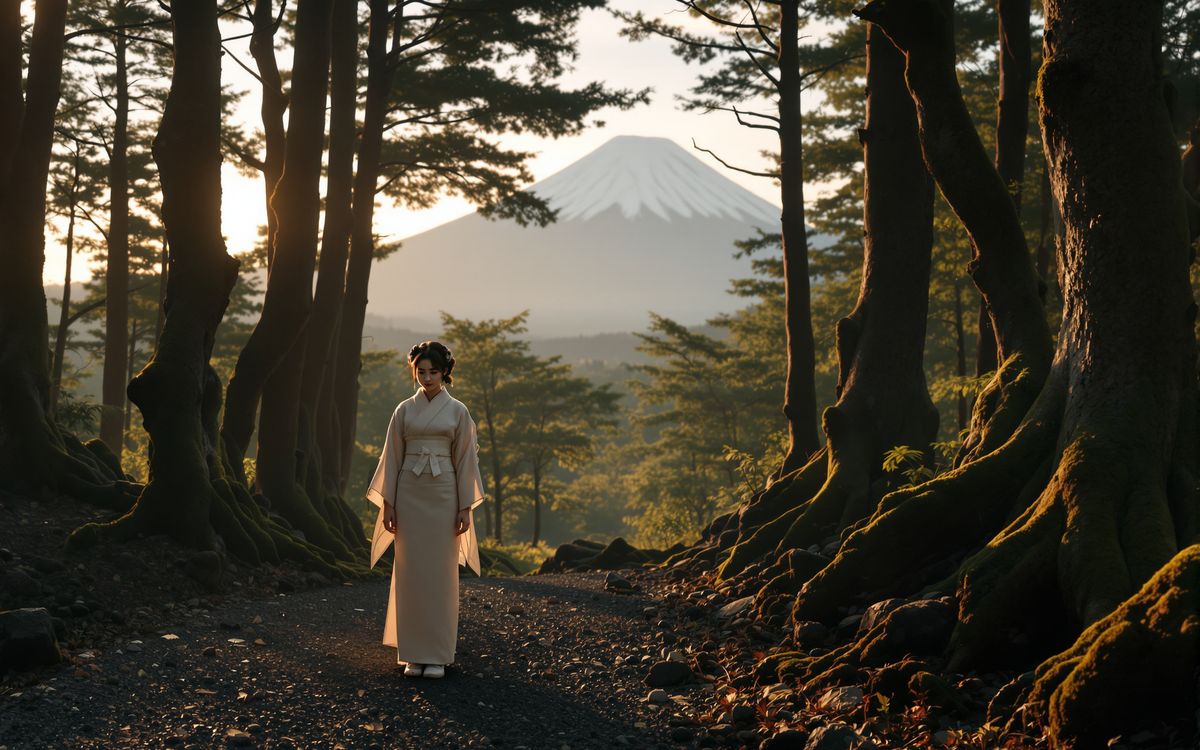
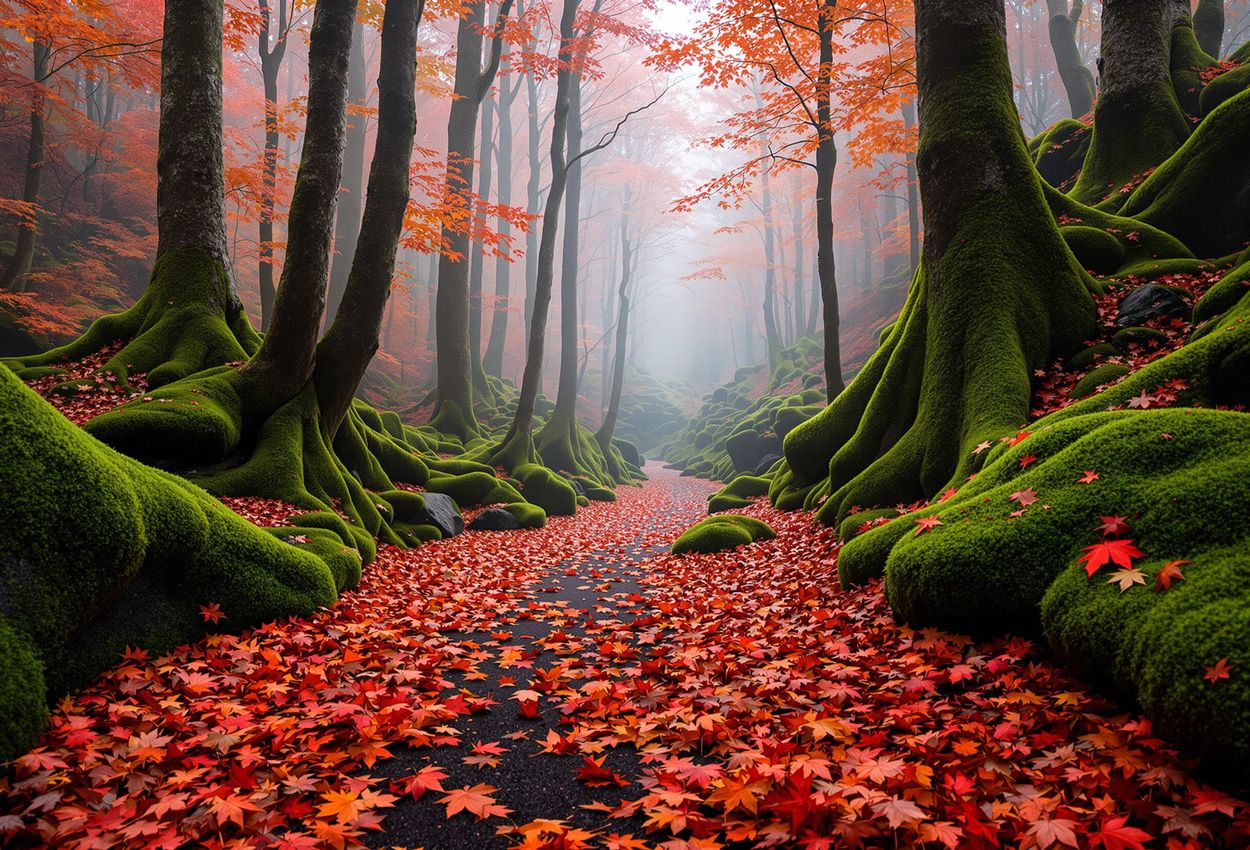
Aokigahara Forest, also known as the Sea of Trees (Jukai), lies at the foot of Mount Fuji in Japan. This dense woodland is known for its quiet atmosphere and association with Japanese mythology and Yurei (restless spirits). The forest's history is intertwined with tales of Ubasute, a mythical practice where elderly or infirm relatives were abandoned in remote locations to die.
The practice of *ubasute* is explored at length in the Japanese novel *The Ballad of Narayama* (1956) by Shichiro Fukazawa. The novel was the basis for three films: Keisuke Kinoshita's *The Ballad of Narayama* (1958), Korean director Kim Ki-young's *Goryeojang* (1963), and Shohei Imamura's *The Ballad of Narayama*, which won the Palme d'Or in 1983.
In modern times, Aokigahara has gained a reputation as a suicide site, amplified by Seicho Matsumoto's novel, *Kuroi Jukai* (The Black Sea of Trees), which tells the story of lovers who commit suicide in the forest. The forest's dense vegetation and volcanic rock absorb sound, creating an unnaturally quiet environment that some find unsettling. The soil is rich in magnetic iron, which can interfere with compass needles and navigation equipment, adding to the disorienting experience.
Navigating Aokigahara can be challenging, and visitors are advised to stick to marked trails. Local authorities have implemented measures to prevent suicides, including placing signs with helpline numbers and increasing patrols. Despite its dark reputation, Aokigahara remains a place of natural beauty, with designated hiking paths connecting major lava caves.
Local Tip: For a less somber experience, explore the forest with a guided nature tour. These tours focus on the unique flora, fauna, and geological features of Aokigahara, offering a different perspective on this intriguing location.
Mexico's Island of the Dolls: A Haunting Tale of Xochimilco
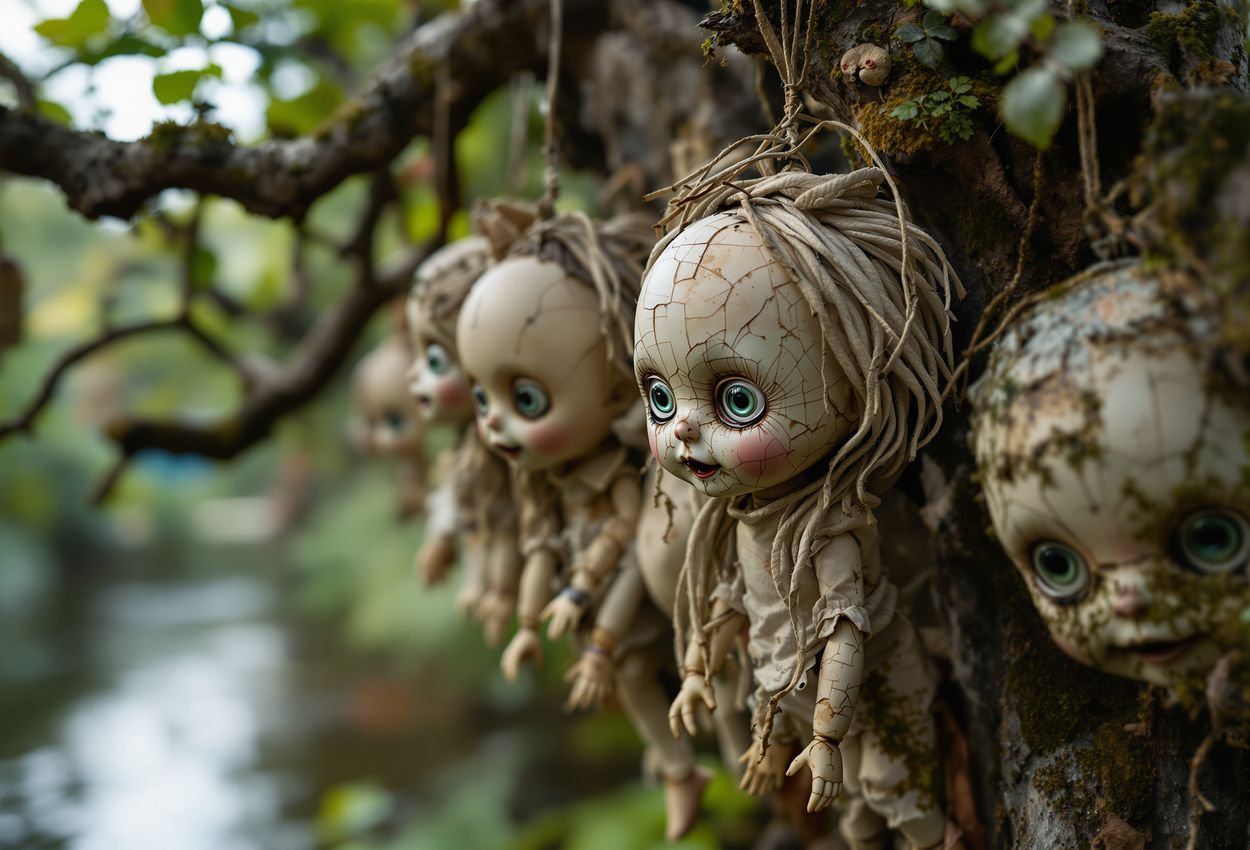
In the canals of Xochimilco, Mexico City, lies a unique and eerie attraction known as the Island of the Dolls (Isla de las Muñecas). This small island is adorned with hundreds of dolls, many of them old, broken, and disfigured, hanging from trees and scattered across the ground. The dolls create a disturbing and surreal atmosphere that draws visitors from around the world.
The story behind the Island of the Dolls is rooted in the legend of Don Julián Santana Barrera, the island's former caretaker. According to local lore, Don Julián began collecting and hanging the dolls to appease the spirit of a young girl who drowned in the canals. He believed that the dolls would protect him from the girl's spirit and bring peace to the island.
Over time, the island became filled with dolls of all shapes and sizes, creating a macabre and unsettling spectacle. Visitors have reported strange occurrences on the island, such as the dolls moving, whispering, and even opening their eyes. Many leave offerings for the dolls, hoping for miracles and blessings.
Today, the Island of the Dolls is a popular destination for dark tourism. Visitors can reach the island by trajinera, a traditional flat-bottomed boat, and explore the eerie collection of dolls. The island serves as a reminder of the power of belief and the enduring human fascination with the supernatural.
Hidden Gem: Look for Don Julián's original hut, where his favorite doll, Agustina, is displayed. It's said that Agustina offers special protection to those who leave her offerings.
Indonesia's Lawang Sewu: Echoes of History and Horror
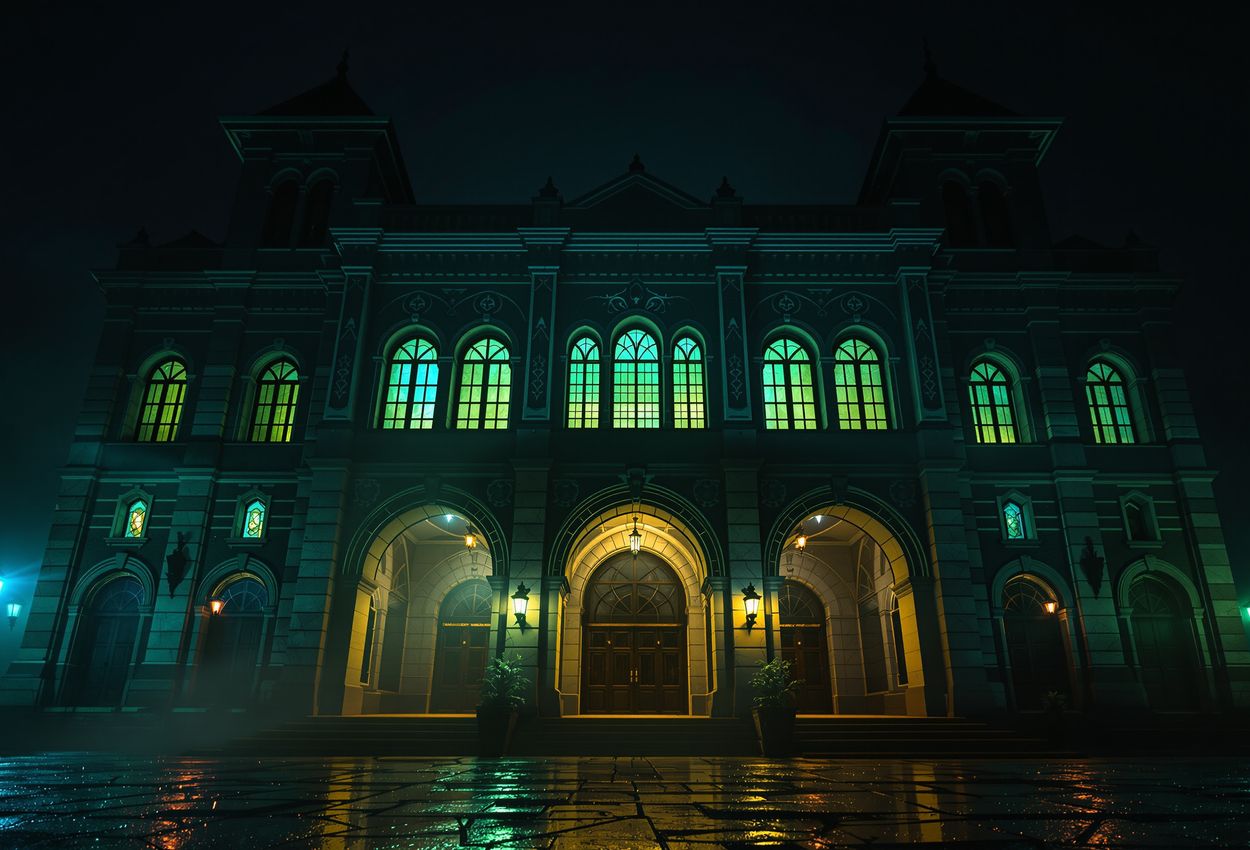
Lawang Sewu, meaning Thousand Doors in Javanese, is a historic building in Semarang, Indonesia. Built by the Dutch in the early 20th century, it served as the headquarters of the Dutch East Indies Railway Company. During World War II, the Japanese used Lawang Sewu as a prison and torture chamber, leading to many deaths and much suffering.
The building's dark history has made it a popular spot for paranormal investigations and ghost stories. Visitors and locals have reported numerous supernatural encounters, including sightings of a headless Dutch woman, a crying baby, and vengeful soldiers. One of the most famous legends is that of the Kuntilanak, a vampiric ghost of a woman who died during childbirth.
The headless Dutch woman is said to be the ghost of a Dutch woman who committed suicide by hanging herself in the main building. She is often seen wandering around the building, looking for her head.
Despite its haunted reputation, Lawang Sewu is a popular tourist attraction, drawing visitors interested in its colonial architecture and historical significance. The building has been renovated and now houses a museum showcasing its history and the stories of those who suffered within its walls.
Local Tip: Visit Lawang Sewu at night for a truly chilling experience. The building is illuminated, creating an eerie atmosphere that enhances the ghost stories and paranormal legends.
European Castles: Legends in Stone
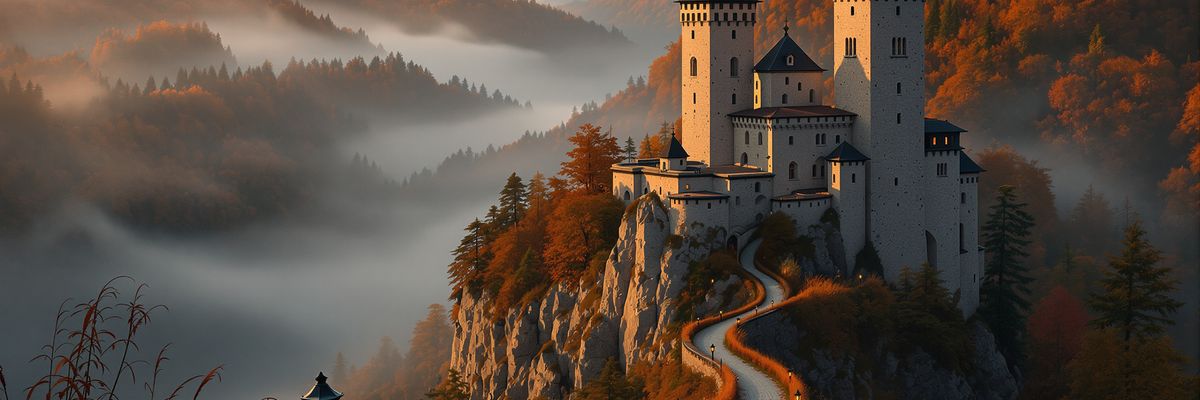
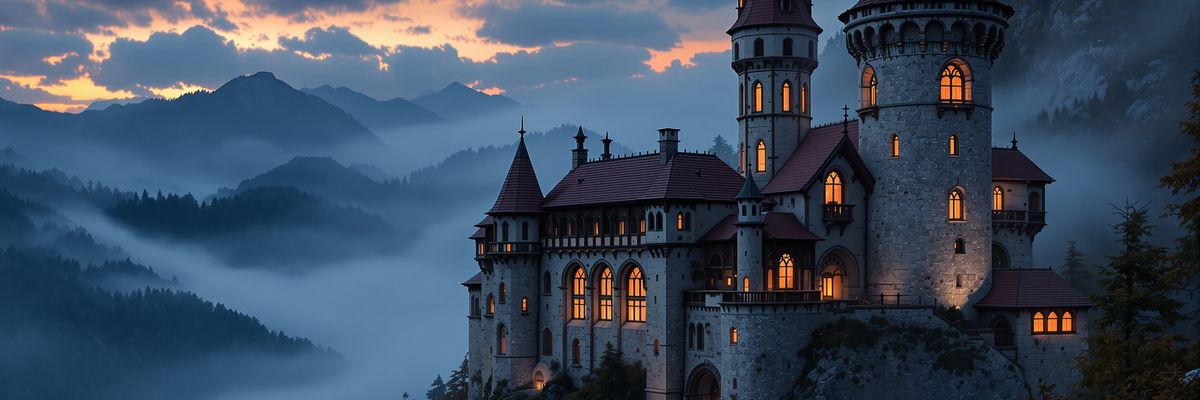
Europe is home to many ancient castles, each with its own unique history and ghost stories. From the misty highlands of Scotland to the rolling hills of Ireland and Austria, these castles have witnessed centuries of human drama, leaving behind echoes of their past in the form of ghostly apparitions and unexplained phenomena.
Edinburgh Castle in Scotland is said to be haunted by several ghosts, including the Lone Piper, a spectral musician who plays his bagpipes in the castle's depths. Legend says that centuries ago, a piper was sent to explore the tunnels beneath the castle, playing his pipes as he went. The music could be heard above ground until he reached a certain point, then suddenly stopped. The piper was never seen again, but his music can still be heard echoing through the castle.
Leap Castle in Ireland is considered one of the most haunted castles in the world. Its Bloody Chapel is said to be haunted by a priest who was murdered by his own brother during mass. The castle also contains a hidden oubliette, a dungeon where prisoners were thrown and forgotten, their skeletons discovered centuries later. The story from Leap Castle that made stomachs turn was that of the 'Red Lady'. According to legend, she was captured by a member of the O'Carroll clan and held prisoner. It's said that she was assaulted by a number of the O'Carroll's and gave birth to one of their children. This displeased the O'Carroll's who said that they couldn't afford to feed another mouth. It's believed that one of the clan murdered the child with a dagger. The mother was, understandably, distraught and is said to have grabbed the dagger and used it to end her own life. The Red Lady has been seen by a number of people over the years.
Moosham Castle in Austria has a dark history connected to the Salzburg witch trials of the 17th century. Hundreds of people were accused of witchcraft, imprisoned, tortured, and executed within its walls. The castle is said to be haunted by the spirits of the victims, their cries and screams echoing through the halls.
Hidden Gem: Many European castles offer ghost tours, providing visitors with a chance to learn about the castle's history and hear tales of its ghostly residents. These tours often take place at night, adding to the eerie atmosphere.

African Folklore: Spirits and Legends of the Continent
Africa's rich and diverse cultures are steeped in folklore and mythology, with spirits and ancestors playing a significant role in many traditional belief systems. Ghost stories in Africa often reflect themes of morality, justice, and the connection between the living and the dead.
The Tokoloshe is a well-known creature in Southern African folklore, described as a small, hairy humanoid created by a witch doctor to cause mischief or harm. According to legend, the only way to keep the tokoloshe away at night is to put a few bricks beneath each leg of one's bed.
The Impundulu, also known as the Lightning Bird, is a mythical creature in Zulu and Xhosa mythology. It is believed to be a large, black-and-white bird that can summon storms and strike the ground with lightning. The Impundulu is often associated with witchcraft and is said to be a familiar of witches, serving them in exchange for blood.
The Sakabula is a mythical creature in Zimbabwean folklore, described as a small, hairy man with supernatural powers. It is believed to be a trickster spirit, causing mischief and playing pranks on people.
These African ghost stories serve as a way to teach lessons, enforce social norms, and explain the mysteries of the world. They highlight the importance of respecting ancestors and adhering to traditional beliefs.
Local Tip: Engage with local communities to learn more about their traditional beliefs and ghost stories. Respect their customs and avoid dismissing their beliefs as mere superstition.

As our journey through global ghost stories comes to an end, we are reminded of the power of these tales to connect us to our past, to each other, and to the mysteries that lie beyond our understanding. Whether we believe in ghosts or not, these stories offer a glimpse into the diverse ways that cultures around the world have grappled with the fundamental questions of life, death, and the human condition.