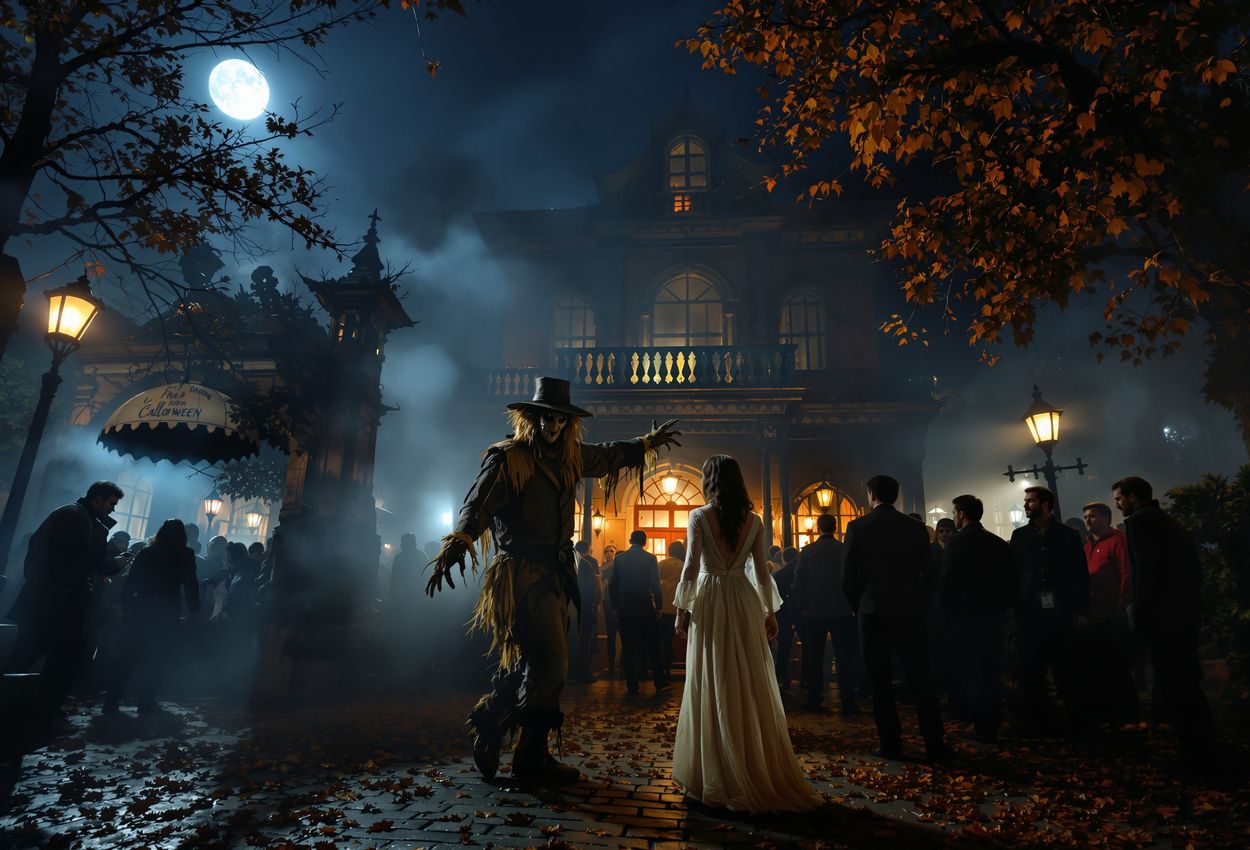
Step right up, if you dare, to witness the spine-chilling spectacle that's not only terrifying thrill-seekers but also injecting billions into the global economy. The haunted attraction industry, a realm of ghouls, goblins, and goosebumps, has emerged as a surprisingly lucrative market, captivating millions and generating revenue that rivals some of Hollywood's biggest blockbusters.
From the creaky doors of haunted houses to the eerie trails of scream parks and the immersive experiences of Halloween events, fear has become a commodity, and business is booming. This once-niche sector has transformed into a multi-billion dollar industry, with a global reach that extends from the United States to Europe and Asia. But how did this happen? What is it about the allure of the macabre that has captured the imaginations—and wallets—of so many?
Unmasking the Economic Power of Fear
The haunted attraction industry isn't just about jump scares and ghostly apparitions; it's a serious economic force. In the United States alone, the industry generates between $300 million and $500 million in ticket sales annually. This figure includes major theme parks that operate Halloween events, with the broader Halloween attraction industry, including pumpkin patches and amusement parks, generating over $1 billion in revenue. This surge in popularity has been decades in the making. The industry has professionalized, moving beyond amateur backyard haunts to sophisticated, large-scale operations. According to Leonard Pickel, a haunted-house consultant, there are approximately twice as many haunted houses in the U.S. now as there were in the 1990s.
Several factors contribute to this impressive growth. Firstly, people are willing to pay for a safe but thrilling scare. Research indicates that individuals enjoy the adrenaline rush of being frightened in a controlled environment, such as a movie theater, a theme park ride, or a haunted house. Secondly, Halloween's popularity has surged, becoming the second-largest commercial holiday in the United States. Spending on candy, costumes, and activities reaches billions annually, with approximately 90% of households with children participating in Halloween activities. Haunted attractions have successfully tapped into this widespread enthusiasm, becoming a must-do activity for many during the Halloween season.
The industry encompasses various types of attractions, each contributing to its economic success. Haunted houses remain a staple, offering a traditional scare experience with elaborate sets and costumed actors. Scream parks provide a larger, more immersive experience, often featuring multiple haunted houses, mazes, and other attractions. Halloween events, such as themed festivals and parades, draw large crowds and generate revenue for local businesses. Each type caters to different preferences, ensuring a broad appeal that fuels the industry's financial impact.
Behind the Screams: Innovation Drives Revenue
The haunted attraction industry thrives on creativity and innovation. To remain competitive and draw repeat visitors, attractions constantly evolve, incorporating new technologies, themes, and design elements. This commitment to innovation is a key driver of their economic success. The industry blends theatrical production design, film and TV production design, and traditional haunted attraction design to create immersive, thrilling experiences. Designers meticulously plan every aspect of the guest experience, using themes, suspense, and set design to set a particular tone.
Many attractions leverage licensing agreements with popular movies or TV shows to enhance their appeal. By incorporating familiar characters and storylines, they tap into an existing fan base and create a heightened sense of excitement. Some attractions have successfully integrated new technologies to enhance the visitor experience. Animatronics, once a simple scare tactic, have evolved into sophisticated, lifelike creations that startle and amaze. Special effects, such as fog, lighting, and sound, are used to create a truly immersive environment. Some attractions even incorporate virtual reality or augmented reality to create a unique and interactive experience.
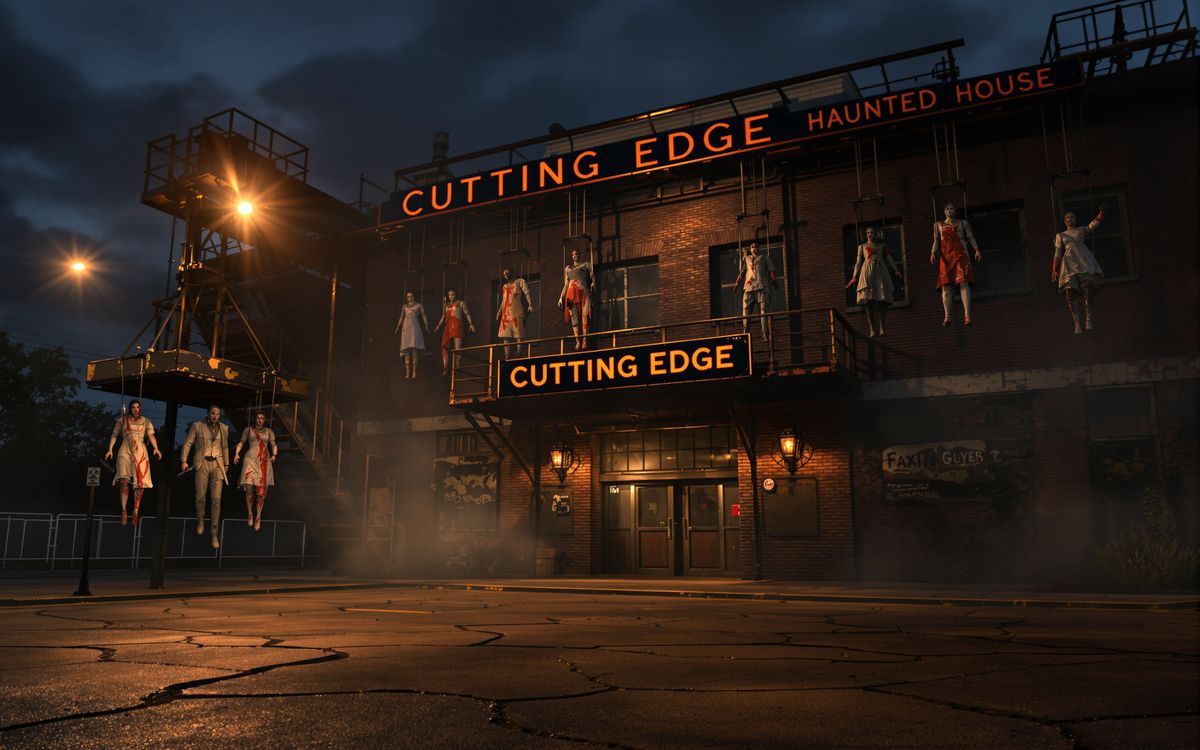
Cutting Edge in Fort Worth, Texas, a world-record-holding haunted house, uses an abandoned meat-packing factory to create a terrifying, innovative experience. Niles Scream Park in Niles, Michigan is known for its constantly evolving attractions, including the Hooded experience, a blind sensory gauntlet. The Factory of Terror in Canton, Ohio, a former automotive foundry, boasts 160,000 square feet of horror, blending industrial machinery with spine-tingling sets. These attractions demonstrate how creativity and innovation can translate into economic success, drawing crowds and generating revenue through unique, memorable experiences.
Tourism's Terrifyingly Good Boost
Haunted attractions play a significant role in boosting local tourism. Halloween events and haunted houses draw tourists to specific regions, generating revenue for hotels, restaurants, and other local businesses. Halloween-themed festivals and parades have a considerable impact on the travel and hospitality sectors, attracting visitors from far and wide. Some cities and regions have successfully leveraged haunted attractions to increase tourism revenue. Salem, Massachusetts, famous for its witch trials, is a prime example. The city's Halloween events draw hundreds of thousands of visitors each year, generating millions of dollars for the local economy.
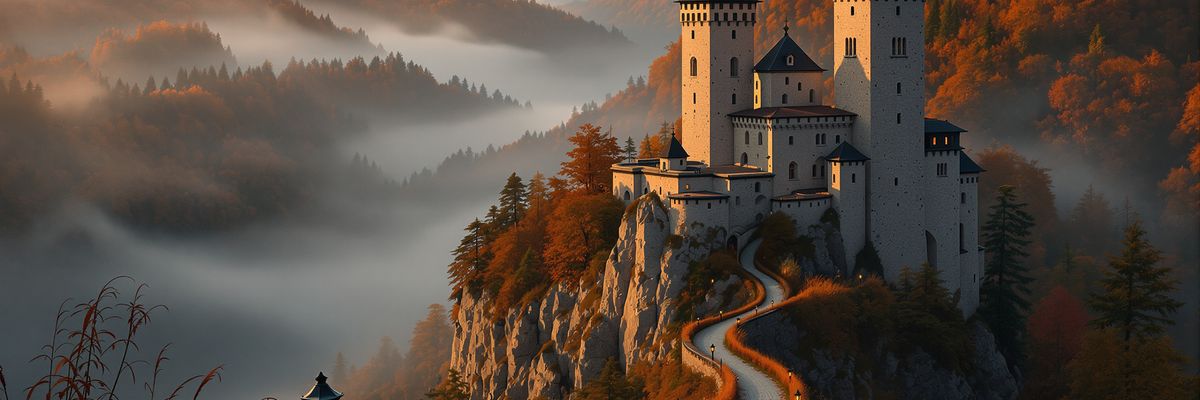
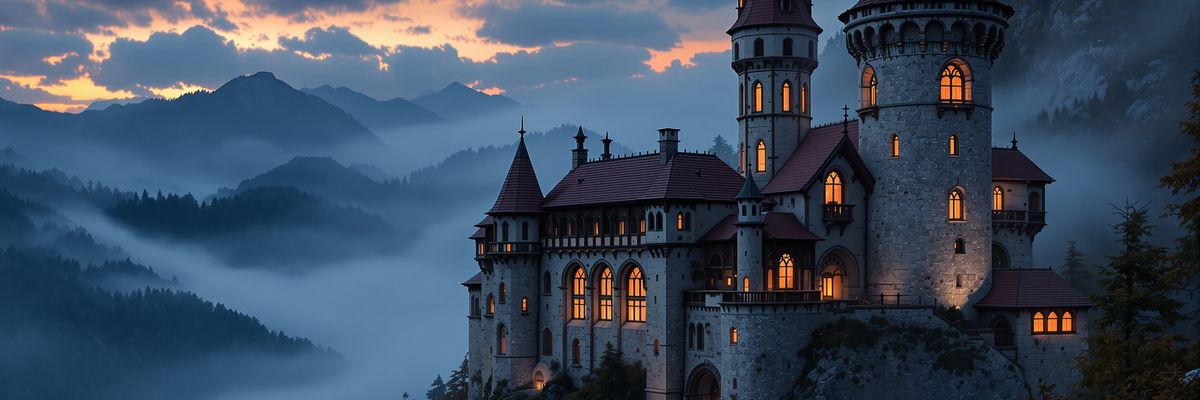
Other destinations have also capitalized on the appeal of haunted attractions. The Lemp Mansion in St. Louis, Missouri, offers ghost tours and Halloween parties that attract tourists interested in the paranormal. The Haunted Castle House in Brumley, Missouri, draws visitors with its spooky events and overnight investigations. These attractions not only provide entertainment but also contribute to the economic vitality of their respective regions. Theme parks like Disneyland Paris and Europa-Park in Germany have seen significant increases in ticket sales during their Halloween seasons, demonstrating the power of haunted attractions to drive tourism.
The economic impact extends beyond ticket sales. Tourists spend money on accommodations, dining, transportation, and souvenirs, providing a boost to various sectors of the local economy. Halloween-themed events also attract media coverage, providing free publicity for the host cities and increasing their appeal as tourist destinations. This increased visibility can lead to a continuous flow of revenue for local businesses, underscoring the economic significance of Halloween tourism.
From Actors to Animatronics: The Industry's Employment Impact
The haunted attraction industry creates numerous employment opportunities, providing valuable income for many individuals. The industry employs a diverse range of workers, from actors and set designers to ticket booth operators and security personnel. These jobs offer seasonal income for students, part-time workers, and those seeking extra money during the fall. The Haunted Attraction Association estimates that over 100,000 people are employed by haunted houses during the Halloween season. These positions range from scare actors, who create the thrilling experiences for visitors, to makeup artists, set designers, and event staff, all contributing to the immersive environment.
Many haunted attractions are operated by charities or benefit charitable causes, further enhancing their positive impact on the community. These attractions provide opportunities for volunteers to get involved and contribute to a worthy cause. The haunted house industry helps raise millions of dollars for charities nationwide, supporting various organizations and initiatives. The employment practices of haunted attractions have a significant economic impact. By providing jobs and generating income, they contribute to the financial well-being of individuals and families. This ripple effect extends to other sectors of the economy, as employees spend their earnings on goods and services.
Haunted attractions also offer unique opportunities for individuals to develop their skills and gain experience in various fields. Actors can hone their performance abilities, while set designers can showcase their creativity and technical expertise. These experiences can be valuable stepping stones for those pursuing careers in the entertainment industry or other related fields.

Global Fear: The Worldwide Expansion of Haunted Attractions
The haunted attraction industry is not limited to the United States; it has experienced significant international growth. Haunted houses and Halloween events have become increasingly popular in countries outside the U.S., driving revenue and creating new business opportunities. This global expansion reflects the universal appeal of fear and the growing popularity of Halloween celebrations worldwide. Europe is a significant regional market, with approximately 300 major haunted house companies. Halloween-themed events and haunted attractions have become major seasonal attractions, drawing millions of visitors. Disneyland Paris, for example, welcomes nearly 250,000 additional visitors during its Halloween season.
Asia is another rapidly growing market for haunted attractions. The industry's top producers and haunted house designers receive numerous requests to develop attractions for global clients, particularly from theme parks in Asia. This demand reflects the region's expanding entertainment industry and the growing interest in Halloween-themed experiences. The Haunted Attraction Association estimates that over $25 million worth of haunted house equipment, services, and supplies are shipped to other countries, primarily in Asia and Europe. This figure underscores the global reach of the industry and its impact on international trade. As Halloween continues to gain popularity worldwide, the haunted attraction industry is poised for further expansion, creating new opportunities for businesses and entrepreneurs across the globe.

In conclusion, the haunted attraction industry has emerged as a significant economic force, captivating millions and generating billions in revenue worldwide. From the creative innovation that drives the industry to its role in boosting local tourism and providing employment opportunities, the economic impact of haunted attractions is undeniable. As Halloween continues to gain popularity and the demand for thrilling experiences grows, the haunted attraction industry is poised for further growth and success in the years to come.