In the realm of wine, where tradition meets innovation, blended wines stand as a testament to the art of synergy. These are not mere mixtures, but carefully orchestrated symphonies of flavor, where different grape varieties come together to create something greater than the sum of their parts. From the storied vineyards of Bordeaux to the sun-drenched hills of Tuscany, winemakers have long embraced the practice of blending, seeking to achieve balance, complexity, and consistency in their creations.
Imagine a glass of perfectly balanced blended wine, its aroma a tapestry of interwoven scents. Notes of ripe blackcurrant dance with hints of cedar and spice, while a subtle earthiness adds depth and intrigue. On the palate, the wine unfolds in layers, its flavors seamlessly integrated, its tannins smooth and refined. This is the magic of blending – the ability to create a wine that is both harmonious and complex, a true expression of terroir and winemaking skill.
For wineries, blending is also a crucial tool for maintaining consistent quality and style. By carefully selecting and combining different grape varieties, winemakers can mitigate the effects of vintage variation, ensuring that their wines retain their signature character year after year. This is particularly important in regions with unpredictable weather patterns, where blending can provide a safety net against the vagaries of nature.
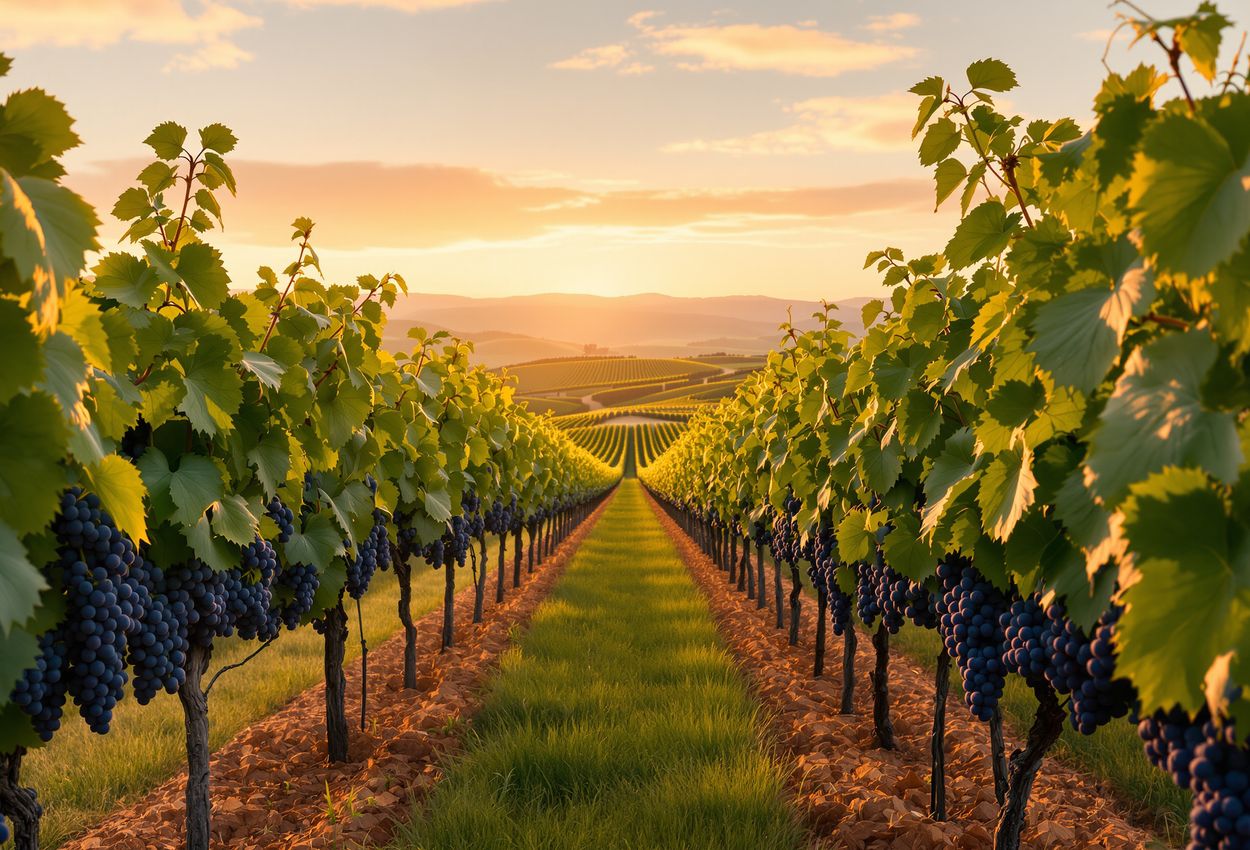
A Symphony in a Glass: Unveiling the Magic of Wine Blending
The concept of blended wines is steeped in history, with roots stretching back to ancient civilizations. The Romans, known for their sophisticated approach to viticulture, were among the first to blend wines, seeking to improve their flavor and stability. In the Middle Ages, as wine trade flourished across continents, blending became a common practice among merchants, who mixed wines from different regions to ensure consistency and maximize profits.
However, it was in regions like Bordeaux and Champagne that blending truly evolved into an art form. In Bordeaux, winemakers discovered that by combining different grape varieties, such as Cabernet Sauvignon, Merlot, and Cabernet Franc, they could create wines with greater complexity and balance. Each grape variety contributed its unique characteristics to the blend, resulting in wines that were both powerful and elegant. In Champagne, blending became essential for maintaining the consistent house style of renowned producers, who carefully combined wines from different vineyards and vintages to create their signature sparkling wines.
The objectives of blending are manifold. First and foremost, blending allows winemakers to achieve balance in their wines. By combining grape varieties with different levels of acidity, tannins, and sugar, they can create wines that are harmonious and well-rounded. Blending also enhances complexity, adding layers of flavor and aroma that would be impossible to achieve with a single grape variety. Furthermore, blending promotes consistency, enabling winemakers to maintain their signature style even in the face of vintage variation. Finally, blending provides an opportunity to create unique and distinctive wines that reflect the winemaker's vision and the terroir of the region.
Local Tip: When exploring blended wines, don't be afraid to ask your local wine merchant for recommendations. They can often provide valuable insights into the different styles and producers available, helping you to discover new and exciting blends.
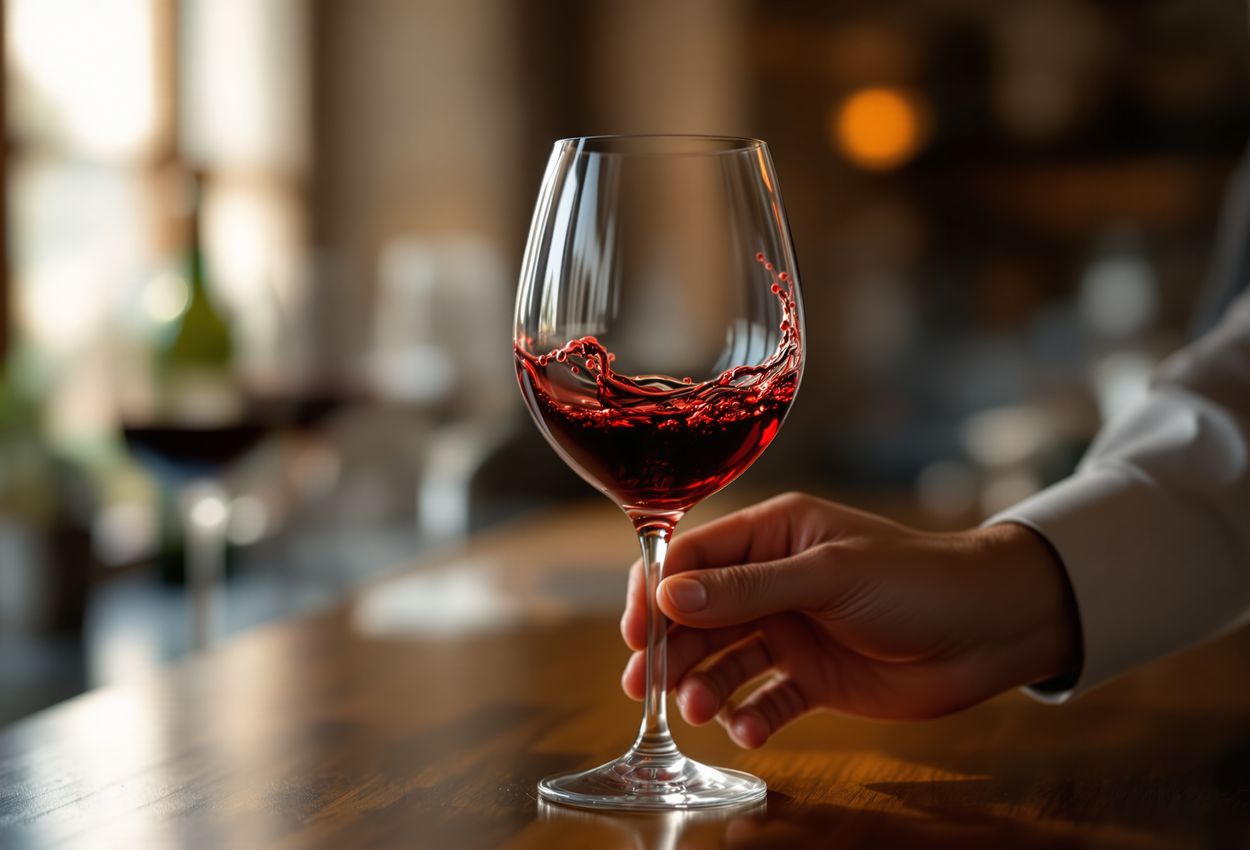
Bordeaux: Where Cabernet and Merlot Dance in Harmony
No exploration of blended wines would be complete without a deep dive into Bordeaux, the undisputed capital of blended wines. Located in southwestern France, Bordeaux is home to some of the world's most prestigious and sought-after wines, all of which are blends of different grape varieties. The key grape varieties in Bordeaux blends are Cabernet Sauvignon, Merlot, Cabernet Franc, Petit Verdot, and Malbec. Each grape variety contributes its unique characteristics to the blend, resulting in wines that are both complex and age-worthy.
The Bordeaux region is divided into two main areas: the Left Bank and the Right Bank. The Left Bank, home to prestigious appellations like Pauillac and Margaux, is known for its Cabernet Sauvignon-dominant blends. These wines are typically firm and tannic in their youth, with characteristic flavors of blackcurrant, cedar, and tobacco. The Right Bank, home to appellations like Saint-Émilion and Pomerol, is known for its Merlot-dominant blends. These wines are typically softer and more approachable, with flavors of plum, cherry, and chocolate.
Iconic Bordeaux wines like Château Margaux and Château Lafite Rothschild exemplify the artistry of blending. These wines are meticulously crafted from a selection of the best grapes grown on the estate, with each grape variety carefully chosen to contribute its unique qualities to the final blend. The result is a wine that is both powerful and elegant, capable of aging for decades.
Hidden Gem: For a more affordable taste of Bordeaux, explore the wines of the Médoc region. These wines offer excellent value for money, showcasing the classic Bordeaux blend at a fraction of the price of the more prestigious appellations.
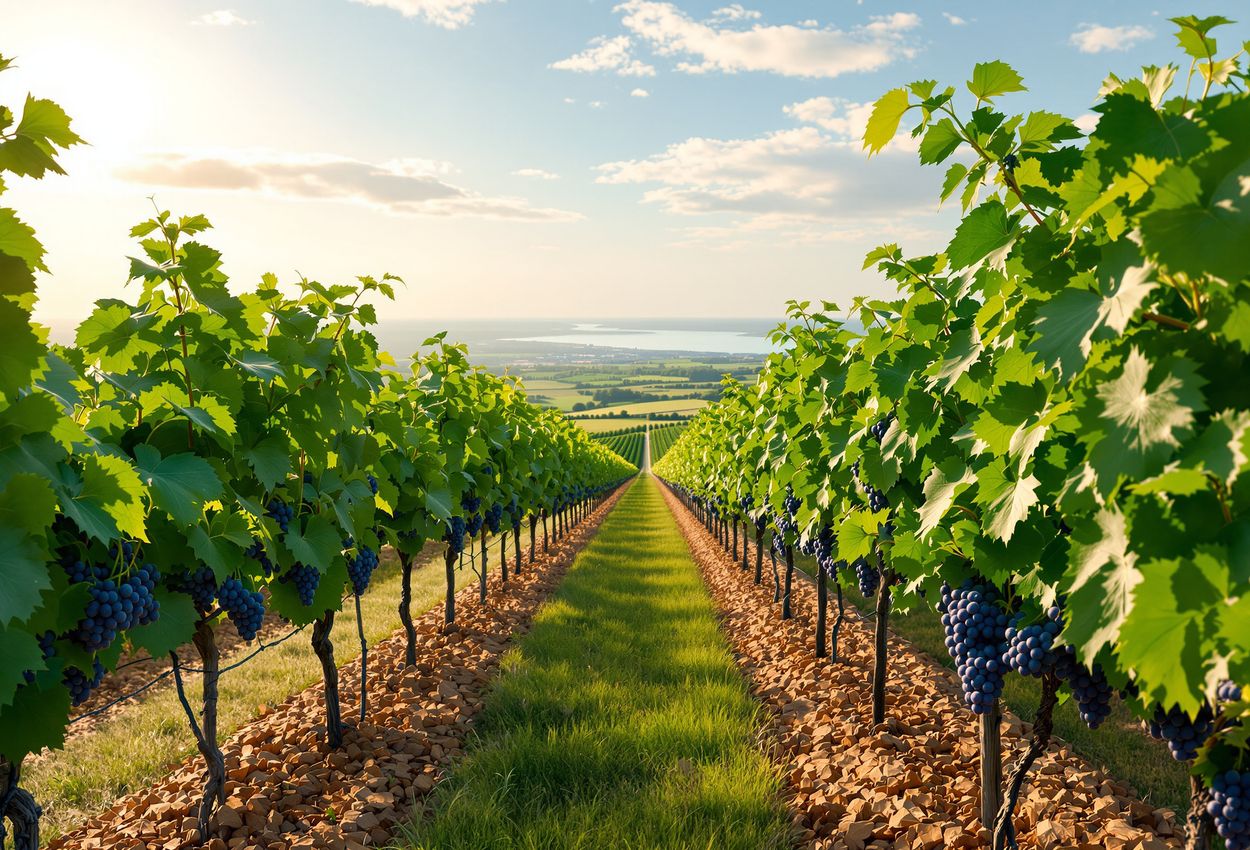
Rhône Valley: A Mediterranean Masterpiece of Grenache, Syrah, and Mourvèdre
Venturing south from Bordeaux, we arrive in the Rhône Valley, another of France's great blended wine regions. Here, the signature blend is known as GSM, an acronym for Grenache, Syrah, and Mourvèdre. This Mediterranean masterpiece is characterized by its ripe fruit flavors, earthy notes, and spicy aromas.
Grenache, the dominant grape in most Southern Rhône blends, contributes red fruit flavors and spice. Syrah adds dark fruit and pepper, while Mourvèdre provides structure and earthiness. The Southern Rhône region, with its warm, dry climate, is ideally suited to these grape varieties, which thrive in the sun-drenched vineyards. In the Châteauneuf-du-Pape appellation, winemakers are even permitted to use up to 13 different grape varieties in their blends, creating wines of incredible complexity and nuance.
Top Rhône Valley wines like Guigal and Château de Beaucastel showcase the potential of the GSM blend. These wines are known for their rich, full-bodied character, with aromas of red berries, lavender, and garrigue, the wild, scrubby vegetation that grows in the Rhône Valley. The best examples can age for many years, developing even greater complexity and depth.
Food Pairing: GSM blends are incredibly versatile when it comes to food pairing. Their ripe fruit flavors and earthy notes make them a great match for roasted vegetables, grilled meats, and spicy cuisine.

Tuscan Treasures: Sangiovese and the Super Tuscans
Crossing the Alps into Italy, we arrive in Tuscany, a region renowned for its Sangiovese-based wines. While Chianti, the region's most famous wine, is traditionally a blend of Sangiovese with other native grape varieties, Tuscany is also home to the Super Tuscans, a category of innovative blends that incorporate international varieties like Cabernet Sauvignon and Merlot.
Sangiovese, the heart of Tuscan winemaking, is known for its high acidity, red cherry flavors, and firm tannins. In traditional Chianti blends, Sangiovese is often combined with Canaiolo, Colorino, and other local grapes to create wines that are both rustic and elegant. However, in the 1970s, a group of Tuscan winemakers began experimenting with new blends, incorporating Cabernet Sauvignon, Merlot, and Syrah into their wines. These wines, dubbed Super Tuscans, quickly gained international acclaim, challenging the traditional norms of Tuscan winemaking.
Iconic Super Tuscan wines like Sassicaia and Tignanello exemplify the innovation and quality of these blends. These wines are known for their complexity, structure, and aging potential, with flavors of black fruit, spice, and tobacco. They represent a bold departure from tradition, showcasing the potential of Tuscan terroir when combined with international grape varieties.
Local Tip: When visiting Tuscany, be sure to explore the smaller, family-owned wineries. These wineries often produce exceptional Super Tuscan wines that are not widely available, offering a unique and authentic taste of the region.

Beyond the Classics: Exploring Unique Blended Wine Regions
While Bordeaux, the Rhône Valley, and Tuscany may be the most famous blended wine regions, there are many other areas around the world that deserve recognition for their innovative and delicious blends. From Spain to the United States to Portugal, winemakers are crafting unique blends that showcase the diversity of their terroirs and winemaking traditions.
In Rioja, Spain, Tempranillo-based blends with Garnacha and Graciano offer red fruit, spice, and earthy notes. These wines are known for their elegance and complexity, often aged in oak barrels to impart vanilla and toasty flavors. In the United States, Meritage wines, crafted in the Bordeaux style, showcase Cabernet Sauvignon, Merlot, and Cabernet Franc. These New World blends offer a fruit-forward expression of the classic Bordeaux blend, with ripe tannins and a smooth finish. In the Douro Valley, Portugal, blends of indigenous varieties like Touriga Nacional, Tinta Roriz, and Touriga Franca are used in both Port and dry red wines. These wines are known for their rich, full-bodied character, with flavors of dark fruit, spice, and chocolate.
Hidden Gem: Explore the white blends of Bordeaux. These often-overlooked wines, made from Sauvignon Blanc and Sémillon, offer a refreshing and complex alternative to the region's famous red blends.
![]()
The Winemaker's Touch: Crafting the Perfect Blend
At the heart of every great blended wine is the winemaker, the artist who orchestrates the symphony of flavors. The winemaker's role is to understand the characteristics of each grape variety and how they interact in the blend, carefully selecting the right proportions to achieve the desired style. This requires a deep understanding of terroir, winemaking techniques, and the aging process.
Winemakers often conduct extensive blending trials, experimenting with different combinations and proportions to find the perfect balance. They must consider the acidity, tannins, sugar levels, and aromatic compounds of each wine, carefully adjusting the blend to create a harmonious and complex final product. The process can be both scientific and intuitive, requiring a keen palate and a deep understanding of the art of winemaking.
Local Insight: Attend a wine blending seminar or workshop to learn more about the techniques and philosophies behind blending. These events offer a unique opportunity to gain insights from experienced winemakers and develop your own blending skills.
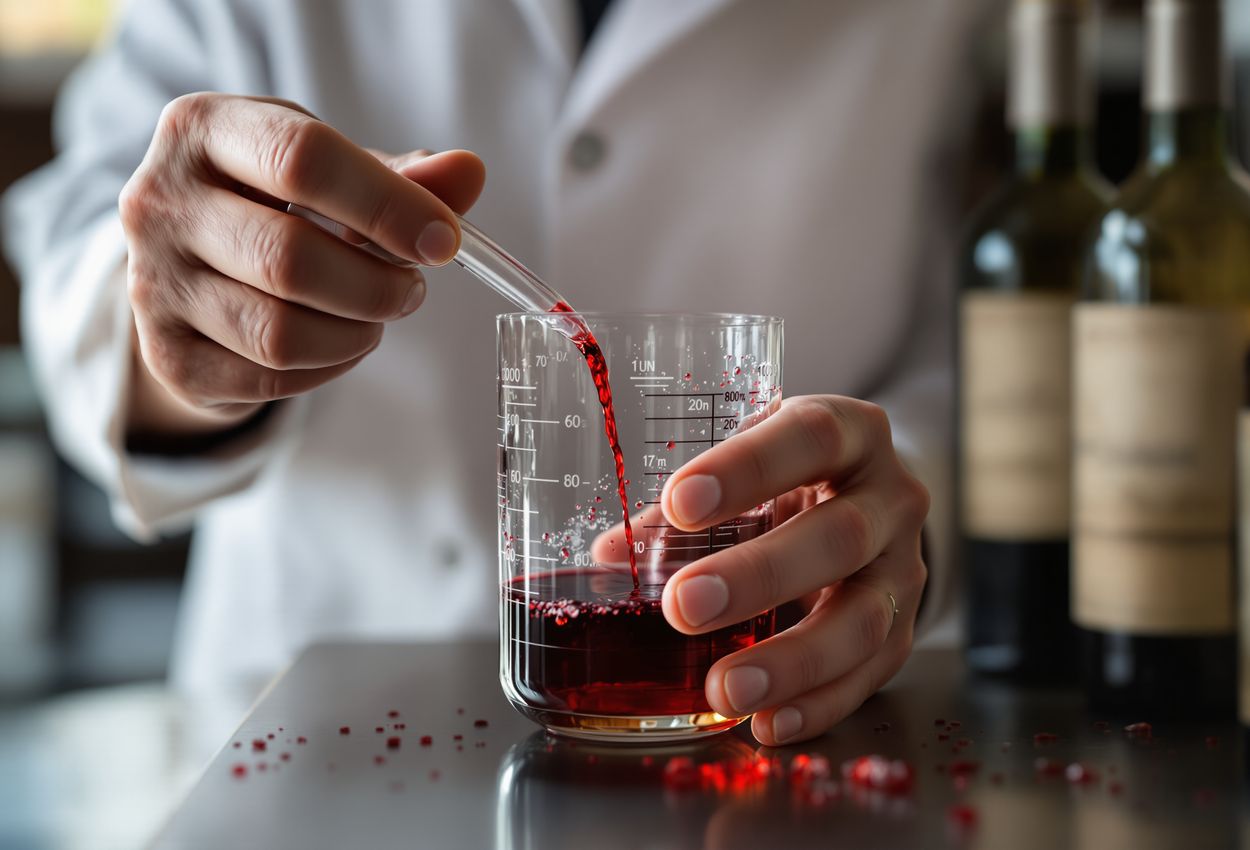
Understanding Grape Varieties: A Guide to Blended Wine Components
To fully appreciate the art of blending, it is essential to understand the different grape varieties used in blended wines and their contributions to the final product. Each grape variety brings its unique characteristics to the blend, adding layers of flavor, aroma, and structure.
Cabernet Sauvignon provides structure, tannins, and blackcurrant flavors. Merlot adds softness, plum and cherry notes. Syrah/Shiraz contributes boldness, spice, and dark berry undertones. Grenache offers red fruit flavors and pepper. Sangiovese provides high acidity and red cherry flavors. By carefully selecting and combining these grapes, winemakers can create wines that are both balanced and complex.
Food Pairing: Experiment with different food pairings to discover how the different grape varieties in a blend interact with various flavors. This can be a fun and educational way to deepen your understanding of blended wines.

The Impact of Climate Change: Adapting Blends for the Future
As the world's climate changes, winemakers are facing new challenges in their quest to produce exceptional blended wines. Rising temperatures, changing rainfall patterns, and extreme weather events are all impacting grape growing and winemaking, forcing winemakers to adapt their techniques and strategies.
One way that winemakers are adapting to climate change is by experimenting with different grape varieties and blending techniques. They are exploring heat-tolerant varieties that can thrive in warmer climates, as well as drought-resistant varieties that can withstand changing rainfall patterns. They are also using blending to maintain consistency and quality in the face of changing weather patterns, carefully selecting and combining grapes from different vineyards and vintages to create a balanced and harmonious final product.
Innovation: Look for wineries that are experimenting with innovative blends and sustainable winemaking practices. These wineries are often at the forefront of climate change adaptation, paving the way for a more resilient and sustainable future for the wine industry.
Pairing Perfection: Enhancing Culinary Experiences with Blended Wines
Blended wines, with their complexity and balance, offer a wide range of food pairing possibilities. Whether you're enjoying a casual meal with friends or a formal dinner party, there's a blended wine to complement every dish.
Bordeaux blends pair well with grilled meats and aged cheeses. Rhône blends are a great match for roasted vegetables and spicy cuisine. Tuscan blends complement rich pasta dishes and hearty stews. When selecting a blended wine for a particular dish, consider the wine's body, acidity, and tannins, choosing a wine that will enhance and complement the flavors of the food.
Food Pairing Tip: Don't be afraid to experiment with different food pairings to discover your own personal preferences. The best food and wine pairings are those that you enjoy the most.

The Future of Blending: Innovation and Tradition in Harmony
As we look to the future, the art of blending is poised to evolve even further, with winemakers embracing new technologies and techniques while respecting the heritage of classic blends. Winemakers are experimenting with new grape varieties and blending techniques, seeking to create wines that are both innovative and expressive of their terroir. They are also using blending to address the challenges posed by climate change, creating wines that are both sustainable and delicious.
The enduring appeal of blended wines lies in their ability to offer complexity, balance, and a unique expression of terroir. Whether it's a classic Bordeaux blend or a cutting-edge Super Tuscan, blended wines represent the pinnacle of winemaking artistry, a testament to the power of synergy and the enduring allure of the grape.
Imagine a final sip of a beautifully crafted blended wine, its aroma a complex tapestry of interwoven scents. Notes of ripe dark fruit mingle with hints of spice and earth, while a subtle minerality adds depth and intrigue. On the palate, the wine unfolds in layers, its flavors seamlessly integrated, its tannins smooth and refined. This is the future of blending – a harmonious marriage of innovation and tradition, a testament to the enduring power of the grape.