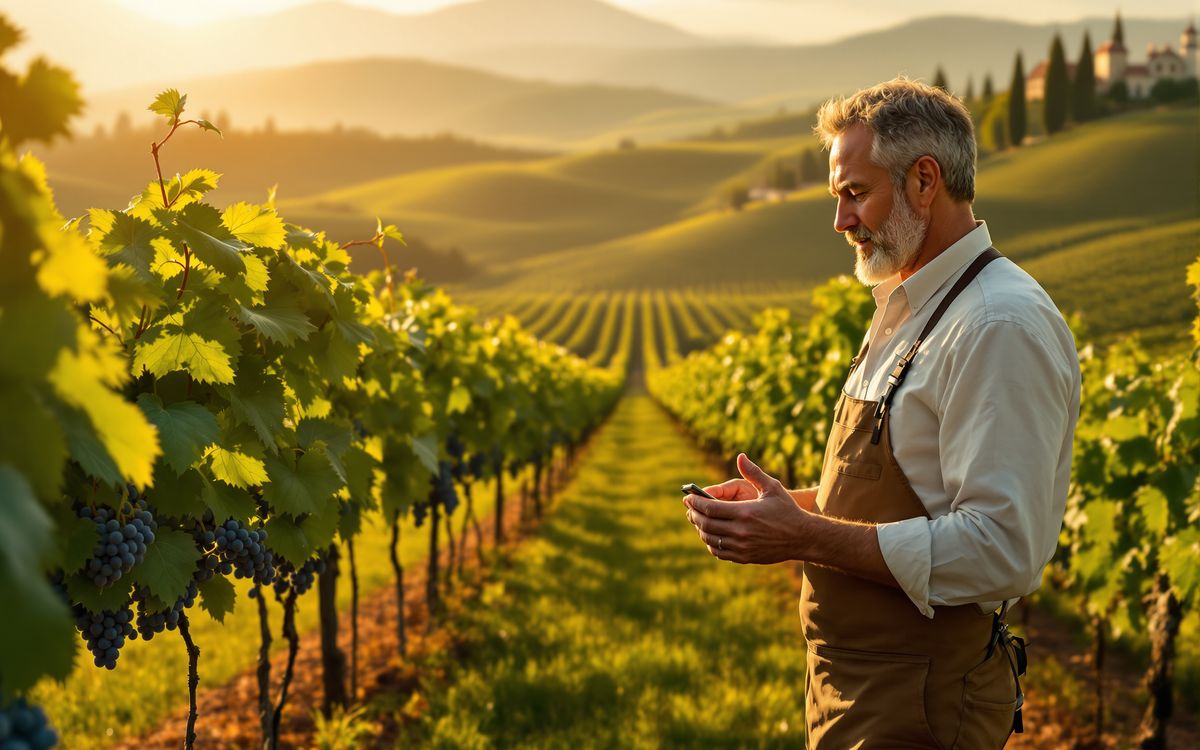
The wine industry, deeply rooted in tradition, faces an unprecedented challenge: climate change. Rising temperatures, extreme weather, and shifting growing regions are forcing winemakers to adapt and innovate to ensure the future of their craft.
From the sun-drenched vineyards of Bordeaux to the rolling hills of Napa Valley, the effects of a warming world are undeniable. But within this challenge lies an opportunity for resilience, sustainability, and a reimagining of winemaking practices.
Vineyards on the Brink: How Rising Temperatures Threaten Wine Regions
Rising temperatures are directly impacting grape ripening patterns, particularly in renowned regions like Bordeaux and Napa Valley. This warming trend leads to higher sugar levels and altered flavor profiles in grapes.
Data indicates significant temperature increases in Europe since 1980, leading to earlier harvest times. This acceleration affects the crucial balance of sugar, acid, and secondary compounds in grapes, impacting the aging potential and overall quality of wines like Cabernet Sauvignon. Warmer temperatures speed up ripening, causing grapes to become much sweeter than normal, which in turn leads to higher alcohol content in the wine.
Winemakers face the challenge of maintaining the desired balance between sugar and acidity. Harvesting earlier might seem like a solution, but achieving the right equilibrium is a tough decision. The changing climate is not just about warmer temperatures; it's about the increased unpredictability that affects the very essence of winemaking.
Extreme Weather's Fury: Frost, Hail, and Drought Devastate Harvests
The increased risk of extreme weather events, such as late frosts in Burgundy and droughts in California, poses a severe threat to vineyards and leads to water scarcity.
Late frosts can be particularly devastating, as they can damage or kill young buds, leading to significant crop loss. Similarly, prolonged droughts stress the vines, affecting both the yield and quality of the grapes. Wildfires, exacerbated by hotter and drier conditions, present another grave danger. Smoke taint from wildfires has affected wines in Australia, South Africa, and the United States, ruining vintages even when vines are not directly in the path of the flames.
New Terroirs Emerge: Shifting Wine Regions and Varietal Adaptations
Climate change is shifting suitable growing regions, with areas once considered too cold, like England and Scandinavia, now producing quality wines.
Winemakers are experimenting with heat-tolerant varieties like Assyrtico, Mencia, and Touriga Nacional to adapt to the changing conditions. In Kent, a study revealed that temperatures are now comparable to those in Burgundy in the 1980s, highlighting the dramatic shift. Emerging wine regions in China, such as Ningxia, are also becoming increasingly suitable for wine production due to climate change. These regions are now able to ripen grapes optimally, producing robust and aromatic red wines.
Rootstock Revolution: Breeding Resilience into Grapevines
Rootstock selection plays a crucial role in climate adaptation. Specific rootstocks like 161-49 C and 420A MGt help control sugar and pH levels without reducing yield.
These rootstocks contribute to drought resistance through genetic mechanisms such as drought tolerance, water use efficiency, and stomatal control. By carefully selecting rootstocks, winemakers can enhance the resilience of their vines to water stress and maintain the quality of their grapes even in challenging conditions.
Water-Wise Winemaking: Innovative Irrigation and Conservation
Water-efficient irrigation techniques, like drip irrigation, are becoming increasingly vital, reducing water usage by up to 50%.
Smart sensors and precision viticulture optimize watering schedules based on real-time data on soil conditions and plant needs. Wineries like YOURS Non-Alcoholic Wine are using advanced irrigation techniques to conserve water while producing high-quality grapes. Subsurface irrigation techniques deliver water directly below the soil surface, reducing evaporation losses and limiting weed growth.

Ancient Grapes, Modern Solutions: Rediscovering Drought-Resistant Varieties
The rediscovery of drought-tolerant grape varieties like Misión offers a promising solution to combat water scarcity.
These hardy varieties, brought to the Americas centuries ago, are now being utilized for their resilience. Other drought-resistant varieties, such as Barbera, Cardinal, and Zinfandel, are also gaining attention. In the Mediterranean, Greek grape varieties such as Assyrtico and Portuguese varieties such as Touriga Nacional can be of great value to French winemakers.
Vineyard Management Makeover: Canopy Control and Soil Health Strategies
New vineyard management techniques, such as using shade cloths and altering pruning methods, are essential for mitigating the effects of climate change.
Vineyard floor management practices aimed at retaining soil moisture are also crucial. Cover crops and mulching help improve soil health and reduce water runoff. These practices enhance the soil's ability to retain moisture, reduce erosion, and promote biodiversity.
The Rise of Smart Viticulture: AI, Sensors, and Data-Driven Decisions
Smart viticulture uses AI and sensors to track water use and vine health, enabling proactive interventions that enhance grape quality and yield.
Agrivoltaics, combining vineyards with solar panels, reduces heat and generates energy. Real-time measurements of soil moisture and evapotranspiration help optimize irrigation. AI-powered irrigation systems analyze soil and vine conditions to optimize water usage, addressing sustainability concerns.
Sustainable Cellars: Reducing Emissions and Embracing Renewables
Wineries are increasingly focused on reducing their greenhouse gas emissions by using renewable energy sources like solar panels and wind turbines.
Energy-efficient machinery and water recycling during production further minimize environmental impact. Wineries are also exploring lightweight packaging and bottling options to reduce their carbon footprint. Carbon offsetting and sequestration practices, such as planting cover crops and maintaining wooded areas, help absorb CO2 from the atmosphere.

Wine Tourism at a Crossroads: Adapting to Climate Realities
Extreme weather disrupts travel and harvest schedules, impacting wine tourism. Sustainable infrastructure and climate planning are essential to ensure the resilience of wine tourism.
Regions like Tuscany's Val d'Orcia have experienced cancelled visits due to unpredictable weather. Wine tourism must evolve through sustainable infrastructure, climate planning, and collaboration to stay resilient. Domestic wine tourism is economically and environmentally friendlier than inbound international tourism.
Europe's Struggle: Adapting to the Hottest Days
Climate change is causing warmer temperatures, leading to earlier growing cycles and an increase in hot days during the harvest season, particularly in European regions.
These changes affect harvest times, grape ripening, and the taste of the wine. Rising temperatures are causing grapes to ripen about a month earlier than in the 1980s. This earlier ripening is generally accelerated by the increased accumulation of sugar in the berries, which leads to a higher alcohol content in the wine.
The Economic Impact: Climate Change and the Wine Market
Climate change affects harvest times and grape ripening, impacting the taste of the wine and making the global economics for wine grapes and wine more complex.
More and better data-driven research is needed to understand these complex interactions. Climate change impacts the entire wine supply chain, and it is essential to maintain frequent monitoring in pre-harvest in order to minimize correction interventions in the cellar.
Adapting Appellation Rules: A Cultural and Economic Turning Point
Climate change is challenging wine's deep cultural roots, as appellation rules based on historical climates may no longer reflect present-day growing conditions.
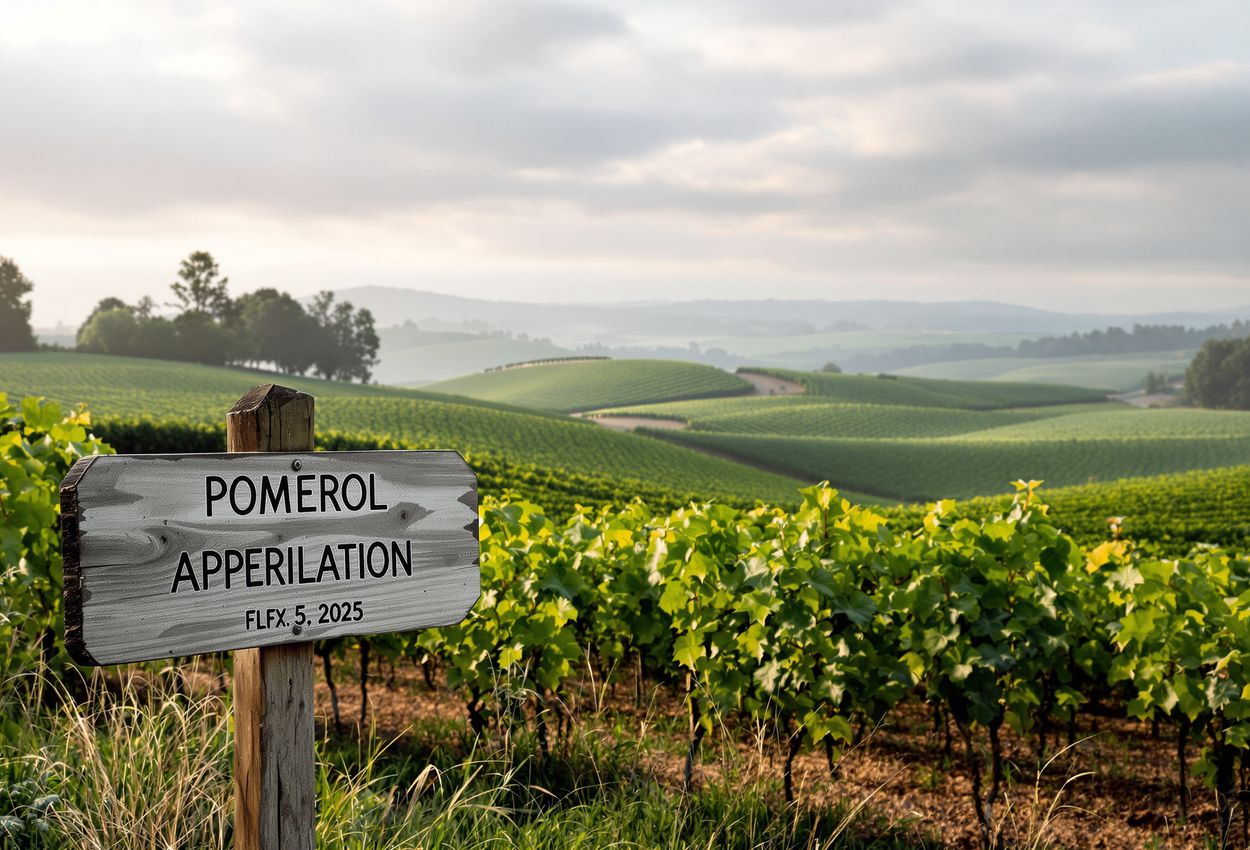
Traditional grapes may not survive where they've thrived for centuries. Some producers are choosing to leave appellations to have more freedom to combat the effects of climate change. For example, Château Lafleur in Pomerol will no longer claim the Pomerol and Bordeaux appellations from the 2025 harvest onwards, motivated by the need for more flexibility to combat the effects of climate change than the regulations allow.
The Future of Wine: A Call for Diversity and Innovation
Research and innovation are crucial in finding solutions to mitigate the effects of climate change on viticulture.
Scientific data and expert opinions are essential to understanding the impact of climate change on wine regions. Resources and initiatives supporting climate-friendly winemaking practices are vital for the industry's future. The wine industry is adapting by changing what it grows, where it grows it, and how it manages the crop. This includes exploring adaptive strategies such as delaying budburst with pruning or varietal changes and using shading nets to help grapevines withstand heat waves and extreme weather.
The challenges posed by climate change are significant, but the wine industry's response demonstrates a commitment to sustainability and innovation. By embracing new techniques, rediscovering ancient varieties, and working collaboratively, winemakers are ensuring that future generations can continue to enjoy the fruits of their labor.