The world's most celebrated wine regions, once havens of tranquility and tradition, are facing a growing threat: overtourism.
From the sun-drenched hills of Tuscany to the picturesque vineyards of Napa Valley, the allure of wine has transformed these destinations into magnets for travelers. While tourism brings economic benefits, the sheer volume of visitors is straining resources, impacting local communities, and threatening the very essence of what makes these regions so special. It’s a delicate balancing act: how to welcome wine enthusiasts while preserving the environment, culture, and quality of life that define these unique places.
The Crush of Crowds: Understanding Overtourism's Impact
Overtourism, in the context of wine regions, refers to the excessive influx of tourists that negatively affects the environment, local communities, and the wine industry itself. It's not just about crowded tasting rooms; it's a multifaceted issue that touches every aspect of these destinations. Imagine Santorini, its whitewashed villages overflowing with cruise ship passengers, or the Douro Valley, where narrow roads become gridlocked during peak season. The sensory experience shifts from the aroma of ripening grapes to the cacophony of tour buses and chattering crowds. The charm of a quiet, authentic wine region is replaced by the feeling of being in a theme park.
The consequences are far-reaching. Environmental damage includes soil erosion from increased foot traffic, excessive water usage to support tourism infrastructure, and pollution from transportation. Local communities face rising costs of living, making it difficult for residents to afford housing and essential services. The wine industry, while benefiting from increased sales, struggles to maintain the quality and authenticity of its products in the face of pressure to cater to mass tourism. The unique character of a wine region, carefully cultivated over generations, risks being diluted by the demands of the tourist gaze.
Consider Napa Valley during harvest season. The roads are packed, tasting rooms are overflowing, and the sense of intimacy is lost. The air, once filled with the sweet scent of grapes, is now thick with exhaust fumes. This is the reality of overtourism: a sensory overload that detracts from the very experience visitors seek.
Terroir Under Threat: Environmental Consequences
The environmental impact of overtourism on wine regions is particularly acute, threatening the very terroir that gives each wine its unique character. Vineyard expansion, often driven by tourism demand, leads to deforestation and habitat loss, as seen in areas like Mendoza, Argentina. Increased traffic contributes to air pollution, impacting the health of both residents and vines, a concern in regions like Tuscany.
Water resources are also under strain. In regions like Marlborough, New Zealand, where water conservation is crucial, the demands of tourism add to the pressure on already limited supplies. Wineries are implementing sustainable practices to combat these issues. Water recycling systems reduce water consumption, while the use of electric vehicles minimizes air pollution. Organic and biodynamic farming practices promote soil health and biodiversity, mitigating the impact of vineyard expansion.
However, these efforts are often insufficient to counteract the scale of the problem. The expansion of vineyards into previously wild areas disrupts ecosystems, leading to a loss of biodiversity and an increased vulnerability to pests and diseases. The use of heavy machinery compacts the soil, reducing its ability to absorb water and increasing the risk of erosion. The delicate balance of the ecosystem is disrupted, threatening the long-term health of the terroir.
Locals Priced Out: Socio-Economic Disruptions
Beyond the environmental concerns, overtourism has profound socio-economic consequences for local communities. Rising housing costs, driven by the demand for vacation rentals and second homes, make it increasingly difficult for locals to afford to live in wine regions. In Sonoma County, California, for example, the influx of tourists has led to a dramatic increase in property values, pricing out many long-time residents.
Local businesses also face challenges. Smaller, family-owned establishments struggle to compete with larger, tourism-oriented businesses that can cater to the demands of mass tourism. The character of the community changes as local shops and restaurants are replaced by souvenir shops and chain eateries. The unique identity of the region is eroded, replaced by a generic tourist experience.
“We used to know everyone in town,” says Maria, a lifelong resident of a small wine village in Bordeaux. “Now, it’s all tourists. The shops sell cheap souvenirs, and the restaurants serve mediocre food at inflated prices. It’s not the same place anymore.” This sentiment is echoed in wine regions around the world, as local communities grapple with the loss of their cultural identity and the displacement of their residents.
Wine's Identity Crisis: Authenticity and the Tourist Gaze
Overtourism can dilute the cultural heritage and authenticity of wine regions, transforming them into curated experiences designed to appeal to the masses. The pressure to cater to tourists can lead to a homogenization of experiences, with traditional practices being replaced by more commercialized offerings. In Bordeaux, some châteaux are prioritizing tourism aspects over terroir, focusing on elaborate tours and tastings rather than the art of winemaking.
This shift impacts the perception of wine and the region's identity. Wine becomes a commodity, divorced from its cultural and historical context. The emphasis shifts from the quality of the wine to the spectacle of the tasting experience. The traditions and knowledge passed down through generations are replaced by a focus on maximizing profits.
Preserving local traditions and supporting artisanal producers is crucial to maintaining the authenticity of wine regions. By showcasing the unique cultural heritage of these destinations, we can offer visitors a more meaningful and enriching experience, while also supporting the livelihoods of local communities. This requires a shift in focus from mass tourism to sustainable tourism, prioritizing quality over quantity and authenticity over commercialization.
Sustainable Sips: Wineries Leading the Way
Fortunately, many wine regions and specific wineries are successfully managing tourism sustainably, offering a model for others to follow. Napa Valley, with its Napa Green certification program, is a prime example. This initiative encourages wineries to adopt sustainable practices, such as water conservation, energy efficiency, and waste reduction. By adhering to these standards, wineries can minimize their environmental impact and promote a more sustainable tourism model.
In Priorat, Spain, many wineries are dedicated to organic and sustainable viticulture, prioritizing the health of the land and the quality of the wine. These wineries often limit visitor numbers, offer educational tours, and engage with local communities, creating a more authentic and sustainable tourism experience.
Visiting a sustainable winery offers a stark contrast to the experience of an overtouristed location. Instead of crowded tasting rooms and long lines, you'll find intimate settings, knowledgeable staff, and a deep connection to the land. The sensory details are different, too. The air is clean and fresh, the sounds are those of nature, and the aromas are those of the vineyard, not exhaust fumes. The experience is one of tranquility and authenticity, a celebration of wine and the environment.
The Collaborative Cure: A Multi-Stakeholder Approach
Managing tourism in wine regions requires a collaborative approach, involving governments, wineries, tourism operators, and local communities. Policies that balance economic development with environmental protection and social well-being are essential. This includes regulations on visitor numbers, incentives for sustainable practices, and investments in infrastructure that supports both tourism and local communities.
Successful collaborations, such as wine route management in Europe, offer a model for other regions to follow. These initiatives bring together stakeholders to develop sustainable tourism strategies, promote local products, and enhance the visitor experience. By working together, these regions can create a more balanced and sustainable tourism model that benefits everyone.
This collaborative approach requires open communication, mutual respect, and a shared commitment to sustainability. It also requires a willingness to compromise and prioritize the long-term health of the region over short-term economic gains. By working together, wine regions can create a more resilient and sustainable tourism model that preserves their unique character and benefits future generations.
Responsible Ramblers: Tips for the Conscious Traveler
Travelers also have a crucial role to play in promoting sustainable tourism in wine regions. By making responsible choices, visitors can minimize their impact and support local communities. This includes visiting during the off-season, when crowds are smaller and the environment is less stressed. Supporting local businesses, such as family-owned restaurants and artisanal shops, helps to sustain the local economy. Choosing eco-friendly accommodations, such as hotels with sustainable practices, reduces your environmental footprint.
Using public transportation, such as buses or trains, minimizes air pollution and traffic congestion. Respecting local customs and traditions demonstrates cultural sensitivity and supports the preservation of local heritage. Educating oneself about sustainable practices, such as organic farming and water conservation, increases awareness and promotes responsible behavior. Moderation in consumption and responsible behavior ensures a safe and enjoyable experience for everyone.
Beyond the Bottle: Experiencing Wine Culture Authentically
Engage with wine regions in ways that go beyond typical wine tastings. Explore local cuisine, participating in cultural events, visiting historical sites, and interacting with local artisans. These experiences offer a deeper understanding of the region's culture and history, while also supporting local communities.
Unique experiences, such as truffle hunting in Tuscany or attending a local wine festival, provide a more immersive and authentic connection to the region. Hiking or biking through vineyards allows you to appreciate the beauty of the landscape while also getting some exercise. Visiting local farms and markets provides an opportunity to sample regional produce and support local farmers. By engaging with wine regions in these ways, you can create a more meaningful and sustainable tourism experience.
Tech to the Rescue: Innovation for Sustainable Wine Tourism
Technology can be leveraged to promote sustainable wine tourism, enhancing visitor experiences while minimizing environmental impact. Mobile apps can provide self-guided tours, offering information about local history, culture, and sustainable practices. Augmented reality can enhance visitor experiences, bringing the history of the region to life and providing insights into the winemaking process.
Online reservation systems can manage visitor flow, reducing overcrowding and minimizing environmental stress. Smart irrigation systems and energy-efficient lighting can reduce the environmental impact of wineries, promoting more sustainable operations. By embracing technology, wine regions can create a more efficient, sustainable, and enriching tourism experience.
A Future in Balance: Long-Term Benefits of Sustainable Tourism
Sustainable tourism offers long-term benefits for all stakeholders in wine regions. By preserving the environment, supporting local communities, and ensuring the continued success of the wine industry, responsible tourism can create a more vibrant and resilient future. Imagine wine regions as thriving destinations, where visitors come to appreciate the beauty of the landscape, the quality of the wine, and the richness of the culture.
This vision requires a commitment to sustainability from all stakeholders, including governments, wineries, tourism operators, local communities, and travelers. By working together, we can create a future where wine regions are both economically prosperous and environmentally sustainable, ensuring that these cherished destinations continue to thrive for generations to come.
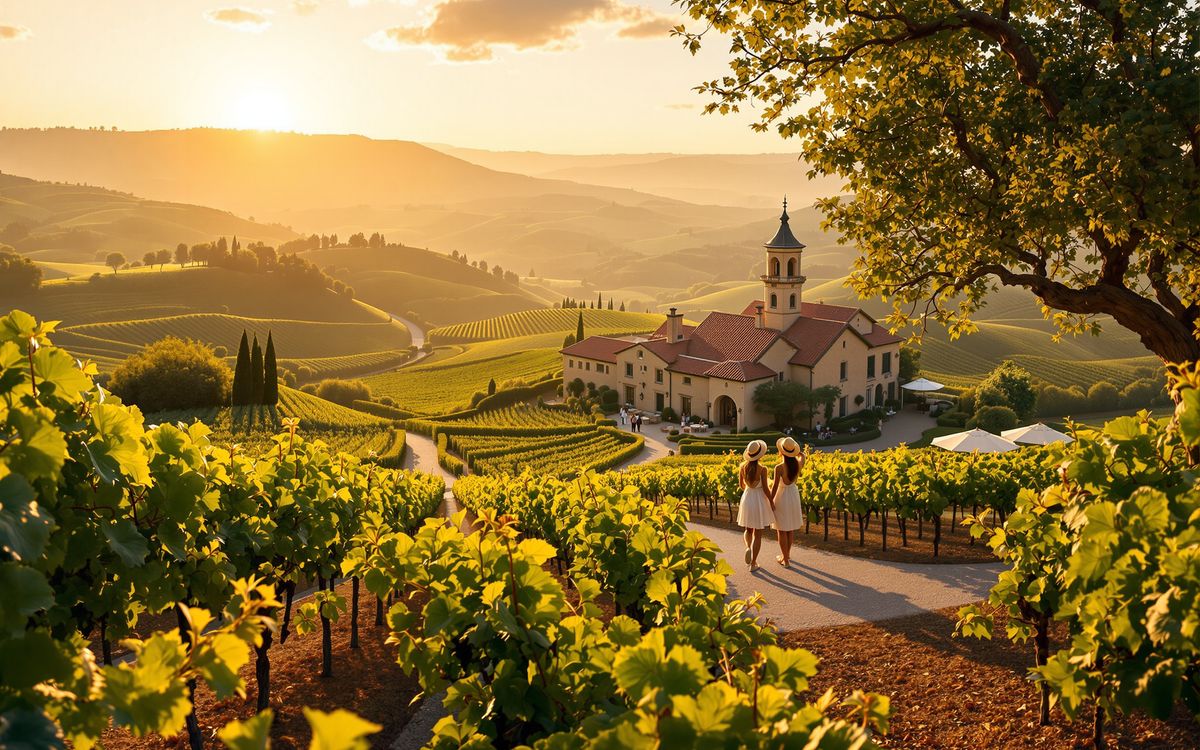
The sun sets over a vineyard, casting a golden glow on the rolling hills. The air is filled with the sweet scent of grapes, and the sounds are those of nature. This is the essence of a wine region, a place of beauty, tradition, and community. By embracing sustainable tourism, we can ensure that this vision endures, preserving the unique character of these destinations for all to enjoy.