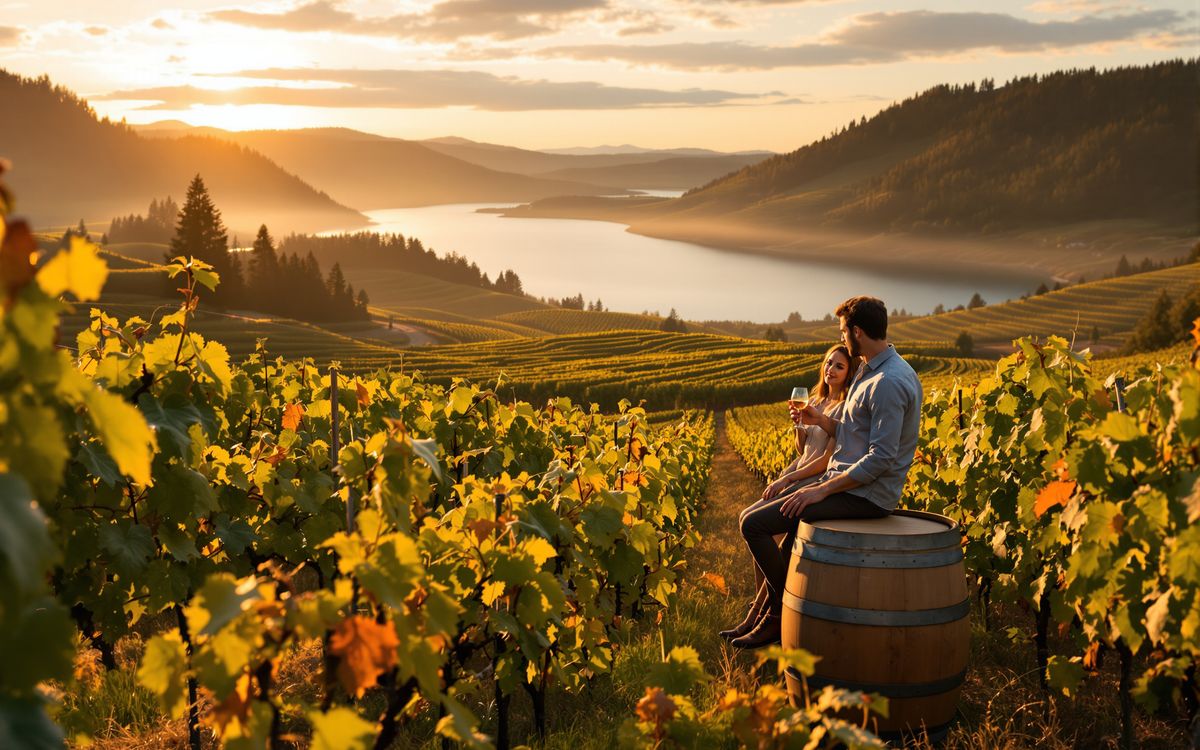
Embarking on a wine tour is a sensory adventure, a chance to immerse yourself in picturesque landscapes and indulge in the artistry of winemaking. But a truly exceptional wine tour requires meticulous planning. This step-by-step guide will transform your oenophilic dreams into a seamless, unforgettable experience.
Dreaming of Vineyards: Choosing Your Wine Tour Destination
The first step in planning your perfect wine tour is selecting a destination that resonates with your palate and preferences. Consider the types of wines you enjoy most. Are you drawn to robust reds, crisp whites, or perhaps sparkling rosés? Different regions specialize in different varietals, so aligning your destination with your wine preferences is key.
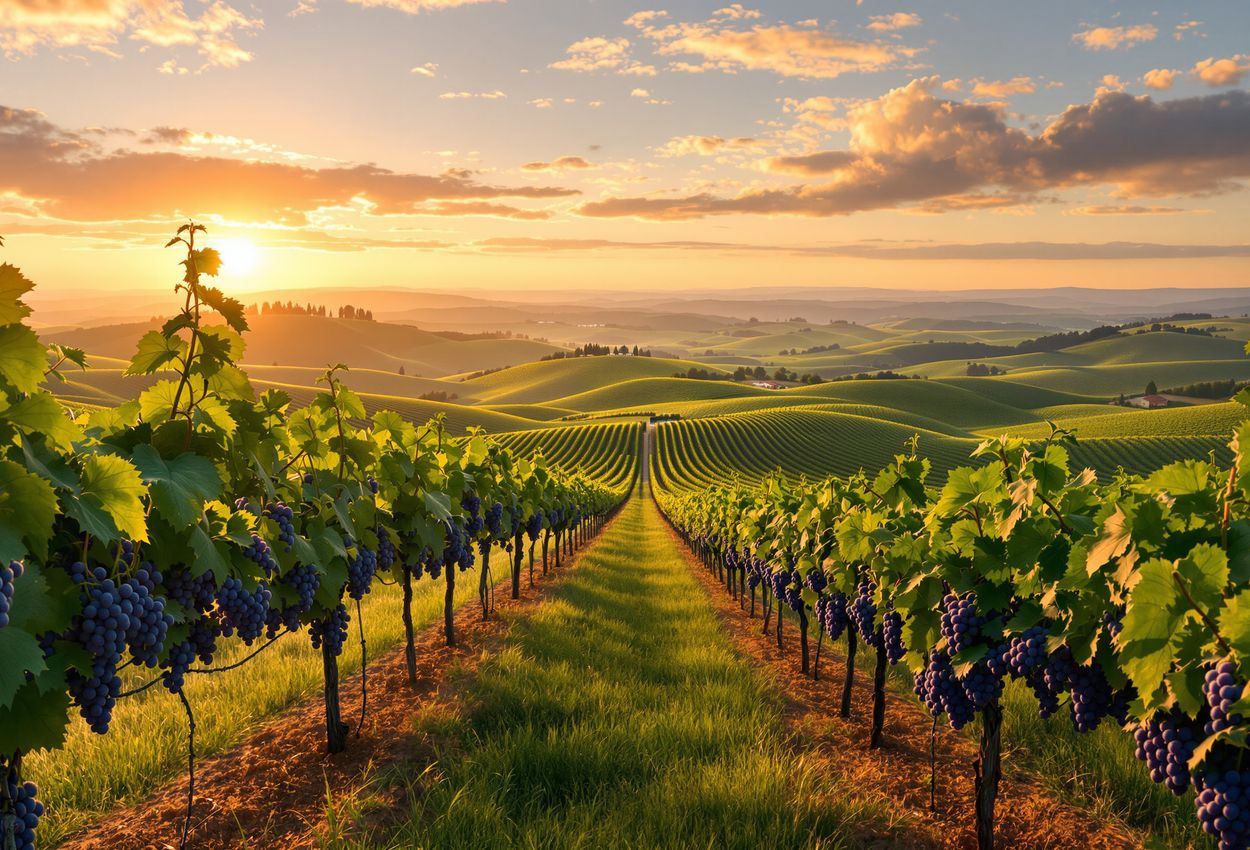
Beyond the wine itself, think about the scenery that appeals to you. Do you envision yourself amidst the rolling hills of Tuscany , the sun-kissed vineyards of Napa Valley , or the dramatic landscapes of the Douro Valley ? Climate also plays a crucial role, as it influences not only the grapes but also your overall comfort during the tour. Finally, consider your budget, as some regions are more expensive than others.
Here are a few renowned wine regions to consider:
- Napa Valley, California: Synonymous with luxury wine, Napa Valley offers a quintessential wine country experience with its world-class Cabernet Sauvignons and charming tasting rooms.
- Sonoma, California: Just a short drive from San Francisco, Sonoma boasts a more relaxed atmosphere than Napa, with a diverse range of varietals and stunning coastal scenery.
- Bordeaux, France: A legendary wine region, Bordeaux is celebrated for its elegant red blends, historic châteaux, and unparalleled wine culture.
- Tuscany, Italy: With its rolling hills, cypress trees, and medieval villages, Tuscany offers a romantic wine tour experience, highlighted by its iconic Chianti and Brunello wines.
- Douro Valley, Portugal: A UNESCO World Heritage site, the Douro Valley is famed for its terraced vineyards, stunning river views, and, of course, its exceptional Port wine.
Hidden Gem: Okanagan Valley, British Columbia, Canada
For a unique and less crowded wine tour experience, consider the Okanagan Valley in British Columbia. This hidden gem boasts a diverse range of grape varieties, from Pinot Gris and Chardonnay to Merlot and Syrah. The Okanagan Valley is known for its sparkling lakes, rolling benchlands and over 200 wineries. The Okanagan Valley offers a unique terroir due to its diverse microclimates and soil types. Its also the second-largest wine-producing area in Canada.
The Okanagan Valley's climate is moderated by the presence of a large lake, which helps to extend the growing season and enhance grape quality. The Okanagan Valley also has over 80 grape varieties that reflect the wine region's diverse landscapes.
Whether you're drawn to the established allure of Napa or the undiscovered charm of the Okanagan, careful consideration of your preferences will ensure a wine tour destination that perfectly suits your taste.
Setting the Stage: Budgeting and Timing Your Wine Escape
Once you've selected your destination, it's time to delve into the practical aspects of budgeting and timing your wine tour. These factors can significantly impact the overall cost and enjoyment of your trip.
Budgeting for a Wine Tour
Creating a detailed budget is essential to avoid overspending and ensure a comfortable experience. Here's a breakdown of typical expenses:
- Tastings: Tasting fees can range from $15 to $250 per person, depending on the winery and the wines being sampled. Some wineries may waive the tasting fee with a purchase.
- Transportation: The cost of transportation varies depending on your chosen method. Private car services can range from $80 to $200 per hour , while wine tour buses or shuttles offer a more affordable option.
- Accommodation: Accommodation costs can range from $500 to $1500 per night, depending on the level of luxury and location. Consider options like boutique hotels, charming bed and breakfasts, or vacation rentals to suit your budget.
- Meals: Food expenses can range from $300 to $500 per day, depending on your dining preferences. Factor in the cost of lunches at wineries, gourmet dinners, and casual snacks.
It's wise to add a buffer for unexpected expenses, such as spontaneous wine purchases or additional activities. Researching discounts and promotions can also help you save money. Some wineries offer discounts for groups, wine club members, or visitors during off-peak seasons.
Timing Your Wine Escape
The best time to visit a wine region depends on your priorities. Harvest season (typically September-October) is a popular time to witness the winemaking process firsthand. However, this is also peak season, meaning higher prices and larger crowds. Visiting during the shoulder seasons (spring or early fall) can offer a balance of pleasant weather, fewer crowds, and potentially lower prices.
Consider the climate of your chosen region. Some areas may be uncomfortably hot during the summer months, while others may experience rain or cold weather during the winter. Flexibility is key when planning your wine tour. Be prepared to adjust your itinerary based on weather conditions or unforeseen circumstances.
Crafting Your Journey: Building a Personalized Itinerary
With your destination, budget, and timing in place, it's time to craft a personalized itinerary that reflects your interests and preferences. This involves researching wineries, selecting tasting experiences, and creating a balanced schedule.
Researching Wineries
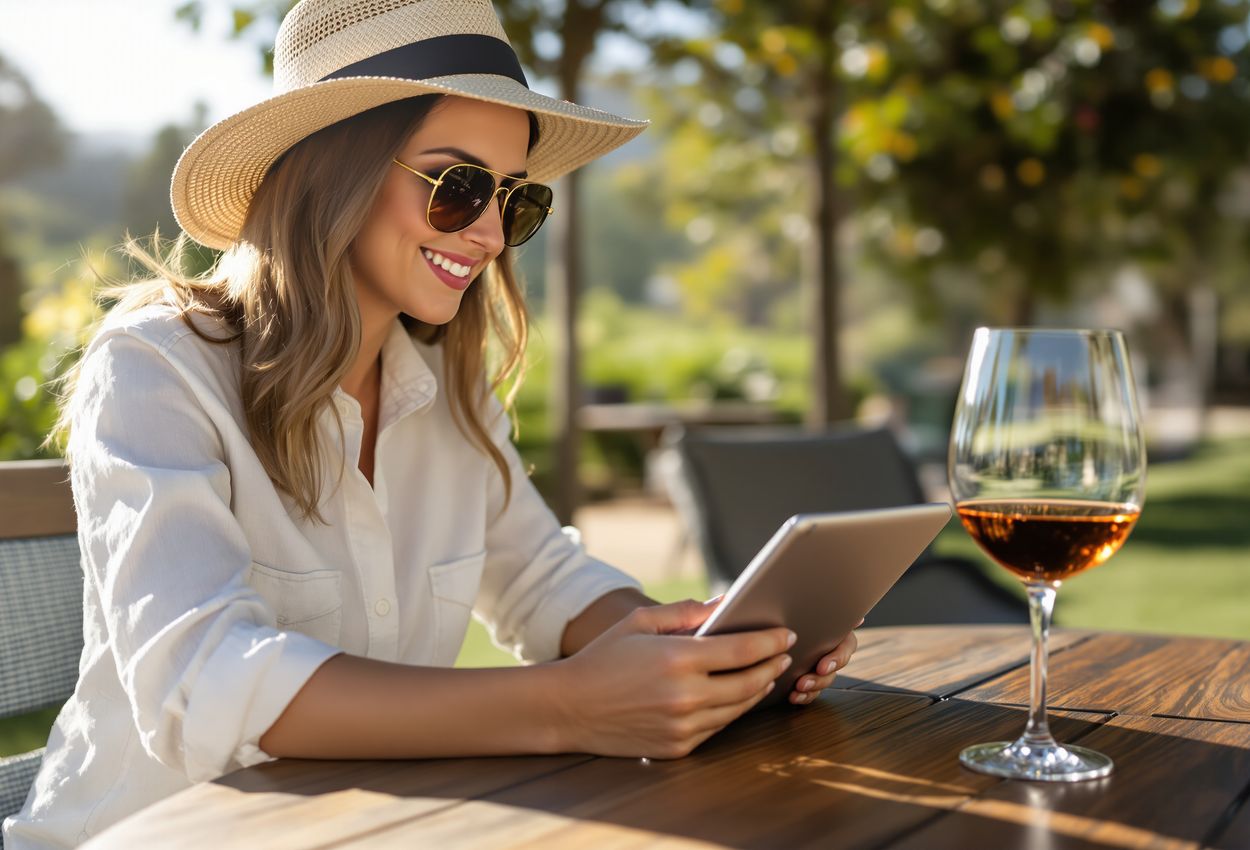
Numerous resources can aid in your winery research. Wine apps, such as Delectable or Vivino, provide information on wineries, wine reviews, and tasting notes. Travel guides, both online and in print, offer curated lists of top wineries and regional insights. Winery websites are invaluable for learning about tasting fees, tour options, and wine styles.
When selecting wineries, consider factors such as winery size, tasting fees, tour options, and wine styles. Some wineries offer intimate, family-run experiences, while others boast grand estates and extensive tasting menus. Choose wineries that align with your taste and desired atmosphere.
Creating a Balanced Itinerary
A well-structured itinerary is crucial for a seamless and enjoyable wine tour. Limit your visits to 3-4 wineries per day to avoid palate fatigue and allow ample time for each experience. Allocate 1-2 hours per winery, including time for tasting, touring, and browsing the gift shop. Incorporate time for lunch and scenic breaks to recharge and appreciate the surroundings.
Local Tip: Call wineries ahead of time to inquire about reservation requirements and group discounts. Many wineries require reservations, especially for popular tours and tastings. Booking in advance ensures you won't be disappointed and may even unlock special offers.

From Sedans to Shuttles: Choosing Your Wine Tour Transportation
Selecting the right transportation is paramount for a safe, convenient, and enjoyable wine tour. Several options are available, each with its own advantages and disadvantages.
Self-Driving
Self-driving offers flexibility and freedom to explore at your own pace. However, it requires a designated driver who abstains from alcohol, and navigating unfamiliar roads can be stressful. It's also essential to be aware of local traffic laws and regulations.
Private Car Services
Private car services, such as limousines or SUVs, provide a luxurious and convenient option. A chauffeur handles the driving, allowing you to relax and fully enjoy the wine tasting experience. However, this is typically the most expensive transportation option.
Wine Tour Buses/Shuttles
Wine tour buses or shuttles offer a cost-effective and social way to explore wine country. These tours typically include transportation to multiple wineries, guided tastings, and sometimes lunch. However, they may have less flexibility than private car services and can feel crowded.
Designated Driver Services
Designated driver services provide a safe and responsible option for those who prefer to use their own vehicle. A professional driver will operate your car, allowing you and your group to enjoy the wine tastings without worrying about driving under the influence.
For a truly luxurious experience, consider a private chauffeured service in Napa Valley or Sonoma. Alternatively, a wine trolley tour offers a fun and unique way to explore the region, often with entertaining commentary and local insights.

Tasting Like a Pro: Etiquette and Enjoyment in the Tasting Room
To fully appreciate the nuances of wine and ensure a respectful experience for yourself and others, it's important to understand basic wine tasting etiquette.
The Art of Tasting
- Holding the glass: Always hold the wine glass by the stem to avoid warming the wine and obscuring your view with fingerprints.
- Swirling: Gently swirl the wine in your glass to release its aromas.
- Smelling: Bring the glass to your nose and inhale deeply to identify the wine's aromas.
- Sipping: Take a small sip and let the wine coat your mouth, paying attention to its flavors, acidity, tannins, and finish.
Essential Etiquette
- Cleansing the palate: Cleanse your palate between tastings with water or plain crackers to avoid flavor carryover.
- Spitting or dumping: It's perfectly acceptable to spit or dump wine, especially if you're tasting multiple wines. This allows you to appreciate the flavors without overindulging.
- Asking questions: Don't hesitate to ask questions about the wine, the winery, or the winemaking process. Tasting room staff are typically knowledgeable and eager to share their expertise.
- Avoiding fragrances: Refrain from wearing strong perfumes or colognes, as they can interfere with your ability to smell and taste the wines.
- Being respectful: Treat the tasting room staff and other guests with courtesy and respect. Avoid loud conversations or disruptive behavior.
Remember, wine tasting is a subjective experience. There are no right or wrong answers when it comes to your personal preferences. Embrace the opportunity to explore new flavors and discover wines that you enjoy.

Beyond the Bottle: Enhancing Your Wine Tour Experience
While wine tasting is the centerpiece of any wine tour, there are numerous ways to enhance your experience and create lasting memories.
Culinary Pairings
Pairing wine with local cuisine is a delightful way to explore the region's flavors and complement the wines you're tasting. Many wineries offer food and wine pairing experiences, showcasing regional specialties alongside their wines.
Vineyard and Production Tours
Taking a vineyard tour provides insights into the grape-growing process, from vine to bottle. Participating in a blending session allows you to create your own custom wine blend, guided by a winemaker's expertise.
Unique Activities
- Hot air balloon rides: Soar over wine country for breathtaking views of the vineyards and surrounding landscapes.
- Cooking classes: Learn to prepare regional dishes using fresh, local ingredients.
- Art galleries: Explore local art galleries showcasing the region's culture and artistic talent.
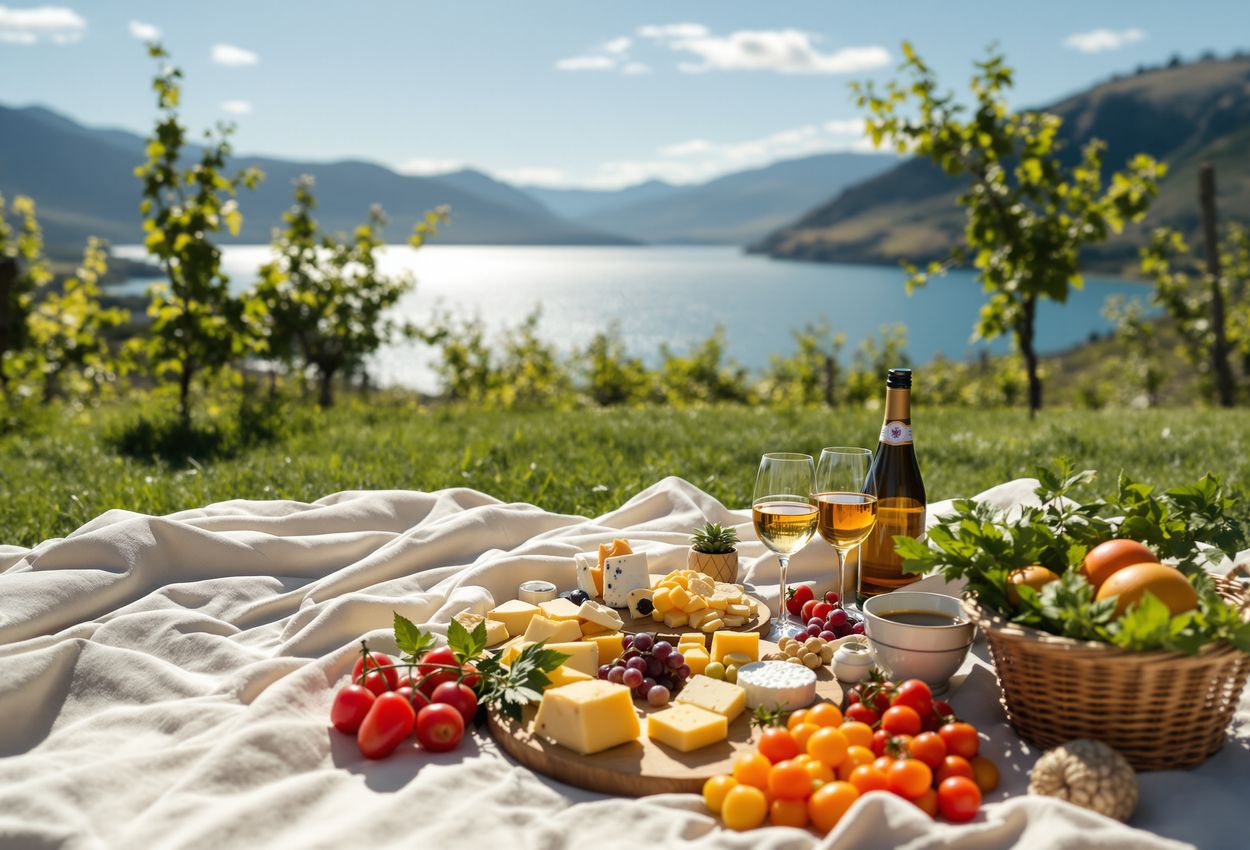
Hidden Gem: Pack a picnic lunch to enjoy amidst the vines. Many wineries allow visitors to bring their own food and relax on their grounds, offering a tranquil and picturesque setting for a memorable meal.
Avoiding the Grape Expectations: Common Wine Tour Pitfalls
To ensure a smooth and enjoyable wine tour, it's essential to be aware of common pitfalls and take steps to avoid them.
Overindulging
Pace yourself and avoid overindulging in wine. Remember, it's a tasting experience, not a race to finish every glass. Drink water between tastings to stay hydrated and prevent palate fatigue.
Not Making Reservations
Always make reservations in advance, especially for popular wineries and tours. This ensures you won't be turned away and allows the winery to prepare for your visit.
Wearing Inappropriate Attire
Dress appropriately for the weather and the winery setting. Avoid wearing strong fragrances that can interfere with the tasting experience. Wear comfortable shoes, as you'll likely be doing a fair amount of walking.
Not Eating Enough
Eat a hearty meal before your tour and bring snacks to nibble on between tastings. Wine tasting on an empty stomach can lead to intoxication and ruin your experience.
Cautionary Tale: A group of friends embarked on a wine tour without arranging transportation. They overindulged at the first few wineries and ended up missing their reservations at the remaining stops. One member of the group became ill due to over-consumption, and the entire day was ruined.
Souvenirs and Shipping: Bringing the Taste of Wine Country Home
No wine tour is complete without bringing home a few bottles of your favorite wines. However, purchasing and transporting wine requires careful planning and attention to detail.
Selecting Bottles
When selecting bottles, consider your personal preferences, the wine's aging potential, and the winery's shipping policies. Ask the tasting room staff for recommendations and advice on selecting wines that will travel well.
Understanding Shipping Policies
Inquire about the winery's shipping policies and options. Some wineries offer direct shipping to certain states, while others may require you to use a third-party shipper. Be aware of state laws regarding alcohol shipping, as they vary widely.
Packing Wine for Travel
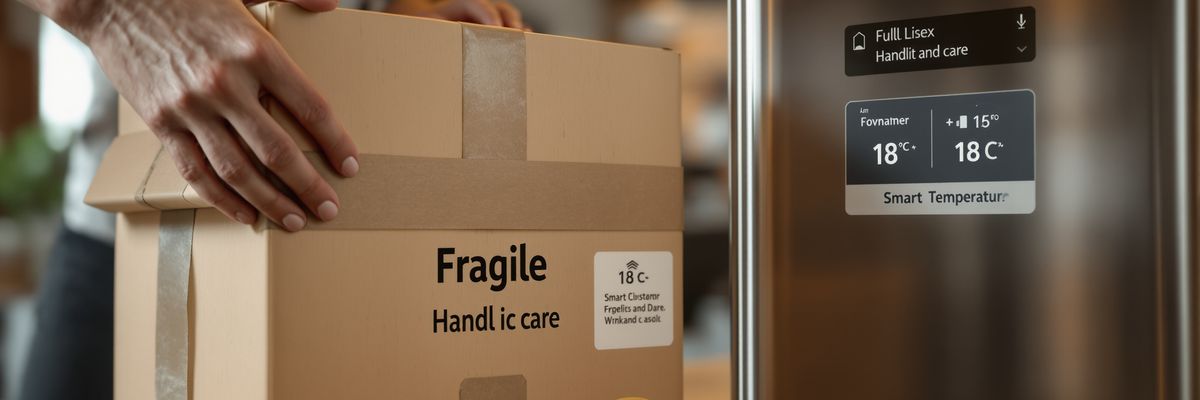
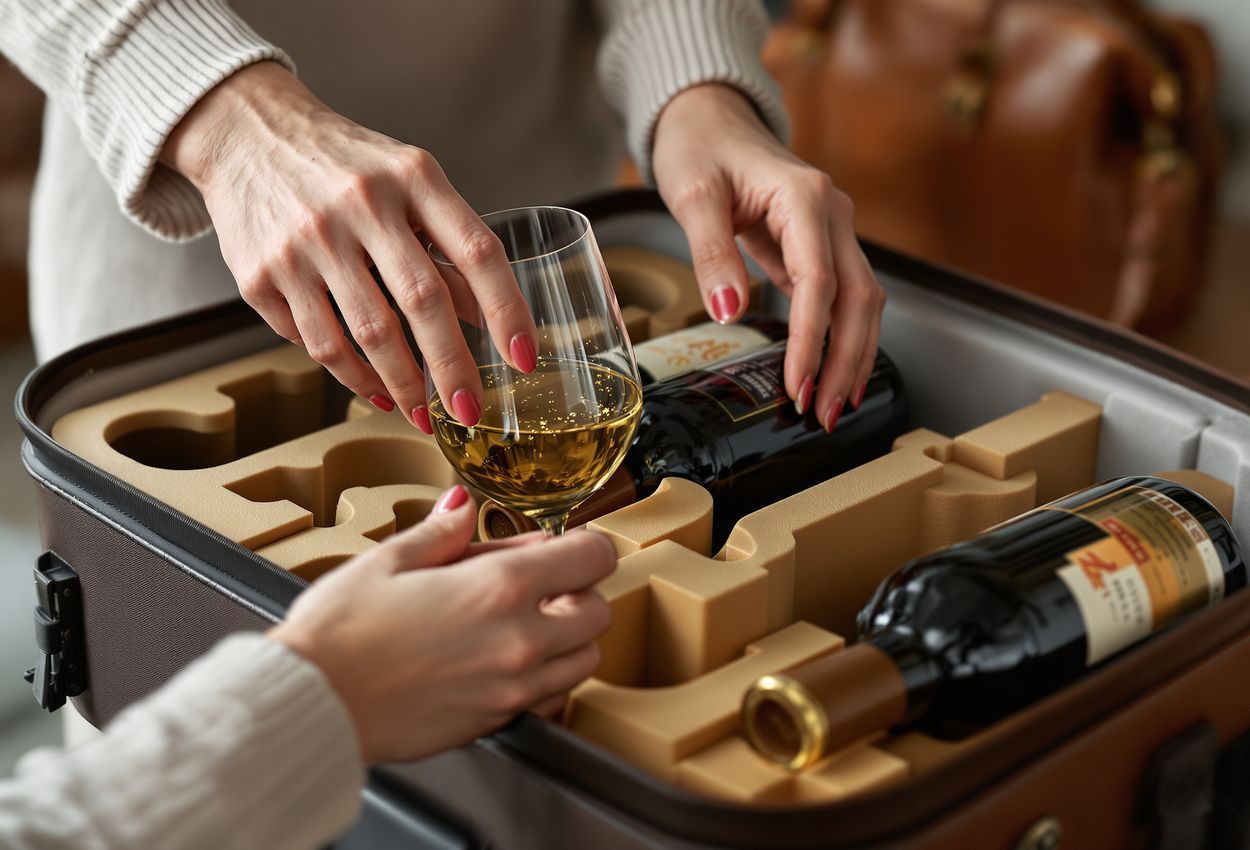
If you plan to transport wine yourself, pack it carefully to prevent breakage. Use wine-specific luggage or protective inserts to cushion the bottles. Consider shipping wine home to avoid the hassle of carrying it on your trip.
Bringing the taste of wine country home requires careful planning and attention to detail. By following these tips, you can ensure that your wine arrives safely and in perfect condition, allowing you to relive your wine tour memories for years to come.
By following these steps, you can transform your wine tour dreams into a tangible, unforgettable experience. From selecting the perfect destination to savoring every sip, meticulous planning is the key to unlocking a world of sensory delights and creating memories that will last a lifetime.