Bringing home a bottle of exceptional wine discovered during your travels can be a delightful way to extend the memory of a special trip. However, navigating the intricate web of international regulations surrounding wine shipping can quickly turn that dream into a logistical nightmare. Understanding these rules is crucial to avoid hefty fines, shipment confiscation, or other legal complications.
Whether you're a seasoned wine collector or simply a traveler who's stumbled upon a hidden gem, this guide provides essential information on how to ship wine internationally, ensuring your precious cargo arrives safely and legally. The global wine trade is a significant industry, with billions of dollars worth of wine crossing international borders annually, highlighting the demand for reliable and compliant shipping solutions.
Uncorking the Complexities of International Wine Shipping
Shipping wine internationally presents a unique set of challenges compared to other goods. The legal landscape is complex, with varying restrictions and requirements imposed by different countries and regions. Logistical hurdles, such as temperature control and customs clearance, further complicate the process. The allure of bringing home a unique vintage or a regional specialty often motivates travelers to explore international shipping options. However, without careful planning and a thorough understanding of the regulations, this endeavor can lead to unexpected problems and expenses.
Imagine discovering a rare bottle of Amarone in the heart of Valpolicella, Italy, or a crisp Sauvignon Blanc from a boutique winery in New Zealand's Marlborough region. The desire to share these finds with friends and family, or to add them to your personal collection, is understandable. However, before you commit to purchasing that case of wine, it's essential to understand the rules and regulations that govern its shipment back home.
Many are daunted by the prospect of navigating this complex process, but with the right knowledge and preparation, it can be a smooth and rewarding experience. This guide aims to demystify international wine shipping, providing you with the tools and information you need to successfully bring your favorite wines across borders.
Decoding Destination-Specific Wine Laws
One of the most significant challenges in international wine shipping is the vast disparity in regulations between countries, and sometimes even between regions within the same country. What might be perfectly acceptable in one nation could be strictly prohibited in another. Therefore, thorough research into the specific requirements of your destination country is paramount before attempting to ship any wine.
Some countries, such as Bangladesh and Saudi Arabia, have strict alcohol import bans, making it virtually impossible to ship wine there legally. Others, like Argentina and Australia, permit wine imports but impose specific duties and taxes that vary based on shipment volume and purpose. For instance, Argentina charges a 23% duty and a 21% VAT, requiring formal clearance for large shipments. Australia, on the other hand, bans glycol in wine and applies a 29% wine equalization tax, among other levies.
Even within the European Union, where trade is generally free, specific regulations apply to alcohol shipments. Understanding these nuances is crucial to avoid unexpected costs or legal issues. For example, when shipping within the EU, you typically pay the VAT rate of your country when placing the order, which means the parcel won't be taken through customs, and you won't be charged anything else upon arrival.
It’s also important to consider that regulations can change frequently. Staying up-to-date with the latest rules and guidelines is essential to ensure compliance. Consulting with a customs broker or a wine shipping professional can provide valuable insights and help you navigate the complexities of destination-specific wine laws.

Choosing a Carrier: USPS, UPS, FedEx, and DHL
Selecting the right carrier is a critical step in the international wine shipping process. Not all carriers handle alcohol shipments, and those that do have specific requirements and restrictions. Understanding the policies of major carriers like USPS, UPS, FedEx, and DHL is essential to make an informed decision.
The United States Postal Service (USPS) prohibits wine shipments, both domestically and internationally. This restriction is so strict that even packages in boxes previously used for wine may be rejected. Therefore, USPS is not a viable option for shipping wine.
UPS and FedEx do permit wine shipments, but under specific conditions. Shippers must have a UPS or FedEx account and sign an alcohol shipment contract. Proper licensing and authorization are required, and direct-to-consumer shipping may not be allowed. Specific packaging requirements must also be met, and clear labeling of wine content is mandatory. Both countries require detailed commercial invoices with quantities, alcohol strength, and purpose to avoid delays and calculate taxes correctly. Adult signature (21+) is required upon delivery.
DHL is another option for international wine delivery, with specialized shipping services. As an experienced international wine delivery service provider, DHL can advise you on what to do to ensure seamless, secure transportation of products to your customers. They can also help you navigate customs regulations and prepare the necessary documentation.
When choosing a carrier, consider factors such as cost, delivery time, insurance options, and the carrier's experience with handling wine shipments. It's also important to verify that the carrier is authorized to ship wine to your specific destination country.
Mastering the Art of Wine Packaging: A Step-by-Step Guide
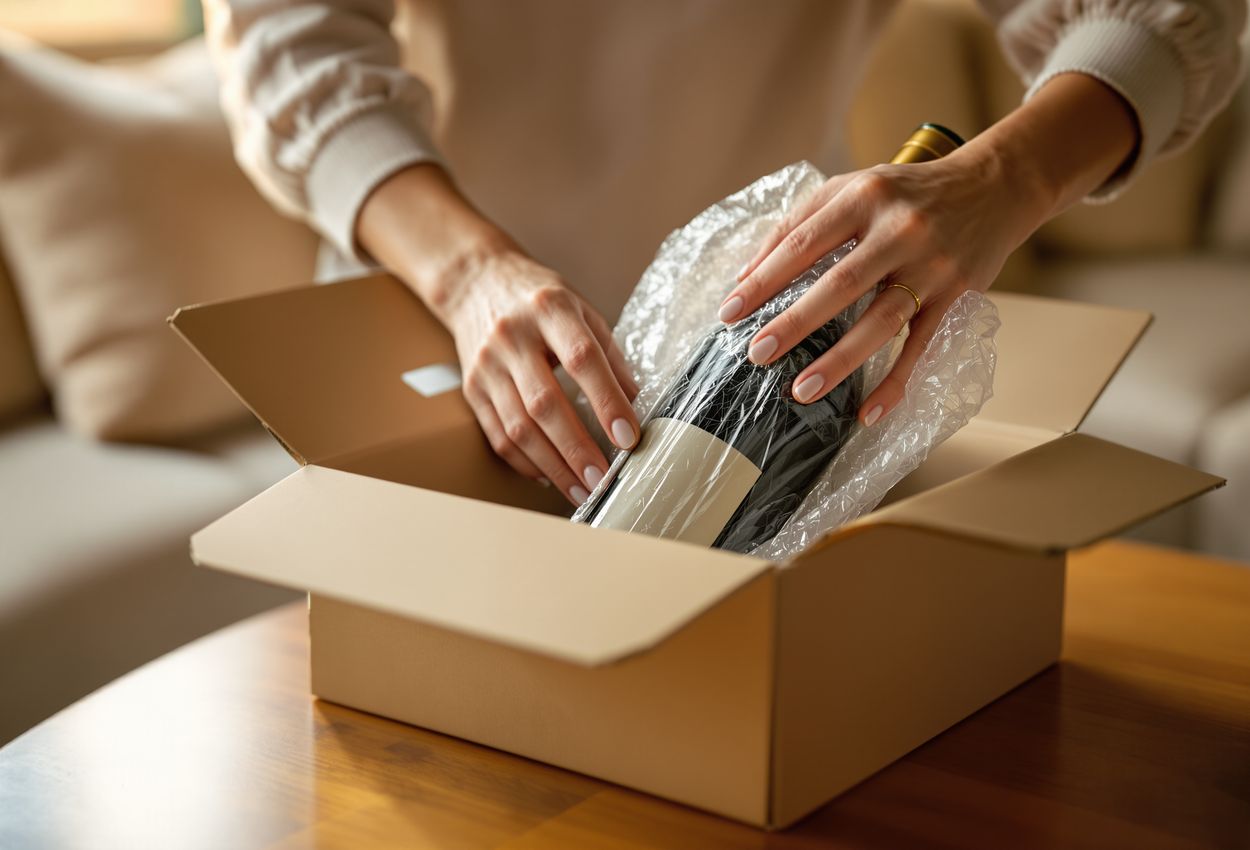
Proper packaging is paramount to ensure that your wine bottles arrive at their destination intact. Wine is delicate, and proper packaging is crucial. Bottles can break during transit due to mishandling, temperature fluctuations, or inadequate cushioning. Mastering the art of wine packaging involves a combination of selecting the right materials and following a meticulous step-by-step process.
Here's a detailed guide to packaging wine bottles for international shipping:
- Gather your materials: You'll need sturdy cardboard boxes (multiple sizes), protective wrapping materials (bubble wrap, paper bubble wrap, tissue) , cardboard dividers or cushioning materials , polystyrene sheets , and strong adhesive tape.
- Wrap each bottle individually: Use bubble wrap or other protective materials to wrap each wine bottle individually. Ensure the entire bottle is covered, including the neck. Secure the bubble wrap with tape to ensure it stays in place during transportation.
- Place wrapped bottles in a smaller box: Use cardboard dividers or cushioning materials to separate the bottles and prevent them from touching each other. Fill any empty spaces to prevent movement.
- Seal the smaller box: Use strong adhesive tape to securely seal the smaller box.
- Place the smaller box inside a larger box: Fill the gaps between the smaller box and the larger box with cushioning materials. Seal securely.
- Add extra protection: Attach polystyrene sheets to the outside of the larger box for additional shock absorption.
- Double or triple box for added security: Place the package into a third, sturdy box. Fill empty spaces and cover the top with polystyrene before sealing.
- Label the package clearly: Clearly label the package as “fragile” or “handle with care” on all sides.
Consider using specialized wine shipping containers with protective inserts for wine. These containers are designed to provide maximum protection against breakage and temperature fluctuations. Reinforce the bottom of the box with extra tape.

Essential Customs Paperwork: Navigating Red Tape
Navigating customs can be one of the most daunting aspects of international wine shipping. To ensure smooth customs clearance, you'll need to prepare the necessary customs paperwork required by your destination country. This may include customs declarations, importation licenses, and special permits.
A commercial invoice is a crucial document for international shipments. It should include accurate details such as the quantity of wine, alcohol content, value, and country of origin. The description should be detailed. You may also need to provide the Harmonized Tariff Code. The invoice should also specify if the shipment is for commercial use or personal consumption and not for resale.
Some countries require the recipient to have a valid alcohol import license before receiving the shipment. Check with the customs authorities in your destination country to determine if an import license is necessary. You may also need to comply with specific labeling requirements.
Accurate and complete documentation is essential to avoid delays, fines, or confiscation of your shipment. Noncompliance penalties for alcohol importation can include hefty fines. Partnering with a customs broker or a wine shipping professional can help you navigate the complexities of customs paperwork and ensure compliance with all applicable regulations.
Taxes, Duties, and Fees: Understanding the Costs
International wine shipments are subject to various taxes, duties, and fees, which can significantly impact the overall cost of shipping. It's essential to research these costs in advance to avoid surprises. Many countries impose high excise duties and value-added taxes (VAT) on imported wine. The specific rates vary depending on the country and the type of wine.
In addition to taxes and duties, you may also encounter other fees, such as customs clearance fees, handling fees, and insurance costs. Be sure to factor these expenses into your budget when planning your wine shipment.
To get an accurate estimate of the taxes, duties, and fees that will apply to your shipment, consult with a customs broker or use an online duty calculator. Keep in mind that these are just estimates, and the actual costs may vary depending on the specific circumstances of your shipment.
It is important to note that the shipper is (together with the recipient of the shipment) jointly liable for these duties and taxes.
Temperature Control: Protecting Your Investment
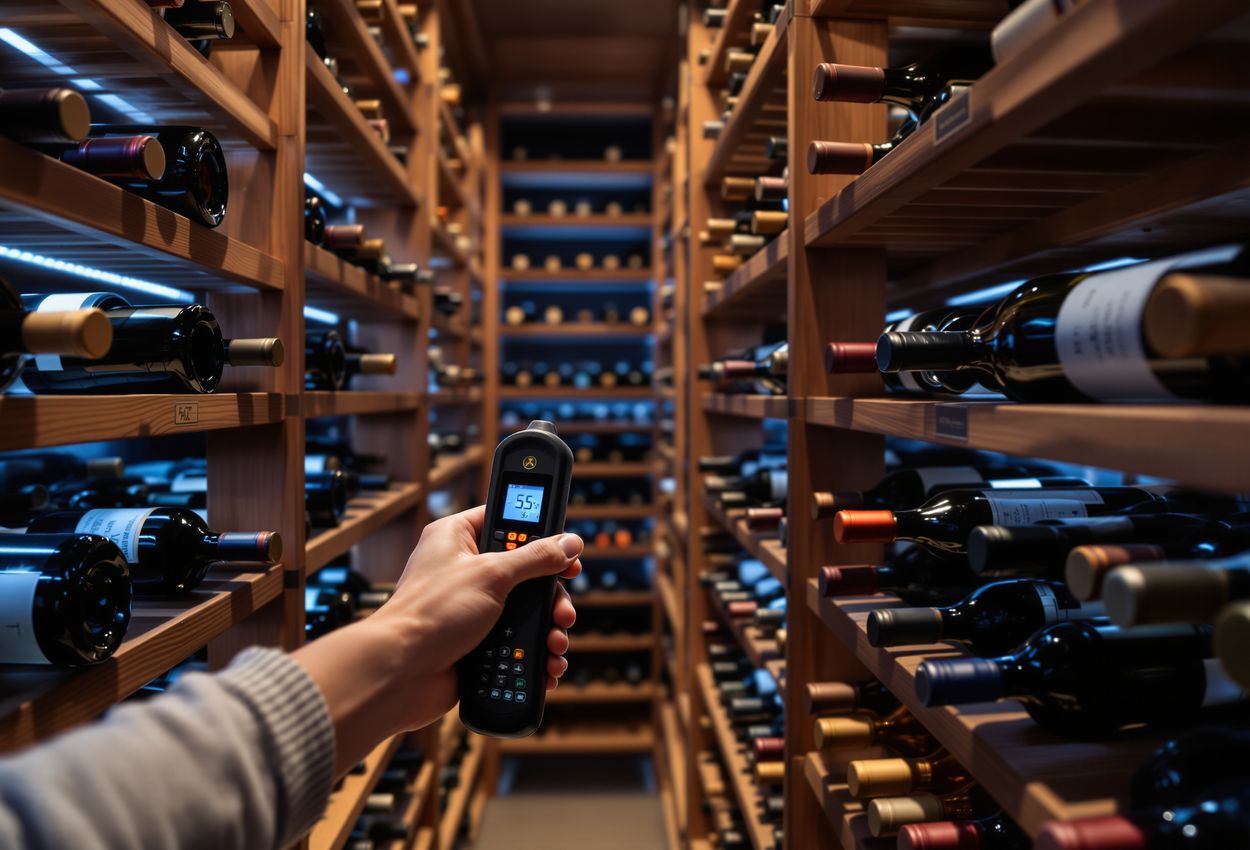
Temperature control is a critical consideration when shipping wine internationally, especially for valuable or vintage bottles. Extreme temperatures can damage wine, altering its flavor and aroma. Exposure to high heat can cause the wine to cook, while freezing temperatures can cause the cork to expand and break the seal.
To protect your investment, consider using temperature-controlled shipping for valuable wines. This involves using insulated containers and climate-controlled transportation to maintain a consistent temperature throughout the shipping process. Some carriers offer specialized wine shipping services with temperature-controlled options.
Avoid shipping wine during extreme weather conditions, such as the peak of summer or the dead of winter. If you must ship during these times, take extra precautions to protect the wine from temperature fluctuations. You can use insulated shipping materials, such as Styrofoam containers or thermal blankets, to help regulate the temperature inside the package.
Consider the use of climate-controlled warehouses. You can also insulate your shipment. Insulation made from paper wool guarantees to keep your bottles at a steady temperature for 48 hours.
Insurance and Liability: Safeguarding Against the Unexpected
Despite your best efforts, accidents can happen during shipping. Bottles can break, shipments can get lost, or wine can be damaged by temperature fluctuations. To safeguard against these unexpected events, consider purchasing shipping insurance, especially for valuable bottles.
Shipping insurance can reimburse you for the value of the wine if it is lost or damaged during transit. Be sure to read the terms and conditions of the insurance policy carefully to understand what is covered and what is not. Document the condition of the wine before shipping, taking photos or videos of the bottles and packaging. This documentation can be helpful if you need to file a damage claim with the carrier.
If your wine shipment is damaged, file a claim with the carrier as soon as possible. Provide all necessary documentation, including photos, invoices, and the insurance policy. Follow the carrier's instructions for filing a claim and be prepared to provide additional information if requested.
Hidden Gems: Navigating State-Specific Regulations in the U.S.
Even if you're only shipping wine within the United States, you'll need to navigate a complex web of state-specific regulations. The U.S. operates under a three-tier alcohol distribution system, which regulates how alcohol moves from producers to retailers and consumers. Each state has its own rules regarding wine shipments, and some states have stricter regulations than others.
Some states allow direct-to-consumer (DTC) shipping, while others prohibit it altogether. For example, while you might easily order a case of wine to be shipped to your doorstep in California, attempting the same in Utah could lead to legal complications, as direct shipments there are generally prohibited.
Some states require shippers to obtain a permit before they can send wine to consumers. Federal law mandates that all wine shipments must be received by an adult (21+), and most carriers require an adult signature upon delivery.
Before shipping wine to a particular state, research its specific regulations and ensure that you comply with all applicable laws. Failure to do so can result in fines, confiscation of shipments, or legal action.
Expert Advice: Partnering with Wine Shipping Professionals
Given the complexities of international wine shipping, partnering with professional wine shippers or freight forwarders who specialize in international transport can be a wise investment. These experts have in-depth knowledge of customs documentation, regulations, and safe delivery practices.
Companies like JF Hillebrand, TIBA Group, and Xpeditr are examples of reputable wine shipping professionals. JF Hillebrand handles both domestic and international import and export beverage logistics involving over 90 countries worldwide. TIBA Group has a specialized division for the transportation of bulk liquids and extensive knowledge and experience in the use of flexitanks. XPEDITR INC. provides customs brokerage for international wine shipments coming into the USA, Canada, UK, Australia, Hong Kong, and Europe.
By entrusting your wine shipment to a professional, you can minimize the risk of errors, delays, and damage. These experts can also provide valuable advice on packaging, insurance, and temperature control.
Troubleshooting: Addressing Common Shipping Problems
Even with careful planning, shipping problems can arise. Delays, damage, or confiscation are all potential issues that you may encounter. Knowing how to troubleshoot these problems can help you resolve them quickly and efficiently.
If your shipment is delayed, track it online and contact the carrier for updates. If the wine is damaged, file a claim with the carrier and provide all necessary documentation. If your shipment is confiscated, contact the customs authorities in the destination country to determine the reason for the confiscation and what steps you can take to recover your wine.
To avoid common shipping problems, double-check all documentation, ensure proper packaging, and choose a reputable carrier. Communicate with the carrier throughout the shipping process and address any issues promptly.
The Future of Wine Shipping: Innovations and Technologies
The world of wine shipping is constantly evolving, with new innovations and technologies emerging to improve the safety and efficiency of international transport. Smart labels for temperature tracking, impact-resistant packaging, and vacuum-sealed bottle protectors are just a few examples of these advancements.
Smart labels can monitor the temperature of the wine throughout the shipping process, alerting you if it exceeds safe limits. Impact-resistant packaging can protect bottles from breakage, even in the event of rough handling. Vacuum-sealed bottle protectors can prevent oxidation and maintain the quality of the wine during long-distance transport.
As these technologies continue to develop, they promise to make international wine shipping safer, more reliable, and more accessible to wine lovers around the world.
Resources for Staying Up-to-Date
Staying informed about international wine shipping regulations is an ongoing process. Laws and guidelines can change frequently, so it's essential to have access to reliable resources that provide up-to-date information.
Here are some valuable resources for staying informed about international wine shipping regulations:
- Government websites: Check the websites of customs authorities and regulatory agencies in your destination country for the latest rules and guidelines.
- Carrier guidelines: Review the shipping policies of major carriers like UPS, FedEx, and DHL for specific requirements and restrictions.
- Industry associations: Consult with wine industry associations and trade groups for insights and best practices.
- Customs brokers: Partner with a customs broker who specializes in wine shipments for expert advice and assistance.
By staying informed and seeking expert guidance, you can navigate the complexities of international wine shipping with confidence and ensure that your favorite wines arrive safely and legally.
With careful planning, diligent research, and the right partnerships, you can successfully navigate the complexities of international wine shipping and enjoy your favorite wines from around the world, right in your own home.