Embark on a sensory journey to decipher the intricate language of wine, transforming yourself from a casual sipper to a confident connoisseur. Discover the secrets behind those swirling glasses and eloquent descriptions, and unlock a world of flavor waiting to be explored.
Wine tasting, often perceived as an exclusive domain, is in reality an accessible and deeply rewarding sensory experience. The seemingly complex descriptions used by sommeliers aren't arbitrary pronouncements but rather a structured language, a vocabulary built on centuries of tradition and refined observation. This article serves as your Rosetta Stone, translating the sommelier's lexicon into clear, understandable terms, empowering you to articulate your own unique wine experience.
It's important to remember that wine tasting is inherently subjective. Your personal history, memories, and even your mood can influence your perception of a wine. There's no right or wrong answer, only your individual experience. The goal is not to mimic the pronouncements of an expert, but to develop your own vocabulary and confidently express what you perceive. A useful tool in this journey is the Wine Aroma Wheel, a visual guide that categorizes common wine aromas, helping you identify and articulate the scents you detect.
Unlocking the Sommelier's Lexicon: Aromatic Adventures Await
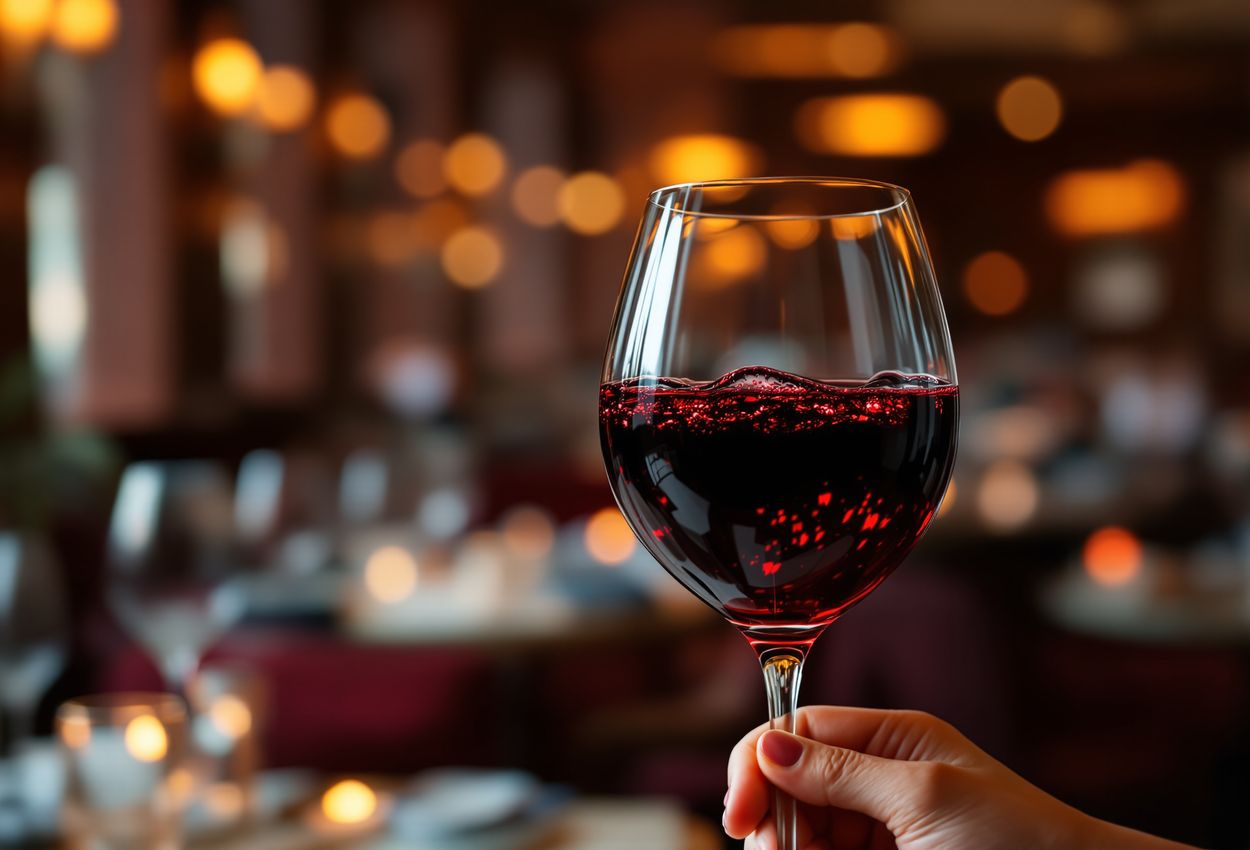
Wine tasting is more than just swirling and sipping; it's a multi-sensory exploration. It begins with the visual appeal – the color, clarity, and viscosity of the wine hinting at its age, grape varietal, and winemaking techniques. Then comes the olfactory experience, the bouquet of aromas that leap from the glass, promising a symphony of flavors to come. Finally, the palate confirms or confounds those expectations, as the wine's texture, acidity, tannins, and sweetness interact on your tongue.
The language of wine attempts to capture these fleeting sensations, translating them into words that can be shared and understood. While some may find this language intimidating, it's simply a framework for describing the complex interplay of aromas, flavors, and textures. Like any language, it can be learned and mastered with practice and a willingness to explore.
The subjective nature of wine tasting is paramount. What one person perceives as 'black cherry' another might describe as 'plum'. Neither is wrong; they are simply experiencing the wine through their own unique lens. The key is to be present, mindful, and open to the nuances of each wine. Embrace your individual experience and trust your palate.
The Wine Aroma Wheel serves as a valuable tool in this process. It organizes aromas into categories and subcategories, providing a structured framework for identifying and naming the scents you detect. Starting with broad categories like 'fruity' or 'floral,' you can then narrow down your focus to more specific aromas like 'citrus' or 'rose'. This process not only helps you identify aromas but also expands your wine vocabulary.

The Primary Palette: Decoding Grape-Derived Aromas
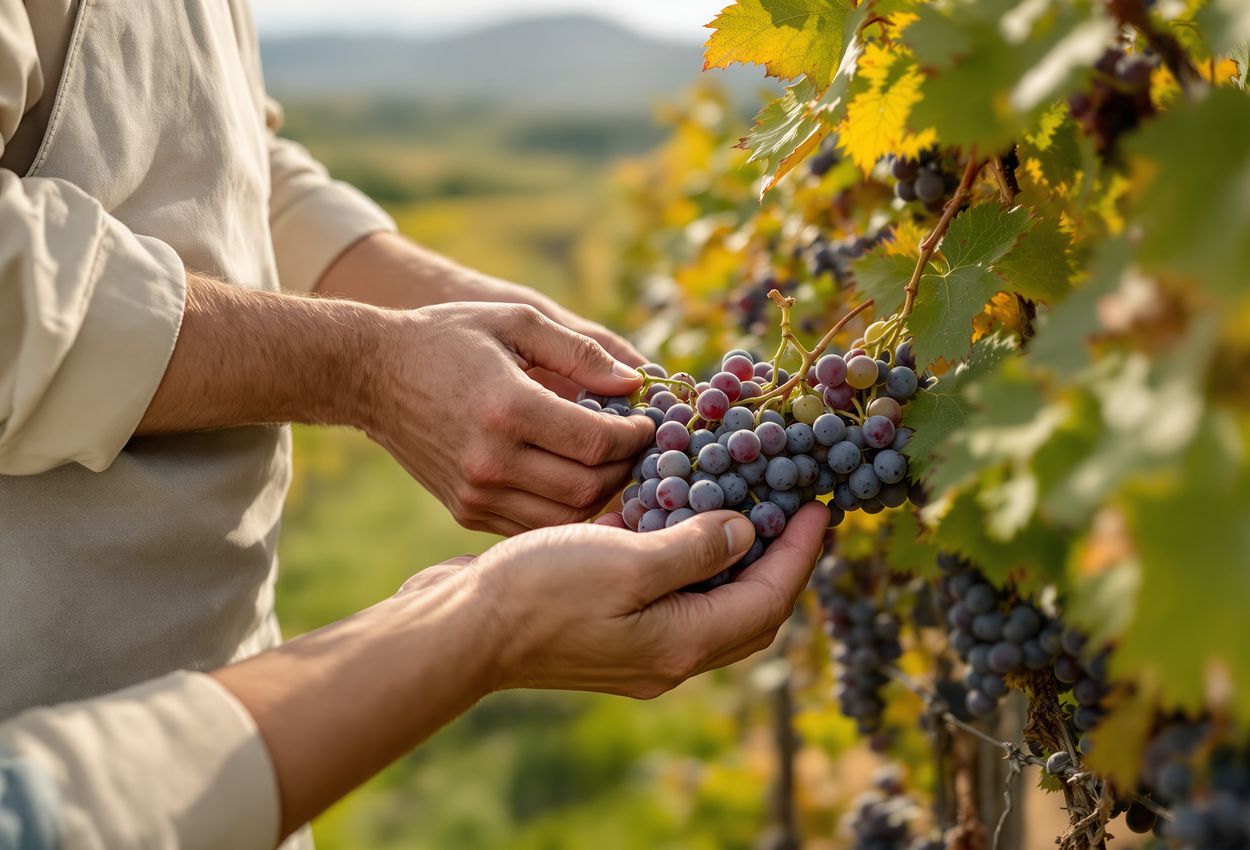
Primary aromas are the foundation of a wine's aromatic profile, originating directly from the grape itself. These are the inherent scents that are present even before fermentation, influenced by the grape varietal, terroir (the unique environmental factors of the vineyard), and the ripeness of the grapes at harvest. Recognizing these primary aromas is the first step in decoding the language of wine.
Fruit aromas are the most obvious and easily identifiable primary notes. White wines often exhibit aromas of green apple, citrus (lemon, grapefruit), stone fruit (peach, apricot), or tropical fruit (pineapple, mango). Red wines, on the other hand, tend to showcase red fruit (strawberry, raspberry, cherry), black fruit (blackberry, plum, blackcurrant), or dried fruit (raisin, fig). The specific fruit aromas will vary depending on the grape varietal; for example, a young Cabernet Sauvignon often displays black cherry notes , while a Sauvignon Blanc is characterized by its citrusy aromas.
Beyond fruit, primary aromas can also include floral, herbal, and spice notes. Floral aromas like rose, violet, and honeysuckle are often found in aromatic grape varieties such as Gewürztraminer and Viognier. Herbal aromas, such as grass, bell pepper, and eucalyptus, can be present in wines like Cabernet Sauvignon and Cabernet Franc. Spice notes, such as black pepper, clove, and nutmeg, can add complexity and intrigue to a wine's aromatic profile.
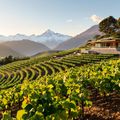
Terroir plays a significant role in shaping primary aromas. The soil composition, climate, altitude, and even the surrounding vegetation can influence the development of aromas in the grapes. For example, a Sauvignon Blanc grown in a cool climate might exhibit more pronounced grassy and herbaceous aromas, while one grown in a warmer climate might display more tropical fruit notes. This interaction between grape varietal and terroir is what makes each wine unique and expressive.
Local Tip: Visit a local vineyard during harvest season to experience the primary aromas firsthand. Smell the freshly picked grapes and compare them to the aromas you find in the finished wine.
Winemaking Whispers: Unveiling Secondary Aroma Secrets
Secondary aromas are those that arise from the winemaking process, specifically during fermentation and aging. These aromas are not inherent to the grape itself but are created through the various techniques and decisions made by the winemaker. Understanding secondary aromas adds another layer of depth to your wine appreciation.
Fermentation, the process of converting grape sugars into alcohol, is a major source of secondary aromas. Yeast, the microorganisms responsible for fermentation, produce a variety of aromatic compounds, including esters. These esters can contribute aromas of bread dough, brioche, and toast, especially in wines that have undergone lees aging (where the wine remains in contact with dead yeast cells). Malolactic fermentation, a secondary fermentation that converts malic acid to lactic acid, can create buttery and creamy notes, commonly found in Chardonnay.
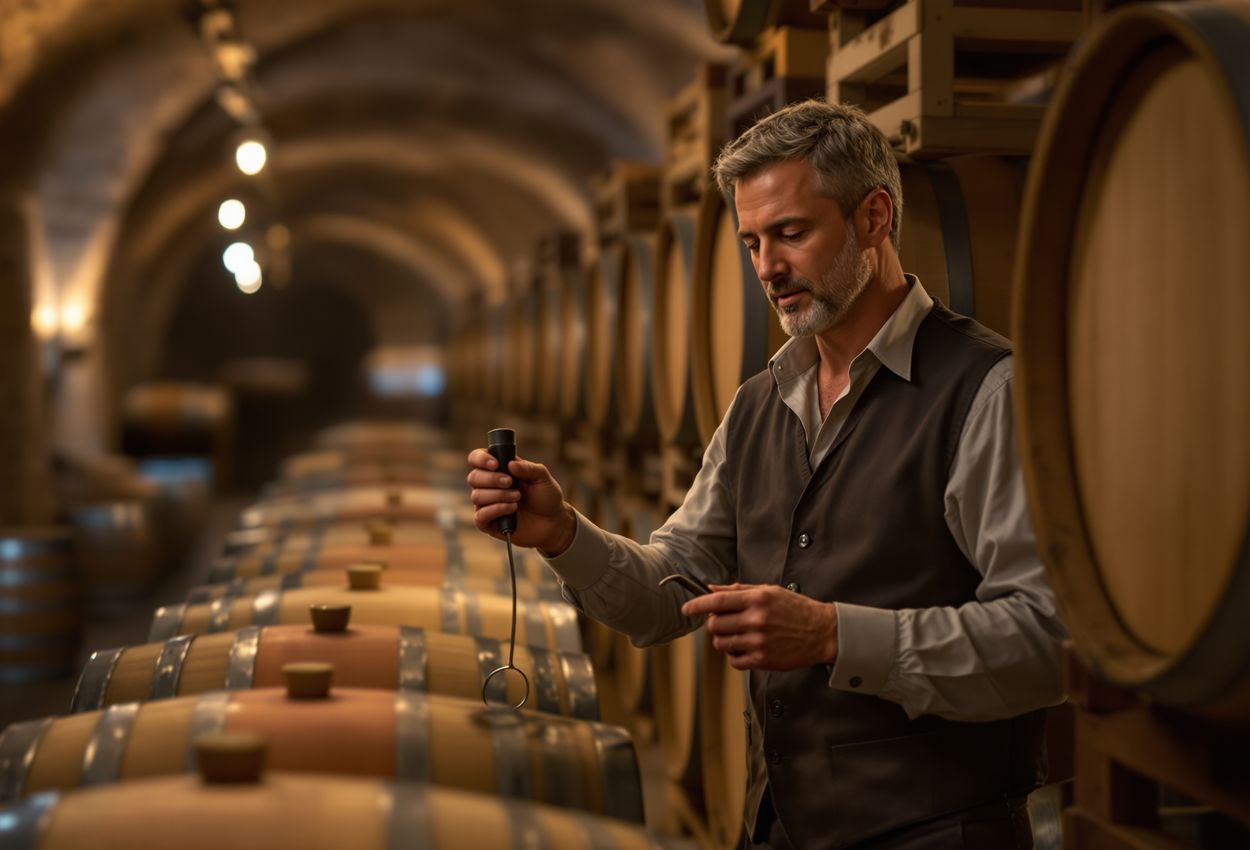
Oak aging is another significant contributor to secondary aromas. When wine is aged in oak barrels, it can extract various compounds from the wood, imparting aromas of vanilla, coconut, smoke, and spice. The type of oak (French or American), the toast level (light, medium, or heavy), and the age of the barrel all influence the specific aromas that are imparted. New oak barrels tend to contribute more pronounced aromas than older barrels, which have already released many of their compounds.
The winemaker's choices regarding fermentation and aging techniques have a profound impact on the final aroma profile of the wine. By carefully selecting yeast strains, controlling fermentation temperatures, and utilizing oak aging, winemakers can shape the wine's character and create a unique sensory experience. Recognizing these secondary aromas allows you to appreciate the artistry and skill involved in winemaking.
Hidden Gem: Seek out wines that have been aged in amphorae, clay vessels that allow for micro-oxygenation without imparting oaky flavors. These wines often exhibit unique earthy and mineral notes.
Time's Tapestry: Exploring Tertiary Aromas in Aged Wines
Tertiary aromas are the most complex and nuanced, developing over time as the wine ages in the bottle. These aromas are the result of chemical reactions that occur between the various compounds in the wine, creating new and intriguing scents. Exploring tertiary aromas is like unraveling a tapestry woven with time and patience.
As a wine ages, its primary fruit aromas begin to evolve and transform. Fresh fruit notes can transition into dried or stewed fruit aromas, such as raisin, fig, prune, or jam. These aromas indicate a wine's maturity and complexity, suggesting that it has reached its peak potential.
In addition to fruit evolution, tertiary aromas can also include earthy, nutty, and savory notes. Earthy aromas like mushroom, truffle, and forest floor are often found in aged red wines like Burgundy and Barolo. Nutty aromas, such as almond, hazelnut, and walnut, can develop in wines that have been exposed to oxygen during aging, such as Sherry and Madeira. Savory aromas, such as leather, tobacco, and spice box, can add depth and intrigue to a wine's aromatic profile.
The development of tertiary aromas is influenced by several factors, including the grape varietal, winemaking techniques, and storage conditions. Wines with high acidity and tannins tend to age more gracefully, developing a wider range of tertiary aromas. Proper storage, with consistent temperature and humidity, is crucial for allowing these aromas to evolve and express themselves fully.
Local Tip: Attend a vertical tasting, where you can sample the same wine from different vintages. This allows you to experience the evolution of aromas over time and appreciate the impact of aging.

The Texture Tango: Describing Wine's Feel on Your Palate
Beyond aroma and flavor, texture plays a crucial role in the overall wine tasting experience. Texture, also known as 'mouthfeel,' refers to the way a wine feels in your mouth – its weight, viscosity, and the sensations it creates on your palate. Describing texture adds another dimension to your wine vocabulary.
Terms like 'smooth,' 'velvety,' 'silky,' and 'plush' are often used to describe wines with soft, rounded textures. These wines tend to have lower tannins and higher levels of glycerol, a byproduct of fermentation that contributes to a smooth mouthfeel. Conversely, terms like 'rough,' 'grippy,' and 'tannic' describe wines with more astringent textures. These wines have higher levels of tannins, which create a drying sensation in the mouth.
Acidity also plays a significant role in texture. Wines with high acidity can feel 'crisp,' 'sharp,' or 'zippy,' while those with low acidity can feel 'soft,' 'flabby,' or 'flat'. The balance between tannins and acidity is crucial for creating a harmonious texture. A wine with high tannins and high acidity can feel overly astringent, while one with low tannins and low acidity can lack structure and vibrancy.
The grape varietal and winemaking techniques influence a wine's texture. For example, Pinot Noir, with its thin skins and low tannins, typically has a silky texture. Cabernet Sauvignon, with its thick skins and high tannins, tends to have a firmer, more grippy texture. Oak aging can also impact texture, adding a creamy or oily sensation to the wine.
Hidden Gem: Experiment with different serving temperatures to explore how they affect a wine's texture. Chilling a red wine can accentuate its tannins, while warming a white wine can soften its acidity.

Sweetness Symphony: Navigating the Dry-to-Sweet Spectrum
Sweetness is another key element in the language of wine, ranging from bone dry to very sweet. Understanding the spectrum of sweetness allows you to appreciate the nuances of different wine styles and pair them effectively with food.
The term 'dry' refers to wines with little to no residual sugar (the sugar that remains after fermentation). These wines can range from 'bone dry,' with almost no perceptible sweetness, to 'off-dry,' with a hint of sweetness that balances the acidity. Semi-sweet wines have a noticeable sweetness, while sweet wines are characterized by their pronounced sugar content. Dessert wines, such as Sauternes and Port, are the sweetest of all, with high levels of residual sugar that create a luscious, syrupy texture.
The perception of sweetness is influenced by other factors, including acidity, tannins, and alcohol. Acidity can balance sweetness, preventing a wine from feeling cloying or heavy. Tannins, which create a drying sensation, can also reduce the perception of sweetness. Alcohol, on the other hand, can enhance the perception of sweetness, making a dry wine feel slightly sweeter.
The level of sweetness in a wine is determined by the winemaker, who can choose to stop fermentation before all the sugar is converted into alcohol. This leaves residual sugar in the wine, creating a sweeter style. Alternatively, winemakers can add sugar after fermentation, although this is less common.
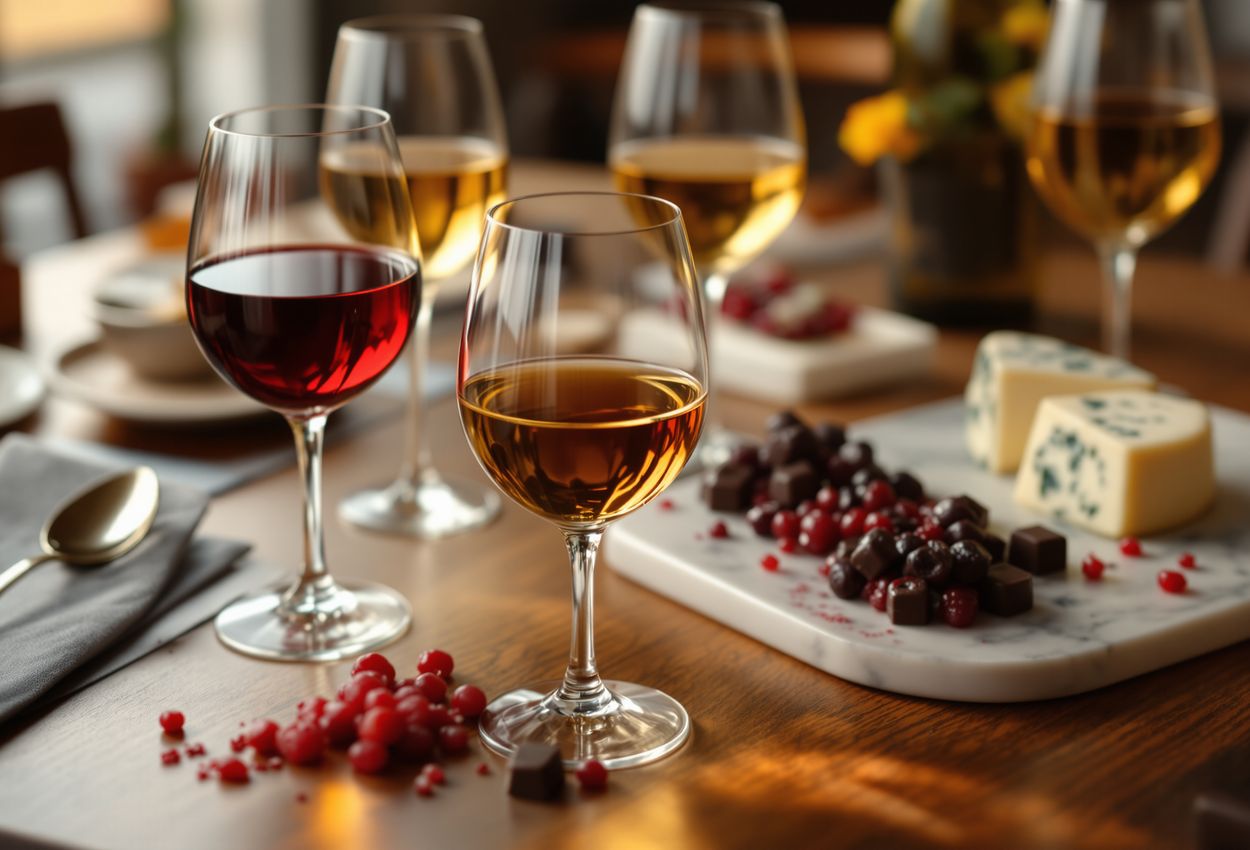
Local Tip: Explore the world of sweet wines with a dessert pairing. Try Sauternes with blue cheese, Port with chocolate, or Moscato d'Asti with fresh fruit.
The Sommelier's Toolkit: Building Your Wine Vocabulary
To confidently navigate the world of wine, it's essential to build your wine vocabulary. Here's a glossary of common wine terms that will help you describe and understand the nuances of different wines :
- Acidity: The tartness or sourness in a wine, which provides freshness and balance.
- Body: The weight or fullness of a wine on the palate, ranging from light-bodied to full-bodied.
- Tannins: Phenolic compounds that create a drying or astringent sensation in the mouth, primarily found in red wines.
- Bouquet: The complex aromas that develop in a wine as it ages in the bottle.
- Finish: The lingering taste and sensation that remains in the mouth after swallowing the wine.
- Balance: The harmonious integration of all the wine's components, including acidity, tannins, sweetness, and alcohol.
- Complexity: The presence of multiple layers of aroma and flavor, indicating a high-quality wine.
- Typicity: How well a wine represents the characteristics of its grape variety and region.
- Astringent: A mouth-puckering sensation caused by high tannins.
- Earthy: A wine that exhibits aromas or flavors reminiscent of soil, mushrooms, or forest floor.
- Oaky: A wine that has been aged in oak barrels and exhibits aromas of vanilla, spice, or toast.
- Fruity: A wine that exhibits prominent aromas and flavors of fruit.
Learning to use these terms accurately will empower you to communicate your wine experiences effectively and understand the descriptions used by sommeliers and other wine professionals. Don't be afraid to experiment with different terms and find the ones that best capture your personal perceptions.
Local Tip: Keep a wine journal to record your tasting notes and build your vocabulary. Over time, you'll develop a deeper understanding of your own preferences and the nuances of different wines.

Sensory Skills Sharpening: Elevate Your Tasting Prowess
Developing your sensory evaluation skills is key to unlocking the full potential of your wine tasting experience. Here are some tips for honing your palate and expanding your ability to discern and describe the nuances of wine :
- Blind Tasting: Cover the label and try to identify the grape varietal, region, and vintage based solely on your sensory perceptions.
- Aroma Wheel: Use the Wine Aroma Wheel as a guide to identify and name the aromas you detect in the wine.
- Tasting Journal: Keep a journal to record your tasting notes, including aromas, flavors, texture, and overall impression.
- Comparative Tasting: Sample two or more wines side-by-side to compare their characteristics and identify the differences.
- Food and Wine Pairing: Experiment with different food pairings to see how they affect the taste of the wine.
- Attend Wine Tastings: Participate in organized wine tastings to learn from experts and sample a variety of wines.
The more you practice, the more refined your palate will become. Don't be discouraged if you don't immediately recognize every aroma or flavor; sensory evaluation is a skill that develops over time. The key is to be patient, persistent, and open to new experiences.
Hidden Gem: Visit a local spice market or herb garden to familiarize yourself with different aromas. This will help you expand your sensory memory and improve your ability to identify aromas in wine.

Beyond the Buzzwords: Expressing Your Unique Wine Experience
While it's helpful to learn the common wine terms, don't be afraid to develop your own personal vocabulary for describing wine. The most important thing is to express what you perceive in a way that is meaningful to you. Use metaphors, analogies, and evocative language to capture the essence of the wine.
Remember that wine tasting is a subjective experience, and your preferences are valid. Don't let anyone tell you that you're wrong for liking a particular wine or for describing it in a certain way. Trust your palate and embrace your individual perspective.
The goal is not to impress others with your wine knowledge but to deepen your own appreciation for this complex and fascinating beverage. By developing your sensory skills and building your wine vocabulary, you can unlock a world of flavor and express your unique wine experience with confidence and authenticity.
Local Tip: Challenge yourself to describe a wine using only your own words, without relying on common wine terms. This will help you tap into your creativity and develop a more personal connection to the wine.

Wine Education Pathways: Formal Training and Self-Guided Exploration
For those who wish to delve deeper into the world of wine, there are numerous formal education options available. The Wine & Spirit Education Trust (WSET) and the Court of Master Sommeliers (CMS) are two of the most recognized and respected organizations offering wine certifications.
The WSET offers a four-tiered program of courses and examinations, focusing on systematic tasting skills and product knowledge. The CMS, on the other hand, is geared towards individuals working in the hospitality industry as sommeliers, emphasizing service skills and wine list management. Both programs offer a challenging and rewarding path to advanced wine knowledge.
In addition to formal training, there are many self-guided learning resources available, including books, online courses, wine blogs, and tasting groups. The Wine Scholar Guild offers specialized programs focusing on specific wine regions, providing in-depth knowledge of their history, culture, and winemaking traditions. The key is to find the learning method that best suits your individual needs and interests.
Whether you choose to pursue formal education or embark on a self-guided exploration, the journey of wine discovery is a lifelong pursuit. Embrace the challenge, savor the experience, and never stop learning. The world of wine is vast and ever-changing, offering endless opportunities for exploration and appreciation.
By demystifying the language of wine and providing you with the tools to understand and articulate your own sensory experiences, this article has hopefully empowered you to confidently explore the world of wine and express your unique preferences. So, raise a glass, trust your palate, and embark on your own aromatic adventure. Cheers!