Embark on a journey of vinicultural sophistication with this essential guide to wine tasting etiquette, ensuring you savor every sip with impeccable grace and knowledge.
Wine tasting is more than just drinking; it's an art, a science, and a social experience steeped in tradition. Whether you're a novice or a seasoned enthusiast, understanding the proper etiquette can elevate your experience and ensure you're a welcome guest in any tasting room. This guide provides a comprehensive overview of wine tasting decorum, from preparing for your visit to engaging with hosts and fellow tasters.
By mastering these guidelines, you'll not only enhance your own enjoyment but also contribute to a more refined and convivial atmosphere for everyone involved. So, prepare to swirl, sniff, and sip your way to becoming a true connoisseur of wine tasting etiquette.

Setting the Stage: Preparing for a Luxurious Wine Tasting
Preparation is key to a successful and enjoyable wine tasting experience. Before you even set foot in the tasting room, there are several steps you can take to ensure you're ready to fully appreciate the nuances of each wine.
First and foremost, consider your attire. While there's no strict dress code for most wine tastings, it's generally advisable to dress in elegant or smart casual attire. This shows respect for the winery and the occasion. Avoid wearing strong perfumes, colognes, or scented lotions, as these can interfere with the delicate aromas of the wines.
Punctuality is also essential. Arrive on time for your tasting, as late arrivals can disrupt the flow and may cause you to miss important information about the wines being presented. Making reservations in advance is highly recommended, especially for groups, to ensure that the winery can accommodate you comfortably.
To prevent over-imbibing, it's crucial to eat a substantial meal before your tasting. Don't rely solely on the snacks provided at the winery, as these are primarily intended to cleanse your palate between wines. It's also wise to have a designated driver or transportation plan in place to ensure a safe journey home.
Local Tip: Check the winery's website or call ahead to inquire about any specific guidelines or recommendations for preparing for your tasting. Some wineries may have preferred attire or suggest avoiding certain foods or activities beforehand.

The Art of the Hold: Mastering Glassware Techniques
The way you hold your wine glass can significantly impact your tasting experience. The proper technique is to hold the glass by the stem, rather than the bowl. This prevents your hand from warming the wine, which can alter its flavors and aromas. Holding the bowl can also leave fingerprints on the glass, obscuring your view of the wine's color and clarity.
The ideal glassware for wine tasting is clear, stemware glasses with a tulip-shaped bowl. The tulip shape helps to concentrate the aromas, allowing you to better appreciate the wine's bouquet. The glass should be clean and free of any residue or odors that could interfere with the tasting.
When pouring wine, hold the bottle at the base and tilt the glass at a 45-degree angle. Fill the glass to one-third or halfway, leaving enough room for swirling and sniffing. Avoid overfilling the glass, as this can make it difficult to swirl the wine without spilling.
Hidden Gem: Some wineries offer glassware workshops where you can learn about the different types of wine glasses and how they enhance the tasting experience. These workshops often include a guided tasting with various wines served in appropriate glassware.
Sensory Symphony: Engaging Sight, Smell, and Swirl
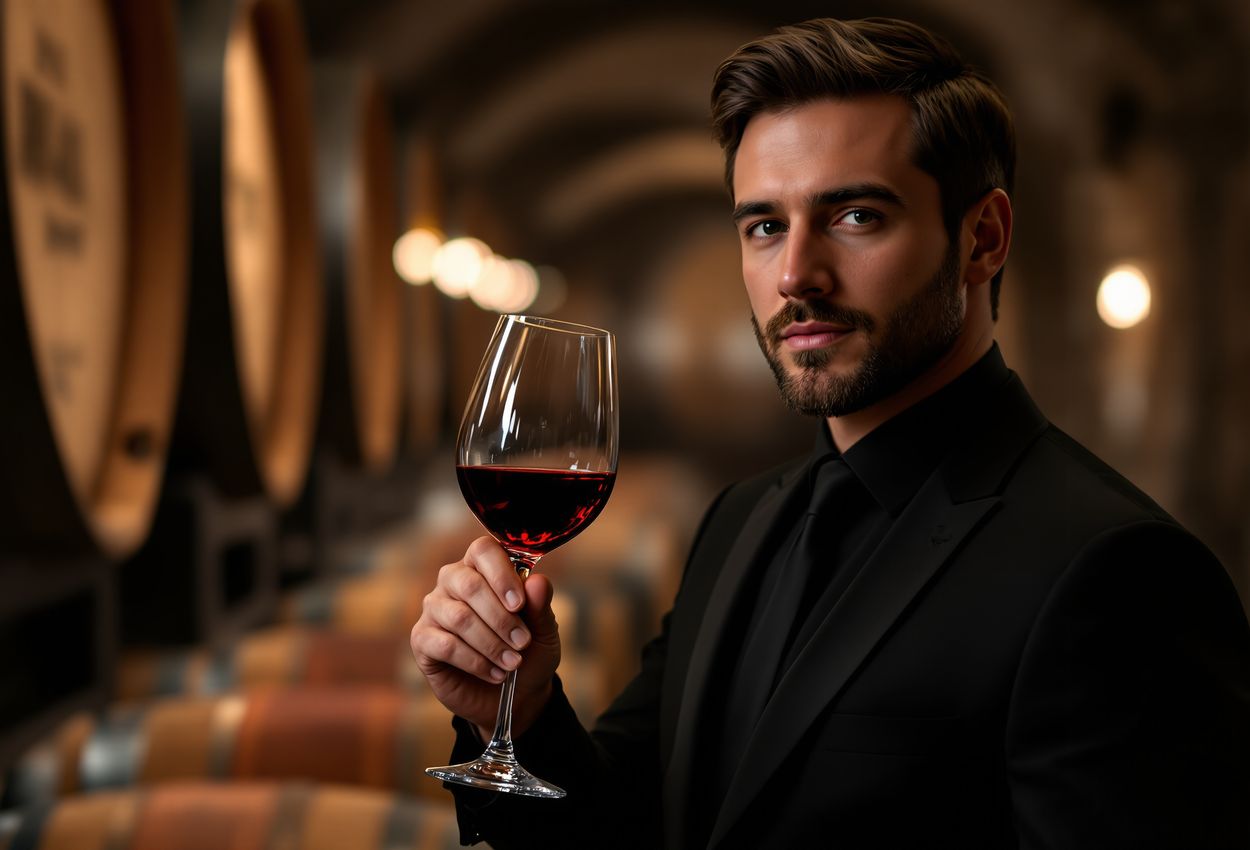
Wine tasting is a multi-sensory experience that engages your sight, smell, and taste. The first step is to observe the wine's color and clarity. Tilt the glass against a white background to better assess the wine's hue and intensity. The color can provide clues about the grape variety, age, and winemaking techniques used.
Next, swirl the wine gently to release its aromas. Swirling increases the surface area of the wine, allowing more of its volatile compounds to evaporate and reach your nose. Place your nose to the top of the rim and inhale deeply to identify the primary and secondary aromas.
Sniff the wine first without swirling, then swirl and sniff again to note the difference. The swirling action should reveal more complex and nuanced aromas. Try to identify specific scents such as fruits, flowers, spices, or earthy notes.
Local Tip: Keep a wine journal to record your observations and impressions of each wine. This will help you develop your palate and remember your favorite wines.

Palate Pleasure: Sipping, Swishing, and Savoring Like a Sommelier
Now comes the most anticipated part: tasting the wine. Take a small sip and roll it over your tongue, paying attention to the texture and sensation. Swishing the wine around your mouth engages all of your taste buds, allowing you to fully experience its flavors.
Identify the flavors, acidity, tannins, and the wine's finish. Flavors can range from fruity and floral to spicy and earthy. Acidity contributes to the wine's crispness and freshness. Tannins create a drying sensation in your mouth, particularly in red wines. The finish is the lingering taste after you swallow or spit out the wine.
Open your mouth slightly and gently suck in some air while the wine is still in your mouth. This aerates the wine further, enhancing its flavors and aromas. Pay attention to how the wine evolves on your palate over time.
Hidden Gem: Some wineries offer blind tastings where you can test your palate by trying to identify different wines without knowing what they are. This is a fun and educational way to improve your tasting skills.
The Subtle Spit: Discretion and Disposal
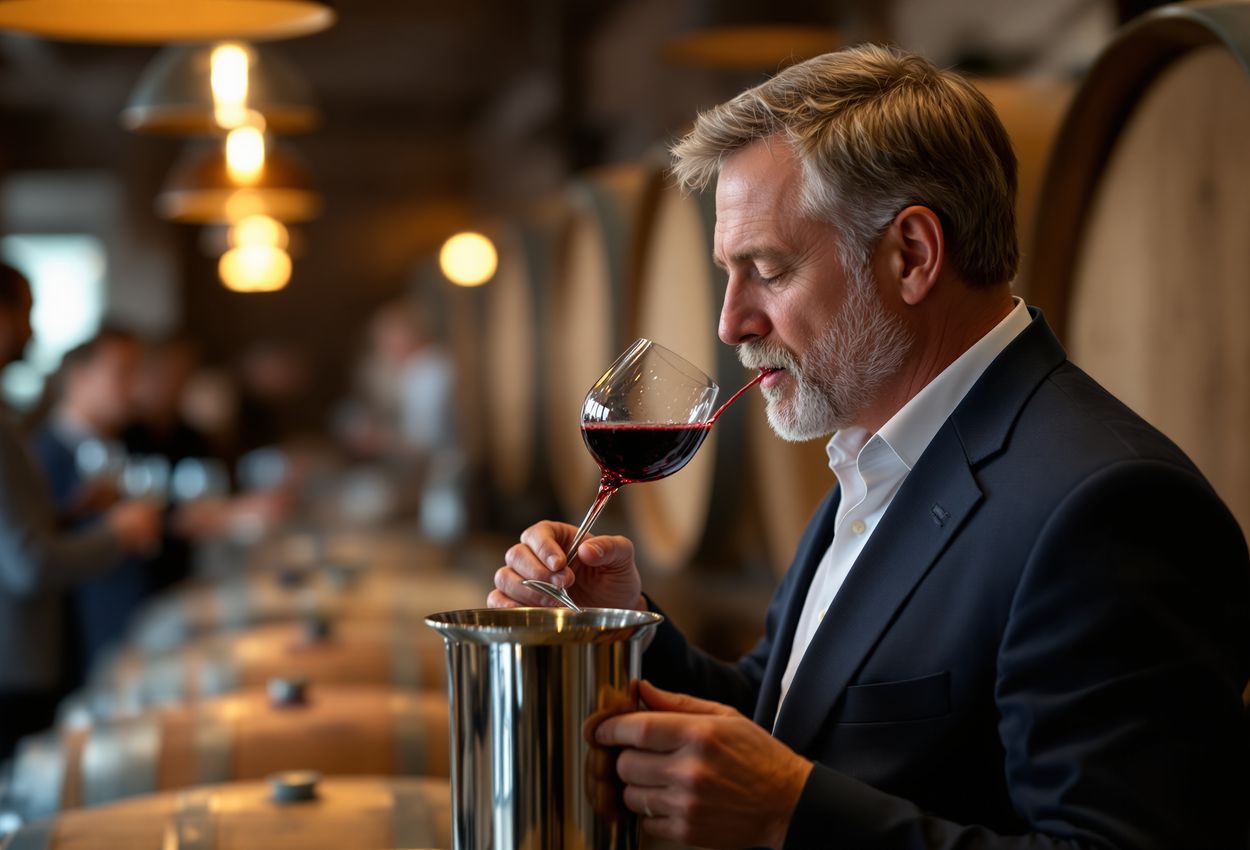
Spitting is an essential part of wine tasting, especially if you plan to sample multiple wines. It allows you to avoid over-intoxication and palate fatigue, enabling you to taste more wines and appreciate their nuances.
The proper spitting technique involves positioning yourself in front of the spittoon, lowering your tongue, and expelling the wine in a steady stream. Aim carefully to avoid splashing or making a mess. If you're uncomfortable spitting directly into the spittoon, you can pour the wine into a designated dump bucket instead.
Practice your spitting technique at home before attending a wine tasting. This will help you feel more confident and comfortable in the tasting room. Remember, spitting is a common and accepted practice among wine professionals and enthusiasts.
Local Tip: Some wineries provide individual spit cups for tasters who prefer a more discreet option. Don't hesitate to ask if this is available.
Conversation Compass: Engaging with Hosts and Fellow Tasters
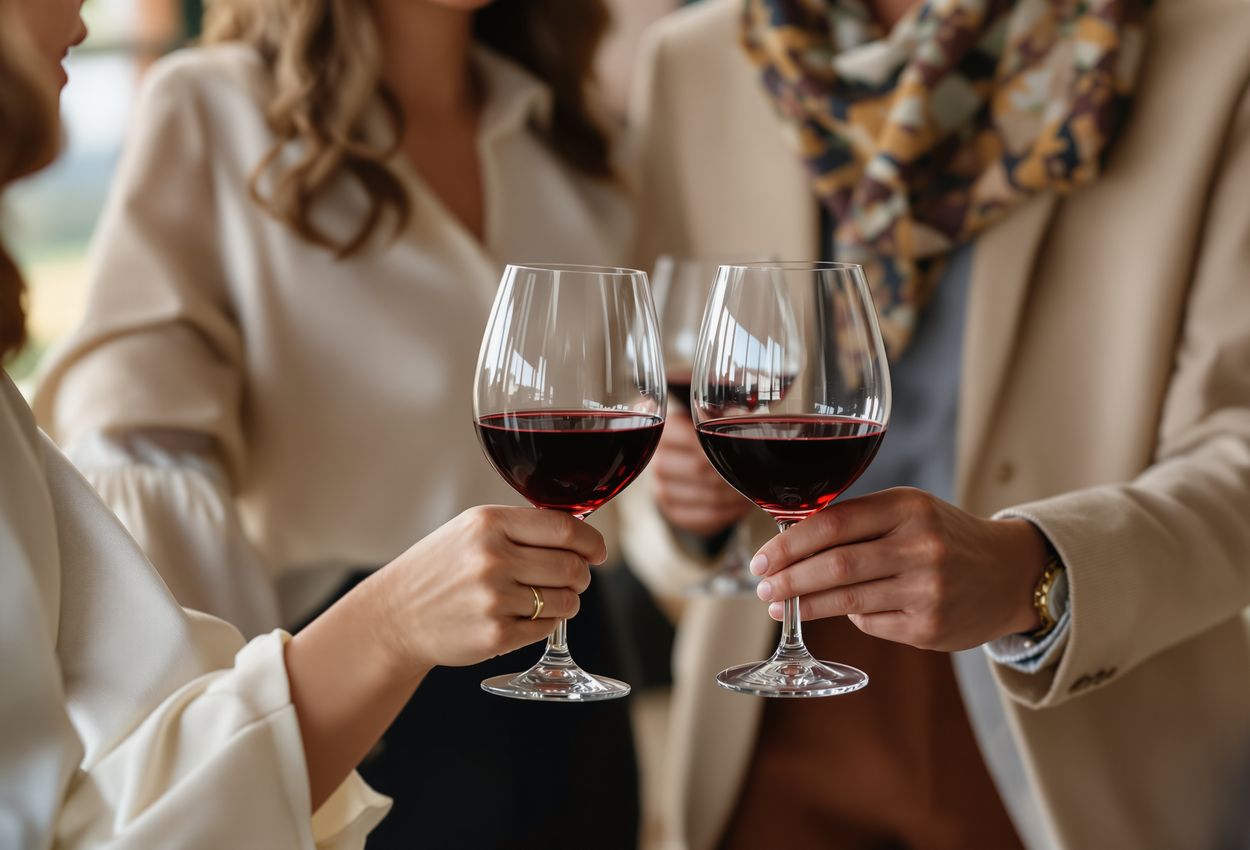
Wine tasting is a social activity, and engaging with the host and other guests can enhance your experience. Share your thoughts and opinions about the wines, and listen to the perspectives of others.
Ask the host thoughtful questions about the origin of the grapes, the winemaking process, or food pairing suggestions. This shows your interest and provides an opportunity to learn more about the wines. Keep the conversation polite and respectful, and avoid dominating the discussion.
Share personal wine stories and experiences, but be mindful of the time and attention of others. Avoid acting like a wine snob or pretending to know everything. Be open to learning from others and expanding your knowledge.
Hidden Gem: Some wineries host wine tasting social events where you can meet and mingle with other wine lovers. These events often include live music, food pairings, and special wine releases.

Respectful Refinement: Navigating Tasting Room Dynamics
Being respectful of the winery staff and other tasters is crucial for maintaining a positive tasting room environment. Be patient and understanding, especially during busy periods. Avoid hogging the table or spittoon, and be mindful of your surroundings.
Keep your voice low and treat the tasting room differently than a bar. Wine tasting is meant to be an educational and appreciative experience, not a rowdy social gathering. Avoid making excessive noise or engaging in disruptive behavior.
Follow all posted guidelines and stay in designated areas. Show respect for the property and the winemaking process. If you're taking photos, ask permission before photographing people or proprietary equipment.
Local Tip: Offer to help clear glasses or tidy up your tasting area. This small gesture is always appreciated by the winery staff.
Aromatic Awareness: Steering Clear of Sensory Overload
Strong scents from perfumes, colognes, or scented lotions can interfere with the tasting experience. Avoid wearing strong fragrances when attending a wine tasting. The goal is to appreciate the subtle aromas of the wines, not to mask them with competing scents.
Avoid strongly flavored foods or drinks before tasting, as these can also affect your palate. Chewing gum is also discouraged, as it can interfere with your ability to taste the wines. Aim for a neutral palate to fully appreciate the nuances of each wine.
Hidden Gem: Some wineries offer scent-neutralizing stations where you can cleanse your palate and remove any lingering fragrances before tasting. These stations often include unscented soaps, water, and plain crackers.
Gratitude and Generosity: Tipping and Purchasing
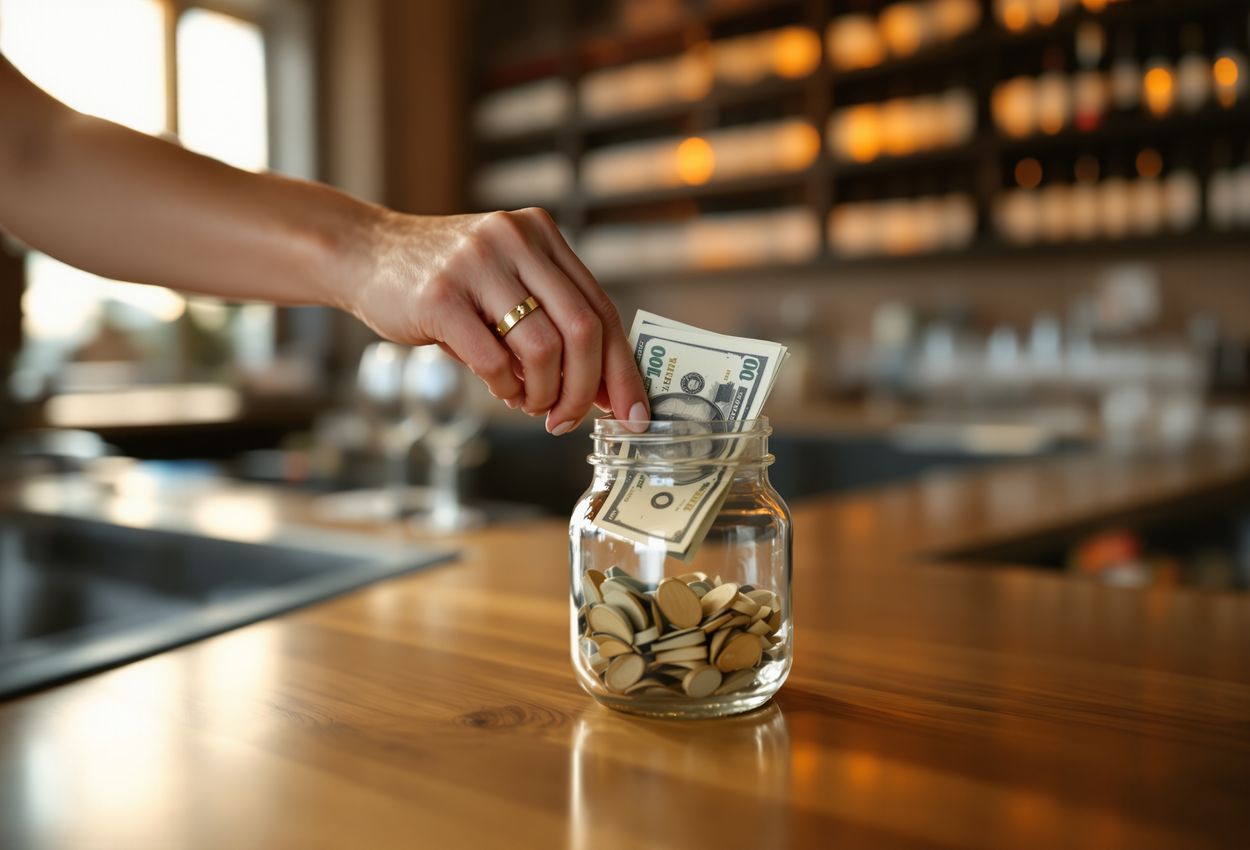
Tipping tasting room staff is a customary way to show appreciation for their service, especially if they were helpful or educational. While tipping isn't always expected, it's a thoughtful gesture that acknowledges the staff's expertise and attention.
An appropriate amount to tip per person is typically $5 to $10, particularly for large groups or when receiving discounts. If you received exceptional service or a private tasting, consider tipping 15-20% of the total cost. Some wineries may include a gratuity in the tasting fee for larger groups.
Purchasing a bottle of wine is another great way to show appreciation and support the winery. Many wineries will waive the tasting fee if you purchase a certain amount of wine. Even if you didn't particularly enjoy all of the wines, purchasing a bottle demonstrates your support for the winery's craft.
Local Tip: Ask the tasting room staff for recommendations on wines to purchase. They can help you find a bottle that suits your taste and budget.

Mindful Moderation: Pacing Yourself for a Lasting Impression
Pacing yourself is essential for enjoying a full day of wine tasting without overindulging. Avoid drinking too much, too quickly, as this can dull your senses and diminish your appreciation for the wines.
Drink water in between tastings to stay hydrated and keep your palate fresh. It's perfectly acceptable to not empty the whole glass, especially if you're tasting multiple wines. Remember, wine tasting should be about discovery, not intoxication.
Take breaks between wineries to allow your palate to recover. Consider visiting a local restaurant or café for a light meal or snack. Avoid scheduling too many tastings in one day, as this can lead to palate fatigue and diminished enjoyment.
Hidden Gem: Some wineries offer designated driver programs where the designated driver receives complimentary non-alcoholic beverages and snacks. This encourages responsible wine tasting and ensures a safe experience for everyone.

Common Faux Pas: Mistakes to Avoid
To ensure a smooth and enjoyable wine tasting experience for yourself and others, it's important to be aware of common faux pas to avoid. Quoting excessively from the movie Sideways, for example, can be tiresome for winery staff and fellow tasters.
Judging a wine solely by the first sip is another mistake. Wine's flavors can evolve over time, so it's important to give it a few moments to fully develop on your palate. Avoid being a winery hopper, rushing from one tasting room to another without fully appreciating each experience.
Looking at the price of the wine before tasting it can bias your perception. Focus on the wine's flavors and aromas, rather than its cost. Skipping breakfast before a wine tasting is also a mistake, as it can lead to over-intoxication and diminished tasting abilities.
Local Tip: Familiarize yourself with common wine terms and tasting notes before attending a wine tasting. This will help you better articulate your impressions and engage in meaningful conversations.
The Social Side of Wine: Etiquette for Group Tastings
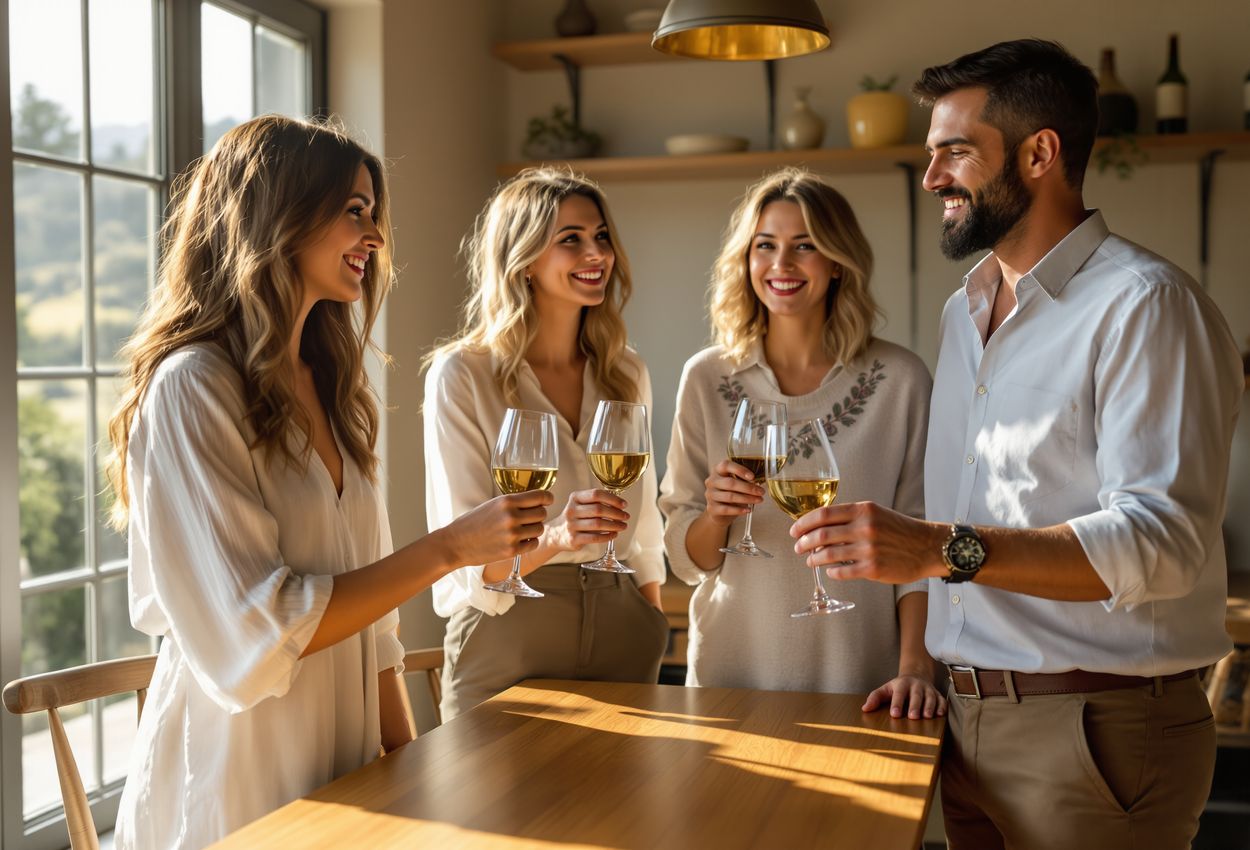
Wine tasting is often a social experience, and being a gracious and considerate guest is essential for creating a positive atmosphere. When tasting in a group, be mindful of your volume and avoid dominating the conversation.
Share your impressions and listen to the perspectives of others. Avoid interrupting or talking over your fellow tasters. Be respectful of differing opinions and taste preferences.
Follow proper etiquette to learn more about wine and avoid embarrassing yourself. Creating a sense of community and camaraderie among wine lovers enhances the overall experience. Remember, wine tasting is about more than just the wine; it's about the shared experience and the connections you make along the way.
Hidden Gem: Some wineries offer group tasting experiences where you can enjoy a guided tasting with a dedicated host. These experiences often include food pairings and special wine selections.