

Best of Rio Private Tour with Photo experience
 Rio de Janeiro, BR
 100% of travellers recommend this










Highlights
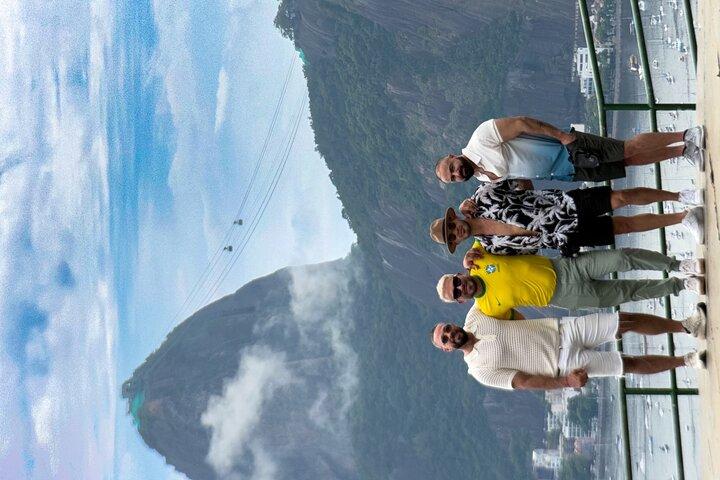
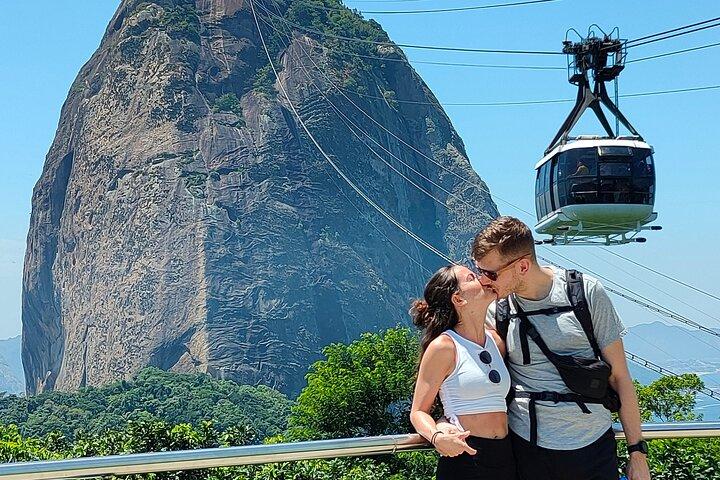
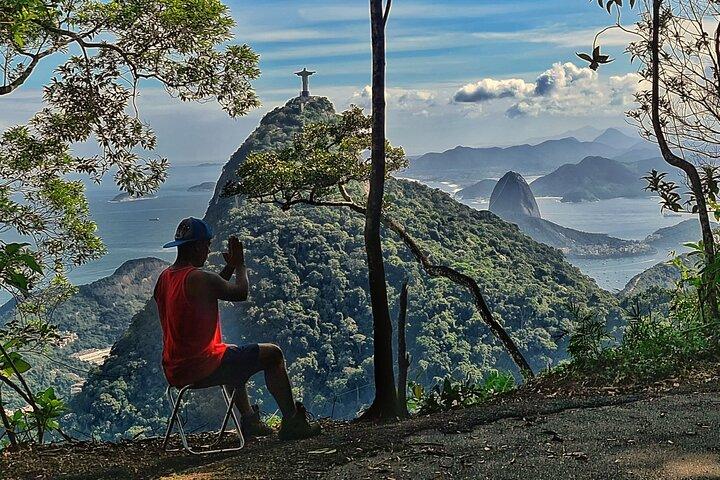
- Spectacular views of Rio's landscapes from Sugarloaf Mountain
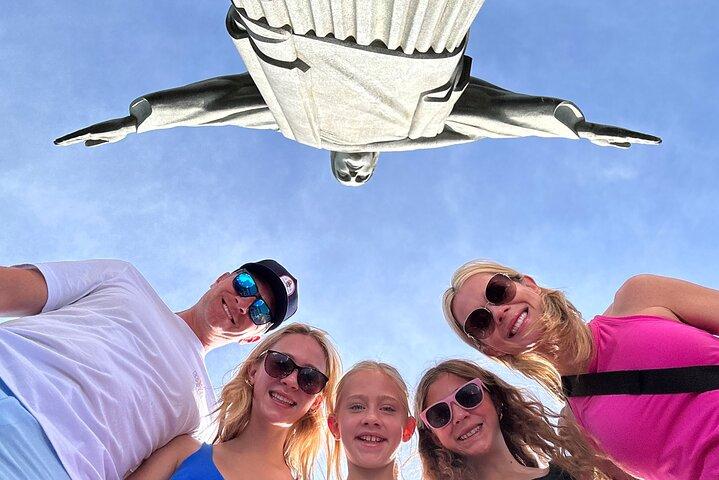
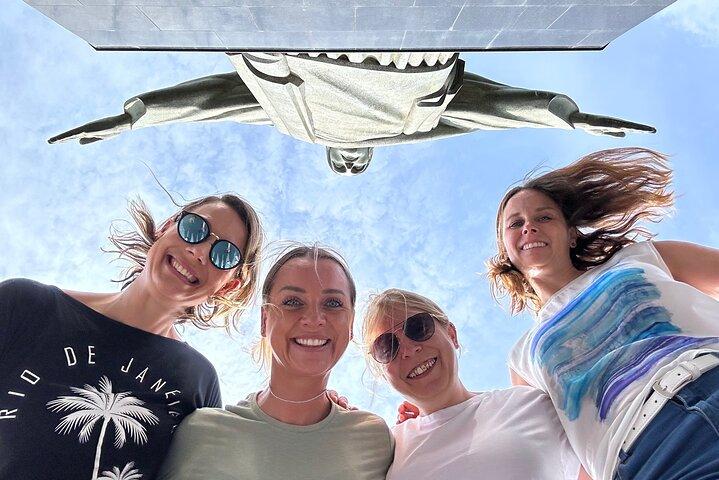
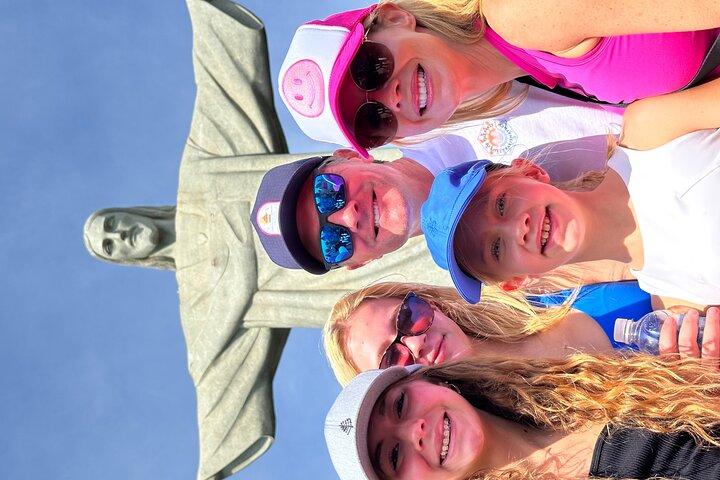
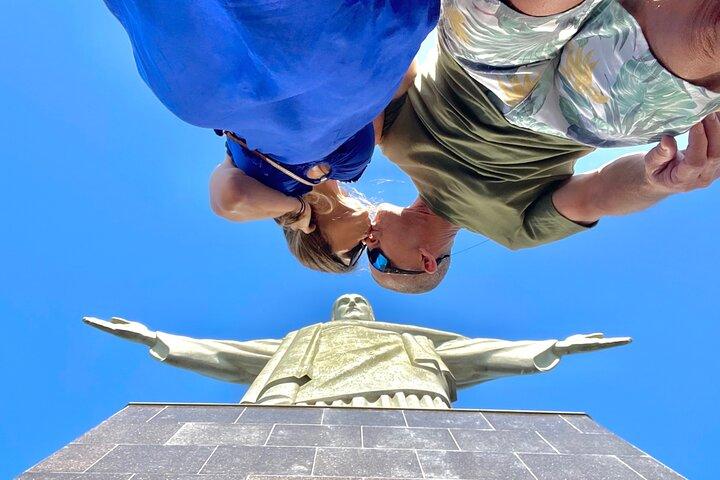
- Seeing the iconic Christ the Redeemer statue up close
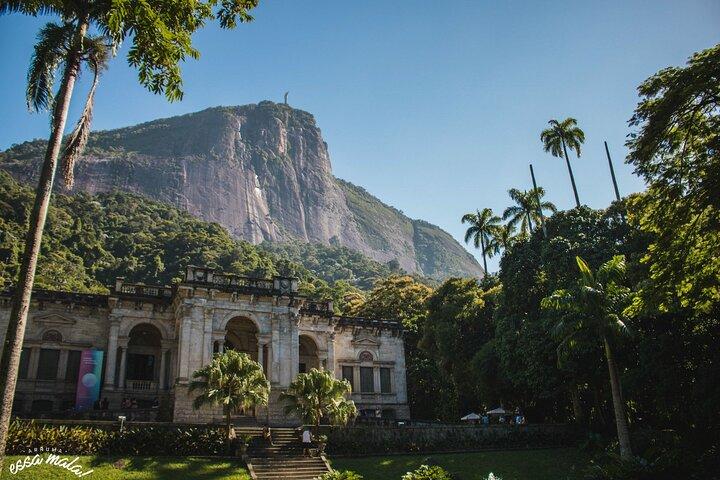
- Exploring the beautiful Parque Lage and Botanical Gardens
- Experiencing the bohemian atmosphere of the Lapa neighborhood
- Visiting the largest street art mural in the world at Olympic Boulevard
-
Duration: 2 to 6 hours
-
Private tour with personal guide
-
Includes hotel pickup and transport
-
Visit Sugarloaf and Christ the Redeemer
-
Customizable itinerary based on interests
Immerse yourself in the vibrant and diverse city of Rio de Janeiro with this private and customized city tour. With an experienced local guide, you'll embark on a 6-hour adventure to see Rio's most important sights. Start by taking the cable car to the top of Sugarloaf Mountain for breathtaking views of the city. Then, journey through the Tijuca Forest to the iconic Christ the Redeemer statue, where you'll witness more spectacular views. Explore the historic Parque Lage and Botanical Gardens, indulge in delicious Brazilian cuisine for lunch, and wander through the famous bohemian Lapa neighborhood to see the Selaron Staircase and the Arches of Lapa. Along the way, you'll walk down the Olympic Boulevard, visit Maua Square, and marvel at the largest street art mural in the world. Don't miss this opportunity to experience the beauty and culture of Rio de Janeiro.
At a Glance
-
 Free cancellation
-
 2 hours
-
 Instant Confirmation
-
 Available in English, Portuguese
-
 Mobile voucher
-
 Private Tour
-
 Guided
-
 Family friendly

Featured Reviews

Explore Rio's iconic sights on a private tour, tailored just for you, with stunning views, local cuisine, and expert guidance to enrich your experience.
Included
-
 Choice of morning or afternoon departure to suit your plans
 -
Fluent English speaking personal guide
-
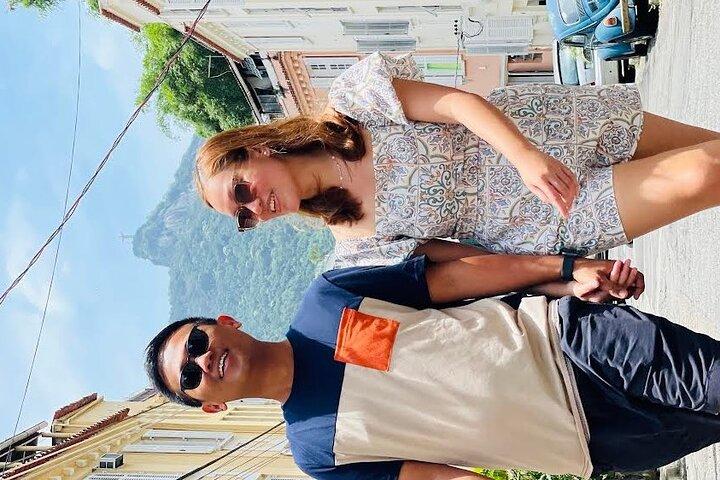
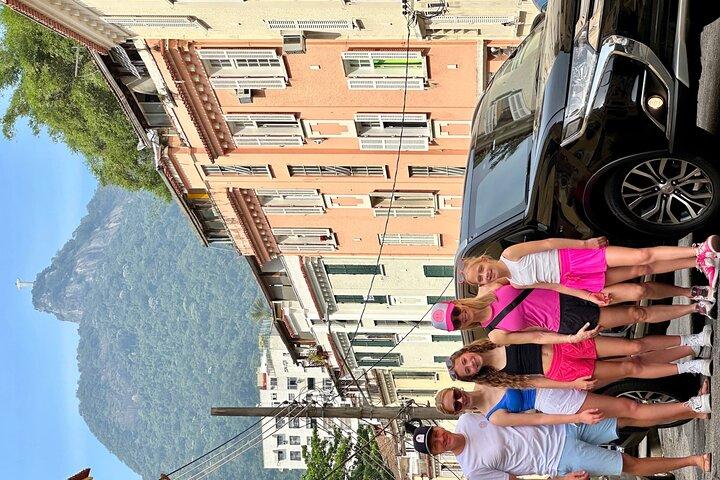
Awe inspiring, professional-quality ''Instagram worthy" photography
-
Visit your choice of Rio attractions: Christ the redeemer, Sugar loaf, selaron steps and more.
-
Tour customized to your specifications
-
Hassle-free hotel pickup and comfortable round-trip private, air conditioned transport
-
For more details and updates, check out our Instagram page @caiolocalguide
Excluded
-
 Tickets of attractions
 -
Lunch
Pickup
Check if pick-up is available from your location, you will select during checkout (providers may allow other pickup locations)

What to expect
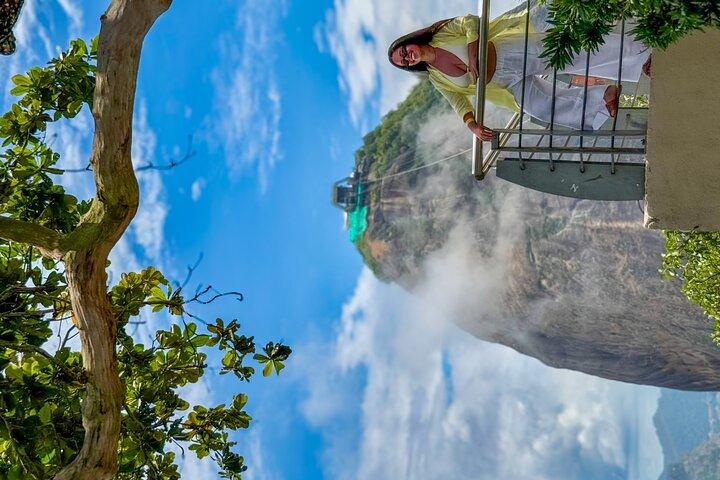
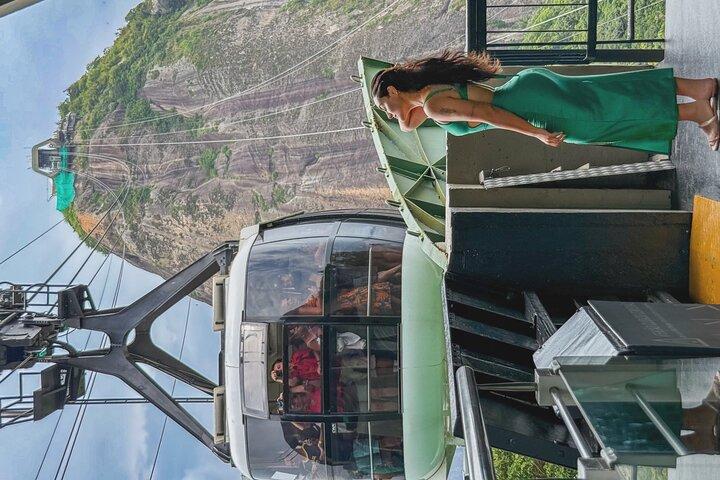
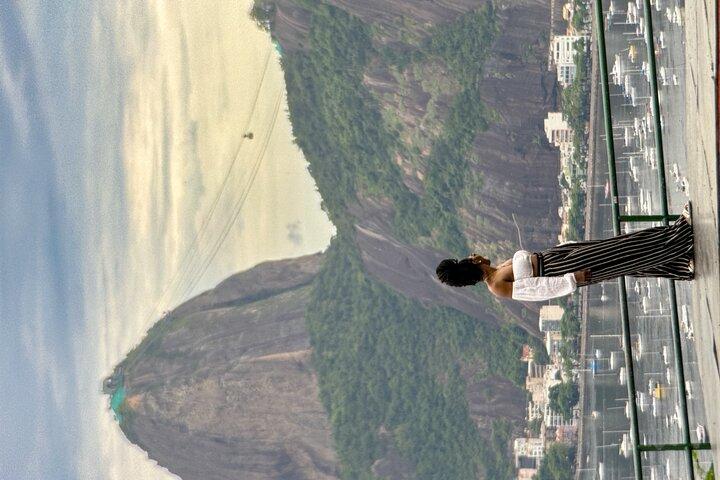
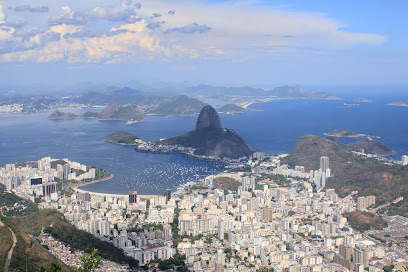
Sugarloaf Mountain
Sugarloaf Mountain is a peak situated in Rio de Janeiro, Brazil, at the mouth of Guanabara Bay on a peninsula that juts out into the Atlantic Ocean. Rising 396 m (1,299 ft) above the harbor, its name is said to refer to its resemblance to the traditional shape of concentrated refined loaf sugar. It is known worldwide for its cableway and panoramic views of the city and beyond
120 minutes
 Admission Not Included
Christ the Redeemer is an Art Deco statue of Jesus Christ in Rio de Janeiro, Brazil, created by French sculptor Paul Landowski and built by Brazilian engineer Heitor da Silva Costa, in collaboration with French engineer Albert Caquot. Romanian sculptor Gheorghe Leonida fashioned the face. Constructed between 1922 and 1931, the statue is 30 metres (98 ft) high, excluding its 8-metre (26 ft) pedestal. The arms stretch 28 metres (92 ft) wide.
120 minutes
Admission Not Included
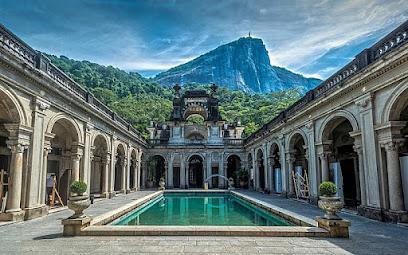
Originating from an old sugar mil, the park makes part of the historic memory of the city. In 1957, it was tumbled by the “Instituto do PatrimônioHistórico e ArtísticoNacional” (IPHAN) like as historical and cultural heritage of the city of Rio de Janeiro. Projected in 1840 by the the English landscaper John Tyndale, the wonderful garden with Romantic and European style share the attention with the native forest of Mata Atlântica. Also highlight imperial palm tree, the rivers and artificial island, a part from caves spread over the park and the inlaid aquarium on the walls with a lot of fishes. So wanted by families, especially on the weekends, Parque Laje have a good structure good structure for the amusement of children with toys and a large outdoor area. Picnic is very common the park.
30 minutes
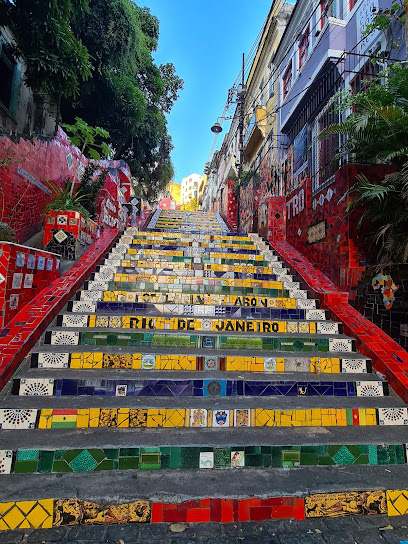
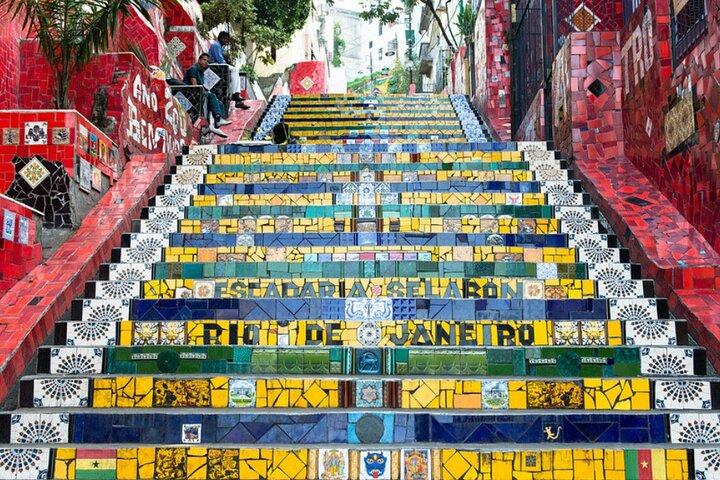
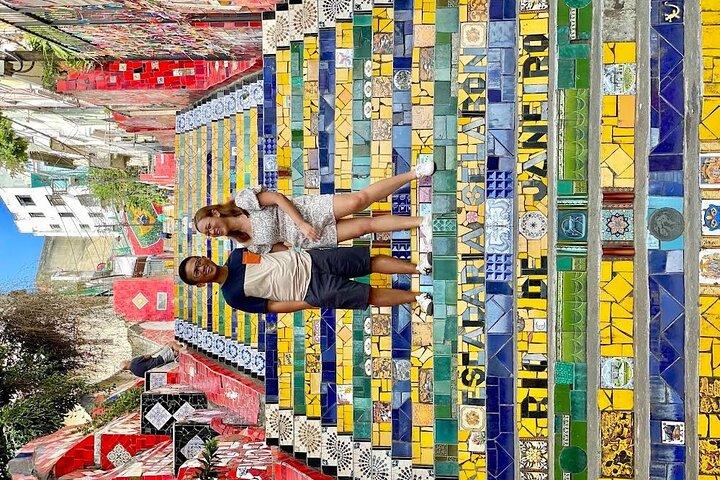
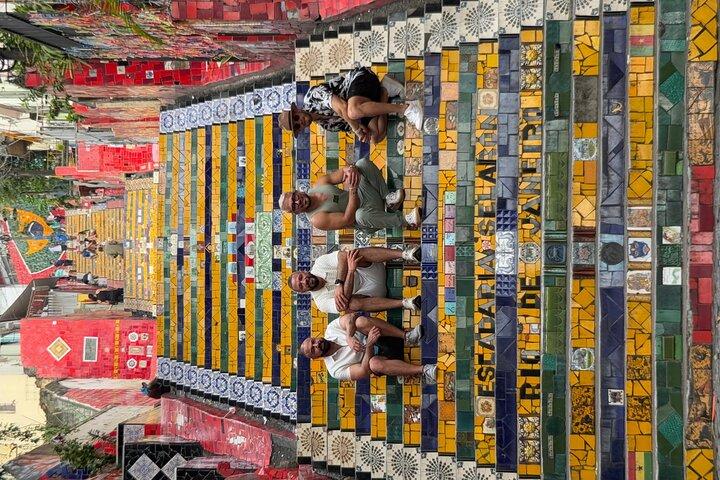
The staircase, which is between Rua Joaquim Silva, in Lapa, and Rua Pinto Martins, in the Santa Teresa neighborhood, is just five minutes from Arcos da Lapa. A work by Chilean artist Jorge Selarón, the staircase brings together several tiles from various parts of Brazil and the world. All colorful, it was the scene of U2 and Snoop Dogg clips, in addition to being a place chosen by locals and thousands of city visitors for photographs.
30 minutes
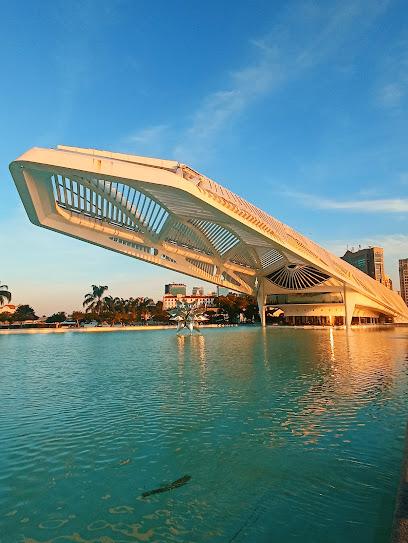
The Port Region experienced its peak and decline in just over a century. From a fishing village to the main port in the country, the area was also the gateway and home for the slaves, giving the region the nickname “Little Africa”, the number of blacks who lived there being such a big one. From 2010, with the beginning of the works of the Porto Maravilha project, which revitalizes the urban area while preserving the history of this region, several historical points were rediscovered. From Jardins do Valongo to Cais da Imperatriz, through modern projects such as the Museum of Art of Rio and the new Museum of Tomorrow, the project developed the tourist and economic potential of the region, forming a legacy for future generations. In this context, we selected some points of tourist interest in the Port Region of Rio de Janeiro, forming a great historical and cultural itinerary of this important region of the city.
40 minutes
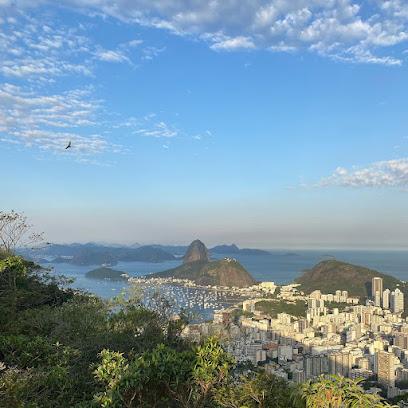
The Mirante Dona Marta literally translates to ‘lookout,’ and visitors to the site will get just that — an incredible view of some of Rio de Janeiro’s best sights, often without the crowds. Standing there one can see the long stretches of lush forest and white sand beach below, and even take in the famous sights of the Christ the Redeemer statue and Sugarloaf Mountain. The area functions as a helipad and observation point, with panoramic views of Guanabara Bay and Copacabana. At 1,200 feet (364 meters) high, it provides excellent sunrise and sunset vistas and photo opportunities of the natural surroundings and the city below. Many who know Rio well cite it as their favorite viewpoint.
60 minutes
Salocin Tour
Rocinha is a favela located in the South Zone of the municipality of Rio de Janeiro, Brazil. It stands out for being the largest favela in the country.
60 minutes
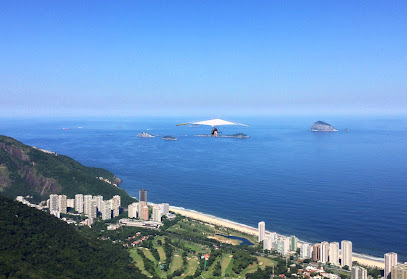
The Pedra Bonita ramp is located within the Tijuca National Park area. Good option to visit.
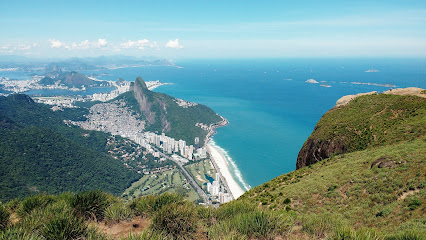
Located in the heart of Rio de Janeiro, with access through the North, South, and West Zones, Tijuca National Park (Parna Tijuca or PNT) protects the largest man-replanted urban forest in the world, spanning 3,953 ha of Atlantic Forest. It is the most visited National Park in Brazil, receiving more than three million visitors per year, including Brazilians and foreigners of all ages.
Cachoeira do Mendanha
Want a great place to cool off in Rio de Janeiro besides the beaches? Know that there are many waterfalls in the city and some are not so well known. This is the case of Serra do Mendanha Waterfall.
In 1990, Jorge Selarón began to renovate some steps of the staircase, which was in a poor state of repair and which passes in front of his house. At first, the neighbors mocked the bizarre color combinations as he mixed the steps with bits of blue, green and yellow tiles, the colors of the Brazilian flag. It started as a hobby for his main passion, painting, but soon became an obsession. Selarón was almost always broke and then sold paintings to finance his venture. It was a long and tiring work, but the artist went on with the work and finally covered the entire set of tiled, ceramic, and mirrored steps.
Ponte Rio–Niteroi
Presidente Costa e Silva Bridge, popularly known as the Rio – Niterói Bridge, is a bridge that crosses Guanabara Bay in the state of Rio de Janeiro, Brazil. It connects the municipalities of Rio de Janeiro and Niterói. Its name is in honor of Arthur da Costa e Silva, president during the military regime in Brazil (1964–1985) who gave the order for the construction of the structure.
Museu de Arte Contemporanea de Niteroi
The Niterói Museum of Contemporary Art (MAC) is a museum of Brazilian contemporary art located in the city of Niterói, Rio de Janeiro, Brazil. The work was inaugurated on September 2, 1996. Designed by architect Oscar Niemeyer, MAC became one of Niterói's postcards. It is mainly intended for works belonging to Brazilian contemporary art from the 1950s until today. The museum has a collection of 1,217 works from the João Sattamini Collection. A collection assembled since the 1950s by collector João Sattamini, constituting the second largest collection of contemporary art in Brazil.
Museu Historico do Exercito e Forte de Copacabana
Copacabana Fort is located at the tip of Copacabana, at the end of the beach and neighborhood of the same name, in the city of Rio de Janeiro.
Forte Duque de Caxias
Fort Duque de Caxias, formerly known as Vigia Fort, Espia Fort and Leme Fort, is located in the Leme district of Rio de Janeiro.
Trilha Pedra do Telegrafo
The Telegraph Stone Trail is one of the most sought-after trails in Rio de Janeiro and is located in the Pedra Branca State Park.
Centro Cultural Banco do Brasil - CCBB Rio de Janeiro
The CCBB is a cultural center that consists of exhibition rooms, three theaters, a library, cinema, and a video room. It is housed in an art deco-style building located in what used to be the financial district of Rio de Janeiro.
Centro Cultural Jerusalem
The cultural center jerusalem is a site that houses the first-century jerusalem model d. C. An incredible place for anyone who wants to learn about the history of Israel and Jewish culture.

Ruins Park is a place full of stories to tell. The place was a house that served as a meeting point during Brazilian modernism, with incredible appearances such as Tarsila do Amaral and Villa Lobos. The ruins blend with a restoration architecture with glass and metal, making the place even more peculiar.
Ruins Park is a place full of stories to tell. The place was a house that served as a meeting point during Brazilian modernism, with incredible appearances such as Tarsila do Amaral and Villa Lobos. The ruins blend with a restoration architecture with glass and metal, making the place even more peculiar.
Originally from an old sugar mill, the park is part of the city's historical memory. In 1957, it was listed by the Institute of National Historical and Artistic Heritage (IPHAN) as the historical and cultural heritage of the city of Rio de Janeiro.
Mercado Municipal RJ- Cadeg
The Rio de Janeiro Municipal Market - CADEG occupies an area of 100,000 m². With 706 stores and rooms, it has several segments of commerce and services with national and imported products, such as cod, cereals, vegetables, fresh fruits, pulp, dairy, beverages, disposables and decoration, standing out as a market reference. wholesaler for food professionals since its inception. In addition, it is known as the largest flower distributor in the state, selling an average of half a million flowers per month. In 2018, CADEG was listed as a Public Official Heritage of Rio de Janeiro.
Copacabana Beach
Famous for its crescent-shaped beach, Copacabana is one of Rio's liveliest neighborhoods. It attracts locals and tourists for uninterrupted activities on its sands and boardwalk. Among the skyscrapers overlooking the beach are the Art Deco-style Copacabana Palace hotel and the lush Copacabana Fort, which houses a military museum. Farther into the neighborhood, laid-back cafes and casual bars fill the quiet streets.
Cidade das Artes
The imposing and modern architectural project of the French Christian Portzamparc, with its concrete sails hoisted between the sea and the mountains of the West Zone of Rio de Janeiro, the Cidade das Artes Bibi Ferreira has become a point of reference in the city for its innovative design and for bringing a region lacking in spaces for quality artistic performances a cultural center that offers, among other facilities, one of the best equipped concert halls in South America.
50 minutes
Admission Not Included
The experience can be subject to change due to bad weather or unforseen circumstances. We always endeavour to give you the best possible experience.
Additional Information
-
 Infants and small children can ride in a pram or stroller
 -
Suitable for all physical fitness levels
What our experts say
-
 Try the feijoada at nearby restaurants.
 -
Visit the Botanical Gardens early for fewer crowds.
-
Capture photos at Selaron Steps during golden hour.
-
Check for local events at Maua Square.
-
Bring water and sunscreen for outdoor activities.

More About this Experience
Introduction
Indulge in a private and customized city tour of Rio de Janeiro, where you can discover the vibrant soul of this breathtaking city. With an experienced local guide by your side, this 6-hour tour promises to be an unforgettable experience. Get ready to immerse yourself in the awe-inspiring sights and sounds of Rio as you uncover its fascinating history and culture.What to Expect?
During this tour, you can expect to embark on a journey that will captivate your senses. From taking a cable car to the top of Sugarloaf Mountain to witnessing the iconic Christ the Redeemer statue, your eyes will feast on panoramic views of Rio's landscapes throughout the day. You'll also visit the historic Parque Lage and Botanical Gardens, where the beauty of Corcovado Mountain surrounds you. Along the way, indulge in delicious Brazilian cuisine for lunch and relax in the famous bohemian Lapa neighborhood, where you'll catch a glimpse of the


This is a popular product and the date you are looking for just sold out. Next available date is
