Solo Cultural and Culinary Exploration in Kyoto
Day 9: A Day of Ancient Echoes and Culinary Delights in Kyoto
Exploring Kyoto's oldest Zen temple, marveling at a thousand Kannon statues, and indulging in exquisite Kobe beef. A day of cultural immersion.

Whispers of the Past, Tastes of Today
Today in Kyoto felt like stepping through a series of portals, each one revealing a different facet of this city's rich tapestry. From the hushed reverence of ancient temples to the vibrant flavors of modern cuisine, it was a day that engaged all my senses. The crisp February air, though carrying a winter's bite, was filled with the promise of spring, a subtle reminder that even in stillness, life continues to unfold.
My day began with a hearty breakfast at French Dining Top of Kyoto within the hotel. Usually, I would prefer a traditional Japanese breakfast, but I decided to try something different and was pleasantly surprised. The pastries were flaky and buttery, and the coffee was strong – just what I needed to fuel a day of exploration. After breakfast, I set out to explore the temples, starting with Kenninji.
Kenninji Temple, the oldest Zen temple in Kyoto, was my first stop. Founded in 1202 by Eisai, the monk who introduced Zen Buddhism and tea to Japan, Kenninji exudes a sense of history and tranquility. As I walked through the main gate, I felt a palpable shift in the atmosphere, a quietude that seemed to seep into my very bones. The temple grounds are a sprawling complex of halls, gates, and gardens, each offering a glimpse into the past. I wandered through the meticulously raked gravel gardens, imagining the monks who had walked these paths centuries before. The moss garden was particularly enchanting, a carpet of green that seemed to absorb all sound. Inside the Dharma Hall, I gazed up at the famous Twin Dragons ceiling painting, a massive mural created to commemorate the temple's 800th anniversary. The sheer scale and artistry of the work were breathtaking, the dragons seeming to writhe and coil above me. It's fascinating to think that Kenninji, in its early years, wasn't strictly Zen; it combined Zen, Tendai, and Shingon practices before becoming purely Zen under the eleventh abbot. I could have easily spent hours lost in contemplation within those walls. I made sure to take some time to sit and meditate, focusing on my breath and letting the serenity of the temple wash over me.
The beauty of Kyoto lies not just in its iconic landmarks, but in the subtle details that reveal themselves to those who take the time to look.
Next on my list was Sanjūsangendō Temple, a name that translates to Hall with thirty-three spaces between columns. This temple is renowned for its 1001 statues of Kannon, the goddess of mercy. Photography is forbidden inside, so I was unable to capture the awe-inspiring sight, but the memory is etched in my mind. The main hall, stretching 120 meters, is Japan's longest wooden structure. In the center sits a large, wooden statue of a 1000-armed Kannon, flanked by 500 statues on each side, arranged in ten rows. Each statue is made of Japanese cypress and covered in gold leaf. The effect is overwhelming, a sea of serene faces and outstretched arms. It's said that the 1000 arms are meant to help fight the suffering of humans, and the 11 heads allow Kannon to better witness that suffering. I found myself reflecting on the universality of suffering and the human desire for compassion. There was an event today, the International Students' Day at the Kyoto National Museum. I didn't attend, but it's wonderful to see efforts to encourage international students to deepen their understanding of Japanese culture.
My final temple visit of the day was to Higashiyama Jisho-ji, also known as Ginkaku-ji or the Silver Pavilion. While it's called the Silver Pavilion, it was never actually covered in silver. Shogun Ashikaga Yoshimasa built it as a retirement villa in the 15th century, intending it to mirror his grandfather's Golden Pavilion (Kinkaku-ji). After his death, it became a Zen temple. The understated elegance of Ginkaku-ji is a prime example of the wabi-sabi aesthetic – finding beauty in imperfection. The meticulously maintained moss garden and the Sea of Silver Sand dry sand garden were particularly striking. It was fascinating to learn that Ginkaku-ji was once the center of Higashiyama culture, influencing everything from tea ceremonies to poetry and Noh theater. I spent some time wandering along the Philosopher's Path near Ginkaku-ji, a route favored by the philosopher Nishida Kitaro. The path follows a canal and is lined with cherry trees, which I imagine would be stunning in the spring. Even in February, the quiet beauty of the path was a welcome respite.
After a day of temple hopping, my stomach was rumbling. For lunch, I had made a reservation at Kobe Beef Steak Restaurant MOURIYA GION. As a chef myself, I was eager to experience the famed Kobe beef. The restaurant was elegant, with a modern design that still managed to feel warm and inviting. I opted for a tasting menu that featured both Kobe sirloin and Kobe filet. The chef prepared the beef teppanyaki-style right in front of me, grilling it to a perfect medium-rare. Each bite was an explosion of flavor, the beef melting in my mouth. It was truly an exceptional culinary experience, and I could understand why Kobe beef is so highly regarded. I savored every moment, appreciating the skill and artistry that went into preparing such a meal. The restaurant served beef from Tajima cattle raised in a pristine environment. I started with a white bean soup, followed by sashimi and a salad before the main course. The chef cooked garlic chips and vegetables like zucchini and asparagus to accompany the beef. I ordered garlic fried rice, which had more toppings than the one I had in Kobe before.
Before dinner, I decided to check out the Kyoto Station ASTY Kyoto Kyoani Goods Store. As a fan of Japanese animation, I was curious to see what they had to offer. The store was filled with merchandise from various Kyoto Animation series, including *Sound! Euphonium* and *Violet Evergarden*. I picked up a few small souvenirs for Arjun, knowing he would appreciate them. It's interesting to note that this store was originally planned as a pop-up shop, but its popularity led to an extension.
For dinner, I chose Gion Mikaku, a wagyu specialty restaurant along the Shirakawa River. The restaurant has been around since 1927 and exclusively serves unbred Tajima female cattle. The ambiance was sophisticated, with counter seats offering a view of the chef's skills and private rooms for a more relaxed experience. I opted for the teppanyaki sukiyaki, a unique dish that combined the flavors of sukiyaki with the grilling style of teppanyaki. It was a delightful combination, and the wagyu beef was incredibly tender and flavorful. Gion Mikaku is one of the most reserved restaurants in Kyoto, and it was easy to see why. The food, service, and atmosphere were all top-notch. The restaurant is known for grilling the steak to perfection and using a hot griddle for searing. I relaxed and enjoyed the seasonal views of Shirakawa.
As I walked back to The Royal Park Hotel Iconic Kyoto, I reflected on the day. I'm staying here because of its proximity to cultural landmarks and the promise of traditional Japanese hospitality. It had been a whirlwind tour of temples, gardens, and culinary delights. Kyoto had revealed itself to me in layers, each more captivating than the last. Tomorrow, I plan to venture to Uji to see Byodoin Temple and Uji Park, but tonight, I'll rest and dream of golden dragons, compassionate goddesses, and meltingly tender beef. I might even have a nightcap at Bar Dram.
The February weather in Kyoto is mostly dry with low rainfall, and the temperature ranges from 2 to 10°C (36 to 50°F). I was glad I packed warm clothing, including a winter coat, sweater, and comfortable shoes. I also brought an umbrella, just in case, but thankfully, I didn't need it today.
Tomorrow, I'm planning a trip to Uji, a city south of Kyoto, to explore Byodoin Temple, Uji Park, and Ujigami Jinja. I'm looking forward to seeing more of the region and experiencing its unique culture and history. I'll start my day with breakfast at ryu no hige, followed by lunch at Fujiya and dinner at Chihana. I'm also hoping to visit Bar Dram for a nightcap.
Tonight, I am filled with gratitude for the experiences of the day and excitement for what tomorrow holds. Kyoto is a city that nourishes the soul, and I am eager to continue exploring its hidden corners and savoring its many flavors. Perhaps Anjali would enjoy this trip as well. I should bring her next time. As I drifted off to sleep, I felt a deep sense of peace and contentment, knowing that I was exactly where I was meant to be.

Discover the exquisite flavors of French cuisine at French Dining Top of Kyoto – where culinary artistry meets stunning views.
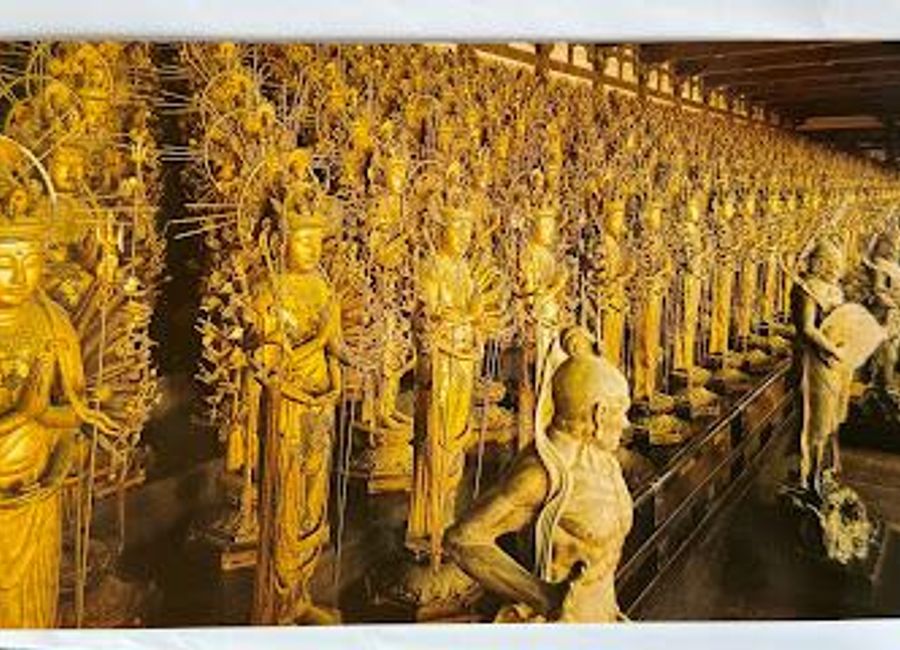
Explore the serene Sanjūsangendō Temple, home to 1001 captivating Kannon statues and a peaceful retreat in the heart of Kyoto.
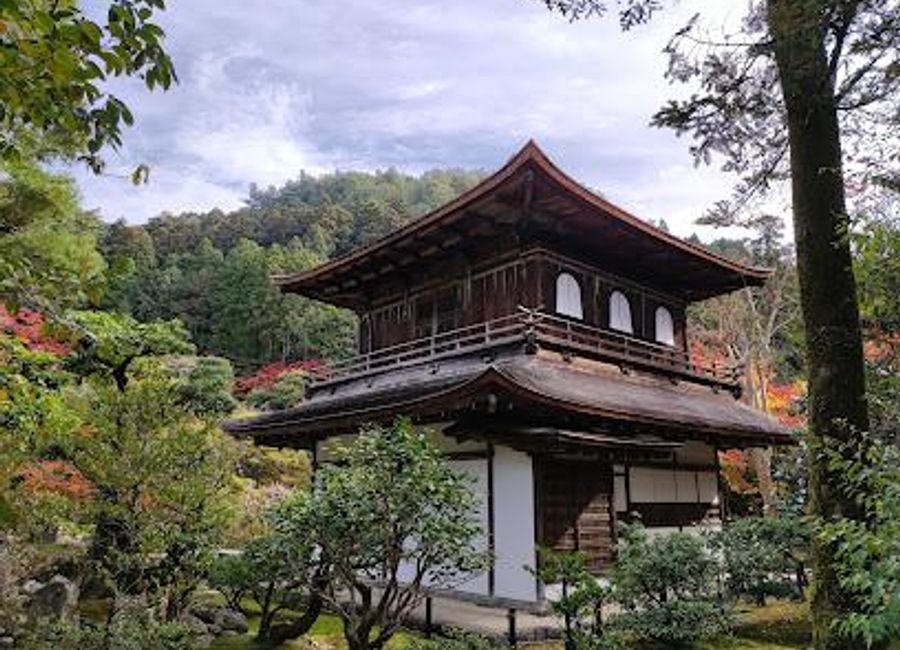
Explore the serene beauty of Higashiyama Jisho-ji, a tranquil Buddhist temple in Kyoto, known for its stunning gardens and rich cultural heritage.
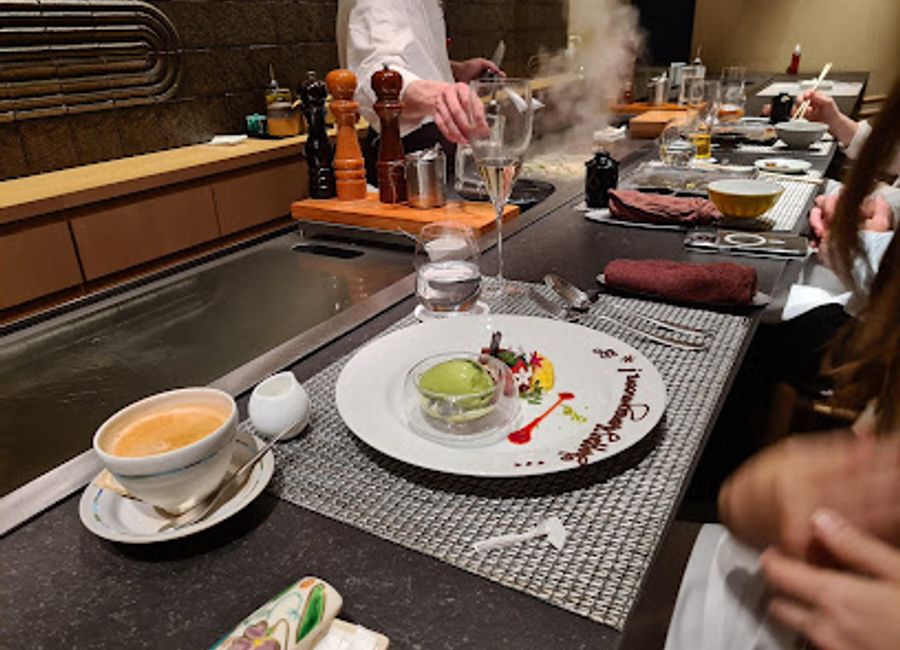
Experience unparalleled flavors at Kobe Beef Steak Restaurant MOURIYA GION in Kyoto - a must-visit for steak lovers seeking authenticity.

Explore Kyoto Station ASTY Kyoto Kyoani Goods Store for exclusive anime merchandise and a taste of Japan's vibrant pop culture.

Discover Gion Mikaku, where exceptional steak meets authentic Japanese culture in Kyoto's enchanting Gion district.
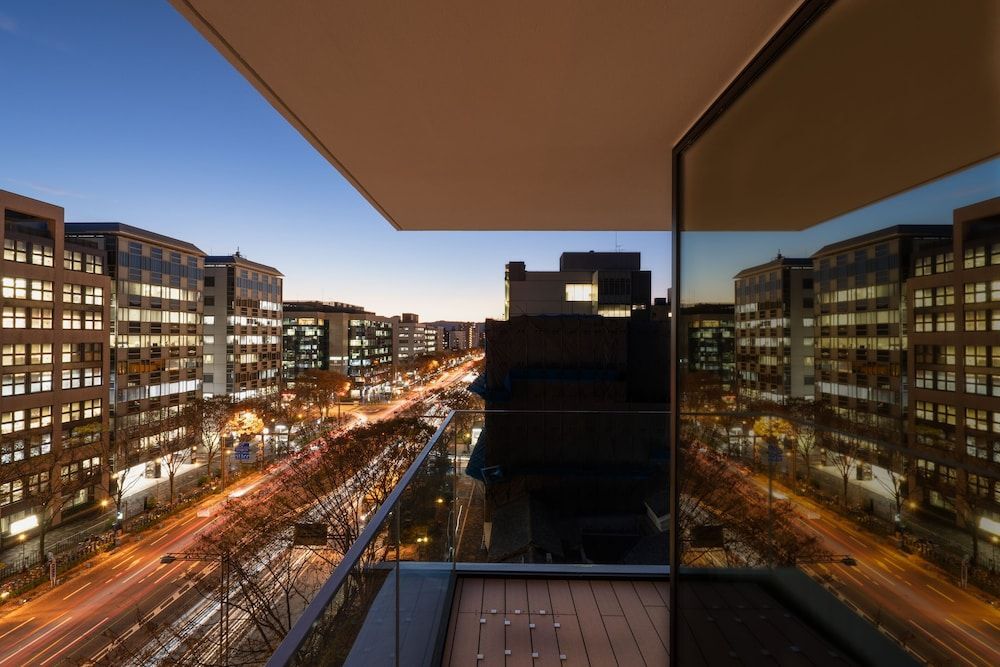
Experience the perfect blend of modern comfort and traditional charm at The Royal Park Hotel Iconic Kyoto, your ideal base for exploring this historic city.


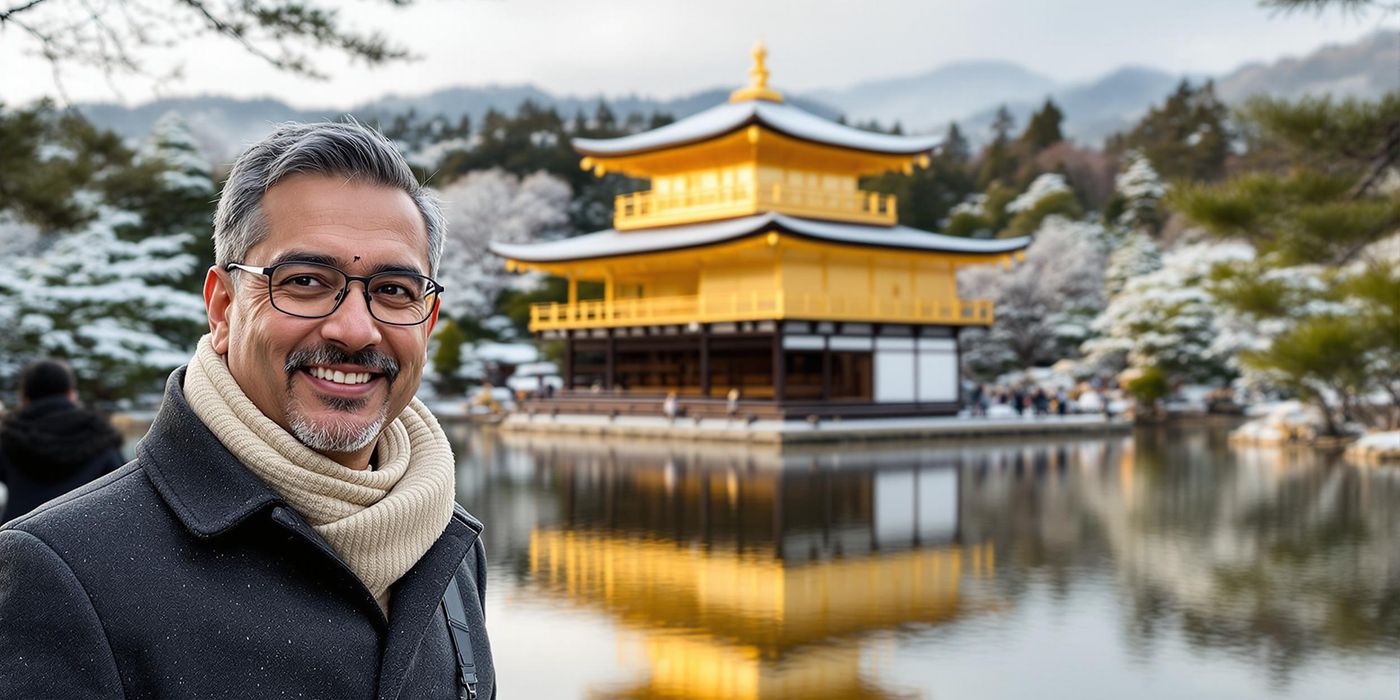
Embark on a solo journey to Kyoto, exploring its rich history, stunning temples, and enticing cuisine while staying in the heart of the city.
Meet this Featured Explorer

-
 Occupation:
Chef specializing in Nepali cuisine at a local restaurant
Occupation:
Chef specializing in Nepali cuisine at a local restaurant
-
 Country:
Germany
Country:
Germany
-
 Age:
52
Age:
52
Namaste! I'm Rama Thapa, a Nepali chef living in Leipzig, Germany. I've called Germany my home for over 25 years, but my heart remains in the Himalayas. Through my blog, I share my passion for travel, food, and Nepali culture. Join me as I explore the world, one delicious dish and breathtaking view at a time. Whether you're planning a trip to Nepal, seeking authentic Nepali flavors in Germany, or simply love to travel, I hope my stories inspire you to embark on your own adventures.
- Nepali history and culture
- International cuisine
- Photography
- Hiking in the Alps
- Learning new languages
Find Similar Travel Diaries
Explore locations from this diary
-
The Royal Park Hotel Iconic Kyoto
Experience the perfect blend of modern comfort and traditional charm at The Royal Park Hotel Iconic Kyoto, your ideal base for exploring this historic city.
-
Kodaiji Temple
Explore the tranquil beauty of Kodaiji Temple, a historical Buddhist temple in Kyoto, showcasing stunning gardens and rich cultural heritage.
-
Sanjūsangendō Temple
Explore the serene Sanjūsangendō Temple, home to 1001 captivating Kannon statues and a peaceful retreat in the heart of Kyoto.
-
Higashiyama Jisho-ji
Explore the serene beauty of Higashiyama Jisho-ji, a tranquil Buddhist temple in Kyoto, known for its stunning gardens and rich cultural heritage.
-
French Dining Top of Kyoto
Discover the exquisite flavors of French cuisine at French Dining Top of Kyoto – where culinary artistry meets stunning views.
-
Kobe Beef Steak Restaurant MOURIYA GION
Experience unparalleled flavors at Kobe Beef Steak Restaurant MOURIYA GION in Kyoto - a must-visit for steak lovers seeking authenticity.
-
Gion Mikaku
Discover Gion Mikaku, where exceptional steak meets authentic Japanese culture in Kyoto's enchanting Gion district.
-
Kyoto Station ASTY Kyoto Kyoani Goods Store
Explore Kyoto Station ASTY Kyoto Kyoani Goods Store for exclusive anime merchandise and a taste of Japan's vibrant pop culture.