Green Mosque, Balkh Travel Guide
Discover the Green Mosque in Balkh, a 15th-century Timurid masterpiece with stunning turquoise tiles and the shrine of Khawaja Abu Nasr Parsa.
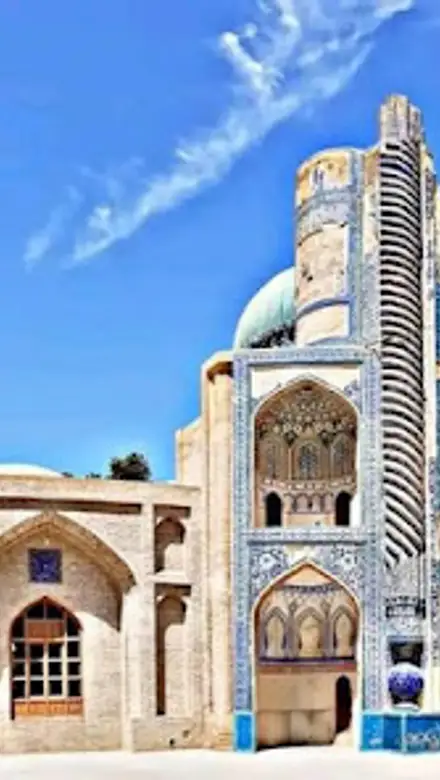
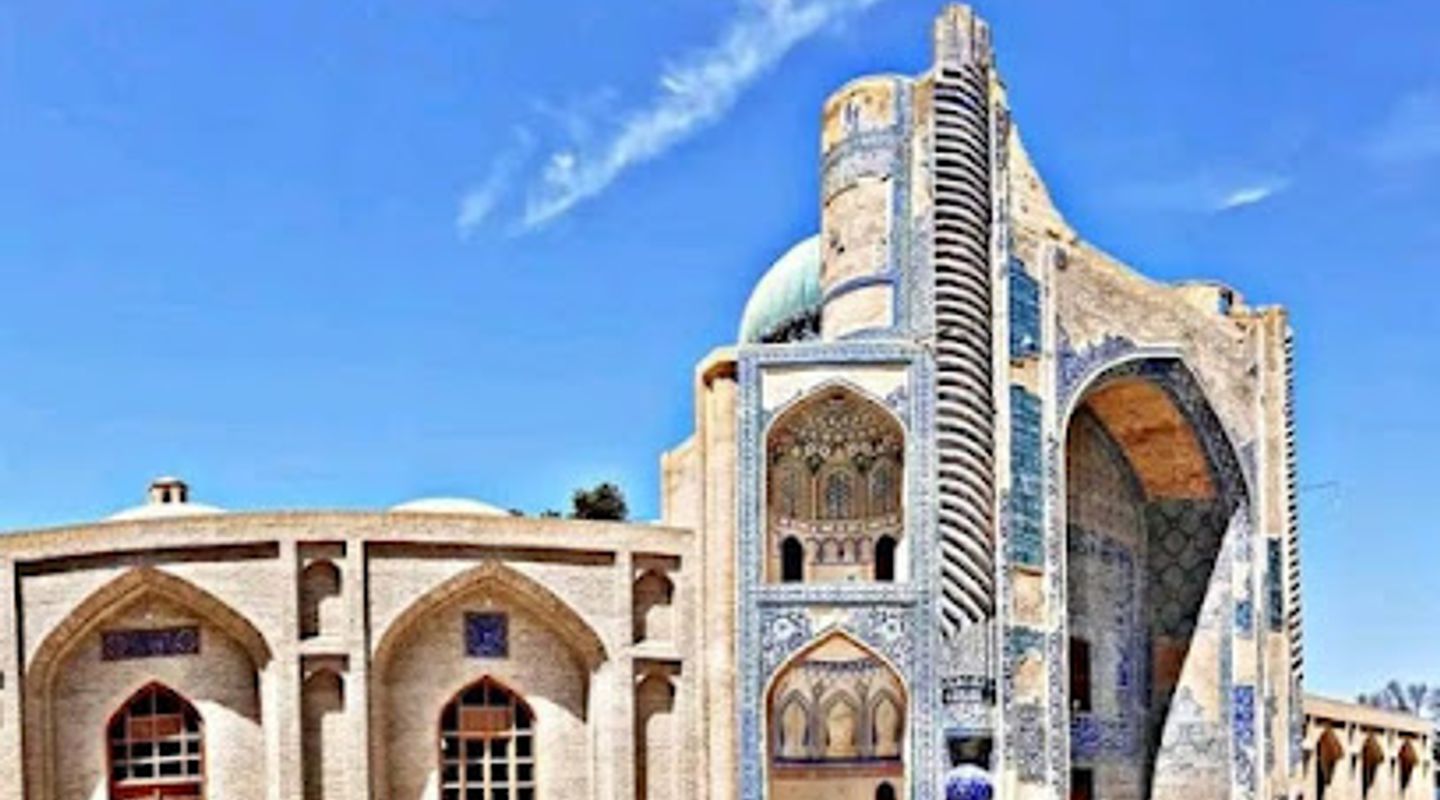
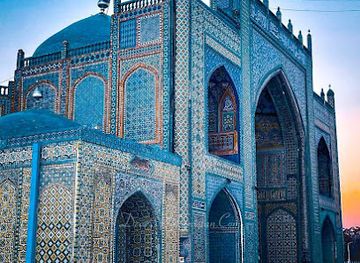
The Green Mosque, or Masjid Sabz, in Balkh, Afghanistan, is a stunning example of Timurid architecture dating back to the 15th century [4, 6]. Known for its turquoise tiles and intricate designs, it houses the shrine of Khawaja Abu Nasr Parsa, a revered Sufi saint [6, 10]. Despite damage from war and explosions, it remains a significant cultural and spiritual site [6].
A brief summary to Green Mosque
- QV5W+3QH, Balkh, AF

Know before you go
Hi, I'm Eve. Here are a few practical things to know before exploring Green Mosque.
- Dress modestly to respect local customs when visiting the mosque [7, 9].
- Visit during early morning or late afternoon for a quieter experience and optimal lighting for photography [7, 9].
- Take time to explore the gardens surrounding the mosque for a tranquil experience [9].
- Engage with locals to learn more about the history and spiritual significance of the mosque [21].
Do you manage this location?
Take control to get all the benefits, like improved information, better appearance, and stronger visibility across AI-powered discovery. Learn more about listing your business on Evendo
Activate your presenceOther nearby places you may find interesting
The closest places of the same kind, if this one is not quite what you had in mind.

Explore Green Mosque on the Map
A handpicked selection of must-see spots near Green Mosque, mapped for you.
Getting There
-
Walking
If you're already in Balkh, the Green Mosque is located in the city center within a park [5]. From the main square, head northeast, following the main road until you reach Route 5 [7]. Turn left and continue for about 1 km; the mosque will be on your right [7]. Ensure you have a map or ask locals for directions [7].
-
Public Transport
To reach the Green Mosque via public transport from Mazar-i-Sharif, take a shared taxi heading towards Balkh [5, 7]. Inform the driver you're going to the Green Mosque [7]. The fare is approximately 50 Afghanis [5, 7]. Once in Balkh, a local taxi to the mosque should cost around 30 Afghanis [7]. The mosque is a well-known landmark, and most locals can guide you [7].
-
Taxi
Taxis are readily available in Balkh. A short taxi ride within the city to the Green Mosque should cost approximately $1 to $3 (70-210 AFN) [12]. Negotiate the fare before starting your journey. From Mazar-i-Sharif to the Green Mosque in Balkh via taxi will cost more [5].
Discover more about Green Mosque













Your all‑in‑one travel companion app
Explore expert travel guides, compare and book tours, experiences, hotels, and more—all from the palm of your hand. Download now for seamless trip planning wherever your wanderlust takes you.


Explore More of Balkh
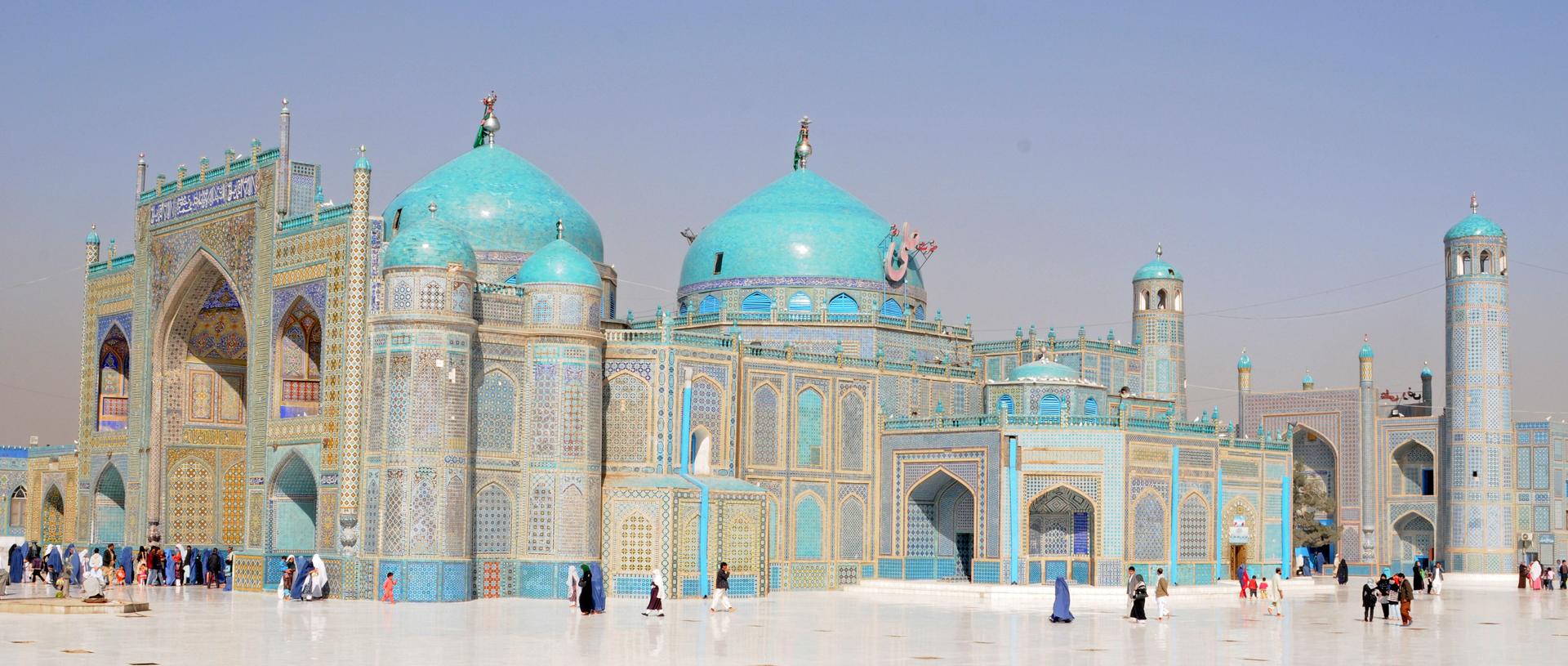
Looking beyond Green Mosque? Discover Balkh for broader travel guides, local hot-spots, and regional highlights.
Explore Balkh
Discover tranquility in Mazar-i-Sharif at Kamgar Garden, a serene escape offering lush greenery and a glimpse into Afghan culture and community.

Visit the Tomb of Rabia Balkhi in Balkh, Afghanistan, and honor the legacy of a pioneering Persian poetess and her timeless verses of love and courage.