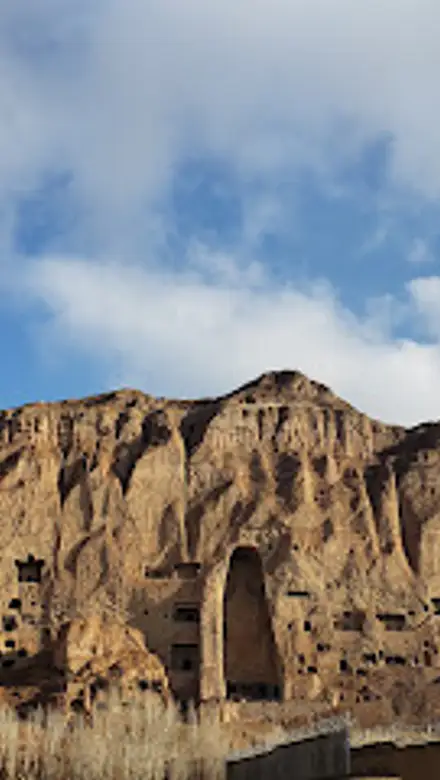
Shamama Buddha Statue, Bamyan Travel Guide
Explore the remnants of the Shamama Buddha, a UNESCO World Heritage Site, and discover the rich Buddhist history of Afghanistan's Bamyan Valley.
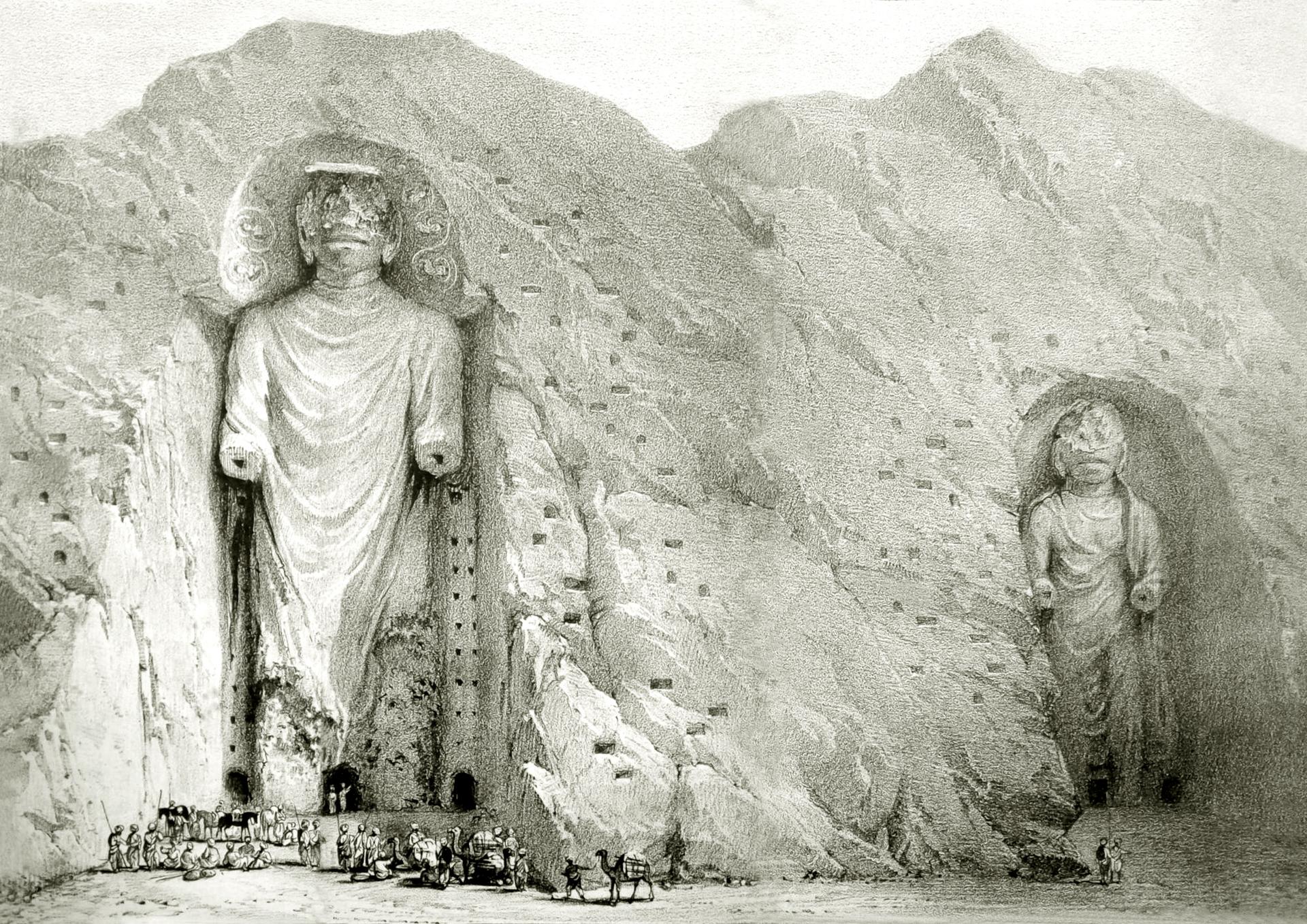
The Shamama Buddha, once a towering 38-meter statue, was one of the two famed Buddhas of Bamiyan, carved into the cliffs of the Bamyan Valley in the 6th century [4, 9, 17]. Though destroyed in 2001, the site remains a poignant reminder of the region's rich Buddhist past and its role as a crossroads of cultures along the Silk Road [4].
A brief summary to Shamama Buddha Statue
- RRJG+JJ4, Bamyan, AF

Know before you go
Hi, I'm Eve. Here are a few practical things to know before exploring Shamama Buddha Statue.
- Wear sturdy shoes for exploring the caves and climbing around the site [4].
- Bring water and snacks, as there are limited facilities for tourists [4].
- Respect local customs and dress modestly [4].
- Hire a local guide to learn more about the history and significance of the site [4].
Do you manage this location?
Take control to get all the benefits, like improved information, better appearance, and stronger visibility across AI-powered discovery. Learn more about listing your business on Evendo
Activate your presenceOther nearby places you may find interesting
The closest places of the same kind, if this one is not quite what you had in mind.
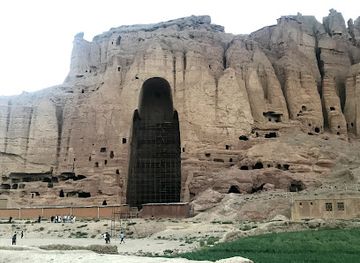

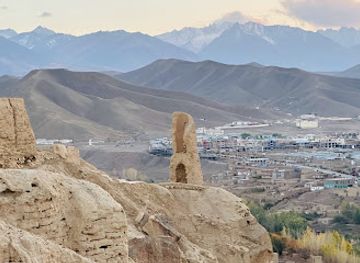
Explore Shamama Buddha Statue on the Map
A handpicked selection of must-see spots near Shamama Buddha Statue, mapped for you.
Getting There
-
Walking
From the center of Bamyan city, the Shamama Buddha site is reachable on foot [4]. Head north from the main bazaar, following the road that leads towards the cliff face [4]. The site is well-known, so asking locals for directions can be helpful [4]. The walk takes approximately 30-45 minutes [4]. The path is relatively flat but can be dusty [4].
-
Taxi
Taxis are readily available in Bamyan city center [4, 5]. Negotiate the fare before starting your journey [4]. A typical one-way taxi ride from the city center to the Shamama Buddha site should cost approximately 200-400 Afghanis [4]. The ride is short, about 10-15 minutes, depending on traffic [4]. The taxi will drop you off near the base of the cliffs, from where you can walk to the statue remains [4].
Discover more about Shamama Buddha Statue













Your all‑in‑one travel companion app
Explore expert travel guides, compare and book tours, experiences, hotels, and more—all from the palm of your hand. Download now for seamless trip planning wherever your wanderlust takes you.


Explore More of Bamyan
Looking beyond Shamama Buddha Statue? Discover Bamyan for broader travel guides, local hot-spots, and regional highlights.
Explore Bamyan
Discover the majestic Koh-e Awpar, a stunning Afghan peak offering breathtaking landscapes and a rich cultural experience in the heart of the Hindu Kush.
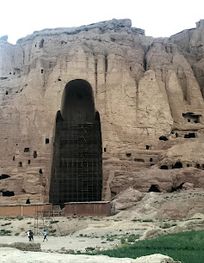
Visit the UNESCO World Heritage site of Bamyan Valley, home to the poignant remains of the colossal Buddhas, destroyed in 2001, and explore the ancient caves.