

Koh-e Awpar, Paropamisadae Travel Guide
Scale the heights of Koh-e Awpar in Afghanistan's Bamyan Province for stunning views and a challenging mountaineering experience in the Hindu Kush.
Koh-e Awpar, a prominent peak in Afghanistan's Bamyan Province, offers a challenging yet rewarding experience for hikers and mountaineers. Part of the Hindu Kush range, it presents breathtaking panoramic views and a glimpse into the country's rugged beauty.
A brief summary to Koh-e Awpar
- AF

Know before you go
Hi, I'm Eve. Here are a few practical things to know before exploring Koh-e Awpar.
- Engage a local guide for invaluable insights into safe routes, weather nuances, and cultural understanding.
- Ensure you're physically fit and properly equipped to handle the unpredictable mountain conditions.
- Dress modestly and seek permission before taking photographs to respect local customs.
Do you manage this location?
Take control to get all the benefits, like improved information, better appearance, and stronger visibility across AI-powered discovery. Learn more about listing your business on Evendo
Activate your presenceOther nearby places you may find interesting
The closest places of the same kind, if this one is not quite what you had in mind.

Explore Koh-e Awpar on the Map
A handpicked selection of must-see spots near Koh-e Awpar, mapped for you.
Getting There
-
Public Transportation
To get to Koh-e Awpar via public transportation, start at the main bus station in Paropamisadae [2]. Look for a shared taxi or minibus heading to Yakawlang [2]. The fare is usually around 200 AFN (Afghan Afghani) per person [2]. The journey takes about 1 to 1.5 hours [2]. Once in Yakawlang, you can either hire a local taxi to take you to the base of Koh-e Awpar for around 500 AFN or walk the remaining 20 km [2]. If you choose to walk, be prepared for a long trek, which will take several hours [2]. Local guides are available in Yakawlang if you want more assistance [2].
-
Car
To reach Koh-e Awpar by car, start from the main town center of Paropamisadae [2]. Head southeast on the main road, following signs toward the direction of Bamyan [2]. After approximately 30 km, you will reach the small town of Yakawlang [2]. Here, make a stop to refuel and gather supplies if needed [2]. From Yakawlang, continue southeast for about 20 km until you reach the base of Koh-e Awpar [2]. There is no formal parking area, so you may need to park along the roadside [2]. From here, you can begin your hike towards the peak [2].
Discover more about Koh-e Awpar













Your all‑in‑one travel companion app
Explore expert travel guides, compare and book tours, experiences, hotels, and more—all from the palm of your hand. Download now for seamless trip planning wherever your wanderlust takes you.


Explore More of Paropamisadae
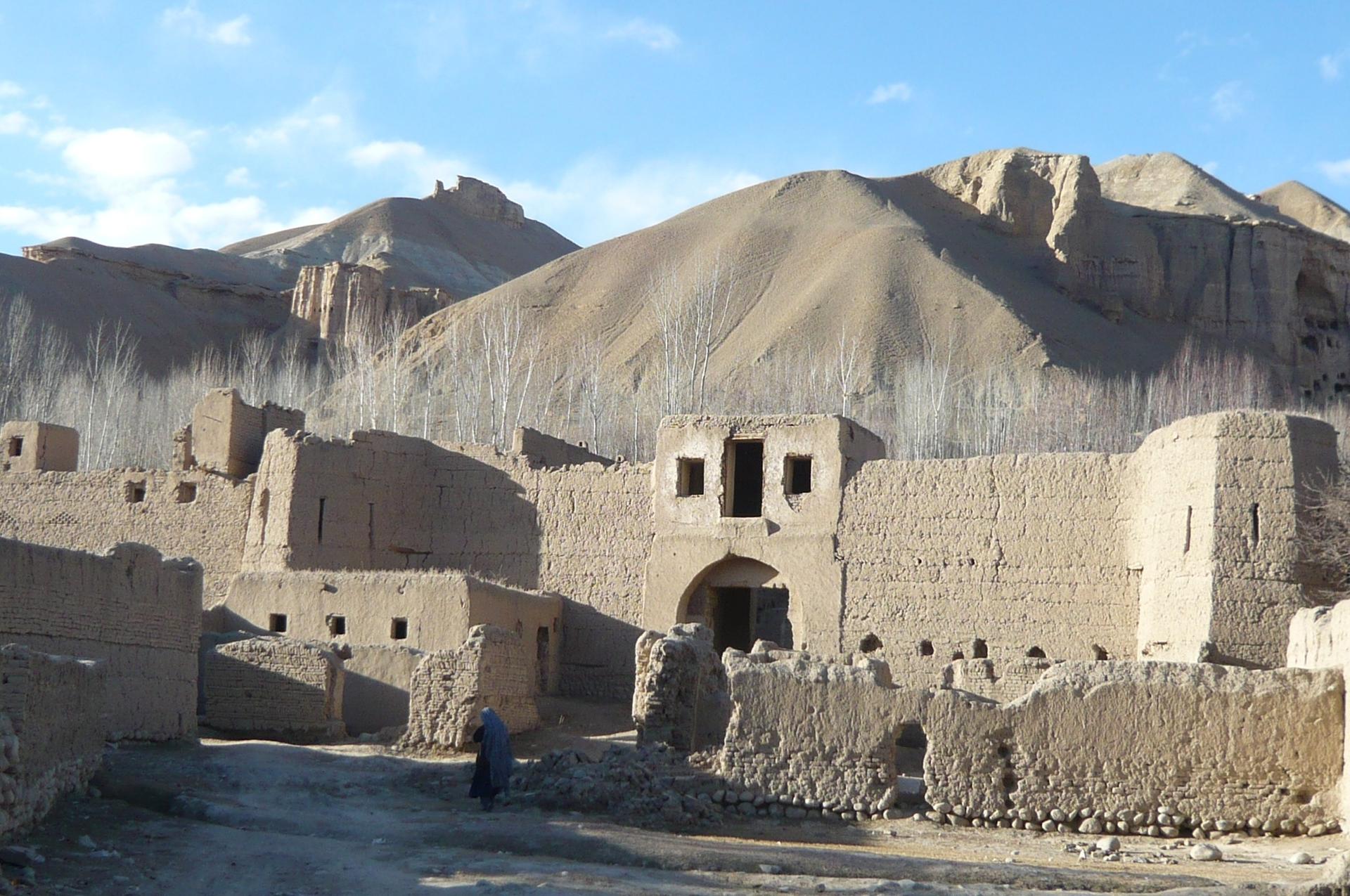
Looking beyond Koh-e Awpar? Discover Paropamisadae for broader travel guides, local hot-spots, and regional highlights.
Explore Paropamisadae
Discover the beauty and culture of Afghanistan at Pawaz Paein in Shaikh Ali, a serene escape with stunning landscapes and rich traditions.

Explore the remains of the monumental Bamiyan Buddhas, a UNESCO World Heritage Site and a poignant reminder of Afghanistan's Silk Road history.
