Dragon Valley, Drangiana Travel Guide
Explore the mythical Dragon Valley in Bamyan, Afghanistan: a geological wonder steeped in legend, offering stunning landscapes and cultural heritage.
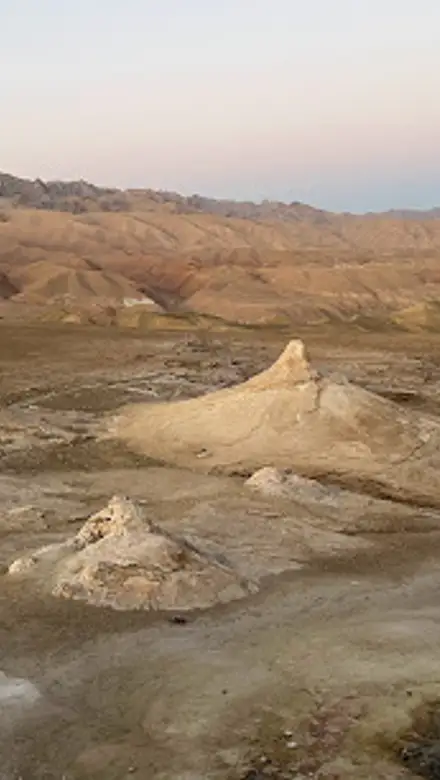
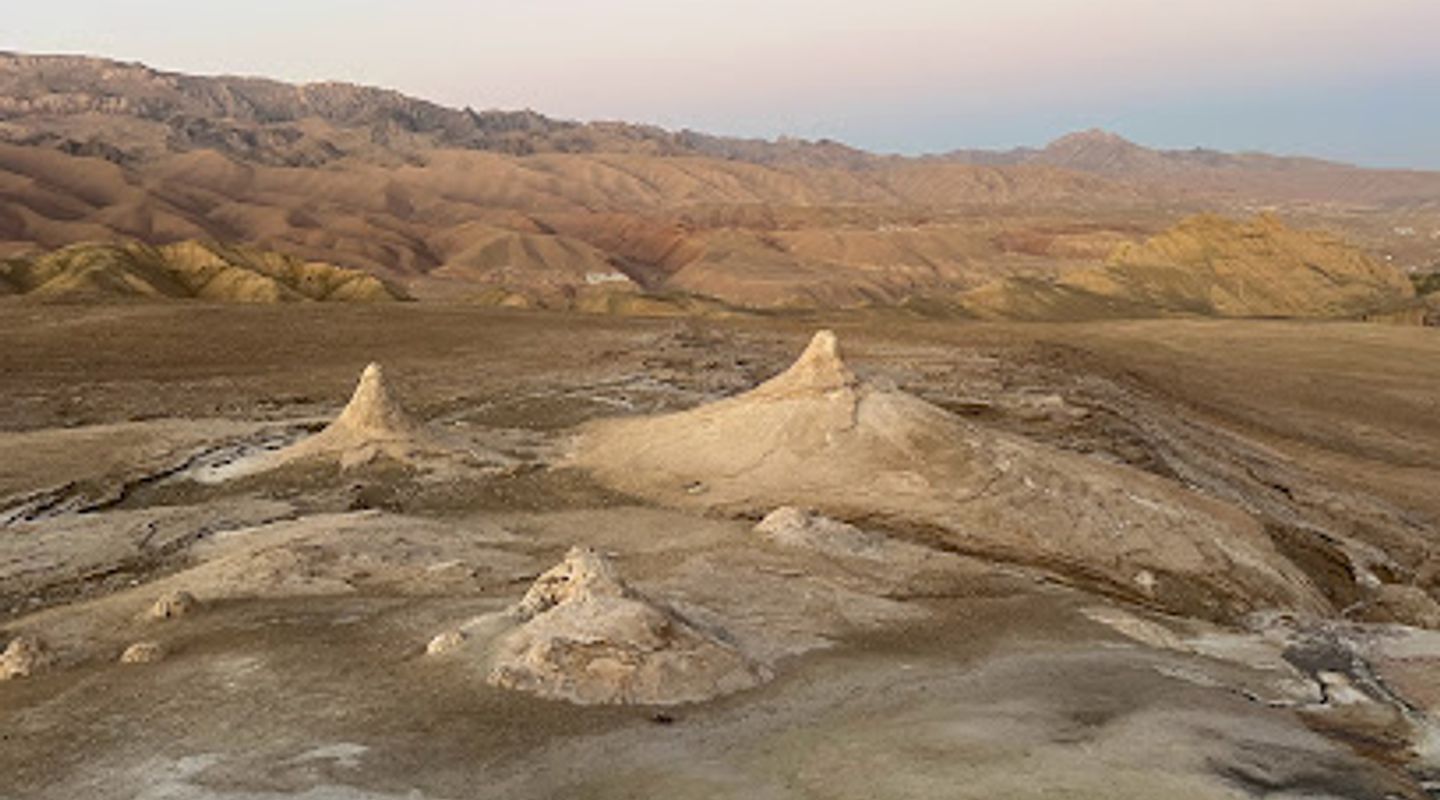
Dragon Valley, or Dara-e Ajdahar, is a geological wonder 7 kilometers west of Bamyan city, Afghanistan. According to legend, Hazrat Ali cleaved a monstrous dragon in two here, its body forming the valley's rocky ridge. Mineral-rich springs, one clear and one red, add to the valley's mystique.
A brief summary to Dragon Valley
- RQM2+G5M, Bamyan, AF

Know before you go
Hi, I'm Eve. Here are a few practical things to know before exploring Dragon Valley.
- Engage with the local Hazara community to learn more about the valley's history and legends [13].
- Wear sturdy shoes for hiking the rugged terrain and exploring the geological formations [4].
- Bring adequate water and sun protection, as the terrain is exposed [4].
Do you manage this location?
Take control to get all the benefits, like improved information, better appearance, and stronger visibility across AI-powered discovery. Learn more about listing your business on Evendo
Activate your presenceOther nearby places you may find interesting
The closest places of the same kind, if this one is not quite what you had in mind.
Explore Dragon Valley on the Map
A handpicked selection of must-see spots near Dragon Valley, mapped for you.
Getting There
-
Taxi
From Bamyan city center, the most convenient way to reach Dragon Valley is by taxi [4]. Negotiate a round-trip fare with the driver (approximately 500 AFN), ensuring they wait for you while you explore the valley [4, 6]. The journey takes about 15-20 minutes, heading west from the city [4]. Alternatively, arrange for a taxi through your accommodation for a hassle-free experience [4].
-
Walking
For adventurous travelers, walking to Dragon Valley from Bamyan is possible [4]. The distance is approximately 7 kilometers, taking around 1.5 to 2 hours [4]. Head west from Bamyan, following the main road [4]. Be aware of the exposed terrain and bring adequate water and sun protection [4]. This option offers a more immersive experience of the surrounding landscape [4].
Discover more about Dragon Valley













Your all‑in‑one travel companion app
Explore expert travel guides, compare and book tours, experiences, hotels, and more—all from the palm of your hand. Download now for seamless trip planning wherever your wanderlust takes you.


Explore More of Drangiana
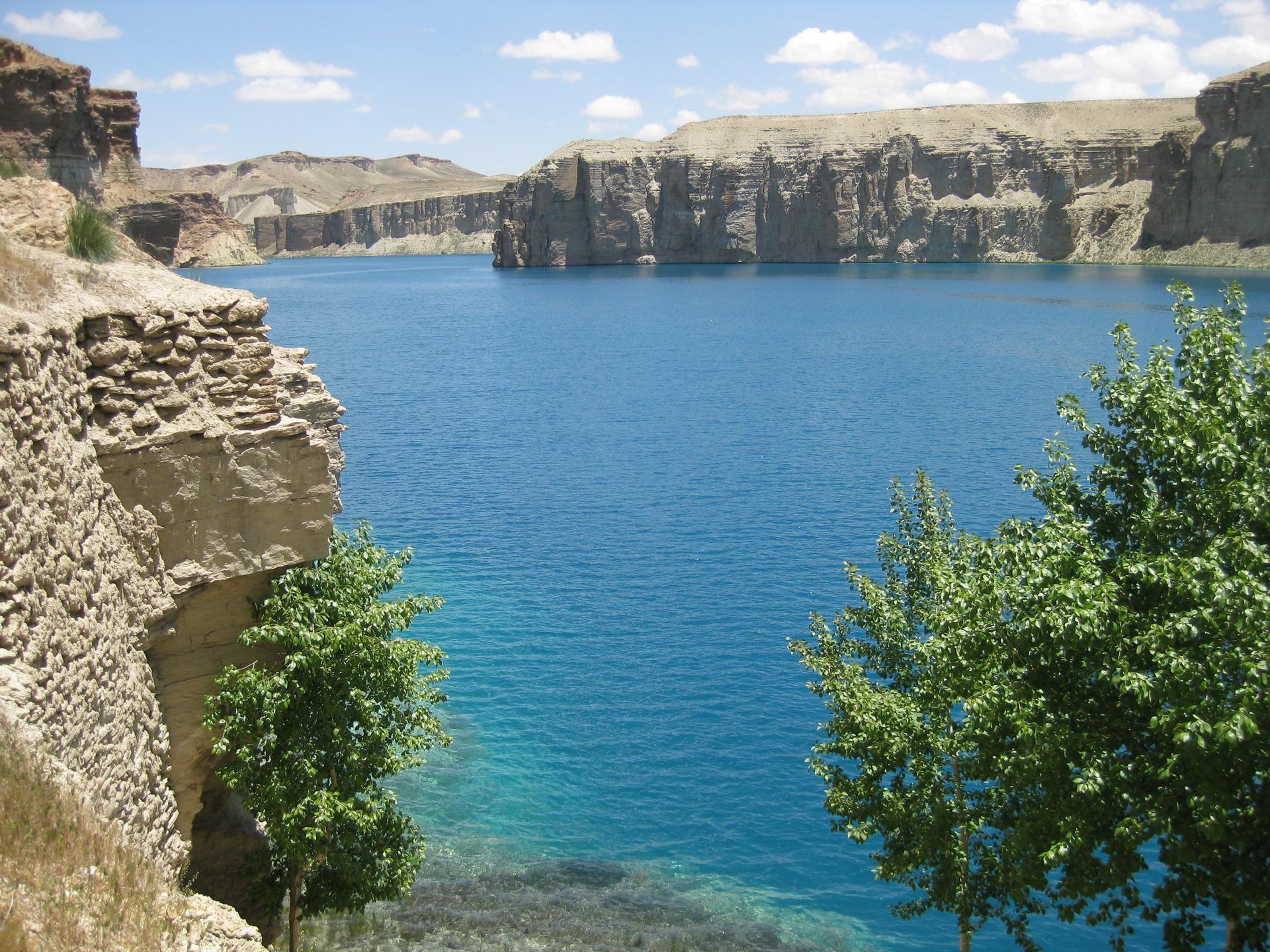
Looking beyond Dragon Valley? Discover Drangiana for broader travel guides, local hot-spots, and regional highlights.
Explore Drangiana
Discover the majestic Koh-e Awpar, a stunning Afghan peak offering breathtaking landscapes and a rich cultural experience in the heart of the Hindu Kush.
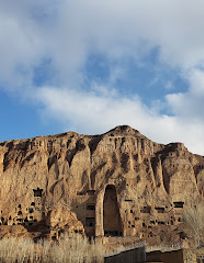
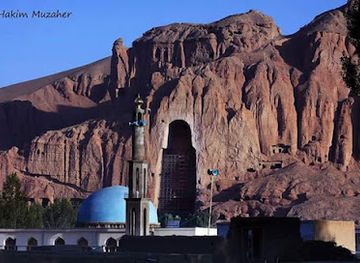
Explore the remnants of the Shamama Buddha, a UNESCO World Heritage Site, and discover the rich Buddhist history of Afghanistan's Bamyan Valley.